

Even the tiniest patio can turn into something genuinely alive with just a handful of well-chosen pots. You don’t need raised beds or a sprawling backyard, container gardening solves that problem beautifully.
I started with three terracotta pots on my own apartment balcony years ago, and that small setup is what got me hooked on gardening in the first place.
The flexibility here is what makes it so appealing. Swap annuals when the seasons change, tuck a shade-loving fern into a corner that never sees sun, or add something fragrant near your seating so the scent drifts by in the evening.
Getting it right comes down to a few small habits. Pay attention to drainage, give your plants room to actually spread, and water with intention instead of just sticking to a routine.
A Few Things Worth Knowing First
Drainage holes are non-negotiable, no matter how much you love a particular pot. Without them, water pools at the bottom and root rot becomes almost inevitable.
Matching container size to your plant matters more than people expect. Herbs are happy with six to eight inches of depth, while vegetables generally need at least ten to twelve.
Skip regular garden soil entirely for containers. It packs too tightly and chokes roots, so a proper potting mix is worth the extra trip to the store.
16 Patio Container Gardening Ideas
Container gardening gives you room to experiment in a way that ground planting rarely allows. You can mix trailing flowers with upright herbs, rotate seasonal color, or dedicate a whole corner to vegetables without committing to anything permanent.
I’ve covered everything from cascading flowers to low-maintenance succulents and pollinator-friendly wildflowers, so you can build a patio garden that matches your light, your climate, and how much time you actually want to spend on upkeep.
Take a look through and start with whichever idea fits the space you’ve got right now.
Why Container Gardening Works for Small Spaces
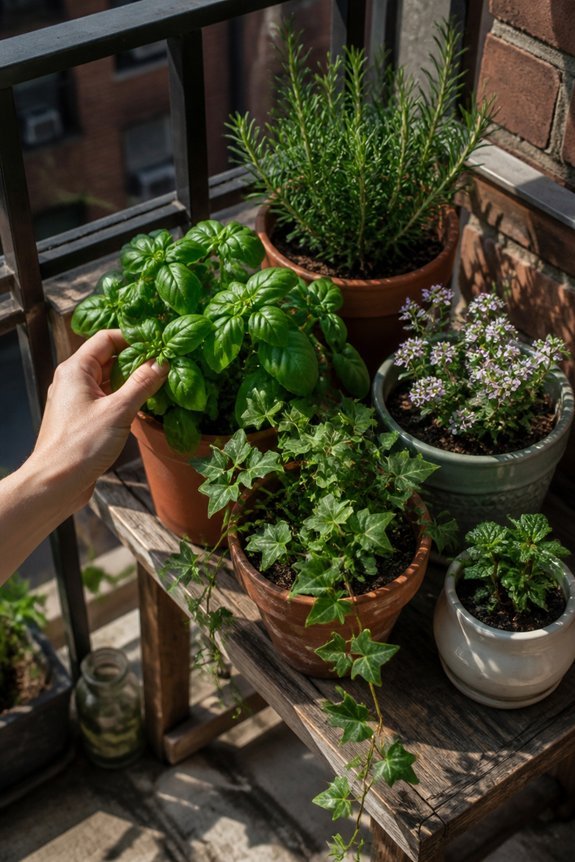
Container gardening solves the space problem many city and suburban dwellers face. Patios, balconies, and small yards cannot fit traditional in-ground gardens. Containers offer a practical alternative. Pots, raised beds, and hanging planters use minimal floor space. They still produce vegetables, herbs, and flowers.
You can position containers against walls, on railings, or in tucked-away corners. This helps you use every bit of available area. Pots can also move to follow sunlight throughout the day.
Container gardening needs less soil preparation than ground gardening. You simply fill pots with quality potting mix. This skips the work of amending existing soil. Weeding and pest management become easier too.
Tomatoes grow well in five-gallon buckets. Lettuce thrives in shallow trays. Basil fits nicely in six-inch pots. These setups show how containers adapt to different plants and space limits.
Also read: 10 Container Gardening Vegetables That Grow Well in Pots
Choose the Right Pots and Soil for Container Success
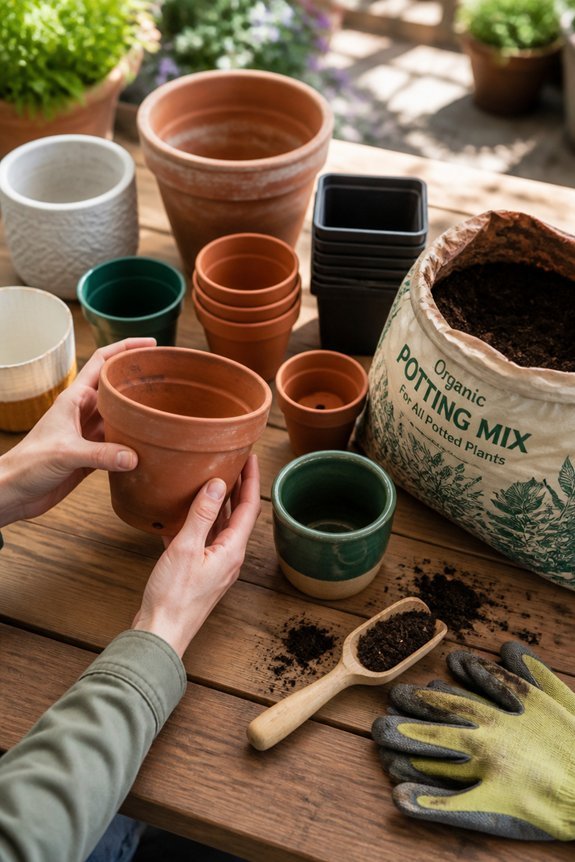
Start with proper drainage. Pots need holes to prevent root rot, no exceptions.
Terracotta breathes well but dries fast. Plastic holds moisture and stays light. Ceramic looks lovely with balanced water retention.
Skip the garden soil. It packs too tight in containers and chokes roots. Choose standard potting mix instead. It blends peat moss, perlite, and compost for good drainage plus steady moisture.
Match container size to your plants. Herbs grow happily with 6-8 inches of depth. Vegetables need at least 10-12 inches to thrive.
Good pots and soil create the perfect home for your patio garden.
Cascading Flowers: Trailing Plants That Spill and Spread
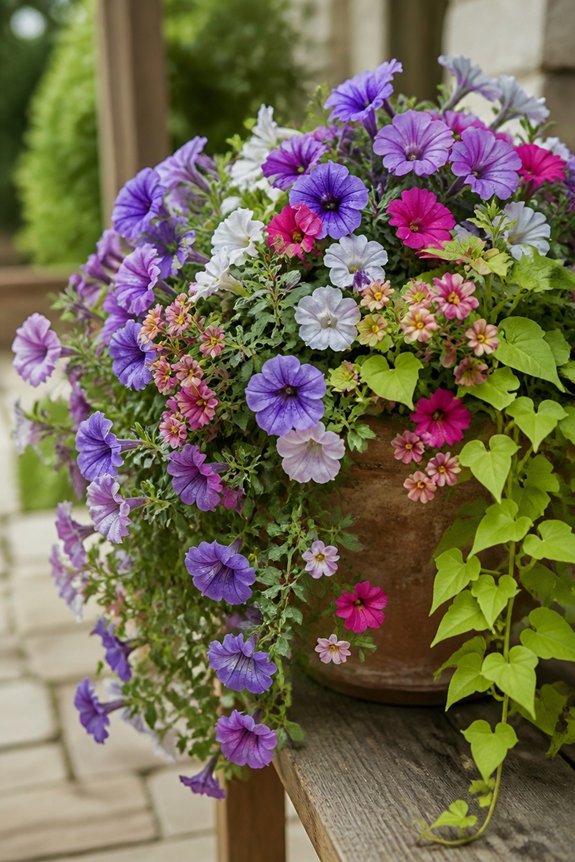
Trailing plants add instant charm to patio containers. They spill over edges and soften the look of hard pots. Petunias, ivy, and sweet potato vine create beautiful downward movement. Your eye naturally follows their flow through the garden space.
Bacopa and calibrachoa work wonderfully in hanging baskets. Both offer delicate blooms with easy, trailing growth. Trailing verbena provides similar beauty with little upkeep. These plants shine best when placed up high. Shelves, tables, and hanging structures show off their habits perfectly.
Elevated pots dry out faster than ground plantings. Check soil moisture regularly to keep plants thriving. Mix trailing and upright varieties together. This layering technique creates balanced, full arrangements. The result is a patio that feels lush and intentional.
Container Herb Gardens for Your Kitchen
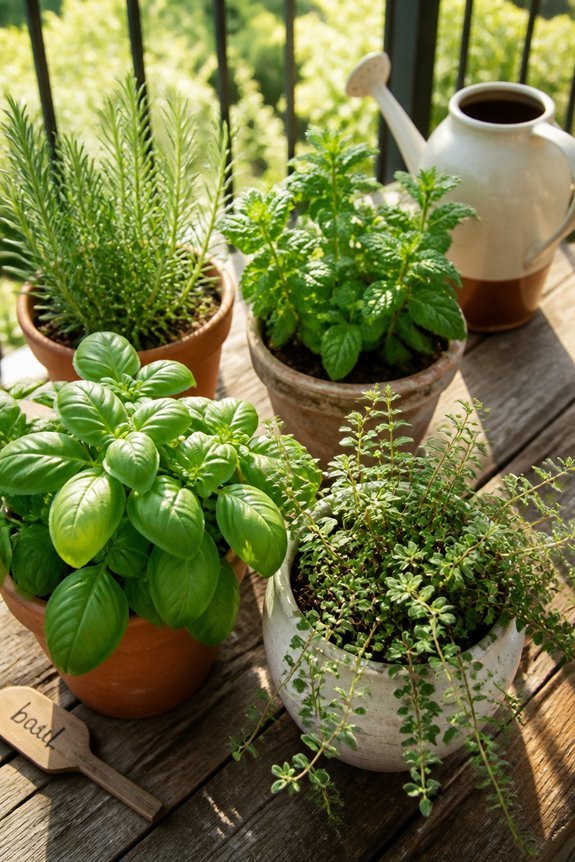
Growing herbs in patio containers brings fresh flavors close to your cooking spaces. Basil, parsley, thyme, and rosemary thrive in individual pots. Look for containers with drainage holes and well-draining soil.
Most herbs need six to eight hours of direct sunlight daily. South-facing patios work perfectly. Match your container sizes to each plant type. Basil grows well in six inches of depth, while rosemary prefers eight inches.
Group your containers together when possible. This creates humid microclimates and reduces how often you need to water. Harvest your herbs regularly. This encourages bushier growth and keeps plants productive through the season.
Ceramic, terracotta, and plastic containers all work well. Just note that terracotta dries out faster than other options. You can also rotate seasonal herbs. Replace spent plants with cold-hardy varieties when winter arrives.
Seasonal Color Rotations: Plant Something New Each Season
Why Rotate Your Containers?
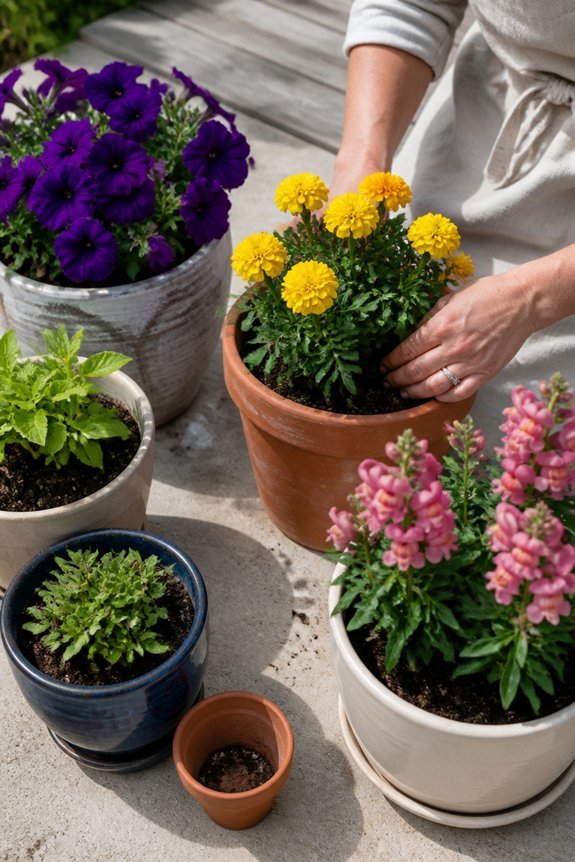
Herb gardens keep your kitchen stocked year-round. Patio containers give you something fresh each season. Cool tulips, pansies, and snapdragons brighten spring. Summer heat suits marigolds, petunias, and zinnias. Mums, kale, and asters bring warm fall tones. Evergreens and winter pansies carry you through cold months.
Simple Benefits
Switching plants protects your soil. Pests have a harder time settling in. Your patio stays interesting all year long.
Getting Started
Refresh your soil each year. Check drainage before planting. Match nutrients to what each season’s plants need. This simple habit stretches your growing time across every month.
Grow Vegetables and Edibles in Container Gardens
Start with the Basics
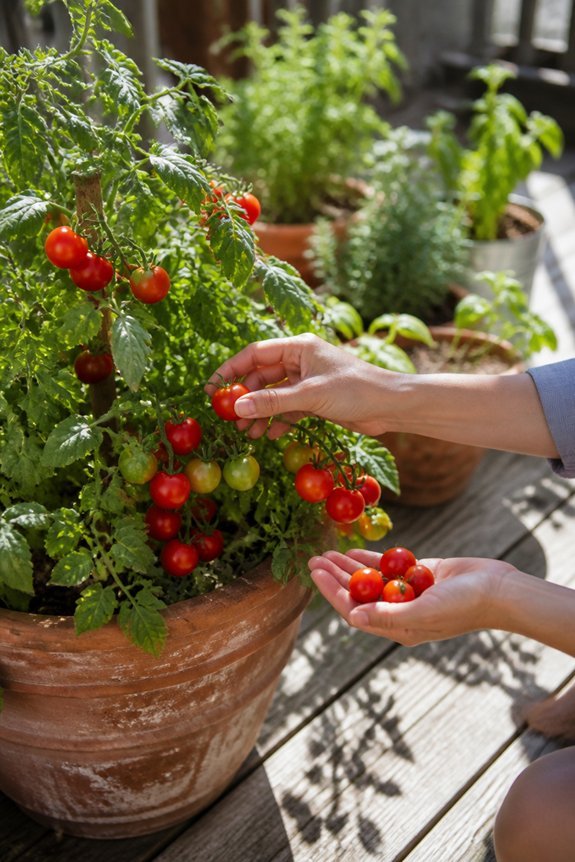
Container gardening works beautifully for vegetables and herbs. You can grow tomatoes, peppers, lettuce, and zucchini in pots on your patio. These plants thrive with enough sunlight and good drainage.
Fresh basil, parsley, and thyme need little space. They provide ingredients for cooking all season long. Potatoes and radishes also do well in larger containers.
Choose the Right Setup
Size matters for your containers. Tomatoes need at least five-gallon pots. Herbs grow happily in smaller three-gallon ones.
Use quality potting soil. Water consistently and fertilize appropriately. These simple steps keep your plants healthy.
Enjoy the Harvest
Picking vegetables at peak ripeness beats store-bought every time. You skip transportation costs and get unbeatable freshness. Your patio becomes a productive space that still looks lovely.
Mix Heights and Textures for Visual Drama
Mix Heights and Textures for Visual Drama
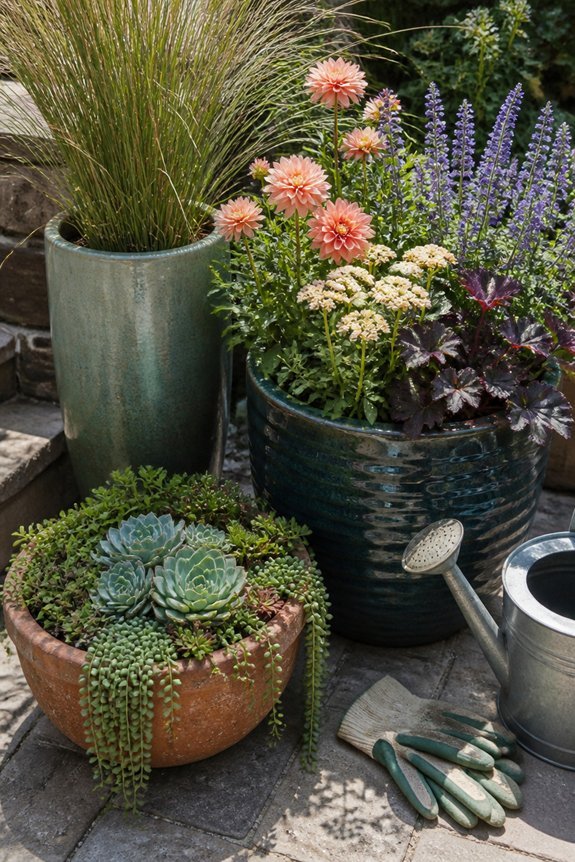
Varying plant heights creates instant visual interest in any patio garden. Tall options like ornamental grasses or bamboo form a strong backdrop. Medium-height plants such as coneflowers and shrubs fill the middle ground nicely. Low growers like sedums and creeping thyme soften the front edges.
Texture pairings take this effect even further. Feathery foliage next to broad, smooth leaves catches the eye. Spiky ornamental onions create lovely contrast against soft, mounding flowers. Variegated leaves with multiple colors add depth without overwhelming the arrangement.
Match your container size to your tallest plant. Larger, heavier pots keep tall specimens stable and give roots room to spread. Grouping containers of different heights together looks more natural than a row of matching sizes.
Low-Maintenance Succulents and Cacti
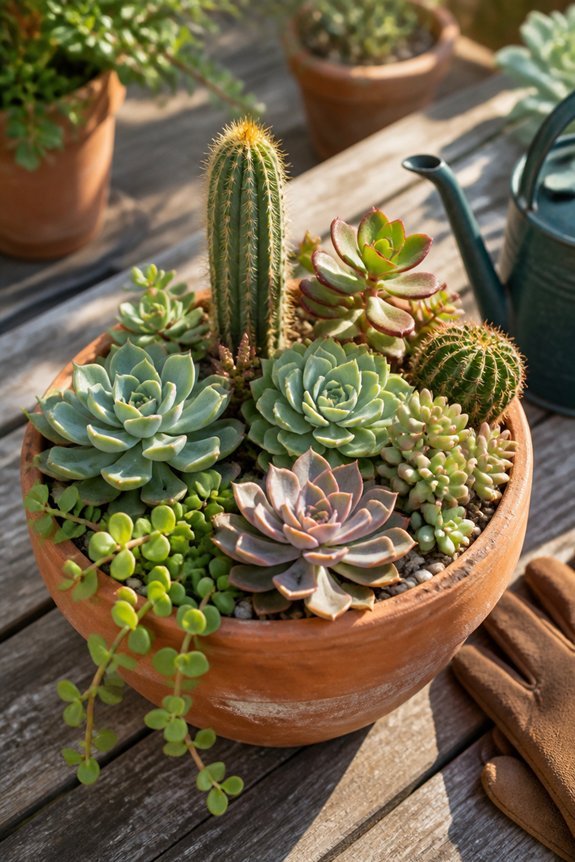
Succulents and cacti thrive in patio containers with minimal care. They store water in their leaves and stems, so they need infrequent watering. Popular choices include jade plants, aloe vera, echeveria, and prickly pear cacti.
Container Setup
Choose pots with drainage holes to avoid root rot. Use cactus mix instead of regular potting soil for better drainage.
Light and Placement
These plants love bright light. Aim for six to eight hours of direct sunlight each day.
Watering and Feeding
Water every two to three weeks during growing seasons. Cut back significantly in winter months. Feed only once or twice yearly when plants are actively growing.
Shade-Loving Plants for Shady Patios
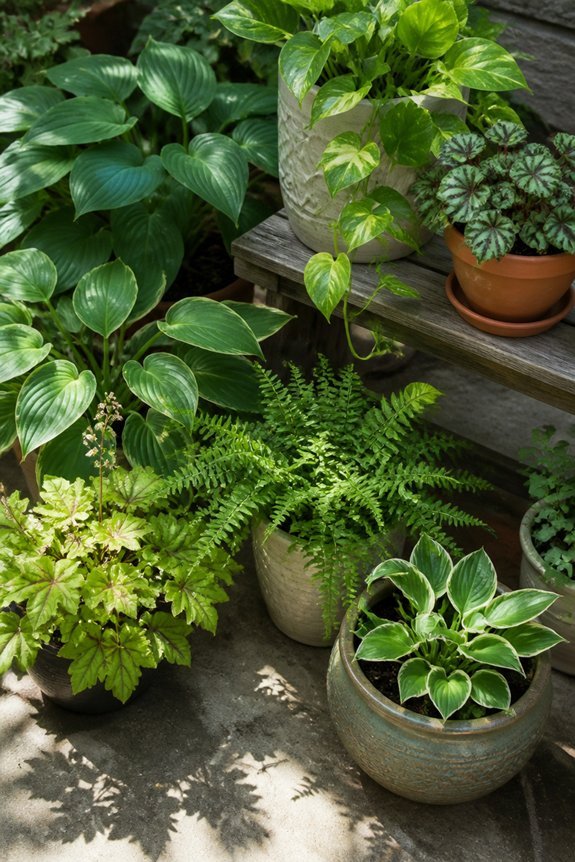
Shady patios can feel tricky for gardeners. Many assume plants need full sun to thrive. This simply isn’t true. Plenty of beautiful options love low light.
Leafy Favorites
Hostas are a natural starting point. Their large leaves come in deep greens, golds, and striking variegated patterns. Ferns add a softer touch. Boston and maidenhair varieties bring delicate movement to any container.
For bold color without flowers, try coleus. These plants light up shady spots with vibrant leaf patterns. No direct sun required.
Blooming Choices
Impatiens deliver steady color through warm months. You’ll find them in pink, red, white, and purple. Begonias offer the best of both worlds: attractive foliage plus long-lasting blooms.
Hellebores break the rules by flowering in cooler weather. Their nickname, Christmas rose, hints at this unusual timing.
Trailing and Textural
Ivy works beautifully in hanging containers. Its trailing green softens edges and adds depth.
Care Basics
All these plants need consistent moisture. Apply fertilizer occasionally for lush, healthy growth in limited light.
Attract Pollinators With Container Wildflower Gardens
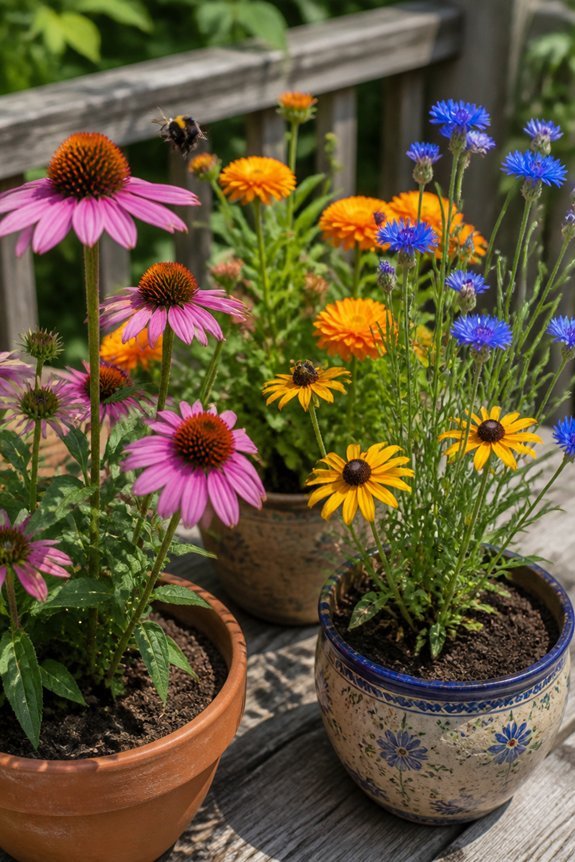
Container wildflower gardens bring bees, butterflies, and hummingbirds right to your patio. They need large containers, quality soil, and seeds suited to your local climate.
Native wildflowers work best for attracting regional pollinators. Black-eyed Susans, coneflowers, zinnias, and cosmos are excellent choices. They bloom across seasons and provide steady food sources.
Place your containers where they get six to eight hours of sunlight daily. Most wildflowers love bright conditions. Water regularly to keep soil moist but never soggy.
Skip the pesticides entirely. Pollinators need safe spaces to feed and reproduce. These simple gardens support local ecosystems while making your patio more beautiful and alive.
Fragrant Flowers: Plants That Smell Amazing
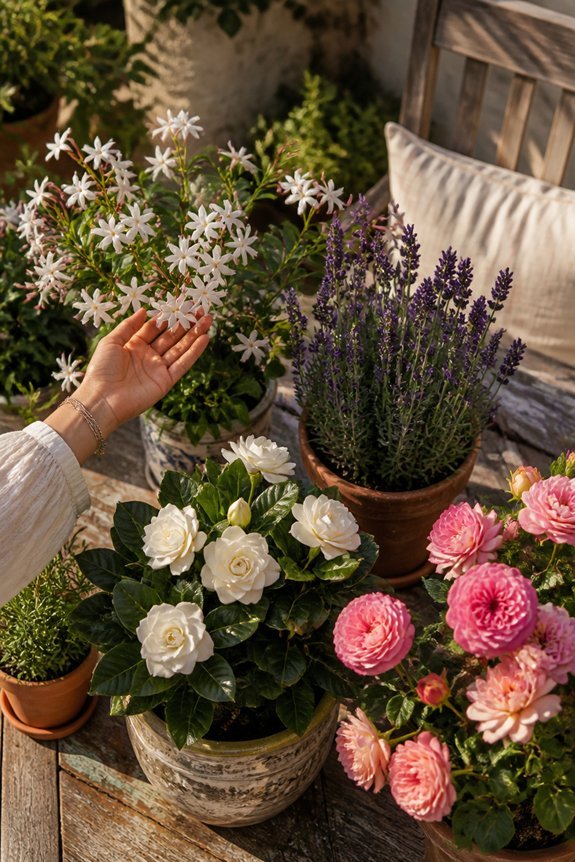
Fragrant blooms transform patios into sensory retreats. Container gardeners can enjoy both beauty and scent with the right plant choices.
Lavender
This classic herb offers calming purple flowers and a soothing aroma. It thrives in sunny spots with well-draining soil. Give it room to breathe in your container.
Gardenias
Expect strong, sweet fragrance from these elegant white blooms. They need acidic soil and steady moisture. Check soil regularly to keep them happy.
Jasmine
These vines suit large pots and release their scent in evening hours. Train them on a small trellis for vertical interest.
Petunias
Mild fragrance meets bold color with these versatile annuals. They fill containers quickly and bloom all season.
Roses
Heirloom varieties deliver the richest scents for patio growing. Choose compact types suited to pot life.
Dianthus
Spicy, clove-like perfume sets these apart. They handle cooler weather better than most flowering plants.
Match each plant to its light needs and container size. Plan for staggered bloom times to keep fragrance flowing throughout the season.
Watering and Feeding Container Gardens
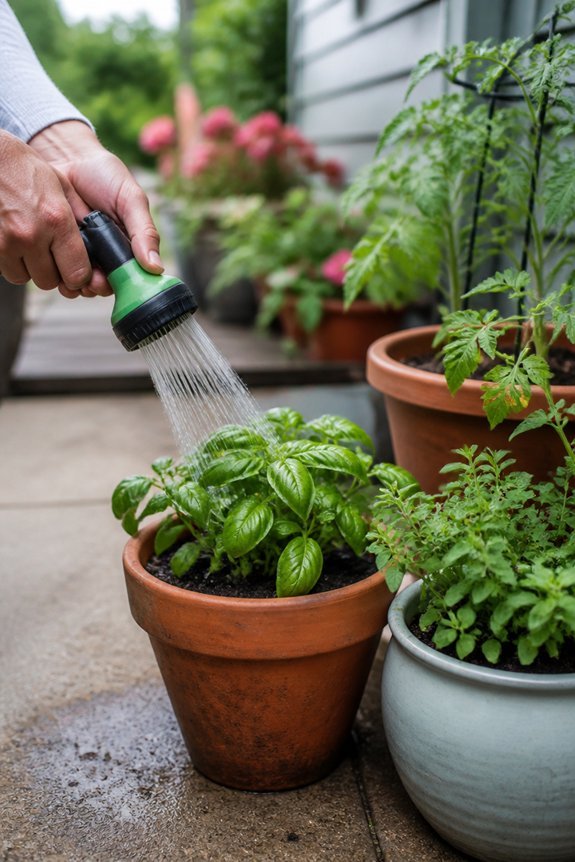
Container gardens need more water than in-ground plantings. Soil in pots dries out faster, especially in summer heat.
Check moisture daily. Stick your finger one inch into the soil. Water when it feels dry at that depth.
Regular fertilizer matters for containers. Water washes nutrients away over time.
Use a balanced formula like 10-10-10 once a month. Slow-release options mixed into potting soil work too. They feed plants for months with less effort.
Several factors change how often you’ll water. Small containers dry out quicker than large ones. Clay pots lose moisture faster than plastic.
Weather and plant type also make a difference. Hot days mean more frequent watering. Some plants are thirstier than others.
Too much water harms container plants. Root rot is a frequent problem for beginners.
Always pick pots with drainage holes. This stops water from pooling at the bottom.
Frequently Asked Questions
How Do I Protect Container Plants From Pests and Diseases Effectively?
Regular inspection catches most problems early, before they spread to your other pots. A quick look while you’re watering is usually enough to stay ahead of things.
Applying neem oil or insecticidal soap monthly helps keep infestations in check. Good drainage also prevents a lot of fungal issues, and giving your plants enough spacing for airflow makes a real difference too.
If you do spot an issue, removing affected foliage right away stops it from spreading further through the container.
Can I Leave Container Gardens Outside During Winter Months?
Yes, in most cases, though it really depends on your plants and your climate zone. Some varieties handle cold just fine while others need extra help.
Tender perennials are usually better off moved indoors before temperatures drop too low. Insulating containers with mulch protects roots that stay outside, and cutting back on watering during winter prevents the soil from staying too wet in cold conditions.
What’s the Best Way to Repot Plants as They Grow Larger?
Watch for roots poking through drainage holes or circling tightly at the base. That’s usually your clearest sign a plant has outgrown its container.
Choose a new pot just slightly larger rather than jumping several sizes at once. Fresh potting soil, gently loosened roots, and a bit of care during transplanting all help the plant settle in without too much stress.
Spring tends to be the best time for this, since plants are entering active growth and recover from the move more easily.
How Do I Create Drainage Holes in Decorative Pots Without Damage?
A drill with a ceramic or glass bit works well for most decorative pots. Starting with a smaller bit and slowly increasing the size helps prevent cracking as you go.
For softer materials like terracotta, a hammer and nail can do the job too, though it takes a steadier hand. Either method turns a beautiful pot without drainage into one that’s actually usable for planting.
Should I Use Fertilizer Spikes, Liquid, or Granules for Containers?
Liquid fertilizer tends to work best if you’re already watering frequently, since it fits naturally into that routine and gives you precise control. It’s absorbed quickly too, which containers appreciate.
Spikes are the easiest option if convenience matters most to you, while granules offer a nice middle ground with a slower, more gradual release. None of these are wrong exactly, it just depends on how hands-on you want to be with feeding your plants.
CONCLUSION
Container gardening proves that a lack of space was never really the obstacle people assume it is. A handful of good pots and a bit of attention go a surprisingly long way.
Those three terracotta pots I started with on my old balcony eventually turned into a full patio setup I never expected to care about this much. Sometimes the smallest beginnings lead somewhere you didn’t plan for.
Whether you’re drawn to cascading flowers spilling over the edges or a simple herb garden within reach of your kitchen door, the best setup is the one that fits how you actually use your outdoor space. There’s no single correct combination here.
Mixing heights, textures, and even seasonal rotations keeps a patio feeling alive rather than static. A little variety does more for visual interest than any single showstopper plant ever could.
Don’t feel like you need to get everything right immediately either. Container gardening rewards a bit of trial and error, and most mistakes are easy enough to fix with your next planting season.
I’d love to hear what you’re growing on your own patio, or which of these ideas you’re planning to try first. Leave a comment and let me know how it’s coming along.