

You don’t need a backyard to grow your own tomatoes, and a sunny balcony is honestly all it takes to get started. Container gardening opens up vegetable growing to pretty much anyone willing to give it a try.
I grew my first cherry tomatoes in a five-gallon bucket on a tiny apartment patio, and pulling ripe fruit off a plant I grew myself never got old that summer.
The key really comes down to choosing plants suited to pot life. Tomatoes, peppers, leafy greens, and quick growers like radishes all adapt beautifully, each bringing something different to your setup depending on how much space and patience you’ve got.
Success mostly hinges on a few basics done consistently. Right-size your containers, make sure the soil drains well, find steady sunlight, and keep a watering rhythm you can actually stick to.
The Basics That Make Everything Else Work
Container size should match the vegetable, not just whatever pot you happen to have on hand. Tomatoes and zucchini need real room, while radishes and lettuce are happy in something much shallower.
Skip garden soil entirely for containers. It compacts too tightly and blocks air from reaching roots, so a proper potting mix makes a noticeable difference from the start.
Sunlight requirements vary more than people expect. Leafy greens tolerate partial shade just fine, while tomatoes and peppers really do need that full six to eight hours to produce well.
12 Container Vegetable Gardening Ideas
Growing vegetables in containers is really about matching the right plant to the space and light you actually have. Some crops like radishes reward you within weeks, while others like tomatoes ask for more patience and a bigger pot.
I’ve covered everything from fast, beginner-friendly crops to vertical growers like beans and cucumbers, so you can build a container garden that fits your patio and your schedule.
Take a look through and start with whichever vegetable matches your current setup best.
Start Here: Set Up Your Container, Soil, and Sunlight
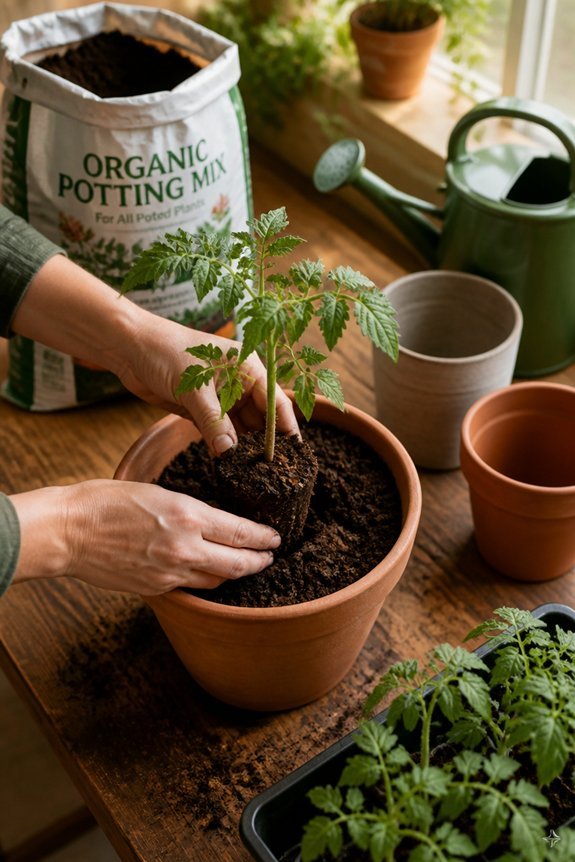
Successful container gardening starts with three basics: your container, your soil, and your sunlight.
Containers need drainage holes. Without them, water sits and roots rot. Five-gallon buckets, terracotta pots, and grow bags all work well. Bigger is often better. Larger containers hold more soil and stay moist longer.
Potting soil drains well and comes ready with nutrients. Look for bags labeled “potting mix.” These contain peat moss, perlite, and compost in the right balance. Skip garden soil in containers. It compacts and blocks air from reaching roots.
Different vegetables need different light. Leafy greens like lettuce handle partial shade with four to six hours of sun. Tomatoes, peppers, and eggplants need six to eight hours. A south-facing spot usually gives the steadiest light.
Also read: 11 Container Gardening Flowers That Make Any Patio Pop
Tomatoes: Best Container Varieties for Maximum Yield
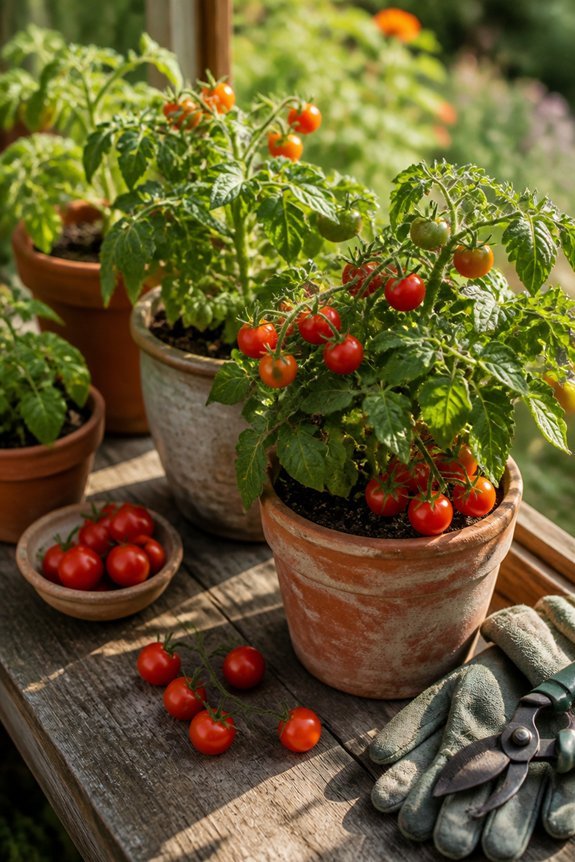
Tomatoes rank among the most popular container vegetables. Choosing the right variety makes a real difference in your harvest size and how easy the plant is to manage.
Compact and Manageable Options
Determinate varieties grow to a set size and produce fruit over a few weeks. ‘Patio’ and ‘Tiny Tim’ stay small and tidy. They fit nicely in limited spaces and need less attention throughout the season.
Vining Types That Keep Giving
Indeterminate types grow and produce all season long. ‘Sungold’ and ‘Cherry’ fall into this group. They need larger pots and something to climb on. The tradeoff is more fruit over a longer stretch.
What to Look For
Seek out varieties bred specifically for containers. Standard garden types often struggle in pots. Check the mature height before you buy. Most range from two to six feet.
Pot Size and Drainage
Dwarf varieties need at least five gallons of soil. Larger indeterminate types need ten gallons or more. Drainage holes matter more than people think. Without them, roots rot and disease follows.
Peppers: Growing Heat and Flavor in Pots
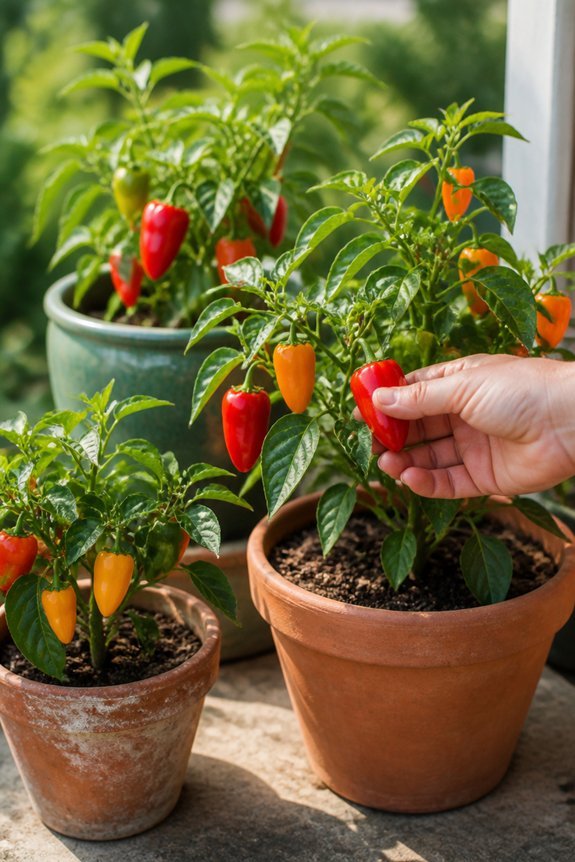
Peppers thrive in containers when given proper conditions. They work well for gardeners with limited space. These plants need warm temperatures between 70-85°F. They also need six to eight hours of direct sunlight each day.
Container size matters a great deal. Five-gallon pots work well for most pepper varieties. Well-draining soil mixed with compost supports healthy roots. This mix also prevents waterlogging.
Bell peppers, jalapeños, and sweet banana peppers all grow reliably in containers. Water them consistently to keep soil moist but not soaked. Peppers cannot handle drought or too much moisture. Fertilize every two to three weeks to supply nutrients for fruit production.
You can harvest peppers at the green stage or wait until they reach full color. The timing depends on your preference and how you plan to use them.
Lettuce and Leafy Greens: Continuous Harvests in Shallow Containers
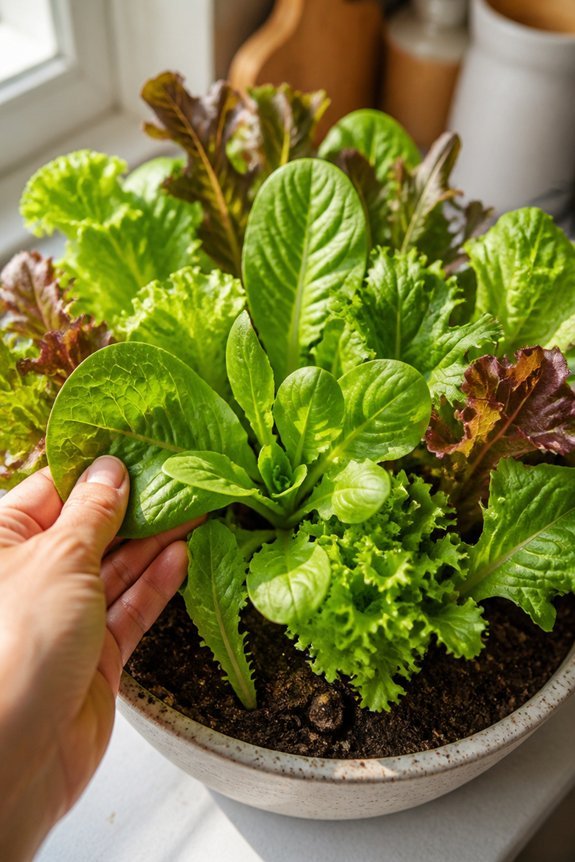
Growing Fresh Greens in Small Spaces
Lettuce and leafy greens thrive in shallow containers. Six to eight inches of depth is all they need. Varieties like buttercrunch, oak leaf, and arugula reward you with multiple harvests through successive plantings.
These greens prefer cooler temperatures. Spring and fall are their ideal growing seasons.
Container Setup and Care
Good drainage holes are essential. Use quality potting soil mixed with compost for best results. Keep the soil consistently moist, but never waterlogged.
Partial shade helps during hot months. Full sun works better in cooler periods.
Harvesting for Continuous Supply
Pick the outer leaves first. The inner leaves keep growing, giving you weeks of production. This cut-and-come-again method is simple and effective.
Plant new seeds every two weeks. You’ll enjoy fresh greens without needing much space at all.
Herbs: Year-Round Freshness on Your Windowsill
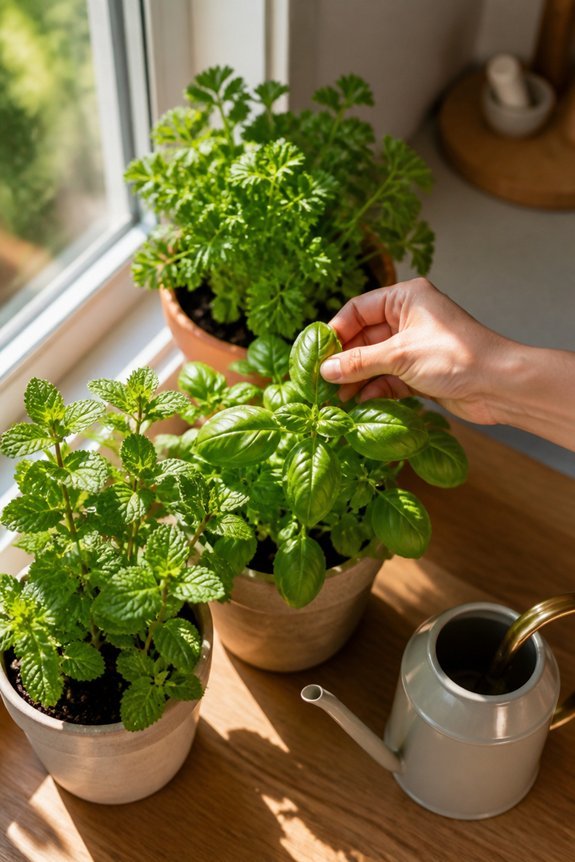
Fresh herbs grow readily in containers on windowsills. Basil, parsley, cilantro, thyme, and oregano provide year-round access to flavor. These plants need minimal space, making them ideal for apartments and small homes.
Herb containers need adequate sunlight. Aim for six to eight hours daily. South-facing or west-facing windows work best for most varieties. Good drainage prevents root rot and fungal problems.
Different herbs have different preferences. Basil loves warmth and produces more when pinched regularly. Thyme and oregano prefer drier soil between waterings. Parsley and cilantro handle partial shade better than other herbs.
Choose containers six to eight inches deep. This size suits most herbs well. Frequent harvesting encourages bushier growth and longer productivity. Growing your own reduces grocery costs and puts fresh ingredients within easy reach.
Radishes: The Fastest Container Crop (Ready in Weeks)
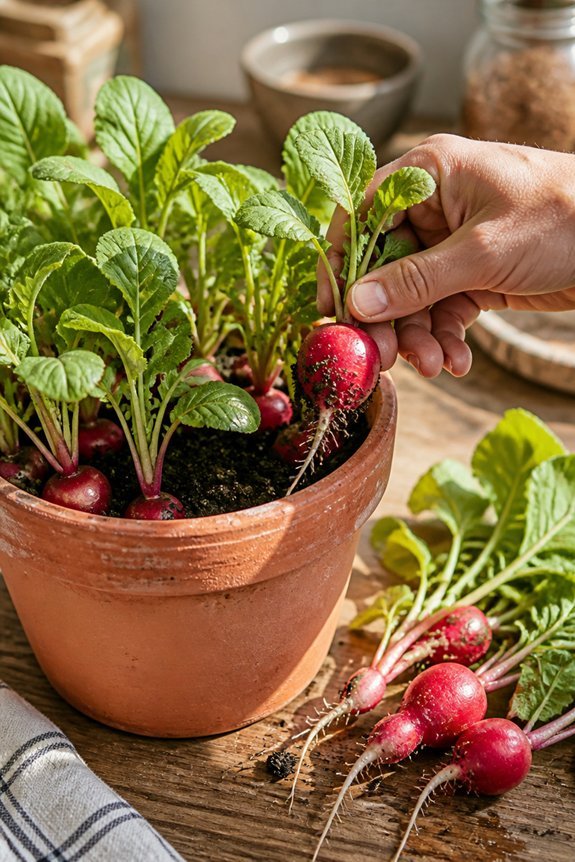
Radishes: The Fastest Container Crop (Ready in Weeks)
Radishes mature faster than most vegetables. You can harvest edible roots in just three to four weeks. They need very little space, so they work perfectly on balconies or patios.
Container Setup
Pick a pot at least six inches deep. Make sure it has drainage holes. Fill it with quality potting soil for best results.
Cherry Belle, French Breakfast, and Icicle varieties all grow well in containers. These types handle confined roots without trouble.
Care and Growing Tips
Keep the soil consistently moist. Dry spells lead to tough, pithy roots. Your radishes also need full sun, about six to eight hours each day.
Sow seeds directly into the container. Space them one inch apart at first. Once seedlings emerge, thin them to two inches apart. Crowded plants compete for nutrients and water.
Harvesting
Pull radishes when roots measure one-half to one inch across. Overcrowded containers slow growth and produce woody, unpleasant roots. Check them regularly, as they mature quickly.
Beans: Vertical Growth in Minimal Space
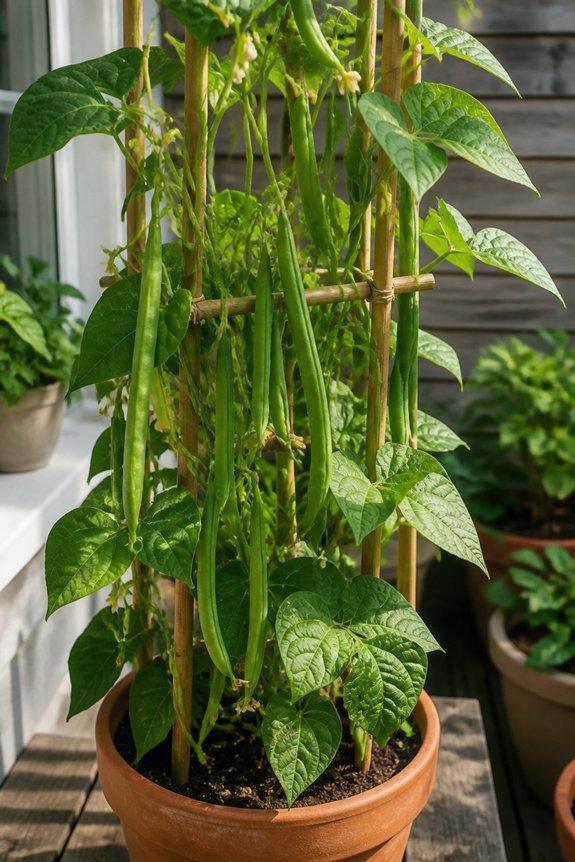
Beans grow vertically on supports. This makes them perfect for container gardeners with limited space. Pole beans and runner beans climb trellises, stakes, or cages. They maximize vertical growing area while keeping the container footprint small.
A five-gallon pot works well for most bean varieties. The soil should drain well and contain organic matter. This helps retain moisture consistently.
Beans need six to eight hours of direct sunlight daily. This ensures peak pod production.
Popular varieties include Kentucky Wonder pole beans and Scarlet Runner beans. Seeds germinate quickly, usually sprouting within seven to ten days. Regular harvesting encourages continued flowering. This extends the productive season.
Beans need minimal fertilization once established. Consistent watering remains essential during flowering and pod development.
Cucumbers: Trellis Training for Small Spaces
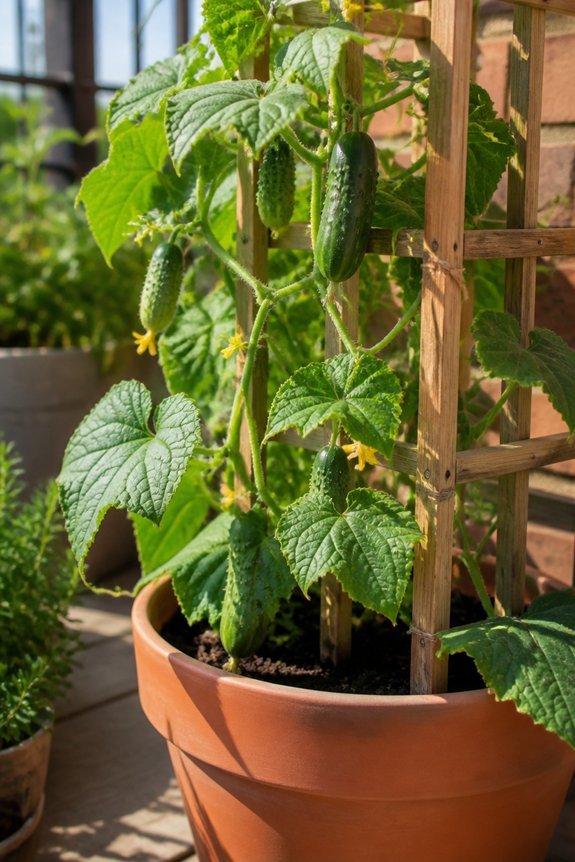
Cucumbers love to sprawl. Without support, they’ll take over your garden.
Vertical training solves this. It makes growing cucumbers in small spaces simple.
Choosing Your Container
Compact varieties work best. ‘Spacemaster’ and ‘Bush Pickle’ thrive in pots.
You’ll need at least five gallons of soil. This gives roots room to grow.
Building Your Support
Wooden stakes, bamboo poles, or wire trellises all work well. Attach them securely to your container rim.
Cucumber tendrils grasp naturally. Soft twine helps guide vines at first.
Benefits of Growing Up
Air circulates better around leaves. This cuts down on disease and fungus problems.
Sunlight reaches fruit more evenly. You’ll get better yields and consistent ripening.
Ongoing Care
Keep soil moist, especially in summer. Feed plants regularly during the growing season.
Adjust supports as vines get heavier. Check ties weekly to avoid damage.
Carrots: Root Vegetables Without Deep Garden Beds
Choosing Your Containers
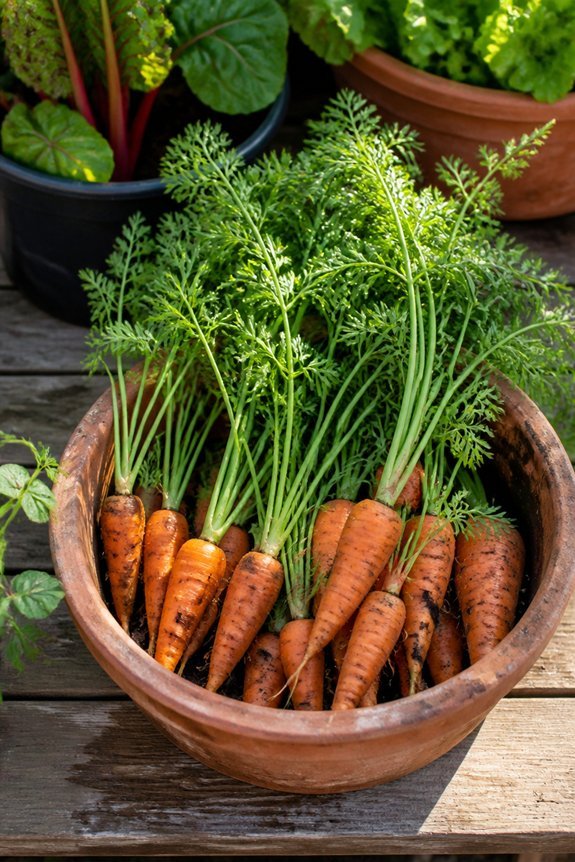
You don’t need a deep garden bed to grow carrots. A 12-inch container works great for shorter varieties like ‘Nantes’ or ‘Thumbelina’. Standard types need a bit more room, so pick a pot that’s 18 inches deep. Fill it with quality potting soil and some compost for the best drainage and nutrition.
Planting and Care
Water your carrots regularly to keep the soil moist but not soggy. They also need six to eight hours of direct sunlight each day. Sow the seeds right into the container to avoid transplant shock. Once they sprout, thin them out so each carrot has space to grow.
Why Containers Work
Growing carrots in containers prevents soil compaction and cuts down on pests. You can move the pots to catch the perfect light. Plant several containers at different times, and you’ll have fresh carrots all season long.
Zucchini: Prolific Producers in 5-Gallon Pots
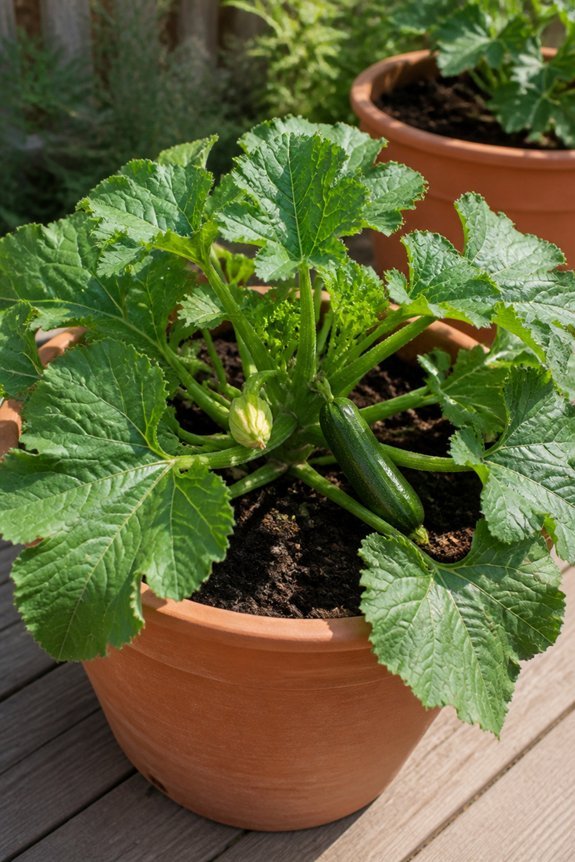
Zucchini grows well in 5-gallon containers. This method works great for small spaces. You can expect plenty of fruit from each plant.
Each container needs good drainage holes. The soil should be deep enough for roots. Keep the soil moist throughout the growing season. ‘Black Beauty’ and ‘Cocozelle’ are solid choices for pots. These varieties produce several fruits per plant.
Sun and Water Needs
Place your pots where they get six to eight hours of sun. Water often to keep the soil damp. Avoid letting it get soggy. Feed the plants every two weeks. This keeps them producing well.
You will see fruit in about fifty to sixty-five days. Harvests continue for several weeks during the peak of summer.
Frequently Asked Questions
How Often Should I Water My Container Vegetables, and What’s the Best Watering Method?
Container vegetables generally need consistent moisture, often daily during hot weather when soil dries out quickly. Checking the top inch of soil is a reliable way to know if it’s time.
Drip irrigation or a soaker hose delivers water right to the roots and cuts down on evaporation. This method also helps prevent disease that can come from wetting the leaves too often.
Can I Reuse Potting Soil From Previous Seasons, or Should I Replace It Annually?
You can reuse it, though refreshing it each year tends to give you better results. Mixing in compost and additional nutrients helps replenish what’s been used up.
Completely replacing your soil every so often is worth considering too, especially if you noticed disease or pest issues the previous season. Starting fresh clears out anything that might have built up over time.
What’s the Ideal Temperature Range for Growing Most Container Vegetables Year-Round?
Most container vegetables do best somewhere between 60 and 75 degrees Fahrenheit. That range keeps plants comfortable without pushing them into stress.
Temperatures below 50 or above 85 degrees tend to stress plants noticeably, which can reduce your yields and make them more prone to disease. Keeping an eye on your local forecast helps you time plantings around these limits.
How Do I Prevent Pests and Diseases in Container Gardens Without Chemicals?
Regular inspection is really your first line of defense here. Catching an issue early makes it far easier to manage before it spreads to other pots.
Removing infected leaves promptly and keeping good air circulation around your plants both help a lot. Neem oil or insecticidal soap handle most common pests naturally, and introducing beneficial insects like ladybugs can keep populations in check without any chemicals involved.
When Should I Fertilize Container Vegetables, and What Type of Fertilizer Works Best?
Most container vegetables benefit from fertilizing every two weeks throughout the growing season. Container soil loses nutrients faster than garden beds since watering washes them out over time.
A balanced, water-soluble fertilizer with equal nitrogen, phosphorus, and potassium works well for most vegetables. If you’d rather go organic, fish emulsion or seaweed extract are both effective and gentler options.
CONCLUSION
Container vegetable gardening proves that limited space was never really the barrier people assume it is. A few good pots and consistent care go further than most people expect.
That first bucket of cherry tomatoes on my old apartment patio taught me more about patience and paying attention than any gardening book ever did. It’s still the project that got me hooked.
Whether you start with fast, forgiving crops like radishes or work your way up to something bigger like zucchini or beans on a trellis, the right choice depends on your space and how much time you want to invest. There’s no wrong place to begin.
Herbs and leafy greens are a great low-commitment starting point if you’re new to this. They reward you quickly and help you build confidence before tackling something like tomatoes that needs a full season of attention.
Don’t be afraid of a few failed attempts along the way either. Container gardening is forgiving, and most mistakes just mean adjusting your setup for next season.
I’d love to hear what vegetables you’re growing in containers, or which of these you’re planning to try next. Leave a comment and let me know how it’s going.