
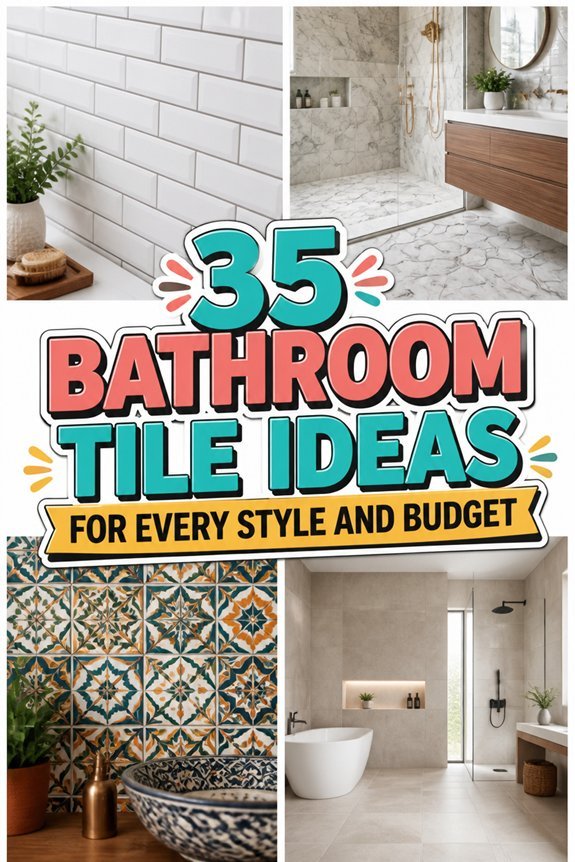
Subway tiles, hexagons, and oversized porcelain slabs are the pieces I reach for most when clients want a bathroom that feels current without screaming for attention. Porcelain in that $3 to $25 range usually wins for busy households, and honestly, marble-look porcelain has gotten so convincing that most guests never guess it costs half the real thing. Spending less on materials often means you can splurge on a tumbled marble niche or heated flooring, which makes those small daily moments feel more luxurious.
Keep grout lines minimal and let herringbone or stacked patterns do the visual work instead. In my last renovation, a simple penny-round accent in the shower niche completely shifted the room’s energy, proving you don’t need a gut remodel to make the space feel intentional and spa-inspired.
34 Bathroom Tile Ideas
Tile is one of those choices you’ll live with for years, so it pays to see plenty of options before you commit. This list starts with shapes like subway, hexagon and penny round, then moves through materials, patterns, finishes and colour.
Towards the end, you’ll find ideas for small rooms, large rooms and that in-between transitional style. A handful of the looks overlap, which is handy when you’re trying to narrow down what you actually love.
Screenshot the ones you keep coming back to, and take them with you to the tile shop.
Classic Subway Tiles for Timeless Appeal
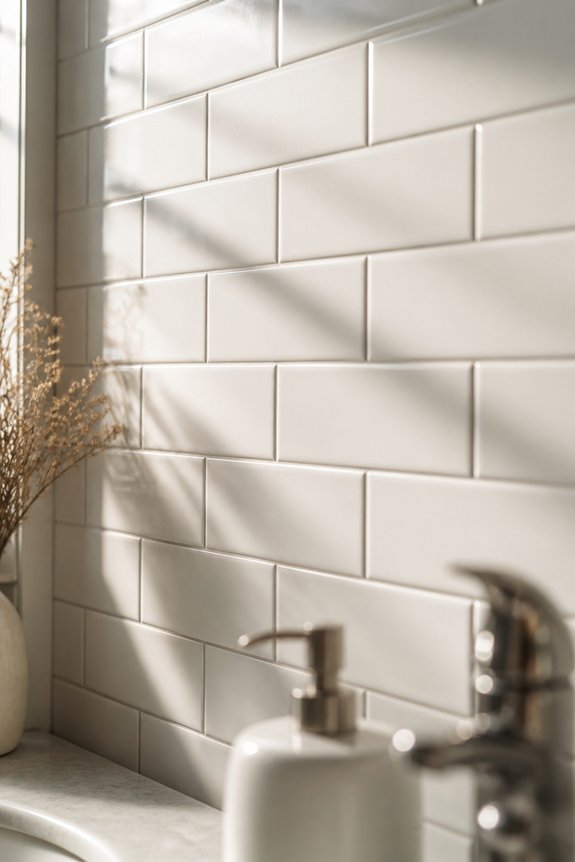
Subway tiles remain a popular choice for bathroom walls, offering clean lines, rectangular shapes, and versatile design options.
These tiles work well in traditional, modern, and contemporary bathrooms.
Common sizes include 3×6 and 4×8 inches. Homeowners choose white, gray, or colored subway tiles to match their aesthetic.
Installation in running bond or herringbone patterns adds visual interest without complexity.
Hexagonal Tiles for Modern Geometric Interest
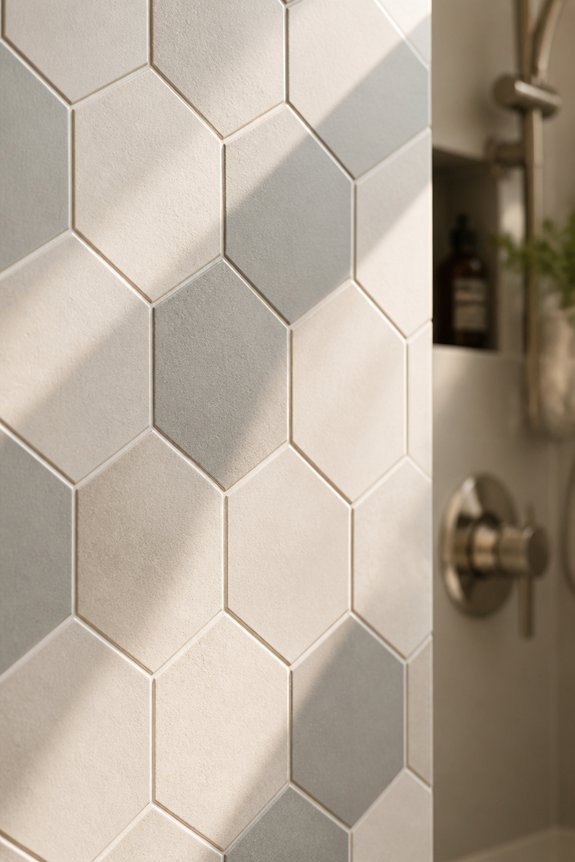
Hexagonal tiles offer a distinct geometric alternative to the straightforward rectangular shapes of subway designs. These six-sided tiles create visual interest through their interlocking pattern, working well in monochrome or multicolored schemes.
Popular materials include ceramic, porcelain, and natural stone.
Hexagonal layouts suit contemporary bathrooms effectively, though installation requires careful spacing and alignment.
Grout color considerably impacts the final appearance and design outcome.
Large Format Tiles to Minimize Grout Lines

Large format tiles, typically measuring 12 by 24 inches or larger, reduce the number of grout lines visible across bathroom surfaces.
Fewer grout lines mean less maintenance, easier cleaning, and a more seamless appearance.
These tiles work well on shower walls and floors. They require careful installation and proper substrate preparation.
Porcelain options resist moisture effectively and suit most bathroom designs.
Mosaic Tiles for Artistic Statement Walls
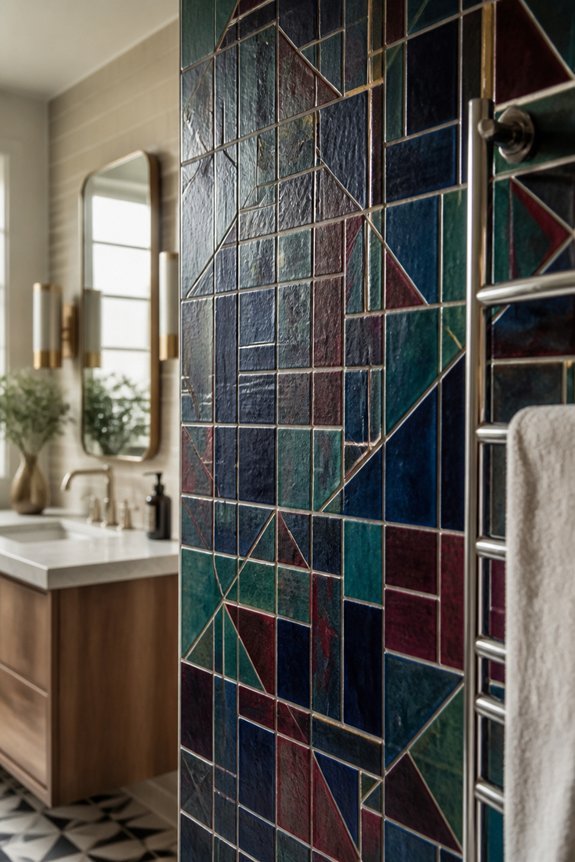
While large format tiles prioritize seamless surfaces, mosaic tiles offer the opposite approach by combining small pieces into decorative patterns and images. Homeowners can select glass, ceramic, or stone mosaic pieces to create focal points above vanities or shower walls.
Popular designs include geometric patterns, sea-inspired imagery, and abstract compositions.
Mosaic installation requires careful planning and professional placement. Budget ranges from moderate to high, depending on material quality and design complexity.
Marble Tiles for Luxury on Any Budget
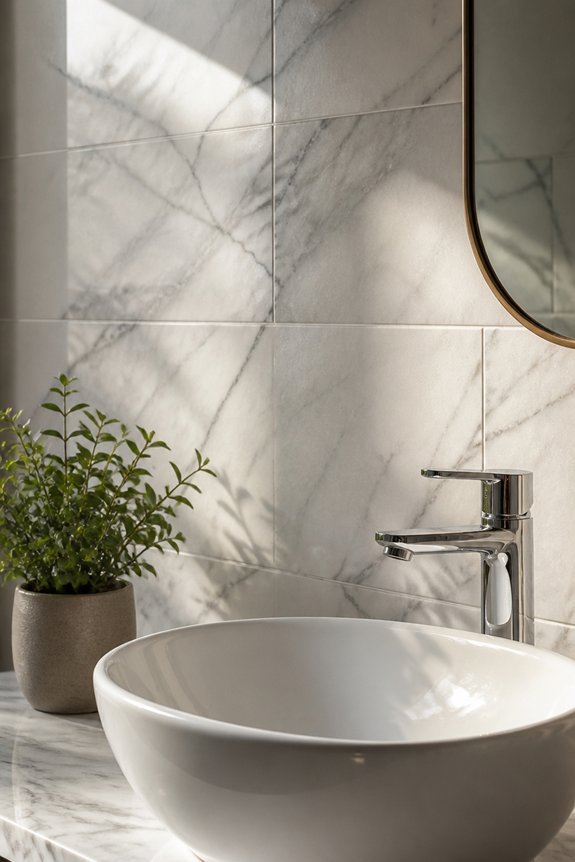
How can homeowners achieve an elegant aesthetic without exceeding their financial constraints? Marble-look porcelain tiles offer luxury appearance at lower costs than natural marble.
Options include Carrara-style tiles, honed finishes, and large-format pieces that minimize grout lines. These durable alternatives resist staining and moisture better than authentic marble, making them practical for bathrooms.
Proper installation and sealing maintain their refined appearance long-term.
Subway Tile Alternatives That Feel Fresh
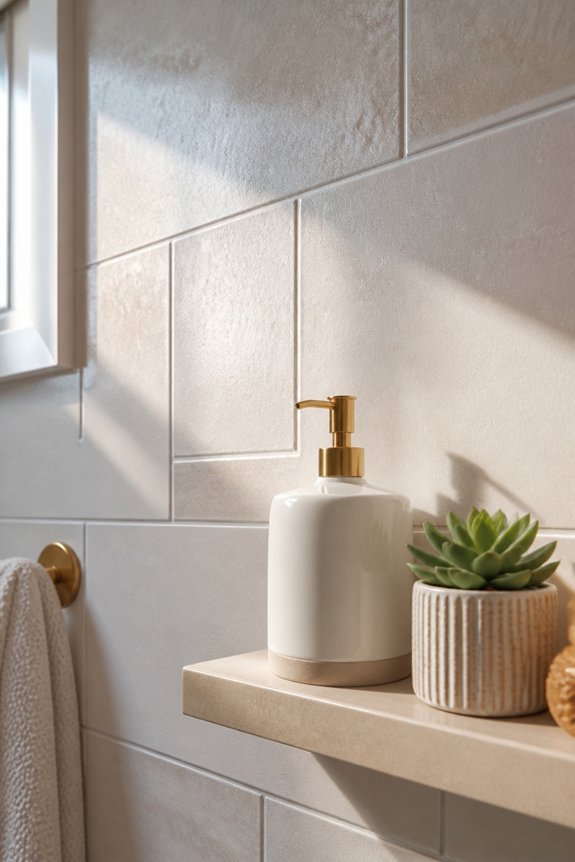
Subway tiles have dominated bathroom design for decades, yet homeowners increasingly seek alternatives that offer similar clean lines with updated visual interest.
Hexagonal tiles, large-format rectangles, and textured options provide modern appeal.
Herringbone patterns and mixed finishes add dimension without sacrificing the minimalist aesthetic.
These alternatives deliver contemporary sophistication while maintaining the timeless elegance subway tiles established.
Penny Round Tiles for Vintage Charm

Because small circular tiles evoke early twentieth-century bathrooms, penny rounds have become popular for homeowners seeking nostalgic design elements.
These tiles, typically one inch in diameter, work well on shower floors, accent walls, and backsplashes. Common materials include ceramic, porcelain, and marble.
Penny rounds pair effectively with subway tile or solid-colored walls.
Installation requires grout lines, which need regular maintenance to prevent moisture buildup in bathroom environments.
Zellige Tiles for Moroccan-Inspired Elegance
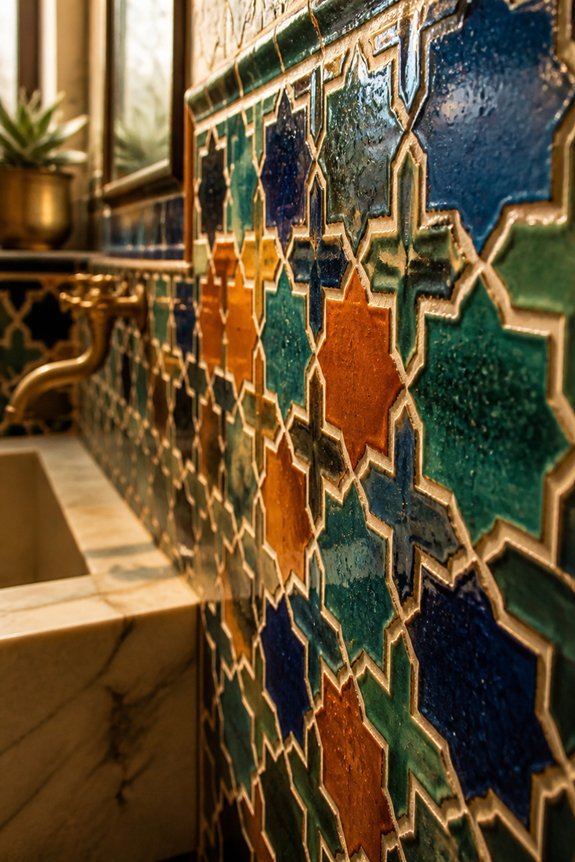
Zellige tiles, handcrafted ceramic pieces from Morocco, feature irregular shapes, glazed finishes, and rich jewel tones that create distinctive visual patterns in bathroom spaces.
These tiles work well for accent walls, shower surrounds, and backsplashes. Installation requires skilled labor due to uneven edges.
Colors include deep blues, teals, and warm terracottas. Zellige tiles cost more than standard options but offer authentic Mediterranean aesthetic appeal.
Wood-Look Tiles That Warm Up Cold Bathrooms
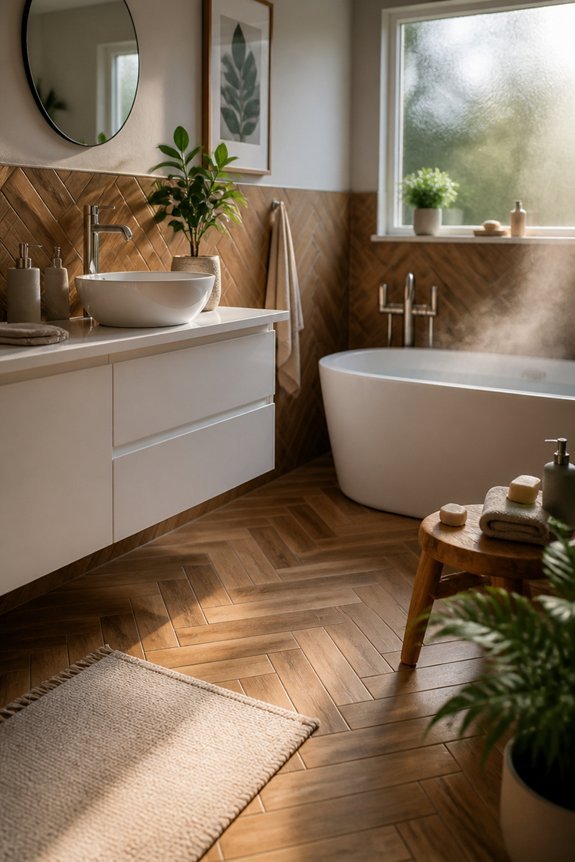
Many homeowners choose wood-look tiles to add warmth and natural appeal to bathroom spaces without the maintenance concerns of actual wood.
These porcelain tiles mimic oak, walnut, and teak finishes effectively. They resist moisture, mold, and warping better than genuine wood.
Popular brands include Marazzi and Emser. Wood-look tiles work well for floors and accent walls, creating cozy atmospheres while remaining practical and durable for bathroom environments.
Terrazzo Tiles for Speckled Sophistication
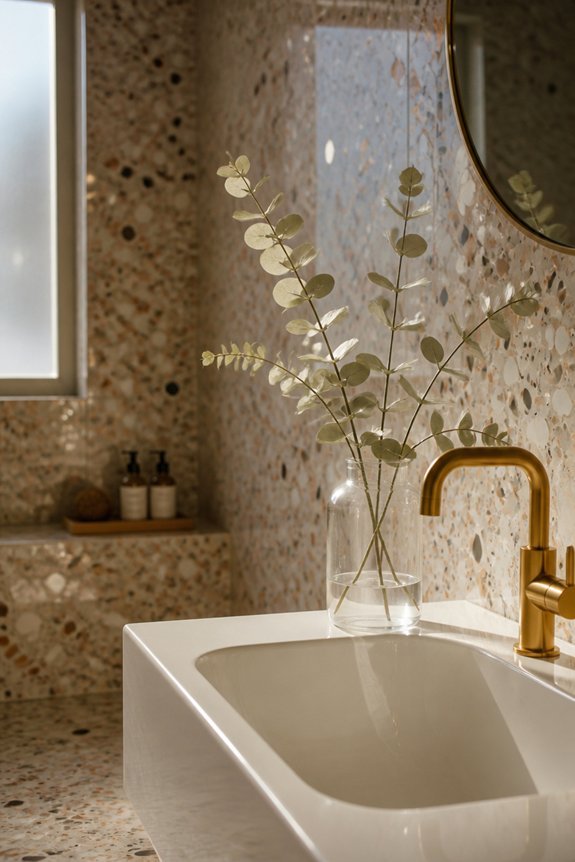
Terrazzo tiles offer a distinctive aesthetic through their composite construction of marble, granite, and glass chips embedded in a cement or epoxy binder. These tiles create speckled patterns with visual depth, available in various color combinations like black-and-white or jewel-toned options.
Terrazzo suits modern and retro bathroom designs, resists staining when properly sealed, and requires regular maintenance to preserve appearance and longevity.
Cement Tiles for Bohemian Character
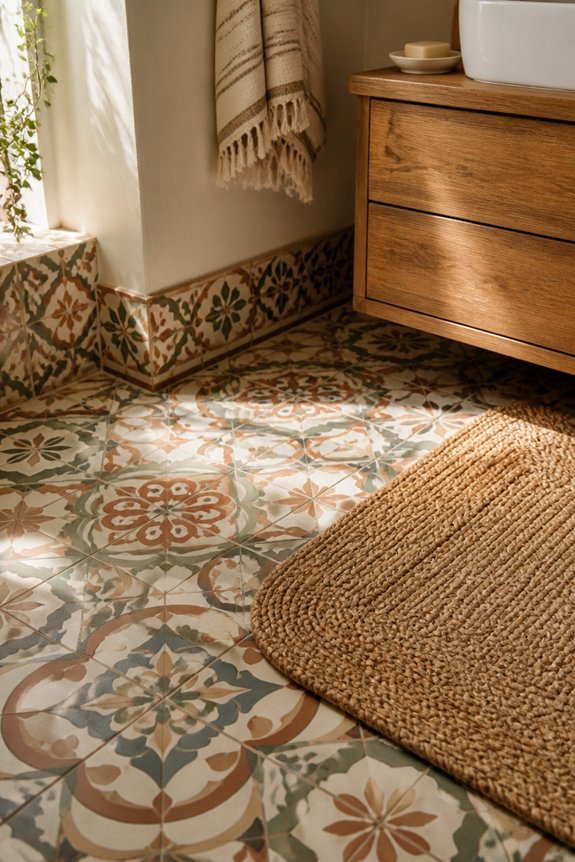
Hand-painted cement tiles present an alternative to the uniform, composite surfaces discussed previously, offering bathrooms a distinctly artistic character through bold patterns and individual craftsmanship.
These tiles feature geometric designs, floral motifs, and vibrant colors sourced from artisans.
Cement tiles require sealing for moisture protection and periodic maintenance. They work well on accent walls or floor applications, suiting bohemian and eclectic design preferences.
Glass Tiles for Light and Openness
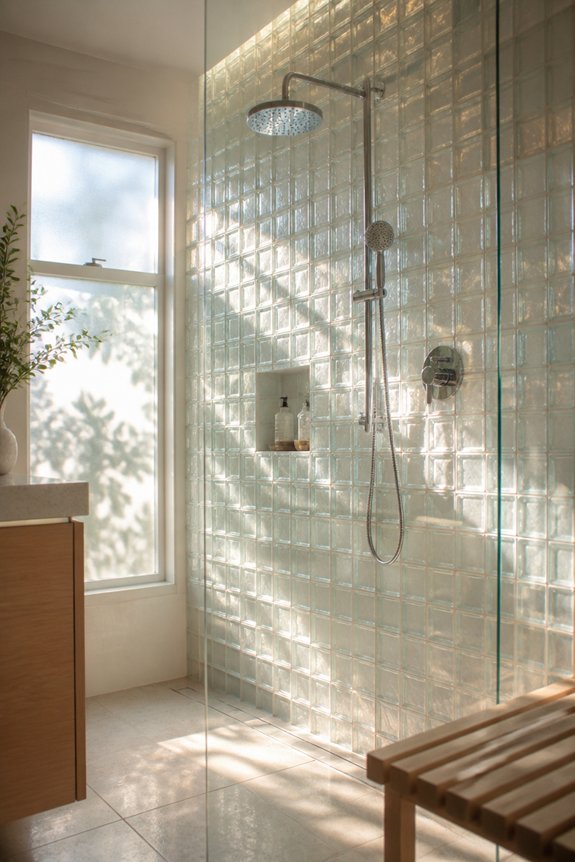
Because they transmit light rather than absorb it, glass tiles create an open, airy feeling in bathroom spaces while reflecting natural and artificial light sources.
Clear, frosted, and colored glass options suit different preferences. They work well for shower walls, backsplashes, and accent areas.
Glass tiles resist moisture effectively, though grout requires proper sealing.
Installation costs run moderate to high depending on tile size and finish.
3D Textured Tiles for Dimension and Depth
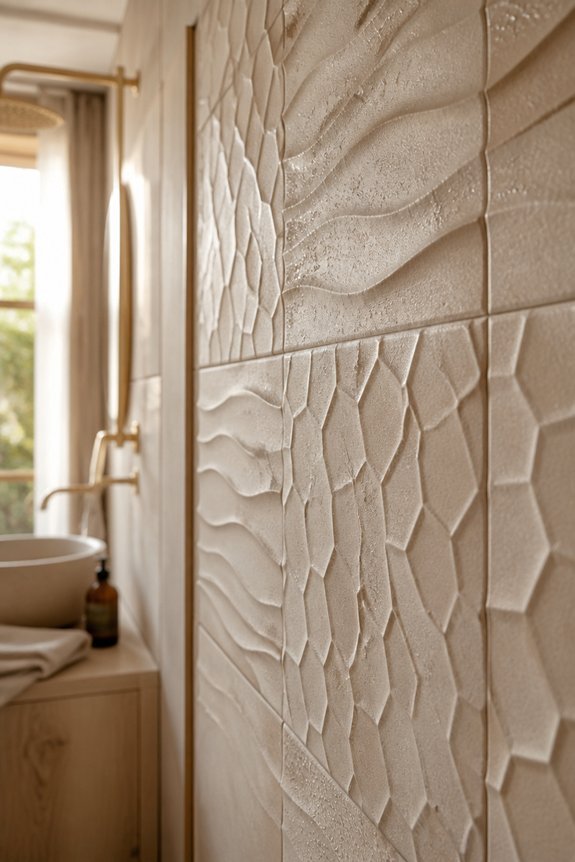
While glass tiles offer reflective surfaces and visual lightness, textured tiles provide tactile interest and visual complexity through raised or carved patterns.
Three-dimensional tiles, such as subway variations, hexagonal designs, and wave patterns, add depth without overwhelming small spaces. These tiles work well on accent walls, shower surrounds, or floor applications.
Textured options range from budget-friendly ceramic to premium porcelain selections, accommodating various renovation budgets effectively.
Neutral Subway Tiles That Never Go Out of Style
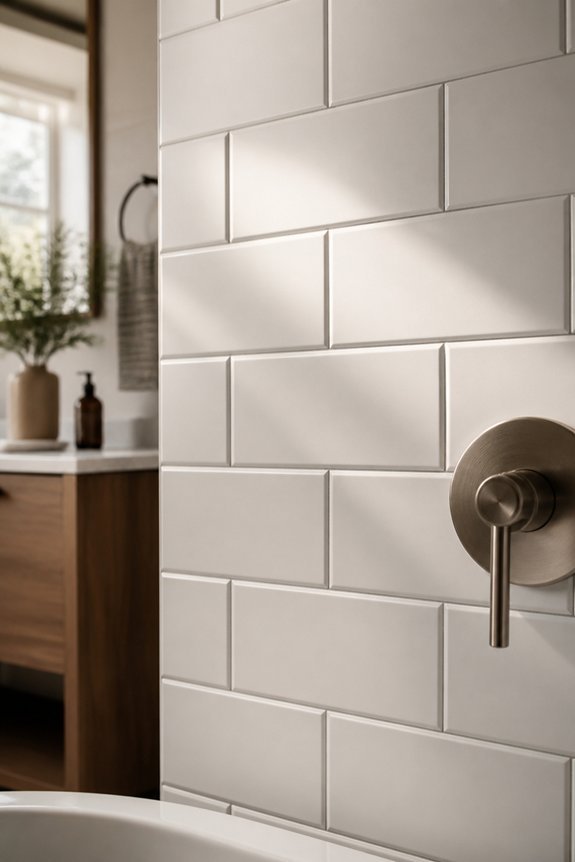
Subway tiles remain a dependable choice for bathroom renovations due to their simple rectangular shape, clean lines, and versatile neutral colors.
White, gray, and cream options complement most décor styles.
These tiles install in standard brick patterns, requiring minimal grout lines. They resist moisture damage, suit various bathroom sizes, and maintain consistent appearance over time without appearing dated.
Bold Color Tiles to Make a Statement
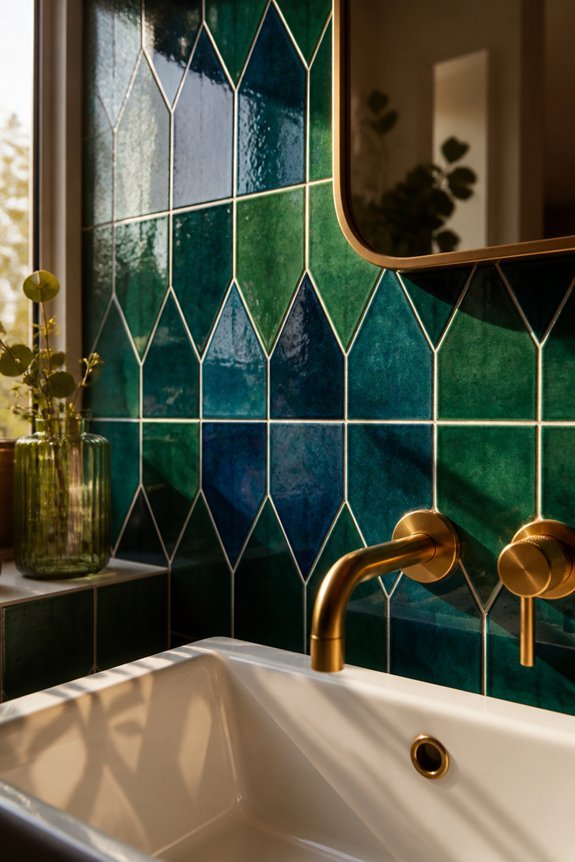
For homeowners seeking visual impact beyond neutral palettes, bold color tiles offer an alternative approach to bathroom design. Deep blues, teals, and jewel tones create focal points on accent walls or floor borders.
Rich emerald greens pair well with brass fixtures, while burnt orange and burgundy tiles establish warmth.
These colors work best in larger bathrooms where they don’t overwhelm the space visually.
Herringbone Pattern Tiles for Visual Movement
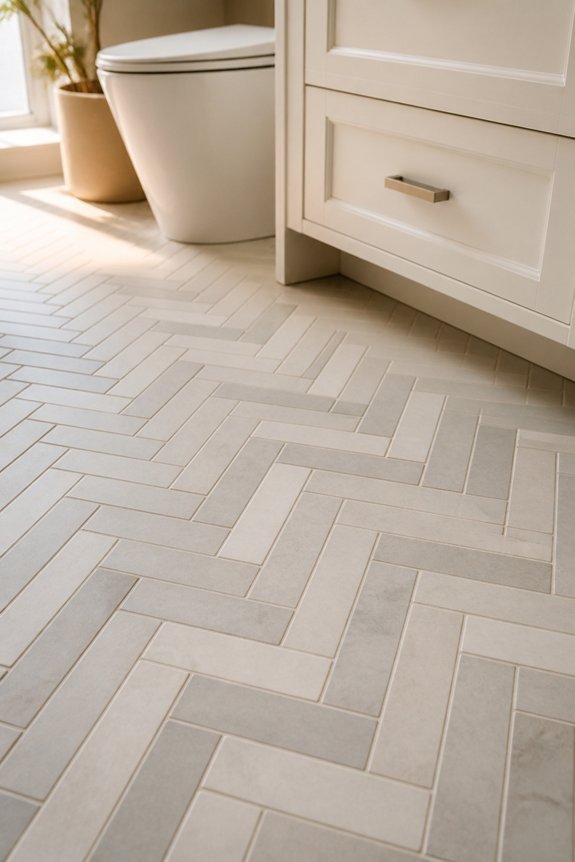
The herringbone pattern creates directional flow across bathroom surfaces through its distinctive V-shaped arrangement of rectangular tiles. This layout draws the eye along its zigzag path, making spaces appear larger and more dynamic.
Subway tiles, marble rectangles, and ceramic options work well in herringbone designs. The pattern suits accent walls, shower surrounds, and floor applications, offering visual interest without overwhelming smaller bathrooms through its balanced, structured composition.
Basketweave Tiles for Woven Texture Appeal
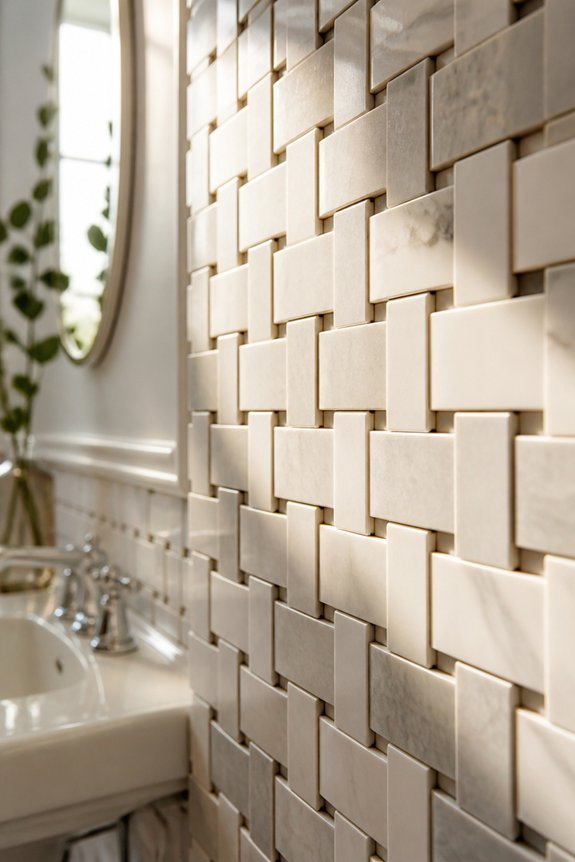
Basketweave tile patterns create a woven appearance through alternating rectangular tiles laid in overlapping horizontal and vertical directions. This design works well in bathrooms seeking texture and visual interest.
Marble, ceramic, and porcelain materials accommodate basketweave layouts effectively. The pattern suits various color schemes, from monochromatic to contrasting tones.
Installation requires precise alignment for proper basket effect.
Neutral Tone Combinations for Calming Spaces
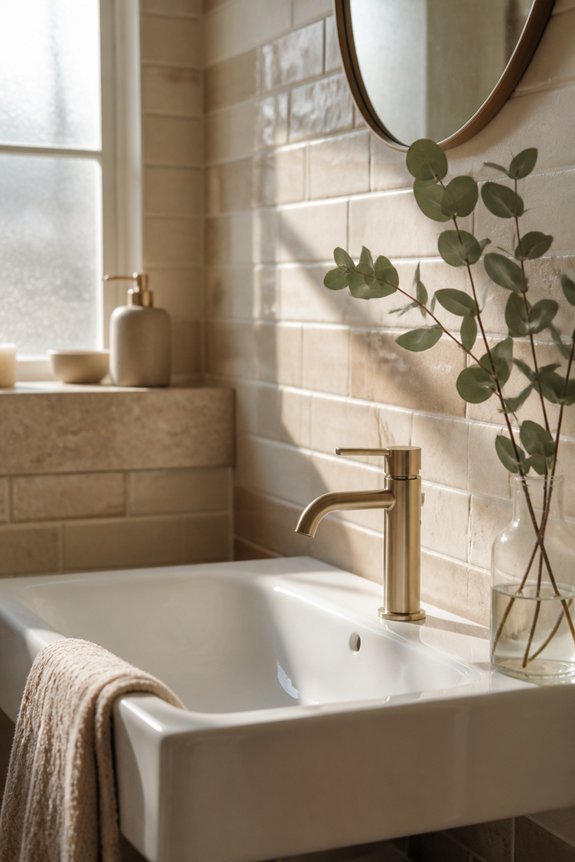
When selecting tiles for a bathroom that promotes relaxation, neutral colors work effectively to create peaceful environments. Beige, gray, and soft taupe tiles establish calm spaces, reducing visual stress.
Combining light cream walls with darker charcoal accents provides subtle contrast.
White subway tiles paired with warm gray grout offer classic simplicity. These combinations maintain tranquility while remaining practical, durable, and timeless for long-term bathroom functionality.
Black and White Tile Patterns for Dramatic Contrast
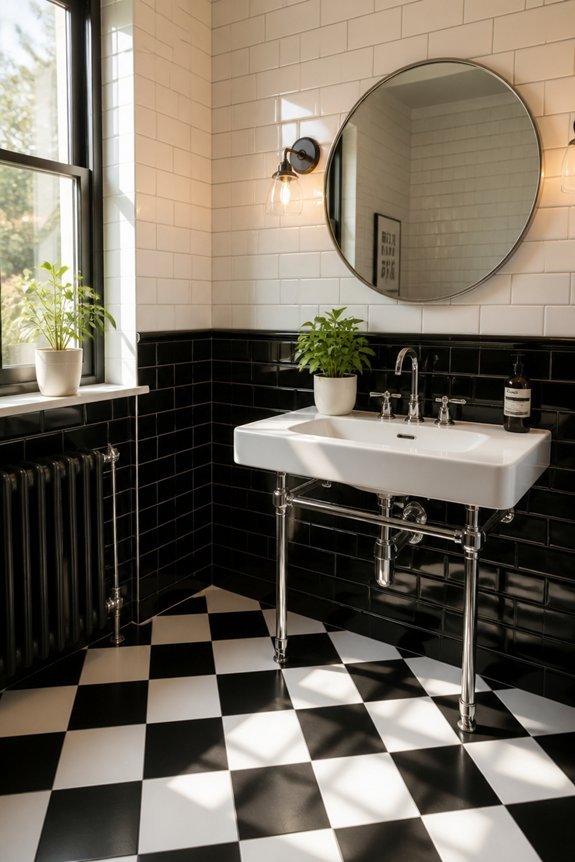
For homeowners seeking more visual impact than neutral schemes provide, black and white tile patterns deliver striking contrast and defined geometry.
Checkerboard layouts, herringbone arrangements, and subway tile combinations create visual interest in bathrooms. These patterns work with various fixture styles, from vintage to modern.
Budget-friendly options include ceramic tiles, while premium choices feature porcelain or natural stone materials.
Subway Tile in Unexpected Colors Beyond White
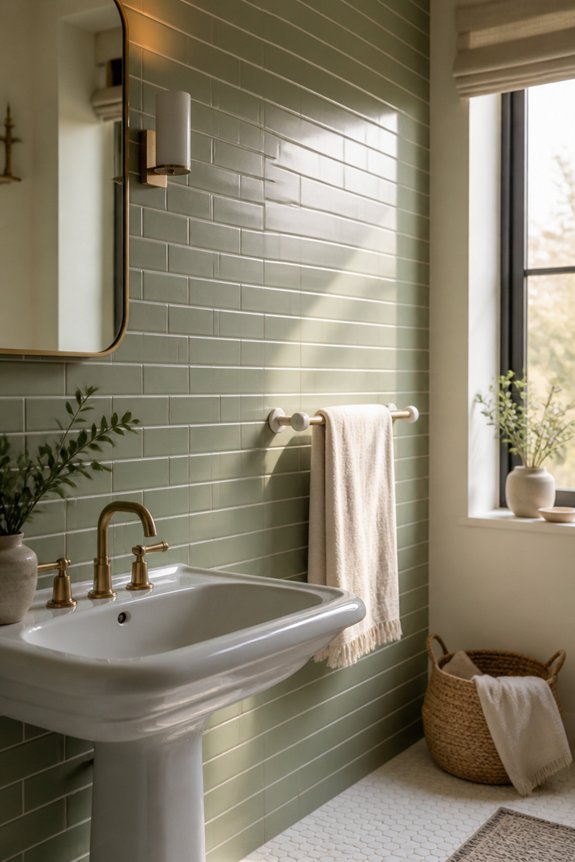
While subway tiles traditionally appear in white or cream tones, they now come in diverse color options that expand design possibilities. Homeowners can select soft pastels like pale blue, blush pink, or sage green for subtle effects.
Deeper choices include charcoal gray, navy, and forest green for bolder statements.
These colored tiles work well on accent walls or as complete bathroom surfaces, offering versatility within classic subway tile formats.
Stone Tiles for Natural, Earthy Aesthetics
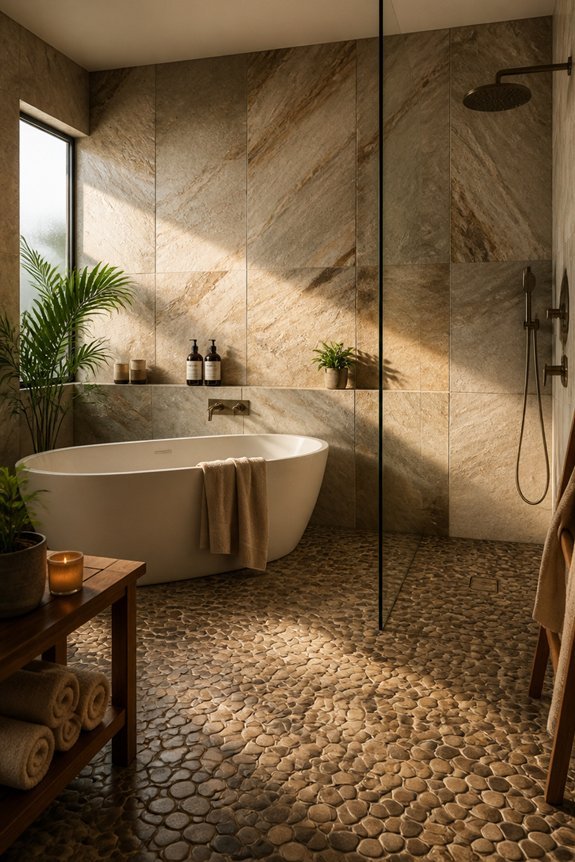
Stone tiles bring natural textures and earth-toned colors to bathroom designs. Options include slate, marble, granite, and limestone, each offering distinct patterns and durability levels.
Slate provides dark grays and blacks with subtle texture. Marble delivers elegant veining in whites and creams.
Granite offers speckled patterns in browns and tans. These materials require sealing to resist moisture and staining in wet bathroom environments.
Encaustic Patterned Tiles for Global Flair
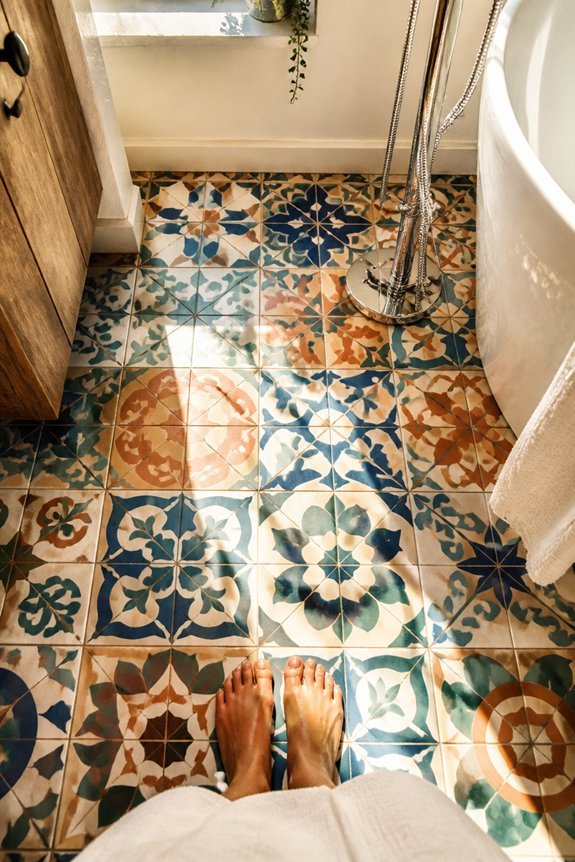
Encaustic tiles offer a different approach to bathroom design, moving beyond the natural stone aesthetic to incorporate bold, geometric patterns and vibrant colors.
These handcrafted tiles, originating from Mediterranean and Moroccan traditions, feature intricate designs in blues, reds, and yellows.
They work well as accent walls or floor borders, adding cultural character to bathrooms while maintaining durability and water resistance.
Budget-Friendly Ceramic Tiles That Look Expensive
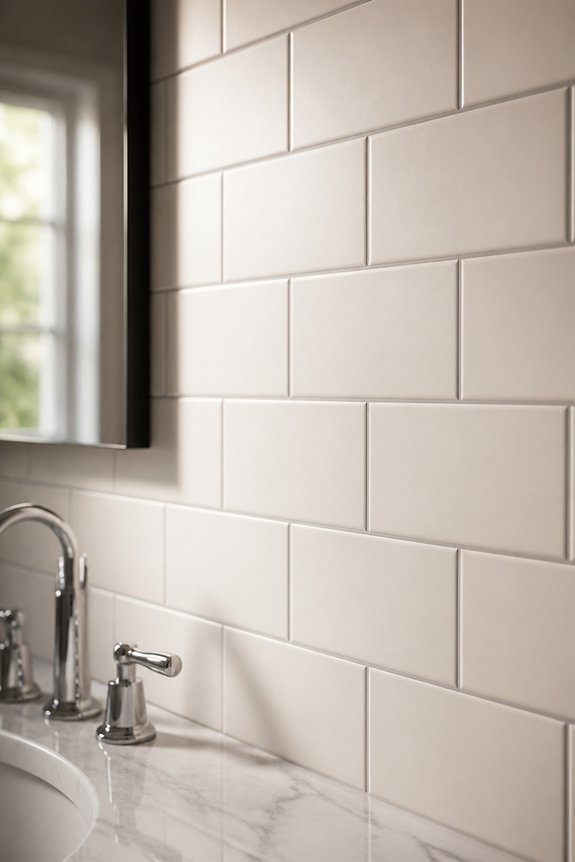
Affordable ceramic tiles can achieve a high-end appearance through strategic choices in color, finish, and pattern. Matte finishes, large-format tiles, and neutral tones like soft gray or warm white create sophisticated looks without premium costs.
Subway tiles, hexagonal shapes, and simple geometric patterns offer visual interest while remaining budget-conscious.
Quality installation and proper grout selection further enhance the finished appearance and durability.
Selecting light colors for your ceramic tiles enhances the sense of space and creates a bright, airy atmosphere in any bathroom.
Porcelain Tiles for Durability and Easy Maintenance
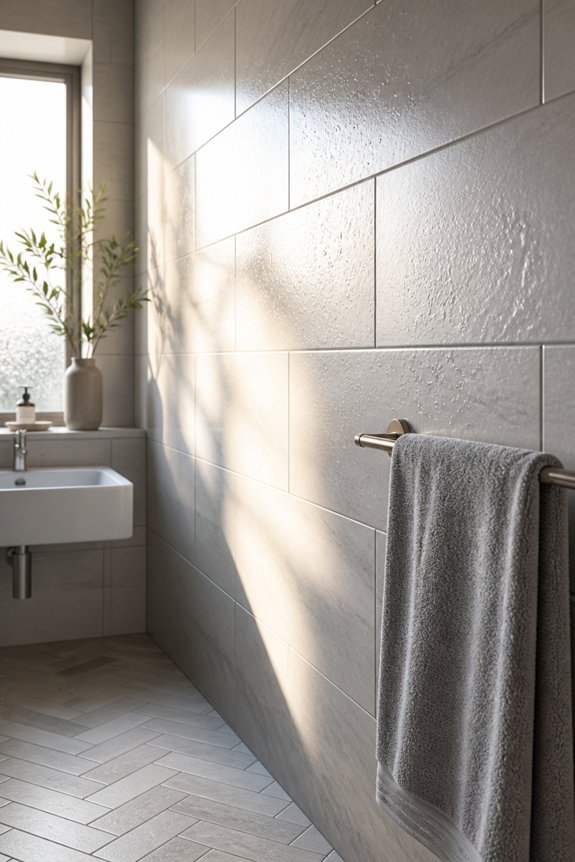
Most homeowners find that porcelain tiles outperform ceramic options in bathrooms due to their dense, non-porous composition. This quality resists moisture, staining, and bacterial growth effectively.
Porcelain requires minimal maintenance, needing only occasional cleaning with mild soap and water.
Popular choices include matte finishes for slip resistance and polished varieties for sophisticated aesthetics.
Brands like Daltile and Emser offer durable, affordable options suitable for various bathroom designs.
Glossy Tiles to Maximize Light in Small Bathrooms
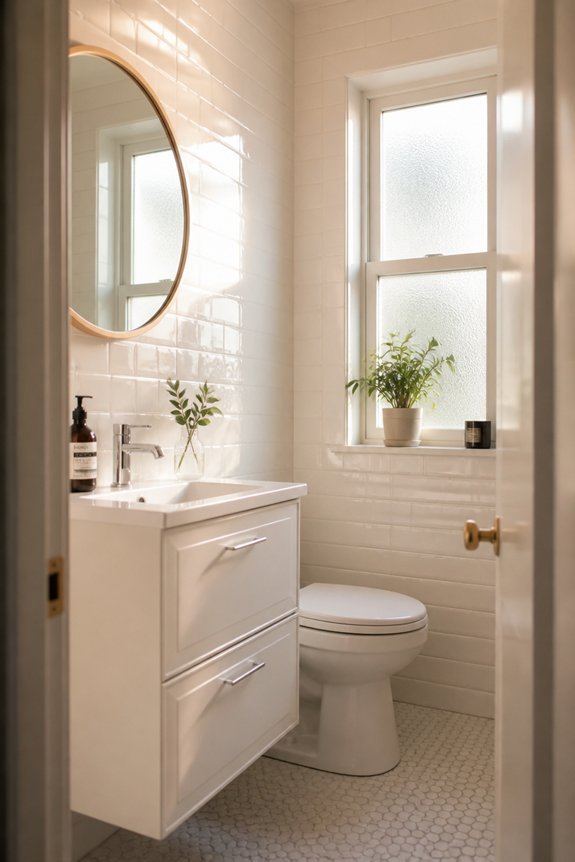
Because small bathrooms often lack natural light sources, glossy tiles serve as a practical solution to brighten these spaces. Their reflective surface bounces light around the room, creating an illusion of greater size and openness.
White, cream, and pale gray glossy tiles are popular choices for maximizing this effect.
However, glossy surfaces require regular cleaning to prevent water spots and maintain their reflective qualities.
Matte Finish Tiles for Sophisticated Understatement
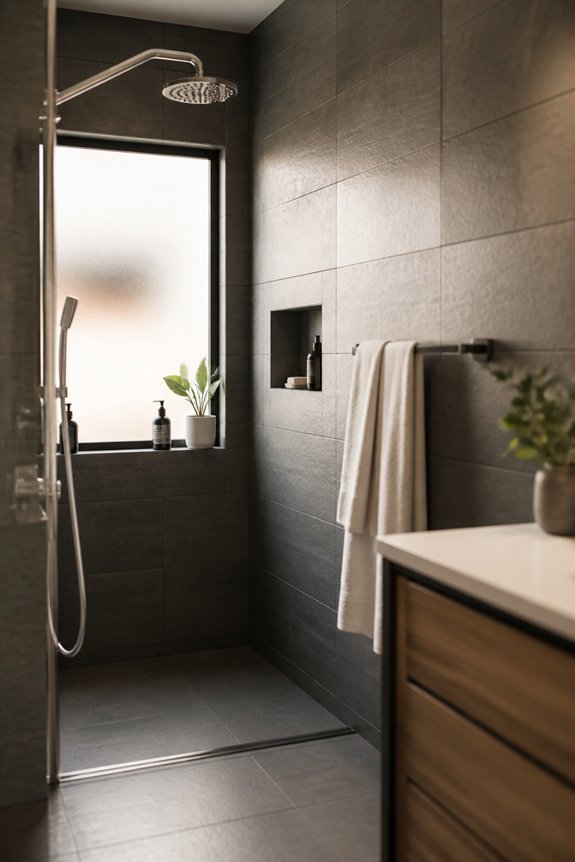
In contrast to glossy alternatives, matte finish tiles offer a subdued aesthetic that works well in various bathroom styles. These tiles minimize reflections and fingerprints, reducing maintenance needs.
Porcelain and ceramic matte options provide durability for high-traffic areas. Popular colors include soft grays, warm beiges, and deep charcoals.
Matte finishes pair effectively with modern, intermediate, and traditional design schemes, delivering understated elegance without drawing excessive attention.
Accent Tile Borders to Frame Your Space
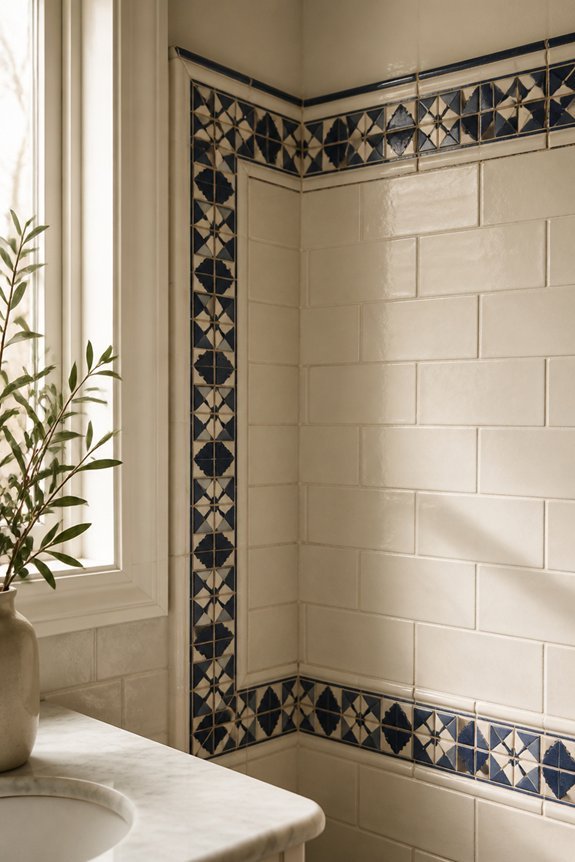
While accent tile borders serve primarily as visual framing devices, they define bathroom spaces with precision and intentionality. Borders in contrasting colors, such as dark slate framing light subway tiles, create clear separation between wall sections.
Geometric patterns, including chevron or herringbone designs, add visual interest. Glass or metallic borders provide reflective qualities.
These elements anchor the overall tile composition, establishing focal points and directing the viewer’s eye through the bathroom layout deliberately.
Vertical Tile Layouts to Elongate Wall Height

Vertical tile layouts create the illusion of taller walls by directing attention upward rather than across the bathroom space. Long, narrow tiles arranged in a column pattern emphasize height effectively.
Subway tiles, stacked vertically, or elongated ceramic pieces work well for this purpose. This technique suits small bathrooms, where visual height gains prove valuable.
Vertical arrangements pair effectively with horizontal accent borders for balanced design composition.
Mixed Tile Sizes for Eclectic, Collected Feel
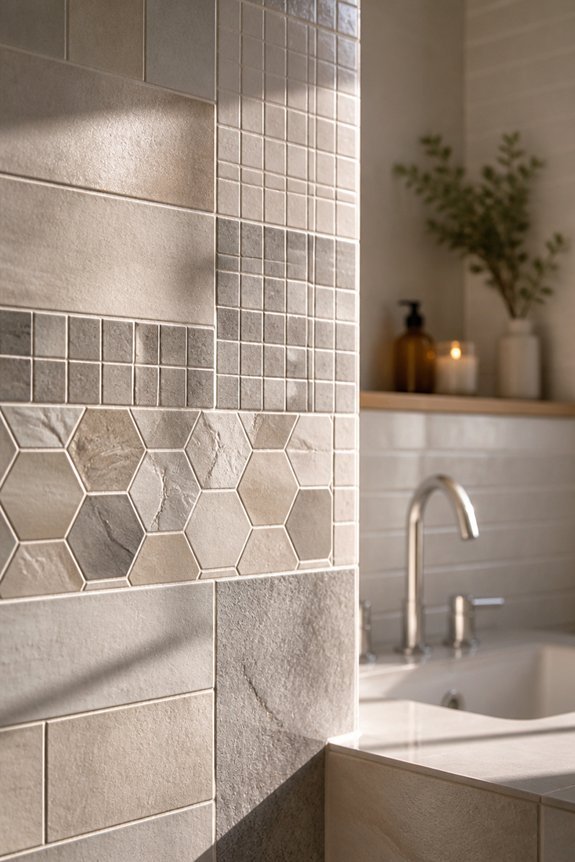
Combining different tile dimensions creates visual interest and suggests a curated, intentional design rather than a uniform, mass-produced appearance.
Pairing large-format tiles with smaller accent pieces, such as 12-inch squares with 2-inch mosaics, achieves this effect. Mixing rectangular and square shapes adds complexity.
This approach works well in shower walls and backsplashes, where varied sizes establish focal points without overwhelming the space.
Small Bathroom Solutions With Strategic Tile Placement
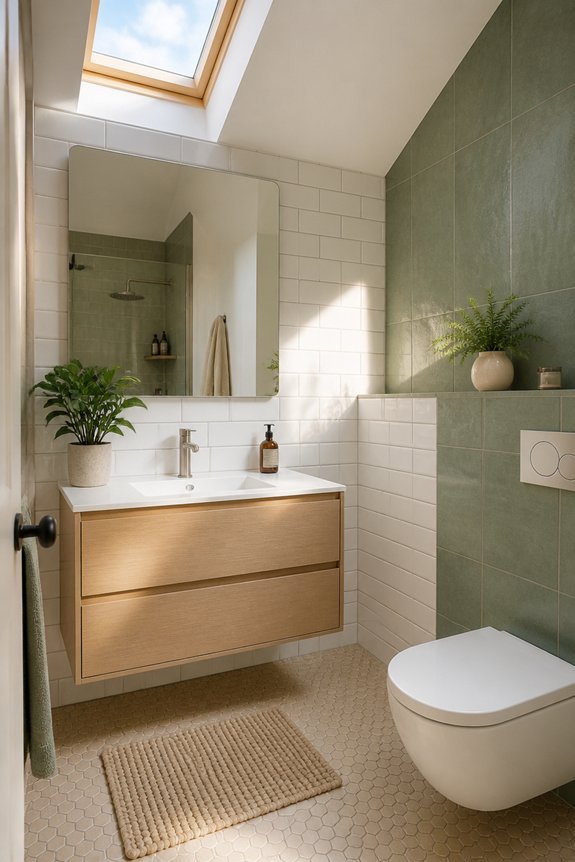
Small bathrooms benefit from tile choices that make spaces appear larger and more open. Light-colored tiles, particularly white or pale gray, reflect light effectively.
Vertical tile placement on walls creates height illusion. Large-format tiles reduce grout lines, minimizing visual clutter.
Strategic placement of accent tiles draws attention upward, enhancing perceived spaciousness without overwhelming compact layouts.
Large Bathroom Designs for Bold Tile Statements
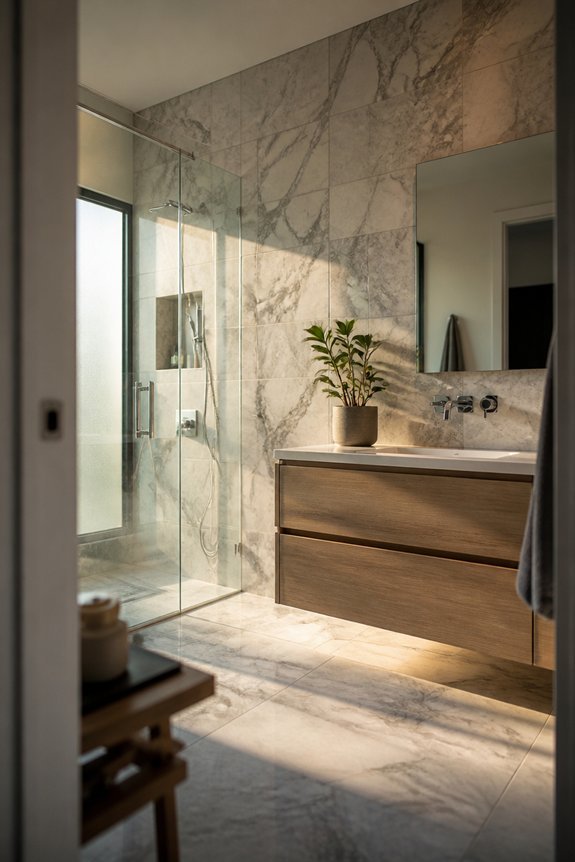
Larger bathrooms offer different opportunities than compact spaces, allowing for bolder tile choices and more dramatic visual impact.
Large-format tiles, such as 12-by-24-inch porcelain slabs, create seamless surfaces with minimal grout lines. Contrasting patterns, like geometric mosaics or marble combinations, work well in spacious areas.
Feature walls with textured tiles or jewel-toned ceramics add visual interest without overwhelming the room.
Spa-Like Tile Combinations for Relaxation Vibes
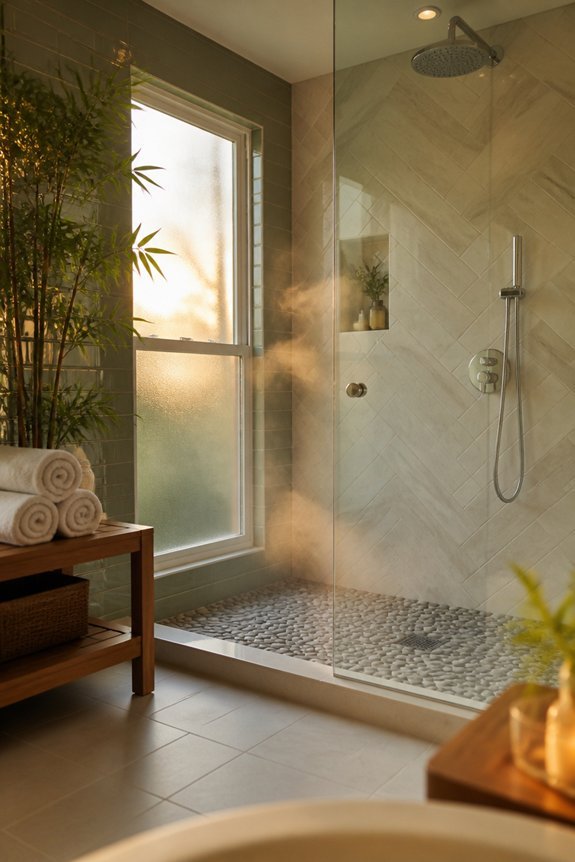
Since bathrooms function as personal retreats, tile selections should evoke calm and tranquility through color, texture, and material choices.
Soft neutral tones like beige, gray, and pale blue create soothing environments.
Natural stone tiles, including slate and limestone, provide organic textures.
Large-format tiles reduce visual clutter, while matte finishes minimize glare.
Subway tiles in light colors maintain simplicity and spa-like aesthetics.
Contemporary Tile Trends That Blend Style and Function
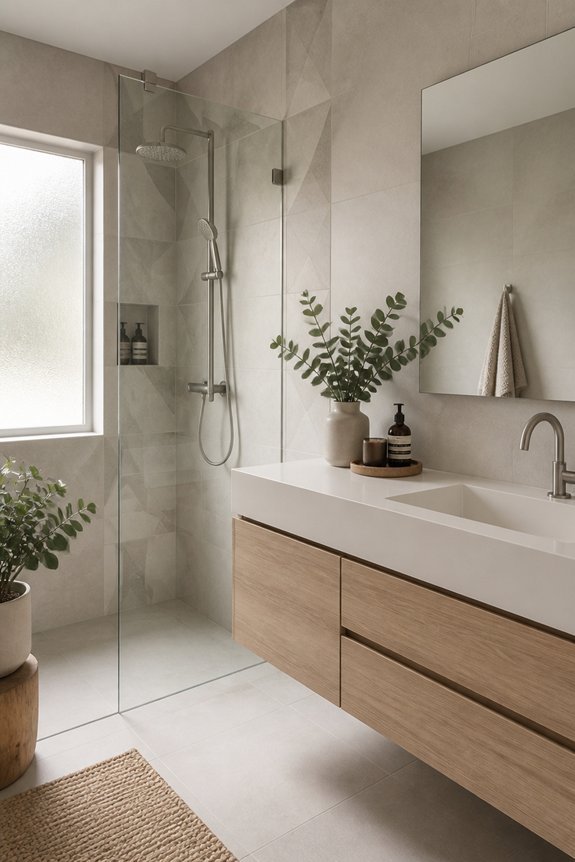
Modern bathroom design increasingly prioritizes tiles that combine aesthetic appeal with practical durability. Large-format porcelain tiles minimize grout lines, reducing maintenance while creating clean, uncluttered surfaces.
Matte finishes offer sophistication without high gloss. Geometric patterns, subway tile variations, and neutral earth tones remain popular choices. Slip-resistant surfaces provide safety in wet areas.
These tiles balance contemporary style with functional performance requirements.
Transitional Tile Styles Bridging Modern and Traditional
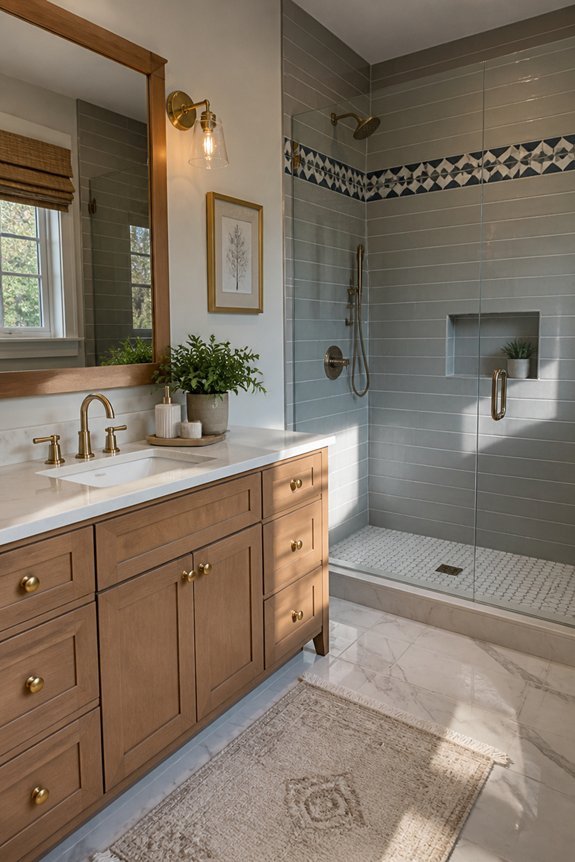
When homeowners seek a middle ground between contemporary minimalism and classic elegance, altering tile styles offer practical solutions.
Subway tiles in neutral tones, hexagonal mosaics, and marble-look porcelain serve this purpose effectively.
These options combine clean lines with traditional materials, creating balanced bathroom aesthetics.
Mixing finishes—matte and glossy surfaces together—enhances the altered approach, accommodating diverse design preferences without extremes.
Budget Calculator: Estimating Your Tile Project Costs
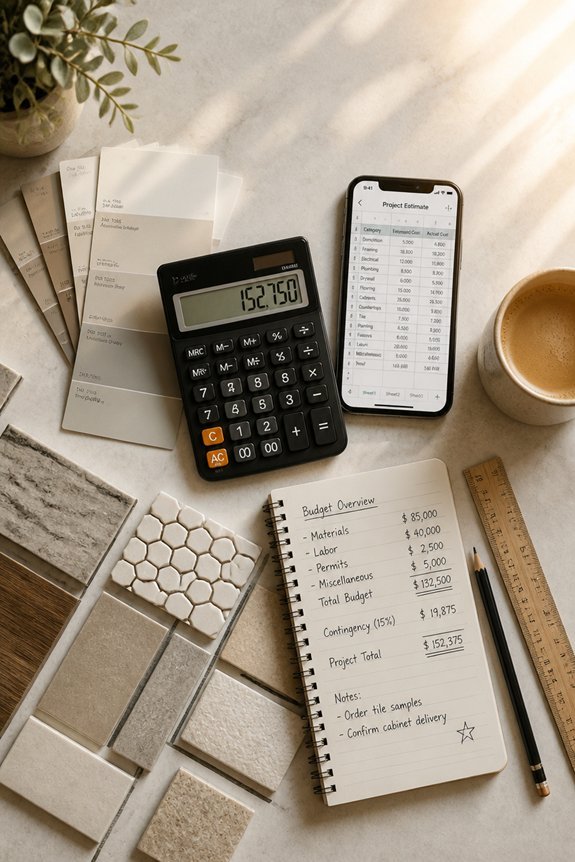
After selecting a tile style that balances aesthetics and personal preference, homeowners must address the practical matter of project costs.
A budget calculator helps estimate expenses by accounting for tile price per square foot, labor costs, and materials.
Ceramic tiles average $1-$15 per square foot, while porcelain ranges $3-$25.
Adding grout, adhesive, and installation labor increases total expenses considerably.
Frequently Asked Questions
How Do I Properly Prepare My Bathroom Walls Before Installing New Tile?
One must first remove old tile and debris, then repair any water damage or cracks with spackling compound. The surface requires thorough cleaning, sanding to guarantee smoothness, and application of a waterproof primer before tile installation begins.
What’s the Best Waterproofing Method to Prevent Moisture Damage Behind Bathroom Tiles?
As the saying goes, “an ounce of prevention is worth a pound of cure.” Installers should apply waterproof membranes or sealants to walls before tiling. Cement board and schluter systems provide excellent moisture barriers, protecting against water infiltration and costly damage behind tiles.
Should I Hire a Professional or Attempt DIY Tile Installation Myself?
One should hire a professional for bathroom tile installation due to the complexity involved. Improper installation risks water damage and costly repairs. Professionals guarantee proper waterproofing, grout application, and longevity. DIY attempts often result in uneven tiles and premature failure.
How Long Does Bathroom Tile Installation Typically Take From Start to Finish?
While one might assume tile installation requires months, most bathroom projects typically take one to three weeks from start to finish. The timeline depends on room size, tile complexity, and surface preparation needed. Professional installations generally complete faster than DIY approaches.
What Maintenance Routine Keeps Bathroom Tiles Looking New for Years?
Regular cleaning with pH-neutral cleaners prevents buildup and staining. Sealing grout annually protects against moisture and mildew. Promptly wiping spills, avoiding abrasive scrubbers, and ensuring proper ventilation preserve tile appearance and longevity effectively.
Conclusion
Bathroom tile selections span styles, sizes, and budgets, from classic subway tiles to contemporary large-format options. Homeowners benefit from considering combinations, colors, and cost calculations before committing to projects. Marble, mosaic, and geometric patterns provide personalized solutions for various aesthetic preferences and financial parameters. Selecting suitable tiles requires balancing beauty, budget, and practical maintenance needs to create functional, finished bathrooms.