

A well-planned canopy sets the tone for an entire backyard gathering, whether the goal is formal elegance or relaxed, rustic charm.
Materials and structure play a significant role, from billowing white fabric to sleek modern lines with integrated lighting.
Wooden frames suit autumn gatherings particularly well, while retractable systems offer flexibility for unpredictable weather conditions.
Thoughtful planning often matters more than budget, since strategic draping and placement can elevate even modest setups.
Guest flow, lighting placement, and shadow patterns as the sun sets all factor into a gathering that guests remember well after it ends.
A Few Things Worth Knowing First
Consider guest flow before finalizing the canopy’s placement. Clear pathways and well-positioned seating prevent congestion and keep the event feeling relaxed rather than crowded.
Lighting deserves early planning rather than a last-minute addition. Positioning fixtures to account for shadows as the sun sets makes a noticeable difference once evening arrives.
Budget doesn’t need to limit the final look. Thoughtful fabric choices and strategic layering of accessories can make a modest setup feel considerably more polished.
5 Backyard Party Canopy Ideas
Some of these styles suit formal, upscale gatherings, while others lean toward a more relaxed, rustic atmosphere.
A few prioritize flexibility for changing weather, and others focus purely on achieving a polished look within a limited budget.
Review the ideas below to find the style best suited to the occasion and setting.
White Tent Ideas for Elegant Gatherings
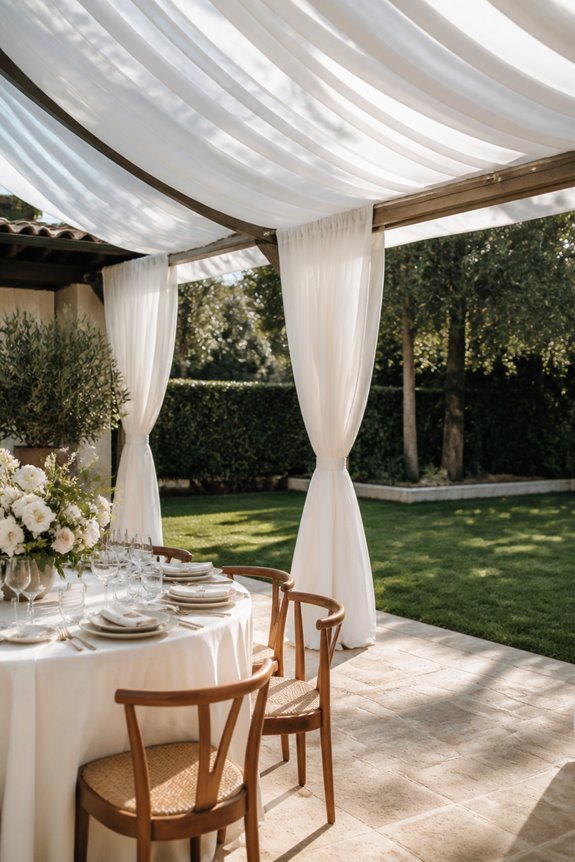
How can a white tent transform a backyard into a formal event space? White tents provide a clean, neutral backdrop that suits upscale gatherings, weddings, and corporate events. The color reflects light, keeping the interior cool during daytime functions.
Key features include clear-top panels, which allow natural light while maintaining elegance. Draping white fabric from the interior ceiling adds sophistication. Tables dressed in white linens, paired with crystal glassware and formal centerpieces, complement the tent’s aesthetic.
Lighting matters considerably. String lights, chandeliers, or uplighting create ambiance after sunset. Flooring options range from white dance floors to wooden platforms that elevate the space above grass.
Ventilation and heating considerations guarantee guest comfort throughout events. Sidewalls remain optional, providing flexibility for weather protection or open-air configurations depending on season and guest preference.
Also read: 18 Boho Canopy Bed Ideas for a Relaxed Bedroom
Modern Canopy Ideas for Contemporary Parties
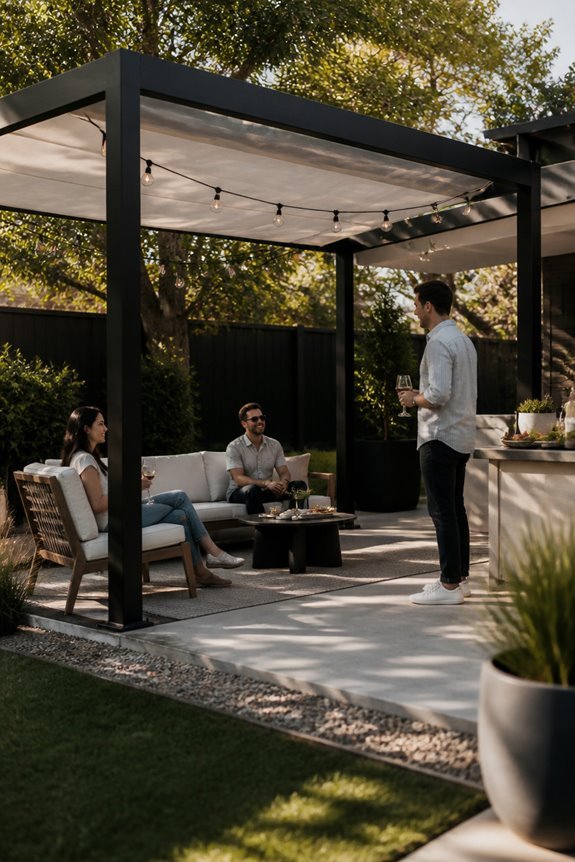
Modern canopies blend sleek design with practical functionality, creating versatile spaces for contemporary celebrations. These structures feature clean lines, minimalist aesthetics, and neutral color palettes like black, gray, and white. Popular options include aluminum frame canopies, which offer lightweight construction and durability, and fabric panels with UV protection for weather resistance.
Modern designs often incorporate adjustable side panels, removable walls, and modular components. This flexibility allows hosts to customize spaces for different party sizes and configurations. Steel canopies provide industrial appeal, while pergola-style structures offer partial shade with architectural interest.
Contemporary canopies frequently integrate lighting elements, including LED strips and pendant fixtures. Smart choices for modern gatherings include tonneau covers with weather-resistant materials and ventilation features. These canopies accommodate dining areas, lounge spaces, and entertainment zones efficiently.
Rustic Canopy Ideas for Outdoor Charm
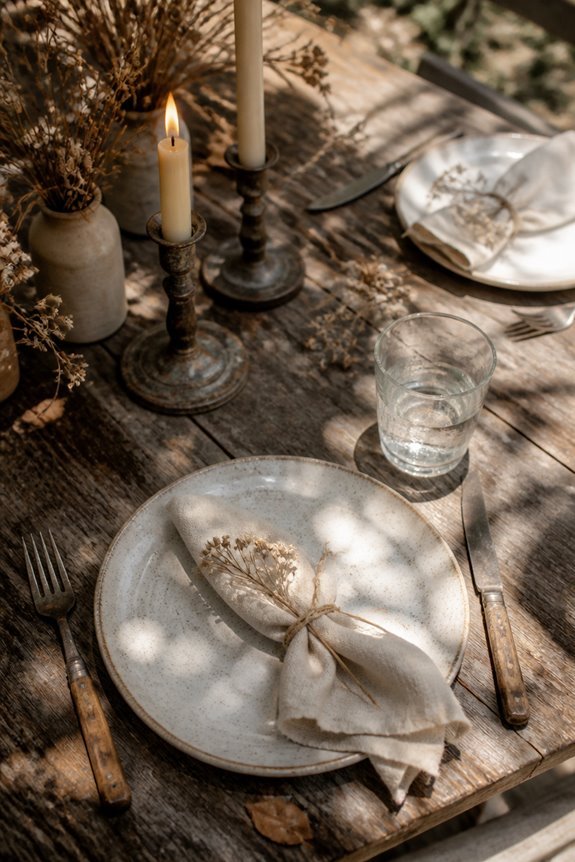
Rustic canopies create outdoor spaces with natural materials, warm tones, and traditional design elements that complement garden settings and countryside venues. Wooden poles, burlap fabric, and string lights form the foundation of this aesthetic approach. Weathered wood frames paired with cream or tan canvas provide authentic charm without appearing forced or overly styled.
Decorative elements include mason jars, vintage lanterns, and dried flowers hung from the canopy structure. Natural wood tables, hay bales for seating, and potted plants enhance the countryside atmosphere. Rope details, barn wood accents, and neutral color palettes ranging from beige to brown create cohesion throughout the space.
This design works particularly well for garden parties, farm celebrations, and outdoor weddings. The materials age gracefully, developing character over time while maintaining functionality and visual appeal.
Retractable Canopy Ideas for Flexible Entertaining
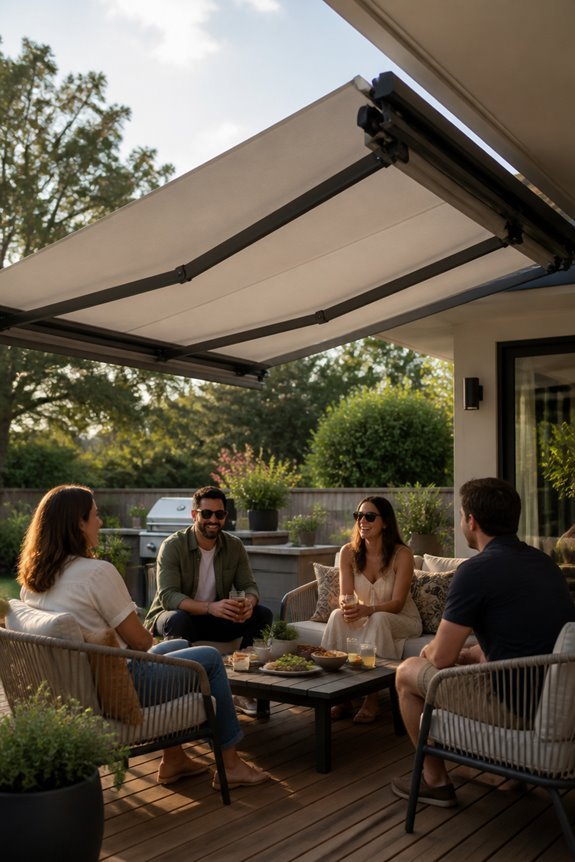
Because flexibility matters for entertaining spaces, retractable canopies offer practical solutions for homeowners who need adjustable shade and weather protection. These structures feature motorized or manual mechanisms that extend and retract based on weather conditions and guest comfort needs.
Retractable canopies work well for patios, decks, and poolside areas where sun exposure varies throughout the day. Models like pergola-style retractable systems and deck-mounted awnings provide shade when extended, then fold away when not needed. Homeowners can adjust coverage without installing permanent structures.
Durable materials include weather-resistant fabric, aluminum frames, and stainless steel hardware. These components withstand rain, wind, and UV exposure. Retractable canopies require minimal maintenance beyond occasional cleaning.
Installation options range from professional setup to DIY assembly, depending on model complexity and homeowner skill level.
Budget Canopies That Don’t Look Cheap
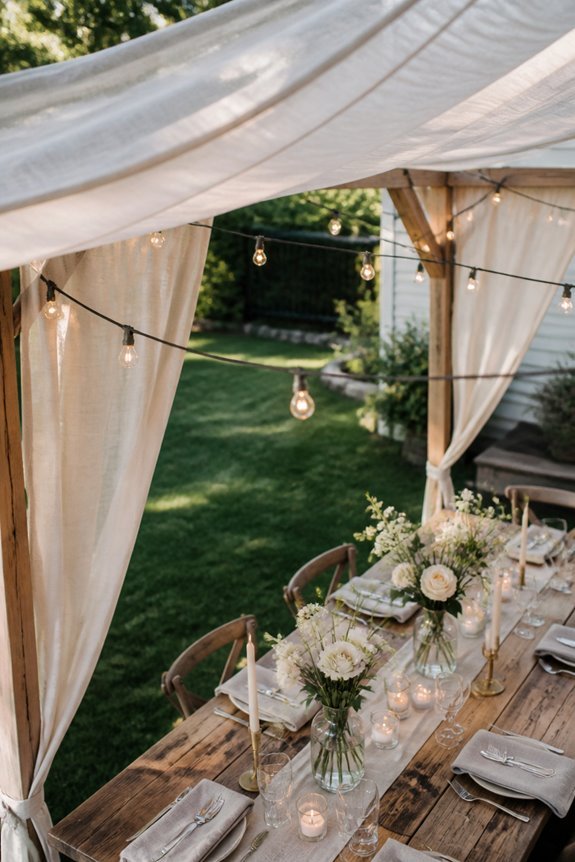
How can homeowners achieve an upscale canopy appearance without spending premium prices? Strategic choices transform budget options into sophisticated setups.
Quality fabric makes the difference. Selecting neutral colors like cream, gray, or white creates an elegant foundation. Polyester blends resist fading and weather damage better than cheaper materials.
Lighting upgrades elevate the atmosphere considerably. String lights, Edison bulbs, or lanterns add sophistication to basic canopy frames. These additions cost moderately but produce substantial visual impact.
Accessory layering enhances perceived value. Adding outdoor curtains, drapes, or decorative panels frames the space professionally. Coordinating colors with existing landscaping increases cohesion.
Proper maintenance extends canopy lifespan. Regular cleaning prevents discoloration and deterioration. Storage protection during off-seasons preserves fabric integrity and appearance quality over time.
Lighting Design for Ambiance
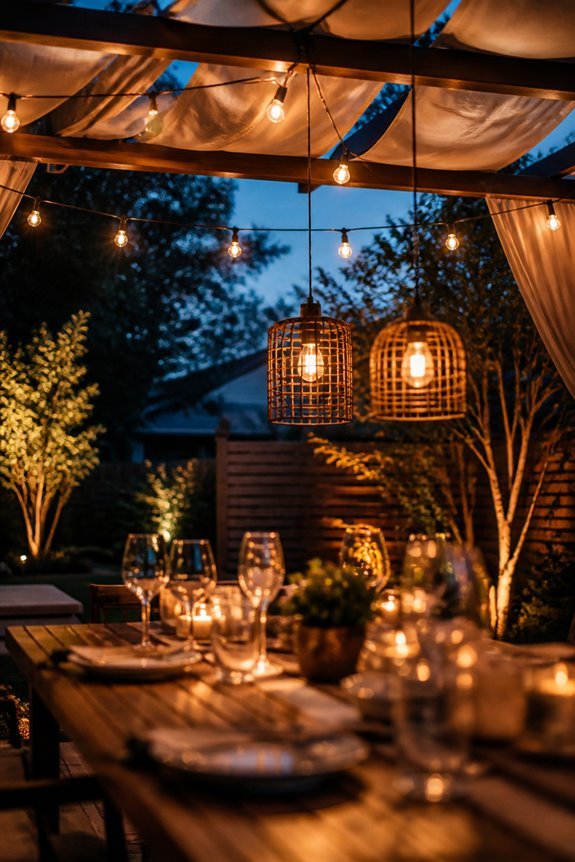
Lighting transforms a basic canopy into an inviting outdoor space, building on the visual sophistication that quality fabrics and accessories provide. String lights, installed overhead in crisscross or draped patterns, create a warm glow without overwhelming the area. LED options offer energy efficiency and longer lifespan compared to traditional bulbs.
Uplighting positioned around canopy posts highlights structural elements and fabric texture. Lanterns placed on tables provide localized illumination for dining and conversation zones. Dimmer switches allow hosts to adjust brightness throughout the evening, adapting to changing conditions and guest preferences. Solar-powered lights eliminate electrical requirements and installation complexity.
Choosing warm color temperatures, typically 2700K to 3000K, produces relaxing atmospheres suitable for social gatherings.
Space Planning and Guest Flow
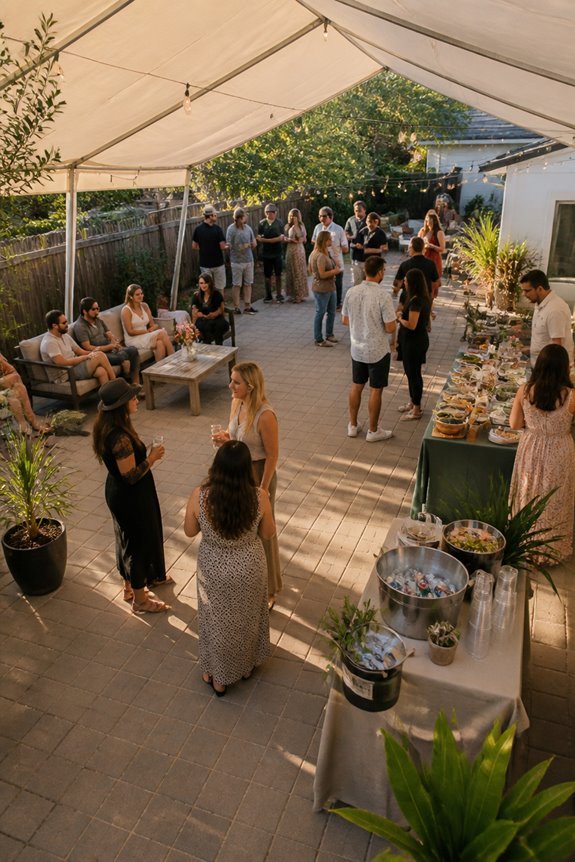
When arranging a backyard canopy setup, the layout directly affects how guests move through the space and interact with one another. Positioning the canopy to create distinct zones helps organize activities efficiently.
A dining area near the canopy center works well for food service, while seating arrangements around the perimeter encourage conversation. Pathways between the canopy and house should remain clear for traffic flow. Consider placing the bar or beverage station at one side, reducing congestion in high-traffic areas.
Outdoor furniture placement matters greatly; clustered seating creates smaller gathering spots. Entry and exit points require adequate width, approximately three to four feet, preventing bottlenecks. Spacing between tables and chairs allows guests to move comfortably without bumping into others. This intentional arrangement maximizes both comfort and social interaction throughout the event.
Where to Source and Install Your Canopy
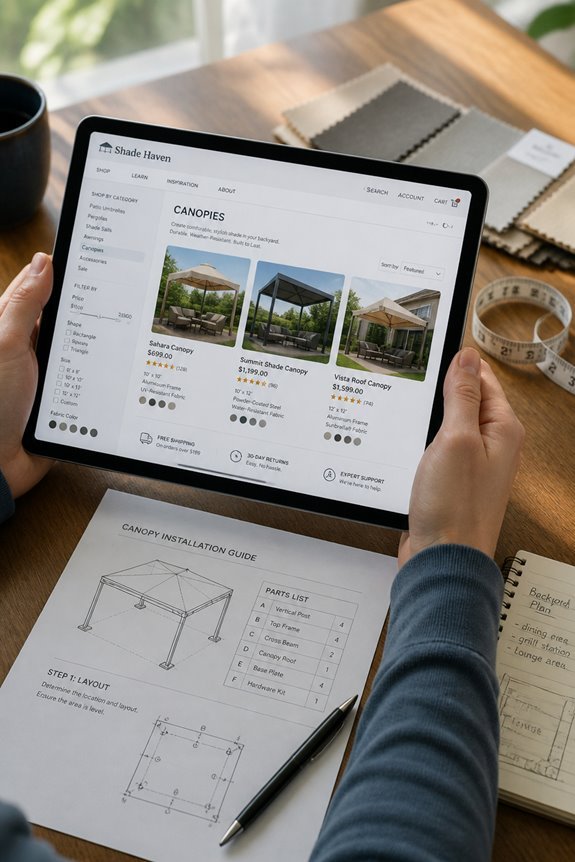
Finding the right canopy requires comparing several sourcing options, each with distinct advantages for different budgets and needs. Home improvement stores like Home Depot and Lowe’s offer portable canopies ranging from $100 to $500, with immediate availability and return policies. Online retailers such as Amazon provide wider selections and competitive pricing, though delivery times vary.
Party rental companies deliver and install professional-grade canopies, costing $200 to $800 for weekend use, including setup and removal. Installation involves selecting level ground, anchoring with stakes or weights, and ensuring adequate clearance from trees and power lines. Most retailers provide assembly guides or installation assistance.
Homeowners should measure their yard space, confirm weight capacity requirements, and verify local regulations before finalizing purchases.
Decor and Personal Styling
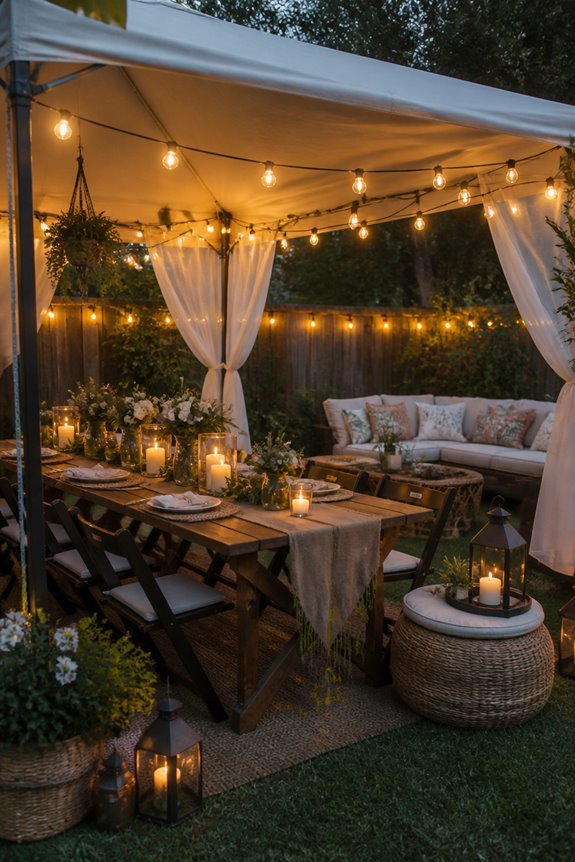
Once the structural canopy is in place, homeowners can enhance the space through strategic decoration and styling choices. String lights, draped fabric, and hanging plants create visual interest while defining the canopy’s atmosphere. Color coordination between tablecloths, chair covers, and decorative elements establishes cohesion throughout the gathering space. Centerpieces using flowers, candles, or seasonal items add focal points to tables.
Flooring options like outdoor rugs or temporary decking improve comfort and aesthetics. Lighting fixtures, including lanterns or uplighting, serve practical and decorative purposes during evening events. Personal touches such as custom signage, photo displays, or themed decorations reflect the host’s preferences. Weather-appropriate selections guarantee decorations withstand outdoor conditions. Strategic placement of these elements maximizes visual appeal while maintaining functional space for guest movement and activities.
Frequently Asked Questions
What Permits or Permissions Do I Need for a Backyard Canopy Installation?
Permanent canopy structures typically require a building permit from the local municipality.
Temporary installations generally don’t need one, though HOA approval may still apply depending on the neighborhood. Local zoning laws, setback requirements, and any electrical connections can also affect what’s required, so contacting the local building department is the best way to confirm.
How Do I Protect My Canopy From Wind, Rain, and Extreme Weather Conditions?
Heavy-duty stakes, guy lines, and secure anchors provide the foundation for weather protection.
Waterproof covers add an extra layer of defense against rain. Choosing a sturdy frame design and positioning the canopy away from trees also helps minimize weather-related damage over time.
Can I Use a Canopy Year-Round or Only During Specific Seasons?
Year-round use is achievable with the right maintenance and seasonal adjustments.
Winter conditions call for a reinforced frame, while summer months benefit from added ventilation. Spring and fall tend to require the least modification, making them the easiest seasons for canopy use.
What Is the Average Lifespan of a Canopy, and How Often Should I Replace It?
Most canopies last between five and fifteen years, depending on material quality and weather exposure.
High-end models with consistent care can exceed that range, while budget options often need replacement every three to five years. Regular maintenance plays a big role in where a canopy falls within that range.
How Much Weight Can a Canopy Safely Support for Hanging Decorations?
This depends largely on the canopy’s frame material and overall construction quality.
Most standard canopies safely support five to fifteen pounds of hanging decorations per anchor point. Checking the manufacturer’s specifications before adding heavier decor items helps avoid unnecessary strain on the structure.
Conclusion
Choosing the right backyard canopy comes down to matching the structure and style to the occasion being hosted.
White tents and modern designs suit more formal or contemporary gatherings, while rustic elements bring warmth to garden parties and countryside-style celebrations.
Retractable systems offer practical flexibility for unpredictable weather, and thoughtful budget choices can achieve a polished look without a significant investment.
Lighting, guest flow, and decor all work together to shape the overall atmosphere, often making a bigger difference than the canopy itself.
With the right combination of these elements, even a simple backyard setup can become the setting for a genuinely memorable gathering.
Share your thoughts in the comments below on which canopy style fits your next event best.