

There’s something wonderfully unpretentious about 1950s Halloween décor. Simple jack-o’-lantern cutouts and ghost figures brought genuine charm without the fuss. Black cat silhouettes and paper garlands did the heavy lifting back then.
My grandmother swore by cardboard tombstones and burlap accents. She’d arrange them with candles flickering nearby, creating atmosphere on a shoestring budget. Nothing needed to be perfect.
These vintage pieces are surprisingly easy to find today. Recreating that mid-century look means embracing imperfection and letting handcrafted details shine through.
Classic Jack-O’-Lantern Cutouts
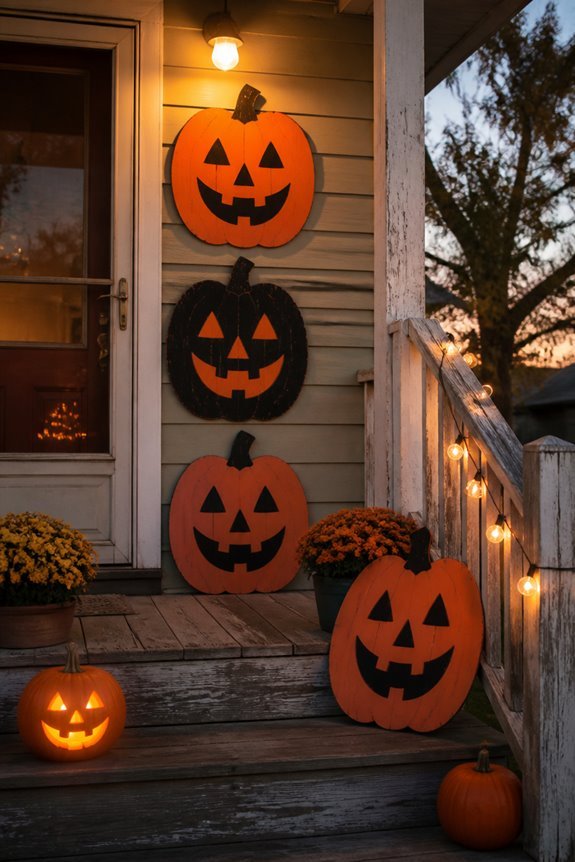
Throughout Halloween history, jack-o’-lantern cutouts have remained a standard decoration for homes and storefronts. These paper or cardboard designs feature carved faces, typically orange with black details. Popular 1950s versions included simple triangle eyes, nose cutouts, and curved mouths.
Retailers sold pre-made cutouts in various sizes, from small window decorations to large lawn displays. Many families assembled homemade versions using patterns and colored paper for customization and affordability. Much like how vintage glass ornaments from the same era were cherished for their handcrafted imperfections and nostalgic charm, these jack-o’-lantern cutouts embodied the DIY spirit that defined mid-century holiday decorating.
Friendly Ghost Decorations
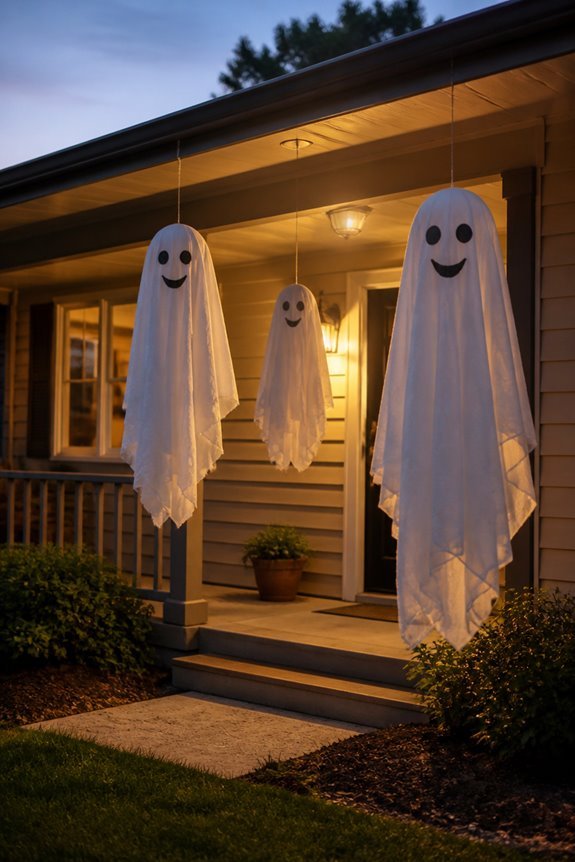
Friendly ghost decorations emerged as popular Halloween ornaments, appearing in homes and yards throughout the mid-twentieth century. These white fabric figures, often suspended from trees or porch railings, featured simple black dots for eyes and mouths. Homeowners created them using bedsheets, cotton batting, or commercial patterns.
Variations included standing yard ghosts, hanging window displays, and inflatable versions that became common by the 1950s. Their warm white tones and handcrafted charm exemplify the gradual incorporation of vintage decorating ideas that create well-curated, personality-filled spaces.
Black Cat Silhouettes

Because black cats held symbolic importance in Halloween tradition, silhouette decorations featuring these felines became widespread household ornaments during the twentieth century. These cutouts, typically made from black paper or cardboard, were positioned on windows, doors, and walls.
Common designs included sitting cats, arched-back poses, and prowling stances. Vintage versions often featured simple, bold shapes that created dramatic shadows when backlit by indoor lighting. The ornate wooden headboards and decorative elements found in Victorian-style bedrooms share a similar appreciation for intricate silhouettes and dramatic visual impact.
Vintage Paper Garlands

Strands of decorative paper offered households an affordable and adaptable way to transform interior spaces during Halloween celebrations. Garlands featured orange and black colors, skulls, bats, and ghosts. Common materials included crepe paper, construction paper, and tissue paper.
Homeowners draped these strands across doorways, mantels, and windows. Pre-made garlands could be purchased from stores or constructed at home using scissors and paste. These vintage paper decorations share a nostalgic aesthetic with layered ephemera techniques used in dimensional scrapbooking projects.
Retro Witch Hat Wall Décor
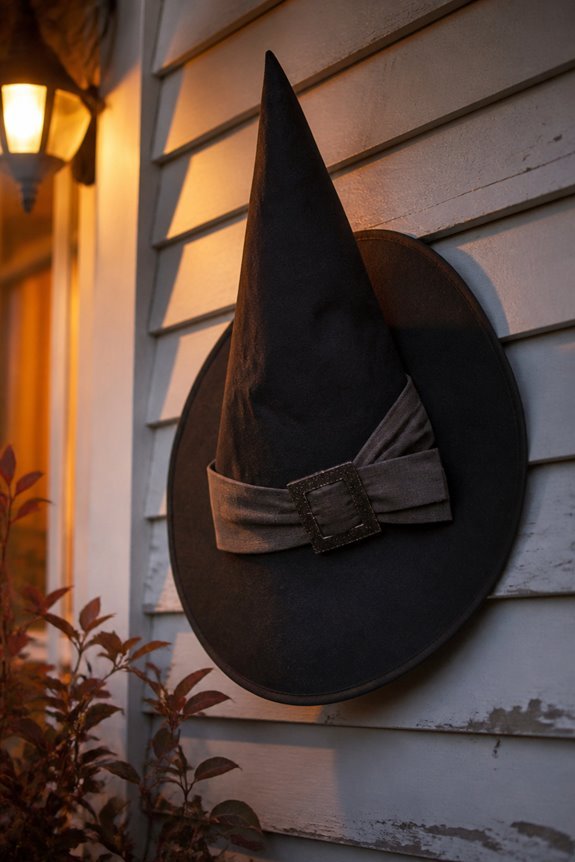
Witch hat wall décor represented a classic Halloween staple that adorned many homes throughout the mid-twentieth century. These decorations, typically constructed from black paper or felt, featured pointed crowns, wide brims, and buckle embellishments. Homeowners displayed them on walls, doorways, and mantels using thumbtacks or tape.
Common variations included solid black hats, striped designs, and those adorned with orange or purple accents, creating straightforward seasonal atmospheres.
1950s-Style Pumpkin Centerpieces
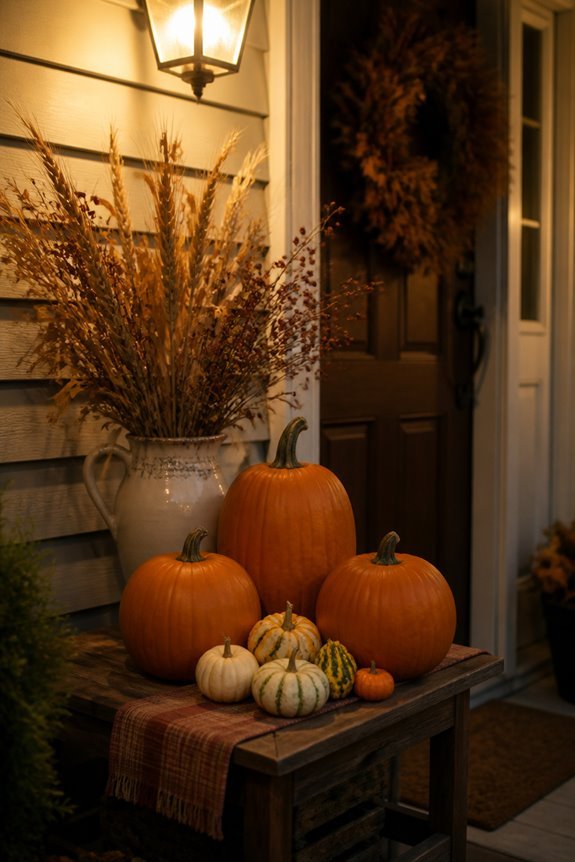
Pumpkin centerpieces dominated household tables during the 1950s, serving as functional seasonal arrangements for dining rooms and kitchen counters. These displays typically featured small gourds, corn stalks, and dried leaves arranged in ceramic bowls or wooden bases.
Common color palettes included orange, brown, and cream tones. Homeowners often added candles, straw, or miniature harvest figurines to enhance the arrangements, creating modest yet practical autumnal décor. Much like layered lighting elements create dimensionality in modern holiday table design, the strategic placement of candles among these harvest displays added warmth and visual interest to the modest arrangements.
Nostalgic Skeleton Decorations
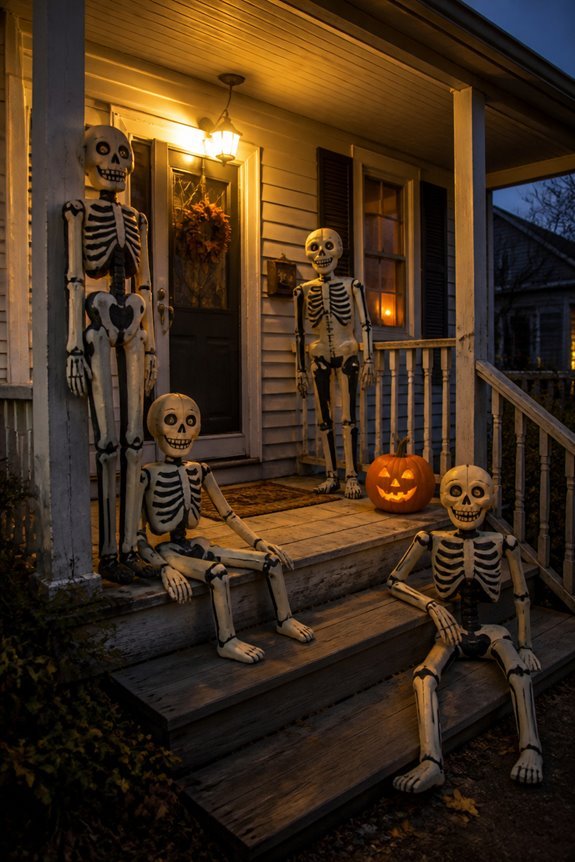
Skeleton decorations emerged as a staple of Halloween displays throughout the mid-to-late twentieth century, appearing in forms ranging from small plastic figurines to life-sized yard props. Vintage versions featured glow-in-the-dark bones, jointed limbs, and simple painted details. Common placement options included doorways, windows, and garden settings.
Collectors sought original 1950s plastic skeletons, often displayed alongside other period-appropriate Halloween items for authentic seasonal aesthetics. Much like the low-profile bed frames popular in 70s bedroom design, these vintage skeletons were positioned at eye level or below to create a grounded, approachable presence in displays.
Vintage Candy Corn Displays

A confectionery icon of seasonal décor, candy corn has served as a decorative element in Halloween presentations since the early twentieth century. Vintage displays featured glass bowls, ceramic dishes, and burlap containers filled with the tri-colored kernels.
Period-appropriate arrangements incorporated black cats, orange pumpkins, and brown leaves alongside candy corn, creating cohesive tablescape compositions for home entrances and dining areas. Much like vintage ornament displays that utilize fishing line for a floating effect, these candy corn arrangements relied on creative presentation techniques to maximize their visual impact.
Classic Orange and Black Streamers
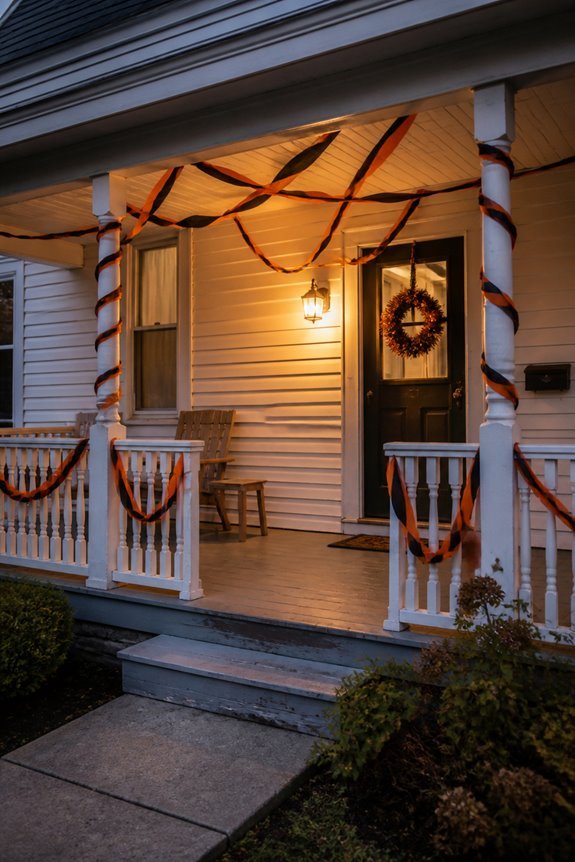
Throughout the twentieth century, orange and black streamers became standard elements in Halloween decoration schemes. These paper strips, typically crepe or tissue material, hung from doorways, windows, and ceilings in homes and businesses.
The color combination represented traditional Halloween symbolism. Streamers cost little money, required minimal installation effort, and created visible festive atmospheres. Many households stored rolls year after year, making them economical decorating choices for seasonal use.
Retro Witch Broom Arrangements
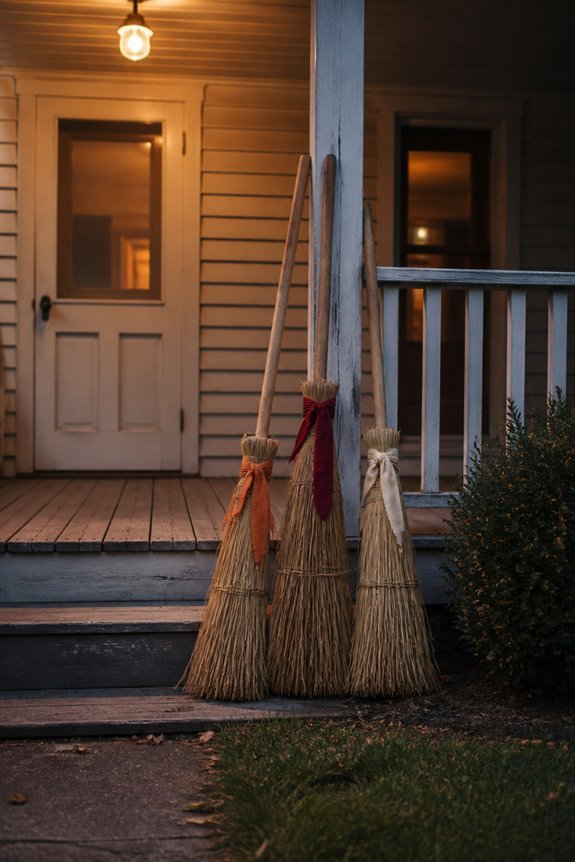
Since witch imagery has long featured prominently in Halloween traditions, broom decorations became common household items during the holiday season. Vintage broom arrangements typically combined natural straw bristles with black ribbons, raffia ties, and miniature witch hats. Homeowners positioned these bundles near doorways, porches, and entryways.
Some versions included paper cutouts of witches or small baskets attached to the handles for added visual interest.
Vintage Haunted House Cutouts
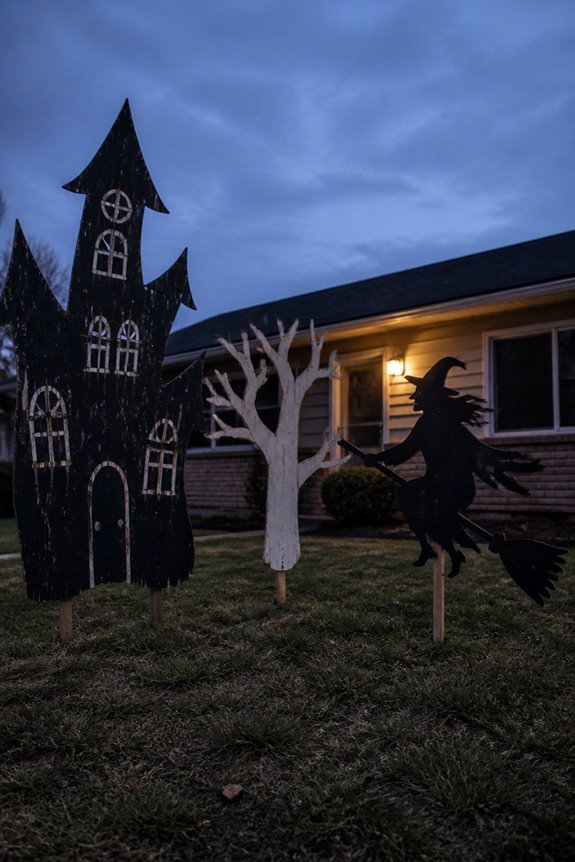
Haunted house cutouts represented another popular decoration category, building on the theatrical props and dimensional displays that characterized mid-century Halloween aesthetics. These cardboard silhouettes, typically depicting mansions with crooked windows and pointed roofs, attached to yards and porches.
Common designs featured black construction, creating stark contrasts against light backgrounds. Homeowners positioned them near entrances, alongside other period decorations for cohesive displays.
Traditional Paper Masks

Paper masks formed a basic, affordable category of vintage Halloween decorations, serving as simple face coverings for children and adults alike. Common designs included witch faces, skeletal features, and animal characters printed on thin cardboard stock. Elastic bands secured masks around the head.
These items cost mere pennies, making them accessible to most households during the 1950s era.
Nostalgic Bat Garlands

Beyond simple face coverings, vintage Halloween enthusiasts sought larger decorative items to enhance their home displays, and bat garlands filled this role effectively. These garlands featured black paper or felt bats, strung together on twine or ribbon. Homeowners hung them across doorways, windows, and mantels.
The bats ranged from simple silhouettes to detailed designs with visible wings and bodies, creating atmospheric Halloween environments throughout residential spaces. Just as flexible limbs allow Elf on the Shelf dolls to be posed creatively for display, these vintage bat garlands offered versatile hanging options that let homeowners customize their spooky arrangements.
Vintage Cardboard Gravestone Props
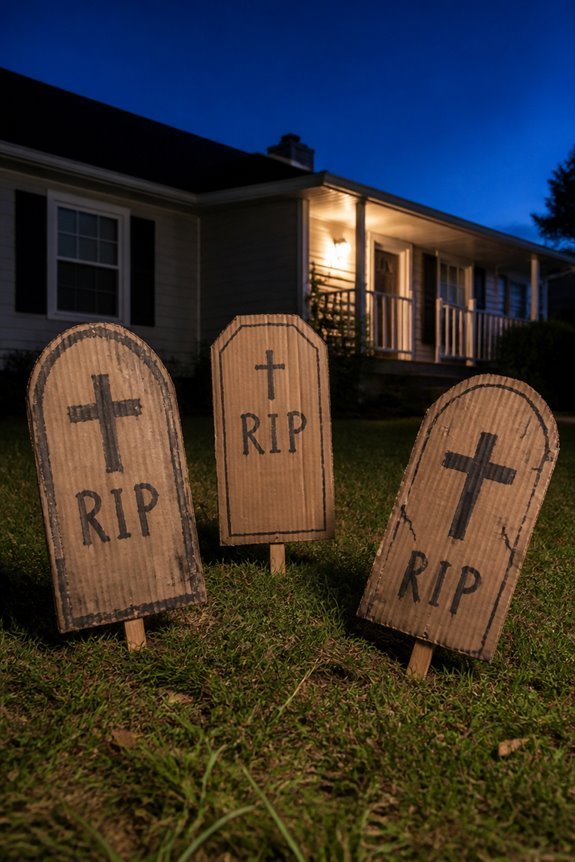
Cardboard gravestones represented a practical solution for Halloween yard displays during the vintage era. These props, typically measuring three to four feet tall, featured basic cross or rectangular shapes. Homeowners painted them gray or black, adding names and dates with simple lettering.
The lightweight material allowed easy placement in lawns and gardens, requiring minimal storage space during off-seasons.
Retro Spider Web Decorations
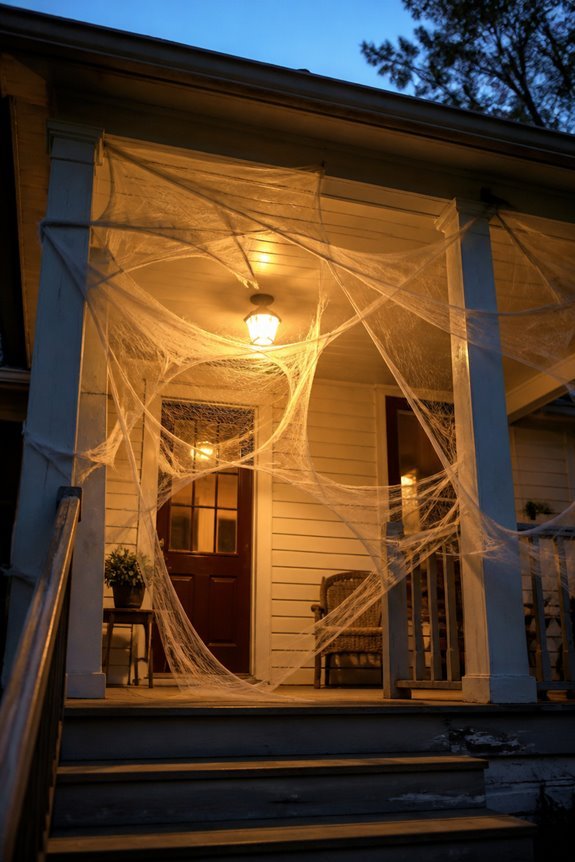
Synthetic webbing became a standard fixture in vintage Halloween displays throughout the mid-to-late twentieth century. These cotton-like strands, typically white or gray, stretched across doorways, windows, and corners. Manufacturers produced popular brands like Eerie Products and Ben Cooper offerings.
The material required minimal setup, adhering easily to surfaces through static electricity or simple tacking, making widespread adoption practical for households seeking authentic period-appropriate decoration.
Vintage Kerosene Lanterns and Candle Luminarias

While synthetic spider webbing provided inexpensive surface decoration, vintage Halloween displays relied equally on lighting elements to establish authentic period atmosphere. Kerosene lanterns and candle luminarias created focal points throughout yards and porches.
Mason jars filled with candles lined walkways, while brass or tin lanterns hung from fence posts. These lighting fixtures produced flickering, amber glows characteristic of 1950s Halloween aesthetics.
Vintage Skull Decorations

Skeleton imagery formed a core element of vintage Halloween displays, appearing in various materials and sizes throughout residential decorations. Plastic skulls, ceramic bones, and papier-mâché skeletons were commonly positioned on porches and in windows.
These decorations typically featured neutral colors, primarily white, gray, or black. Homeowners arranged them alongside other vintage pieces, creating cohesive seasonal displays that referenced traditional Halloween themes.
Dried Corn Stalk Bundles for the Porch
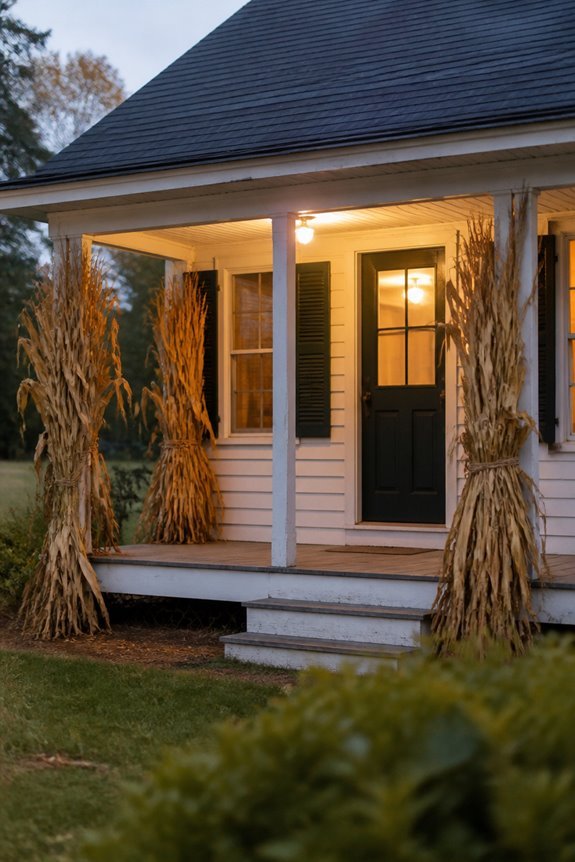
As autumn approached, homeowners gathered dried corn stalks to create authentic fall decorations for their porches and entryways. Bundles were tied together with twine or burlap ribbon, then positioned beside doorways or porch railings.
The tan and golden stalks, combined with small pumpkins and gourds nearby, established a traditional harvest aesthetic. This straightforward decorating method required minimal maintenance and provided a period-appropriate seasonal display. The natural materials used in these displays reflected the genuine rustic appeal homeowners sought during this era.
Retro Coffin Cardboard Displays
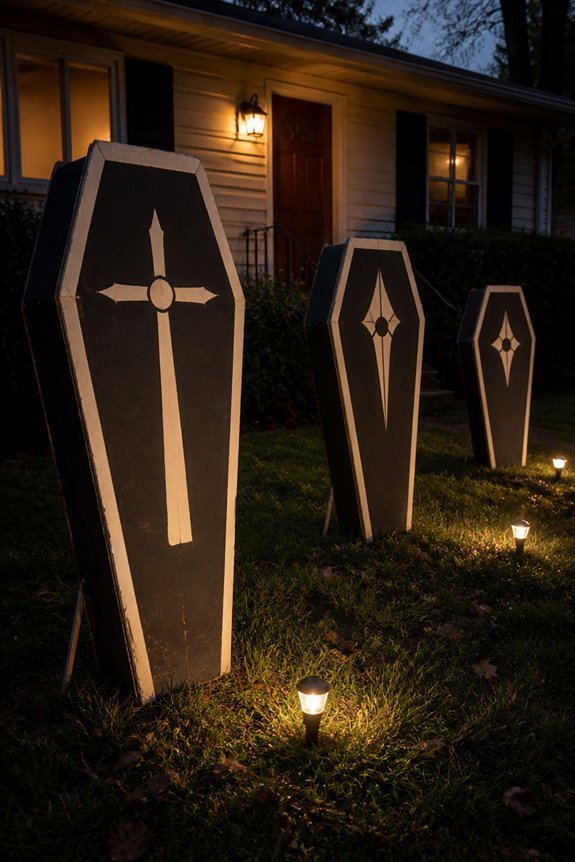
During the 1950s and 1960s, homeowners constructed coffin shapes from cardboard to serve as prominent Halloween yard decorations. These displays featured black paint, skeletal designs, and hinged lids for storage between seasons. Homeowners positioned them near porches and walkways, often pairing them with tombstone cutouts. The cardboard construction allowed for easy assembly, transport, and annual reuse without significant maintenance or expense. These vintage pieces exemplify repurpose existing items philosophy that makes seasonal decorating both economical and sustainable.
Vintage Owl and Bird Cutouts
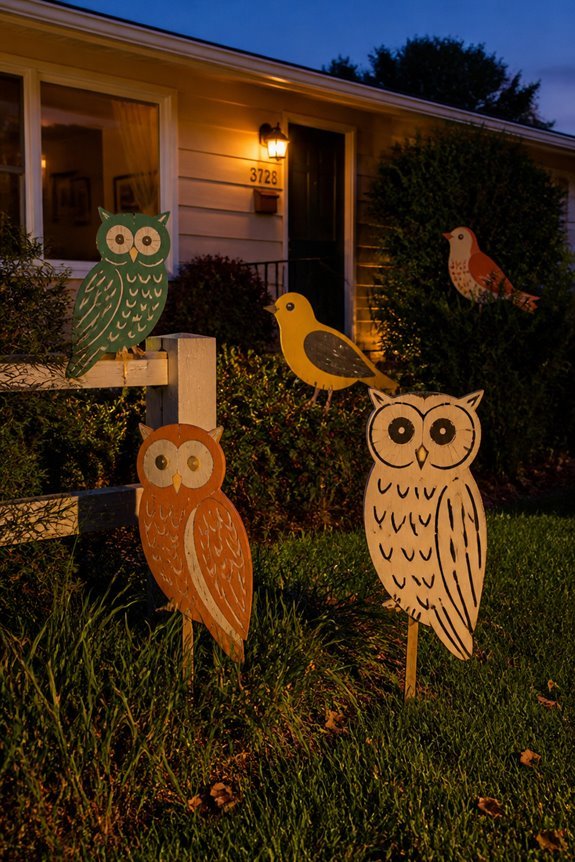
Alongside coffin displays and tombstone cutouts, homeowners in the mid-twentieth century used owl and bird silhouettes as decorative yard ornaments for Halloween. These cutouts, typically made from wood or cardboard, featured black silhouettes of crows, owls, and ravens. Homeowners mounted them on stakes or attached them to porches, fences, and trees.
The stark designs created shadow effects during evening hours, adding visual interest to outdoor Halloween displays.
Classic Burlap and Twine Accents
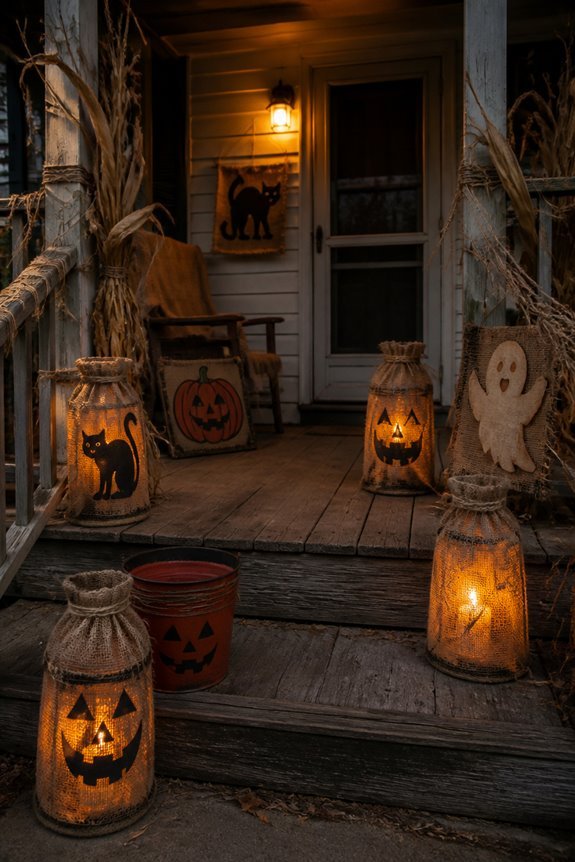
Burlap and twine became popular Halloween decorating materials during the mid-twentieth century, offering homeowners affordable and versatile options for seasonal displays. Burlap strips wrapped around porch railings, fence posts, and tree branches created rustic textures. Twine tied into bows, wrapped around mason jars as candle holders, or braided into garland provided simple embellishments.
These materials complemented scarecrows, corn stalks, and other harvest-themed decorations common in vintage Halloween setups.
Vintage Candelabra Displays
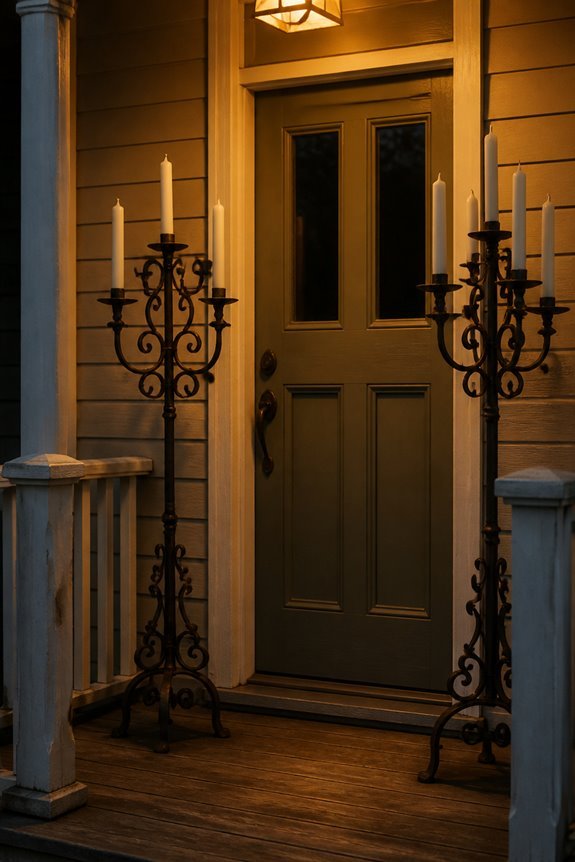
Candelabras served as functional and decorative elements in mid-century Halloween displays, providing ambient lighting while establishing an elegant, gothic aesthetic. Black iron candelabras with multiple arms created dramatic shadows on walls and tables. Brass versions offered a warmer appearance.
Homeowners placed them on mantels, sideboards, and entryways. Unscented or lightly scented candles prevented overwhelming odors. These fixtures combined practicality with period-appropriate sophistication.
Frequently Asked Questions
Where Can I Purchase Authentic 1950S Vintage Halloween Decorations Online or Locally?
Notably, one discovers authentic 1950s pieces through specialized venues: online marketplaces like Etsy and eBay feature curated collections, while locally, antique malls, estate sales, and vintage shops typically stock original decorations from that nostalgic era.
How Do I Safely Store Delicate Vintage Halloween Decorations Between Seasons?
One should store delicate vintage Halloween decorations in acid-free boxes with tissue paper padding, maintaining cool, dry conditions away from direct sunlight. Wrapping fragile items individually and labeling containers guarantees easy identification while preventing damage during off-season storage periods.
What Is the Estimated Cost to Create a Full 1950s-Themed Halloween Display?
A complete 1950s-themed Halloween display typically costs between $300 and $1,000, depending on whether one purchases authentic vintage pieces or reproductions. Budget allocations should include decorations, lighting, props, and period-appropriate costumes for maximum authenticity.
Are Vintage Halloween Decorations From the 1950S Considered Collectible or Valuable Items?
Like treasured time capsules, authentic 1950s Halloween decorations have indeed become collectible and valuable. Rare items such as blow molds, paper decorations, and original packaging command premium prices among enthusiasts, with condition considerably determining market value.
How Can I Mix Vintage 1950S Decorations With Modern Halloween Elements Cohesively?
One can blend 1950s vintage pieces with modern elements by using neutral backgrounds as anchors, then layering retro items alongside contemporary décor. Strategic placement of vintage finds among current pieces creates visual balance while maintaining each era’s distinct aesthetic appeal.
Conclusion
Vintage 1950s Halloween decorations offer a straightforward approach to seasonal décor. Jack-o’-lantern cutouts, ghost silhouettes, black cats, paper garlands, witch hats, coffin displays, owl cutouts, burlap accents, and candelabras create an authentic retro atmosphere. These items remain affordable and accessible through craft stores, online retailers, and thrift shops. Why not combine handmade and purchased pieces for a cohesive, period-appropriate look? This decorating method requires minimal effort while delivering nostalgic visual results.