

Decorating with vintage and antique pieces looks effortless in a finished room but takes a certain eye to pull off. It is less about expensive finds and more about real character and history.
I found an old brass clock at an estate sale for almost nothing, and it is now the most commented-on piece in my house.
This list covers everything from big investment pieces to small, affordable swaps that shift a room’s entire feel.
Getting the Foundation Right
Before you start hunting for pieces, it helps to have a rough sense of which vintage era speaks to you most. Victorian, mid-century, farmhouse, industrial, and global antique styles all have very different personalities, and mixing too many of them without intention tends to produce a space that feels chaotic rather than collected.
Colour palette is your anchor. If you decide early that your neutrals will be cream, warm white, and natural wood tones, it becomes much easier to bring in different eras and styles without things clashing. The palette does the work of tying things together so the individual pieces do not have to match.
Patience is genuinely part of this style. The best vintage rooms are built slowly, one good find at a time. Rushing it by buying a lot of things at once usually results in a space that looks like a prop room rather than a home someone actually lives in.
17 Vintage Antique Ideas
What makes vintage decorating so satisfying is that every idea here can be approached at any budget and any scale. You might implement one thing this week and come back to add another in a few months, and that gradual layering is honestly how the best rooms get built.
Some of these ideas are about specific pieces to seek out. Others are about styling techniques that make the things you already own look more intentional and considered.
Read through the full list and start with whatever feels most achievable right now.
Victorian Furniture: Ornate Details That Command Attention
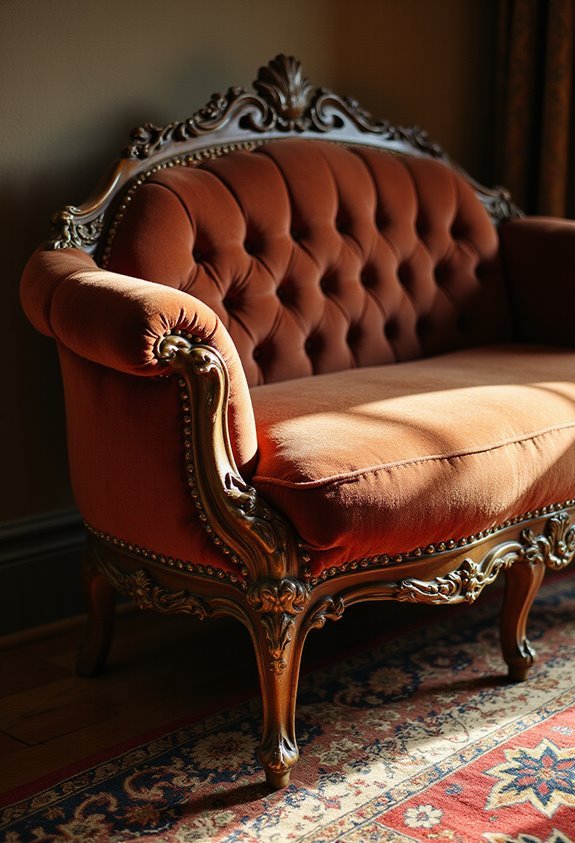
When you walk into a room filled with Victorian furniture, you’ll immediately feel like you’ve stepped into a time machine—except this one’s got way more carved wood and zero comfortable seating.
These pieces scream elegance with their fancy legs, ornate details, and dark mahogany finishes that make your living room look like a fancy museum. You’ve got armchairs with rolled arms and velvet cushions in deep burgundy or forest green. The tables feature intricate carvings and marble tops.
Sofas stretch out six feet long but somehow feel tiny because of all that decoration. Sure, your back might hurt after sitting for five minutes, but you’ll look absolutely fabulous while suffering. That’s the Victorian trade-off, friend.
Also read: Asian Bedroom Decor | Japanese & Modern Chinese Design
Mid-Century Modern: Sleek Lines for Contemporary Spaces
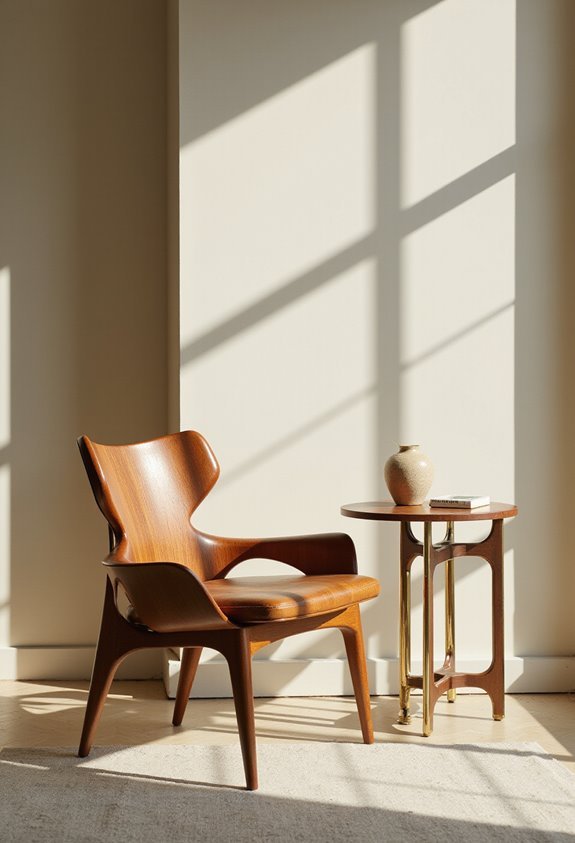
If Victorian furniture makes your back cry, mid-century modern‘s here to save the day—and your spine.
You’re ditching those ornate monsters for sleek wooden pieces that actually fit in your home. Mid-century modern furniture rocks because it’s simple, smart, and doesn’t make you feel like you’re living in a museum.
This style quickly becomes a favourite because it combines beauty with practicality. Clean, simple lines create a sleek look without bulky furniture getting in the way. Chairs and tables often feature tapered wooden legs, typically measuring between 18 and 24 inches high, which give the room a light and elegant feel.
Warm wood tones such as walnut and teak add natural richness and a soft glow that feels inviting. Instead of filling the space with unnecessary decorations, this design focuses on comfort and timeless style, proving that sometimes less really is more.
Your living room transforms into a cool, uncluttered space. Think low-slung sofas, geometric side tables, and zero fussy details. You’re finally relaxing without dodging pointy Victorian corners. Your furniture actually lets you breathe.
Farmhouse Collectibles: Rustic Charm With Enduring Appeal
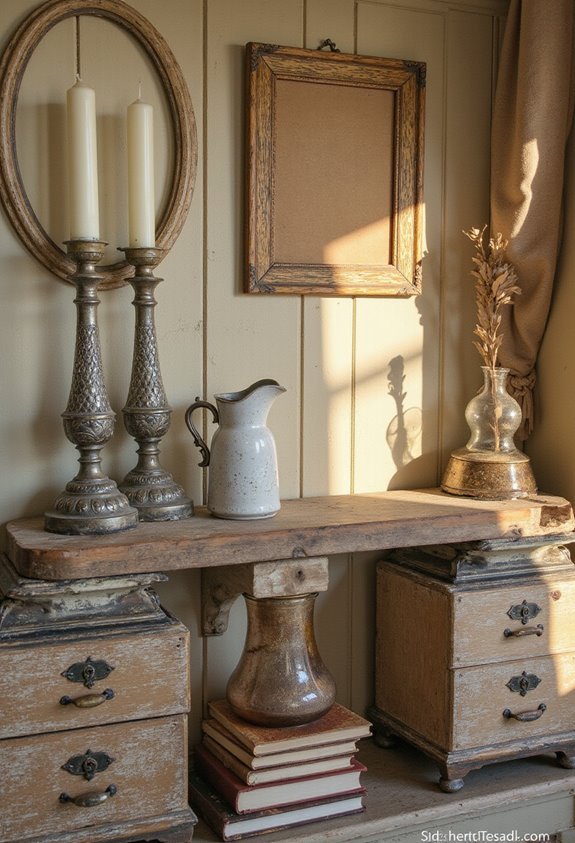
After you’ve mastered mid-century modern’s sleek vibes, farmhouse collectibles are calling—and they’re begging you to embrace your inner country soul.
These rustic treasures won’t judge you for wearing the same flannel shirt three days straight. Think weathered wooden signs, cream-colored pottery, and galvanized metal buckets that’ve actually held something besides your regrets.
You’ll find mason jars in every size, old barn doors leaning against walls, and quilts that smell like grandma’s attic (in the best way). The beauty? Everything’s worn-out and imperfect, which means your coffee table scratches blend right in.
Mix these pieces with warm lighting and cozy textures, and suddenly your space screams “I have my life together” even when you don’t. Farmhouse style’s basically giving yourself permission to embrace the beautiful mess.
Mixing Eras Without Clashing: Your Compatibility Rules
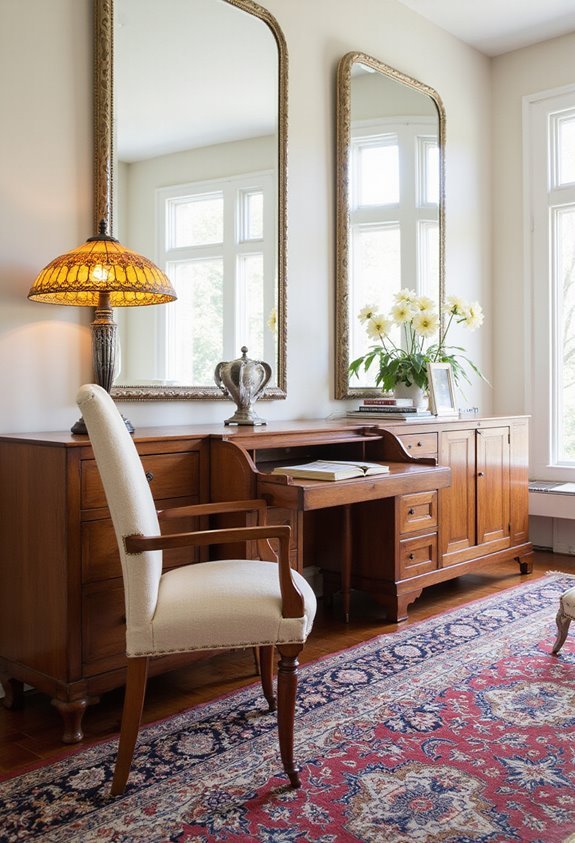
Once you’ve got farmhouse pieces scattered around your place, you’re probably wondering if you can throw in that sleek mid-century modern chair without creating a decorating disaster.
The good news is that mixing design eras is much easier than it seems, and it can create a space full of personality. The key is to keep a consistent colour palette throughout the room.
Choosing just a few shades, such as cream, grey, and warm wood tones, helps everything feel connected. It’s also best to let one style take the lead. For example, if farmhouse design is your main focus, modern accents can complement it without competing for attention.
Paying attention to scale makes a big difference as well. A chunky farmhouse table paired with sleek, contemporary chairs creates balance and keeps the room from feeling heavy.
To avoid a cluttered appearance, group similar decorative pieces together. Displaying vintage finds in small clusters makes them feel purposeful and curated rather than random additions. With a few thoughtful choices, combining styles becomes an enjoyable way to create a home that feels both unique and welcoming.
Your space won’t explode. Promise!
Antique Mirrors: Adding Depth and Visual Expansion
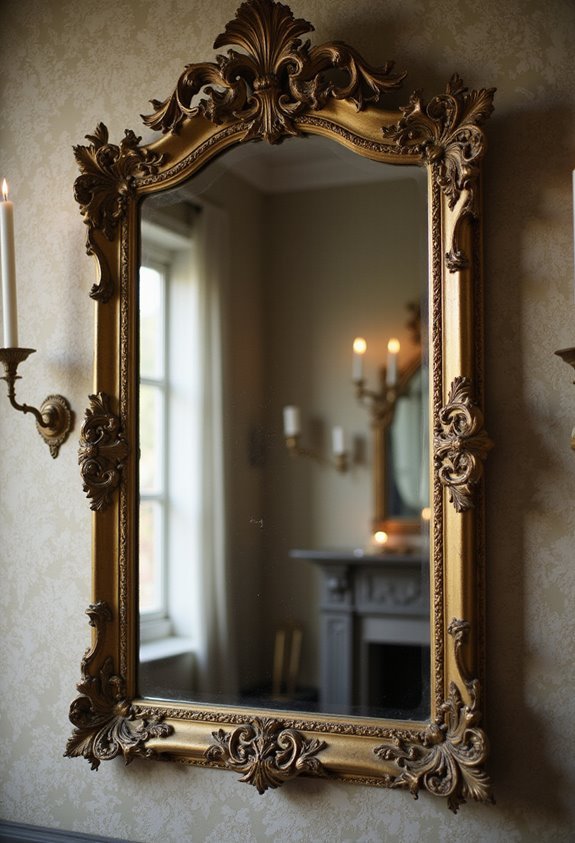
Because mirrors are basically magic, they’re one of the easiest ways to make your space feel bigger without actually knocking down walls (your landlord will thank you).
You’ll position a gorgeous antique mirror opposite your window, and suddenly light bounces everywhere like it’s having a party. Gold-framed Victorian mirrors add serious elegance while making cramped rooms feel spacious. Try hanging a ornate 36-inch mirror on your narrowest wall.
The aged glass gives you that authentic, sophisticated vibe—not the sterile department-store look. Placement matters big-time. Corner mirrors? They’re sneaky space-expanders. Your tiny bedroom won’t feel so claustrophobic anymore. Antique mirrors also reflect your decor’s best features, amplifying what you’ve already got going on. It’s like having a stylish backup dancer for your whole room.
Vintage Rugs: Building Depth Through Pattern and Texture
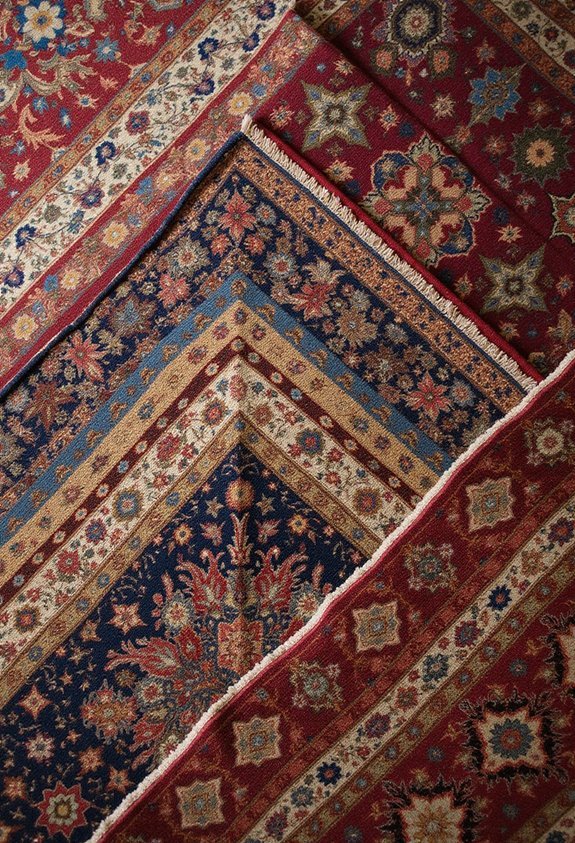
Three things’ll transform a boring floor: a killer vintage rug, some serious pattern-mixing guts, and honestly, just accepting that you’re about to spend way too much time staring at your floor instead of doing laundry.
Vintage rugs do far more than cover the floor. They are one of the easiest ways to add depth, texture, and personality to a room. Their rich, gently faded colours bring warmth and sophistication without overpowering the space. Instead of demanding attention, they create a subtle sense of comfort and timeless style that works with a variety of decorating themes.
Another reason vintage rugs are so popular is their ability to make a room feel thoughtfully curated. Layered patterns and intricate details give the impression that the space has been collected over time rather than decorated all at once.
The naturally worn textures also add character and charm that brand-new rugs often struggle to replicate. Size plays an important role as well. A generously sized 8-by-10-foot rug helps anchor furniture arrangements and gives the room a more balanced and intentional appearance.
You’ll find yourself actually noticing your floors now. That’s not boring. That’s winning.
Reclaimed Wood Accents: Authenticity Worn Into Every Surface
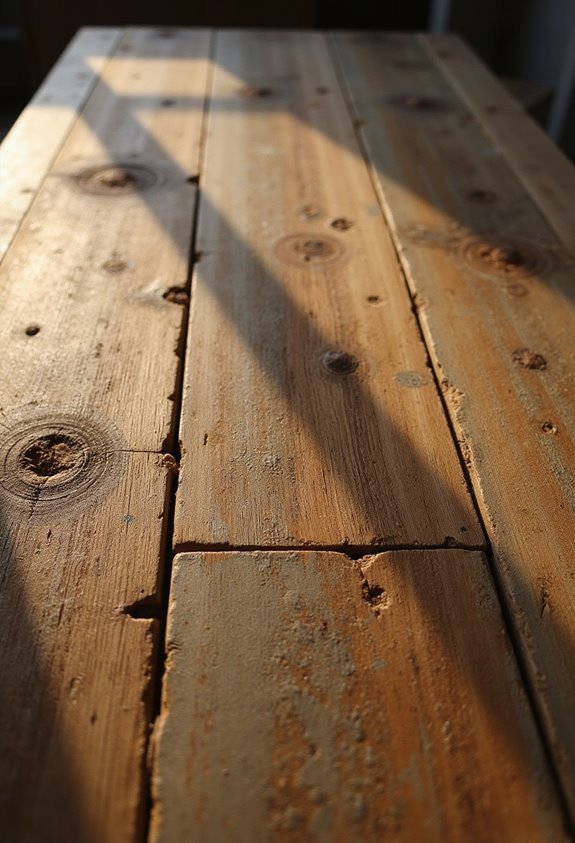
A 6-foot reclaimed wood accent wall costs around $300-800, depending on thickness. Stack those rustic planks horizontally, vertically, or in herringbone patterns. The colors range from honey blonde to deep chocolate brown. Position a reclaimed shelf above your couch to display plants and vintage books.
This authentic material won’t pretend to be something it’s not. It’s genuinely old, genuinely cool, and genuinely worth it.
Brass and Copper Fixtures: Warm Metallics That Age Beautifully
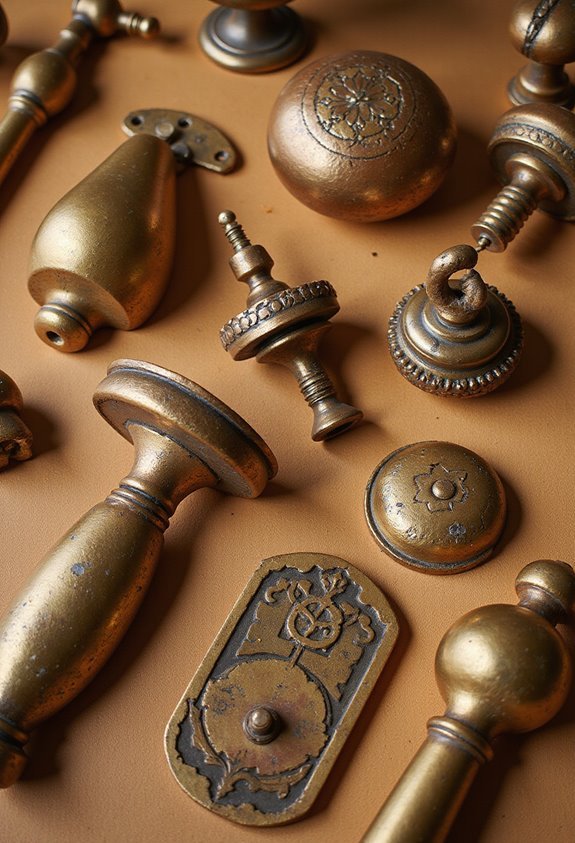
While reclaimed wood brings history to your walls, brass and copper fixtures‘ll bring it to your everyday life. These warm metals age like fine wine, not like milk left in the sun. Your doorknobs, faucets, and light switches become beautiful patina-covered treasures over time.
These pieces are easy to love because they combine beauty with durability. Over time, they develop attractive green or brown patinas that give them a distinctive vintage character and plenty of charm. Instead of looking worn out, the aged finish adds depth and personality, making each piece feel unique and timeless.
Another advantage is their versatility. They complement almost any decorating style, from sleek modern spaces to cosy, traditional interiors with a touch of nostalgia. In addition to their stylish appearance, they are also incredibly durable and resistant to corrosion, making them a practical choice for areas such as bathrooms and kitchens. Strong, reliable, and full of character, they offer a combination of style and longevity that is hard to beat.
Brass and copper aren’t just pretty faces either. They naturally fight germs, so you’re basically getting an invisible superhero guarding your kitchen sink. Install a few 3-inch cabinet pulls or swap out that boring faucet handle. Your home’ll shine brighter than your future, and nobody needs to know you bought them yesterday.
Antique Lighting: Vintage Fixtures as Functional Art
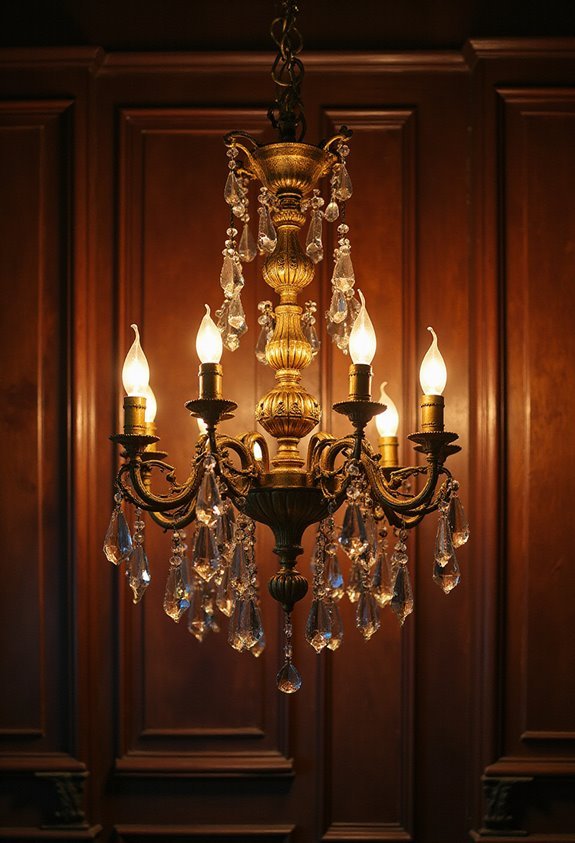
Forget those sad, flat ceiling lights that make your home look like a dentist’s office. Antique lighting fixtures are where the magic happens. You’re not just installing a light—you’re hanging functional art on your walls and ceilings.
Think ornate brass chandeliers, delicate milk-glass sconces, or those gorgeous Art Deco pendant lights that make you swoon. These beauties actually work better than modern junk. They cast warm, flattering light that doesn’t make you look like a zombie. Your guests will stop mid-conversation and ask about them.
Vintage fixtures come in endless styles: Victorian, Industrial, Mid-Century Modern. Each one tells a story and makes your rooms feel sophisticated. Install one today and watch your space transform from blah to absolutely fabulous.
Oil Paintings and Fine Art: Creating Gallery-Worthy Focal Points
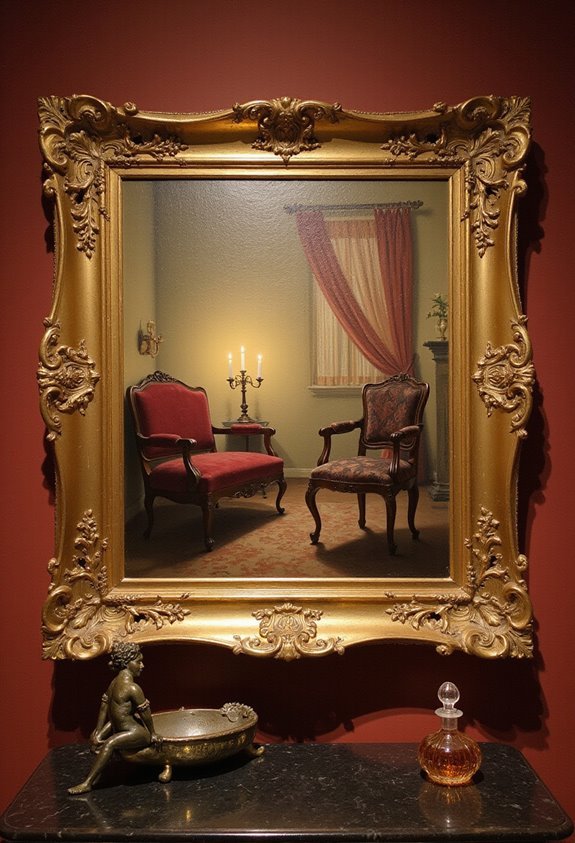
Now that you’ve got your lighting looking sharp, it’s time to give your walls some serious personality with oil paintings and fine art. You’re basically turning your home into a museum—minus the weird stares from strangers.
Artwork can completely transform a room, making it one of the most effective tools for adding personality and style. Larger pieces, such as a 36-by-48-inch painting, naturally draw attention and create a strong focal point that smaller pieces often cannot achieve.
Choosing the right colours also makes a significant difference. Rich gold tones, deep blues, and warm burgundy shades bring a sense of sophistication while creating a cosy and inviting atmosphere.
Proper placement is equally important. Hanging artwork at eye level, with the centre positioned approximately 57 to 60 inches from the floor, helps create a balanced and comfortable viewing experience.
Adding variety through layering can further enhance the overall look. Combining framed artwork with unframed canvases introduces depth, texture, and visual interest, giving the space a more curated and thoughtfully designed appearance.
The right oil painting transforms a boring wall into a conversation starter. Your guests won’t be able to stop talking about it. That’s the power of real art, my friend.
Global Antiques: Worldly Style in One Room
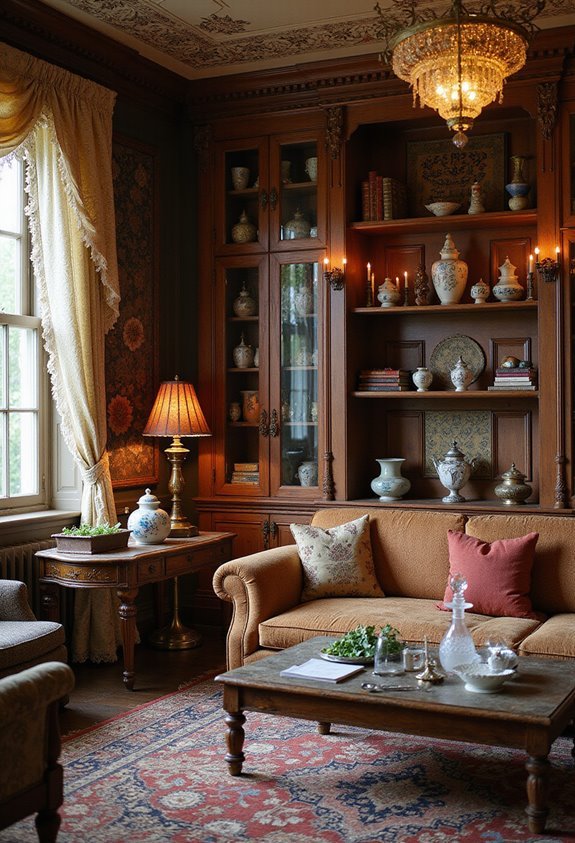
Three continents worth of treasures can fit in your living room without looking like a chaotic garage sale—and that’s the magic of global antiques.
You’ll mix a Moroccan brass table with a Japanese scroll and a Turkish kilim rug—no passport required. The trick? Let each piece breathe.
Don’t cram everything together like you’re packing for a six-month trip. A 3-foot Indian cabinet paired with a minimalist Scandinavian chair creates balance, not visual indigestion. Your walls become a world tour: hang that Chinese landscape above the African mask. Colors naturally complement each other across cultures.
Suddenly your space tells a story that’s uniquely yours—part adventurer, part collector, entirely unpretentious. That’s worldly style done right.
Vintage Textiles: Using Quilts and Tapestries as Focal Points
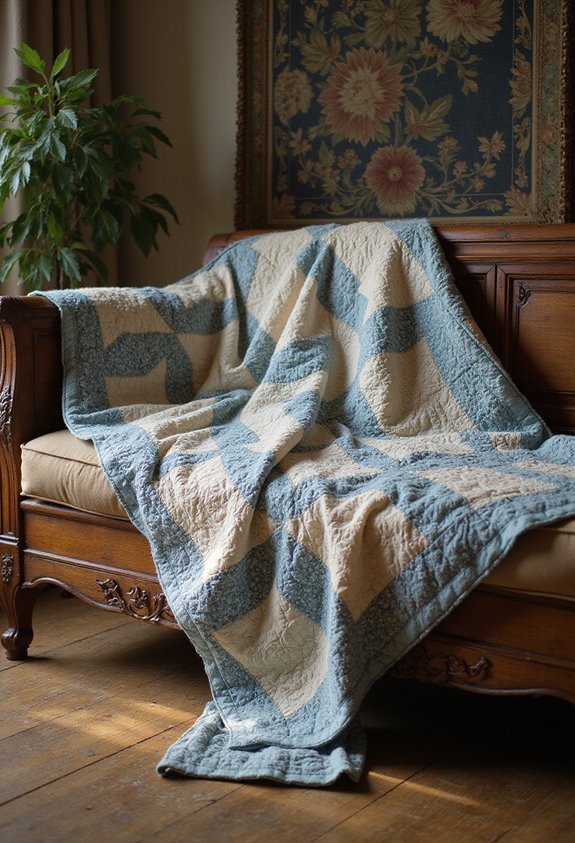
When you’re tired of blank walls staring back at you like they’re waiting for permission to have opinions, vintage textiles are your secret weapon. A 6-by-8-foot quilt transforms your room instantly. Tapestries? They’re basically grown-up blanket forts for your walls.
One of the biggest reasons to love them is the colour they bring to a space. Deep crimsons and soft blues instantly add warmth and make rooms feel more vibrant and inviting.
Texture also plays an important role. Worn fabrics and aged details give each piece character and a sense of history that brand-new décor often lacks.
They also add a touch of sophistication without trying too hard. A well-chosen piece can make your home feel stylish and thoughtfully designed.
Best of all, they are surprisingly budget-friendly. Thrift shops and antique markets are full of unique treasures that often cost far less than buying new artwork or décor.
Hang that vintage quilt above your sofa. Layer a tapestry behind it. Suddenly, you’ve got dimension and personality. Your walls aren’t blank anymore—they’re genuinely interesting. That’s no accident; that’s your excellent decorating skills showing up.
Antique Clocks: Statement Pieces That Ground Your Layout
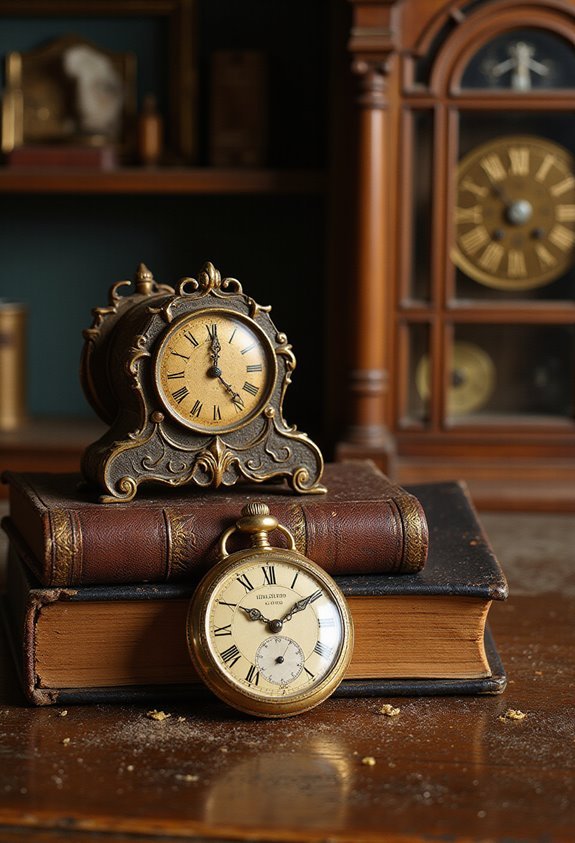
If you’ve ever watched time literally tick by on a boring wall, you’re missing out on antique clocks. These beauties aren’t just for telling time—they’re conversation starters that actually work.
A chunky wooden clock with brass gears screams personality and sophistication. Position one above your fireplace or on a bookshelf, and suddenly your space feels intentional and classy.
The rhythmic ticking gives your room a heartbeat, which is honestly better than awkward silence. Ornate pendulum clocks add drama and movement. Smaller vintage timepieces work great on desks or side tables too. Hunt for clocks with interesting faces, weathered cases, or unique colors. Your guests will absolutely lose track of time admiring them—pun intended.
Industrial Antiques: Raw Materials, Refined Spaces
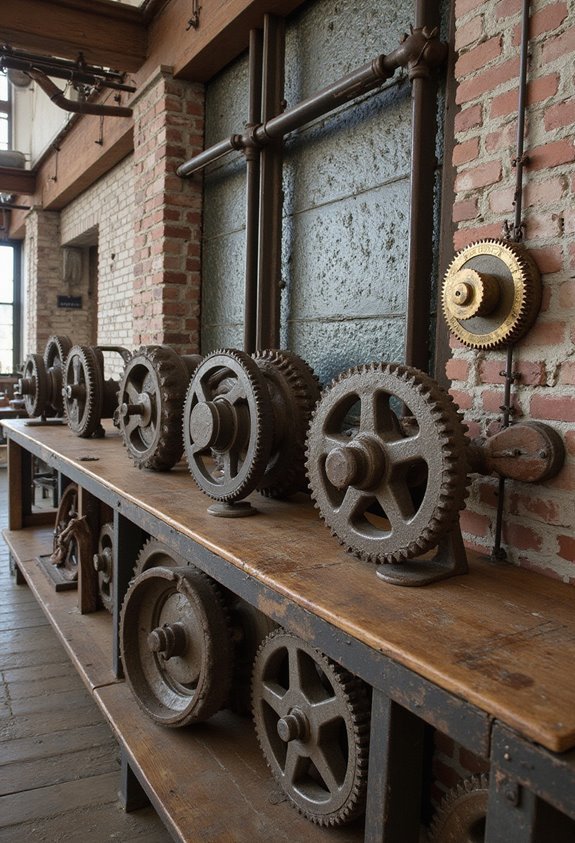
Industrial antiques bring that raw, edgy vibe that makes your space feel like a cool factory loft—without the actual factory smell. You’re basically stealing warehouse vibes for your living room, and honestly, it’s genius.
Industrial antiques bring plenty of character and personality to a space. Exposed metal pieces, such as aged iron shelves and steel brackets, create a rugged look that feels full of history and charm.
Vintage machinery can also become eye-catching décor. Old gears, pulleys, and factory parts make unique wall art that adds a sense of authenticity and craftsmanship.
Another reason these pieces stand out is the combination of reclaimed wood and metal. Weathered surfaces paired with dark iron create striking contrast and give rooms a balanced mix of warmth and strength.
Lighting plays a big role as well. Edison bulbs and industrial-style fixtures with metal cages provide a timeless look that feels both stylish and intentional.
These pieces ground your space with authenticity. You’re not pretending—you’re celebrating real history. Mix one statement piece with modern furniture, and boom, you’ve got sophisticated edge.
Vintage Books: Curated Collections as Living Décor
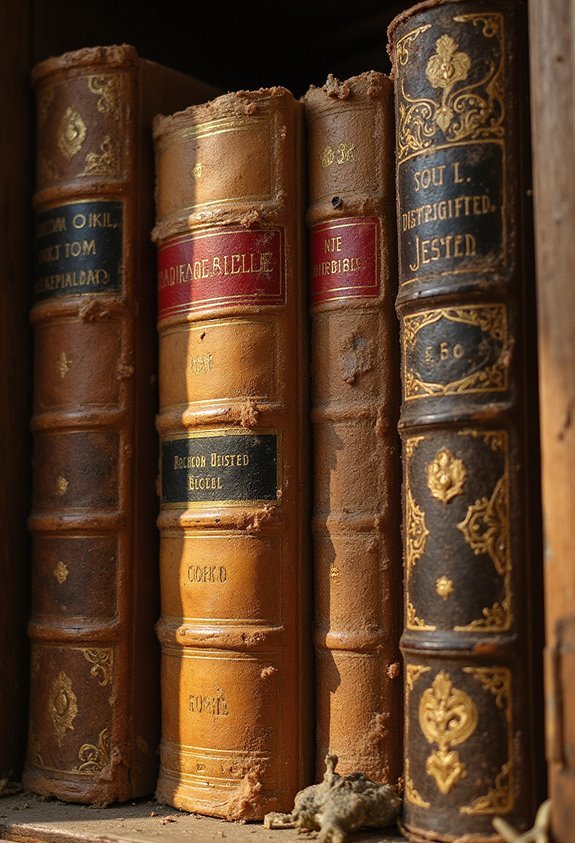
While industrial pieces pump up the edgy factor, vintage books do something totally different—they whisper instead of shout. You stack leather-bound volumes on your nightstand and suddenly you’re sophisticated. Stack them on shelves and you’ve basically become a librarian without the weird shushing habit.
The magic? Books smell amazing. That musty, papery aroma makes your space feel instantly lived-in and intellectual. Arrange them spine-out, spine-in, or tilted sideways like they’re lounging around. Mix cream, burgundy, and forest green spines together and watch your wall transform into something legitimately beautiful.
You’re not just decorating. You’re building a collection that tells your story. Plus, guests won’t judge your taste—they’ll assume you’re brilliantly well-read. Win-win situation right there.
Antique Hardware: Luxury in the Details
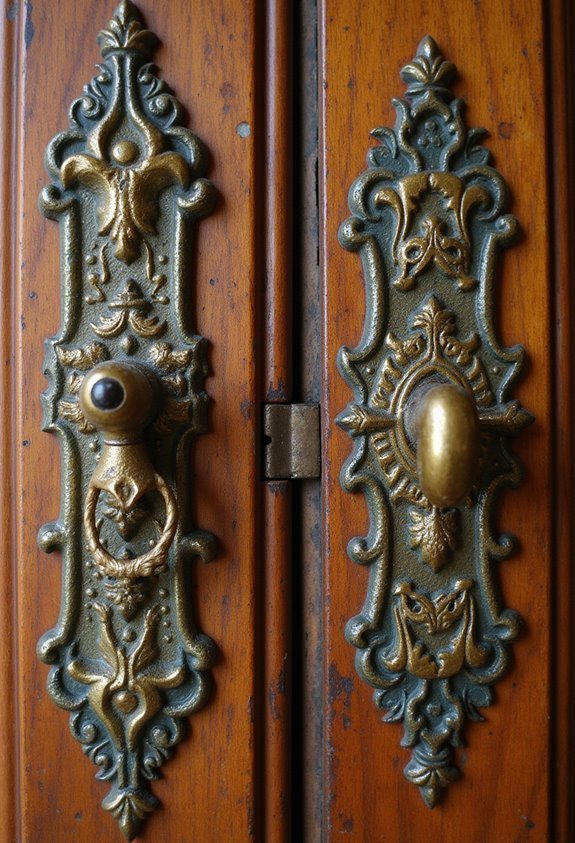
When you’re hunting for that fancy, expensive look without actually spending fancy, expensive money, antique hardware‘s your secret weapon. Seriously, these little guys pack a punch.
Swap out your boring cabinet knobs and drawer pulls with brass or bronze beauties. Your cabinets go from “meh” to “museum-worthy” instantly. We’re talking Victorian-era charm or Art Deco pizzazz here.
Antique hardware has a remarkable ability to elevate ordinary furniture and cabinetry. Brass handles reflect light beautifully and add a sense of warmth and sophistication that never goes out of style.
Crystal knobs are another timeless choice. Their subtle sparkle brings elegance and charm, making even simple drawers and cupboards feel more refined.
Iron latches offer a different kind of appeal. They provide rustic character while also being incredibly durable, making them both practical and decorative.
Even small details like vintage hinges can make a big impact. These classic pieces add personality and help turn everyday furniture into eye-catching statement pieces.
Old hardware tells stories. It’s weathered, patina-rich, and genuinely cool. Your grandmother’s dresser suddenly becomes heirloom-quality when you upgrade those details. These tiny treasures prove that luxury isn’t about price tags—it’s about personality.
How to Layer It All: The Styling Framework That Works
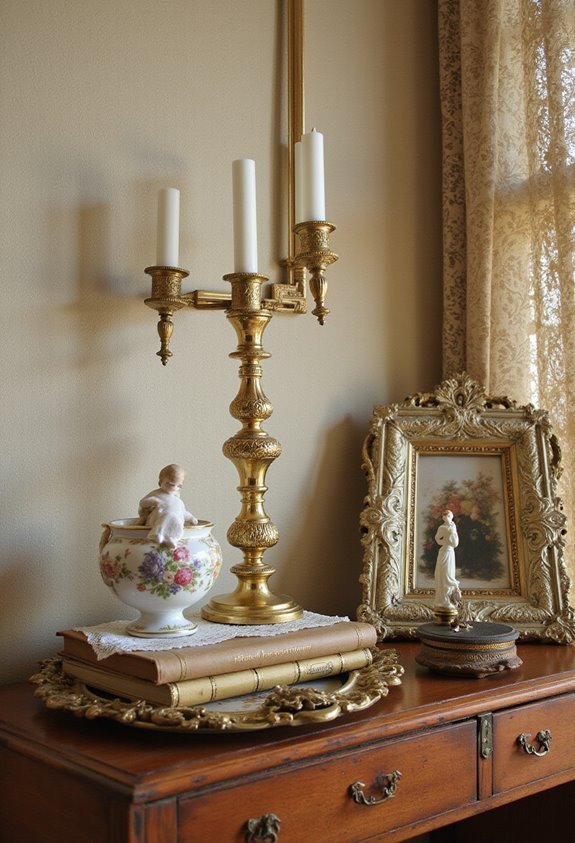
Now that you’ve got those gorgeous antique pieces scattered around, here’s the thing—they don’t automatically work together like some kind of decorating magic.
You’ve gotta actually layer them strategically. Start by placing your largest piece first—that ornate mirror or chunky dresser—as your anchor. Then add medium-sized items around it.
Think of it like building a sandwich. You don’t just throw everything in the middle. Next, sprinkle smaller treasures in the gaps. A brass candlestick here, a vintage box there.
Mix heights and textures deliberately. Pair that wooden cabinet with a delicate glass vase on top. The real trick? Create visual breathing room. Don’t cram everything together like you’re afraid it’ll escape. Space makes elegance breathe.
Frequently Asked Questions
How Do I Authenticate Vintage and Antique Pieces Before Making a Purchase?
Start by examining the construction closely. Genuine antiques show hand-crafted details, irregular finishes, and signs of age that are very difficult to replicate exactly. Machine-perfect symmetry on something claiming to be antique is usually a red flag.
Look for maker’s marks, stamps, or labels and research them before you buy. A quick search can often tell you whether a mark is consistent with the era the piece is supposed to be from.
For anything significant, it is worth consulting a specialist or getting a written appraisal. Reputable antique dealers will also be able to provide provenance information and are generally happy to answer questions if you ask.
What Is the Appropriate Budget Range for Starting a Vintage Home Collection?
You can genuinely start with very little. Estate sales, thrift stores, and flea markets regularly turn up interesting pieces for under fifty dollars, and that is often where the most characterful finds come from anyway.
If you want to invest in furniture, expect to spend more for quality pieces from established antique dealers or auction houses. Prioritising one or two anchor pieces over buying lots of smaller things tends to produce a better result in the long run.
There is no required minimum. The point is to build gradually and buy things you genuinely love rather than filling space quickly with things that are just okay.
Where Are the Best Places to Source Authentic Antiques and Vintage Items?
Estate sales are consistently one of the best sources, especially in older neighbourhoods where families are clearing out multi-generational homes. You tend to find genuinely old pieces at fair prices because the sellers are motivated.
Local antique shops and markets are worth building relationships with. Dealers who know you are serious will often set things aside or let you know when something comes in that fits what you are looking for.
Online marketplaces like Chairish, eBay, and Etsy have large vintage inventories, but buying online does require more due diligence since you cannot inspect pieces in person before purchasing.
How Should I Properly Care for and Maintain Delicate Antique Pieces?
Dust regularly with a soft, dry cloth and avoid harsh chemical cleaners on anything old. Most antique finishes are more delicate than they look, and the wrong cleaner can strip patina or damage wood irreversibly.
Keep antique furniture and textiles out of direct sunlight. UV exposure fades finishes and fabrics faster than almost anything else, and the damage is cumulative and permanent.
For pieces that are genuinely fragile or valuable, it is worth talking to a conservator rather than attempting your own repairs. A professional restoration done correctly will preserve value, while a DIY fix done badly can significantly reduce it.
Can Mixing Vintage Styles With Modern Elements Create a Cohesive Interior Design?
Absolutely, and honestly the combination often looks better than going fully in one direction. A completely modern room can feel cold, and a room that is entirely antique can feel like it belongs to someone else’s past. Mixing the two tends to feel more liveable and more personal.
The key is letting one aesthetic take the lead. If your room is primarily vintage, a few modern pieces read as intentional contrast. If it is primarily modern, vintage pieces add warmth and depth without overwhelming the space.
Colour and scale are what make the mix work in practice. When pieces share a colour story and are proportionally balanced with each other, they hold together visually even if they come from completely different eras.
Conclusion
Vintage and antique decorating rewards the kind of patience that most other home projects do not require. You are not ordering a matched set and arranging it according to the showroom layout. You are building something slowly, piece by piece, and the result is a room that genuinely reflects how you see the world.
Something I have noticed over time is that the pieces people remember most in a home are almost never the expensive ones. They are the strange brass thing from a market, the clock with the slightly crooked hands, the mirror with the wavy glass. Imperfect things with real history tend to be far more interesting than perfect things with none.
If you are just starting out, resist the pressure to have it all figured out from the beginning. Buy one thing you love and live with it for a while before adding more. Rushing to fill a room is how you end up with a lot of stuff that does not quite belong together.
Also worth knowing: you do not have to commit to one era or style. Some of the most visually interesting vintage rooms mix Victorian pieces with industrial finds or global antiques with mid-century furniture. What makes it work is intention and a consistent colour palette, not strict adherence to a single period.
Give your space permission to evolve. A room that looks collected and lived-in got that way gradually, and there is something genuinely enjoyable about the process of adding to it over time.
If you have a favourite vintage find or a sourcing tip that has worked well for you, I would love to hear about it. Drop a comment below and share what you are working with.