

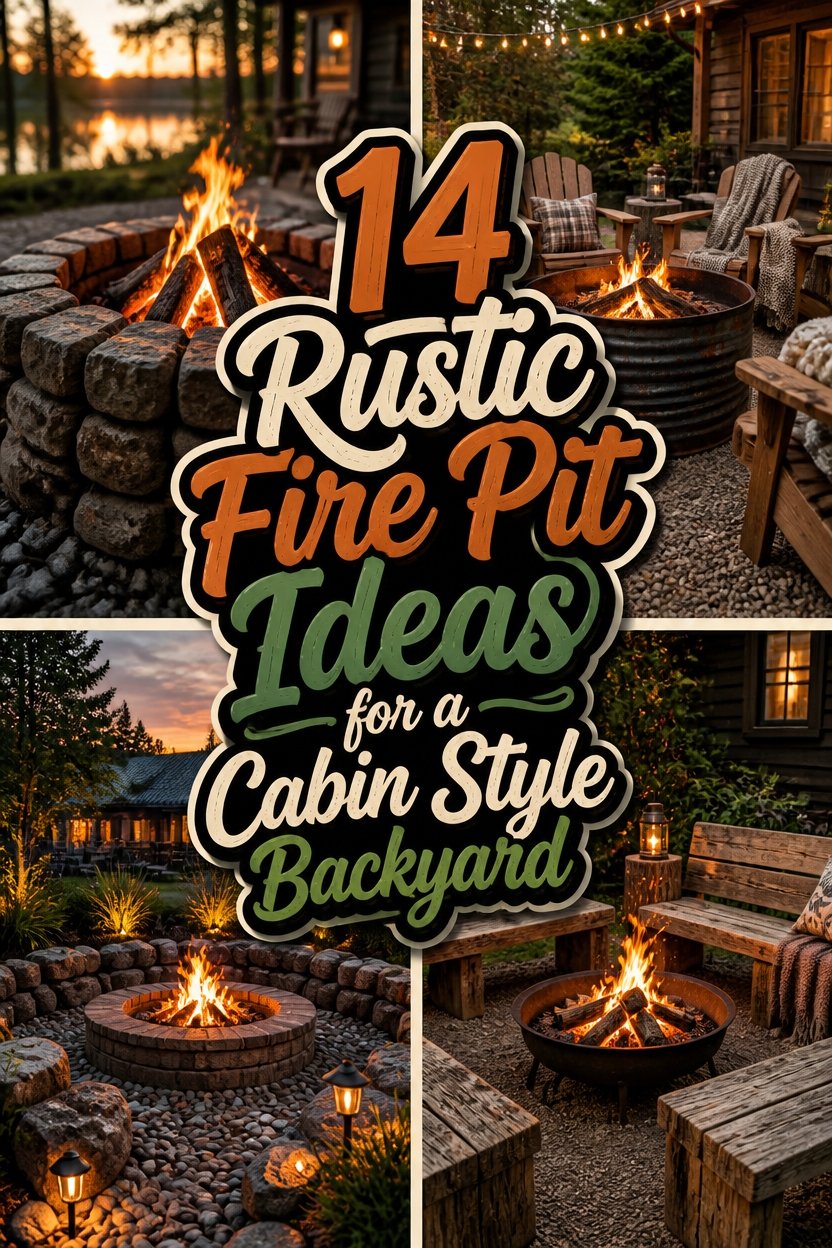
There’s something undeniably cozy about gathering around a fire as the evening cools.
For cabin-style backyards, the right fire pit becomes more than just a heat source. It turns into the heart of your outdoor space.
You have plenty of paths to explore here. Stone structures feel timeless and grounded. Brick and mortar builds bring a polished, crafted look. Some designs even weave in natural landscape features you already have.
Your budget, space, and comfort with DIY work will steer the decision.
It helps to understand the basics of materials and methods before committing. That way, you land on something that fits your yard and your lifestyle.
Choosing Your Fire Pit: By Budget, Skill Level, and Space
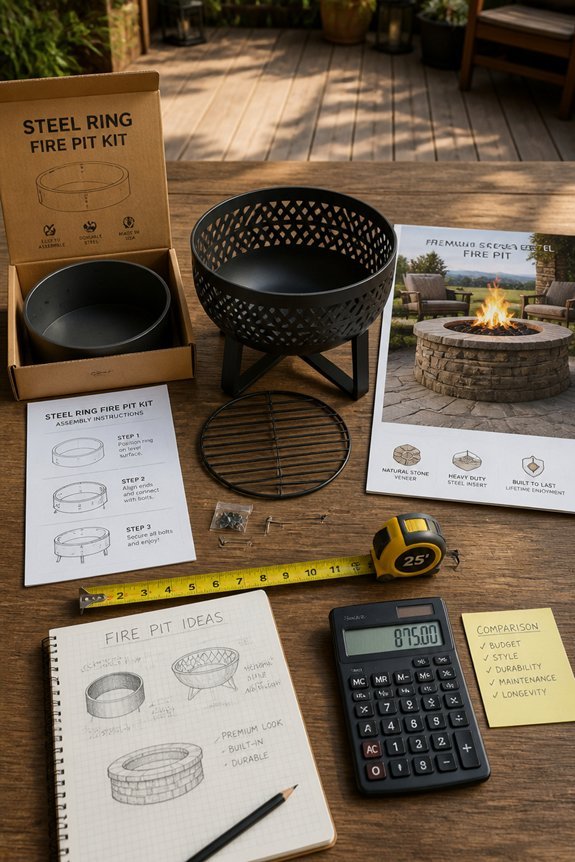
Start with Your Budget
Your spending plan shapes every other decision. Simple metal rings cost around $100. Permanent stone structures run up to $2,000. Most homeowners find solid options between these extremes.
Match the Project to Your Skills
Prefabricated steel bowls need almost no assembly. Just set them in place and you’re ready. Stacked stone designs suit intermediate builders with some patience. Mortared stone pits require real masonry experience. Sunken installations and mortared brick rings challenge even seasoned DIYers.
Not sure where you stand? Portable fire bowls or ring inserts make excellent starting points. They let you test the waters before committing to bigger projects.
Work with Your Space
Small yards fit 30-inch diameter models comfortably. Larger properties accommodate 48-inch versions with room to spare. Measure carefully before falling in love with a particular size.
Placement matters as much as dimensions. Consider distance from your house, trees, and seating areas. Check local fire codes early in the process. Poor ground conditions or drainage problems can derail an otherwise perfect choice.
Taking time with each factor leads to a fire pit you’ll actually use. One that fits your life, your yard, and your abilities.
Stone-Based Fire Pits: Classic and Stacked Stone Designs
Classic Circular Pits
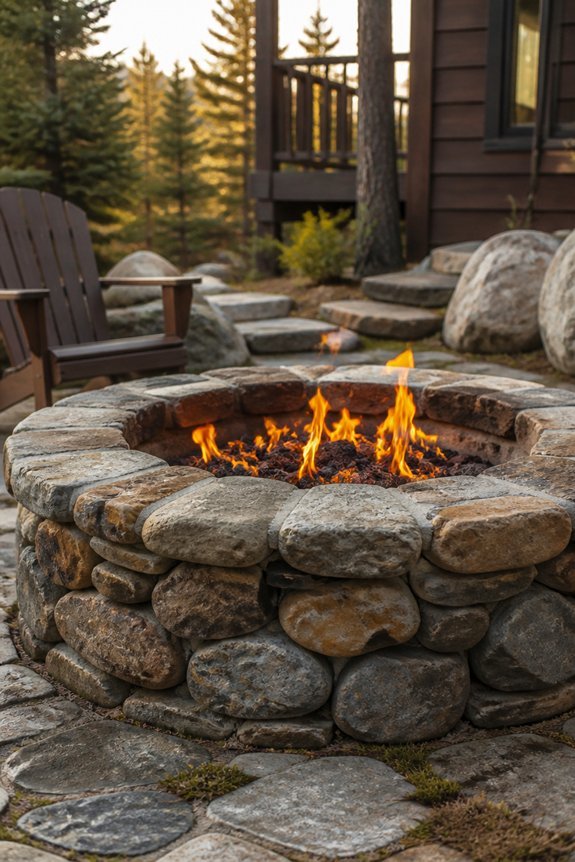
Classic stone fire pits use a simple ring of limestone or granite. The stones form a clean circle that contains heat well. This design needs little prep work and gets the job done.
Materials stay basic with this approach. Local stones save money and blend naturally with the surroundings.
Stacked Stone Variations
Stacked designs build upward in layers that rise one to two feet. The extra height traps heat better and handles bigger fires. Many builders use irregular stones that lock together without mortar. Others add concrete for extra strength.
Level ground matters for both styles. Good drainage keeps water from collecting inside. Stone choice shapes both looks and how the pit performs over time.
Building a Stone Ring Fire Pit Foundation
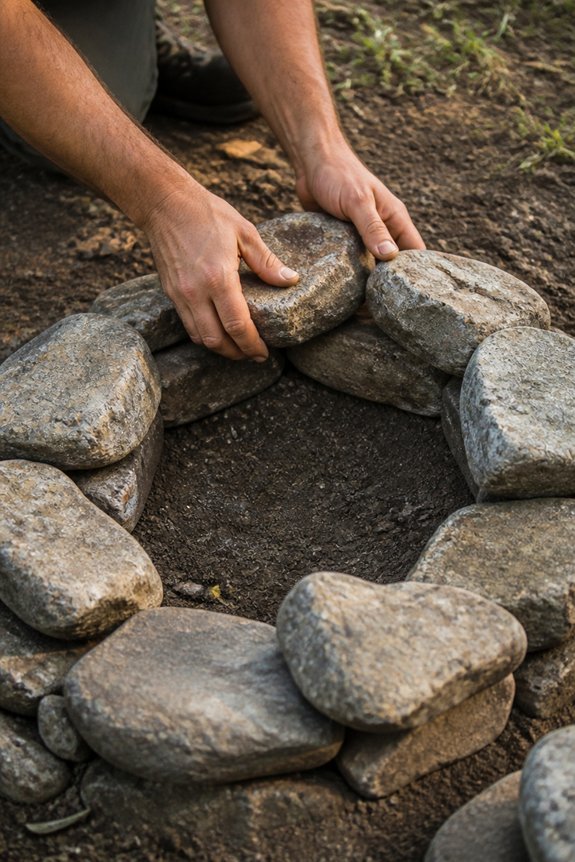
A solid foundation determines how long your stone ring fire pit will last. Clear the ground first. Remove grass, debris, and topsoil from your chosen spot. A level base prevents water from pooling. It also stops structural problems later on.
Add about four inches of compacted soil or sand. This creates a stable surface for your stones.
Choosing Your Stones
Stone selection matters more than you might think. Flat-bottomed rocks outperform rounded ones. They provide better stability and more contact points. Granite, fieldstone, and limestone all resist heat well. They also hold up through many fires.
Building the Structure
Arrange your stones in a circle. Fit each piece snugly against its neighbors. This spreads weight evenly across the base. Stack extra layers to add height and depth to your pit.
Backfill the interior with gravel. This step improves drainage significantly. Your foundation will last much longer because of it.
Stacked Stone and Tiered Designs: Added Complexity
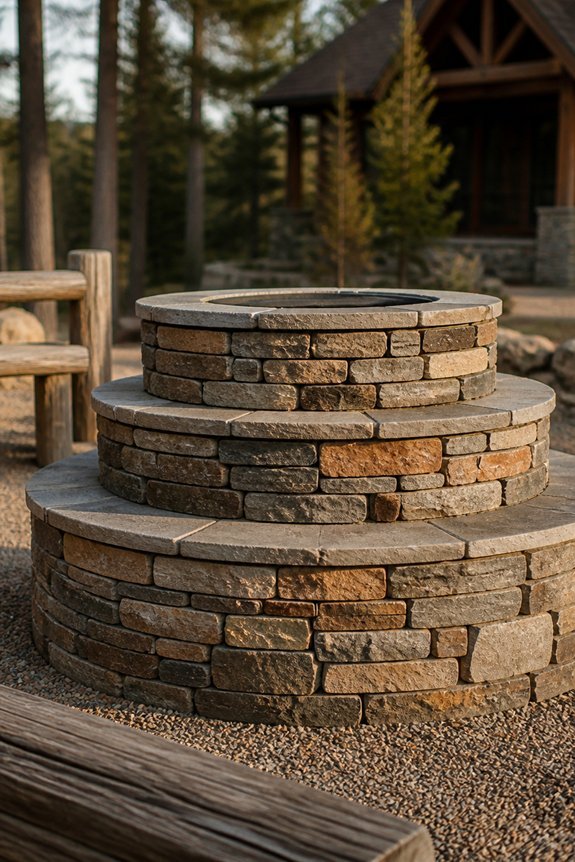
Tiered fire pits bring extra visual appeal and practical depth to your outdoor space. Stacking stones builds up the seating area and gives flames room to breathe. You can mix sizes easily, with hefty base rocks below and neat capstones up top.
Each layer needs to handle the weight sitting above it, so plan carefully. Granite and slate tolerate heat well, unlike softer stone options. Leave small gaps between stones for drainage and airflow.
The inside walls taper upward like a cone. This shape pushes warmth out toward your guests. Outer tiers work nicely for built-in bench seating. Just remember that precision keeps everything stable for years to come.
Brick and Mortar Fire Pits: The Traditional Method
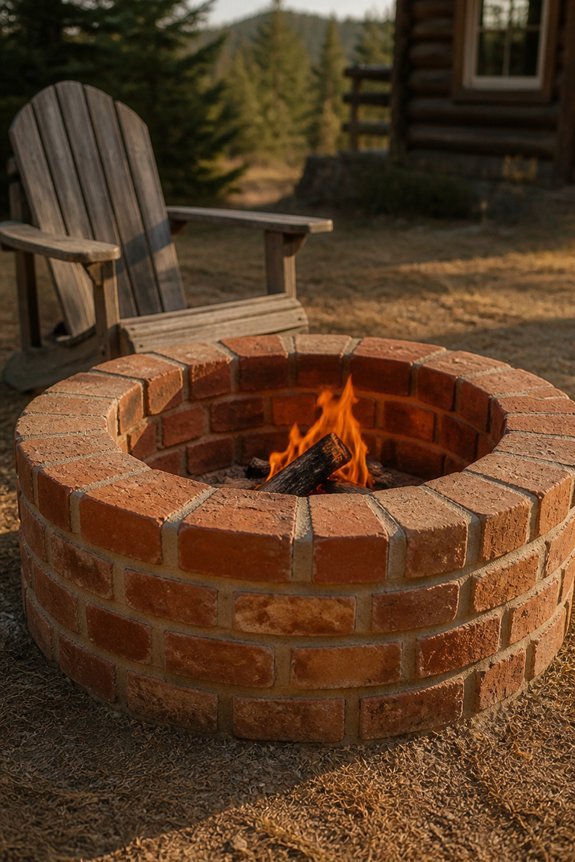
Brick and mortar fire pits have stood the test of time. This method creates durable structures that handle high heat and frequent use with ease.
You stack kiln-fired bricks in circles or squares. Then you bind them with heat-resistant mortar. The finished pit insulates well and lasts for years with basic care.
Standard red bricks work fine for most projects. Firebricks perform even better under intense heat. Your mortar must be rated for high temperatures. Regular mortar crumbles fast when exposed to flames.
Most pits need three to four layers of bricks. This gives you walls about twelve inches tall. The process requires few special tools. Repairs stay simple too. Swap out damaged bricks as needed. Your fire pit can last indefinitely.
The rustic look fits cabin-style backyards perfectly. Brick and mortar remains a smart, lasting choice for outdoor fires.
Metal and Container Fire Pits: Quick and Affordable
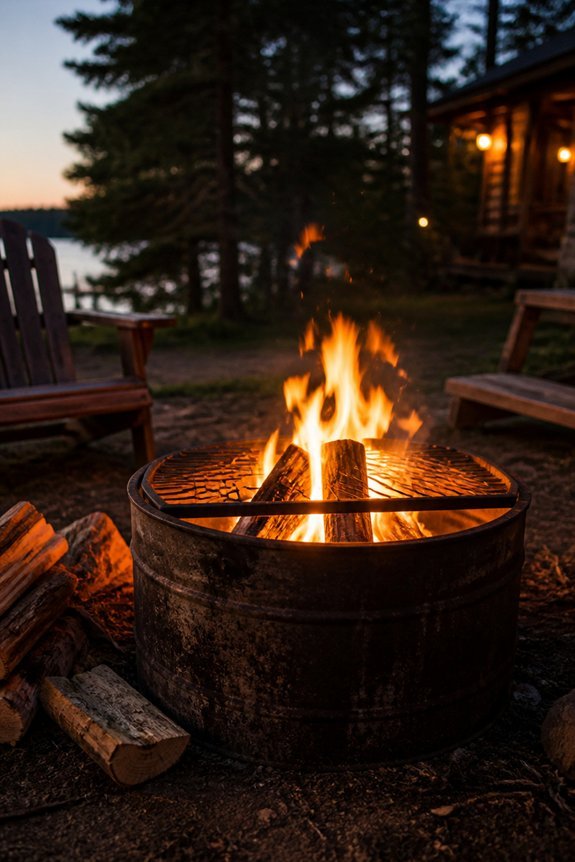
Metal and container fire pits offer a faster, less expensive alternative to permanent brick structures. Steel drums, metal bowls, and galvanized stock tanks work well as fire containment vessels. These options typically cost between fifty and three hundred dollars. Price depends on size and material quality.
Common choices include repurposed metal barrels, fire bowls with stands, and cast-iron cauldrons. Users simply position the container on a level surface. Add a grate for wood support, then ignite the fire. Metal pits accommodate logs of various sizes. They also heat quickly compared to brick alternatives.
Maintenance involves routine ash removal and occasional rust treatment. Metal containers suit temporary or portable setups. This allows flexibility in backyard arrangement and seasonal repositioning.
DIY Galvanized Tub Fire Pit Setup
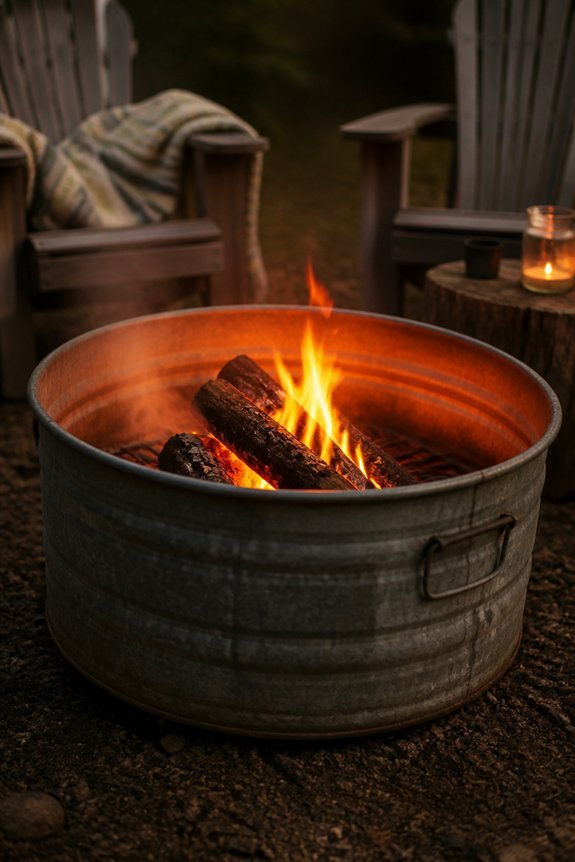
Galvanized tubs make great fire pits. They’re affordable and easy to find. Most hold 30 to 50 gallons and cost $30 to $80.
These metal containers handle heat well. You’ll get years of use from a single tub.
Setting Up Your Fire Pit
Find a flat spot in your yard. Gravel or pavement works best underneath. This protects your grass from scorching.
Place the tub on your chosen surface. Check that it sits evenly before lighting any fires.
Improving Airflow and Stability
Add a metal grate inside the tub. This lifts wood off the bottom and helps it burn better.
A steel ring around the top edge adds strength. It also gives your fire pit a cleaner look.
Safety and Maintenance
Keep your fire pit 10 feet from buildings and plants. This spacing prevents accidents.
Drill a few holes in the tub bottom. Rainwater drains out instead of pooling inside.
Corrugated Metal Rings With Stone Bases
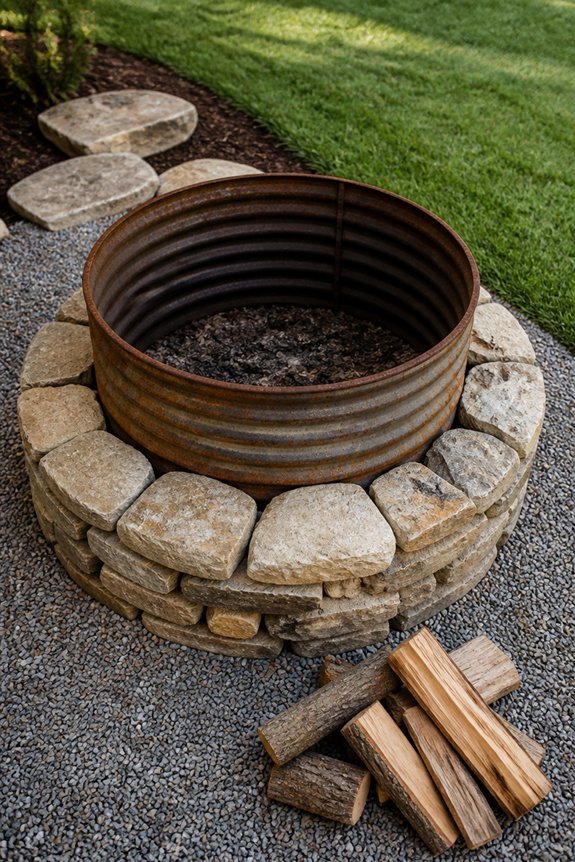
Corrugated metal rings offer a sturdy, modern alternative to traditional fire pit designs. They combine industrial aesthetics with functional durability. These metal cylinders are typically made from galvanized or steel materials. They create defined fire pit boundaries while maintaining a rustic appearance.
Stone bases provide essential support and stability underneath the metal rings. Common materials include concrete pads, gravel layers, or stacked stones. These prevent ground moisture from compromising the metal structure. The combination creates a weather-resistant fire pit that requires minimal maintenance.
Installation involves positioning the corrugated ring over your prepared stone base. Ensure level placement for safe operation. This design accommodates standard fire grates and wood arrangements. The corrugated pattern adds visual interest and enhances structural integrity. This option works well for long-term backyard use.
Metal Fire Bowls: Compact Rustic Style
Portable Design for Small Spaces
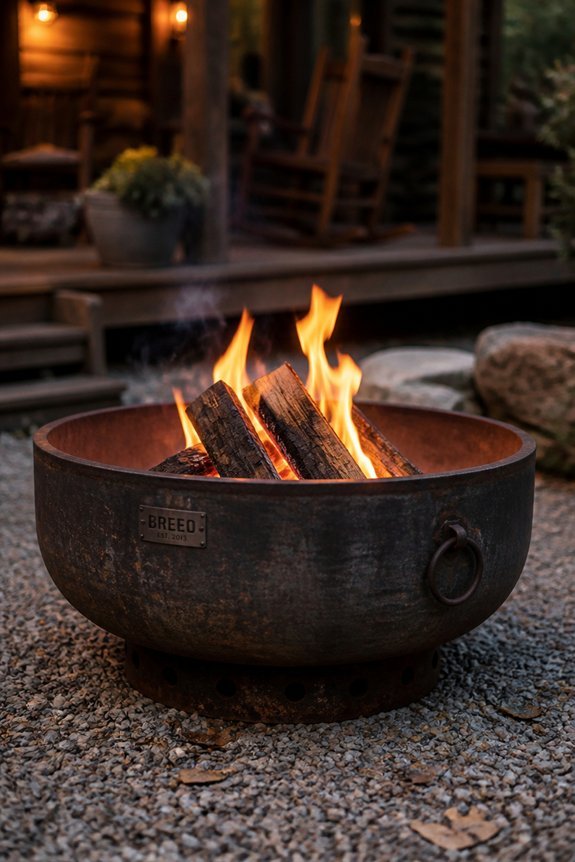
Fire bowls offer a smart alternative to traditional pits. They bring rustic charm without taking up much room.
These compact metal vessels work beautifully in backyards of all sizes. You can move them easily whenever your layout needs a refresh. Most models measure between 24 and 36 inches across. They rest on sturdy legs or stands that keep them safely elevated.
Material and Fuel Choices
Cast iron, steel, and copper each create a different look. All three hold up well against outdoor conditions. You can pick wood burning for that classic crackle or propane for quick convenience. No digging or concrete work required. Simply choose your spot and set it down.
Simple Upkeep and Trusted Brands
Regular cleaning keeps your bowl looking its best. Iron versions need occasional rust prevention treatments. Solo Stove, Tiki Brand, and Endless Summer all offer solid options. Their designs fit naturally into cabin-inspired spaces where warmth matters most.
Integrated Seating: Built-In Benches and Log Seating
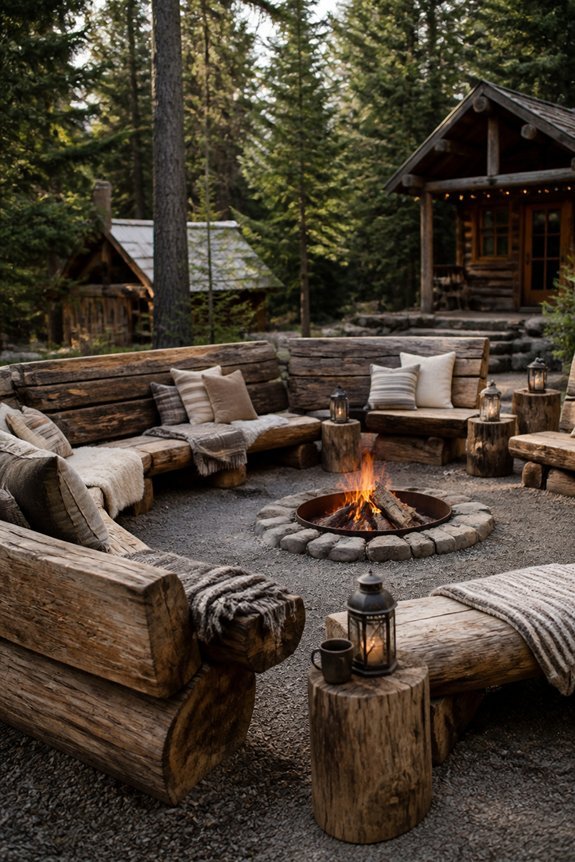
Integrated seating transforms a fire pit area into a true gathering spot. Built-in benches made from treated wood or stone give you permanent seating with little upkeep. Log seating uses split or whole logs on sturdy supports for that classic cabin feel. These setups fit several people comfortably while keeping everyone close to the fire and each other.
You can skip the hassle of dragging chairs around. Benches work well at different distances from the flames so guests choose their warmth level. Log seating shines in rustic settings where it blends with the natural surroundings. Small touches like armrests or backs make long evenings more comfortable. Smart placement keeps smoke out of faces while everyone can still see each other.
Sunken Fire Pit With Permanent Benches
A Natural Gathering Space
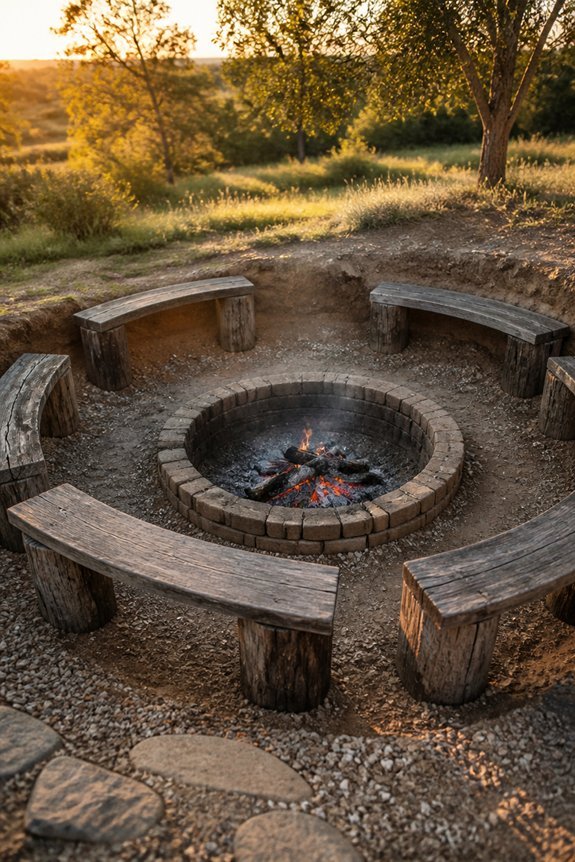
A recessed pit design creates an inviting spot that combines safety with comfort. Sunken fire pits sit below ground level. This reduces ember scatter and contains heat better than surface installations.
Permanent benches circle the pit’s edge. Multiple people can settle in without dragging chairs around or constantly rearranging seating.
Materials and Construction
Concrete or stone typically line these pits. Both offer durability and stand up well to heat. Benches come in treated wood, metal frames, or stone. Each option blends function with rustic charm.
Proper drainage matters here. Gravel or perforated pipes beneath the pit floor keep rainwater from pooling.
Best Settings and Upkeep
This design suits cabins with established landscaping. It creates a focal point without claiming too much yard space.
Maintenance stays simple. Clean the pit periodically and reseal the benches to extend their life.
Fire Pit With Reclaimed Wood Seating
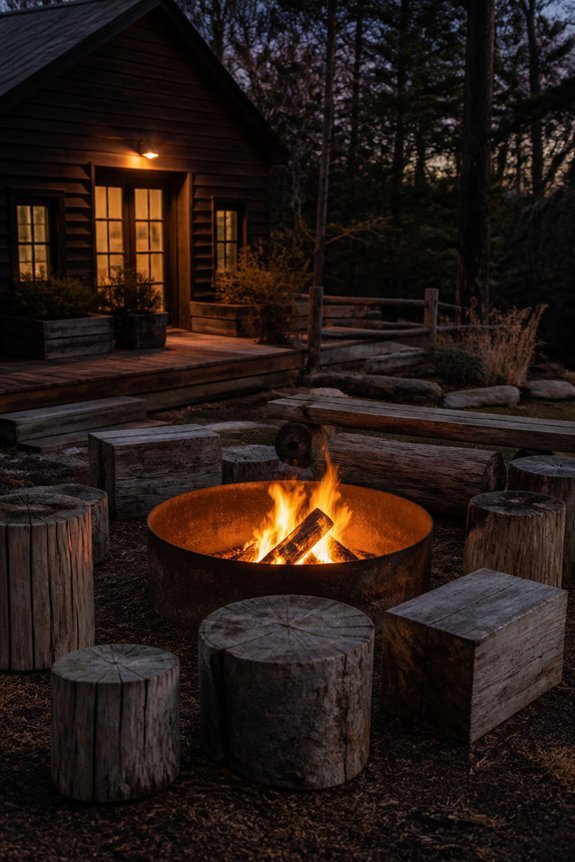
Reclaimed wood seating offers a flexible alternative to permanent benches. Salvaged materials bring rustic character to your outdoor space.
Old barn beams, pallets, and lumber from demolished structures provide authentic, weathered looks. These suit cabin-style yards perfectly. Arrange them as simple benches, log rounds, or sturdy stumps around your fire pit.
Minimal processing is needed for reclaimed wood. Sand rough surfaces and apply sealant to extend durability. The varied heights and textures create visual interest without sacrificing function.
Flexible arrangements let you adjust seating for any gathering size. This approach saves money and reduces waste. You get cohesive rustic aesthetics throughout your backyard.
Adapting Natural Features: Rock Outcrops and Landscape
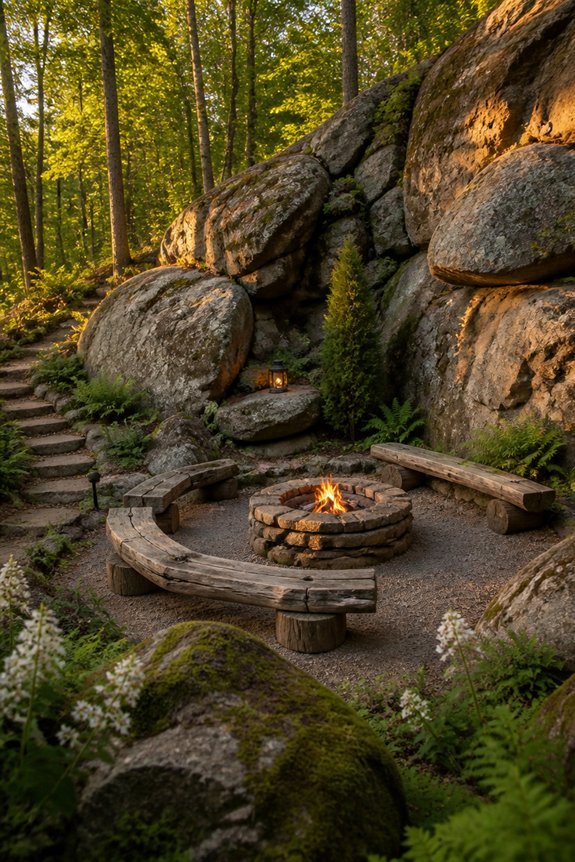
Working With Existing Stone
Existing rock formations cut down on construction work. Natural outcrops already offer seating, wind protection, and sturdy support for fire rings.
Arrange stones around these formations to mark your fire pit zone. Large boulders make natural benches. Smaller rocks fill gaps and complete the seating circle. Rocky slopes give groups an elevated place to gather.
Terrain and Safety
Landscape shapes where and how you build. Low spots trap smoke, so aim higher ground. Slopes need leveling first. Pack soil or gravel to create a flat, stable base.
Check trees near outcrops for clearance. Keep branches well back from flames.
Natural features save money and keep the look rustic.
Elevated Fire Pit Platforms for Sloped Yards
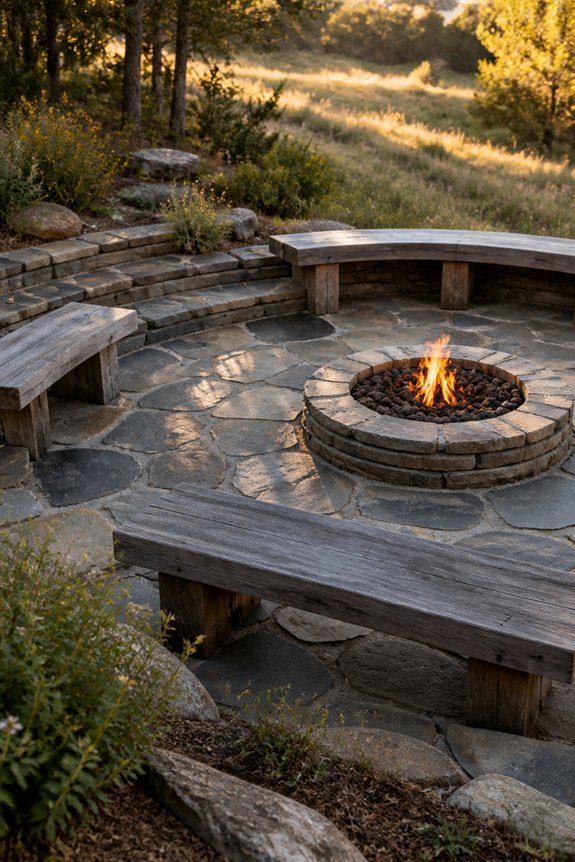
Sloped yards create real headaches with drainage and stability. Elevated platforms solve both problems at once.
Raised fire pit structures rest on concrete footings or stone foundations. This setup stops water from pooling and prevents soil erosion near your seating area. Pressure-treated lumber or steel frames carry the load. Gravel and sand underneath provide a solid base for the fire pit itself.
Leveled platforms let you skip the heavy grading work. Stone or composite decking fits perfectly with rustic cabin looks. The raised design keeps rainwater moving away from your gathering spot.
Metal grates and fire-resistant liners shield wood platforms from heat damage. Stairs or gentle ramps give everyone safe access. Retaining walls behind the structure hold soil in place and stop erosion from getting worse.
Frequently Asked Questions
What Safety Clearances and Distances Should Fire Pits Maintain From Structures?
Fire pits should maintain a minimum 10-15 foot clearance from structures, trees, and combustible materials. The National Fire Protection Association recommends at least 25 feet from buildings for larger installations to prevent heat damage and fire hazards.
How Do Local Building Codes and Permits Affect Backyard Fire Pit Construction?
Local building codes and permits establish mandatory fire pit specifications, including size restrictions, setback distances, and material requirements. Homeowners must obtain permits before construction to guarantee compliance with fire safety regulations and avoid fines or removal orders.
What Wood Types Burn Best and Which Should Be Avoided Entirely?
Studies show hardwoods like oak and maple burn 30% longer than softwoods. Seasoned hardwoods produce superior heat and minimal smoke. One should avoid pine, treated lumber, and green wood, which create excessive sparks and harmful chemicals.
How Can I Protect My Fire Pit From Rust and Weather Damage?
Fire pits resist rust through regular seasoning, protective coatings, and proper maintenance. Owners should apply heat-resistant paint, use steel covers during off-seasons, guarantee adequate drainage, and store accessories indoors to minimize weather exposure damage.
What Maintenance Schedule Keeps Fire Pits Safe and Functional Year-Round?
A fire pit requires monthly inspections for structural damage, quarterly deep cleaning, seasonal rust treatment, and annual professional assessment. Regular ash removal and protective covering during off-seasons guarantee year-round safety and functionality.
Conclusion
A homeowner with a sloped backyard successfully combined an elevated fire pit platform with stacked stone construction, creating both function and aesthetics. This approach accommodated the terrain while providing safe seating for gatherings. By selecting materials matching the surrounding landscape, the fire pit integrated seamlessly into the existing environment. Such practical solutions demonstrate how thoughtful design choices transform outdoor spaces into purposeful, inviting areas for regular use.