

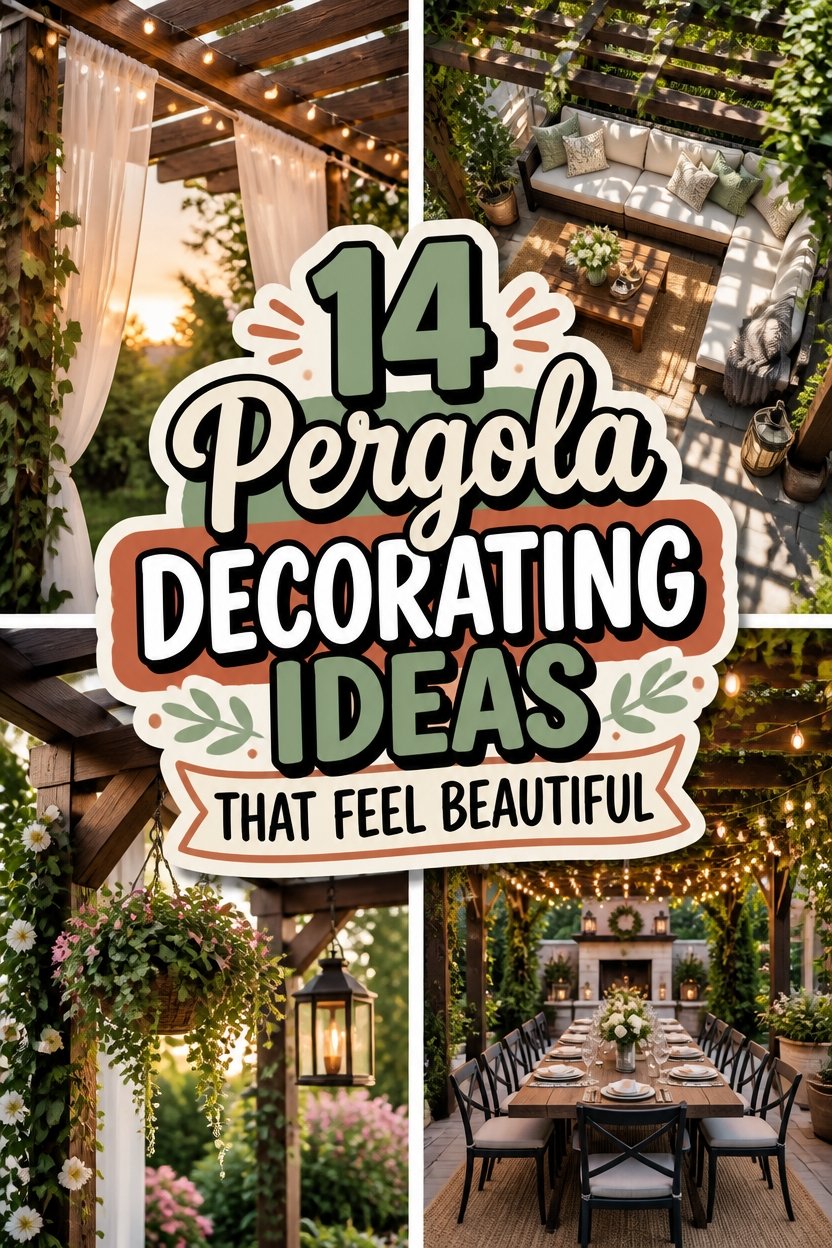
A pergola offers the perfect blank canvas for outdoor living. With a few thoughtful choices, this simple structure becomes an extension of your home.
Start with greenery. Clematis and other climbing vines soften the lines over time, weaving natural shade that changes with the seasons.
Layer in string lights for evening ambiance, or add flowing curtains to catch the breeze. Comfortable seating anchors the space and invites you to actually use it.
Water features and heat lamps address practical needs beautifully. One soothes with sound; the other extends your evenings as temperatures drop.
The key is choosing colors and materials that speak to each other. Too many competing elements feel cluttered, but a restrained palette lets each piece breathe.
The best pergolas feel collected rather than decorated. Take your time, trust what draws you in, and let the space evolve.
Plant Climbing Vines for Leafy Overhead Shade
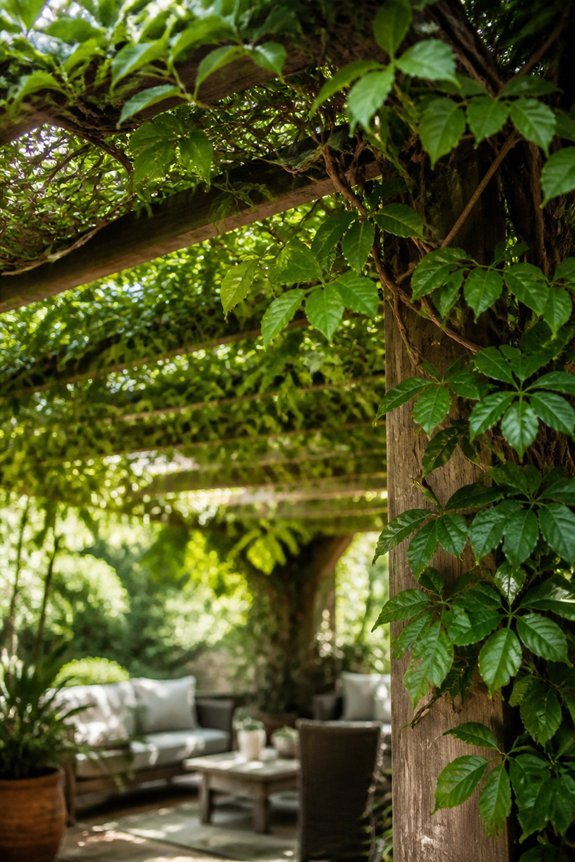
Why Vines Work Well
Climbing vines offer a simple way to shade your pergola naturally. They grow upward along the structure and develop thick foliage that blocks sunlight. Many homeowners love this living canopy for its beauty and cooling effect.
Popular Vine Choices
Clematis brings color with its flowers as it climbs. Ivy stays thick and green all year long. Grape vines thrive in warmer regions and give you fresh fruit too. Honeysuckle perfumes the air with sweet blooms while covering your structure.
What to Consider Before Planting
Check your local climate first. Match the vine to your pergola’s size and your own maintenance style. Most vines need steady watering when young. A quick trim now and then keeps growth under control.
Mixing different vine types adds visual interest. It also stretches the season of lush coverage. Expect to wait one to three years for full shade overhead.
Also read: 10 Garden Pergola Ideas for a Relaxing Corner
Hang String Lights for Evening Ambiance
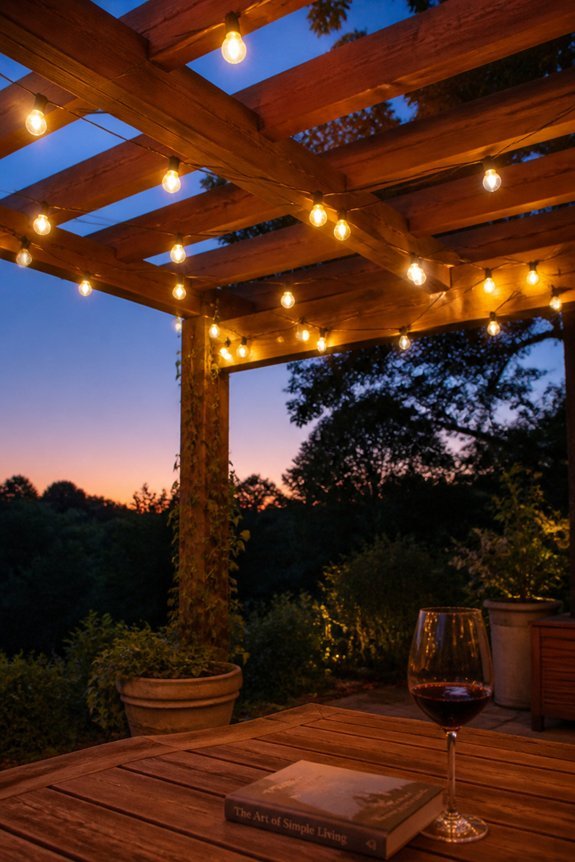
Light Up Your Evenings
While climbing vines shade you by day, string lights extend your pergola’s life into evening hours. Warm white bulbs create a welcoming space for dinner, guests, or quiet nights. Edison-style or globe lights add charm. Choose from battery, solar, or plug-in options.
Install lights along beams or drape them between posts. This spreads light evenly across your space. Weatherproof fixtures handle rain and temperature shifts. Space bulbs two to three feet apart for balanced brightness.
Timer controls or smart bulbs make scheduling simple. String lights use little electricity compared to standard outdoor fixtures. This keeps costs low for seasonal or year-round enjoyment.
Layer in Outdoor Curtains and Fabrics
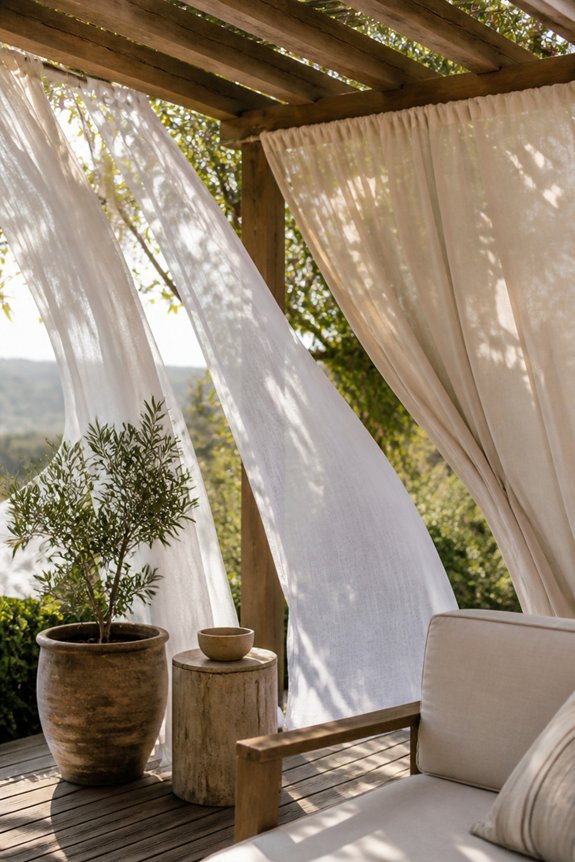
Layering outdoor curtains and fabrics creates instant privacy, shade, and style for any pergola. These materials come in many varieties to suit different needs.
Sheer fabrics filter light gently. Heavier weaves block more sun and provide fuller coverage. Both options work well depending on your space.
Choose Durable Materials
Polyester holds up well outdoors. Solution-dyed acrylic resists fading and moisture even better. These fabrics stay looking fresh season after season.
Simple Installation Ideas
Drape fabrics from pergola beams using curtain rods, simple hooks, or rings. Each method creates a different look. Pulley systems let you adjust curtains easily as weather or sun angles change.
Color and Pattern Tips
Neutral shades like cream, gray, and tan blend with most outdoor settings. Stripes or geometric patterns add extra visual interest without overwhelming the space.
Smart Layering Solutions
Mix fabric weights for flexible shade control. Light sheers work for summer breezes. Add heavier panels when you need more protection. This approach adapts to seasonal shifts and daily preferences all year long.
Arrange Comfortable Seating and Cushions
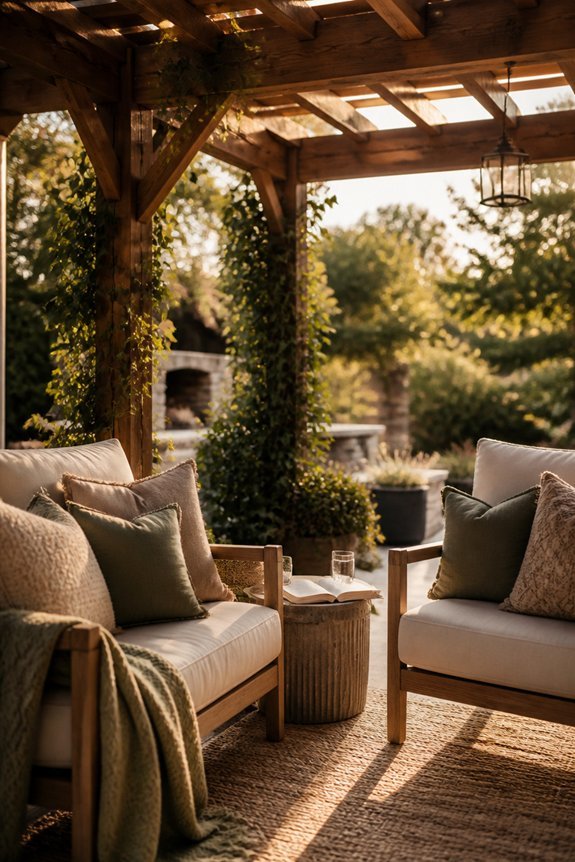
Comfortable seating transforms a pergola from a decorative structure into a functional outdoor room. People actually want to spend time in spaces that feel inviting. Selecting appropriate furniture involves considering both durability and comfort. Outdoor pieces face weather exposure and frequent use, so quality matters.
Lounge chairs, benches, and sectional sofas each offer different benefits. Your choice depends on available space and personal preference. Weather-resistant cushions in neutral tones or subtle patterns add comfort without overwhelming the design.
Cushion thickness typically ranges from two to four inches. This affects both how the seating feels and how long it lasts.
Storage solutions protect cushions during off-seasons and harsh weather. Proper storage extends their lifespan significantly. Outdoor rugs beneath seating areas help define the space. They also reduce glare from hard surfaces.
Coordinating cushion colors with existing fabrics creates visual cohesion. A unified design approach enhances the overall outdoor environment. Small details like matching tones make the space feel intentional and complete.
Add a Water Feature for Soothing Sound
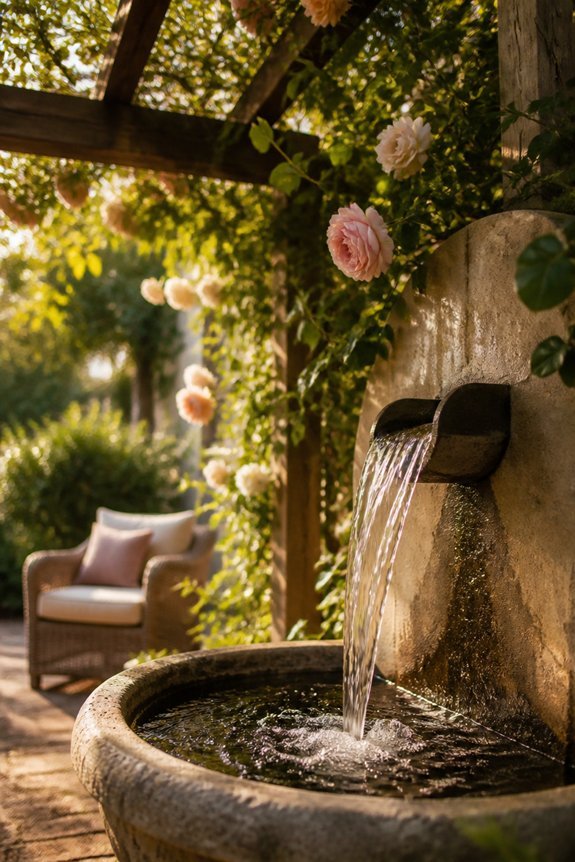
Water features add calming sounds and visual appeal to pergola spaces. A small fountain or recirculating system masks street noise and other distractions.
Common Options
Tabletop fountains fit compact areas and need basic electrical setup. Ground-level basins with submersible pumps offer larger water surfaces. Wall-mounted features save floor space in tighter pergolas.
Care and Placement
Water features need regular upkeep. Clean filters often. Refill reservoirs during dry spells. Winterize systems in cold climates to avoid damage.
Position features near seating for maximum effect. Keep them away from electrical sources for safety. Stone, ceramic, and metal materials hold up well outdoors.
Display Potted Plants at Varying Heights
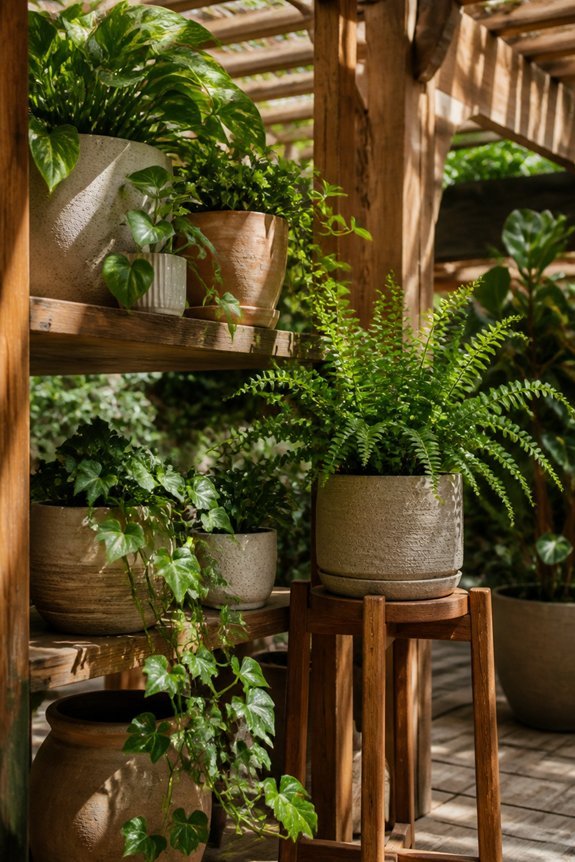
Layering potted plants at different heights creates visual interest. It also maximizes space in pergola areas. Shelving units, plant stands, and hanging baskets arrange foliage at multiple levels. Ground-level containers, mid-height pedestals, and elevated hanging planters fill the vertical space.
Choose plants based on their height needs. This ensures proper visibility and healthy growth patterns. Tall plants like bamboo work well at ground level. Trailing varieties such as pothos suit hanging positions. Medium-height plants like ferns fit nicely on shelving and stands.
This setup improves air circulation around foliage. It also reduces pest problems. Varying heights lets sunlight reach lower plants more easily. The layered approach transforms pergolas into organized garden spaces. It accommodates many plant types even in limited areas.
Incorporate Weather-Resistant Artwork and Mirrors
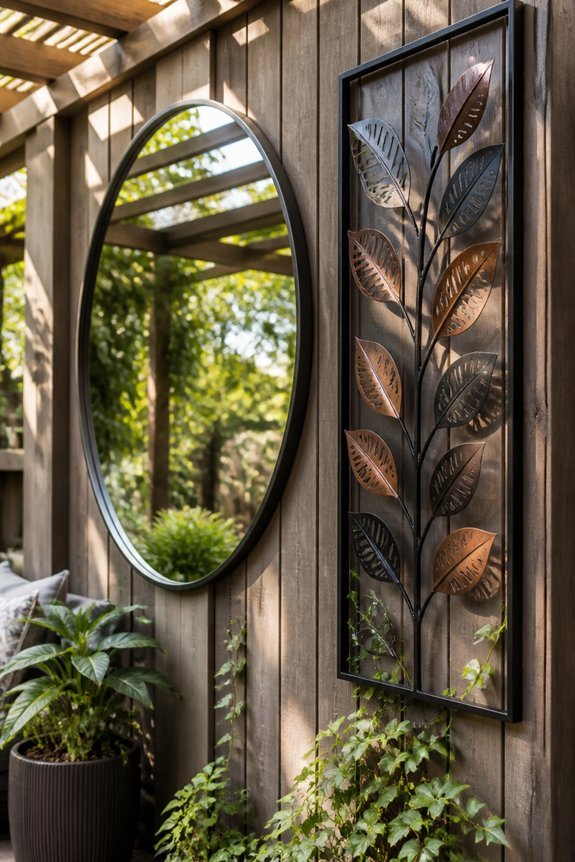
Enhance pergola spaces with decorative elements built for outdoor life. Weather-resistant artwork and mirrors add visual interest. They hold up beautifully through every season.
Metal wall art offers lasting appeal. Aluminum and stainless steel pieces resist rust and fading. Outdoor mirrors with treated frames reflect light and create the illusion of more space. Acrylic panels work well as lightweight alternatives to glass. They provide safer options in busy areas.
Mirrors positioned throughout the pergola bounce sunlight into shaded corners. Artwork featuring nature themes, geometric patterns, or abstract designs suits many decorating styles. These pieces need little care. Occasional cleaning with mild soap and water keeps them looking fresh.
Installation is flexible. Mount pieces on walls, hang them from beams, or lean them against supports. Always choose items rated for outdoor use. This ensures they remain appealing and functional for years to come.
Install a Ceiling Fan for Comfort and Airflow
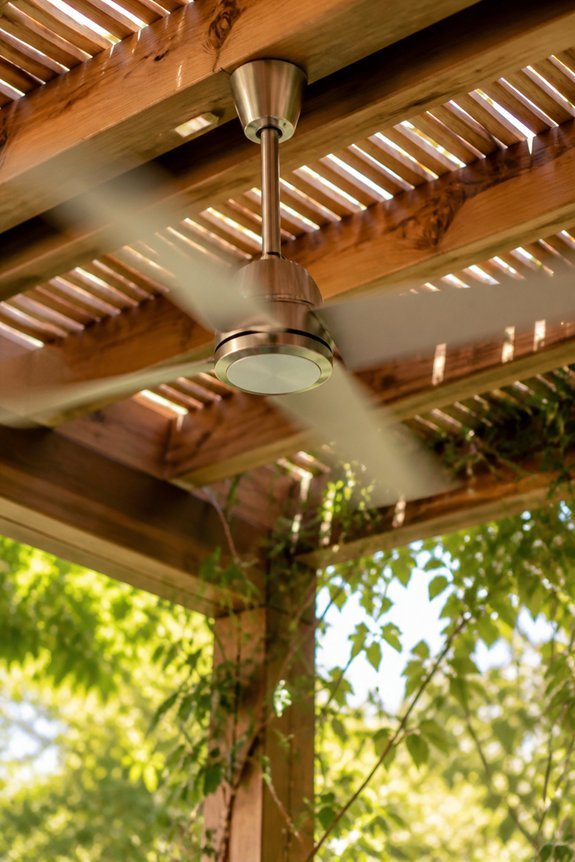
A ceiling fan installed in a pergola improves air circulation. It reduces heat buildup and creates a more comfortable outdoor environment.
The fan helps distribute air evenly throughout the space. This prevents stagnant pockets of warm air during summer months.
When selecting a model, choose one rated for outdoor use. Look for durable materials like stainless steel or powder-coated finishes. These resist rust and corrosion.
Mount the fan securely to the pergola’s frame. Ensure proper electrical connections and adequate clearance from overhead structures.
Variable speed settings allow adjustment based on weather conditions. They also let you match airflow to personal preference.
Solar-powered options provide an energy-efficient alternative. They require no hardwiring.
A ceiling fan enhances both comfort and functionality. It makes the pergola usable during warmer seasons.
Create Living Privacy Screens With Dense Plants
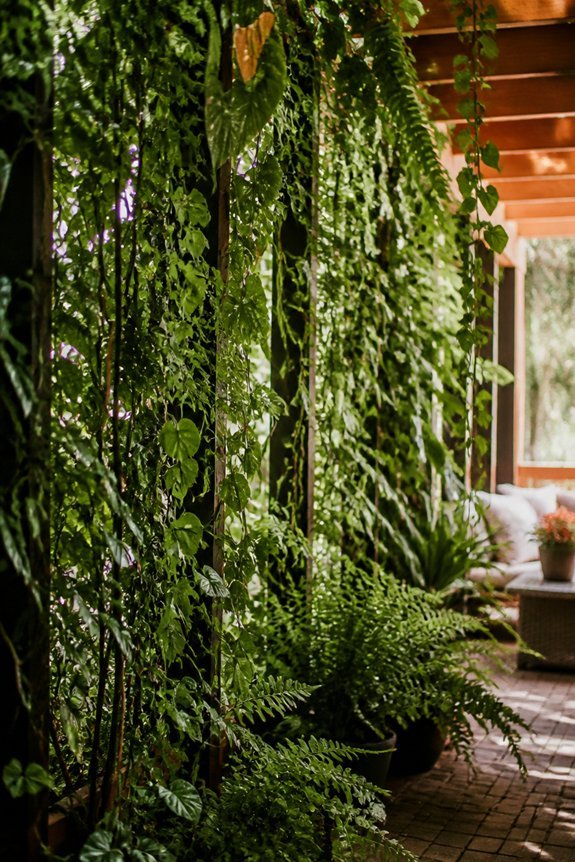
Choosing Fast-Growing Screening Plants
Climbing vines like clematis, ivy, and honeysuckle grow quickly along pergola structures. You’ll see effective screening within just one or two seasons. These plants weave naturally through beams and posts to create living walls.
Tall shrubs add another layer of privacy around your pergola’s perimeter. Bamboo, privet, and boxwood work particularly well here. Position them strategically on sides that face neighboring windows or yards.
Planning for Year-Round Coverage
Evergreen options keep your space private even in winter months. Deciduous varieties let light through during colder seasons when you might welcome it. This flexibility suits different climates and personal preferences.
Container plants around the pergola base offer customizable screening you can move as needed. Mix multiple plant types to build varied textures and heights. This approach keeps your privacy screen visually interesting while doing its job efficiently.
Simple Maintenance Tips
Dense foliage filters wind and reduces street noise as a bonus benefit. Regular pruning keeps everything at your desired density and shape. Stick to a simple seasonal schedule so plants don’t overgrow their spaces.
Anchor the Space With Outdoor Rugs
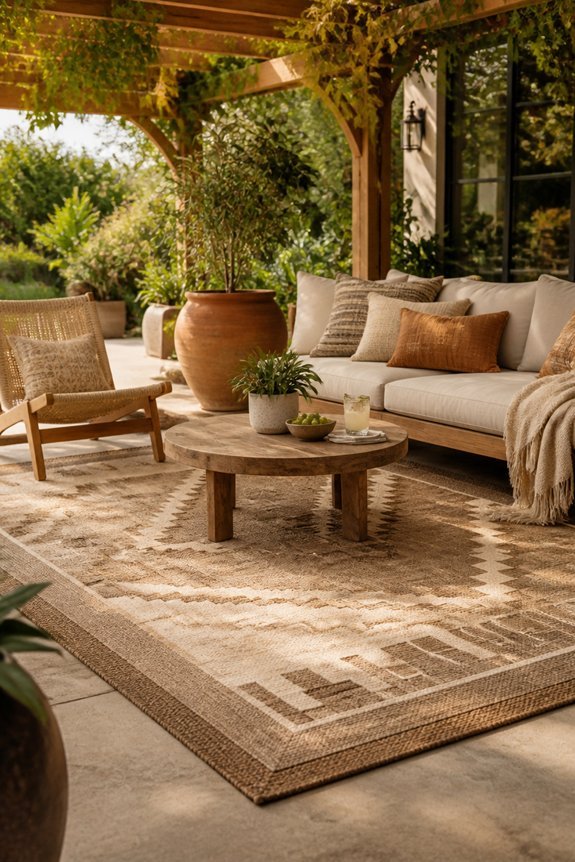
Outdoor rugs bring structure to your pergola seating area. They ground furniture and create clear zones beneath the structure. Visual boundaries make the space feel finished and purposeful.
Natural fiber rugs like jute or sisal add texture and hold up well over time. Polypropylene options fight moisture and fading. Both work beautifully for outdoor living.
Size shapes the entire look. Extend your rug at least two feet past furniture edges on all sides. This keeps chairs from teetering and unifies the arrangement.
Color sets the mood. Soft neutrals create a calm backdrop. Bold patterns inject energy and draw the eye.
Placement makes all the difference. Position rugs beneath seating groups to tie chairs and tables together. This encourages natural conversation flow.
Outdoor rugs handle sun and rain far better than indoor ones. Shake them out regularly and hose them down when needed. Simple care keeps them looking fresh season after season.
Set Up Outdoor Speakers for Mood and Music
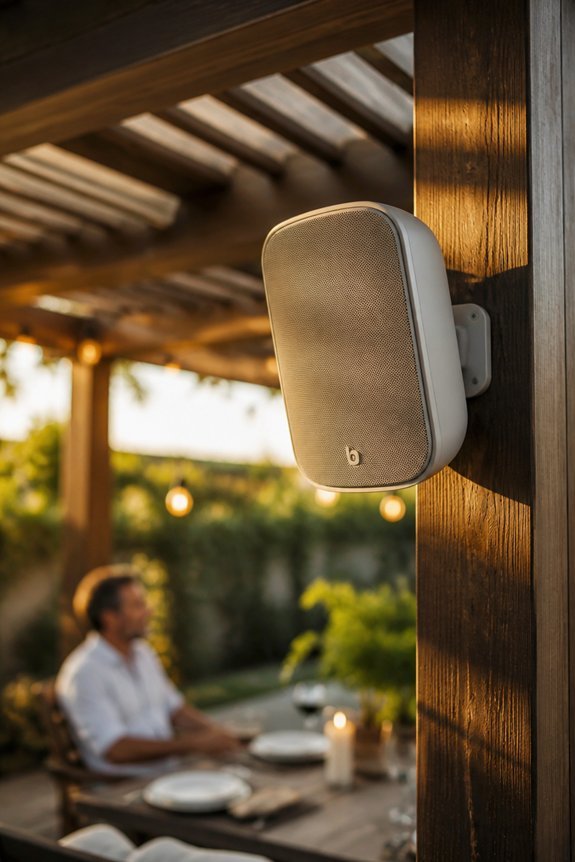
Music brings a pergola to life. It turns a quiet corner into a lively retreat where guests want to linger.
Outdoor speakers add ambient sound while people relax or dine together. The right audio setup enhances the mood without overwhelming conversation.
Choose Weatherproof Designs
Patio speakers handle rain, humidity, and temperature swings with ease. Pick from wall-mounted, ceiling, or ground-level styles that blend into your landscaping.
Connect Wirelessly
Bluetooth lets you stream from phones or tablets. No visible wires clutter your space. Multiple speakers placed throughout create even, balanced sound.
Mind the Volume
Keep levels moderate so conversation flows naturally. Too loud, and you lose the calm atmosphere you worked to create.
Consider Power Options
Solar-powered speakers save energy and run continuously. Battery models work well for temporary setups or when you want flexibility to move things around.
Drape Sheer Fabrics for Romantic Evenings
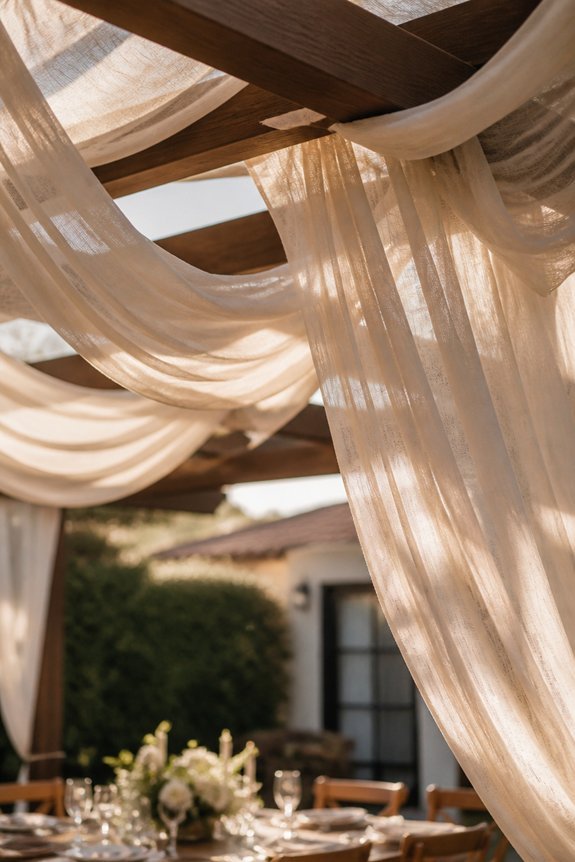
Creating Intimacy
Sheer fabrics transform a simple pergola into a cozy retreat. Lightweight materials like voile or gauze soften the structure without blocking views. They filter sunlight beautifully throughout the day.
Installation Basics
Secure fabrics to beams using clips, hooks, or simple ties. Let them move freely with breezes for that gentle, flowing effect. White and cream tones blend with any setting. Soft pink or lavender introduces quiet romance.
Depth and Privacy
Layer several panels for richer texture and more seclusion. Position lights behind the fabric for a warm evening glow. Anchor bottom edges on windy nights to keep everything in place. Your outdoor space becomes a private room for dining, relaxing, or hosting friends.
Place Heat Lamps for Cozy Cool-Weather Gatherings
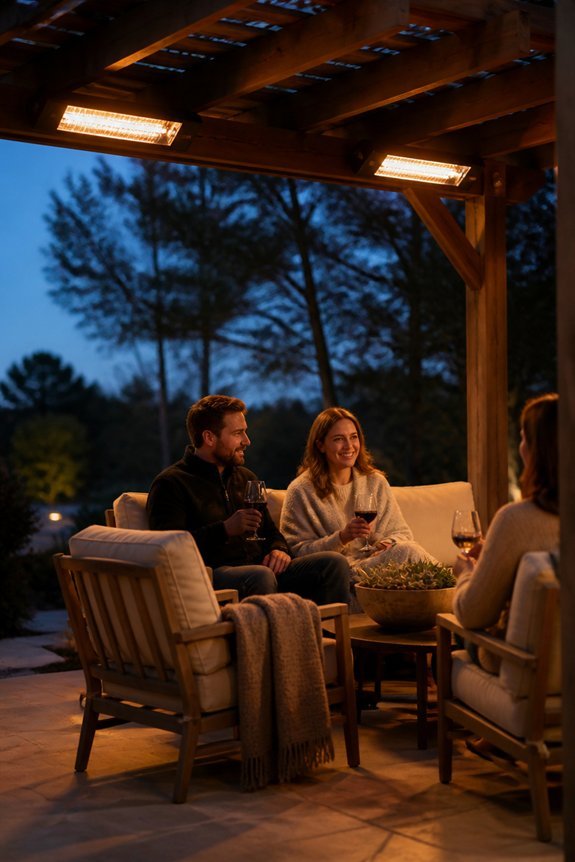
Heat lamps extend the usability of a pergola into cooler months. They provide warmth to gathered guests without much hassle.
Infrared heat lamps work well mounted overhead or on stands. They emit direct heat without warming the surrounding air. This makes them efficient for outdoor spaces.
Both propane and electric models are available. Propane offers portability. Electric provides consistent power.
Positioning Your Lamps
Placement matters more than you might expect. Lamps work best above seating areas. Heat descends directly to occupants from this position.
Most heat lamps use standard bulbs. They feature adjustable angles for directed warmth.
Safety First
Maintain clearance from flammable materials at all times. Ensure stable mounting before use. Keep lamps away from high-traffic zones to prevent accidents.
Covering Larger Spaces
Multiple lamps combine easily to cover bigger pergola areas. This allows gatherings to continue comfortably through fall and early spring.
Choose Paint and Stain Colors for Visual Impact
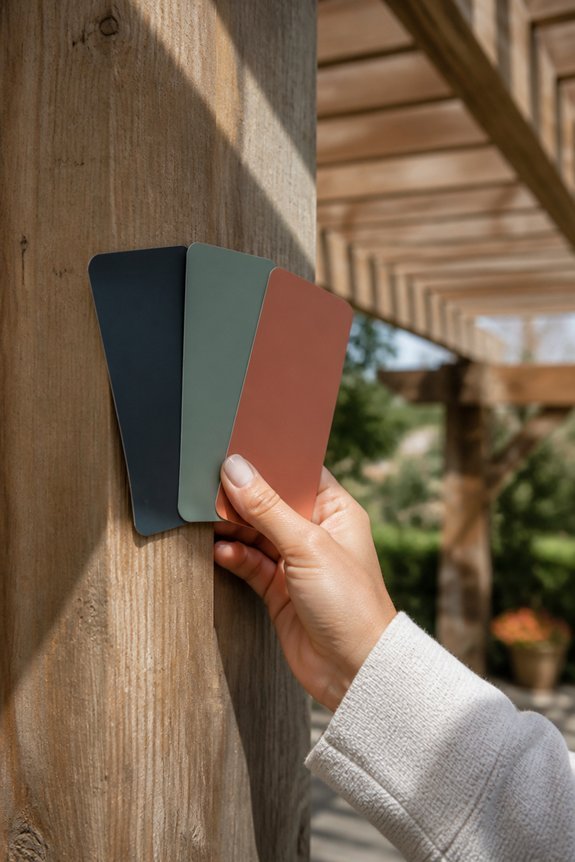
Find Your Perfect Color
Paint and stain choices turn a basic pergola into a standout feature. The right finish shapes how your outdoor space looks and feels.
Neutral Options
White, gray, and taupe blend easily with most yards. These versatile tones work with nearly any landscaping style.
Bold Choices
Charcoal and deep brown add striking contrast. They also conceal weathering better over time.
Natural Wood Stains
Clear or tinted stains protect the wood while keeping its organic charm. This option suits rustic or traditional settings.
Smart Selection Tips
Match your pergola to your home’s colors, nearby plants, and your local climate. White stays cooler in summer sun. Gray gives a modern look and needs less upkeep than lighter shades.
Test Before Committing
Try samples on a small area first. See how the color shifts in morning light, afternoon sun, and shade.
Frequently Asked Questions
What’s the Best Pergola Material to Choose for Durability and Long-Term Maintenance?
Pressure-treated wood and aluminum represent the most durable pergola materials. Aluminum requires minimal maintenance and resists rust, while treated wood needs periodic sealing. Both withstand weathering effectively over decades with proper care and inspection.
How Much Does It Cost to Build or Install a Pergola Structure?
Pergola installation costs typically range from $1,500 to $5,000 for basic structures, while custom or high-end designs can exceed $10,000. Labor, materials, and size greatly influence final pricing.
What Size Pergola Works Best for Small Versus Large Outdoor Spaces?
A homeowner with a 200-square-foot patio selected an 8×8-foot pergola, maximizing space without overwhelming it. Small yards benefit from 8×10-foot structures, while expansive landscapes accommodate 12×16-foot designs or larger installations.
Do I Need Permits or Professional Installation for Pergola Construction?
Permit requirements vary by location and pergola size. Simple freestanding structures often need no permits, while attached pergolas typically require them. Professional installation guarantees compliance with local building codes and safety standards.
How Do I Protect Pergola Decorations During Harsh Winter Weather Conditions?
Like sentinel shields guarding precious treasures, protective coverings and weatherproof storage preserve pergola decorations through winter’s assault. One removes delicate ornaments, wraps fragile pieces in burlap, applies sealant to wood fixtures, and stores items indoors until spring’s arrival.
Conclusion
Creating a beautiful pergola requires combining multiple elements: climbing vines, string lights, outdoor fabrics, comfortable seating, water features, and speakers. Like a Victorian-era smartphone, modern pergolas blend timeless design with contemporary technology. Paint colors, heat lamps, and sheer drapes complete the space. These components work together to transform an outdoor area into a functional, aesthetically pleasing retreat suitable for relaxation and entertainment throughout different seasons.