

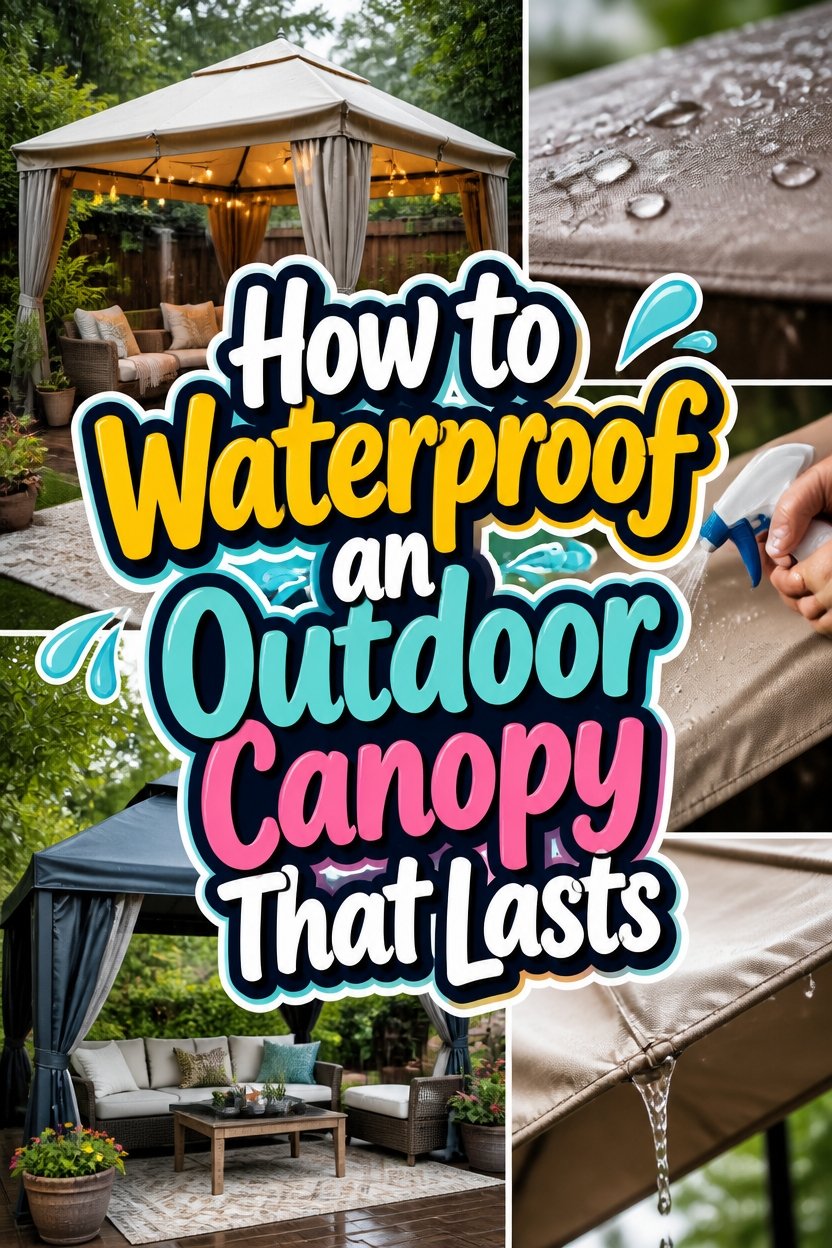
Water usually finds its way in through tired fabric, weak seams, or patchy sealant, not through some mysterious flaw in the canopy itself.
Polyester and canvas need completely different treatments, and rushing the prep work always backfires no matter which material is involved.
Silicone sprays work wonders on synthetic materials, while wax-based products suit canvas far better.
Seam sealers tackle the spots most people forget entirely, even after a thorough spray treatment.
Picking the right combination, then reapplying before the coating fails, separates a one-season wonder from a shelter that holds up for years.
A Few Things Worth Knowing First
Material type should guide product choice before anything else. Polyester and canvas respond to completely different treatments, and using the wrong one leads to poor adhesion and wasted effort.
Clean, dry fabric matters more than people expect going in. Skipping the prep stage is one of the most common reasons a waterproofing treatment fails within weeks.
Storage habits affect the coating just as much as the application itself. A canopy folded away damp will lose its waterproofing far faster than one stored properly in a cool, dry space.
Why Canopies Leak and What Actually Fixes It
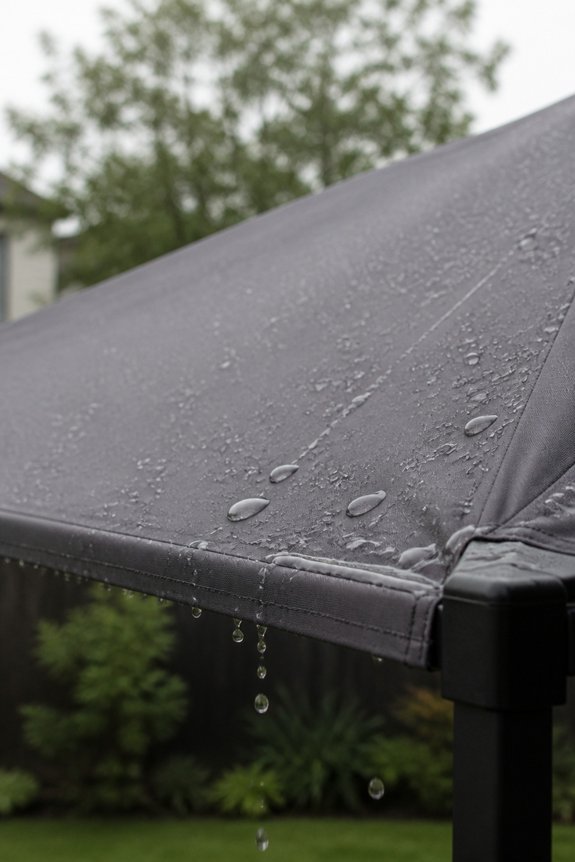
Canopies leak for a few common reasons, and understanding those reasons helps determine the right fix. Fabric loses its DWR (durable water repellent) coating over time, allowing water to soak through rather than bead off. Seams are another weak point, since stitching creates small holes where water enters under pressure. Tears, thinning fabric, and UV degradation also reduce water resistance drastically.
The right fix depends on the cause. Faded DWR coating responds well to spray-on waterproofing products like Nikwax or Scotchgard Outdoor. Leaking seams require seam sealer applied directly along the stitching. Torn or heavily worn fabric may need a patch or full replacement. Identifying the specific problem first prevents wasted effort and guarantees the repair actually holds.
Also read: How to Set Up a Canopy for an Outdoor Wedding
Choose the Right Waterproofing Product for Your Canopy
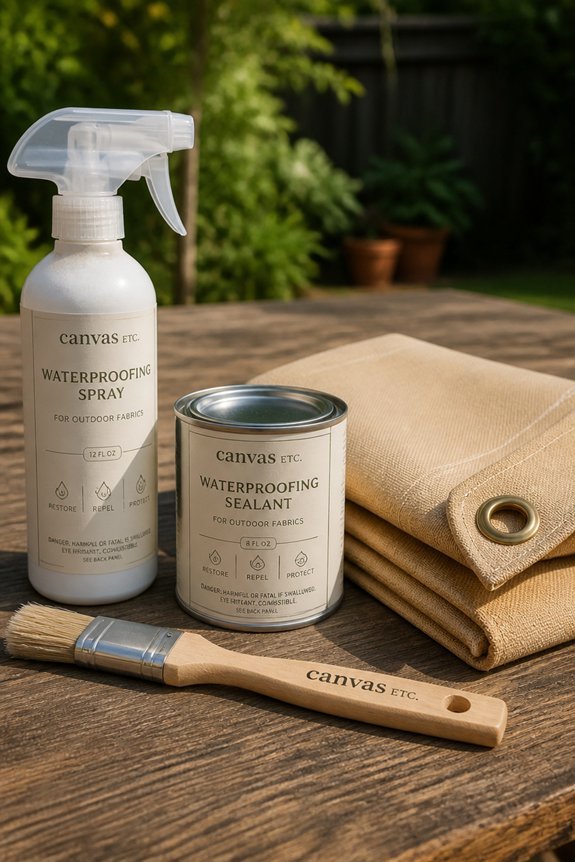
Choosing the right product depends on the canopy material, the type of leak, and how much weathering the fabric has already endured. Polyester canopies respond well to silicone-based sprays, such as Scotchgard Heavy Duty Water Shield, which bond tightly to synthetic fibers. Canvas canopies work better with wax-based treatments, like Otter Wax or Star Brite Waterproofing.
Spray-on products suit large surface areas, while brush-on formulas target seams and stitched edges more precisely. Fabric that shows cracking, fading, or heavy UV damage may need a fabric restorer applied before any waterproofing treatment. Combining a cleaner, a UV protectant, and a water repellent often produces longer results than a single product alone. Matching the product to the material prevents poor adhesion, premature flaking, and repeated reapplication.
Clean and Prep Your Canopy Before Applying Anything
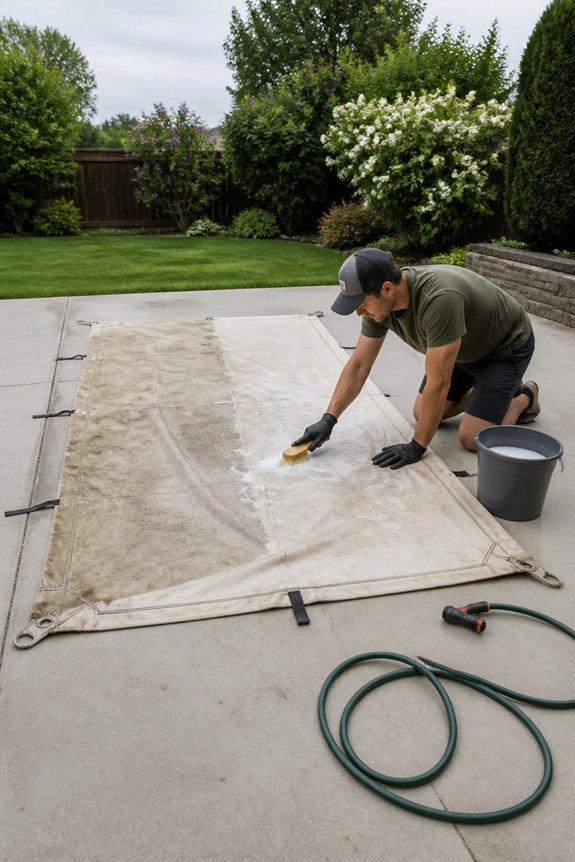
Cleaning the canopy before applying any waterproofing product is essential, since residue, dirt, and mildew prevent treatments from bonding to the fabric properly. A mild soap, such as Dawn dish soap or a fabric-safe cleaner, works well for most canopy materials, including polyester and canvas. Scrubbing with a soft-bristle brush removes embedded grime without damaging the weave.
Mildew spots require a diluted white vinegar solution or a product like Mold Armor before general cleaning begins. After scrubbing, the canopy needs a thorough rinse to remove all soap residue. Any leftover cleaner can interfere with waterproofing adhesion.
The canopy must dry completely before treatment is applied, since moisture trapped beneath a waterproofing layer causes peeling, bubbling, and reduced effectiveness over time.
Apply Waterproof Spray or Sealant Step by Step
Spraying a waterproof sealant onto a clean, dry canopy requires even coverage and good ventilation. Products like Nikwax Tent and Gear SolarProof or Kiwi Camp Dry work well on polyester and canvas fabrics. The canopy should be fully extended and taut before application begins.
Holding the spray nozzle about 6 to 8 inches from the surface produces consistent layering without pooling. Overlapping each pass slightly guarantees no gaps remain in the coverage. After applying the first coat, the fabric needs time to absorb the product before a second coat is added.
Direct sunlight or a fan speeds up drying between coats. Once fully dry, the canopy should be tested with water to confirm the sealant has bonded correctly.
Seal Canopy Seams and Stitching to Stop Hidden Leaks
Even after a sealant coat dries completely, seams and stitching remain common entry points for water. Thread holes, folded fabric edges, and overlapping panels allow moisture to seep through, even on treated canopies.
Seam sealer, such as Gear Aid Seam Grip or McNett Seam Sure, fills these small gaps effectively. Owners should apply the sealer along every stitched line, folded edge, and panel junction. A small brush or nozzle tip helps reach narrow areas without spreading excess product. The sealer should dry fully before exposure to rain or humidity.
Reinforced corners and grommet rings also benefit from sealer application, since hardware contact points often separate fabric layers slightly. Addressing these hidden weak spots greatly improves overall waterproofing performance beyond what spray alone can provide.
How Long Does Canopy Waterproofing Actually Last?
How long waterproofing lasts depends on the product type, canopy material, and how much sun, rain, and wind the canopy faces. Spray-on silicone or DWR coatings typically last one to two seasons under regular outdoor use. Wax-based treatments, such as beeswax blends, may need reapplication every season. Polyurethane coatings tend to last longer, often two to three years, depending on UV exposure.
Signs that reapplication is needed include water soaking into the fabric instead of beading, visible fading, or fabric feeling stiff and dry. Canopies stored properly during off-seasons retain their coating longer than those left outdoors year-round. High-traffic areas and seams wear faster than flat fabric panels.
Checking the canopy each spring helps determine whether full reapplication or spot treatment is necessary.
Signs Your Waterproofed Canopy Needs Retreating
Knowing when to retreat a canopy matters just as much as knowing how to apply the coating in the first place. Several clear signs indicate that a canopy has lost its waterproof protection and needs retreating.
Water no longer beading on the surface is the most reliable indicator, as treated fabric causes droplets to roll off rather than soak in. Dark wet patches appearing after rain suggest the fabric is absorbing moisture instead of repelling it.
Mold or mildew spots forming on the canopy surface signal that moisture is penetrating the material regularly. Fabric that feels damp or heavy after light rain also confirms coating failure. Fading color and stiff texture can further indicate that the protective layer has broken down considerably.
Store Your Canopy Right to Preserve the Waterproofing
Proper storage plays a major role in how long a waterproof coating lasts between applications. A canopy that is folded while damp, stuffed into a tight bag, or left in direct sunlight will degrade faster than one stored with care.
Before storing, the canopy should be fully dry and clean, free of dirt, debris, and moisture. Mold and mildew break down waterproof coatings quickly, so damp storage is a common cause of early failure. The canopy should be folded loosely, placed in a breathable storage bag, and kept in a cool, dry location such as a garage shelf or storage closet. Avoid plastic bins that trap humidity.
Consistent, proper storage extends the life of treatments like silicone spray or DWR coatings considerably.
Frequently Asked Questions
Can I Waterproof a Canopy That Already Has Mold or Mildew?
Mold and mildew need to be fully removed before any waterproofing treatment goes on, since applying sealant over them just traps the problem underneath.
Cleaning the affected areas with a mildew remover or a diluted bleach solution handles most cases effectively.
Once the fabric is completely dry, the waterproof spray treatment can go on as usual, giving the canopy a clean surface to actually bond to.
Does Waterproofing Change the Color or Appearance of Canopy Fabric?
Most waterproofing sprays darken fabric slightly during application, but that effect typically fades once everything dries clear.
A few products leave behind a subtle sheen, which some people notice more than others depending on the fabric color and lighting.
Testing the product on a small, hidden area first is always a smart move before treating the entire canopy.
Is It Safe to Use a Waterproofed Canopy Around Food or Children?
Once fully cured, most waterproofed canopies are perfectly safe to use around food and children.
Reputable water-repellent sprays become inert after the curing process finishes, which is why families use them at picnics and backyard gatherings without a second thought.
Giving the canopy enough time to dry and cure fully before use is the key step here, so it’s worth checking the product’s specific timeline.
Can Waterproofing Spray Be Applied to Metal Canopy Frames Too?
Waterproofing spray isn’t really designed for metal frames, and it offers very little benefit when used there.
A rust-resistant paint or metal sealant does a much better job protecting metal surfaces from moisture and corrosion over time.
Keeping the two treatments separate, fabric spray for fabric and metal sealant for the frame, gives the whole structure better long-term protection.
Will Waterproofing Affect How My Canopy Breathes in Hot Weather?
Waterproofing can reduce breathability to some degree, which sometimes traps heat underneath the canopy during hot weather.
Choosing a breathable, water-resistant treatment rather than a fully sealed coating helps strike a better balance between staying dry and staying cool.
This small distinction in product choice makes a noticeable difference for anyone using their canopy through the peak of summer.
Conclusion
Waterproofing a canopy isn’t complicated, but it does ask for the right product, clean fabric, and properly sealed seams to actually work.
Skipping any one of those steps tends to lead to leaks, mildew, and fabric that wears out far sooner than it should.
Silicone sprays handle polyester well, wax treatments suit canvas, and neither one lasts forever without a bit of regular attention.
Canopies stored away wet or left exposed outdoors year-round will need retreating sooner than those given proper care between seasons.
Regular inspection and timely reapplication keep the fabric doing exactly what it’s meant to do, which is the entire reason for owning one in the first place.
Have questions about waterproofing your own canopy setup? Share the details in the comments below.