

There’s something magical about unpacking a box of mid-century Halloween decorations. The hand-painted cardboard skeletons and glowing blow-mold pumpkins instantly transport me to my grandmother’s front porch.
Collectors hunt for these treasures at estate sales and flea markets.
I’ve learned to check for cracks in ceramic witches and fading on fabric pieces before buying.
Storage matters more than you’d think. I keep my vintage finds in acid-free boxes away from sunlight.
That plastic pumpkin from 1965? Still glowing every October.
Hand-Painted Cardboard Skeletons
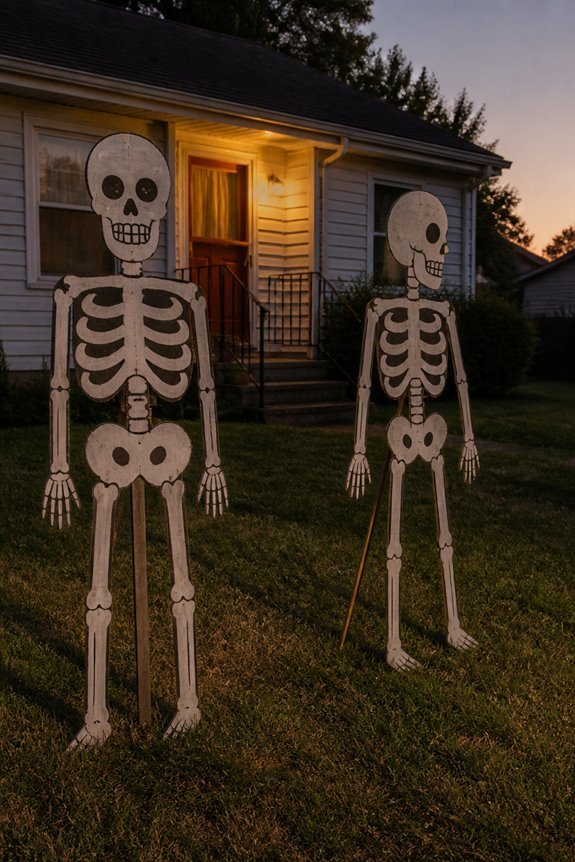
Because cardboard offers an affordable and lightweight base for seasonal displays, hand-painted skeletons have become a practical choice for retro Halloween decorations. These cutouts feature painted bone details, eye sockets, and ribcages in black, white, or gray. Homeowners typically position them in yards, windows, or entryways.
The cardboard material withstands moderate weather, though storage in dry conditions extends durability between seasons. Those seeking more permanent pieces might explore canvas artwork techniques used in kitchen decor, applying similar sealing methods to protect painted cardboard from humidity and temperature changes.
Vintage Tissue-Paper Ghosts
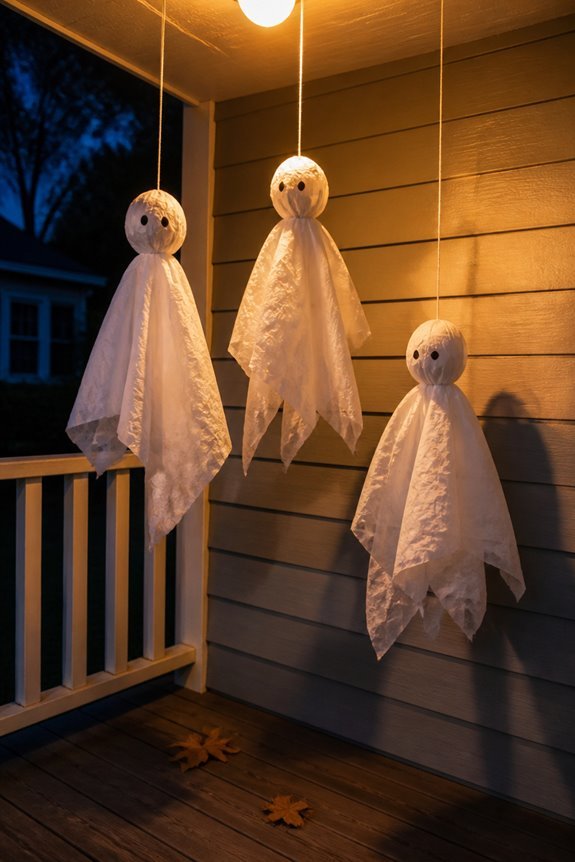
Vintage tissue-paper ghosts represent a classic Halloween decoration method that relies on simple materials and basic assembly. These decorations use white tissue paper, balloons, and markers to create floating figures.
The process involves draping tissue over inflated balloons, securing materials with tape or string, and drawing facial features. Common placements include doorways, trees, and window displays for traditional seasonal aesthetics.
Plastic Blow-Mold Jack-O’-Lanterns
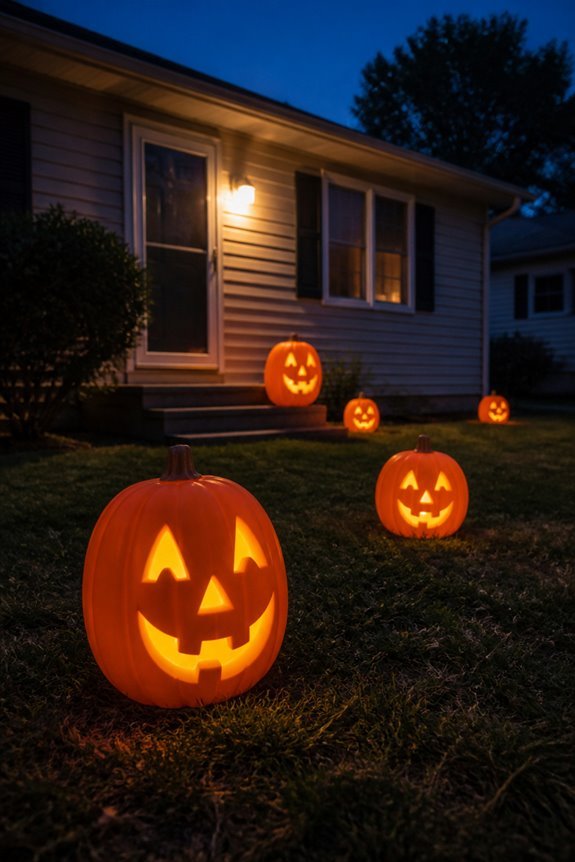
As a mass-produced decoration method that emerged in the mid-20th century, plastic blow-mold jack-o’-lanterns became standard Halloween fixtures in residential displays. These molded pumpkins, typically featuring carved faces and interior lighting, came in orange, green, and white varieties. Common brands included Empire, General Foam, and Don Featherstone designs.
They required simple assembly, battery or electric power, and basic maintenance for seasonal use.
Paper Honeycomb Decorations
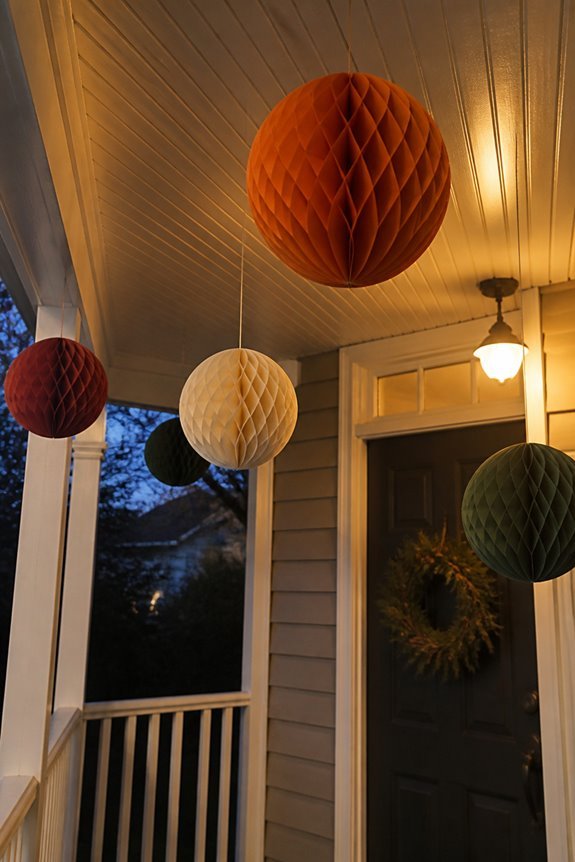
Paper honeycomb decorations served as lightweight, affordable alternatives to blow-mold fixtures during the mid-20th century Halloween season. These folded tissue paper items expanded into spheres, pumpkins, and skulls when hung from ceilings or doorways. Common colors included orange, black, and white.
Manufacturers like Beistle produced these decorations in bulk quantities for mass distribution to retailers and households seeking budget-friendly seasonal décor options.
Ceramic Witch Figurines
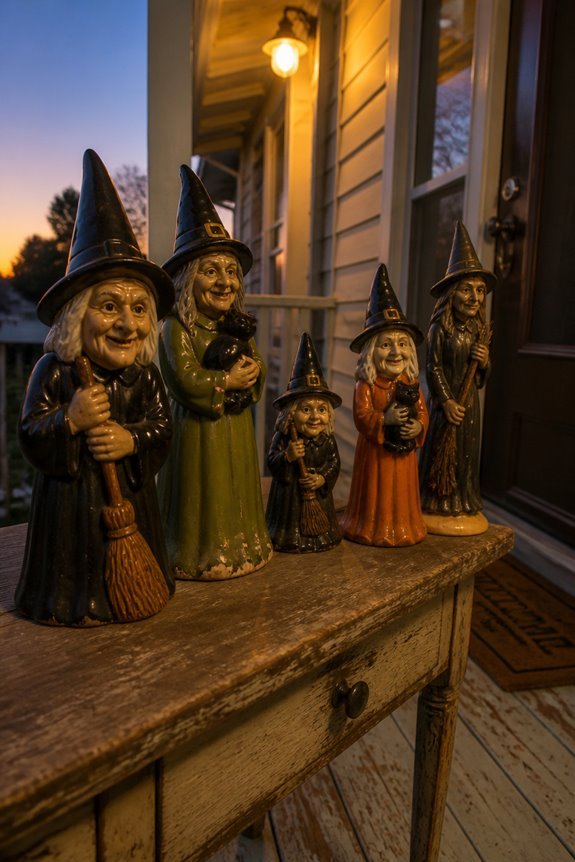
Collectible ceramic witch figurines emerged as popular Halloween decorations during the 1950s and 1960s, offering households an alternative to paper and mass-produced blow-mold items. These figurines typically featured painted details, varying heights from three to twelve inches, and displayed witches in traditional poses with broomsticks or cauldrons.
Manufacturers like Japan and American companies produced these pieces, which remain sought-after collectibles today for their historical value and nostalgic appeal.
Vintage Paper Witch Hats
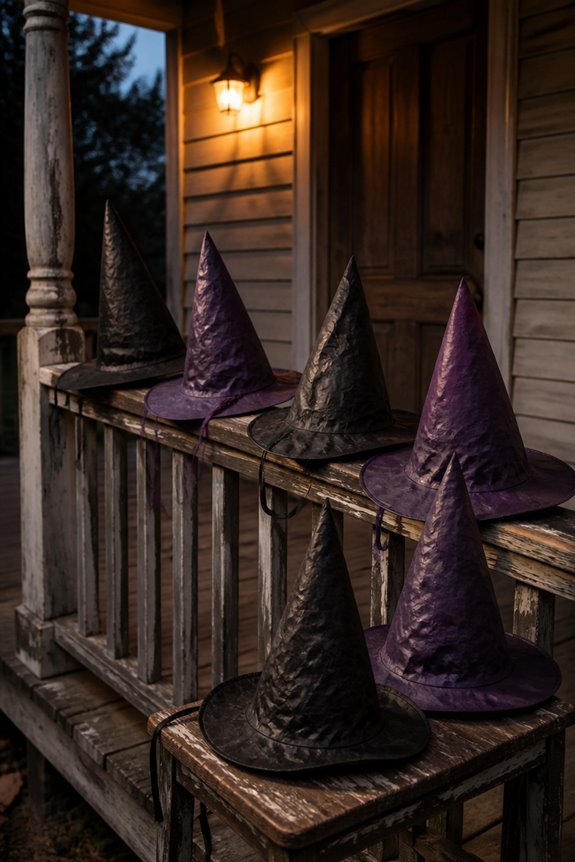
While ceramic figurines dominated mid-century Halloween displays, vintage paper witch hats provided an affordable and accessible decoration option for households during the same era.
These hats, typically black with pointed crowns, came flat-packed for storage. Common varieties featured crepe paper construction, printed patterns, or tissue paper details. Retailers sold them in bulk quantities, making them practical for decorating multiple rooms or distributing to trick-or-treaters as party favors. Their crepe paper construction and ephemeral nature embody the farmhouse collectible ethos of embracing wear and tear as part of an item’s charm rather than a flaw.
Styrofoam Tombstones
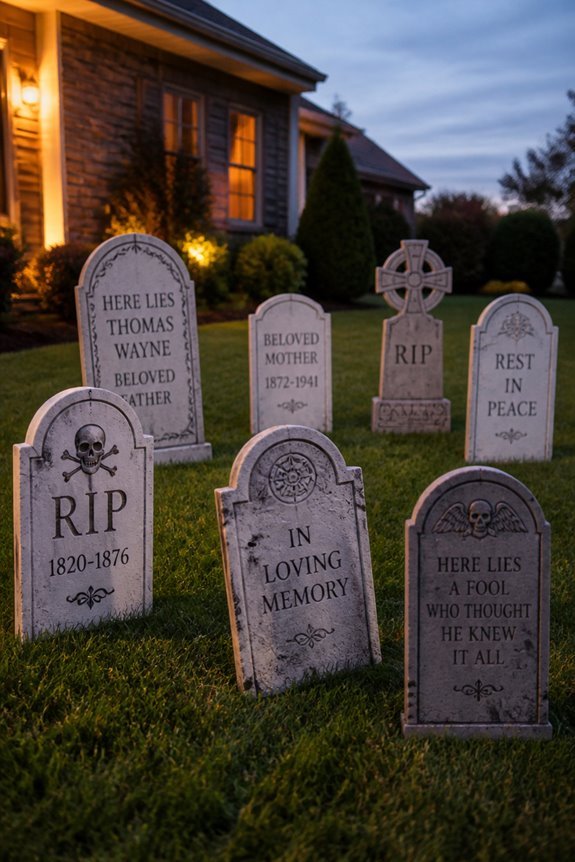
As foam materials became more affordable in the 1960s and 1970s, styrofoam tombstones emerged as a practical alternative to ceramic or plaster yard decorations. These lightweight structures required minimal maintenance and resisted weather damage effectively.
Popular designs featured engraved epitaphs, crossed bones, and gothic lettering. Homeowners could position multiple tombstones throughout yards, creating cemetery scenes. Their durability made them reusable across many seasons. The earthy tones and weathered textures of aged styrofoam developed an authentic patina over time, adding to their spooky charm.
Skull and Crossbones Wall Signs
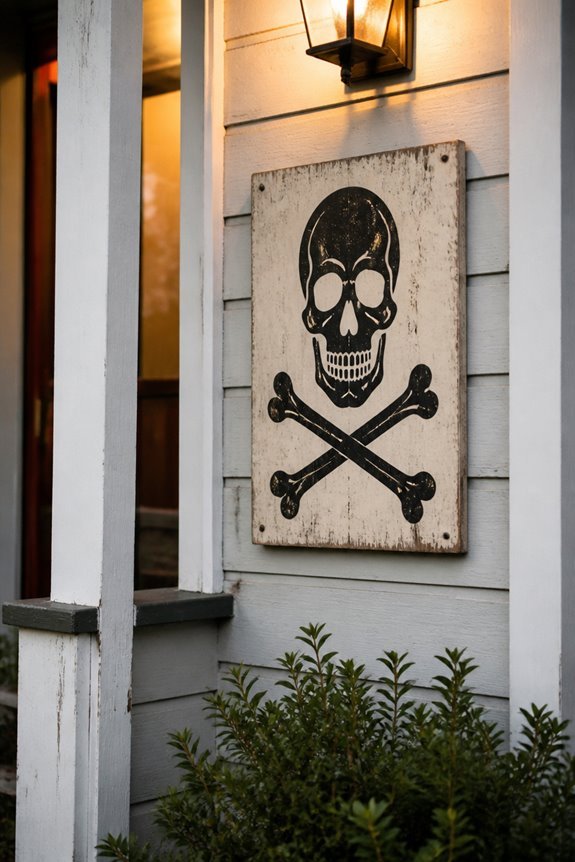
The pirate aesthetic dominated retro Halloween decor during the 1970s and 1980s, spawning decorative wall signs featuring skull and crossbones imagery. These signs, typically made from plastic or wood, displayed bold black designs on white or colored backgrounds. Popular brands like Beistle produced affordable versions.
Homeowners mounted them in entryways, garages, and basements to establish a pirate-themed atmosphere during the holiday season.
Classic Orange and Black Paper Garlands
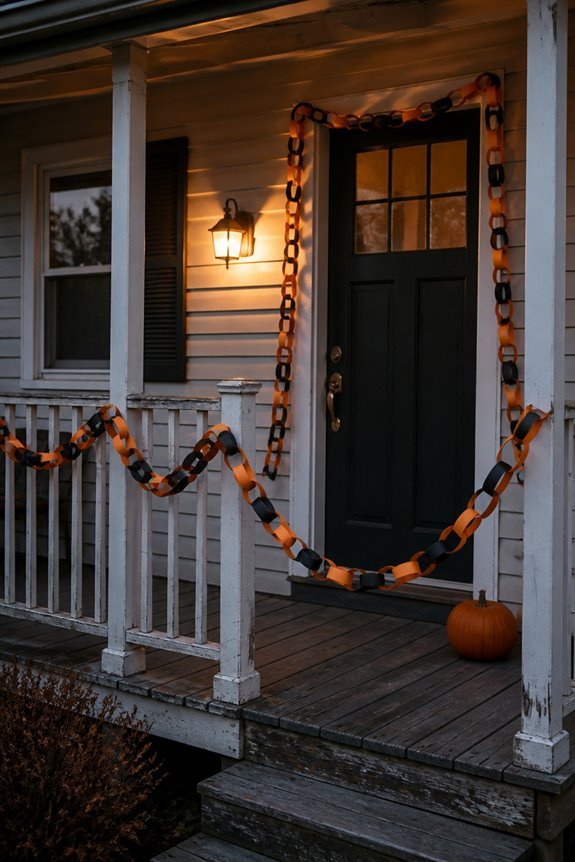
Paper garlands in orange and black became a staple of retro Halloween decorating from the 1950s through the 1980s. These paper chains and scalloped strips hung across doorways, mantels, and windows.
The materials were simple: construction paper, scissors, and paste or tape. Orange and black combinations created strong contrast, making spaces feel seasonally festive without requiring electricity or maintenance.
Vintage Cardboard Haunted Houses
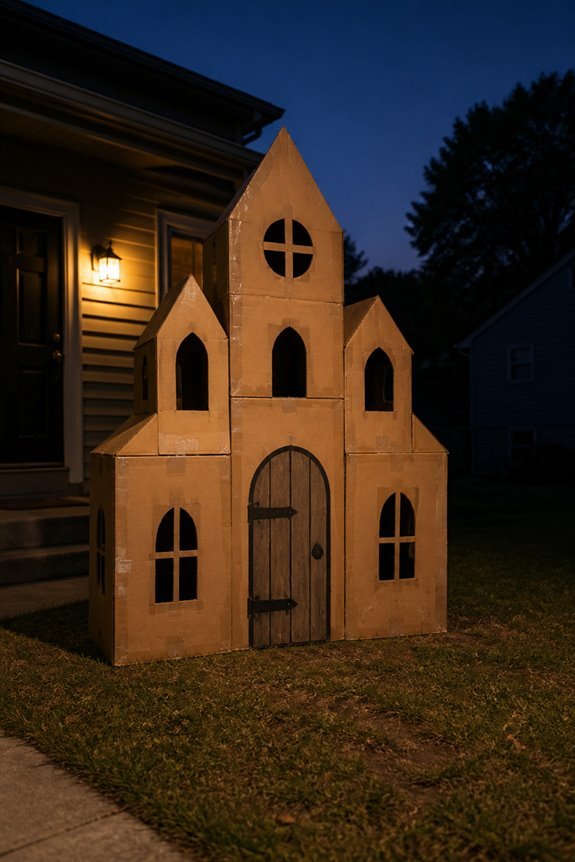
Cardboard structures shaped like haunted houses became popular Halloween decorations during the 1960s and 1970s, offering families an affordable way to create focal-point displays. These vintage pieces featured cutout windows, doors, and skeletal details.
Collectors today seek original examples from manufacturers like Beistle and Hallmark. Reproduction versions remain available through specialty retailers, providing period-appropriate decoration options for those preferring authentic retro aesthetics.
Cellophane Window Clings
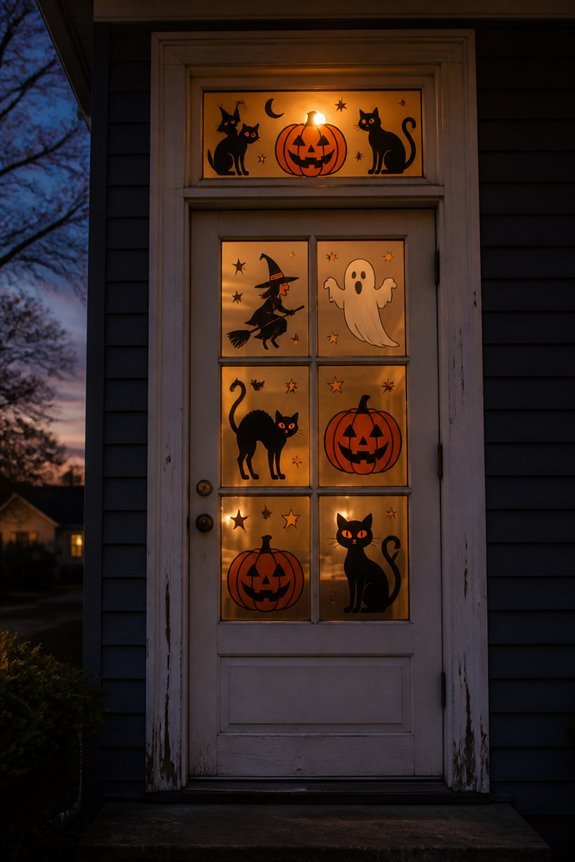
Translucent decorations made from cellophane sheets gained popularity as Halloween window displays during the 1950s and 1960s. These clings featured silhouettes of ghosts, witches, and pumpkins in orange, black, and green. Applied directly to glass surfaces, they created layered, colorful effects without adhesive residue.
Collectors value vintage examples for their bright dyes and intact condition, making them sought-after decorative pieces today.
Die-Cut Skeleton Paper Cutouts
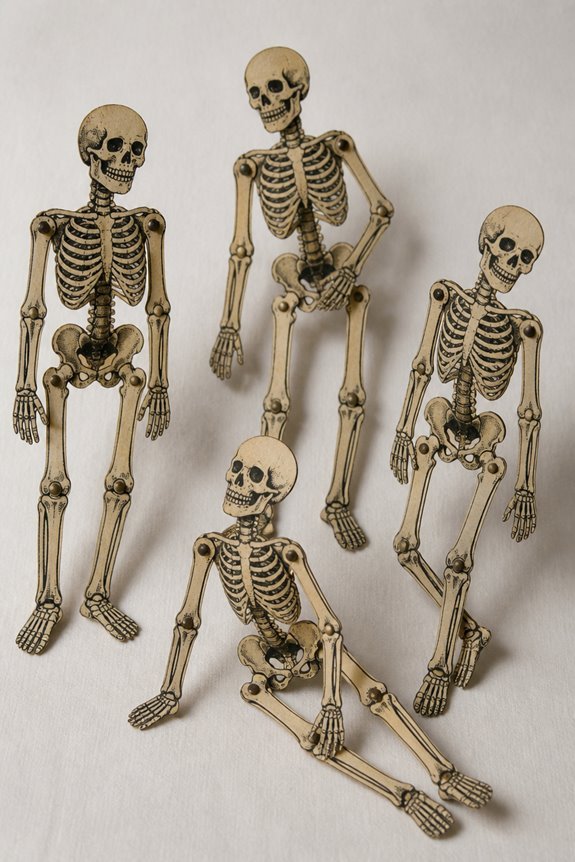
Skeletal figures, created through die-cutting techniques, became standard Halloween decorations during the 1940s and 1950s. These paper cutouts featured bone structures, skull designs, and articulated joints.
Households displayed them on windows, doorways, and walls. The cutouts came in various sizes, from small two-inch figures to large five-foot versions. Black or white paper served as the primary material, offering simple, cost-effective decoration options.
Felt Pumpkin Wall Hangings
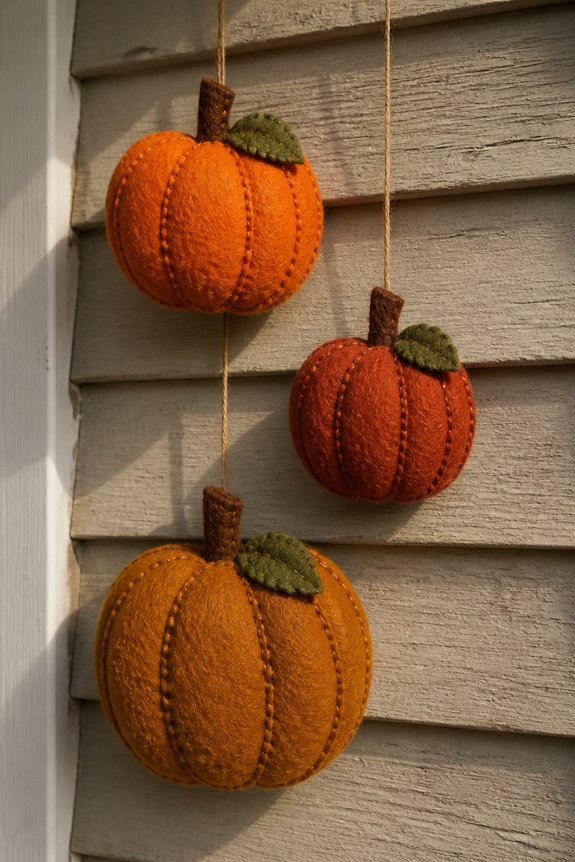
While paper skeletons dominated autumn window displays, felt pumpkins emerged as another popular decoration choice during the mid-twentieth century. These fabric cutouts, typically orange with black details, hung on walls using simple string or tacks. Common sizes ranged from six to eighteen inches tall.
Manufacturers offered various designs, including smiling faces, stern expressions, and patterned variations. Felt pumpkins complemented other vintage decorations effectively, remaining affordable and reusable across multiple seasons. Their fabric construction made them easy to store flat in drawers between holidays, similar to how fabric scraps could be repurposed for seasonal crafts.
Retro Crepe Paper Streamers and Bats
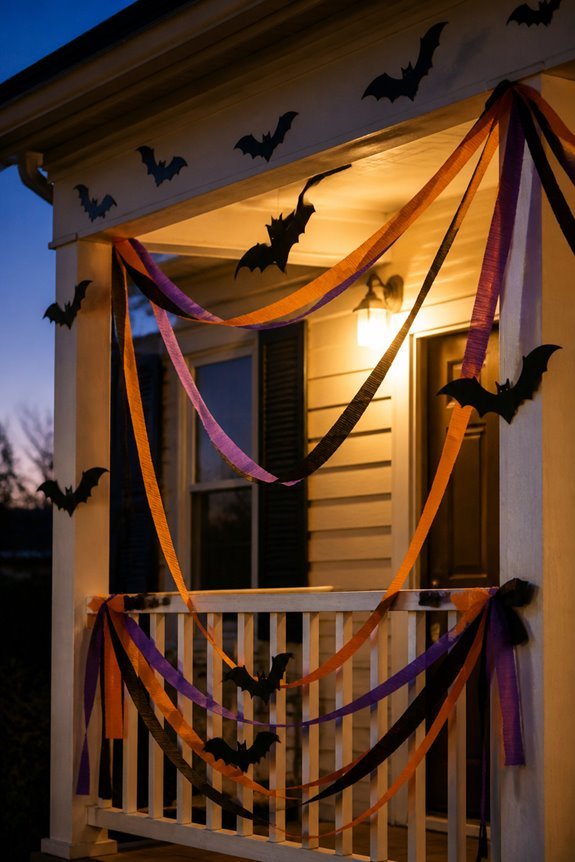
Crepe paper decorations became standard Halloween supplies throughout the mid-twentieth century, offering affordable ways to transform indoor and outdoor spaces. Black and orange streamers hung across doorways, windows, and ceilings. Bat cutouts, made from black crepe paper or cardboard, attached to walls and light fixtures.
These simple decorations required minimal materials: crepe paper rolls, scissors, tape, and string. The streamers and bats created festive atmospheres in homes and classrooms inexpensively. Much like macrame plant hangers using cotton rope as a foundational material, crepe paper’s versatility allowed for endless creative applications in seasonal decor.
Vintage Glass Candleholders With Halloween Designs
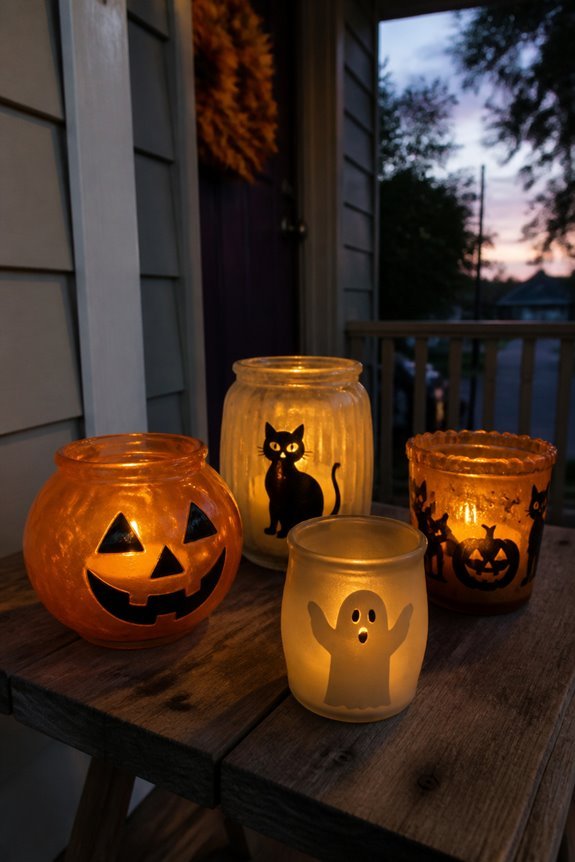
Vintage glass candleholders offered a more durable alternative to paper decorations, bringing both light and Halloween imagery into homes during the twentieth century. These holders, featuring orange pumpkins, black cats, and ghost designs, provided practical lighting solutions. Common styles included pressed glass with jack-o’-lantern faces and frosted finishes. Collectors now seek original 1950s examples, which remain functional for modern seasonal displays. When arranging these vintage pieces, follow odd numbers grouping principles to create visually dynamic displays that enhance their nostalgic charm.
Retro Tin Noisemakers and Rattles
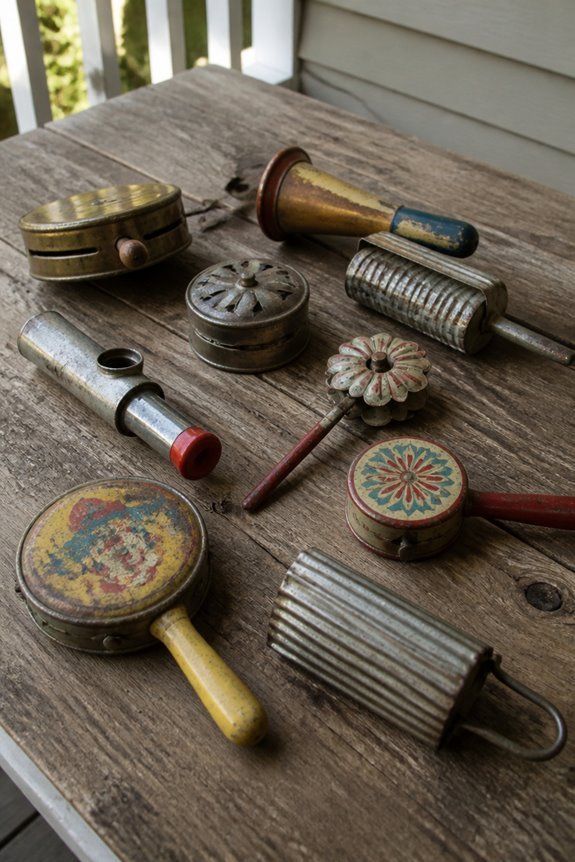
Metal noisemakers served as popular Halloween party favors throughout the mid-twentieth century, providing sound effects and entertainment for trick-or-treaters and celebration attendees. Tin rattles, shaped like pumpkins or skulls, produced distinctive clattering sounds when shaken. These affordable items featured bright orange, black, and white paint finishes.
Collectors now seek vintage examples from the 1940s through 1960s, valuing them for authentic period decoration and nostalgic appeal.
Vintage Halloween Postcards and Wall Art
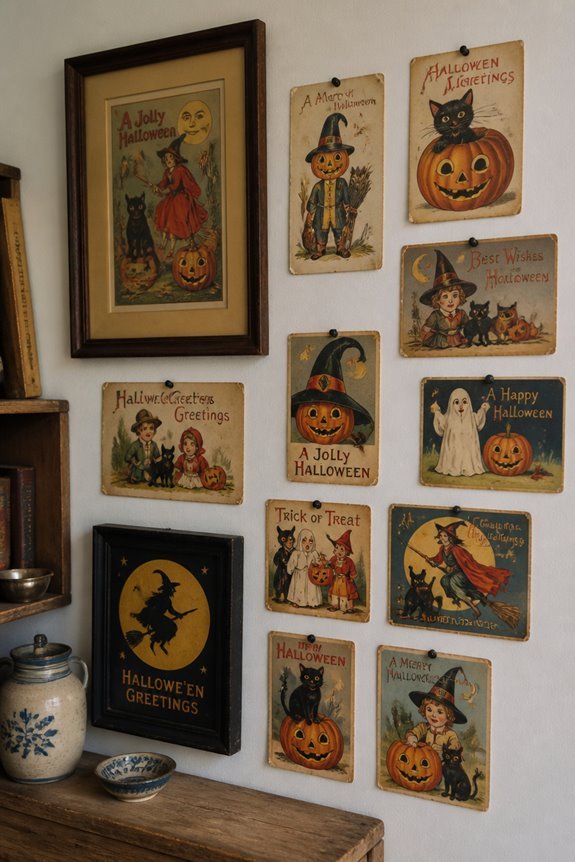
Halloween postcards and lithographed wall decorations circulated widely during the late 1800s and throughout the twentieth century, serving as affordable seasonal décor and greeting items. Collectors seek vintage examples featuring witches, black cats, and jack-o’-lanterns from manufacturers like Raphael Tuck and Winsch.
These pieces, typically printed on cardstock, display period-specific artistic styles and color palettes. Framing original postcards or reproductions provides authentic retro decoration without requiring restoration expertise. Similar to antique Christmas postcards, these vintage Halloween pieces make affordable, charming decor and can be displayed in simple wooden frames for a gallery wall effect.
Hand-Crafted Cotton Batting Cobwebs
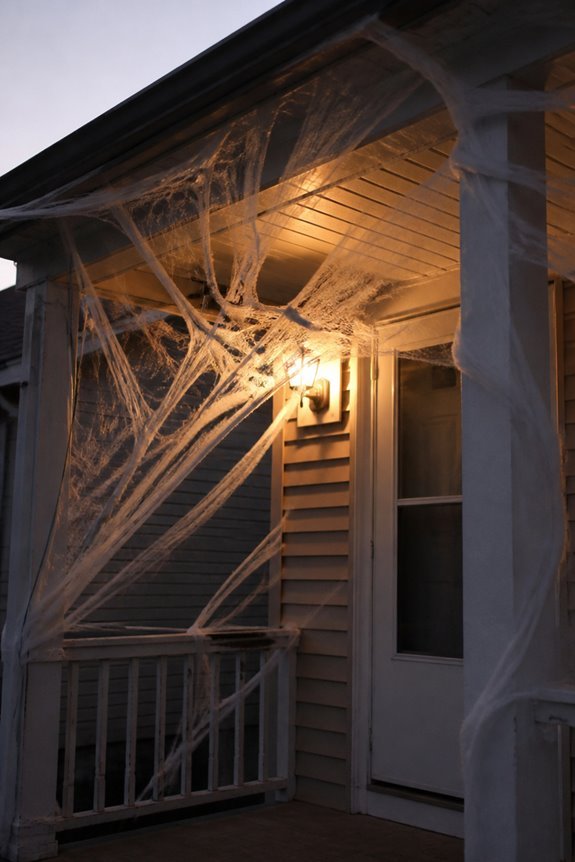
How do decorators create the wispy, web-like effects seen in classic Halloween displays? Cotton batting, pulled and stretched into thin strands, produces authentic cobweb appearances. Decorators drape the material across corners, doorways, and furniture surfaces. The lightweight fibers catch dust naturally, enhancing realism.
This technique remains popular for period-accurate haunted house setups and vintage-themed displays throughout October.
Classic Black Cat Silhouettes
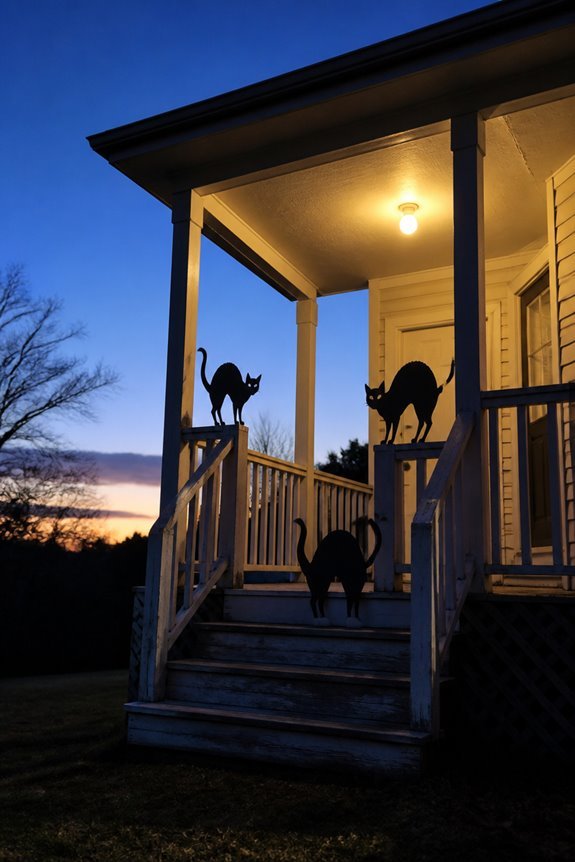
Because black cat silhouettes have been featured in vintage Halloween displays for decades, they remain a straightforward decorating choice. These cutouts, typically made from black cardboard or plastic, attach to windows, walls, or fences. Common poses include sitting, arching, or walking positions.
Retailers sell pre-made versions, or decorators can create custom silhouettes using templates. The simple design requires minimal installation effort and storage space.
Retro Paper Lanterns With Spooky Faces
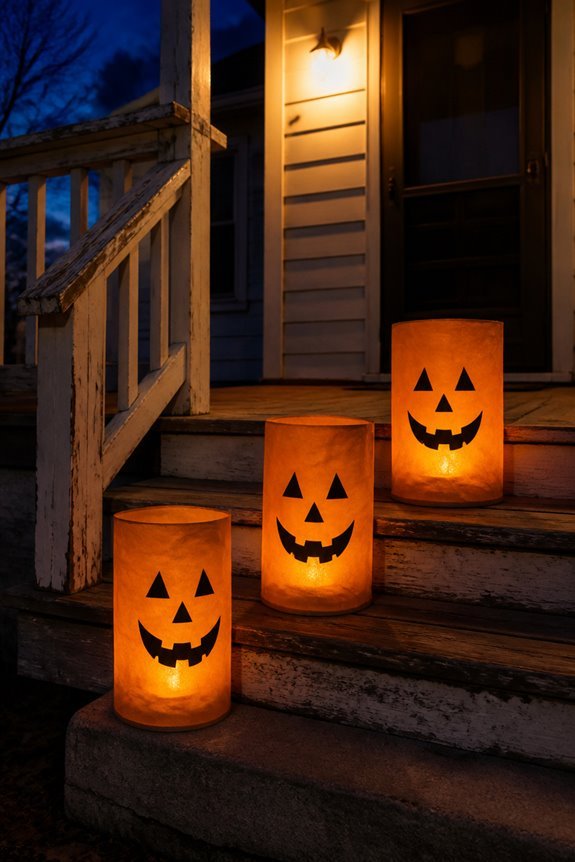
While paper lanterns decorated with jack-o’-lantern and ghost faces have appeared in vintage Halloween displays since the mid-20th century, they remain practical lighting options for both indoor and outdoor settings. These lanterns, available in orange, white, and black varieties, use standard light bulbs or battery-operated LEDs.
Popular retailers stock reproduction versions alongside authentic vintage examples, offering affordability and durability for seasonal decoration purposes.
Vintage Blow-Mold Ghosts and Ghouls
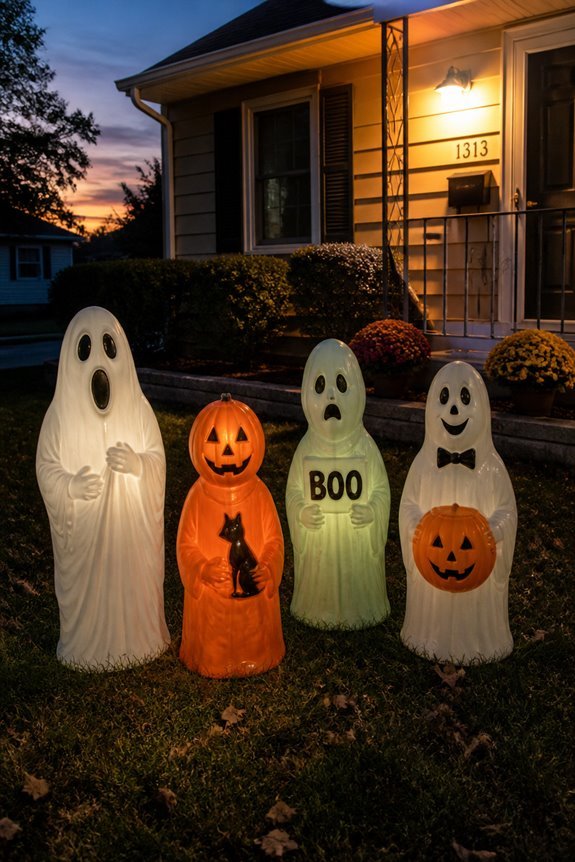
Blow-mold decorations emerged as a dominant force in Halloween displays during the 1960s and 1970s, offering a departure from paper-based ornaments like lanterns. These plastic figures, including glowing ghosts, witches, and pumpkins, were mass-produced and affordable. Popular brands like Empire and Don Featherstone created iconic pieces.
The decorations featured internal light sockets, allowing them to illuminate outdoor yards and porches during evening hours.
Painted Wooden Porch Signs
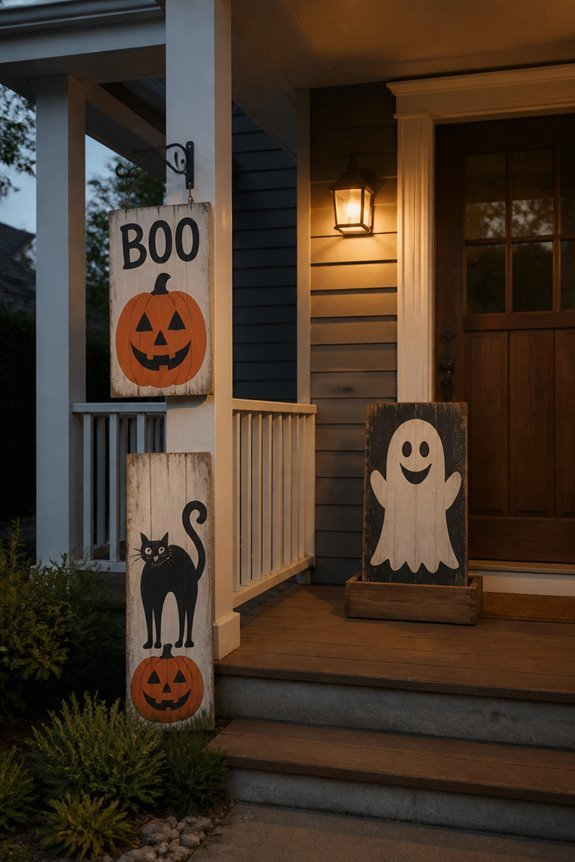
Many households during the 1970s and 1980s displayed wooden porch signs as part of their Halloween decorations. These signs featured hand-painted designs, typically depicting witches, black cats, and jack-o-lanterns. Common phrases included Happy Halloween and Trick or Treat.
The wood construction, often pine or plywood, weathered naturally over time, creating an aged appearance. Collectors now seek these vintage signs for authentic retro decoration purposes. The burnt orange and mustard yellow color palettes often used in these hand-painted designs reflect the earthy tones that defined 1970s decor style.
Vintage Halloween Paper Masks
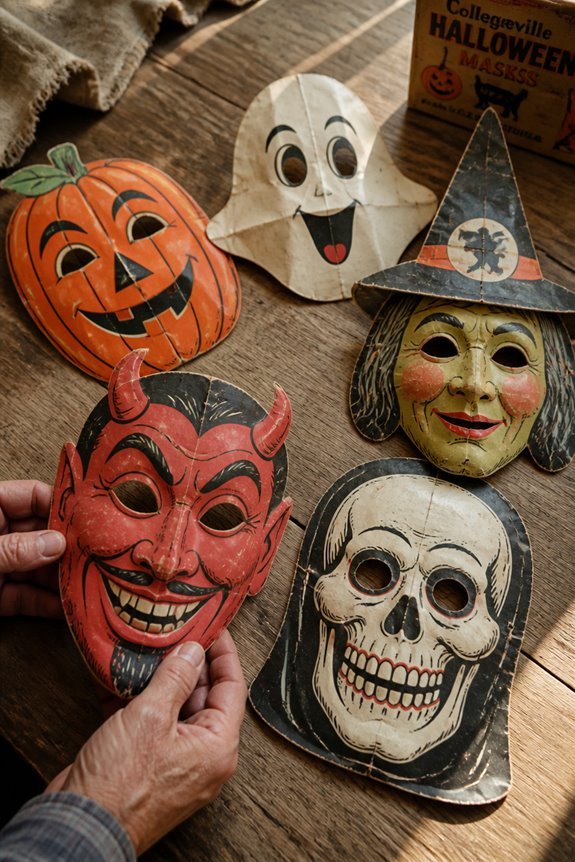
The popularity of paper masks during the 1950s through 1980s made them a standard Halloween accessory in American households. These masks, typically featuring monsters, witches, and skeletons, were inexpensive and widely available at stores.
Made from thin cardboard with elastic bands, they often included simple eye holes and mouth openings. Collectors today seek vintage examples in original packaging for their nostalgic value and historical significance.
Vintage Cardboard Pumpkin Porch Boxes
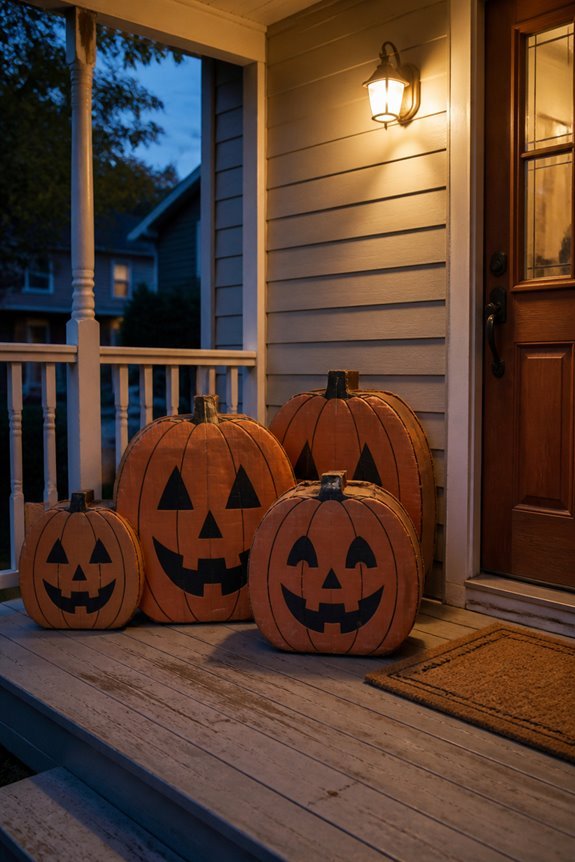
During the mid-twentieth century, cardboard pumpkin boxes became a fixture on American porches during October. These decorations featured die-cut pumpkin shapes, typically painted orange with black details. Homeowners used them to store candy, display seasonal items, or simply add festive curb appeal.
Popular brands included Beistle and Dennison, which produced thousands annually. The boxes deteriorated quickly from weather exposure, making vintage examples valuable to collectors today.
How to Source and Preserve Authentic Retro Halloween Decorations
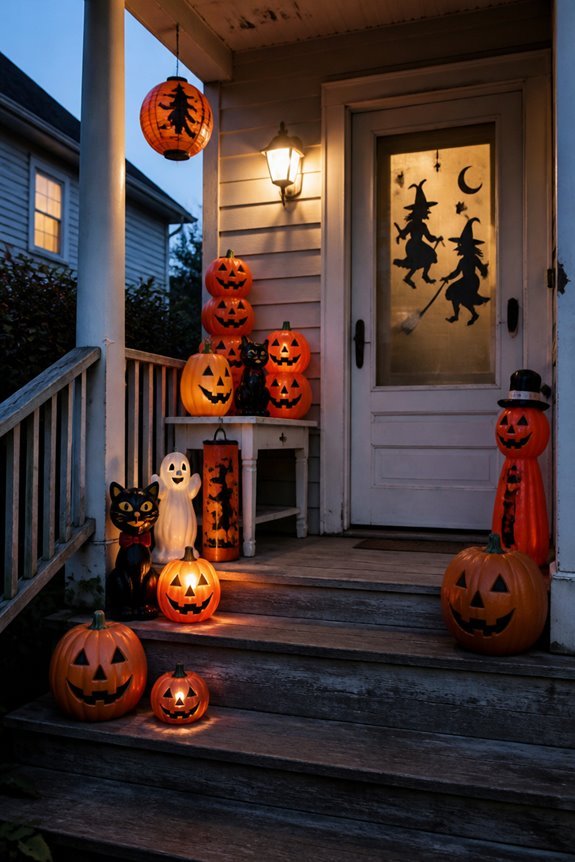
Collectors seeking vintage cardboard pumpkins and other period decorations face specific challenges in locating, evaluating, and maintaining these fragile items. Estate sales, antique shops, and online marketplaces offer sources for authentic pieces.
Inspect for water damage, fading, and structural weakness before purchasing. Store decorations in climate-controlled spaces using acid-free tissue paper, avoiding direct sunlight and moisture exposure to prevent deterioration. For a bold display approach reminiscent of 80s interior design, consider incorporating neon accents near your vintage collection to create dramatic lighting that highlights the retro aesthetic without risking heat damage to fragile items.
Frequently Asked Questions
How Can I Safely Display Vintage Glass Candleholders With Halloween Designs Around Children and Pets?
One should position vintage glass candleholders on high shelves, away from children and pets’ reach. Securing them with museum putty prevents accidental knockovers. Alternatively, displaying them behind glass cabinets or enclosed shelving units protects both the delicate pieces and household members from potential hazards.
What Is the Best Way to Store Delicate Paper Decorations to Prevent Damage During Off-Season Months?
Who wants their cherished vintage decorations ruined by moisture and pests? One should store paper decorations in acid-free boxes, placed in cool, dry locations away from direct sunlight. Adding silica gel packets prevents humidity damage effectively during off-season months.
Are Vintage Blow-Mold Decorations Safe to Use With Modern Electrical Outlets and LED Lights?
Vintage blow-mold decorations can safely work with modern outlets and LED lights if one inspects the electrical components first. Replacing old wiring and using LED bulbs reduces fire hazards substantially, making these nostalgic pieces compatible with contemporary electrical systems.
How Do I Authenticate the Age and Value of Retro Halloween Decorations Before Purchasing?
One authenticates vintage Halloween decorations by examining manufacturing marks, materials, and construction techniques. Consulting collector guides, price databases, and reputable dealers provides valuation insights. Provenance documentation and condition assessment substantially influence authenticity determination and market worth.
What Cleaning Methods Won’t Damage the Paint or Material of Hand-Painted Cardboard Skeletons?
One should gently dust hand-painted cardboard skeletons with a soft-bristled brush or microfiber cloth. For stubborn marks, lightly dampen the cloth with distilled water and avoid harsh chemicals or excessive moisture that could compromise paint integrity or weaken the cardboard structure.
Conclusion
Retro Halloween decorations offer a stark contrast to modern alternatives: affordable, mass-produced items from decades past now command collector prices, while fragile paper and plastic pieces require careful preservation despite their humble origins. Sourcing authentic decorations demands patience and knowledge of material types, from cellophane to ceramic, yet the effort yields historically accurate displays. These vintage items, once discarded as disposable, represent tangible connections to mid-century holiday traditions worth maintaining.