
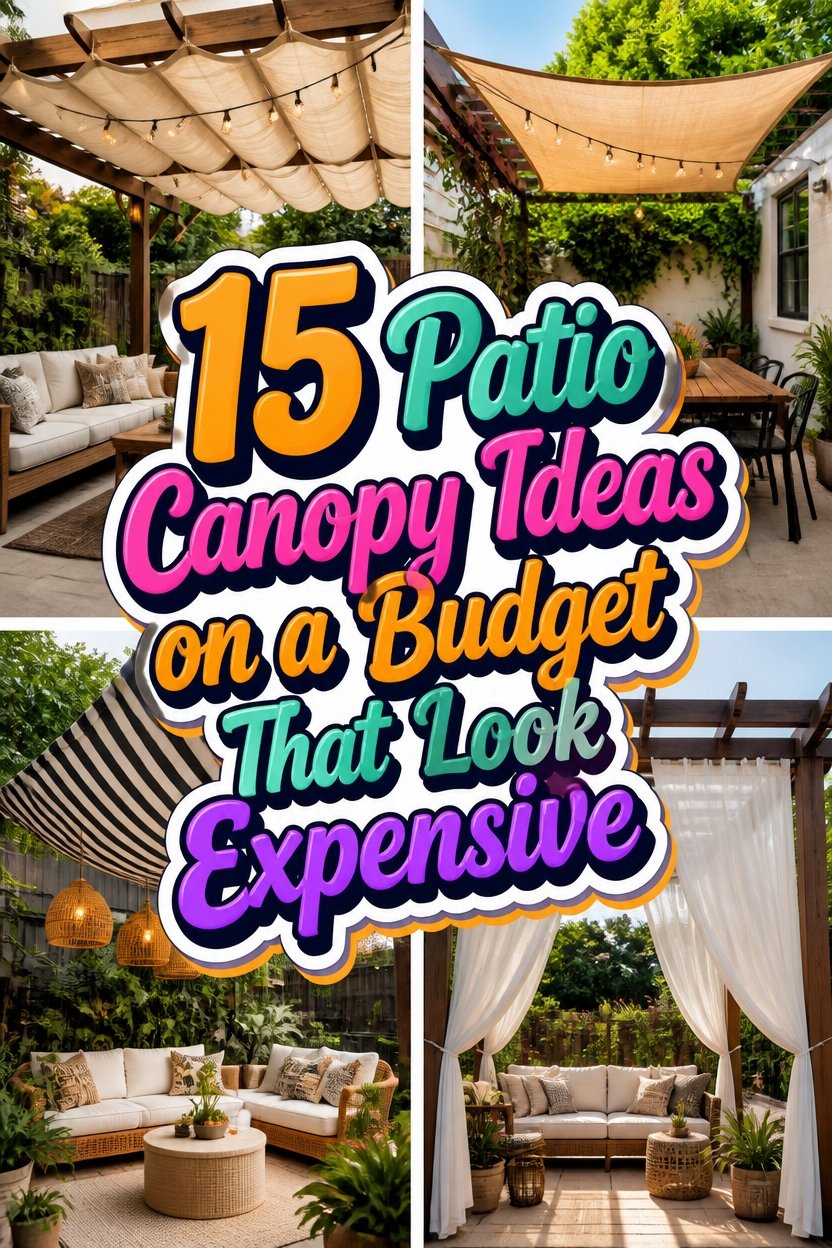
You don’t need a big budget to make your patio feel like something out of a magazine.
A few smart choices in materials and fabric can get you most of the way there.
I built my own canopy frame out of PVC pipes one weekend and still get asked where I bought it.
Layering fabrics, adding lighting, and picking the right color all do more heavy lifting than people expect.
Most guests will never guess how little you actually spent on it.
Before You Start Shopping
Set a real number before you start browsing materials, and build in a little extra for surprises. Ten to fifteen percent above your estimate covers most unexpected costs.
Decide early what matters most to you, whether that’s durability, looks, or just getting it done fast. That decision shapes almost every choice that follows.
Measure your space carefully before buying anything. A canopy that’s slightly too big or too small is one of the easiest mistakes to make here.
15 Budget Patio Canopy Ideas
A few of these ideas focus purely on the structure itself, while others are all about the finishing touches.
Some take a whole weekend, and others come together in an afternoon with things you already have.
Work through them in order, or skip straight to the ones that fit your space.
Set Your Patio Canopy Budget

Planning forms the foundation of any successful patio canopy project. Before purchasing materials or hiring contractors, homeowners should establish a realistic financial range based on their specific needs and existing patio dimensions.
Budget categories typically include structure costs, fabric or covering materials, installation labor, and permits. A basic metal frame canopy might range from $300 to $800, while high-end options exceed $2,000. Fabric upgrades, such as weather-resistant polyester or retractable mechanisms, add substantial costs.
Homeowners should research local prices through multiple suppliers, comparing DIY versus professional installation expenses. Setting aside 10-15% for unexpected costs proves practical.
Determining priorities, whether durability, aesthetics, or functionality matters most, helps allocate funds efficiently across different components, ensuring the project remains financially sustainable while meeting essential requirements.
Also read: 25 Front Door Canopy Ideas to Boost Curb Appeal
Pick Your Canopy Structure (Size, Style, Material)
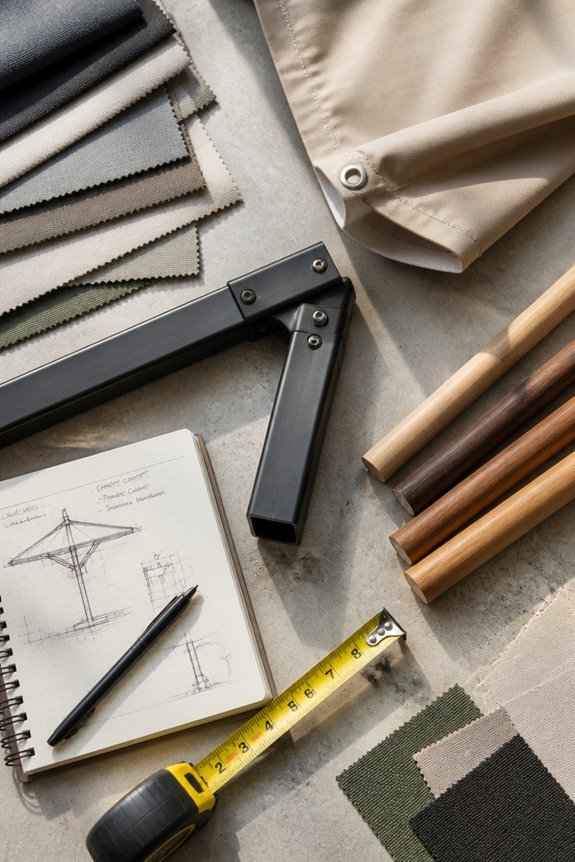
Selecting the right canopy structure involves three main decisions: determining the appropriate size for the patio space, choosing a style that complements the home, and evaluating material options based on durability and budget.
Size considerations depend on patio dimensions and intended use. A 10×10-foot canopy suits small patios, while larger spaces accommodate 12×12 or 14×14-foot structures. Style options include traditional peaked roofs, modern flat designs, and arched frames.
Popular materials for budget-conscious buyers include polyester fabric, which costs less than canvas, and aluminum frames, which resist rust without expensive maintenance. Steel frames offer durability but require more upkeep. Evaluating these factors together helps buyers find structures that balance affordability with longevity and visual appeal.
Measure and Prep Your Space
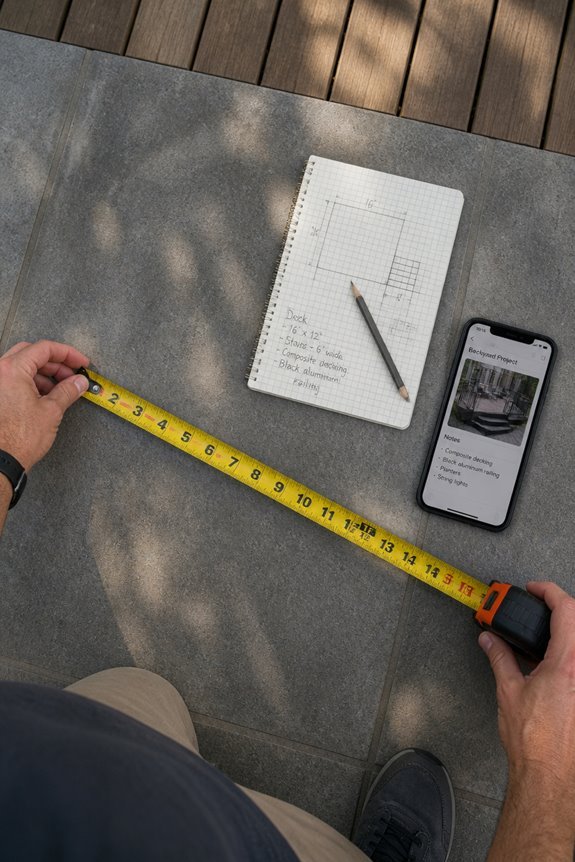
Before installing a canopy, the patio area must be measured and prepared to guarantee proper fit and stability. Homeowners should measure length, width, and height of the intended space, accounting for overhead obstructions like tree branches or power lines. The ground surface requires inspection for level terrain, as uneven areas cause structural problems and water pooling.
Clear the space of debris, furniture, and vegetation. Check for underground utilities by contacting local services before digging. Mark anchor points with chalk or spray paint, ensuring adequate distance from edges and walkways. Remove loose pavers or repair cracks in concrete surfaces. Compact soil in grass areas to prevent settling. These preparation steps establish a solid foundation, reducing installation complications and extending canopy longevity.
DIY a Frame From PVC Pipes and Fittings
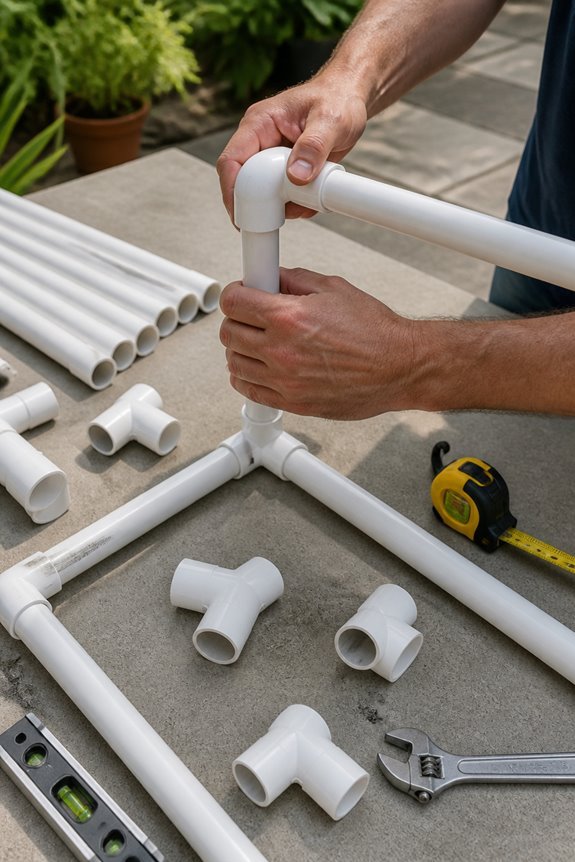
Once the patio space is ready, homeowners can construct an affordable frame using PVC pipes and fittings. PVC materials cost considerably less than metal or wood alternatives, making this approach practical for budget-conscious projects.
Standard half-inch or three-quarter-inch PVC pipes serve as the primary structural elements. Corner fittings, T-joints, and elbow connectors join pipes together at necessary angles. Homeowners should select Schedule 40 PVC for durability and weather resistance.
The frame design typically features a rectangular base with vertical supports, creating a sturdy foundation for fabric or shade cloth attachment. PVC’s lightweight nature simplifies assembly and adjustments. Pre-cut pipes from suppliers reduce measurement errors and construction time.
Securing the frame requires concrete footings or ground stakes for stability against wind and movement.
Repurpose Wooden Pallets Into a Rustic Canopy
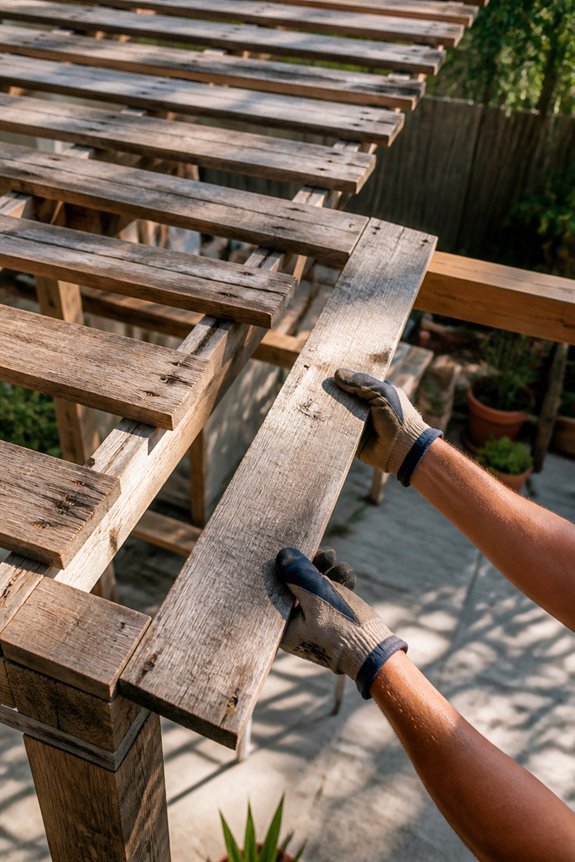
Wooden pallets provide a cost-effective material for constructing a rustic canopy frame, offering an alternative to purchased lumber or PVC pipes. Pallets, typically available free or inexpensively from retailers and warehouses, contain sturdy wooden slats suitable for structural components.
Builders can disassemble pallets and arrange the wood pieces horizontally or vertically to form the canopy’s main framework. Adding a fabric covering, such as canvas or outdoor cloth, creates weather protection and shade. The resulting structure suits patios, decks, and garden spaces.
Weatherproof stains or sealers extend the wood’s durability. This approach produces a textured, aged appearance characteristic of rustic design while minimizing material expenses considerably compared to conventional canopy purchases or custom construction projects.
Choose Premium-Looking Affordable Fabrics
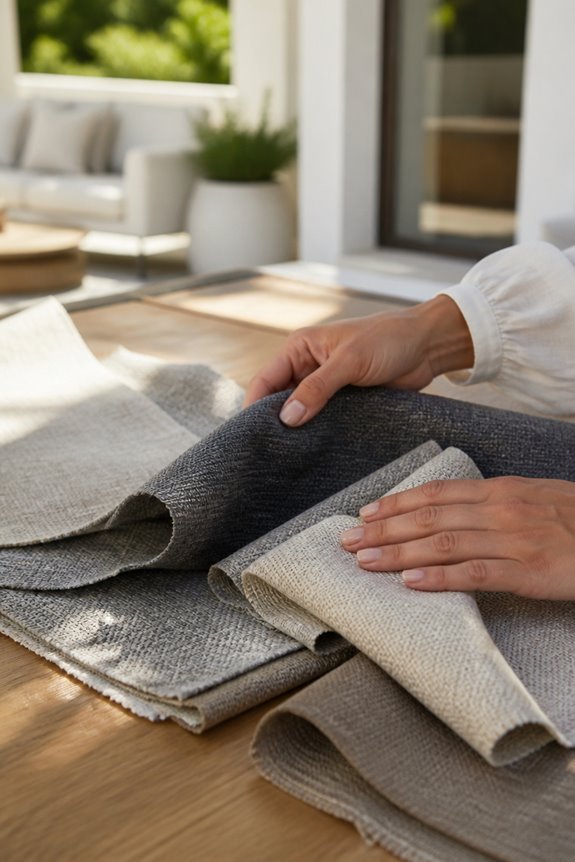
Fabric selection greatly influences both the canopy’s appearance and its budget constraints. Polyester blends offer durability and a refined look at lower price points than pure cotton or linen options. Sunbrella-style fabrics provide excellent UV protection and longevity, making them cost-effective over time despite higher upfront expenses.
Consider these affordable yet attractive choices. Canvas blends deliver a natural, tailored aesthetic. Outdoor-grade polyester resists fading and moisture damage. Jacquard weaves create textured, upscale appearances. Solid colors appear more expensive than patterns.
Light neutral tones, such as cream, taupe, or soft gray, enhance perceived quality while hiding wear patterns effectively. Medium-weight fabrics maintain structural integrity without excessive sagging. Retailers like Joann Fabrics and online suppliers offer premium-looking materials at reasonable prices when purchased in bulk quantities.
Layer Sheer and Solid Fabrics for Luxury Depth
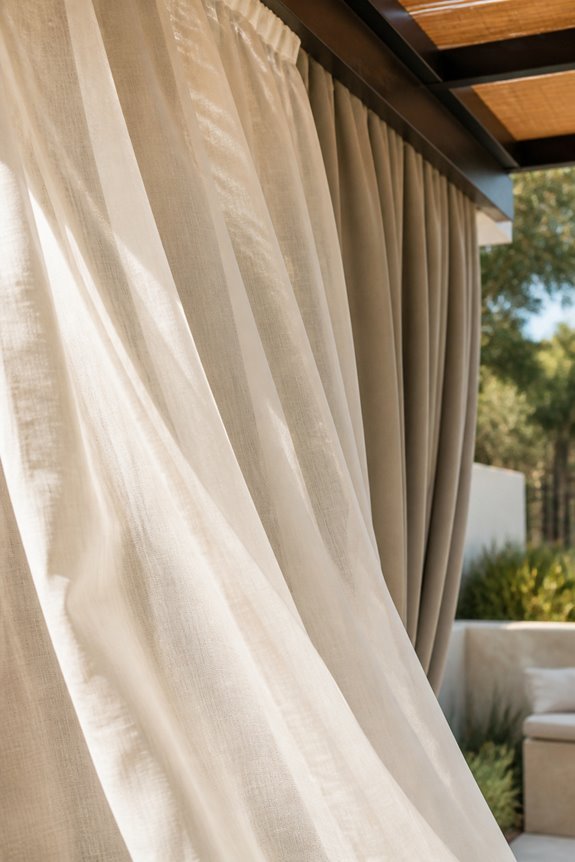
Beyond selecting individual fabrics, combining different material types creates visual richness and perceived value. Layering sheer fabrics over solid ones produces depth that appears intentional and designer-quality. Sheer white or cream organza draped over solid navy or charcoal canvas creates dimension without expense. The translucent layer filters light softly, while the opaque base provides structure and durability.
This technique works well with polyester blends, which are affordable yet visually sophisticated. Pairing lightweight voile with heavyweight duck canvas produces balanced aesthetics. The combination allows light to filter through upper layers, creating gradient effects. This approach masks imperfections in lower fabrics while maintaining an upscale appearance. Budget-conscious homeowners achieve luxury effects through strategic layering rather than premium material costs alone.
Paint Your Structure a Sophisticated Color
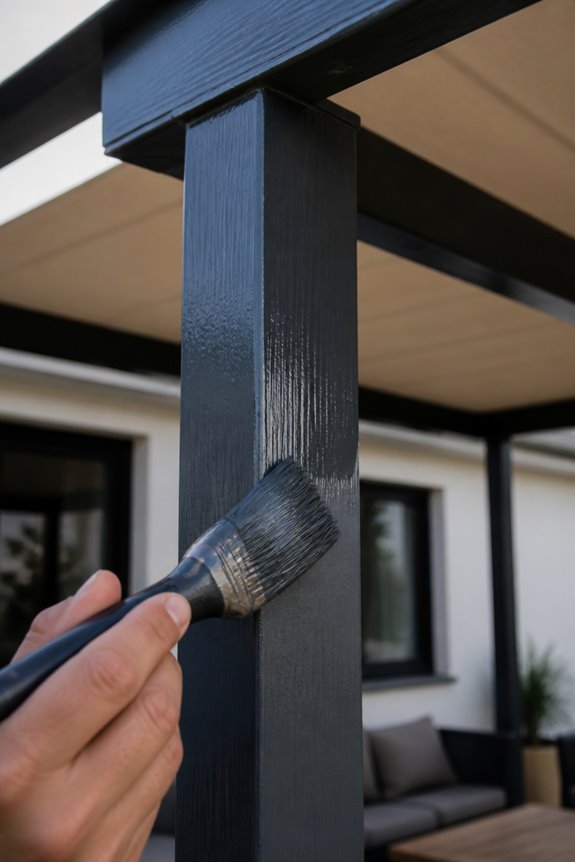
Selecting the right paint color transforms a basic canopy frame into a polished outdoor feature. Sophisticated choices like charcoal gray, navy blue, or warm taupe elevate the entire patio space without requiring expensive materials. These neutral tones provide versatility, complementing various furniture styles and landscaping designs.
High-quality exterior paint costs more initially but lasts longer, reducing repainting frequency. Matte finishes create a refined appearance, while semi-gloss options offer durability in humid climates. Before painting, prepare the surface by cleaning and priming appropriately.
Consider the surrounding architecture and garden colors when selecting hues. Darker shades may absorb heat, while lighter colors reflect it. Testing paint samples on small sections helps confirm color choices under different lighting conditions before committing to the full project.
Build a Retractable Canopy With Budget Hardware
Most retractable canopies require motorized systems or complex pulley mechanisms, but affordable alternatives exist using manual hardware and basic materials.
A budget-friendly approach involves installing a simple frame made from PVC pipes or aluminum tubing, then attaching fabric panels with basic hinges and handles. Crank mechanisms, available at hardware stores for minimal cost, allow manual extension and retraction without electricity.
Rolling curtain rods designed for indoor use can serve as affordable tracking systems for fabric movement. Stainless steel bolts, brackets, and washers provide durable connections at reasonable prices. This method eliminates expensive motor installations while maintaining functionality.
The fabric itself, such as weather-resistant polyester, remains the primary expense. Proper measurements and quality hardware selection guarantee a retractable canopy functions reliably for years without significant maintenance or replacement costs.
Add Strategic Lighting for Designer Impact
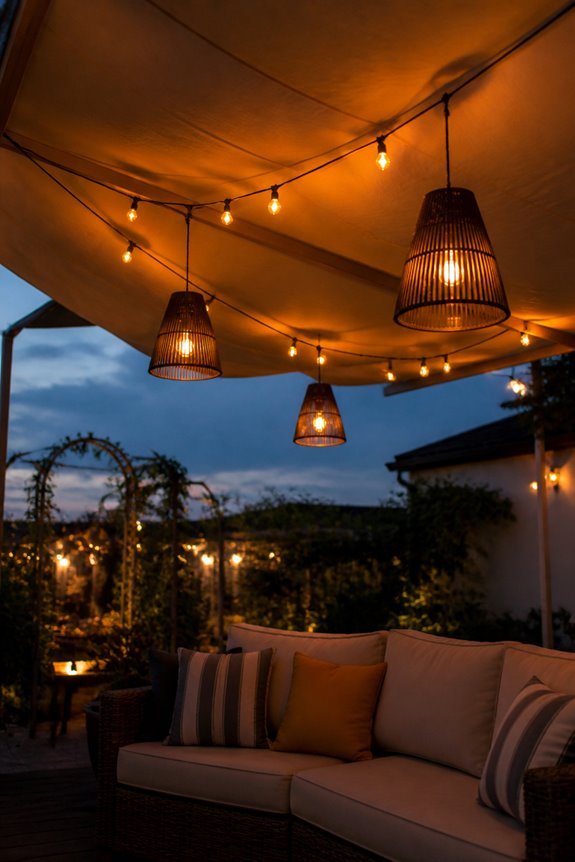
String lights, solar-powered lanterns, and recessed fixtures transform a basic patio canopy into an inviting outdoor space without requiring expensive professional installation. These lighting options create visual interest and extend usable hours into evening.
Solar-powered string lights offer cost-effective illumination, requiring only sunlight and minimal maintenance. Lanterns positioned at varying heights add dimension and warmth. Recessed fixtures installed along canopy edges provide even, functional lighting for activities like dining or reading.
Strategic placement matters greatly. Positioning lights around the canopy perimeter creates definition, while overhead placement illuminates the entire seating area. Warm-toned bulbs, around 2700 Kelvin, establish a relaxed atmosphere.
Layering different light sources prevents flat, one-dimensional appearance, achieving a designer aesthetic through thoughtful arrangement rather than expensive components.
Use Climbing Vines to Create Privacy and Shade
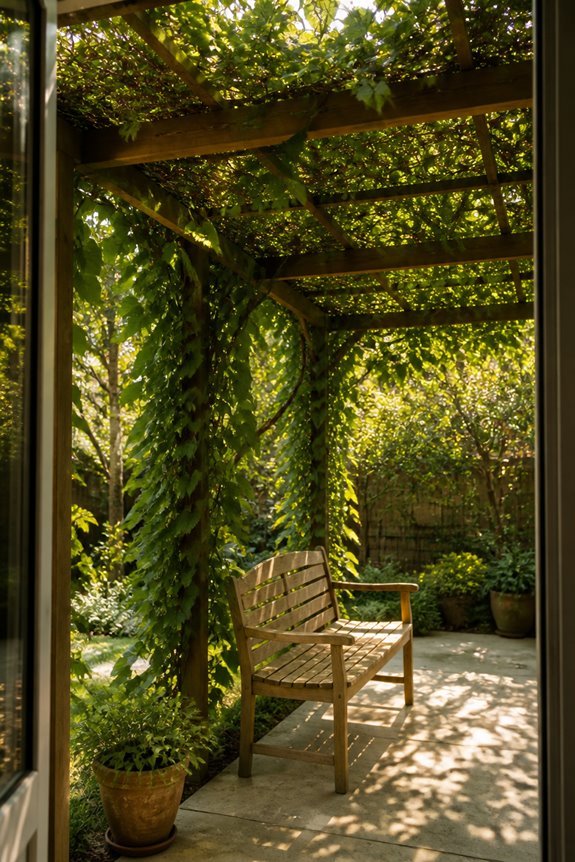
Climbing vines enhance patio canopies by providing natural privacy screens, additional shade, and visual softness at minimal cost. Homeowners can select from several reliable options, including clematis, ivy, and honeysuckle, depending on climate and sunlight conditions.
These plants attach to existing structures through trellises, arbors, or wire systems, requiring minimal installation effort. Vines establish themselves over one to two growing seasons, gradually covering bare areas and reducing direct sun exposure. Maintenance involves occasional pruning to control growth patterns and prevent overgrowth.
The combination of vines with existing canopy structures creates layered shade while improving air circulation. Cost remains low since mature vine plants typically range from fifteen to forty dollars, and propagation from cuttings reduces expenses further. This approach delivers substantial visual improvement without significant financial investment.
Install Weatherproof Rugs Beneath Your Canopy
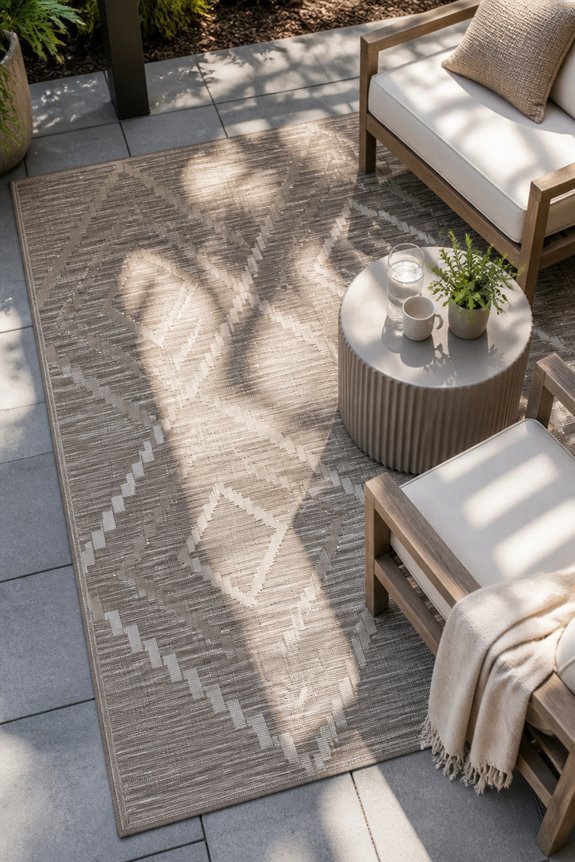
After establishing shade and privacy with climbing vines, homeowners can enhance their patio canopy space by adding weatherproof rugs underneath. These rugs define the area, add comfort underfoot, and introduce color without considerable expense.
Outdoor rugs made from polypropylene or synthetic materials resist moisture, fading, and mildew effectively. They range from geometric patterns to solid colors, fitting various design preferences. Budget-friendly options include polypropylene rugs, durable and affordable, recycled plastic fiber rugs, sustainable choices, and indoor-outdoor blends, moderate pricing.
Placement matters greatly. Position rugs to anchor furniture groupings and create visual cohesion beneath the canopy. Standard sizes like 5×8 feet or 8×10 feet work well for most patios. Regular sweeping and occasional hosing maintain appearance and longevity. These practical additions transform bare patios into finished outdoor rooms while remaining cost-effective.
Dress It Up With Layered Curtains and Drapes
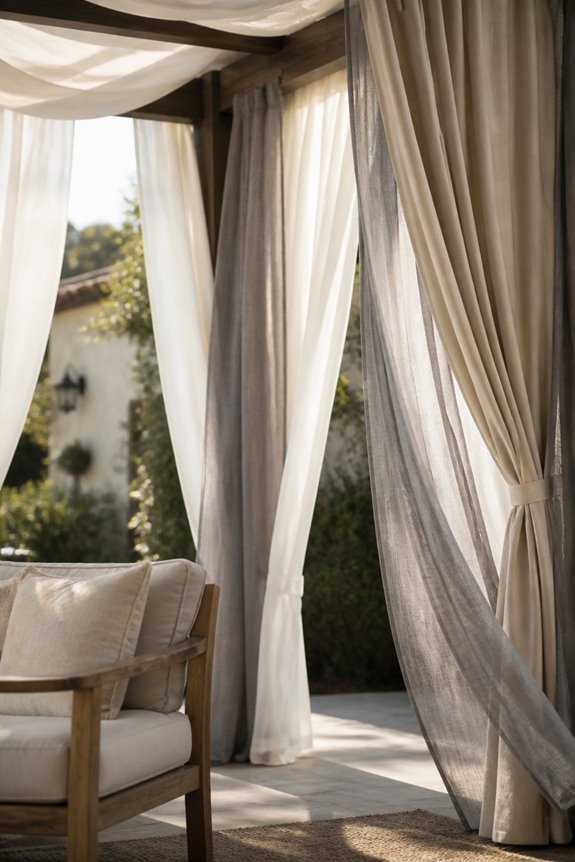
To complete a patio canopy’s aesthetic and functional appeal, homeowners can add layered curtains and drapes that soften the space while providing additional shade and privacy. Budget-friendly options include:
Sheer fabrics like voile or linen blends, which filter light while maintaining visibility. These cost less than heavy materials and create an open feel. Pairing sheer layers with solid drapes offers flexibility, allowing homeowners to adjust coverage as needed throughout the day.
Outdoor fabric selections such as Sunbrella provide durability against weather while remaining affordable. Mounting curtains on tension rods or simple hooks reduces installation expenses compared to permanent fixtures.
Neutral colors like cream, gray, or taupe coordinate easily with existing décor and hide dirt effectively. Layering different fabric weights and colors adds visual depth without requiring expensive custom solutions.
Blend Canopy Styles for a Custom Look
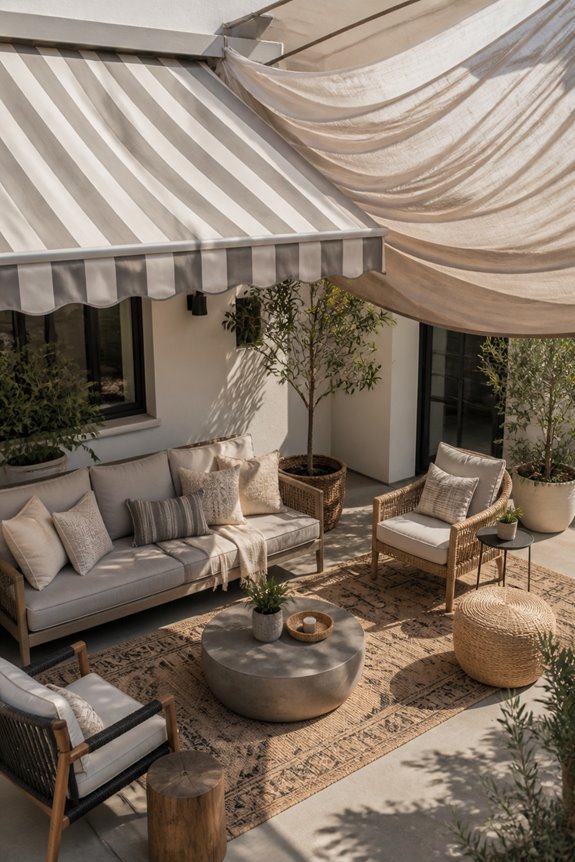
Mixing different canopy styles creates a personalized outdoor space that reflects individual preferences while maintaining budget constraints. Combining a retractable awning with permanent pergola sections offers versatility and visual interest.
Pairing fabric drapes alongside metal frame structures provides both softness and structural support. Layering materials like bamboo screens, canvas panels, and wooden beams creates depth without excessive spending. Homeowners can incorporate mismatched but complementary colors, such as neutral bases with accent fabric strips.
Blending modern metal designs with traditional wooden elements achieves eclectic appeal. Adding potted plants between canopy sections enhances the custom appearance. Strategic placement of lighting between different style components unifies the overall design. This approach allows budget-conscious property owners to achieve high-end aesthetics through thoughtful combination rather than expensive single solutions.
Shop Big-Box Sales for Hidden Gem Accessories
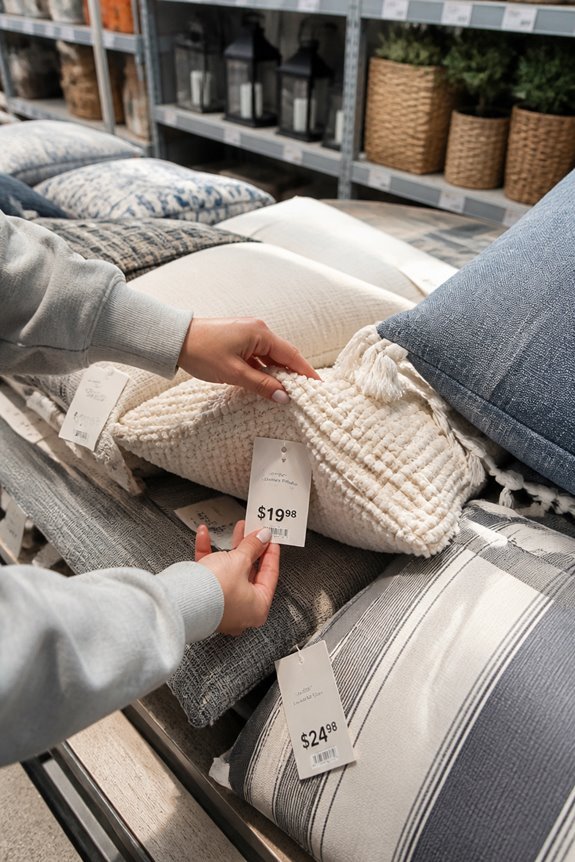
Big-box retailers frequently offer seasonal sales and clearance events where quality canopy accessories become available at reduced prices. Shoppers can find outdoor lighting, weather-resistant fabric panels, and sturdy tie-down kits during end-of-season markdowns. Stores like Home Depot, Lowe’s, and Walmart rotate inventory quarterly, making spring and fall ideal times for discounted patio items.
Checking clearance sections reveals discontinued styles priced substantially lower than regular merchandise. Email newsletters from these retailers alert customers to upcoming sales on umbrellas, string lights, and decorative side panels. Purchasing durable accessories during these events allows homeowners to upgrade their canopy setup without exceeding budget constraints. Strategic shopping during promotional periods yields professional-appearing outdoor spaces at a fraction of standard retail costs.
Frequently Asked Questions
How Long Do Budget Patio Canopies Typically Last Before Needing Replacement?
Most budget canopies hold up for three to five years with regular care.
If you go with a slightly higher quality budget model, you can stretch that closer to seven years. A lot comes down to how much weather it deals with and how consistently you maintain it.
What Permits or HOA Approvals Might I Need Before Installing a Canopy?
Permanent structures usually require a building permit in most areas, so it’s worth checking before you start building.
If you live somewhere with an HOA, you’ll likely need their approval too. Deed restricted communities can be strict about setbacks and structure placement, so don’t skip this step.
Getting the paperwork sorted early saves you from having to take something apart later.
How Do I Protect My Canopy Fabric From Mold and Mildew Growth?
Good airflow is your first line of defense here.
A fabric protectant spray adds an extra layer of protection against moisture. Letting your canopy dry completely after rain matters just as much as any product you apply.
Regular cleaning with mild soap and water keeps everything fresh and prevents buildup from turning into a bigger problem.
Can I Install a Canopy on a Rental Property or Apartment Patio?
Renting doesn’t rule this out as much as you might think.
Plenty of rental agreements allow temporary canopy installations, especially freestanding or portable ones that don’t damage the property. These options work great for a short term upgrade without needing landlord sign off on anything permanent.
What’s the Best Way to Clean and Maintain Affordable Canopy Materials?
Gentle, regular cleaning goes a long way with budget materials.
Check your seams every few months for any early signs of wear. A protective sealant applied once a year helps your canopy hold up against the elements.
Take care of stains quickly too, since budget fabrics tend to hold onto them if you wait too long.
Conclusion
Building a beautiful patio canopy on a budget really comes down to patience and a few smart choices along the way.
My own setup started as a simple PVC frame with fabric I found on clearance, and years later it’s still one of my favorite spots in the house.
Layering fabrics, adding a coat of the right paint, and stringing up a little lighting can transform even the most basic frame into something that feels intentional.
Climbing vines and a good rug do more work than people expect too, filling in the gaps between structure and comfort.
None of this requires a big budget, just a willingness to shop around and build things yourself when you can.
I’d love to hear what you’re planning for your own patio. Leave a comment below and tell me where you’re starting from.