


Winter has a way of quietly reshuffling everything, including your houseplants’ needs. Growth slows to a near standstill as daylight hours shrink, and suddenly that sunny spot by the window isn’t quite enough.
It’s a subtle seasonal shift that asks for a gentler touch. Your heating system might be keeping you cozy, but it’s also stripping moisture from the air.
Dry leaves and crispy edges start appearing where they never did before. The warm, static environment coincides with quieter plant metabolisms, creating a delicate balance that needs attention.
Most indoor plants prefer to rest through the colder months. They want less water, steady warmth without surprises, and a little extra humidity to offset what your radiator takes away.
Simple adjustments now keep common troubles like yellowing leaves and unwanted pests from settling in.
Water Less Frequently as Winter Growth Slows
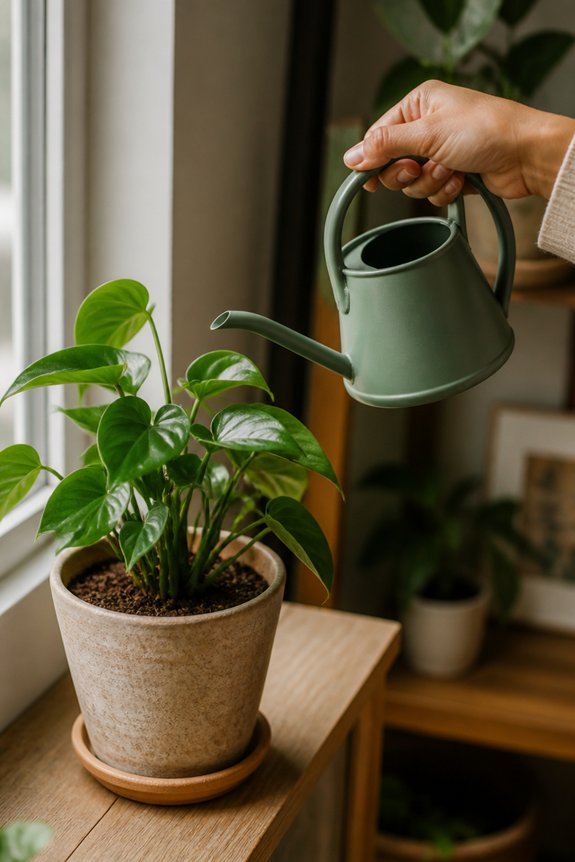
Why do houseplants need less water during winter months? Growth slows when temperatures drop and daylight decreases. Your plant simply isn’t using as much water as it does in warmer months. The soil stays damp longer, too.
Overwatering harms more plants than under-watering in winter. Excess water sits in the pot and causes root rot. Fungal problems can develop quickly in cold, wet soil. Succulents, snake plants, and pothos need especially little water right now.
Check soil moisture before you water anything. Stick your finger about an inch into the soil. Water only when it feels dry at this depth. Most houseplants do fine with water every two to three weeks instead of weekly.
Cut back on fertilizer as well. Dormant plants don’t need extra nutrients to grow. Always adjust your routine based on the specific plant and your home’s humidity.
Also read: 9 Kitchen Houseplants That Add Fresh Green Style
Protect Plants From Cold Drafts, Heating Vents, and Temperature Swings
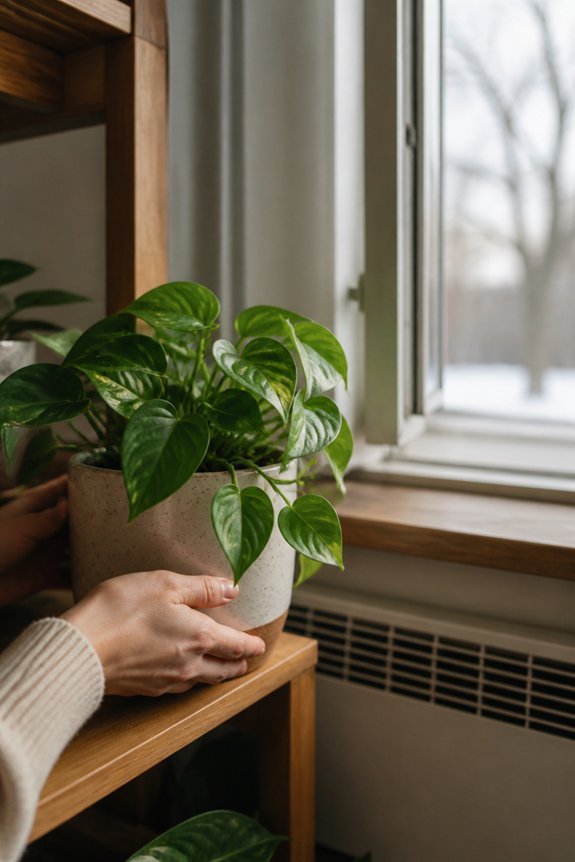
Houseplants feel temperature changes more than you might expect. Most indoor plants prefer steady conditions between 65-75 degrees Fahrenheit. Sudden shifts can damage leaves and slow growth.
Cold drafts bring trouble. Air from windows, doors, and AC units often causes leaf drop and root damage. Direct heat creates problems too. Furnaces and radiators dry out soil quickly and stress your plants.
Finding the Right Spot
Interior spaces work best. Try shelves, tables, or plant stands away from exterior walls and heat sources. Stable rooms help plants thrive. Avoid areas with frequent temperature swings.
Night needs attention. Temperatures often drop considerably after dark, so check conditions then. Grouping plants together builds a protective microclimate. This buffer shields them from environmental extremes.
Boost Humidity in Your Home (Dry Winter Heat Is Deadly)
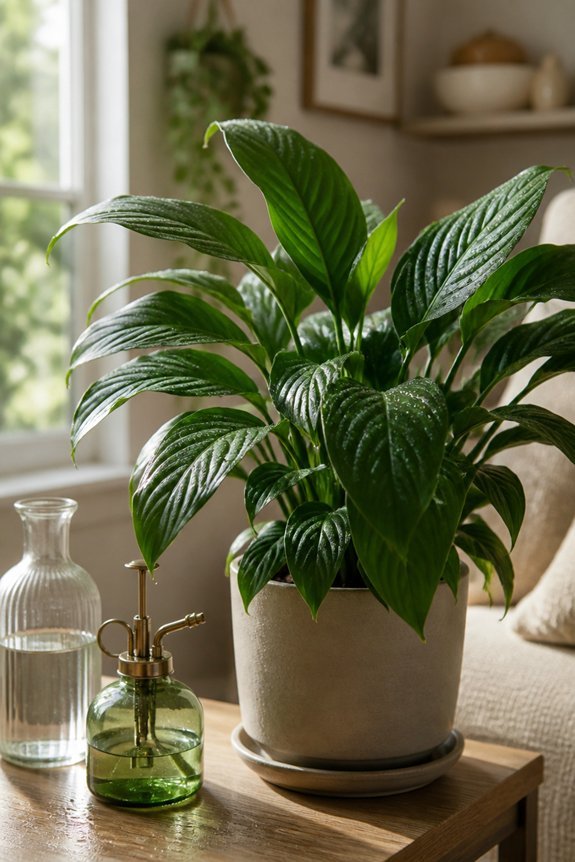
Winter heating strips moisture from the air. Your plants feel it. Leaves turn brown, curl up, and wilt. Most homes drop below 30% humidity in winter. Tropical plants need 40 to 60%. That gap hurts them.
Simple Ways to Help Your Plants
Cluster plants together. They share moisture and create a humid microclimate. Pebble trays work well too. Fill a tray with water and stones. Set pots on top. Roots stay dry while humidity rises around the leaves.
Bigger Solutions
Humidifiers keep whole rooms comfortable. They run steadily, so you don’t fuss much. Mist your plants if you like. Just know it helps only briefly. Bathrooms and kitchens hold more natural moisture. Ferns and orchids love these spots.
Provide Extra Light During Shorter Winter Days
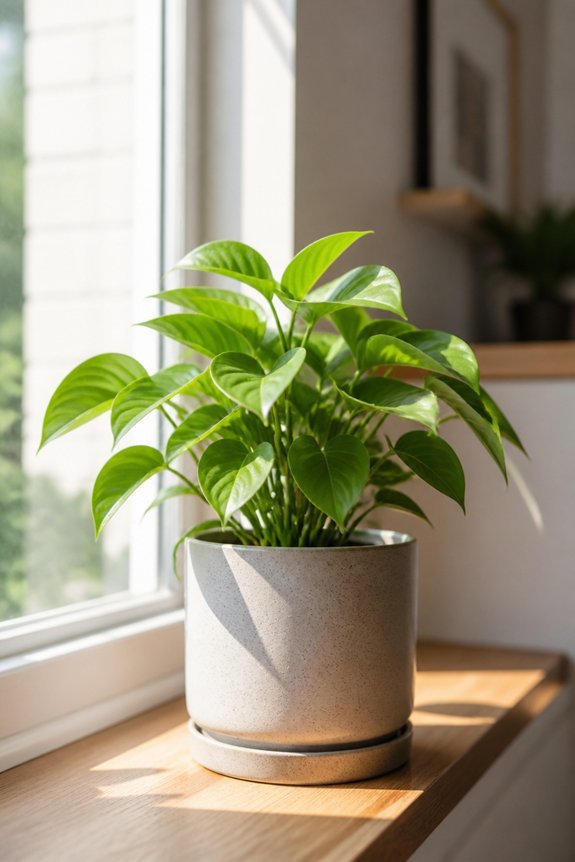
Plants struggle when winter days grow short. Less sunlight means less energy for photosynthesis. This leads to weak growth and dropped leaves in many species. Supplemental lighting can fill the gap.
South-facing windows catch the most winter sun. Place plants there when possible. Mirrors and light-colored walls help too. They reflect light back onto nearby foliage.
Plants farther from windows need grow lights. LEDs work best. They use less electricity than older options. They also provide the right light wavelengths plants need.
Most houseplants want 12 to 16 hours of light daily in winter. Timers make this easy. Set them once, and your plants get steady, reliable exposure.
Cluster Plants Together for Shared Warmth and Moisture
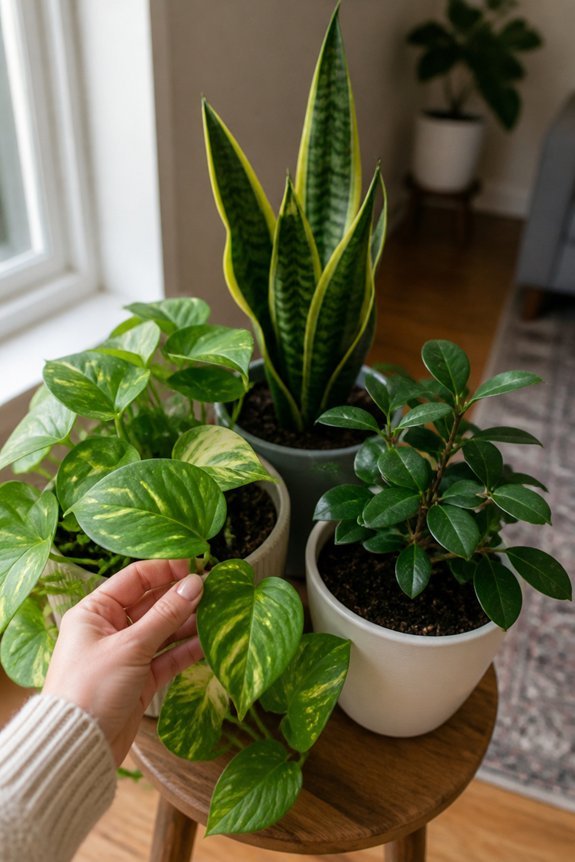
Cluster Plants Together for Shared Warmth and Moisture****
Grouping houseplants in close proximity creates a microclimate that benefits every specimen. Plants release moisture through their leaves via transpiration. This raises humidity around neighboring plants and reduces water loss from soil and leaf surfaces.
Clustering also provides thermal protection during cold winter months. Plants positioned together retain warmth more effectively than isolated specimens. Ferns, pothos, and peace lilies group particularly well. They tolerate similar humidity and temperature conditions.
Place taller plants toward the back and shorter ones in front. Guarantee adequate air circulation between clusters to prevent fungal growth. Space plants close enough to share moisture benefits. Keep them far enough apart that leaves do not touch continuously. This arrangement maintains humidity while reducing disease risk.
Inspect Weekly for Spider Mites and Mealybugs
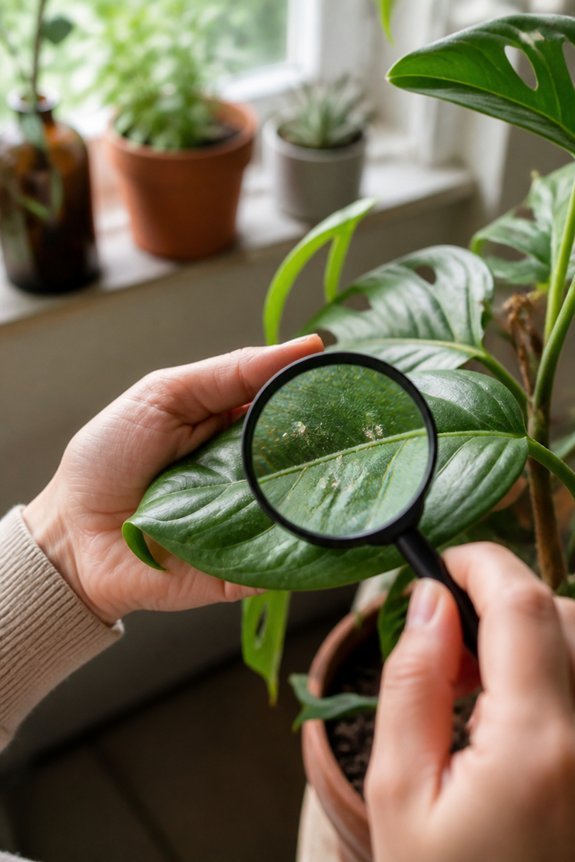
Why Winter Inspections Matter
Indoor winter conditions invite unwanted guests. Dry, warm spaces with limited light and airflow create perfect homes for spider mites and mealybugs. These pests multiply quickly when left unchecked.
What to Look For
Weekly checks catch problems before they spread. Examine leaf undersides, stems, and soil surfaces closely. Spider mites show up as tiny dots with fine silk threads nearby. Mealybugs appear as small cottony clusters hiding in joints and along leaves.
A magnifying glass helps with identification. Early signs include yellowing foliage, sticky residue, or stunted growth.
Acting Fast
Isolate any plant showing pests or damage immediately. This simple step keeps the rest of your collection safe. Regular monitoring through winter protects plant health and prevents serious harm.
Skip Fertilizer Until Spring: Here’s Why Winter Plants Rest
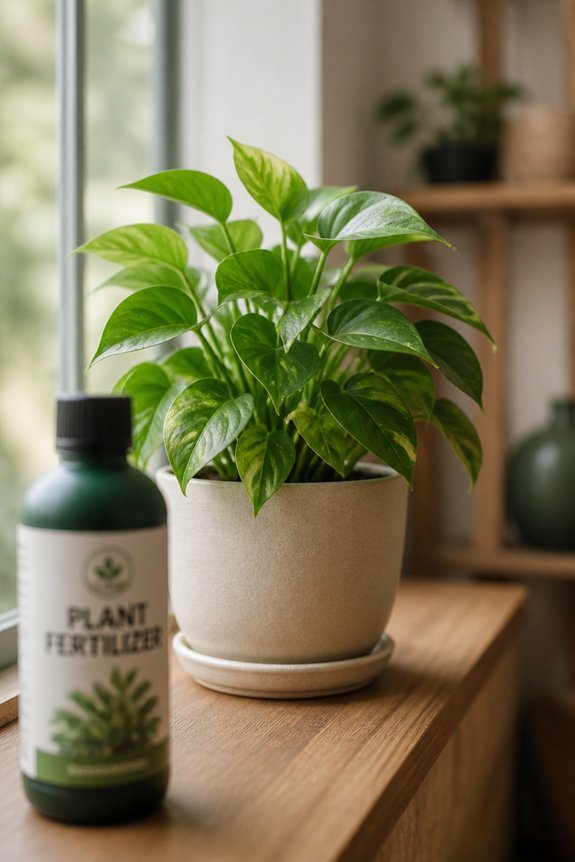
Dormancy shapes how houseplants function during winter months. Most indoor plants slow their growth considerably. They need fewer nutrients than in spring and summer.
Fertilizing dormant plants can cause salt buildup in soil. This damages roots and leaves over time.
Winter fertilizing creates several problems. You might see weak new growth, nutrient toxicity, or stressed plants. Reduced watering, lower temperatures, and minimal light mean plants cannot process nutrients effectively.
Wait until March or April instead. That is when growth naturally resumes.
Monitoring soil moisture matters more than feeding right now. Pothos, snake plants, and philodendrons enter dormancy reliably each year. Skipping fertilizer protects them from unnecessary stress during their natural resting phase.
Keep Your Home Consistently Warm (60°F Minimum)
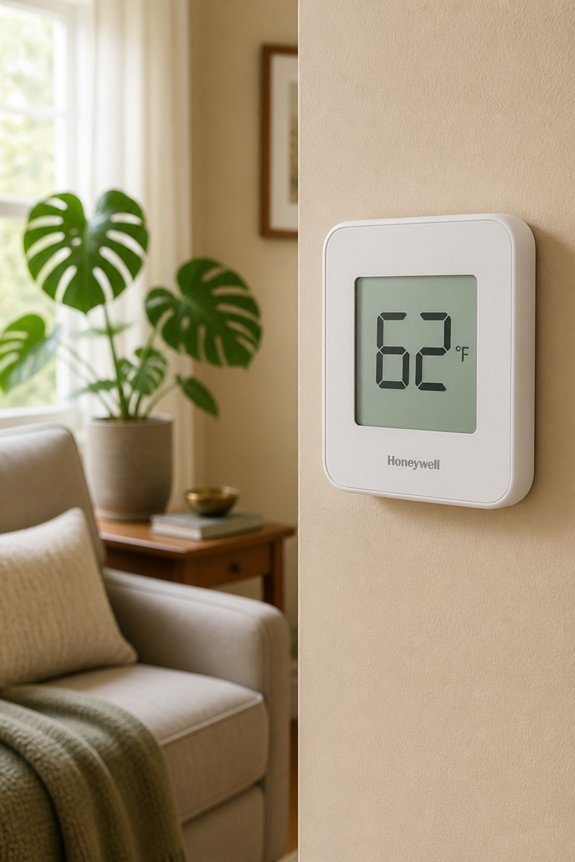
Keep Your Home Consistently Warm (60°F Minimum)
Most tropical houseplants come from warm climates. They struggle when temperatures drop below 60°F. Pothos, philodendrons, and snake plants all slow down in the cold. Their immune systems weaken too. This makes them easy targets for pests and disease.
Keep warmth steady throughout your home. Sudden temperature changes stress plants out. Check your thermostat regularly. Watch where you place plants in winter. Cold windows and drafty doors can harm them. Exterior walls are risky spots too.
Heating vents help, but hot dry air can crisp leaves. Position plants a few feet away instead. Grouping plants together traps warmth naturally. This creates a cozy microclimate they can share.
Some rooms stay warmer than others. Move tropical varieties to interior spaces if needed. A stable warm spot helps them thrive all winter long.
Repot Only in Early Winter: Never After November
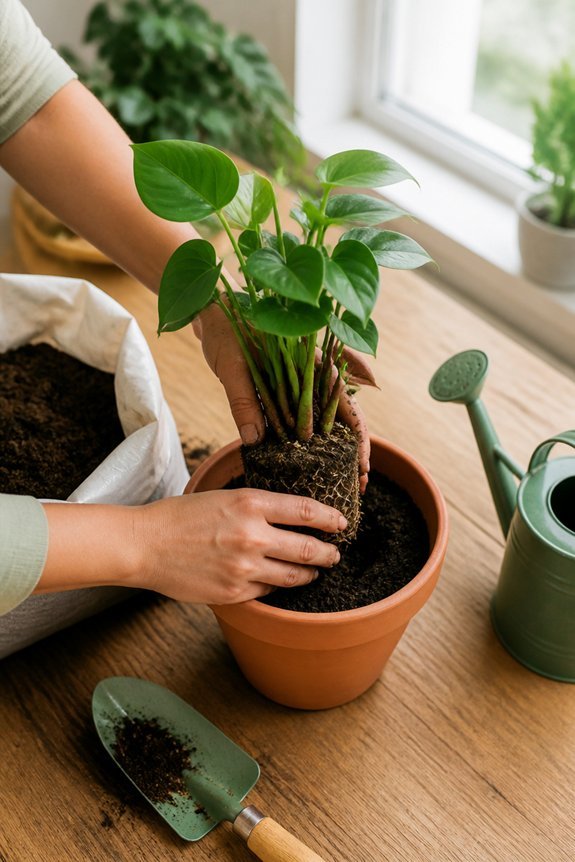
Early winter offers the best window for repotting. Aim to finish before November ends. After that point, plants start winding down for their dormant season. Disturbing roots then creates unnecessary stress they can’t handle well.
Dormant plants simply don’t have the energy to settle into fresh soil. Instead of growing new roots, they struggle just to survive. That’s when you see problems like root rot, yellowing leaves, or worse.
A November repotting gives plants time to adapt. Moisture finds its natural rhythm. Roots begin anchoring in their new home. Then they rest properly through the coldest months.
Wait patiently for true spring growth before repotting again. Your plants will thank you with healthier, more vigorous new leaves.
Dust Leaves Monthly to Help Them Absorb Available Light
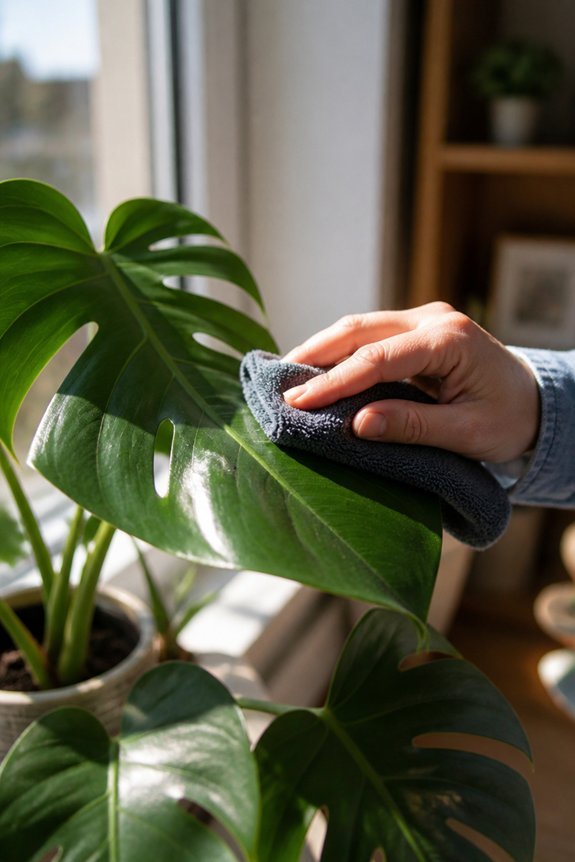
Why Dusting Matters
Dust builds up on leaves all winter long. This blocks sunlight and slows photosynthesis. Plants need every bit of light they can get during darker months. Clean leaves make a real difference for their health.
The Monthly Routine
Wipe each leaf with a soft cloth or sponge. Dampen it with distilled water. Hold the underside of the leaf gently with your other hand. This prevents tears or damage while you clean.
Good candidates for this care include pothos, snake plants, and philodendrons. They respond well to regular attention.
Special Cases to Consider
Fuzzy-leaved plants need a different touch. Use a soft brush on African violets instead of a cloth. Skip the commercial leaf shine products entirely. They clog pores and do more harm than good.
Position your plants near windows after cleaning. The combination of monthly dusting and smart placement keeps them thriving through winter.
Spot and Fix Common Winter Plant Problems (Yellowing, Wilting, Leaf Drop)
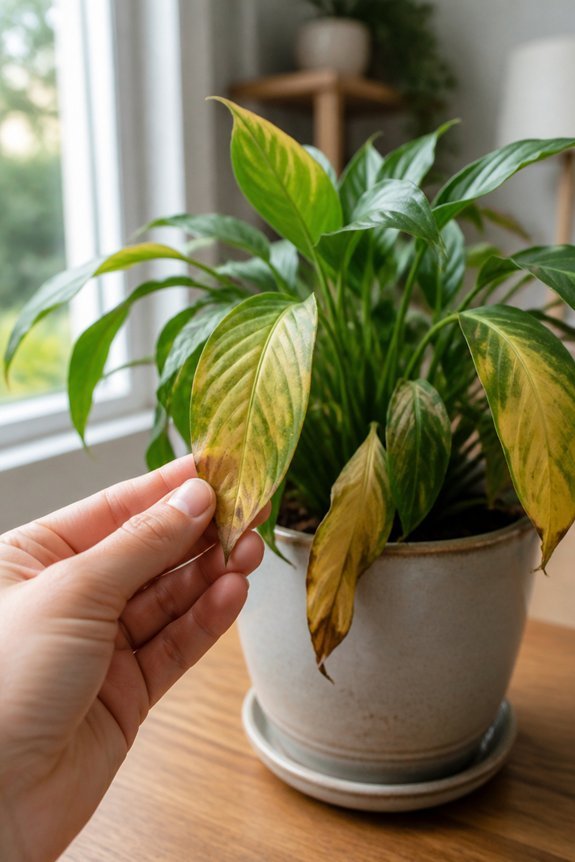
Yellowing Leaves
Yellowing often signals overwatering. Plants simply need less water in winter. Check soil moisture first. Push your finger an inch deep. If it feels dry, it’s time to water.
Wilting
Wilting usually means uneven watering or dry air. Boost humidity around your plants. Try misting them gently. Or set pots on pebble trays with water underneath. Both methods work well.
Leaf Drop
Dropped leaves happen when conditions shift too fast. Cold drafts and sudden light changes stress plants. Keep them away from heating vents. Avoid drafty windows and frequently opened doors. Steady temperatures between 65-75°F help prevent shock.
Weekly Care Tips
Inspect your plants each week. Catch problems early. Adjust watering routines as needed. Improve airflow in the room. Keep conditions stable all winter long. Your plants will thank you.
Frequently Asked Questions
Can I Move My Houseplants to Different Rooms During Winter?
Yes, houseplants can be moved to different rooms during winter. However, one should guarantee each new location provides adequate indirect light and maintains consistent temperatures away from cold drafts and heating vents for ideal plant health.
How Do I Know if My Plant Is Dormant or Actually Dying?
A dormant plant exhibits minimal growth with reduced watering needs and slower metabolism, while a dying plant shows yellowing leaves, soft stems, or foul odors. Dormant plants revive with spring warmth; dying ones deteriorate further.
Should I Prune or Propagate Houseplants During the Winter Months?
Pruning should be minimized during winter since most houseplants enter dormancy and heal slowly. Propagation is similarly inadvisable, as cuttings root poorly in low light and cold temperatures. Wait until spring.
What’s the Best Way to Acclimate Plants When Moving From Winter Indoors?
What happens when tender houseplants suddenly face outdoor elements? Gradual acclimation works best—introduce plants to brighter light, outdoor temperatures, and wind over two weeks, increasing outdoor exposure daily before permanent relocation.
Are Artificial Grow Lights Better Than Natural Window Light for Winter Plants?
Artificial grow lights provide consistent, controllable spectrum and intensity, making them superior for winter plant growth. However, natural window light remains beneficial when combined with supplemental lighting, optimizing photosynthesis during darker months.
Conclusion
Winter houseplant care requires adjusting watering schedules, maintaining humidity through pebble trays, and providing stable temperatures between 60-75°F. Plants are like ships steering through rough seas during winter months, needing protection from cold drafts and heating vents. Regular leaf dusting, clustered grouping, and supplemental lighting help plants survive seasonal challenges. Consistent monitoring for pests, yellowing, and wilting guarantees houseplants remain healthy through winter’s demanding conditions.