


Rare houseplants bring something extra to a room. Not just greenery, but real personality. A variegated Monstera or velvet-leaf Anthurium can become the quiet centerpiece your space was missing.
These plants stand out for good reason. Marbled patterns, dramatic veining, and neat, compact shapes catch the eye without trying too hard. They feel curated, like a small piece of living art you chose just for your home.
Collecting them is about more than looks. There is a gentle satisfaction in tracking down something unusual and learning exactly what it needs. The hunt itself becomes part of the appeal.
Finding reputable sources and budgeting for these varieties takes a little homework. Prices vary widely, and not every seller is equal. A bit of research upfront saves surprises later and helps you bring home something truly worth keeping.
Monstera Deliciosa Variegata: The Marbled Showstopper
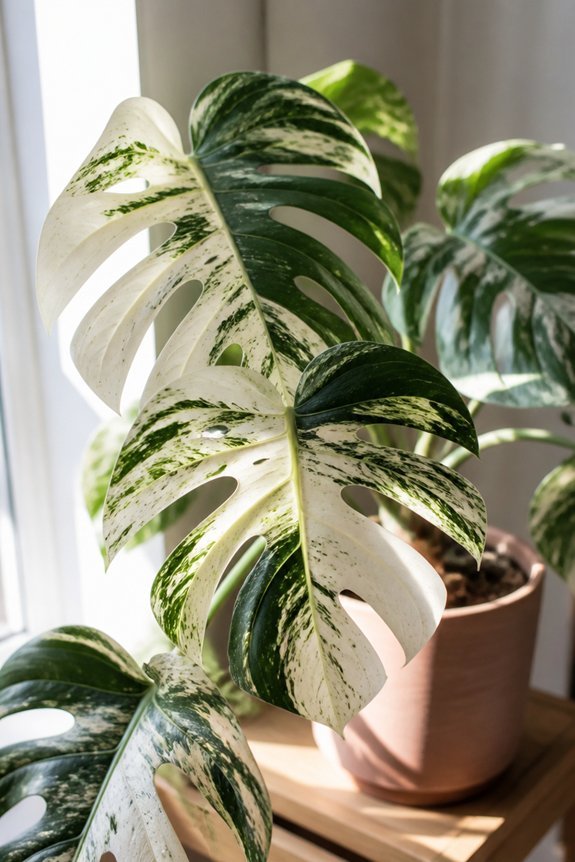
Variegation in plants means different colored sections on leaves. The Monstera Deliciosa Variegata shows this beautifully. It has white, cream, or yellow patches across dark green leaves. This creates a marbled look. Each leaf has random patterns. No two plants look exactly alike.
This plant likes bright, indirect light. Good lighting keeps the colors strong and vibrant. It grows best on moss poles or trellises. Mature leaves develop their famous split shapes. Keep the soil moist but never soggy. Drainage holes in the pot are a must.
Humidity matters for this tropical beauty. It also prefers steady temperatures between 65-75°F. Feed it regularly during spring and summer. This helps new leaves grow with bold, beautiful variegation.
Also read: 9 Kitchen Houseplants That Add Fresh Green Style
Anthurium Clarinervium: Dramatic Veining That Stops Conversations
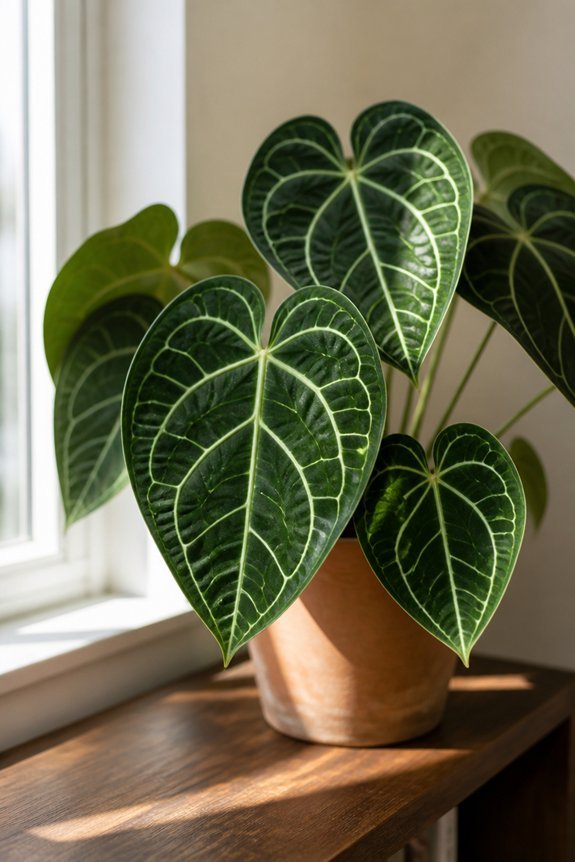
Dramatic white veins create striking patterns across the Anthurium Clarinervium’s dark green, velvety leaves. This tropical plant comes from Central and South America. It grows as an epiphyte on trees in its native habitat.
The plant typically reaches 12 to 18 inches in height. Its heart-shaped leaves display pale veining against deep forest-green foliage.
Light and Water
Bright, indirect light keeps this plant happy. Consistent moisture in the soil is essential. The potting mix should drain well.
Soil and Humidity
Combine peat moss, orchid bark, and perlite for the ideal blend. High humidity levels make a real difference. Weekly misting or a humidifier helps maintain moisture in the air.
Temperature and Food
Keep temperatures between 65 and 75 degrees Fahrenheit. Feed with balanced fertilizer during growing seasons.
Propagation
Stem cuttings root easily in moist media. This method works well for expanding your collection.
Syngonium Podophyllum Pink Splash: Soft Color, Bold Impact
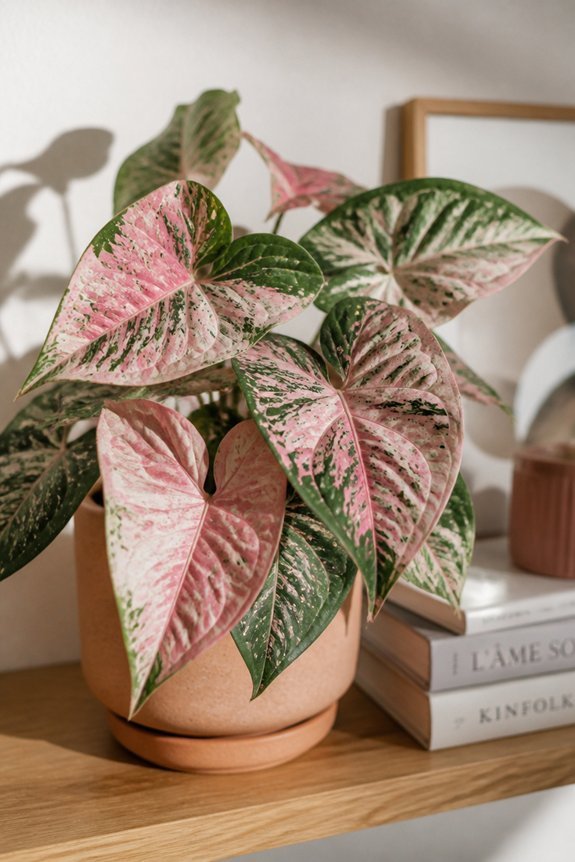
A Softer Take on Variegation
The Pink Splash trades the Anthurium Clarinervium’s bold white veins for gentle pink and cream tones. Its arrow-shaped leaves carry this soft coloration beautifully.
Light and Color
Moderate, indirect light suits this plant well. Brighter spots bring out deeper pink hues. It handles lower light better than most variegated plants, which opens up placement options. Offices and spaces with fewer windows work nicely.
Water and Humidity
Keep the soil lightly moist. Aim for damp, never soggy. Humidity around 60-70% keeps it happiest. A pebble tray or nearby plants help boost moisture in drier rooms.
Growth and Care
This is a climbing or trailing plant. Give it support and watch it reach 3-4 feet. Use a well-draining potting mix. Feed occasionally during spring and summer. Trim when it needs shape.
Propagation Made Simple
Stem cuttings root easily in water or soil. This forgiving nature makes it great for beginners.
Philodendron Gloriosum: Velvety Leaves Worth the Wait
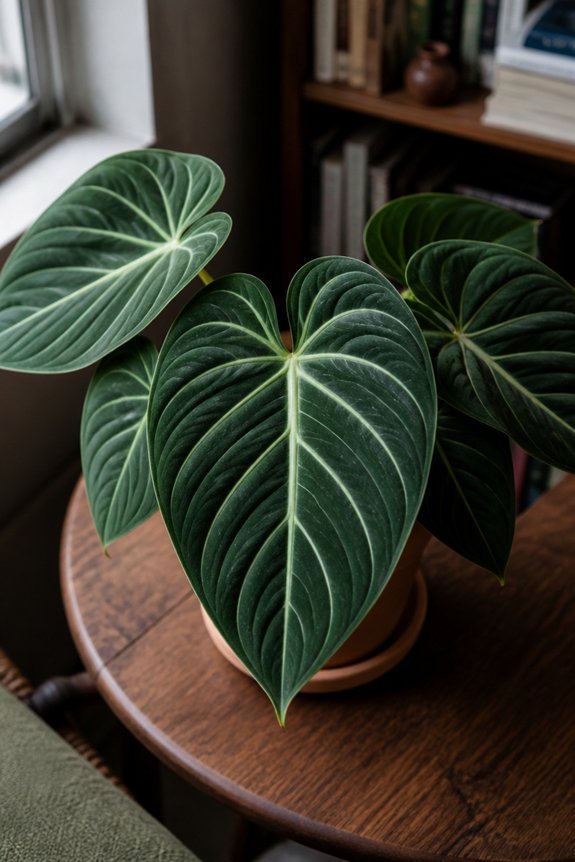
Philodendron Gloriosum stands out for its velvety leaves. They show deep green with white or pale pink veins. The contrast is eye-catching.
This plant grows slowly. Collectors need patience as it reaches full size. Mature leaves can stretch to 12 inches wide. They also take on a heart shape.
Light and Water
Bright, indirect light works best. Keep the soil moist but not soggy. Your Gloriosum will thank you for the balance.
Humidity and Support
Aim for 60-80% humidity. Moss poles help too. They let the plant climb naturally.
Temperature and Propagation
Keep temps between 65-75°F. You can propagate from stem cuttings in water or soil. Results vary, so don’t get discouraged.
Rhaphidophora Tetrasperma: The Compact Rarity That Packs Personality
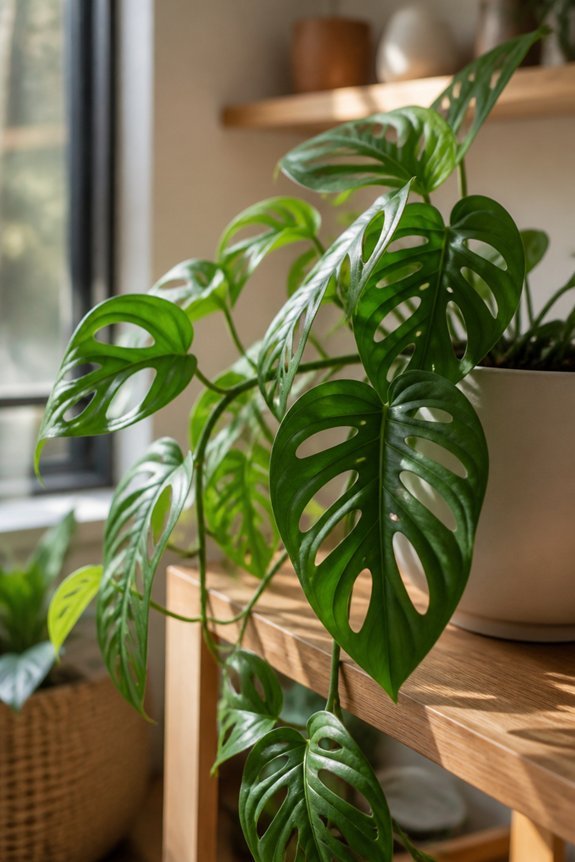
Philodendron Gloriosum needs patience and room to grow. Rhaphidophora Tetrasperma offers something different. This compact plant, often called Mini Monstera, has fenestrated leaves like its larger cousin. Yet it stays small at just 12 inches tall.
Light and Water
Bright, indirect light keeps this plant happy. Let the soil dry slightly between waterings. This simple routine prevents root rot and keeps leaves healthy.
Growth and Space
Rare plants often grow slowly. Not this one. Rhaphidophora Tetrasperma rewards collectors with steady, visible progress. Its small size fits perfectly on shelves, desks, or tight corners where bigger plants won’t go.
Support and Soil
Give it a climbing stake or moss pole. The plant loves to vine upward with proper support. Use well-draining mix with perlite or orchid bark. Moderate humidity completes the care picture.
Alocasia Azlanii: Metallic Shimmer in Low Light
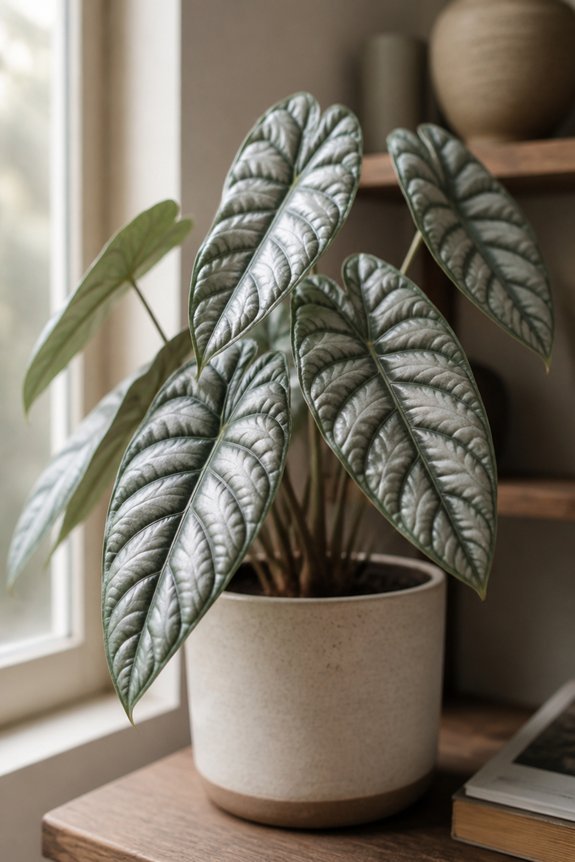
Alocasia Azlanii stands apart from other rare houseplants. Its metallic foliage catches the eye with deep green leaves and silvery-gray veining. A reflective sheen gives this plant its signature look.
Low Light Tolerance
This variety handles low light better than most Alocasia plants. It still prefers indirect brightness for the best results. Position it away from harsh direct sun.
Basic Care Needs
The soil needs to drain well. Mix peat moss, orchid bark, and perlite together for the right blend. Keep the moisture consistent but avoid waterlogging the roots.
Humidity between 60-80% keeps the plant happy. Room temperatures of 65-75°F work perfectly. The plant stays compact at 12-18 inches tall, so it fits small spaces easily.
Growing Your Collection
Propagate through rhizome division when repotting. Collectors love this plant for its unusual foliage and adaptability to interior spaces with limited light.
Scindapsus Pictus Argyraeus: The Polka-Dot Plant That’s Easier Than You Think
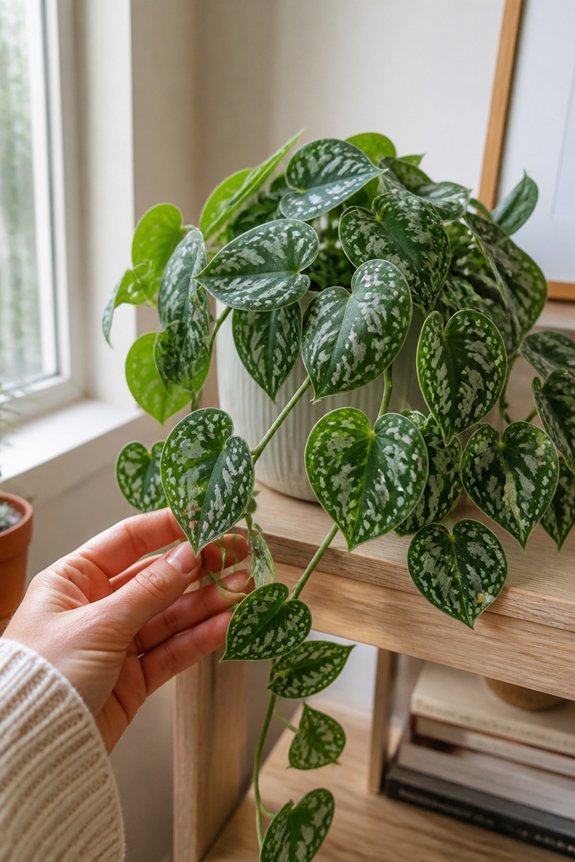
Why Collectors Love This Silver-Studded Vine
Scindapsus Pictus Argyraeus wins over plant lovers who want beauty without the hassle. It forgives missed waterings and handles average homes just fine. Those silvery spots on heart-shaped leaves catch the light beautifully. No grow lights or humidity trays needed here.
This trailing plant works perfectly in hanging baskets or draped from shelves. It takes lower light than most tropicals, though bright indirect sun brings out the best color. Keep the soil lightly moist and always use a well-draining mix. Root rot stays away when you avoid soggy conditions.
Simple Care Rounds
You can skip frequent repotting with this slow grower. Most plants want new homes only after a year or more. A light feeding during spring and summer keeps leaves lush and full.
Propagation takes almost no effort. Snip a stem cutting and root it in water or soil. Beginners gain confidence quickly with such forgiving, reliable results.
Dischidia Nummularia: Tiny Leaves, Massive Character
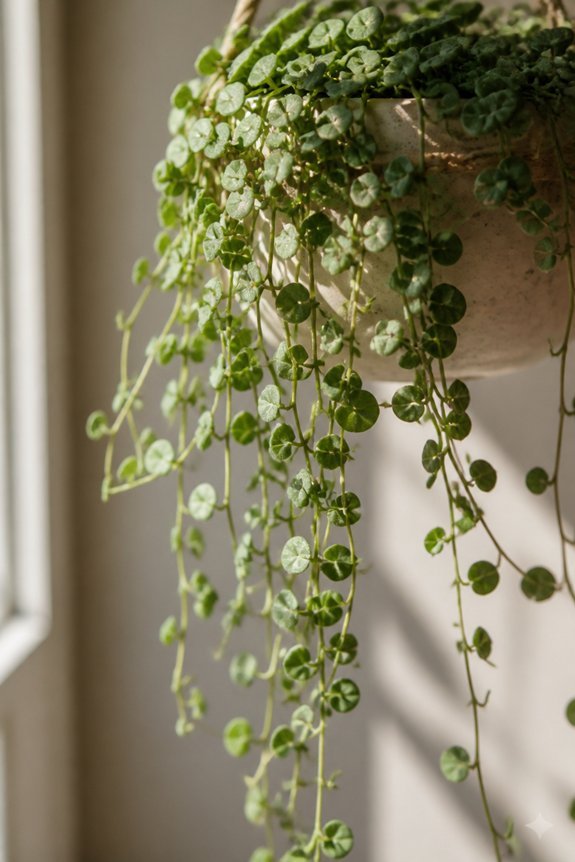
Dischidia Nummularia offers something special for plant lovers tired of the usual trailing options. Its tiny, coin-shaped leaves line delicate stems in a compact cascade. This growth habit works beautifully on shelves or in hanging baskets.
Light and Water Needs
Bright, indirect light keeps this plant happy. Water moderately and let the soil dry out between drinks. These simple habits prevent the most common problems new owners face.
Where to Place It
Humidity makes all the difference for Dischidia Nummularia. Bathrooms and terrariums suit it perfectly. The moisture in the air mimics its natural home.
Easy Care Perks
Stem cuttings root readily in water or damp soil. Spider mites may visit during dry spells, but overall pest pressure stays low compared to fussier houseplants.
Growth stays slow and steady. A little fertilizer during spring and summer suffices. Beginners and experienced collectors alike appreciate its forgiving nature.
Epipremnum Pinnatum: The Creeping Collector’s Dream
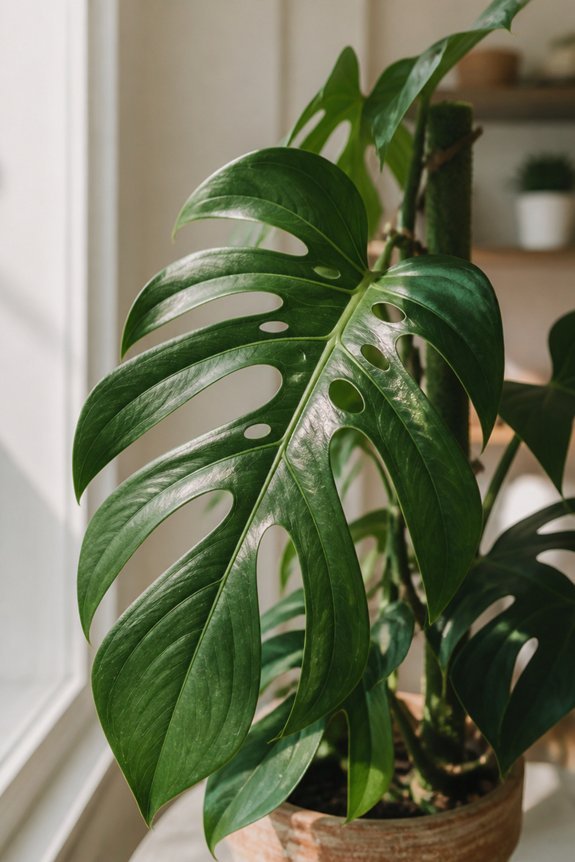
Epipremnum Pinnatum stands out among creeping vines. Its leaves develop splits and holes as the plant matures. These fenestrations resemble Monstera varieties. The vines grow rapidly with proper support. Moss poles or trellises help them reach several feet indoors.
This plant thrives in moderate, indirect light. Well-draining soil keeps its roots healthy. Water when the top inch of soil dries out. It tolerates low humidity but appreciates occasional misting. Collectors love its unique look and easy care.
Propagation is simple with stem cuttings. Root them in water or soil directly. The climbing habit works well for vertical spaces. Shelving arrangements also suit this versatile vine.
Hoya Carnosa Compacta: Sculptural Charm in a Slow Grower
Distinctive Form
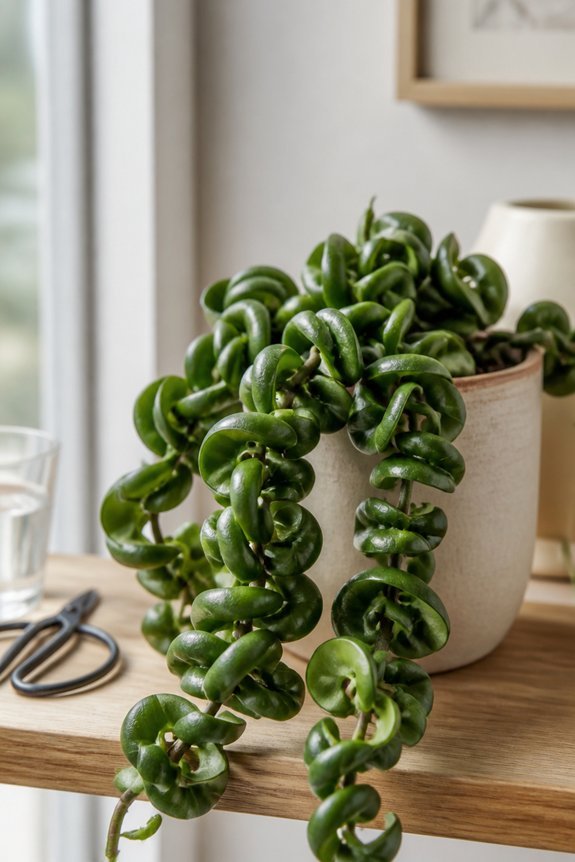
Hoya Carnosa Compacta stands out from other houseplants. Its waxy leaves curl inward in tight spirals. This creates a sculptural look that catches the eye. The slow-growing vine develops heart-shaped foliage with natural twists. You get visual interest from its unique form, not from rapid growth.
Growing Conditions
Give this plant bright, indirect light. Use well-draining soil mixed with orchid bark or perlite. Water when the top inch of soil feels dry. This usually means every two to three weeks. Overwatering invites root rot, so take care not to soak the soil.
Flowers and Placement
Mature plants reward patience with fragrant, star-shaped blooms. These flowers cluster in pink or white. Consistent care brings the best results. The compact size fits nicely on shelves, small tables, or in hanging baskets. Any space with proper light works well.
Where to Find These Rare Beauties (and What They Actually Cost)
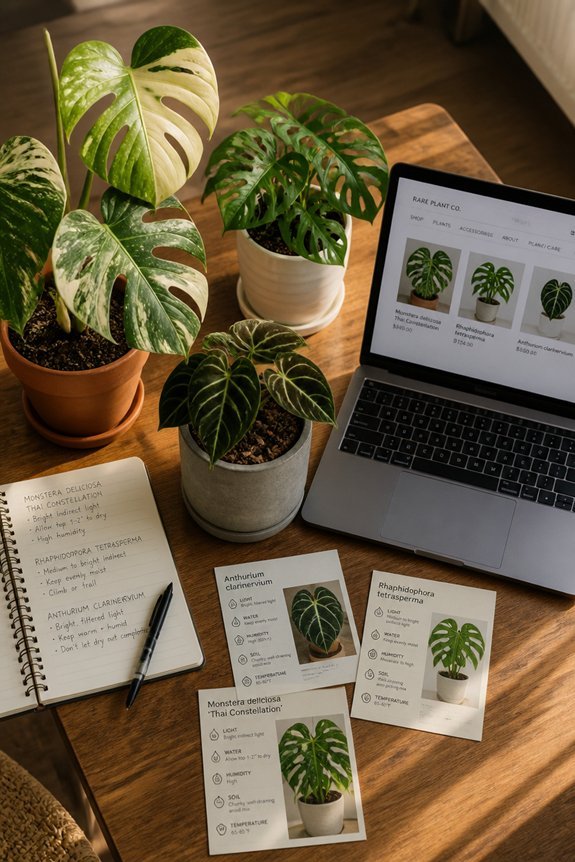
Finding Hoya Carnosa Compacta takes a bit more effort than grabbing common houseplants. Most big-box garden centers won’t have it in stock. Specialty nurseries are your best bet. These can be local shops or online stores that focus on rare and unusual plants.
Online marketplaces make the search easier. Etsy has individual sellers with curated selections. The Sill and Bloompape offer reliable options with quality guarantees. Local plant swaps and community groups can connect you with nearby growers. These often have healthy specimens at fair prices.
Pricing depends heavily on size and variety. Small cuttings usually run $15 to $30. Established plants with multiple leaves typically cost $50 to $100. Variegated versions are harder to find and often sell for $200 or more.
Shipping adds $10 to $20 to online orders. This cost disappears with local purchases. You also get to inspect the plant before buying. Always check seller reviews when shopping online. Established sellers with positive feedback deliver healthier plants and better customer service.
Frequently Asked Questions
How Often Should I Water Rare Houseplants, and Does Frequency Vary by Species?
Watering frequency for rare houseplants varies considerably by species, depending on soil moisture requirements, humidity preferences, and growth cycles. Most require watering when soil surface feels dry, typically weekly or bi-weekly, though some prefer drier conditions between waterings.
Can Rare Houseplants Tolerate Low Light, or Do They All Need Bright Indirect Light?
Rare houseplants vary greatly in light tolerance. Some species, like Philodendron varieties and certain ferns, adapt well to low-light environments. However, most rare plants thrive in bright indirect light for ideal growth and coloration.
What Is the Typical Lifespan of These Rare Houseplants With Proper Care?
Rare houseplants typically live 10-20 years with proper care, though some species can survive 30+ years. Longevity depends on species, environmental conditions, watering practices, and light exposure. Consistent care greatly extends their lifespan.
Do Rare Houseplants Require Special Fertilizers, or Can I Use Standard Houseplant Food?
One might assume rare houseplants demand specialized fertilizers, yet most thrive with standard houseplant food. Species-specific formulations occasionally benefit particular plants, but balanced, diluted regular fertilizer typically suffices for ideal growth and health.
How Long Does It Take for Rare Houseplants to Reach Their Mature Size?
Rare houseplants typically require 3-10 years to reach mature size, depending on the species. Some slow-growing varieties may take 15+ years. Growth rates vary considerably based on light conditions, humidity, soil quality, and temperature consistency in one’s environment.
Conclusion
Rare houseplants offer homeowners distinct visual appeal and engaging care experiences. According to recent data, plant collectors spend an average of 8 hours weekly on plant care and maintenance. These specimens, ranging from variegated Monsteras to sculptural Hoyas, provide tangible benefits through improved indoor aesthetics. Success requires understanding individual care requirements, sourcing from reputable retailers, and budgeting accordingly for acquisition and upkeep costs.