

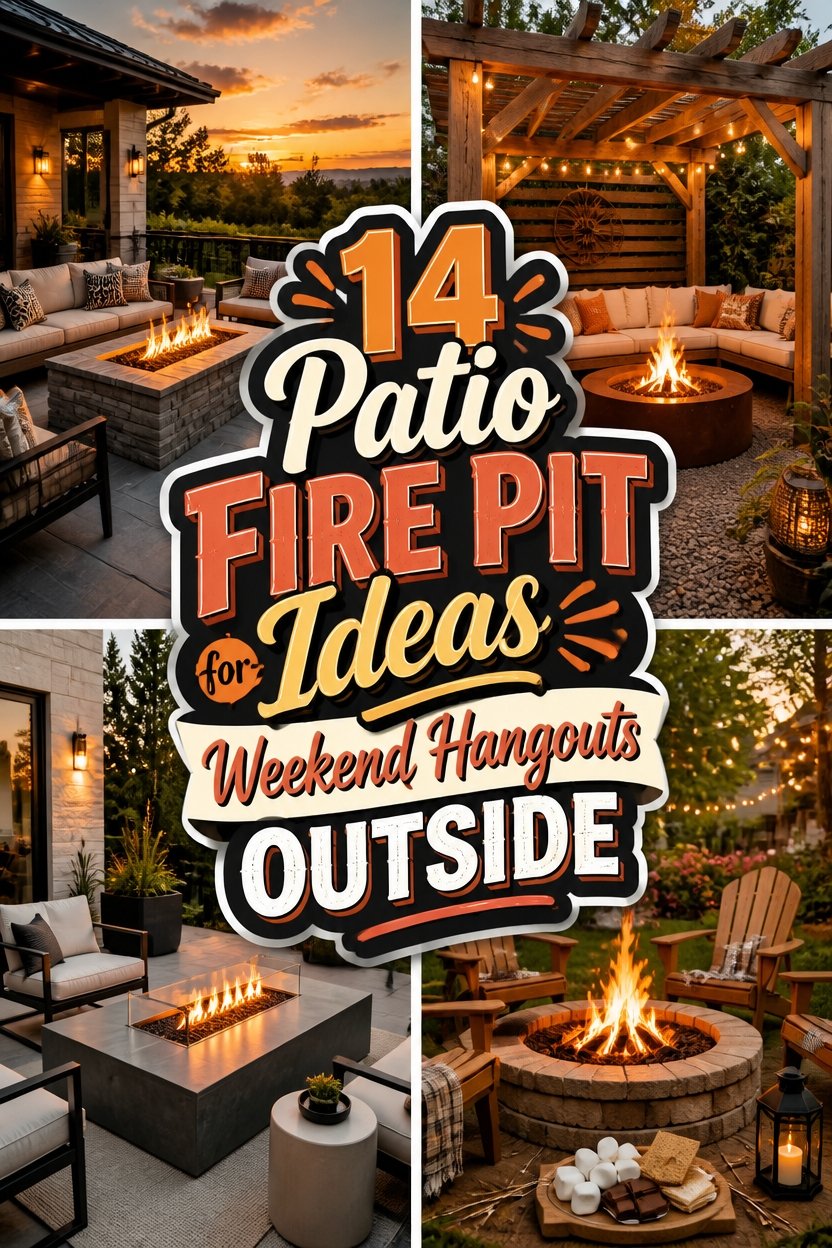
There’s something about gathering around a fire that turns an ordinary evening into a memory. A well-chosen fire pit anchors your patio and invites people to linger a little longer.
The options are wonderfully varied. Compact bowls tuck neatly into tight corners, while sunken designs with built-in seating create a permanent sense of place. Stone, brick, steel, and gas systems each bring their own character to the space.
Some setups demand more planning and upkeep than others. Size, installation, and how you actually use your outdoor area all shape which style makes sense for you.
Below, we look at fourteen approaches that work across different patios and party sizes. Each one balances beauty with the practical details that matter once the flames are lit.
Compact Fire Pit for Small Patios
Why Choose a Compact Fire Pit?
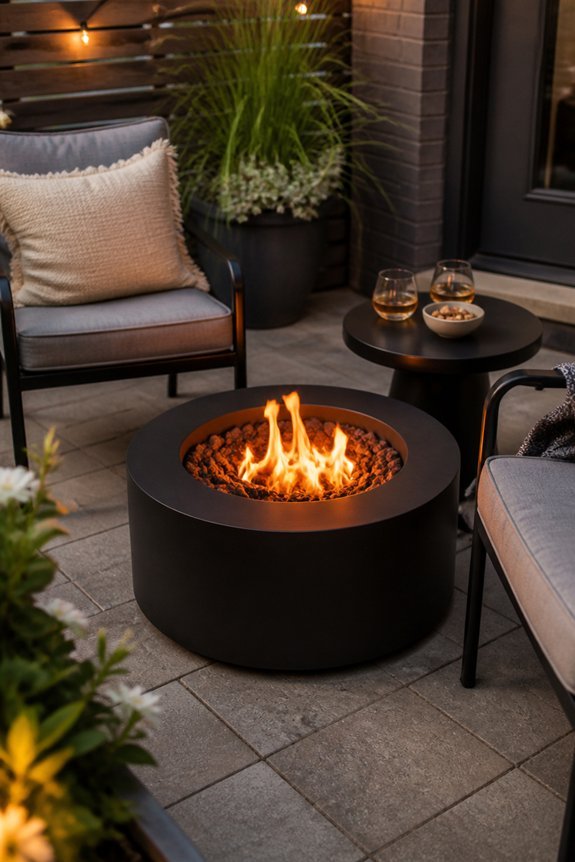
Small patios deserve big moments. A compact fire pit brings warmth and gathering space without crowding your outdoor area.
Most units measure 24 to 30 inches across. They tuck neatly into tight spots and never overwhelm your landscape.
Smart Design Options
Tabletop models save precious floor space. The Solo Stove Bonfire and Breeo TabletopXL move easily wherever you need them.
Rectangular shapes align beautifully with patio edges. Round designs nest perfectly into corners. Pick what suits your layout best.
Fuel and Features
Propane and natural gas models skip the ash cleanup. Wood-burning alternatives exist, but gas wins for convenience.
Steel builds last for years. Quality screens keep sparks contained and guests safe.
Before You Buy
Check your local fire codes first. Rules differ from town to town, so a quick call prevents headaches later.
These compact units host intimate gatherings while leaving room for furniture and easy movement around your patio.
Sunken Fire Pit With Seating Wall
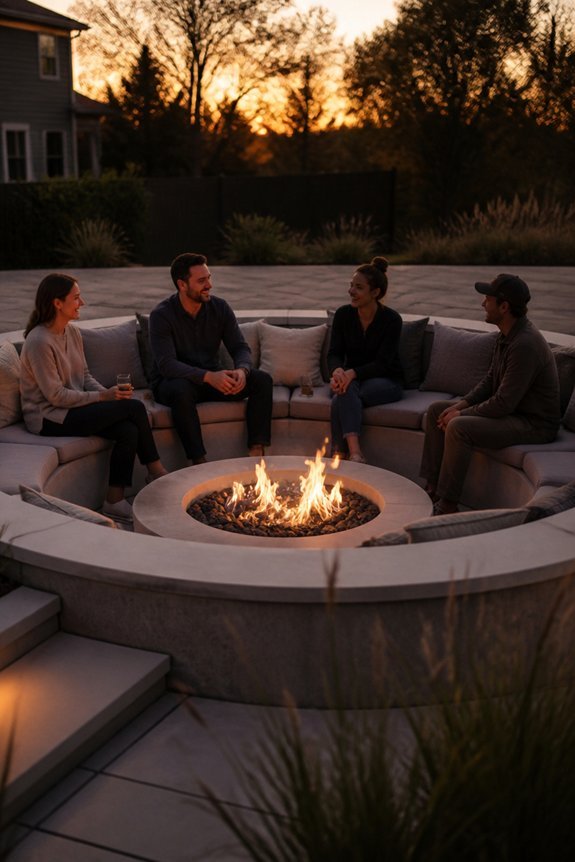
Sunken fire pits sit below ground level. This design offers better wind protection and improved sight lines. It also creates built-in seating that compact models cannot match.
People sit at roughly the same elevation as the fire. This enhances conversation and comfort. The space feels more intimate and natural.
A seating wall surrounds the pit for good reason. It contains the fire safely and prevents accidental falls. You also get comfortable seating without extra furniture.
Stone, brick, or concrete work well for construction. These materials handle heat and weather beautifully. Choose what matches your backyard style.
The sunken pit typically measures 2-3 feet deep. The diameter runs 4-6 feet across. This size works well for small gatherings.
The surrounding bench sits 16-18 inches high. It extends 18-24 inches deep. Several people can relax here comfortably.
Drainage holes at the pit base prevent water buildup. This simple feature keeps your fire pit ready for use.
Portable Tabletop Fire Pit
Mobility Meets Warmth
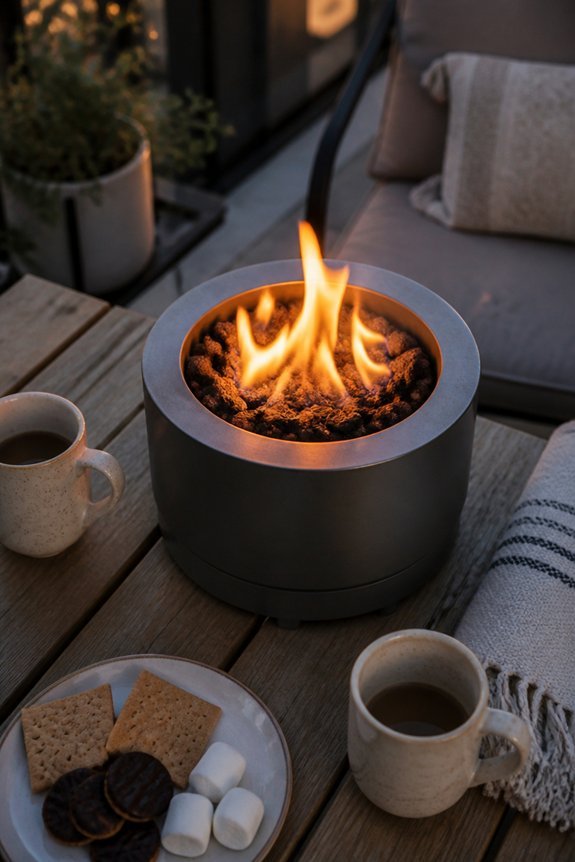
Tabletop fire pits bring flames wherever you need them. Unlike sunken designs, these units travel with you. They rest on existing surfaces without drills, permits, or construction.
Compact ethanol burners, gel fuel options, and small propane units dominate this category. Regal Flame and Solo Stove build sturdy models between $50 and $300. Most warm a cozy 10-foot radius. That’s enough for close friends and conversation.
Practical Benefits
Portability stands out as the main draw. Set one up in minutes. Store it away when summer ends. Move it from the patio to the deck as the evening unfolds.
Safety stays simple but essential. Keep flames clear of umbrellas, cushions, and tablecloths. Place units on stable, flat surfaces. Check fuel levels before guests arrive. A quick glance prevents mid-dinner surprises.
Classic Stone Ring Design
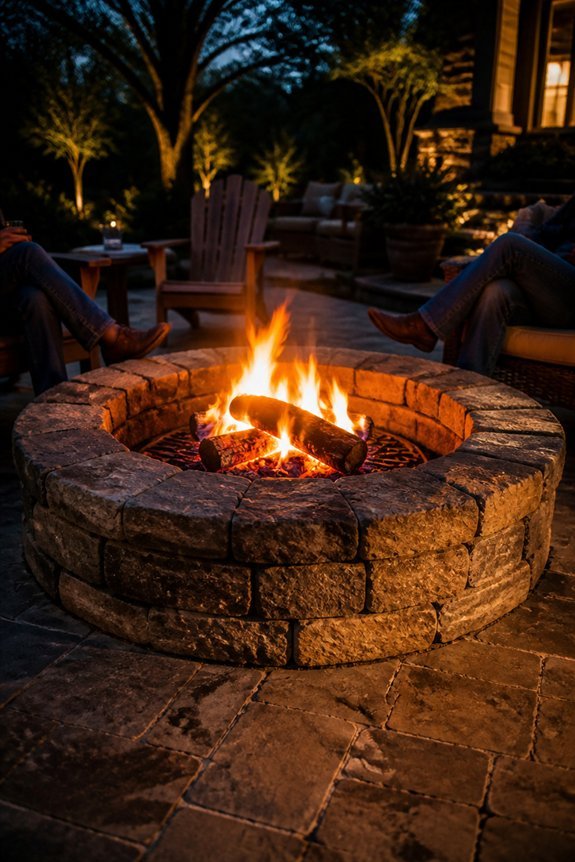
Stone rings are the traditional choice for outdoor fire gathering spaces. They use natural or cut stone to create a durable perimeter. Common materials include granite, limestone, and fieldstone. Each offers its own look and lifespan.
Stones are usually stacked 12 to 18 inches high. This height provides safety and clear visual boundaries. You’ll need a level base of compacted soil or gravel. Larger rings, about 8 to 10 feet across, fit more seating and wood storage.
Many homeowners add a metal fire ring insert or grate inside. This improves airflow and makes ash cleanup easier. Maintenance is simple: occasional cleaning and checking for loose stones. Stone rings handle weather well. They work great for permanent patio setups.
Built-in Brick Fire Pit
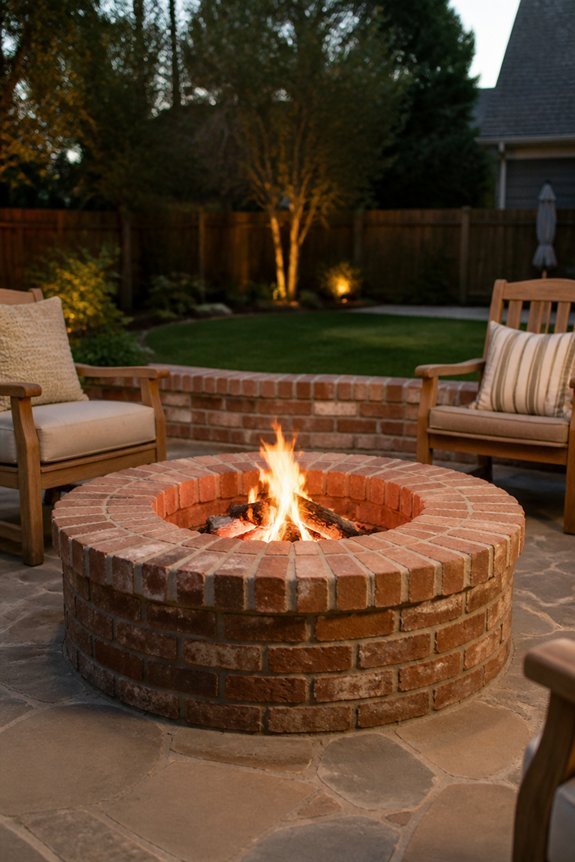
Many homeowners love brick fire pits for their durability and customizable design. Brick handles high heat and harsh weather far better than wood structures. You can install these directly into patios or ground-level areas to create lasting gathering spaces.
Most built-in brick fire pits range from four to six feet across. This size fits multiple people comfortably. The interior needs a metal fire ring or grate to contain flames and coals. Good drainage beneath the brick base prevents water buildup and helps the structure last longer.
Installation means laying bricks in circular patterns and securing them with mortar over a concrete base. You can choose brick colors and patterns that match your existing patio. These fire pits deliver reliable heat with very little upkeep compared to portable options.
Raised Deck Platform Design
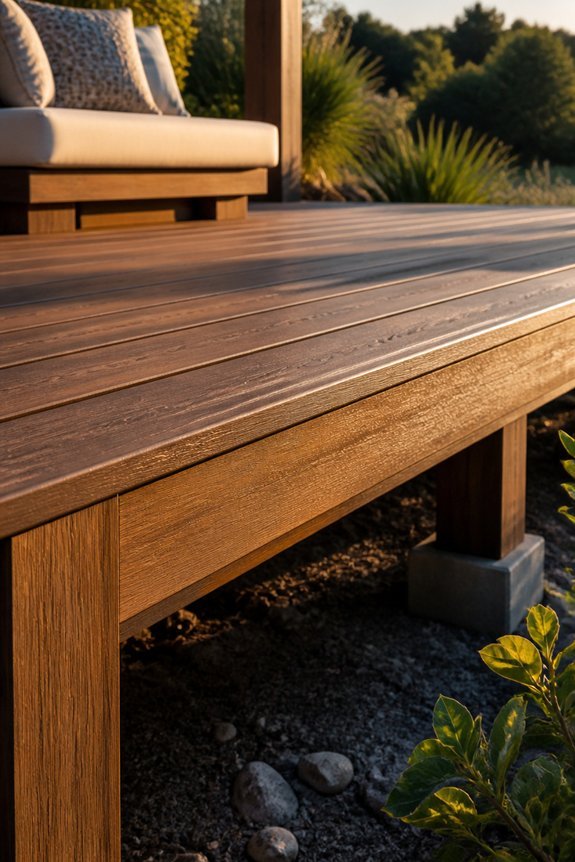
Elevated decks keep fire pits safely away from ground moisture and foot traffic. They work especially well on properties with drainage issues, uneven ground, or limited space at ground level.
Structural Support
Raised platforms need proper backing underneath. Pressure-treated lumber or composite materials rated for fire exposure work best here. Install reinforced framing directly beneath the pit location to spread weight across multiple support beams.
Clearance and Safety
Your deck surface needs breathing room from the fire pit. Plan for at least 10 to 12 feet of clearance to protect surrounding materials from heat damage. Don’t forget ventilation underneath the platform. This prevents heat from building up in enclosed spaces.
Material Choices
Composite decking holds up better against fire than standard wood options. It resists scorching and maintains its integrity longer under heat stress.
Professional Review
Always get a structural assessment before finalizing your plans. A professional can confirm your deck handles the extra weight and heat without issue.
Integrated Bench Seating Around the Fire
Built-In Seating Basics
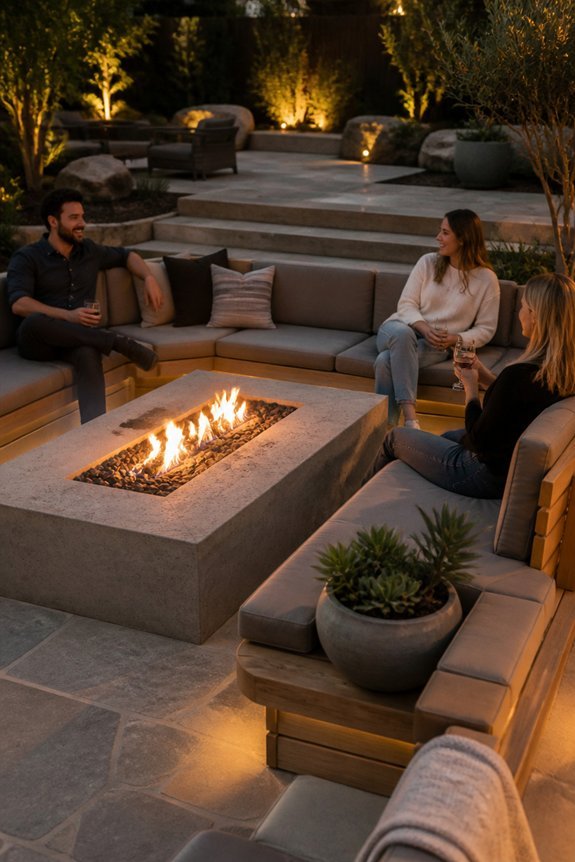
Built-in seating around your fire pit creates a natural gathering spot. It also makes the most of your patio space. Bench designs with storage underneath keep blankets and firewood close at hand. Cedar, composite wood, and stone each bring their own look and upkeep needs.
Arrangement Options
Curved benches follow the fire pit’s edge and help guests face each other. Straight benches suit rectangular patios better. Backrests add comfort for longer evenings. Keep benches 4 to 6 feet from the fire center for safety and room to move.
Design Benefits
Integrated seating removes the need for extra chairs. This cuts clutter and pulls the look together. Weather-resistant cushions add softness on cool nights.
Rustic Metal Drum Style
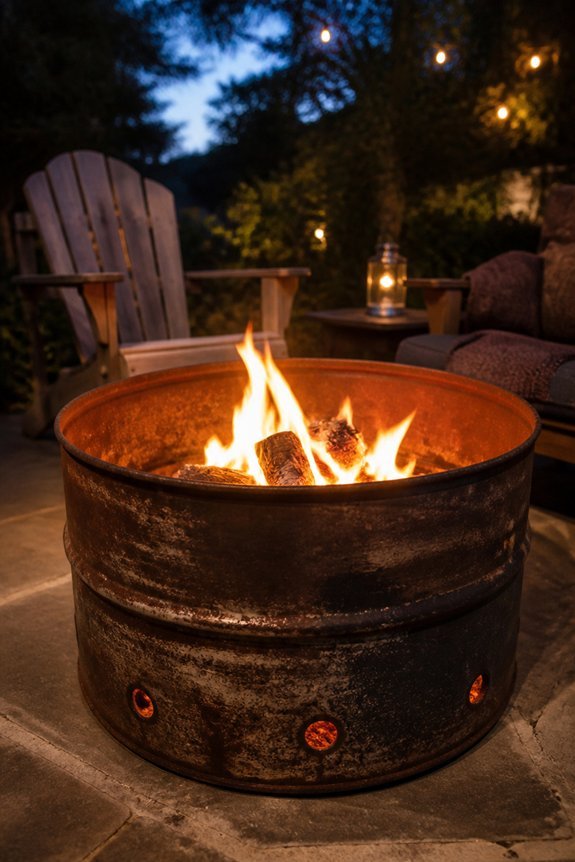
Metal Drum Fire Pits: Simple Heat for Your Backyard
Metal drum fire pits give you warmth and ambiance without fuss. Most come from repurposed steel barrels. The standard sizes run 30 to 55 gallons. Pick one that fits your patio and your crowd.
The rustic look blends right into outdoor spaces. You will not need extra decorations. These drums stand up well to the elements. A natural patina develops over time.
Setup and Placement
Place your fire pit on concrete, gravel, or another fire-safe surface. Check that the ground stays level. Keep it away from structures and low-hanging branches.
How They Work
Airflow holes near the bottom feed the flames. Oxygen circulates for steady burning. An interior grate holds your logs in place. Heat radiates outward evenly.
Easy Upkeep
After each use, scoop out the ash. Check for rust spots now and then. A quick coat of metal sealer stops corrosion before it spreads.
Why Homeowners Choose Them
Metal drums cost far less than stone or brick builds. You get reliable heat without the big investment. For budget-minded folks who love gathering outdoors, these fire pits deliver.
Modern Metal Fire Bowl
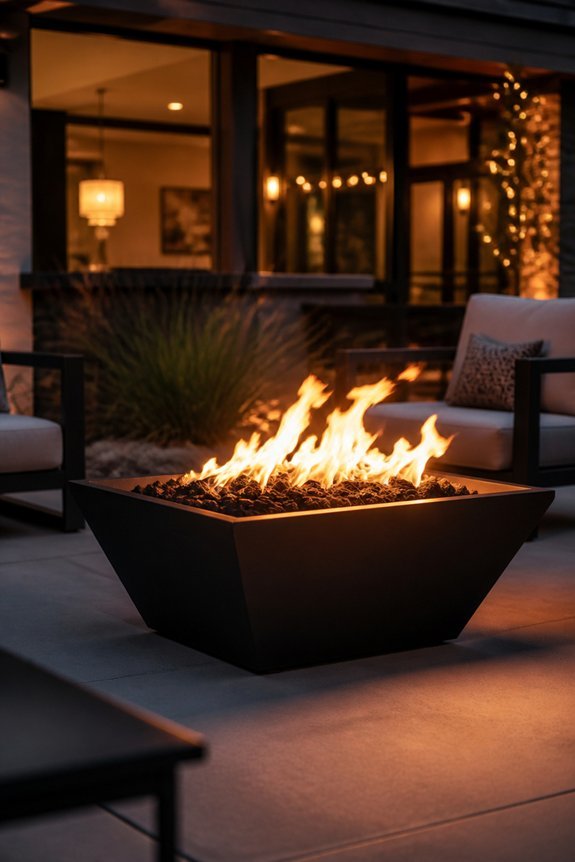
Metal drum fire pits keep costs low. Modern metal fire bowls elevate your outdoor space with clean lines and refined style.
These pieces feature minimalist construction and raised bases. They pair naturally with contemporary patios and decks. Stainless steel, powder-coated iron, and copper finishes create that polished look you’re after.
Fuel options stay flexible. Most designs handle wood or propane. Removable grates and ash collection systems simplify cleanup. Solo Stove and Tiki Brand lead the market with sizes ranging from 24 to 36 inches.
Setup requires no permanent installation. The compact footprint works well on smaller decks and balconies. You’ll find the sleek profile complements modern architecture far better than traditional alternatives.
Chiminea-Style Standing Pit
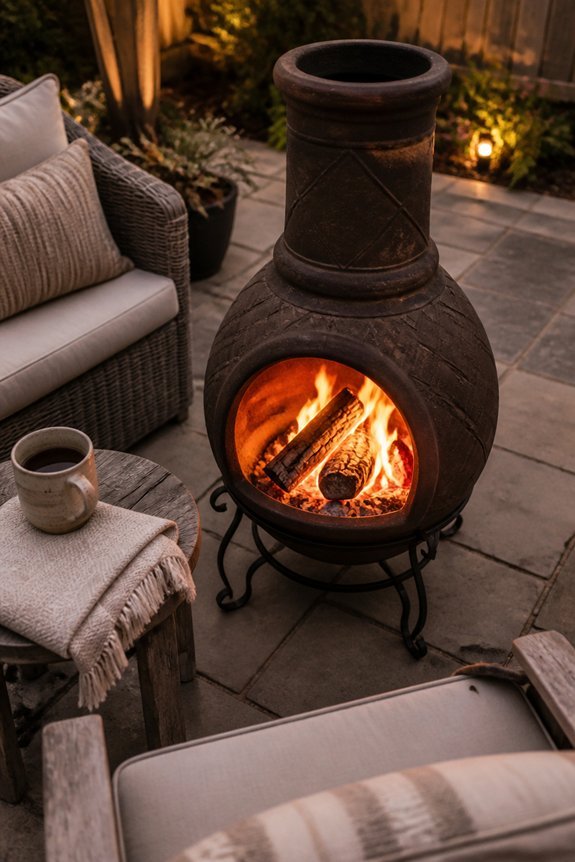
Chiminea-style fire pits stand out with their unique vertical shape. They guide smoke up and away through a narrow neck. Your guests stay comfortable with less smoke at ground level.
These freestanding units include a firebox at the bottom. The body is cylindrical or rounded, with an open top for flames. Most fit wood logs up to two feet long. That gives you enough burn time for a full evening outside.
You have solid material options to choose from. Cast iron models hold heat well and last for years. Traditional Mexican chimineas use this material. Steel versions weigh less and move more easily. Clay is another common choice.
The upright design needs little floor space. This makes chimineas a smart pick for smaller patios and cozy yards.
Natural Gas Fire Pit
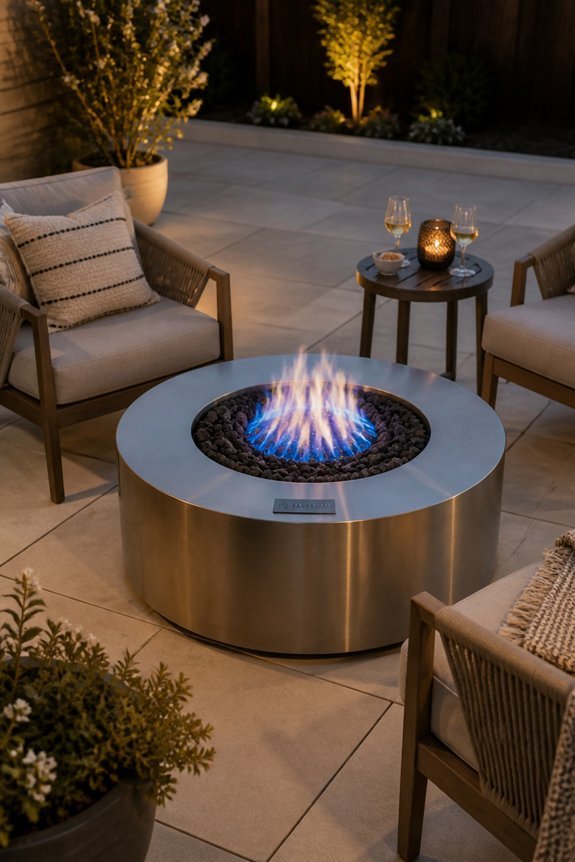
Natural Gas Fire Pits
Natural gas fire pits make outdoor heating simple. They connect right to your home’s gas line or a propane tank. No need to store wood or charcoal anywhere.
Starting your fire takes just a button press. Adjust the heat up or down whenever you like.
Cleanup stays minimal with these units. You won’t deal with ash or leftover debris. Many homeowners love that convenience.
Popular options include the Endless Summer line and Solo Stove Bonfire Pro. Both use strong steel and let you control flame height. Installation means running gas lines through your deck or underground.
Year-Round Use
These fire pits run efficiently in any season. Fuel costs will vary based on where you live. Check your burner parts now and then. A quick cleaning keeps everything working well.
Always allow proper airflow during use. This keeps your outdoor space safe for everyone.
Steel Mesh Basket for Quick Setup
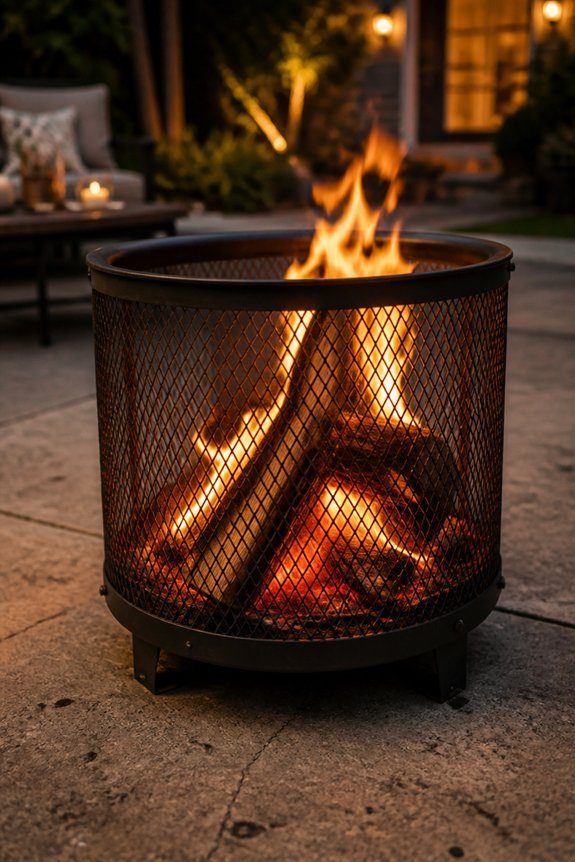
Steel mesh baskets give you a simpler option than gas-powered fire pits. You get faster setup and easier storage without the hassle.
These baskets work with firewood, charcoal, or wood pellets. You only need a flat spot and something to spark the flame. Popular picks like the Solo Stove Bonfire or Breeo Tabletop use solid steel with ventilation holes built in. The design feeds air through to cut down on smoke.
Sizes run from 12 to 24 inches across. This range fits small balconies or bigger patios alike.
Setup stays straightforward. Set the basket on a fire-safe surface, load your fuel, and light it up. When finished, let it cool. Then fold or stack it away. Most tuck neatly into corners or closets.
Cleanup means dumping ash and wiping the inside now and then. No gas lines to install. No tanks to refill. Just portable, budget-friendly fire pit warmth whenever you need it.
Gravel Surround With Loose Seating
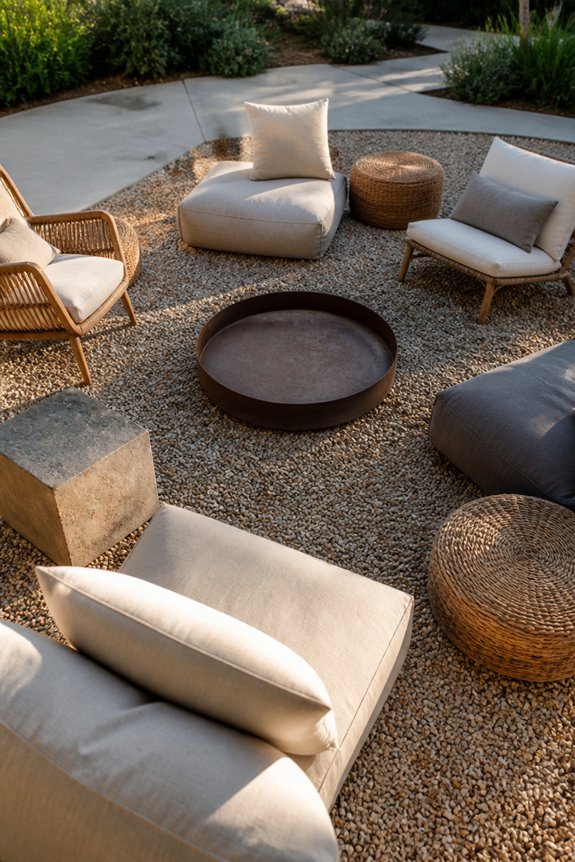
A gravel surround creates a practical foundation for fire pit seating. It offers safety and flexibility without permanent installation.
Loose stones absorb heat and prevent grass fires. They also define your gathering space nicely. Pea gravel or crushed granite work best here.
Seating Options
Portable lawn chairs fit well in this setup. Folding camping seats move easily too. Try wooden benches for a sturdier feel. Outdoor cushions on blankets add casual comfort.
Depth and Drainage
Two to three inches of gravel handles heat and water well. This depth keeps everything manageable.
Flexibility
You can shift seating around for different group sizes. No concrete pads needed. No permanent structures required.
Upkeep
Rake the gravel occasionally to keep it looking tidy. Heat spreads more evenly this way too. Add fresh gravel once a year. Clear away debris as it appears.
Multi-Seating Pit for Large Groups
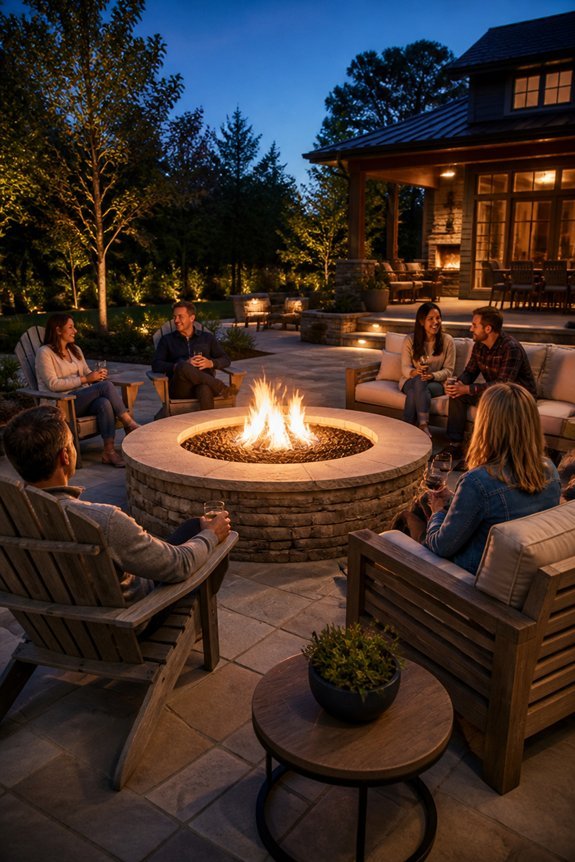
A multi-seating fire pit needs careful planning for bigger gatherings. Built-in benches around the perimeter seat eight to twelve guests comfortably. Stone, brick, or composite wood hold up well against weather. Add cushions and backrests for longer, more relaxed evenings.
Flexible arrangements work too. Try a larger central pit with lounge chairs or Adirondack seats you can move around. Leave enough room for safety near the flames. Keep seats close enough for easy conversation.
Ground-level pits suit groups naturally. Elevated pit tables cut down on bending and give you space for snacks and drinks. Good ventilation keeps smoke away from your guests.
Frequently Asked Questions
What Safety Precautions Should I Take Before Installing a Fire Pit on My Patio?
One should guarantee adequate clearance from structures and trees, check local building codes and permits, use a fire-resistant base, install on level ground, keep a fire extinguisher nearby, and establish a designated safety perimeter for guests.
How Do I Maintain and Clean My Fire Pit for Longevity and Optimal Performance?
One should regularly remove ash and debris after cooling, inspect for rust or damage, apply high-temperature paint annually, and cover the pit when unused. Proper drainage prevents water accumulation and extends the structure’s lifespan considerably.
What Are the Local Permits and Regulations Required for Residential Fire Pit Installation?
Maneuvering permit requirements is like threading a needle—homeowners must contact their local building department to verify setback distances, obtain written approval, and confirm whether inspections are mandatory before installation proceeds.
Which Fuel Type Is Most Cost-Effective and Environmentally Friendly for Outdoor Fire Pits?
Wood remains the most cost-effective fuel option, while natural gas or propane offer environmental advantages through cleaner burning with fewer emissions. Hardwoods like oak provide superior heat efficiency and longer burn times compared to softwoods.
How Can I Weatherproof My Fire Pit During Winter Months and Off-Season Storage?
One might assume fire pits require minimal maintenance, yet proper weatherproofing proves essential. Covering the pit with a fitted tarp, applying rust-resistant sealant, and storing it in a dry location prevents deterioration during winter and off-season periods.
Conclusion
Patio fire pits present practical possibilities for weekend gatherings, whether homeowners prefer compact, portable, or permanent placements. Stone rings, brick builds, and metal models meet various needs, sizes, and budgets. Seating solutions, safety surrounds, and strategic spacing support comfortable congregations. Natural gas options offer convenient, clean combustion, while traditional wood-burning designs deliver classic charm. Selecting suitable styles guarantees satisfying outdoor spaces for socializing, relaxation, and recreation throughout seasons.