


Living room corners are notoriously tricky to style. They collect shadows, get ignored during waterings, and somehow become the home of whatever furniture won’t fit elsewhere.
The right plants turn these neglected spots into quiet focal points. Low light and irregular care schedules aren’t problems for the right species. They’re simply conditions some plants evolved to handle beautifully.
Pothos, Snake Plant, and ZZ Plant are the reliable workhorses here. They ask for little and give back lush, sculptural presence in return.
For something with more height or air-clearing benefits, Peace Lily, Rubber Plant, and Parlor Palm step in gracefully. Choosing comes down to your light situation, your aesthetic, and how much attention you realistically have to give.
Pothos: Low-Light Trailing Plants Made Easy
Why Pothos Love Low Light
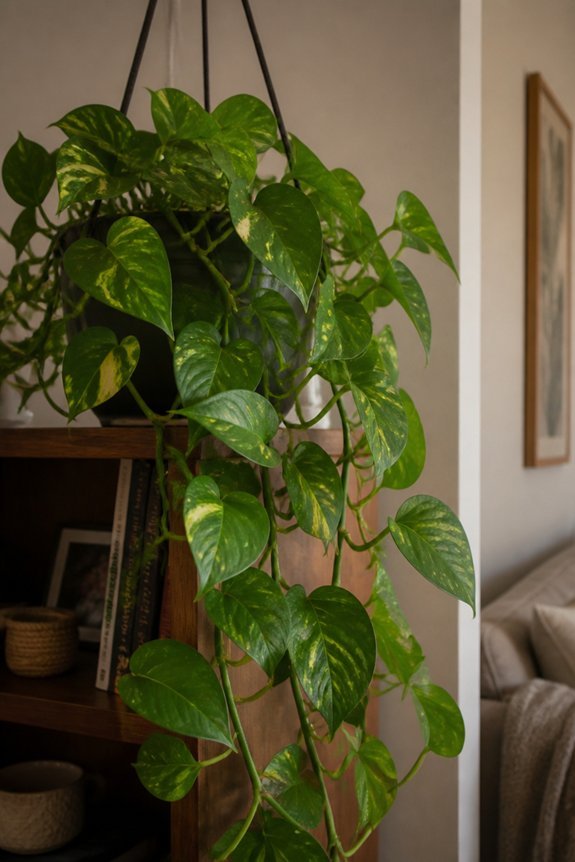
Pothos plants thrive in corners where light is limited. They make reliable choices for dim living room spaces. These trailing vines tolerate low-light conditions better than most houseplants. Growth does slow in shadowy areas, but the plant stays healthy.
Easy Care Basics
Pothos features heart-shaped leaves, typically green. Some varieties display white or yellow markings. The plant adapts well to irregular watering schedules. Check the soil with your finger. Water only when it feels dry to the touch.
Growth and Display
These plants grow quickly once established. Long vines spill beautifully from hanging baskets. They also suit shelves or climbing moss poles. You can trim them back anytime to control their shape.
Popular Varieties
Golden Pothos shines with yellow variegation. Marble Queen offers striking white and green patterns. Both bring life to darker spots in your home.
Simple Tips for Success
Feed your Pothos during spring and summer for healthy growth. Good drainage prevents root rot, so pick pots with holes. These plants stay happy between 60 and 85 degrees. Most homes suit them perfectly.
Also read: 9 Kitchen Houseplants That Add Fresh Green Style
Snake Plant: The Unbeatable Low-Light Champion
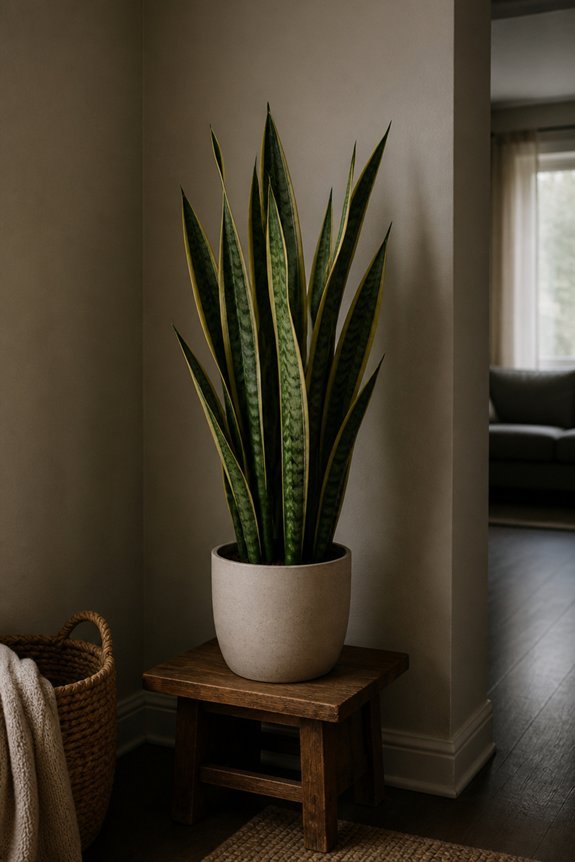
While Pothos plants handle low light well, snake plants take shade tolerance even further. Also called Sansevieria, they thrive in dim corners and adapt easily to different room conditions. Their upright, sword-shaped leaves come in green or variegated patterns.
These plants need water only occasionally. Let the soil dry completely between waterings, usually every three to four weeks. Root rot from overwatering is the main thing to watch out for.
Growth stays slow in low light, but the plants remain healthy and stable. They handle temperature swings and neglect better than most options. Popular varieties include Laurentii with yellow edges and Moonshine with pale gray-green leaves. Corners suit them perfectly since they need so little attention.
How to Choose Your Corner Plant: Light, Style, and Care Needs
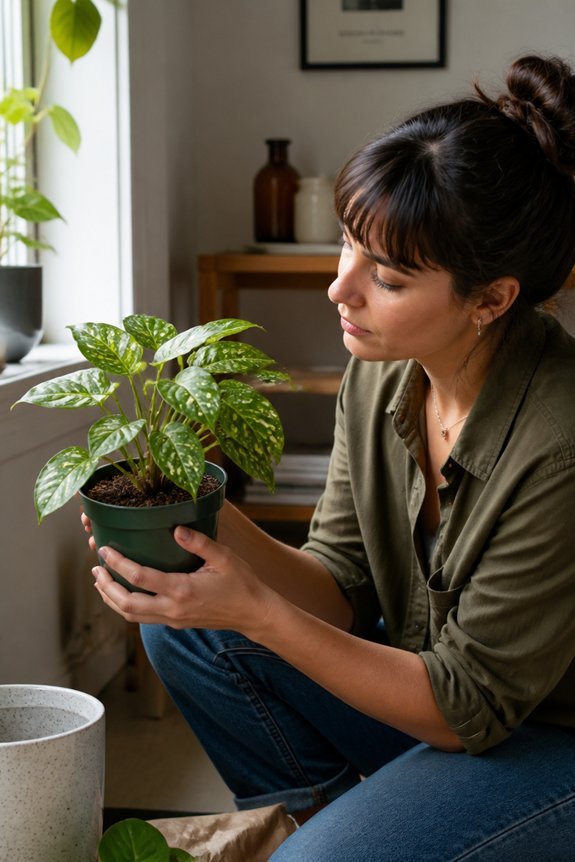
Choose a plant that fits your light, style, and schedule. These three factors keep your plant happy and your home looking great.
Check Your Light
Watch your corner throughout the day. Does sun stream directly in? Is the light bright but filtered? Or is it fairly dim? Match your plant to what you actually have. Snake Plants tolerate low light. Fiddle Leaf Figs need bright, indirect sun.
Match Your Style
Think about the space you want to fill. Tall plants like Dracaena add height to empty vertical areas. Trailing plants like Pothos look beautiful on shelves or hanging planters. Compact varieties such as ZZ Plants work well in tight spots.
Be Honest About Care
Low-maintenance plants like Snake Plants forgive missed waterings. Medium-care options like Philodendron need regular attention but bounce back from slip-ups. High-maintenance plants such as Calatheas demand precise humidity and feeding. Pick what you can realistically handle.
When these three factors align, your plant thrives. Your corner looks complete. And your routine stays manageable.
ZZ Plant: Glossy Leaves for Neglected Spaces
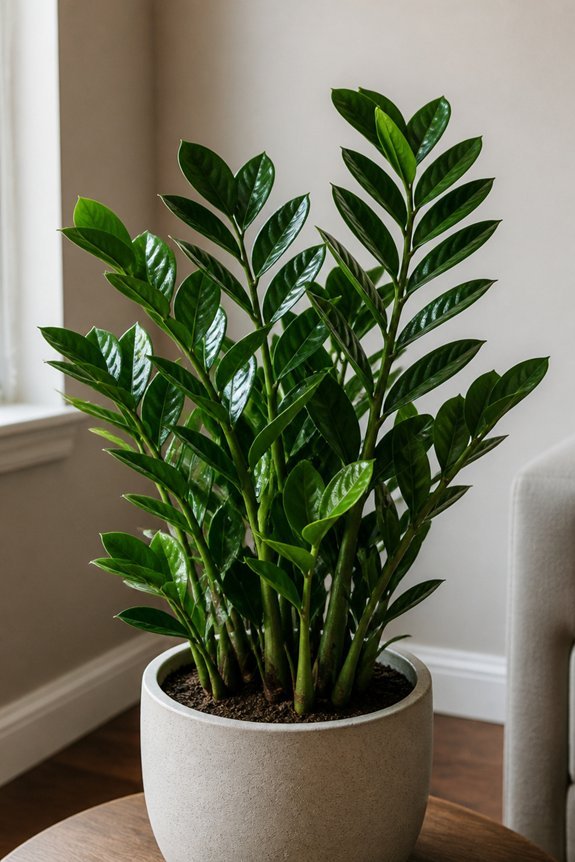
The ZZ Plant is one of the most forgiving houseplants you can find. It fits perfectly in corners that get little attention or light.
This plant handles low to moderate indirect light with ease. Other species might struggle in these conditions, but the ZZ keeps its waxy, glossy leaves vibrant. You only need to water every two to three weeks.
Growth is slow and steady. Over several years, it reaches three to four feet tall. Average indoor temperatures and humidity suit it fine. No special equipment needed.
Watch for yellow or brown leaves. This usually means overwatering, the main thing to avoid. Repot once a year, or when roots peek through drainage holes.
Its low maintenance needs and good looks make it perfect for neglected spaces.
Philodendron: Heart-Shaped Charm in Shade
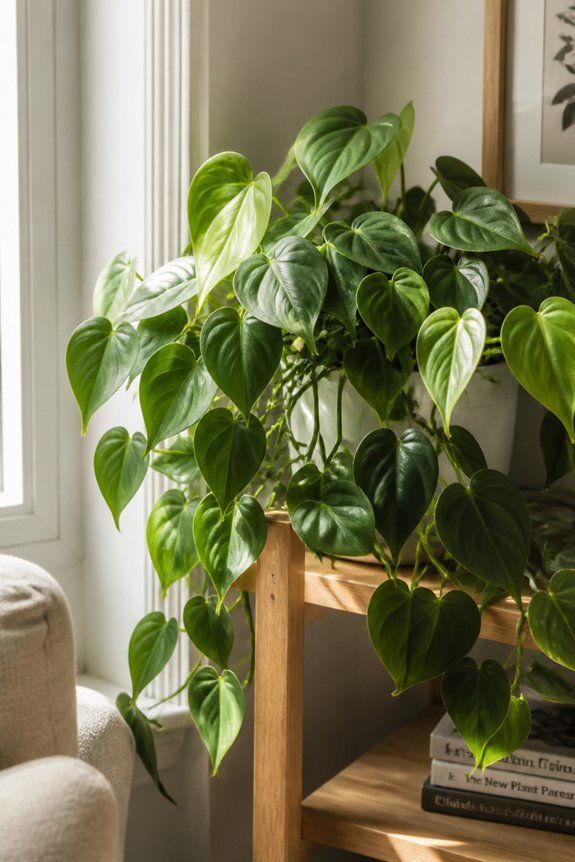
The Philodendron thrives where many plants struggle. It flourishes in low light corners with heart-shaped leaves that bring simple beauty to dim spaces.
Care is refreshingly simple. Water only when the soil feels dry to your touch. It prefers indirect light and temperatures between 65-80°F. Busy schedules or beginner uncertainty? This plant forgives both.
Popular varieties include Heartleaf and Brasil. The Brasil offers variegated foliage for extra visual interest. Growth stays slow in shade, so repotting comes just once every year or two.
Vines grow long over time. Train them up moss poles or let them trail from shelves. This flexibility suits many room layouts and corner setups.
Cast Iron Plant: Nearly Indestructible Growth
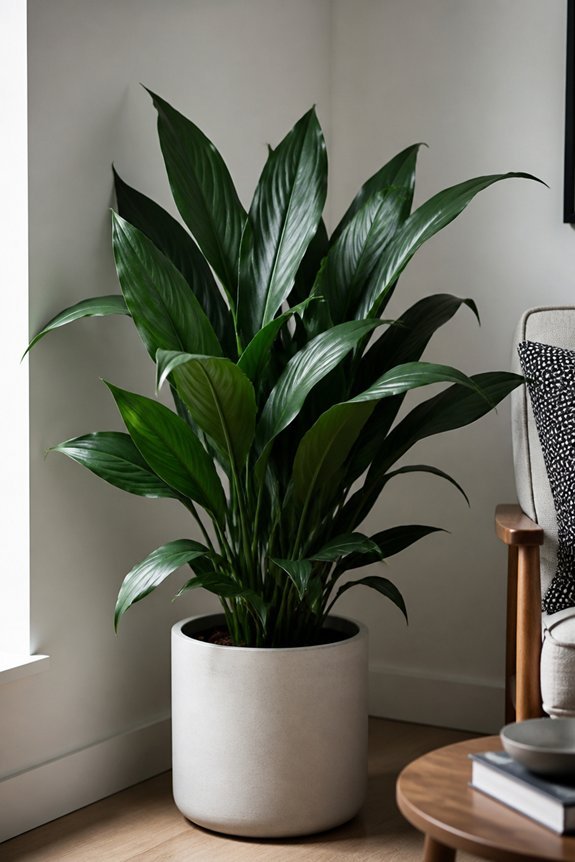
Few houseplants handle neglect as well as the Cast Iron Plant. It thrives in low light and irregular watering. It also puts up with temperature swings that would stress most plants. This makes it perfect for forgotten corners of your home.
The dark green leaves stay glossy even with minimal attention. You don’t need to fuss over this plant to keep it looking good.
Growth and Care
This plant grows slowly but surely. Water it only when the soil feels completely dry. It prefers indirect light, yet it survives in dim spots where other plants fail. Dust and air pollution don’t bother it much. The leaves show little damage even in less-than-ideal conditions.
Pests tend to leave it alone. The leaves have a natural resistance that keeps most bugs away.
Troubleshooting and Maintenance
Brown tips usually mean hard water or too much fluoride. Consider switching to filtered water if you notice this problem. Repot every two to three years in spring when growth picks up.
This plant offers a simple solution for tricky living room corners. It asks for little and gives back steady, reliable greenery.
Dracaena: Tall Statement Plants for Empty Corners
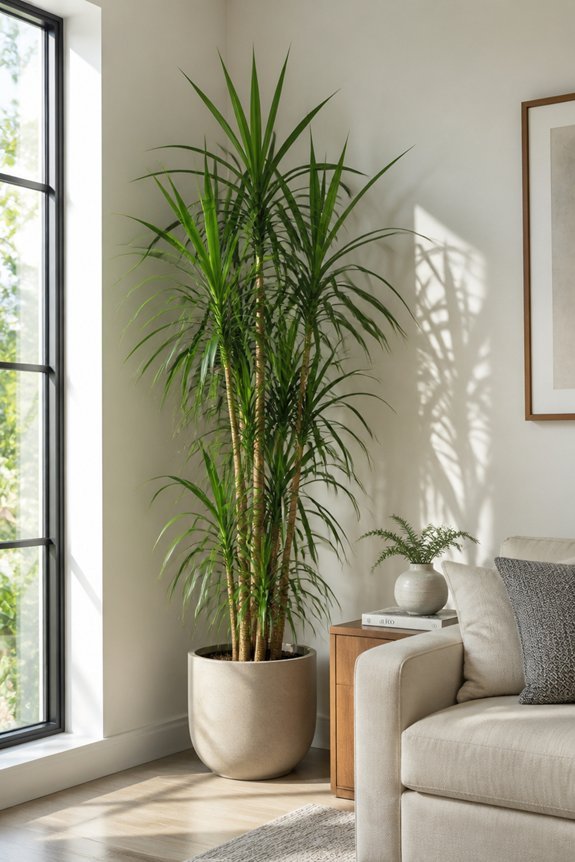
Dracaena plants serve as vertical focal points in living rooms. They fill tall empty corners with structured height and distinctive foliage. These plants grow upright and narrow. This makes them suitable for compact spaces where floor area is limited.
Dracaena marginata, or red-edge dracaena, features thin leaves with reddish borders. It reaches six feet tall. Dracaena fragrans, called corn plant, has broader green leaves with yellow stripes. It grows similarly tall. Both varieties tolerate low light conditions and irregular watering schedules. Water only when soil feels dry.
These plants need minimal pruning. They develop woody stems as they mature. They perform well in standard potting soil. Occasional rotation helps them grow evenly. Dracaenas rarely require repotting. They make low-maintenance additions to corner spaces.
Peace Lily: Shade-Loving Blooms Without Fuss
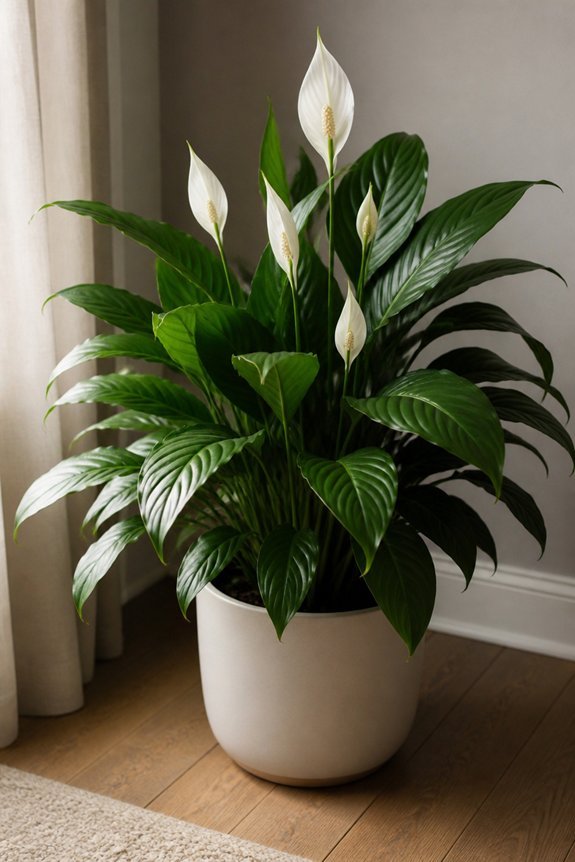
Peace lilies thrive in low-light spots where other plants fail. They fit perfectly in dim living room corners. White flowers appear even in shade with little effort from you.
Water when the soil feels dry to the touch. This usually means every one to two weeks. Too much water causes root rot, so let the soil guide you.
Keep temperatures between 65 and 80 degrees Fahrenheit. The plants adapt well to typical indoor conditions.
Brown tips on leaves signal low humidity or fluoride in tap water. Switch to distilled water to fix this. Peace lilies reach three to four feet tall. They stay neat in corners without spreading onto floors or furniture.
These plants also clean your indoor air. They remove toxins like formaldehyde and benzene.
Monstera Deliciosa: Bold Drama Without Direct Sun
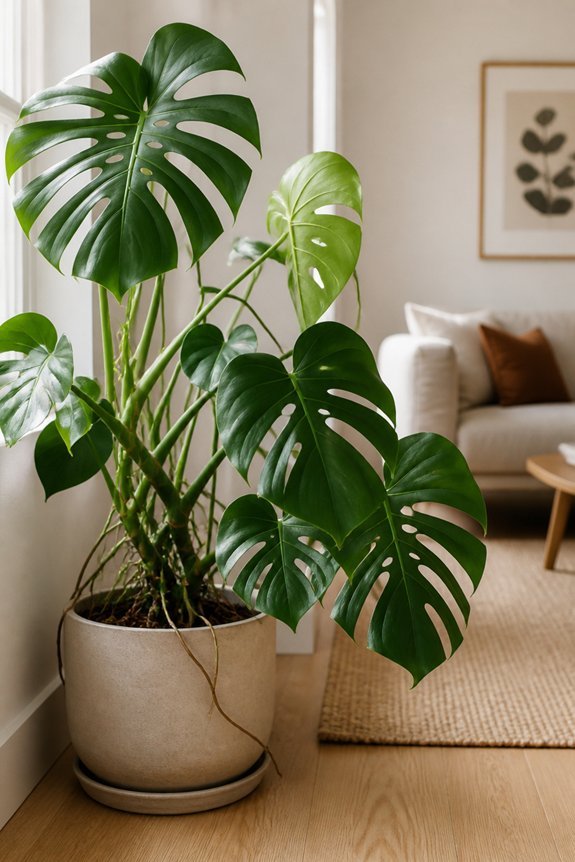
Monstera deliciosa brings serious style to dim corners. It grows larger and more dramatic than a peace lily. Yet it still thrives in indirect light.
The leaves split naturally as the plant matures. This creates instant visual interest. No bright windows needed.
Growth stays moderate but steady. Several feet tall is typical over time. Perfect for that empty corner with limited sun.
Watering & Care
Check the top inch of soil. Dry means it’s time to water. Usually every one to two weeks, though humidity and temperature shift this.
Use a well-draining potting mix. Wipe those big leaves now and then. Dust blocks light and dulls their shine.
Once settled in, this plant asks very little. It simply adapts to normal indoor life.
Rubber Plant: Big, Dark Foliage for Corner Impact
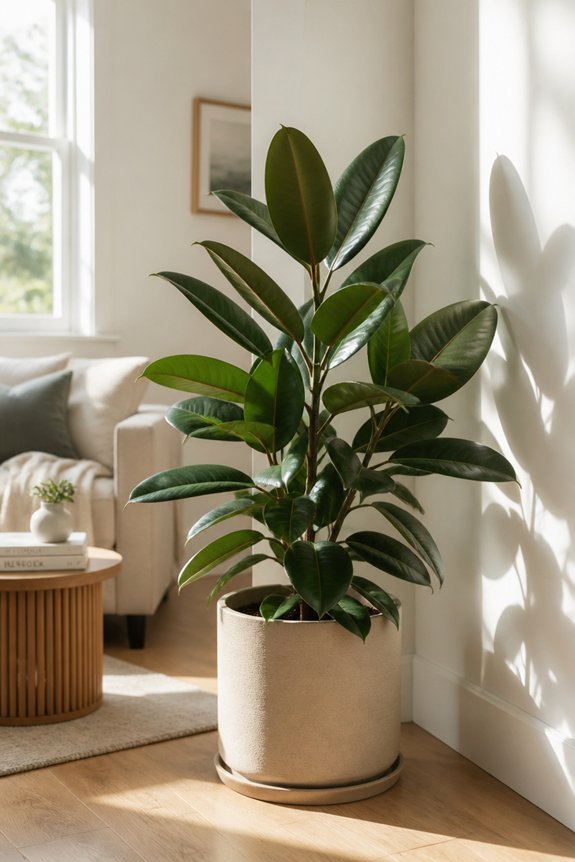
The rubber plant makes a bold statement with its large, glossy leaves. Deep burgundy or dark green coloring adds drama to any room. Heights reach four to ten feet, so it fills empty corners beautifully.
Light needs are flexible. Low to medium light works fine, though bright, indirect sun is ideal.
Water when the soil feels dry. This usually means every one to two weeks. Season and humidity will affect timing.
Standard potting soil suits this plant well. Just be sure the pot has drainage holes.
Wipe leaves now and then to remove dust. This keeps the glossy look intact. Growth is slow indoors, so pruning stays minimal. Basic care is all this plant really needs.
Parlor Palm: Tropical Height for Indoor Corners
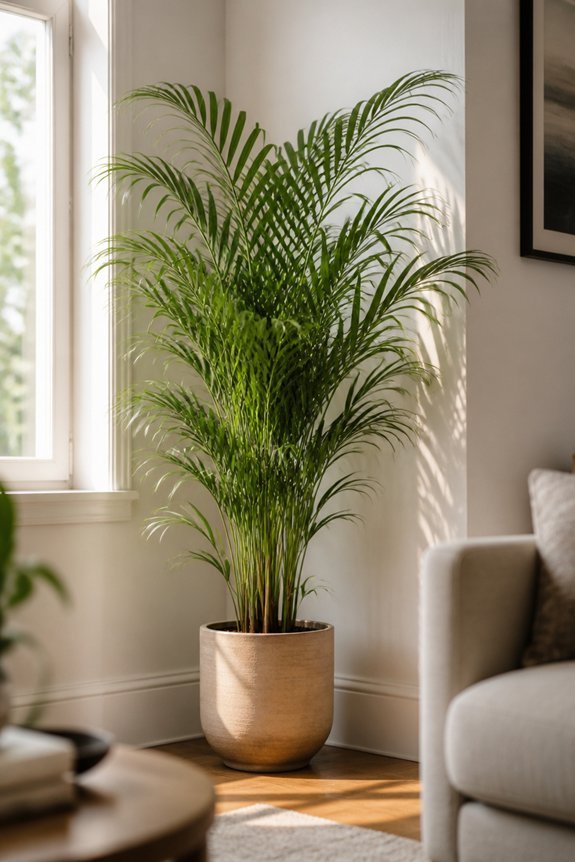
Parlor palms bring an elegant tropical feel to indoor spaces. They reach heights of four to twelve feet in home environments.
These plants feature feathery, green fronds. They create vertical interest in corners while using minimal floor space.
Parlor palms tolerate low to medium light conditions. This makes them ideal for corners with indirect sunlight.
Keep soil consistently moist. Avoid overwatering, as this causes root rot.
Temperature stability matters. These plants thrive between 65-75 degrees Fahrenheit.
Maintain moderate humidity levels. Misting foliage occasionally helps keep plants healthy.
Watch for spider mites and mealybugs. These pests occasionally appear indoors.
Repot every two to three years as the plant grows. Choose a container with proper drainage.
Pair parlor palms with trailing plants at lower heights. This creates lovely layered visual depth.
Frequently Asked Questions
How Often Should I Water Houseplants in Corners With Minimal Natural Light?
Plants in low-light corners require less frequent watering since they photosynthesize slowly and use minimal moisture. One should water when soil feels dry two inches below the surface, typically every ten to fourteen days.
What Pest Problems Commonly Affect Corner Plants, and How Do I Treat Them?
Corner plants commonly suffer from spider mites, mealybugs, and scale insects due to poor air circulation. Treatment involves isolating affected plants, spraying with neem oil or insecticidal soap, and increasing ventilation to prevent reinfestation.
Can I Use Artificial Grow Lights to Supplement Corner Plants Lacking Sunlight?
A gardener discovered her struggling pothos thrived under LED panels, much like students flourishing under proper classroom lighting. Yes, artificial grow lights effectively supplement insufficient natural light, enabling corner plants to photosynthesize adequately and maintain healthy growth patterns.
How Do I Propagate My Favorite Corner Houseplants to Expand My Collection?
Propagation methods vary by plant species. Stem cuttings work for most houseplants; one places them in water or soil until roots develop. Leaf cuttings suit succulents. Division suits plants with multiple stems or rhizomes, performed during repotting.
What Humidity Levels Do Shade-Loving Corner Plants Need to Thrive Indoors?
Shade-loving corner plants typically thrive at humidity levels between 40-60%. Most prefer moderate moisture in the air. Misting, grouping plants together, or using pebble trays beneath pots effectively maintains adequate humidity for healthy growth indoors.
Conclusion
Selecting the right corner plant requires balancing light conditions, available space, and maintenance capacity. Pothos, Snake Plant, and ZZ Plant offer reliable performance in low-light areas, while Monstera and Rubber Plant deliver visual impact for corners receiving moderate light. Peace Lily and Philodendron fill intermediate spaces effectively. Success depends on matching plant requirements to specific corner conditions, ensuring long-term survival and aesthetic satisfaction.