

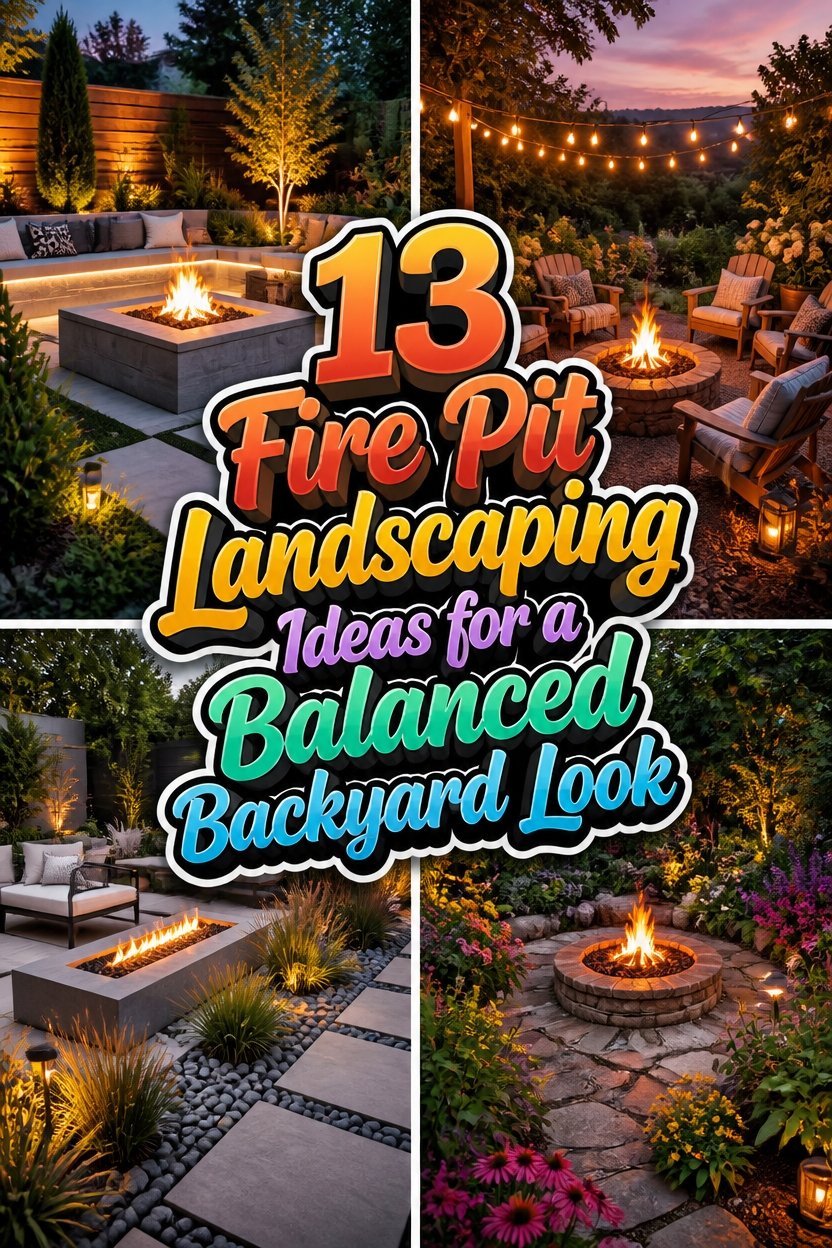
A fire pit is one of those backyard elements that instantly transforms how you use your outdoor space. It draws people in, extends your evenings, and creates a natural gathering spot that works across seasons.
But getting the look and feel right takes a bit of thought. Drainage, safety, and material choices matter just as much as the aesthetics. The goal is finding that sweet spot between practical and beautiful.
This is where landscaping comes in. With the right combination of gravel, pathways, seating, and greenery, your fire pit area becomes more than functional.
It becomes a place you actually want to spend time in.
Plan Your Fire Pit Site for Drainage and Safety
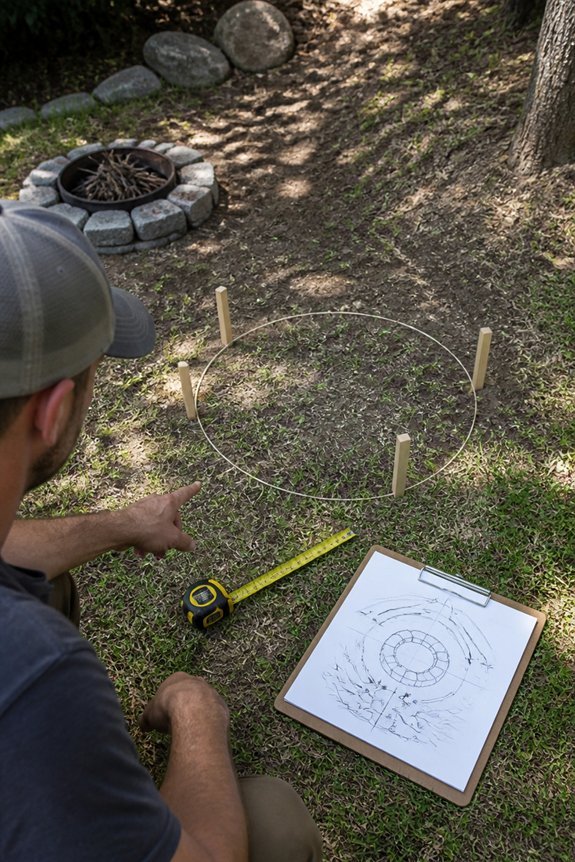
Choosing the right spot for your fire pit starts with drainage and safety. Flames and sparks can travel farther than you’d think. Keep your site away from trees, buildings, and low-hanging branches.
Water pooling ruins good fires. Pick elevated ground instead of low spots. Sandy or rocky soil drains better than clay, so test your dirt before you dig.
Check your wind patterns too. Smoke should blow away from seating areas, not into them. Level ground keeps your fire pit stable year after year.
Mind your property lines. Most areas need 10-15 feet of clearance from boundaries. Look up local codes and HOA rules early. A little planning now prevents headaches later.
Choose Fire Pit Materials That Match Your Landscaping Style
Finding Your Look
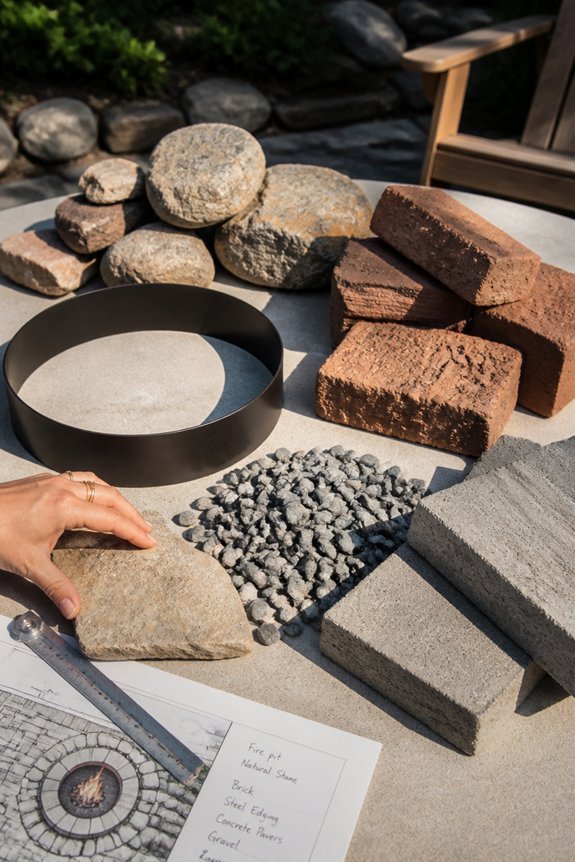
Location comes first. Check your drainage and clearance. Then it’s time to pick materials that fit your style.
Stone offers lots of choices. Granite brings clean, polished lines. Limestone feels soft and natural. Fieldstone looks rustic and organic.
Brick gives that classic, timeless vibe. Steel rings feel sharp and modern. Concrete bends to whatever shape you need.
Matching What You Already Have
Look around your yard. What colors do you see? Your fire pit should play nicely with patios, paths, and garden beds.
Dark materials pop against light landscaping. Light materials settle in quietly with neutral tones.
Thinking Long-Term
Every material ages differently. Some need more upkeep than others. Factor that into your choice.
Durability affects how your fire pit looks years from now. Pick something that matches both your style and your maintenance comfort level.
Prepare a Gravel or Mulch Base for Low Maintenance
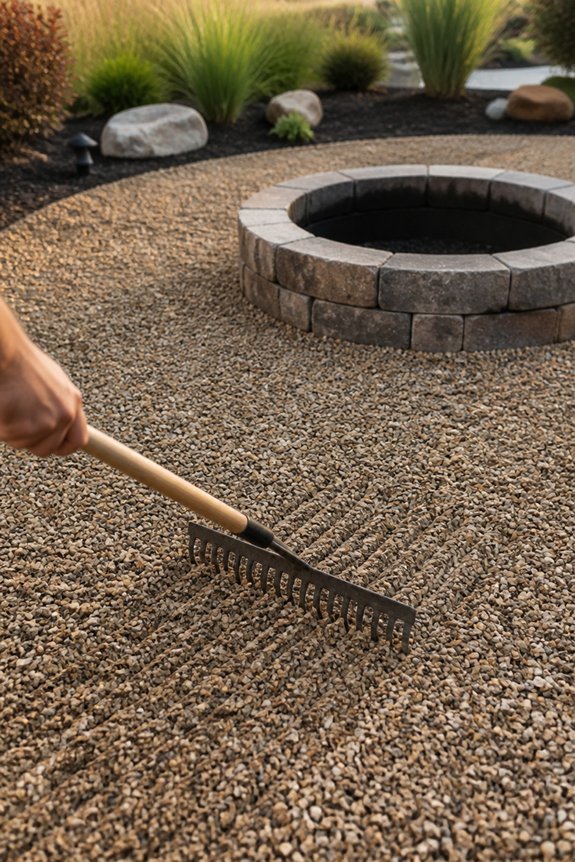
A stable base underneath your fire pit prevents settling and keeps weeds away. It also cuts down on maintenance over time. Gravel and mulch both work well as foundation materials, each with its own strengths.
Gravel: Built to Last
Gravel drains water quickly and holds up for years. Crushed stone, pea gravel, or river rock all create a clean edge around your fire pit. This material never breaks down, so you rarely need to replace it.
Mulch: Natural and Attractive
Mulch blends nicely with garden settings. Wood chips and bark add organic warmth, though you will need to top them off as they decompose. They also keep soil temperatures steady and help nearby plants stay moist.
Layering for Best Results
A base of four to six inches stops grass from creeping in. It also keeps weeding to a minimum and gives you a flat, steady surface for safe fire pit use.
Arrange Seating in a Natural Circle Around the Pit
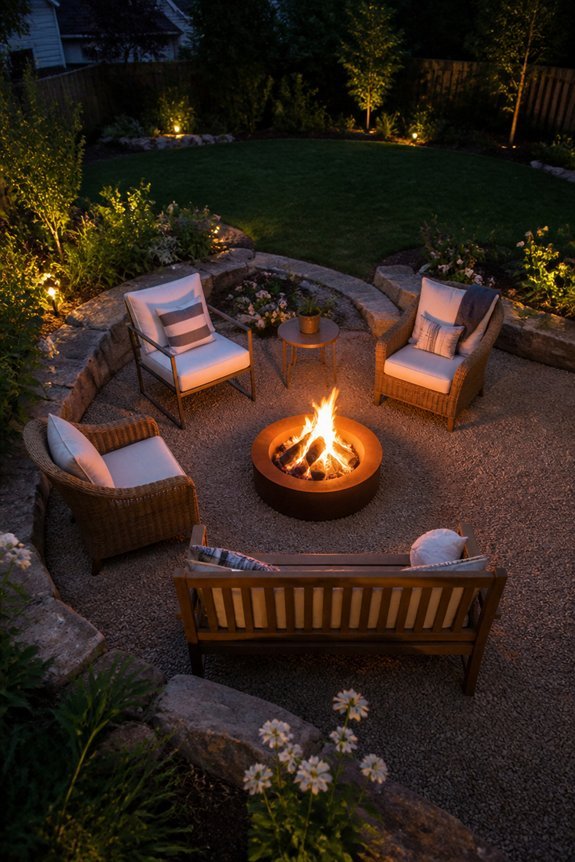
Seating placement around a fire pit shapes how comfortable and safe everyone feels. A circular arrangement works best. Position chairs, benches, or logs at equal distances from the flames.
This layout lets people see each other easily. Conversation flows naturally. Everyone stays at a safe distance from the heat.
Space seating 8 to 12 feet from the pit’s edge. Adjust based on how large your fire grows. Adirondack chairs, wooden benches, and stone seats all blend well with landscaped areas.
Keep pathways clear. People need room to move around and exit quickly if needed.
Built-in stone benches or log seats work well at ground level. These permanent options anchor the space. Portable furniture adds flexibility for different group sizes.
Mix heights for visual interest. Combine standing areas, standard seating, and lower options. This approach welcomes various preferences and accessibility needs.
Define the Zone With Pavers or Stone Edging
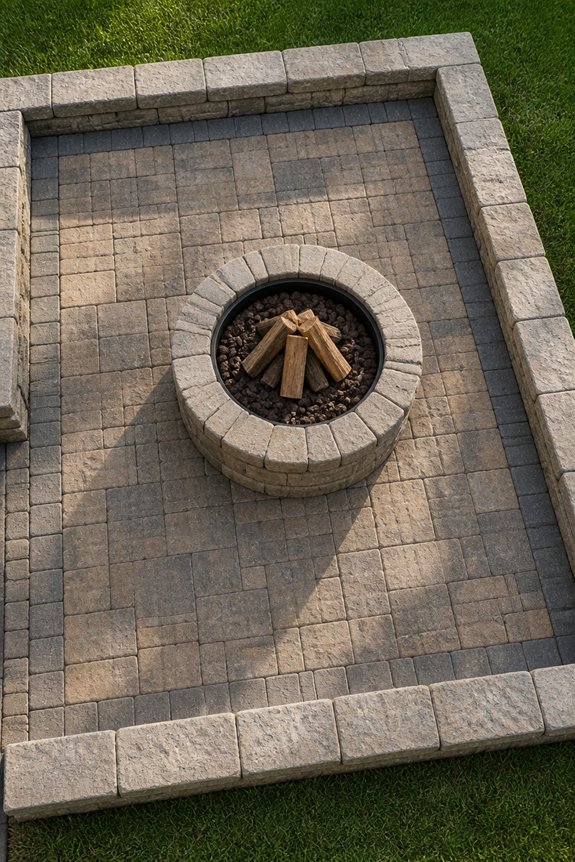
Most fire pit areas need a clear boundary. Pavers and stone edging create that separation. They turn your space into a contained outdoor room.
Concrete pavers, natural flagstone, and brick work well for marking edges. Granite or slate provide permanent borders. These materials last for years with little upkeep.
Practical benefits go beyond looks. Edging stops grass from creeping into your seating area. It cuts down on maintenance. It also creates a safety buffer around the fire.
Match your edging to your layout. Use circular patterns for round seating areas. Choose straight edging for rectangular spaces.
Installation starts at the pit’s outer edge. Lay materials carefully for a clean, finished look. Good edging helps with drainage too. It moves water away from the fire pit and seating zones.
Add Hardscaping to Ground Your Gathering Area
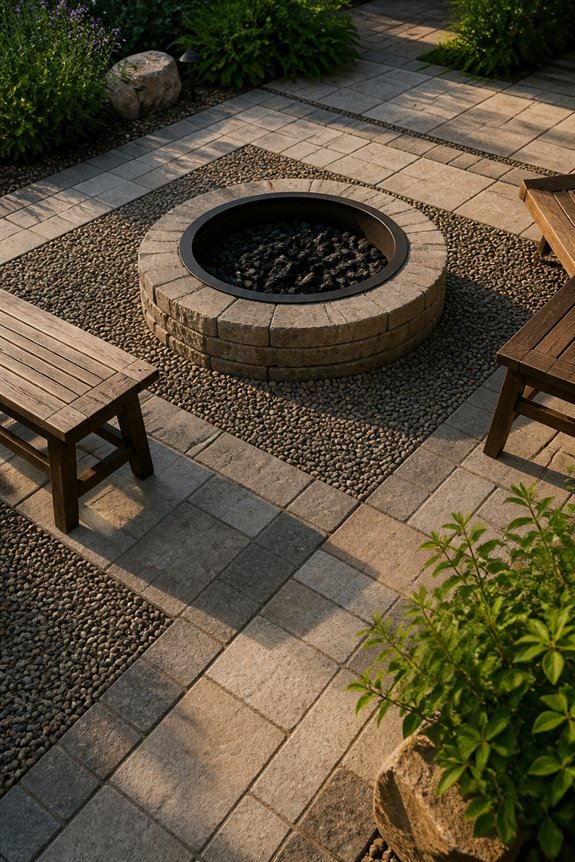
Hardscaping elements create a solid foundation for fire pit gathering spaces. Materials like concrete pavers, gravel, and flagstone define sitting areas and pathways around the pit.
Permeable pavers allow water drainage while maintaining a finished appearance. Gravel offers a budget-friendly option that accommodates foot traffic and adjusts easily for maintenance access.
Consider installing a circular or rectangular patio using natural stone or stamped concrete. This surface accommodates seating, tables, and movement without mud accumulation.
Connecting hardscape features with secondary pathways encourages traffic flow and defines separate zones. Wood chips and mulch serve as informal edging between hardscaping and planted areas.
These materials complement stone features while reducing erosion. Combining multiple hardscape types creates visual interest and functional gathering spaces suitable for frequent use.
Layer Plants at Different Heights for Visual Depth
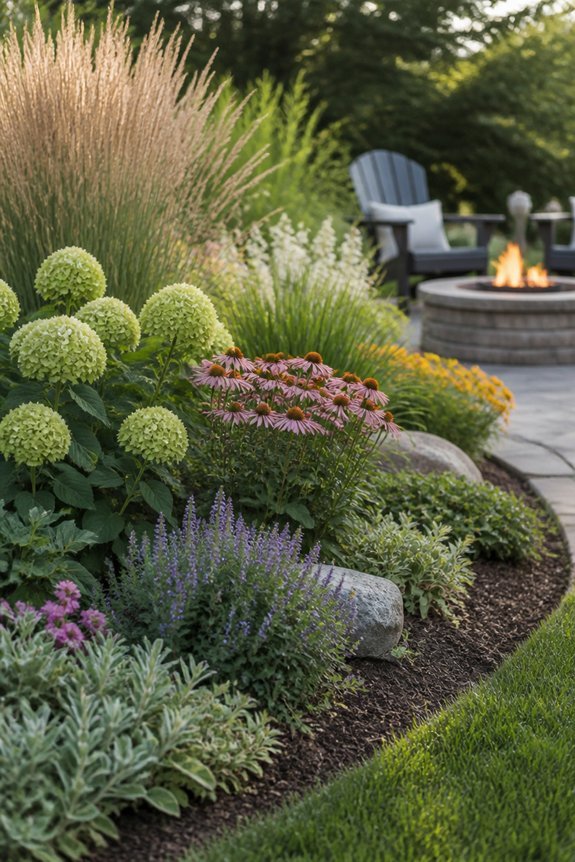
A tiered plant arrangement around your fire pit creates a balanced, finished look. Tall plants like ornamental grasses or shrubs sit behind the seating area. Medium-height boxwoods or small flowering shrubs fill the middle. Low ground covers such as creeping juniper or sedums anchor the foreground.
This layering draws the eye inward and makes the space feel intentional. It also keeps sightlines open, so guests can see over shorter plantings. Check mature sizes before spacing your plants. Each layer should stay visible and distinct. The mix of heights adds visual interest without sacrificing function.
Choose Low-Maintenance Plantings for Year-Round Appeal
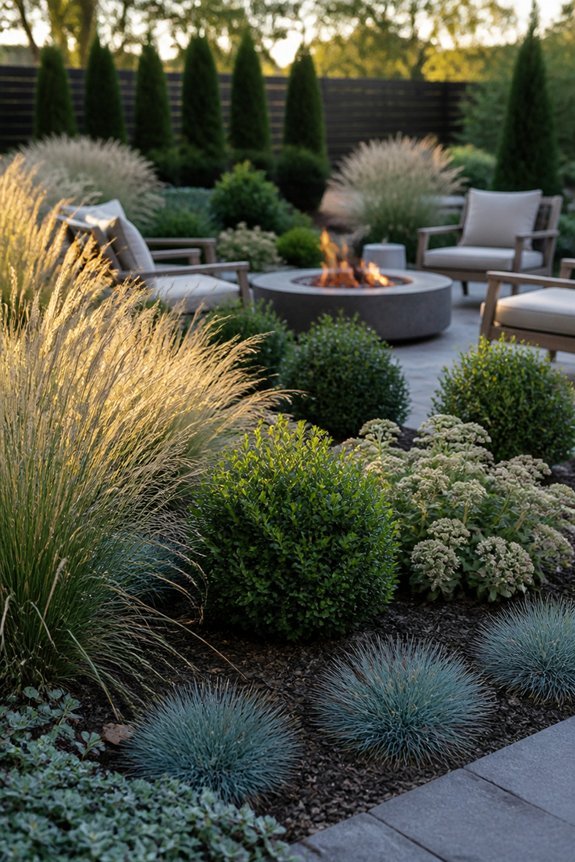
Fire pits get plenty of use through every season, so choosing plants that don’t need constant attention makes sense.
Ornamental grasses work beautifully around fire features. Shrubs like boxwood and juniper add structure without demanding much care. For bursts of color, try coneflowers and black-eyed Susans. These perennials return year after year with minimal effort.
Heat from the fire won’t bother these tough plants. They also handle changing soil conditions and occasional foot traffic from guests.
Evergreen varieties keep your space looking alive in winter. Drought-resistant options cut down on watering when summer gets dry. Creeping thyme makes an excellent ground cover that feels soft underfoot and rarely needs trimming.
Native plants deserve special consideration. They already know how to thrive in your local climate, so they need less fertilizer and fewer pest treatments.
Smart plant choices free you up to actually enjoy your fire pit. You will spend less time on upkeep and more time relaxing with friends and family.
Build Retaining Walls to Add Elevation and Interest
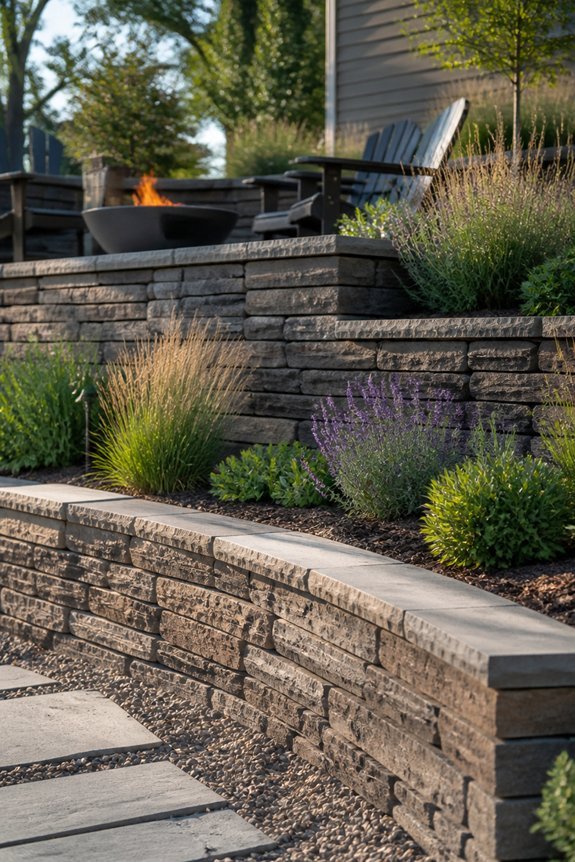
Retaining walls bring new life to flat yards around fire pits. They create elevation changes and define seating areas. These structures add visual depth that transforms ordinary spaces.
Stone, brick, and timber each offer unique benefits. Stone lasts for decades and blends naturally with landscapes. Timber brings warmth and suits relaxed, informal settings. Brick allows endless creativity with colors and patterns.
Varying wall heights create natural seating tiers. Guests enjoy better views of the fire and each other. Conversation flows more easily when everyone can see and be seen.
Walls serve practical purposes too. They stop soil from washing away during rain. Plantings stay contained and neat. Clear boundaries help organize the overall landscape.
Thoughtful placement makes all the difference. Function and beauty work together in well-designed outdoor spaces.
Install Ambient Lighting to Extend Evening Use
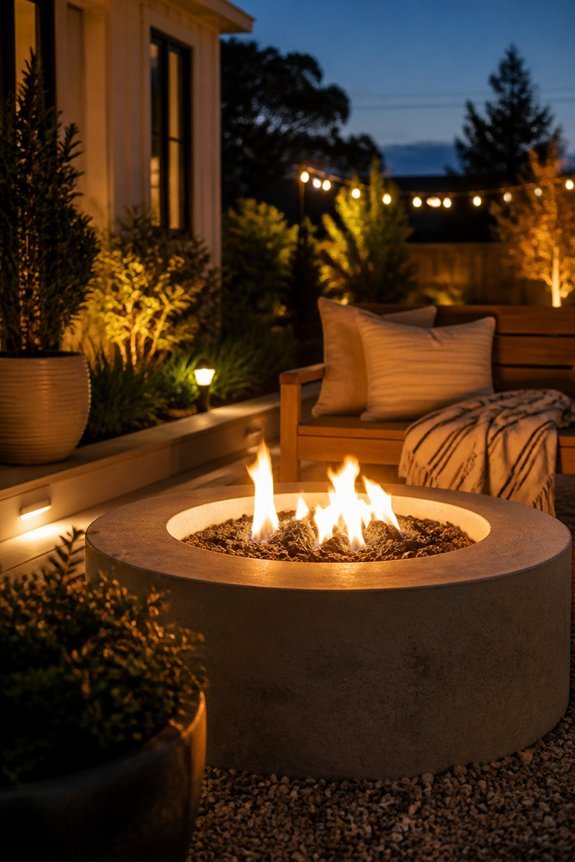
Ambient lighting transforms fire pits from daytime features into functional evening gathering spaces. Strategic placement improves safety and visibility after sunset.
Solar stake lights along pathways guide foot traffic to the pit. String lights overhead create soft, distributed illumination. LED uplights near plants or hardscaping add depth and visual interest.
Position lights at ground level to reduce glare while illuminating seating areas. Fixtures mounted on pergolas or fences provide helpful overhead coverage.
Warm-toned bulbs around 2700 Kelvin complement firelight and keep gatherings comfortable. Dimmable fixtures let you adjust the mood for different occasions.
Create Privacy With Strategic Screening or Tall Plantings
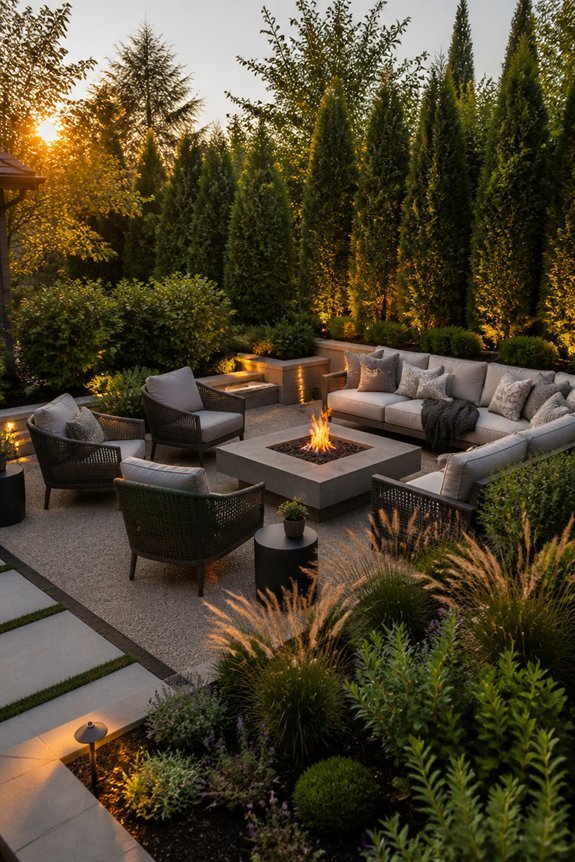
Fire pit areas feel better with some privacy. Screening blocks unwanted views and cuts down wind.
Tall evergreens make excellent natural barriers. Arborvitae, boxwood, and privet stay green all year. Most reach six to twelve feet. Deciduous trees like birch and maple work well too. They leaf out for summer privacy but let sunlight through in winter.
Hardscape options offer quick solutions. Try wooden lattice, composite screens, or privacy fences around your fire pit. Add climbing vines like clematis or ivy. This softens the look over time.
Place wind screening on the side that faces the prevailing breeze. This keeps guests comfortable on cool evenings. Keep internal sightlines open so everyone can chat easily.
Position a Water Feature Nearby for Visual Balance
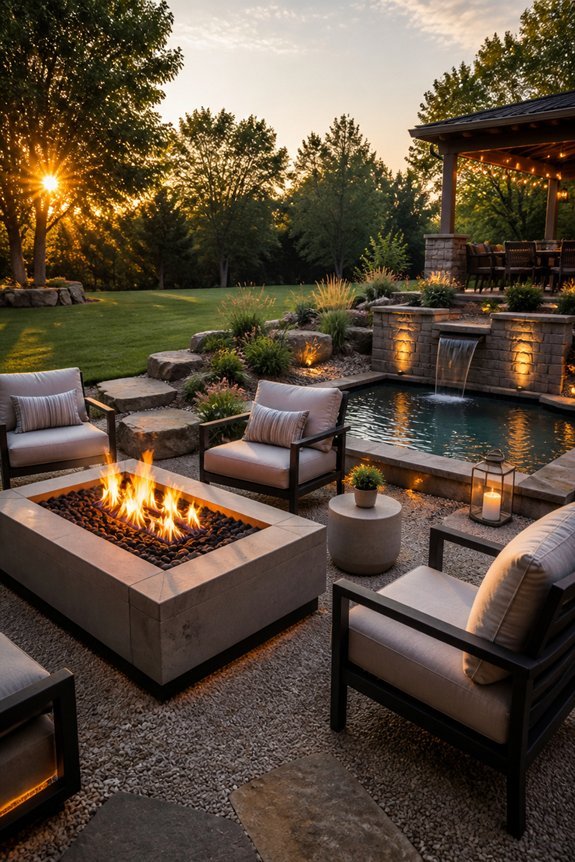
Water features add visual interest to fire pit areas. They balance the hardscape and soften the overall look.
Place a small fountain, pond, or water wall across from your seating area. This draws the eye and keeps one element from dominating the space. Fire and water work together to create a pleasing, balanced feel.
Try positioning features near garden beds, in corners, or at the center of your design. Small fountains fit compact yards. Larger ponds work best in open, expansive spaces.
Flowing water brings ambient sound that pairs nicely with crackling fire. This sensory mix makes your backyard feel more complete and inviting.
Design Pathways That Guide Traffic and Open Sightlines
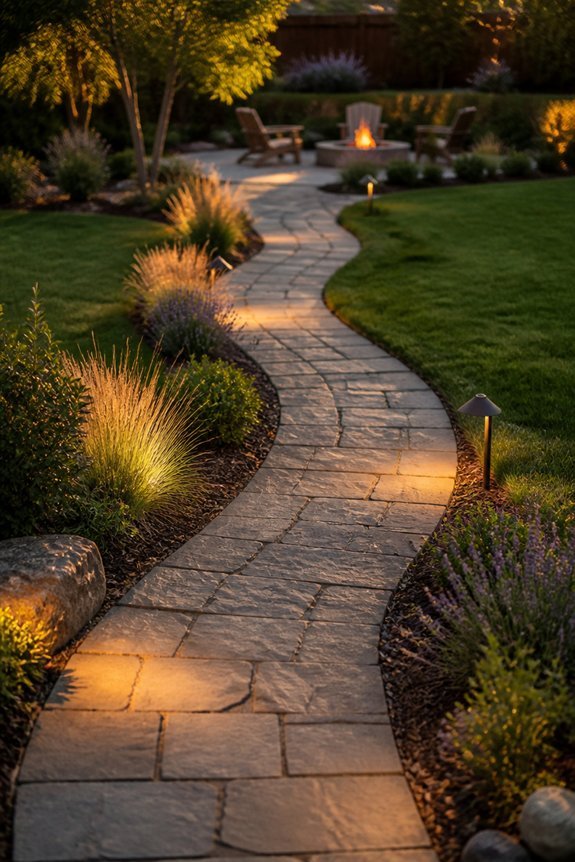
Pathways do important work in fire pit landscaping. They guide guests safely to seating areas while keeping views open across the yard. Smart routing prevents crowding and reduces tripping hazards near the flames.
Gravel, pavers, or mulch create clear walkways without dominating the space. Curved lines feel more relaxed than rigid straight paths. They invite people to wander naturally through the landscape.
Connect your patio, seating, and fire pit with logical routes. This keeps traffic moving smoothly during gatherings. Low plants along edges can guide visitors without blocking sightlines to your yard’s best features.
Leave enough space between elements so guests move comfortably. Everyone should enjoy the design while staying safe around the fire.
Frequently Asked Questions
What Fire Pit Fuel Type Is Best for My Backyard Environment and Budget?
The ideal fuel type depends on individual circumstances. Wood offers affordability and ambiance but requires storage space. Propane provides convenience and cleanliness with higher upfront costs. Natural gas suits permanent installations. Bioethanol delivers smokeless burning but commands premium pricing.
How Much Clearance Space Do I Need Around My Fire Pit for Safety?
Would one ignore safety when inviting loved ones to gather? A fire pit requires ten to twenty feet of clearance from structures, trees, and combustibles. Local fire codes dictate specific requirements for residential installations.
Can I Install a Fire Pit in a Rental Property or Apartment?
Installing a fire pit in rental properties typically requires landlord approval and adherence to lease terms. Many landlords prohibit permanent installations due to liability concerns. Portable options may be permissible with written consent.
What’s the Average Cost to Build a Professional Fire Pit Landscape?
Professional fire pit landscapes typically cost between $3,000 and $5,000, depending on materials, size, and design complexity. Basic installations start around $1,500, while elaborate custom designs with seating areas exceed $8,000.
How Do I Maintain My Fire Pit and Surrounding Landscaping Through Winter?
A homeowner in Colorado covers their fire pit with a waterproof tarp and drains surrounding landscapes. One should remove debris, apply mulch to plants, inspect masonry for cracks, and protect metal components with rust-preventative coating.
Conclusion
A well-designed fire pit landscape functions like a carefully orchestrated gathering space, where drainage, materials, seating, and plantings work in concert. Strategic placement of pavers, lighting, and water features creates balance between the fire’s warmth and surrounding elements. Privacy screening, defined pathways, and layered textures transform a simple pit into an intentional outdoor room, serving both practical needs and aesthetic goals for lasting backyard enjoyment.