

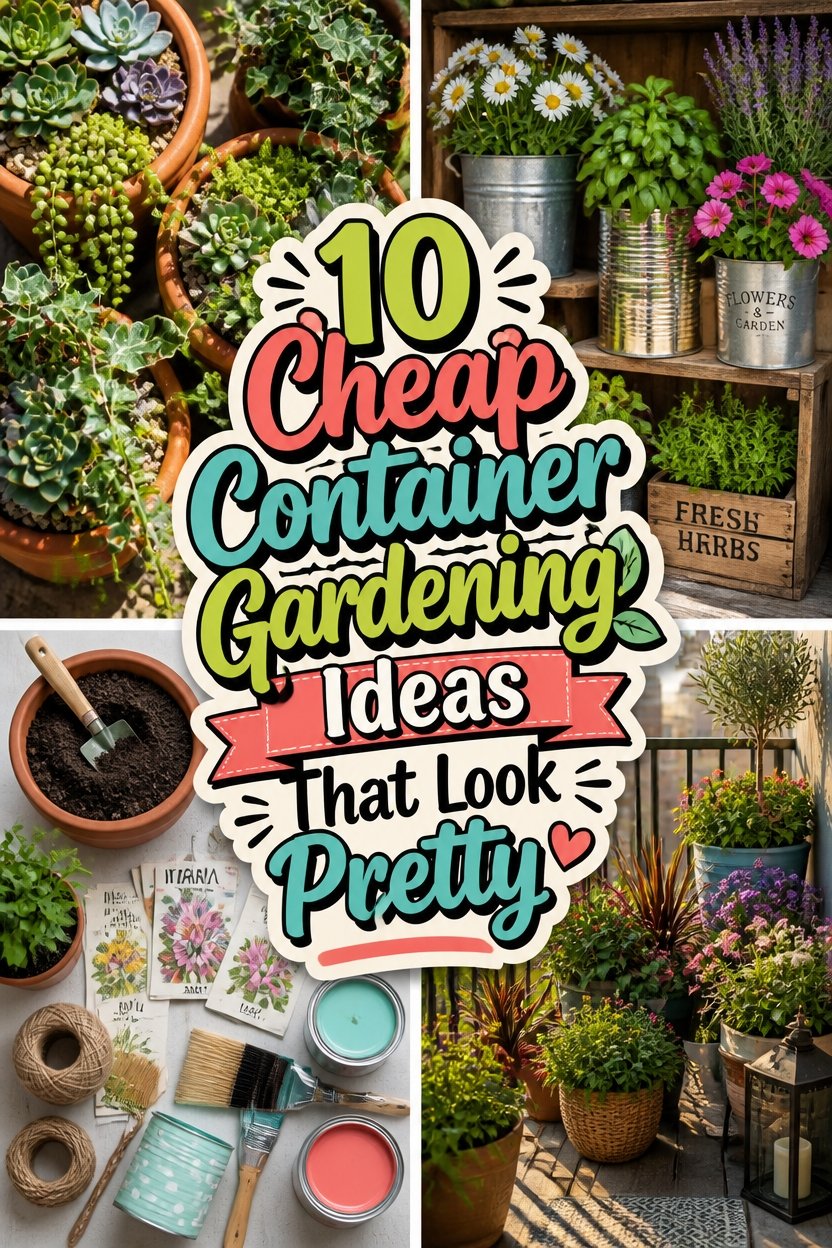
You really can grow something beautiful without a big yard or a bigger budget behind it. Even a windowsill or a cramped balcony corner can turn into a little green retreat with the right eye for cheap materials.
I planted my first herbs in an old colander I found in my grandmother’s basement, and it’s still one of my favorite containers years later.
The best planters are often hiding in plain sight rather than sitting on a store shelf. Vintage crates, rescued hardware finds, and a bit of paint can turn forgotten objects into something your plants actually love living in.
Succulents, trailing pothos, and cheerful marigolds give you a lot of visual payoff without asking much in return. These forgiving plants handle inconsistent watering and busy schedules better than most people expect.
Small Changes That Make the Biggest Difference
Drainage matters more than people realize when repurposing everyday objects into planters. A few drilled holes turn almost anything, from an old bucket to a tin can, into a functional pot.
Plant selection can save you serious money and stress. Choosing forgiving varieties from the start means less time worrying and more time actually enjoying your containers.
Don’t underestimate what a coat of paint does for mismatched pots. It’s one of the cheapest ways to make a scattered collection feel like a cohesive, intentional display.
13 Budget Container Gardening Ideas
Container gardening on a budget is really about seeing potential in things other people overlook, whether that’s a cracked terracotta pot or a stack of old crates from a yard sale. A little creativity goes a long way toward stretching your money further.
I’ve covered everything from free container sources to smart plant pairings and cheap soil mixes, so you can build a full setup without spending much at all.
Have a look through and start with whichever idea fits what you already have lying around.
Find Free and Cheap Containers Around Your Home
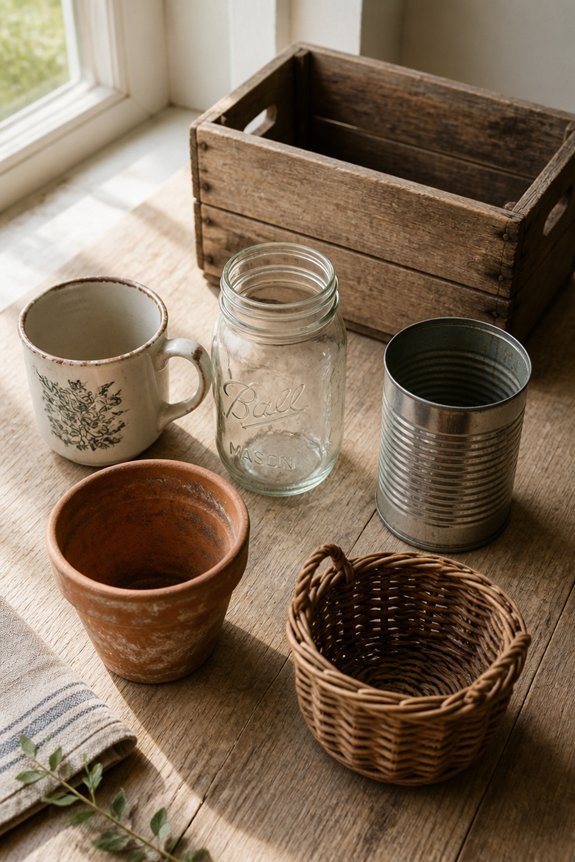
Skip the garden store for now. You probably have plenty of growing vessels sitting around already.
Old buckets, plastic bins, and wooden crates make solid planting options. Cracked terracotta pots still work fine. In fact, those chips help with drainage.
Your kitchen holds hidden treasures too. Colanders come pre-drilled for water flow. Large stockpots and tin cans sit unused in most cabinets.
Think bigger when you need more space. Old drawers keep soil contained nicely. Milk crates and laundry baskets offer plenty of room for roots to spread.
Check curbs on yard sale weekends. Neighbors toss perfectly usable containers during cleanouts. Thrift stores and local online groups sell them cheap too.
Drill a few holes in the bottom of anything solid. Basic tools handle this job in minutes. These free alternatives save money while giving your plants exactly what they need.
Also read: 11 Container Gardening Flowers That Make Any Patio Pop
Save Money on Plants at Nursery Sales
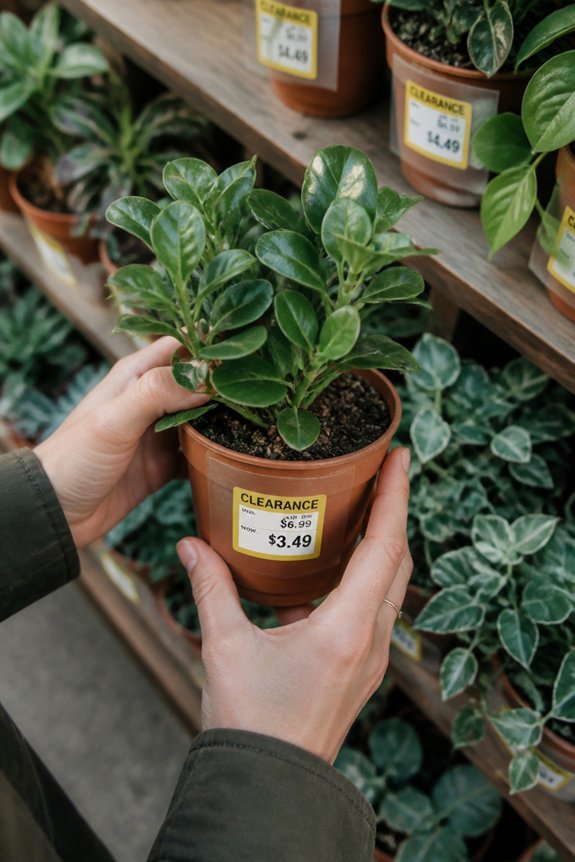
Nurseries and garden centers hold sales all year long. You can find deep discounts on plants, seeds, and seedlings. Shopping these events often cuts costs by 25 to 50 percent.
End-of-season sales arrive in late summer and fall. Nurseries need to clear their shelves. Spring sales come right after the last frost. Weekday mornings usually have the best pick. Weekends get crowded fast.
Take time to inspect plants before you buy. Look for healthy leaves and sturdy stems. Check that the soil feels moist. Slightly damaged or overgrown plants sell for less. They often bounce back just fine in containers.
Sign up for nursery emails to hear about sales early. Many centers have loyalty programs and coupons. Members sometimes get exclusive deals. These extras help you save even more on quality plants and supplies.
Mix Soil Cheaply With Budget Alternatives
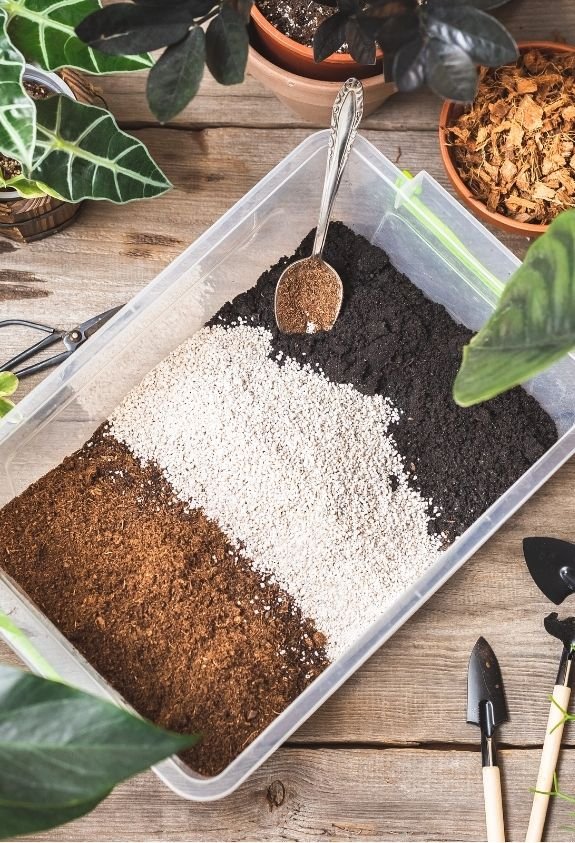
Quality potting soil can cost more than you expect. But several budget alternatives work well for container gardening.
You can mix your own soil at home. Combine coconut coir, peat moss, and perlite in equal parts. Compost from kitchen scraps and yard waste cuts costs significantly.
Shredded leaves and aged sawdust make excellent filler materials. Composted grass clippings also work well. Some gardeners use garden soil mixed with sand and compost. Just note that this mix may compact over time.
Newspaper and cardboard at container bottoms improve drainage. They also reduce how much soil you need. Local nurseries often discount bagged soil at season’s end. Tree trimming mulch adds organic matter cheaply.
These alternatives keep drainage and nutrition adequate for most container plants.
Pick Low-Maintenance Container Plants
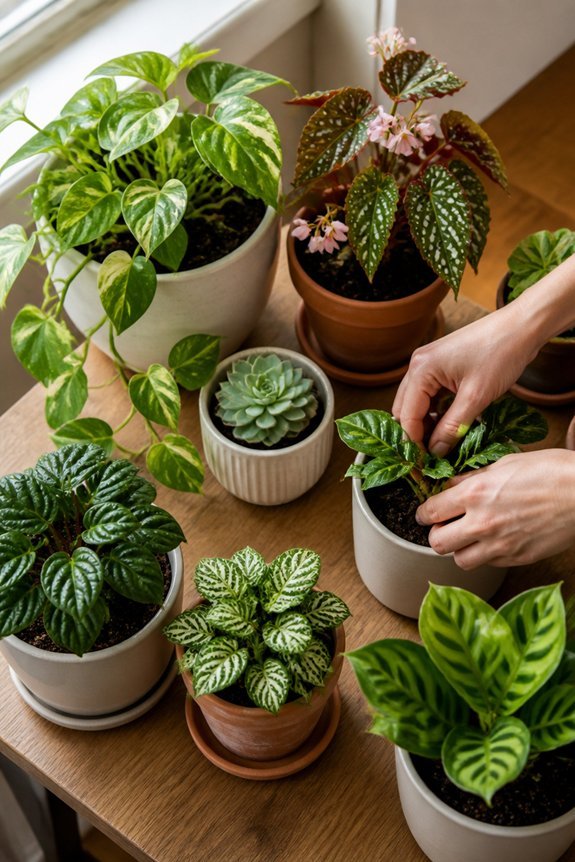
Succulents for Easy Care
Succulents like sedums and echeveria need little water. They forgive forgetful gardeners and grow well with neglect.
Reliable Indoor Options
Pothos and snake plants handle almost any light. Water them only when the soil feels dry to the touch.
Cheery Flowering Choices
Marigolds and zinnias bloom brightly with basic sun and occasional drinks. They ask for so little but give so much color.
Texture and Shade Solutions
Ornamental grasses such as mondo grass stay tough and add visual interest. Begonias and impatiens flourish in shady spots. They adapt when watering schedules slip.
Fragrant and Drought-Proof
Lavender scents your space and survives dry spells once settled in. It rewards patience with lasting beauty.
Smart Selection Matters
Choosing the right plants from the beginning sets you up for success. You spend less time worrying and more time enjoying your containers.
Stack Pots for Dramatic Visual Depth
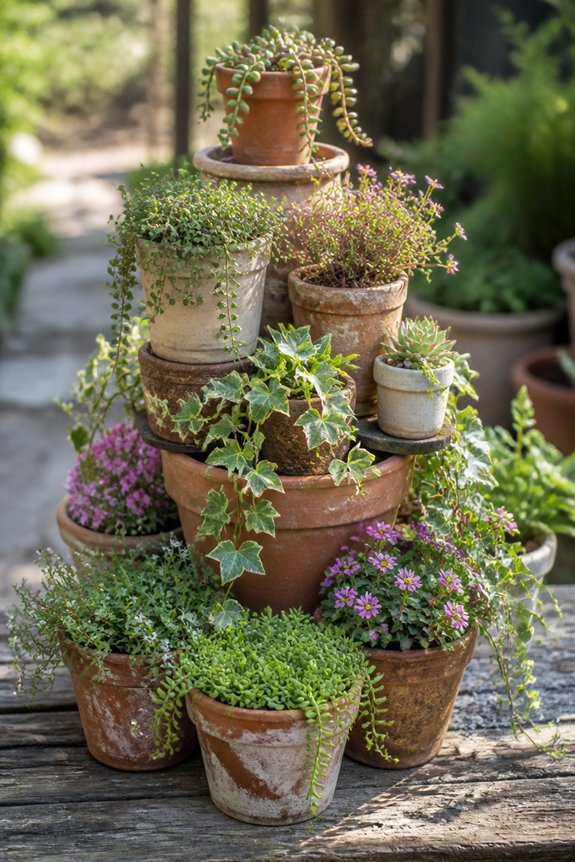
Stacking pots creates layers that bring your container garden to life. Group smaller pots on top of larger ones. Your display goes from flat to dimensional. This layering draws the eye and adds structure.
Use terra cotta, plastic, or ceramic. Mix sizes freely. Try a pyramid shape or simple stepped arrangement. Both work beautifully in corners or against walls. You can also place stacks as central focal points.
Plant choice matters. Put trailing vines like pothos or ivy in upper pots. Let them spill over the edges. Keep upright plants like ornamental grasses below. This contrast softens the structure and adds movement.
Vertical stacking saves ground space. Grow more plants in less room. The height variations make everything look planned. Your garden feels organized yet relaxed.
Pair Colors Cheap and Cheerful
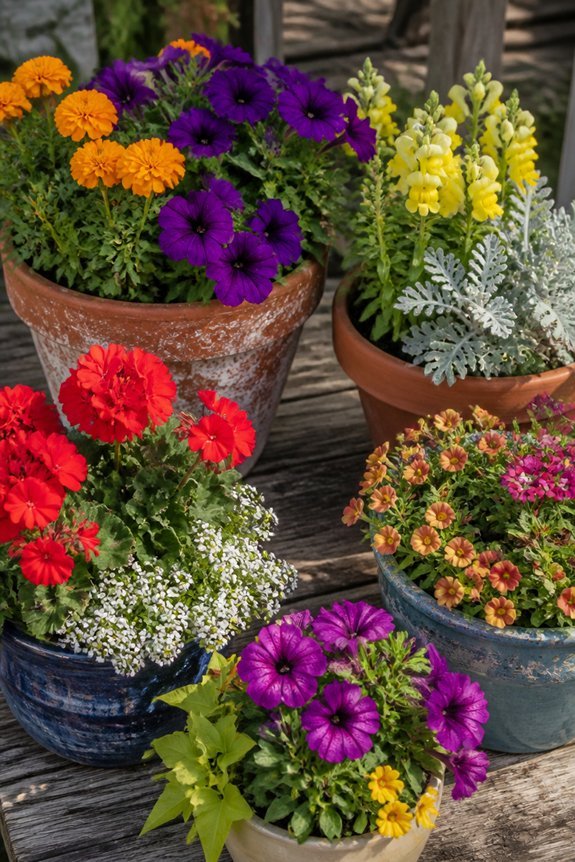
Budget limits don’t have to mean boring gardens. Container colors give you big visual payoff for little cost. Complementary hues create polished looks without pricey materials.
Contrasting combinations work wonders on tight budgets. White containers make deep purple petunias pop. Terracotta pots love blue partners like salvias or delphiniums. Black containers turn bright yellows and oranges into showstoppers.
Monochromatic schemes keep things cohesive and calm. Try several cream pots with flowers in whites, soft pinks, and pale yellows. The unified palette feels intentional and pulled together.
Paint transforms cheap plastic or resin containers completely. Customize what you already own instead of buying new. This stretches your dollars while keeping your garden stylish.
Combine Herbs and Veggies in One Pot
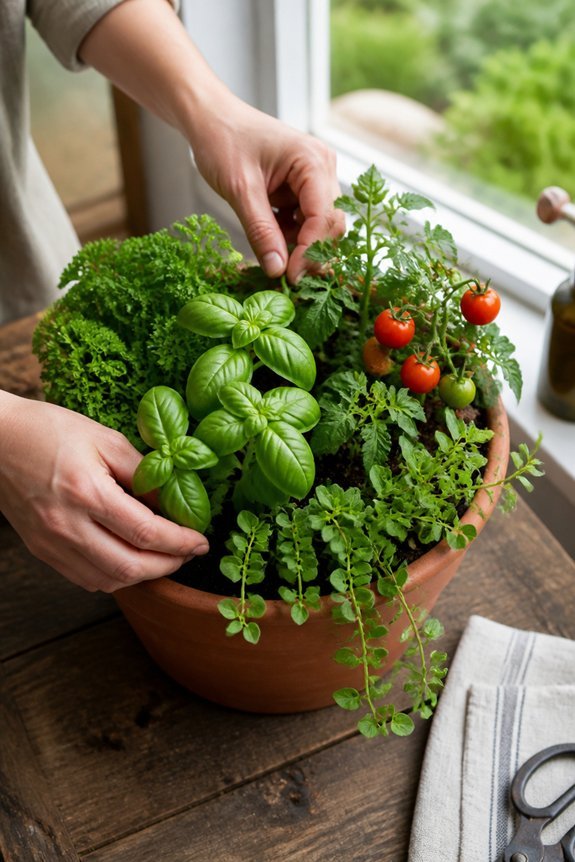
Mixing herbs and vegetables in one container saves space. It also creates practical garden arrangements.
Smart Pairings
Basil grows beautifully with tomatoes. Parsley pairs well with lettuce. Cilantro thrives alongside peppers. These combinations work because the plants need similar water and sunlight.
Why This Works
Herbs grow fast and stay low. Vegetables stretch upward without competition. A 12-inch deep pot fits multiple plants comfortably.
Container Tips
Drainage holes prevent root rot. Choose soil that drains well but holds moisture. You’ll water less often and enjoy simpler upkeep.
The Benefits
This approach works perfectly on patios, balconies, and small yards. You get fresh cooking ingredients while using minimal space and resources.
Arrange Containers to Maximize Impact
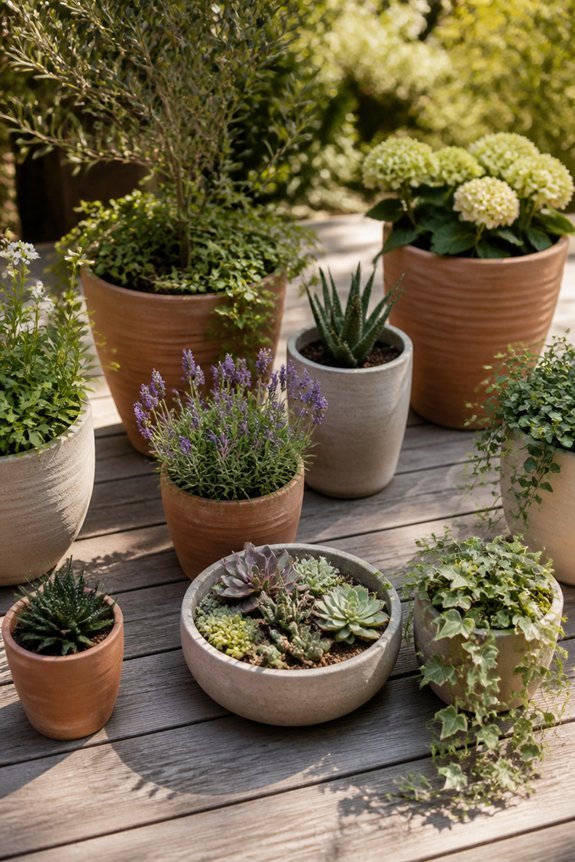
Container placement shapes how your garden looks and functions. Group pots of varying heights to create visual interest. Arrange them by color or plant type for clear organization.
Put taller containers in back and shorter ones forward. This prevents shading problems and improves visibility. Every plant gets its fair share of light.
Cluster arrangements work beautifully in corners and entryways. They draw the eye to specific garden areas. Give containers enough space for air circulation. Good airflow reduces disease risk naturally.
Position sun-loving plants like tomatoes and peppers on south-facing sides. Shade-tolerant herbs such as parsley and mint prefer northern spots. Match plants to their light needs.
Plan pathways between container groups. This makes access and maintenance easier. Consider elevated surfaces, shelving units, and tiered stands. These options multiply your space and improve drainage.
Strategic placement transforms compact areas. You can create functional, well-organized growing zones anywhere.
Create a Cohesive Garden Theme on a Budget
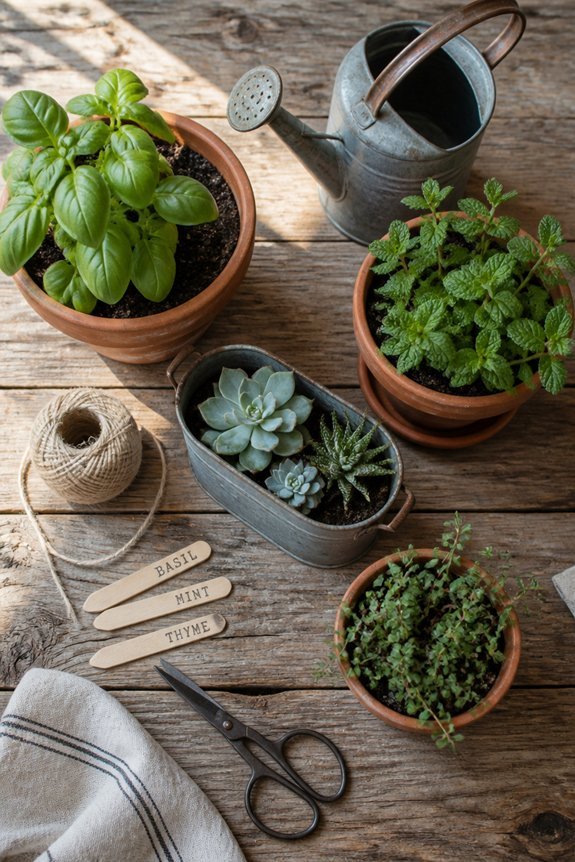
Start with Color
A consistent color palette brings harmony to any container garden. Paint or stain transforms mismatched pots into a matching set. This simple step costs little but makes a big visual impact.
Group containers by size and material to strengthen the unified look. Terra cotta or plastic containers arranged together feel intentional. Repetition creates rhythm, so use the same plants throughout your display. Petunias or marigolds repeated in multiple pots tie everything together.
Shop Secondhand
Thrift stores are treasure troves for budget-friendly containers. A quick coat of identical paint makes these finds look coordinated and purposeful. You do not need expensive pieces to achieve a polished result.
Match the Details
Similar soil types and mulch colors maintain uniformity across all plantings. These small touches help the eye move smoothly through your garden.
Arrange containers in odd numbers like three or five. These groupings create natural balance and visual interest. Strategic planning plus affordable materials yields beautiful results without premium prices.
Refresh Your Containers Year-Round for Pennies
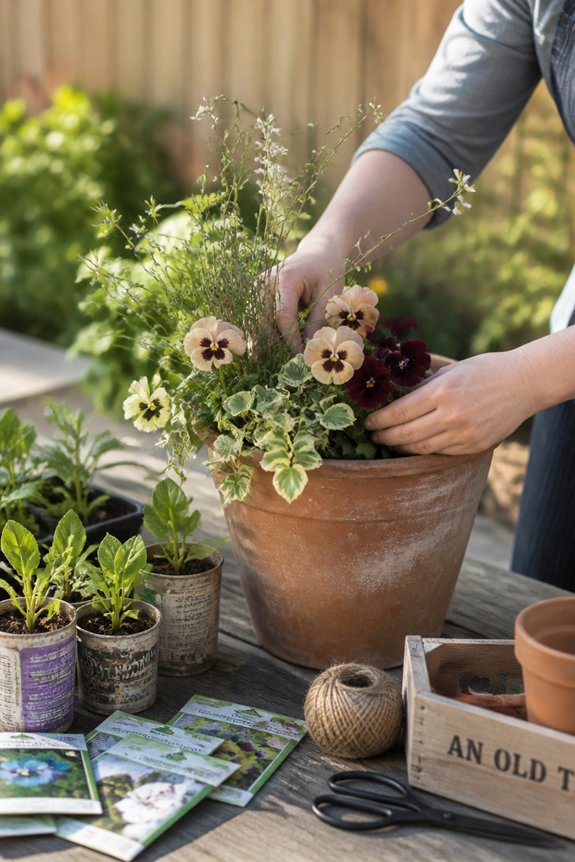
Seasonal plant swaps keep container gardens looking fresh. You won’t need to spend much to get great results.
Remove tired plants and replace some soil. Then add new seasonal varieties as the year progresses. This simple routine works every time.
Spring brings perfect conditions for pansies, snapdragons, and violas. Summer calls for marigolds, zinnias, and begonias. Fall welcomes ornamental kale, mums, and asters. Winter containers shine with evergreen branches, berries, and cold-hardy plants.
Small starter plants cost far less than mature ones. Watch for discounts as seasons end at local garden centers.
You can also take cuttings from plants you already own. Collect seeds and divide perennials. These free options fill containers beautifully.
This rotation approach stretches your container investment. Your garden stays current without draining your wallet.
Frequently Asked Questions
How Do I Prevent Drainage Problems When Using Unconventional Containers?
Drilling a few holes into the bottom of your container is the simplest fix here. Basic tools handle this in just a few minutes, even with tougher materials.
Adding a layer of gravel underneath your soil helps excess water escape more easily too. If drilling isn’t an option, raising the container on small feet or using a terracotta insert works just as well.
What’s the Best Watering Schedule for Container Gardens in Different Seasons?
During spring and summer, your containers will likely need water every one to two days since growth is at its fastest. Hot, sunny spots dry out even quicker than that.
Fall calls for less frequent watering as temperatures start cooling down. By winter, you can back off almost entirely and just let the soil dry out between waterings.
How Can I Protect Containers From Weather Damage and Extend Their Lifespan?
Wrapping containers in burlap or adding a layer of mulch protects them from both frost and harsh UV exposure. It’s a simple step that does double duty across seasons.
Elevating your pots on small feet prevents water from pooling at the base, which is often what causes cracking over time. A sealant applied to ceramic or wood containers adds another layer of protection that really extends their life.
Which Pests Commonly Affect Container Gardens and How Do I Control Them?
Aphids, spider mites, whiteflies, and slugs tend to show up most often in container setups. None of them are impossible to manage once you know what to look for.
Neem oil spray and insecticidal soap handle most infestations without much fuss. Introducing beneficial insects, removing affected leaves promptly, and giving your plants enough spacing for airflow all help keep pests from taking hold in the first place.
How Do I Fertilize Container Plants Economically Throughout the Growing Season?
Composting kitchen scraps like eggshells and coffee grounds gives your containers real nutrition without spending a dime. It’s one of the easiest budget hacks in gardening.
Diluted fish emulsion is another affordable option if you want something a bit more concentrated. Rotating in nitrogen-fixing plants here and there also helps keep your soil nourished throughout the season without constant store-bought fertilizer.
CONCLUSION
Container gardening proves you don’t need much to end up with something genuinely beautiful. Some of the prettiest setups I’ve seen came from thrifted pots and a bit of imagination rather than an expensive shopping trip.
That old colander I mentioned earlier still holds basil every summer, and I love that it cost me nothing but a little digging through storage.
Stacking pots, mixing herbs with vegetables, and choosing forgiving plants like succulents all stretch a small budget surprisingly far. None of these ideas require special skills, just a willingness to try something a little unconventional.
Seasonal swaps keep your display feeling fresh without demanding constant reinvestment either. A quick soil refresh and a few new starter plants go a long way for very little money.
Don’t feel like your containers all need to match perfectly or look store-bought. Some of the most charming gardens are the ones that clearly grew out of resourcefulness rather than a big budget.
I’d love to hear what unconventional containers you’ve used, or what’s growing in your own budget garden right now. Leave a comment and let me know.