
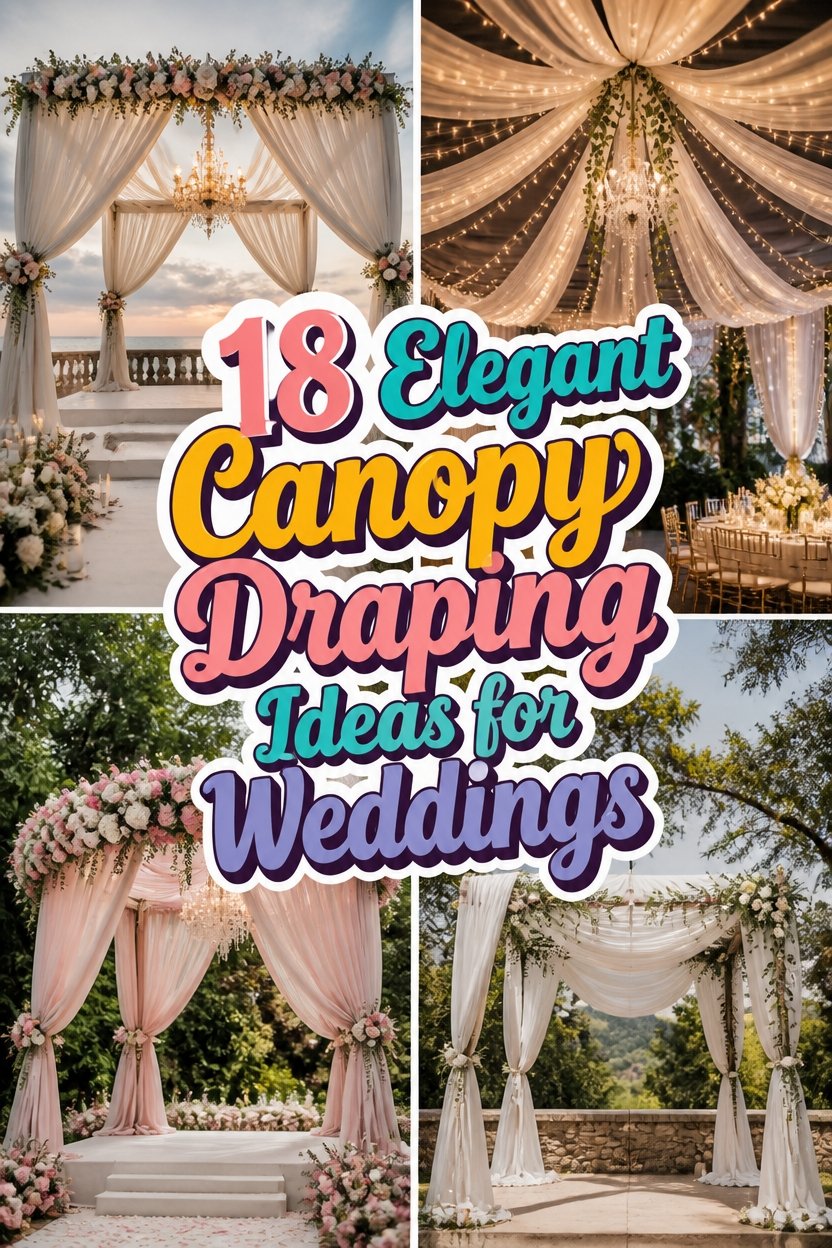
Watching a plain venue transform beneath flowing fabric never loses its magic, no matter how many weddings have come before.
White chiffon never fails as a starting point, but blush and gold combinations have been known to stop guests mid-step.
Jewel-tone silk brings a different kind of drama, one that photographs beautifully against candlelight and evening lighting.
Layering is where the real artistry lives, whether that means sheer fabrics glowing when backlit or velvet and linen creating depth guests can feel.
Budget doesn’t limit beauty here, only invites creativity, and these eighteen approaches prove canopy design can reimagine a space rather than simply decorate it.
A Few Things Worth Knowing First
Fabric choice should match the venue’s natural lighting before anything else. Sheer materials like chiffon and tulle glow beautifully with backlighting, while heavier fabrics like velvet hold their own even in bright daylight.
Layering is what separates a memorable canopy from a flat one. Combining two or three textures, even simple ones, adds depth that a single fabric can’t achieve alone.
Budget stretches further than most couples expect. Polyester blends and rental structures can deliver a look nearly identical to premium silk, especially once lighting enters the picture.
18 Wedding Canopy Draping Ideas
Each idea below approaches the same goal differently, whether through color, texture, lighting, or a mix of all three.
Some of these looks come together with simple fabric and a few anchor points, while others call for professional installation and a larger production budget.
Work through the list below and picture which combination feels closest to the atmosphere planned for the big day.
Classic White Chiffon: Timeless Romance
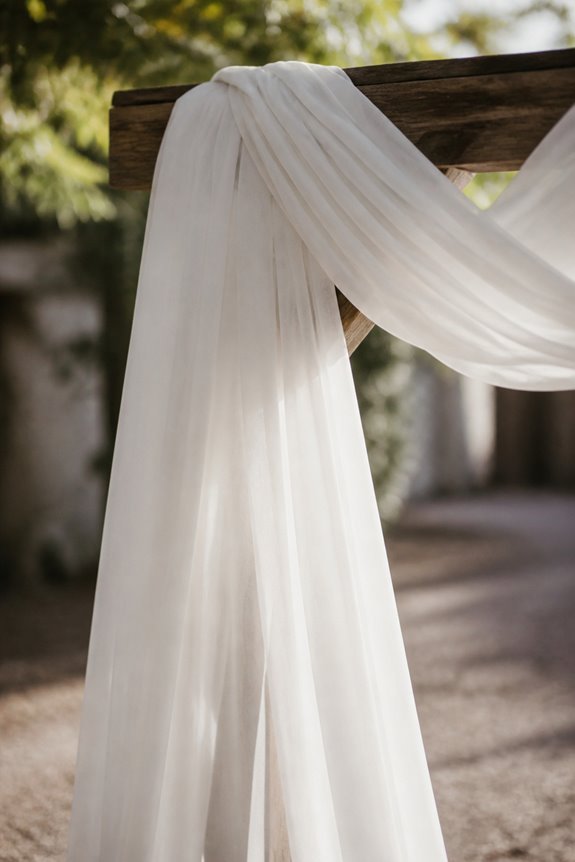
White chiffon remains a popular choice for wedding canopy draping because it works well with many wedding styles and color schemes. The fabric drapes smoothly, creates soft folds, and allows light to filter through gently. This material suits outdoor ceremonies, indoor venues, and garden settings equally well.
Installation involves securing chiffon to the canopy frame using clips, ties, or hooks at multiple points. The fabric can be gathered at corners, left flowing, or arranged in swooping patterns across the structure. White chiffon pairs effectively with gold accents, wooden frames, or metal supports.
Common applications include wrapping vertical posts, creating layered panels, or forming a ceiling-like effect overhead. The material requires minimal maintenance during events and stores compactly afterward. Cost remains moderate compared to other premium draping fabrics.
Also read: 18 Boho Canopy Bed Ideas for a Relaxed Bedroom
Blush and Gold for Garden Elegance
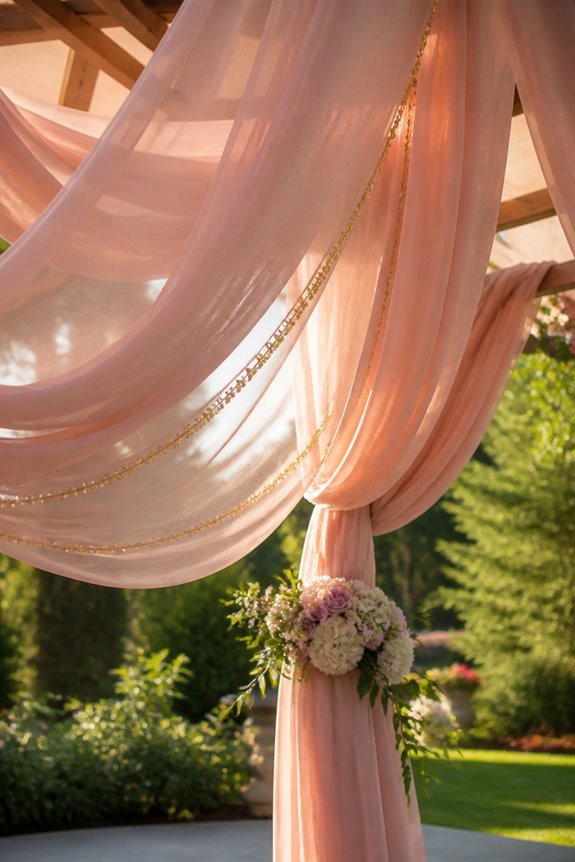
Blush and gold draping creates a softer aesthetic than classic white, offering garden venues a refined appearance. This color combination works well for daytime and evening ceremonies, complementing natural foliage and floral arrangements effectively.
Blush fabric, typically a pale pink tone, pairs with gold accents through metallic gold ribbons woven through draping panels, gold-painted wooden frames supporting the canopy structure, gold candleholders positioned along the perimeter, and sequined gold trim along fabric edges.
The blush tone softens harsh sunlight, while gold elements catch and reflect light naturally. Garden settings with green landscapes enhance this palette greatly. Venues with existing stone or brick elements benefit from gold’s warm undertones.
This combination suits intimate gatherings and larger celebrations equally well, providing flexibility across various garden configurations and seasonal timing.
Jewel-Tone Silk: Rich, Dramatic Impact
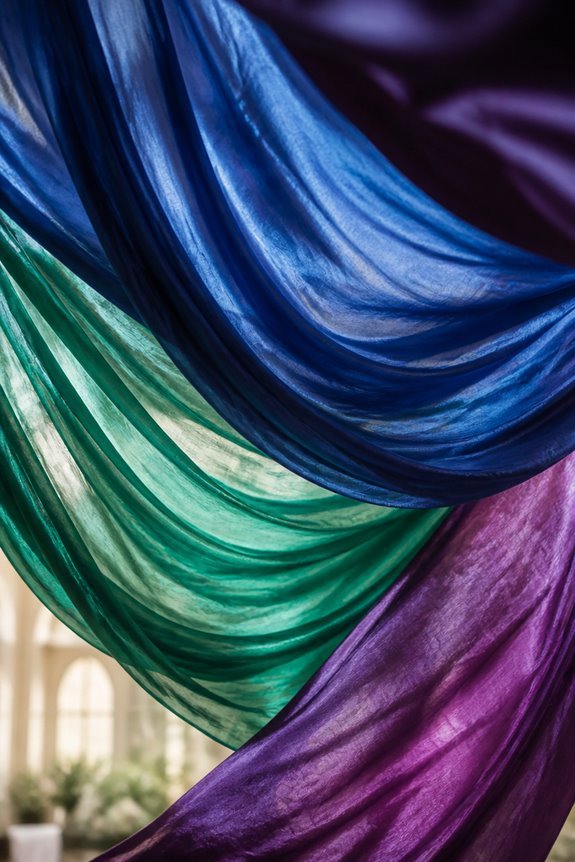
For couples seeking drama and sophistication beyond soft pastels, jewel-tone silk offers a striking alternative to lighter color schemes. Deep emerald, sapphire, and amethyst fabrics create visual impact while maintaining elegance at outdoor or indoor venues.
Jewel-tone draping works well with metallic accents, particularly gold and bronze fixtures. These colors pair effectively with dark wooden structures, stone architecture, and evening lighting. The silk material catches light differently than matte fabrics, enhancing depth and richness throughout the space.
Venue considerations matter considerably. Jewel tones suit garden settings with mature trees, historic buildings, and naturally dark interiors. Direct sunlight may diminish the color intensity, so partially shaded areas perform better.
Lighting design becomes essential for maximizing the fabric’s visual qualities and preventing colors from appearing dull or muted during daytime ceremonies.
Layered Sheer Canopy Draping for Dimension
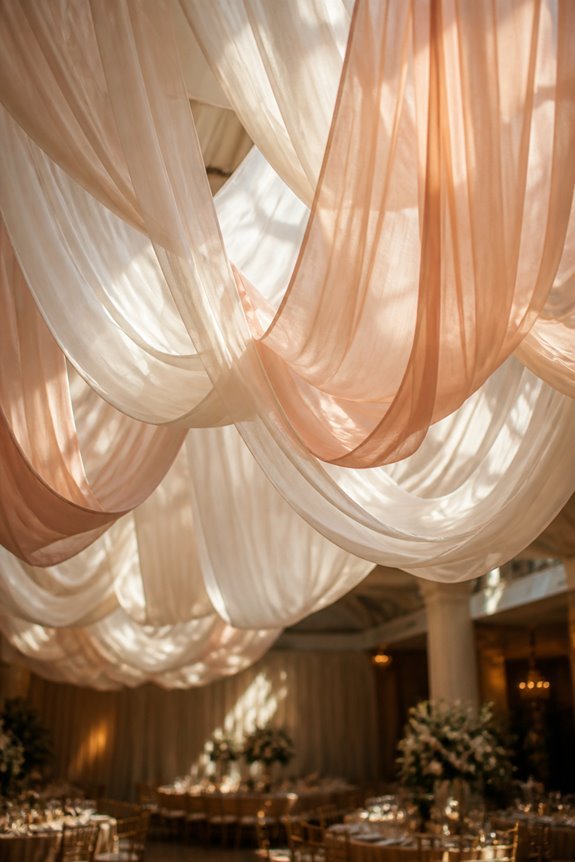
Translucent fabrics layered in ascending heights create visual depth and movement within a canopy structure. This technique involves suspending multiple layers of lightweight materials at different elevations, producing a three-dimensional effect. Common fabric choices include tulle, chiffon, and organza, which allow light to filter through while maintaining an ethereal appearance.
The layering approach works effectively for various venue types. Outdoor settings benefit from the way sunlight passes through the translucent layers, casting soft shadows. Indoor spaces gain sophistication through strategic lighting positioned behind or within the layers.
Installation requires careful planning of anchor points and suspension systems. Spacing between layers typically ranges from six inches to two feet, depending on desired density. Coordinating colors across layers, whether matching tones or subtle gradations, affects the overall visual impact and cohesiveness of the design.
Greenery-Integrated Canopy Design
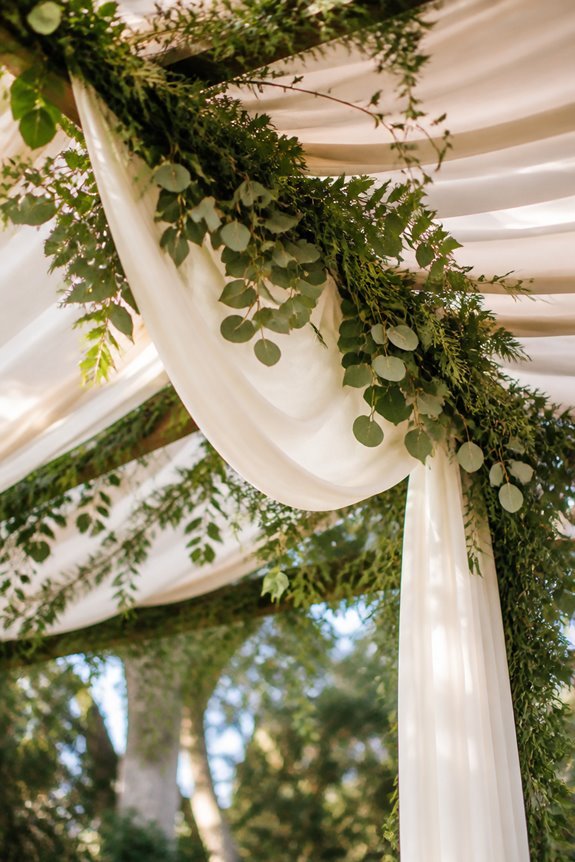
Natural greenery incorporated into canopy draping creates texture, color variation, and organic visual interest within wedding spaces. Ivy, eucalyptus, and ruscus work well when woven through fabric panels, adding depth without overwhelming the overall design. Flowering branches like cherry blossoms or flowering quince provide seasonal color options that complement draping materials.
Greenery integration requires structural consideration. The weight of plants necessitates reinforced support systems and proper anchoring points. Florists typically secure foliage using floral wire, zip ties, or specialized clips designed for fabric attachment.
Maintenance becomes important for longer events. Fresh greenery may wilt under heat or direct sunlight, so placement away from these conditions extends durability. Artificial alternatives offer longevity without wilting concerns, though they lack the authentic appearance and fragrance of living plants.
Candlelit Ambiance: Romantic Focal Point
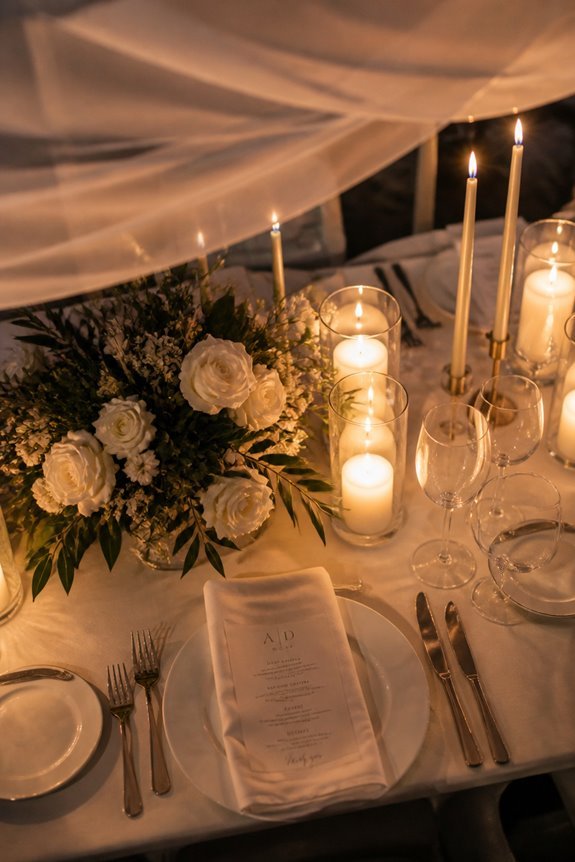
Candlelight, when suspended within or beneath canopy draping, creates a warm focal point that draws attention and establishes intimacy in wedding spaces. Hanging lanterns, tea lights in glass holders, and string lights serve as practical options for achieving this effect.
Placement matters greatly: positioning lights at varying heights within the canopy structure adds visual depth. Battery-operated candles offer safety advantages over open flames, particularly in enclosed or fabric-heavy settings. Warm white bulbs, typically ranging from 2700K to 3000K color temperature, produce the desired golden glow.
Venues with high ceilings benefit from suspended installations, while lower spaces work better with perimeter arrangements. The combination of draped fabric and soft lighting transforms ordinary areas into elegant settings suitable for ceremonies and receptions.
Cascading Drapes: Ceiling-to-Floor Elegance
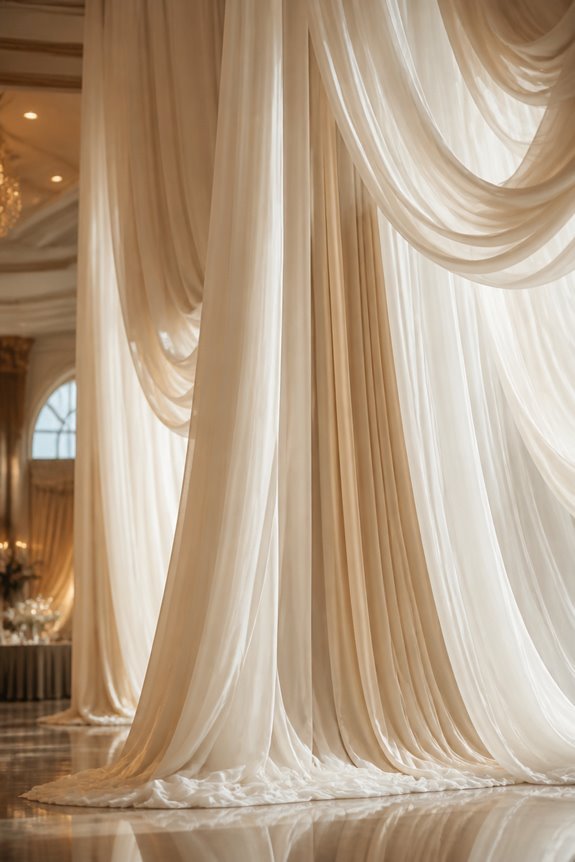
Flowing fabric suspended from ceiling to floor creates vertical visual lines that enhance wedding spaces, drawing the eye upward and establishing formal elegance. This draping technique works well in venues with high ceilings, ballrooms, and outdoor pavilions.
Common fabric choices include chiffon, tulle, and silk, which drape smoothly without bunching. Installation involves securing fabric at ceiling attachment points, then allowing it to cascade down pillars, tent poles, or structural elements. The drapes can frame the ceremony area, altar, or reception tables.
Lighting positioned behind or within the cascading fabric intensifies the visual effect. Multiple fabric colors can layer together for depth, while single colors maintain minimalist sophistication. This approach requires adequate ceiling height, typically eight feet minimum, for proper proportion and impact.
Asymmetrical Draping for Modern Venues
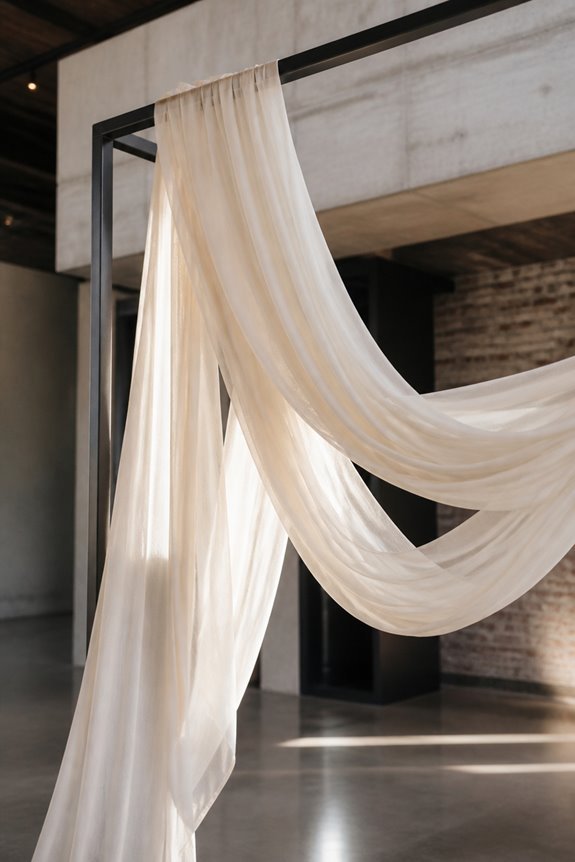
Asymmetrical draping offers a contemporary alternative to traditional balanced designs, positioning fabric at uneven heights and angles across venue spaces. This approach suits modern venues with exposed brick, industrial ceilings, or angular architecture.
Asymmetrical arrangements typically feature fabric anchored high on one side, then sweeping lower on the opposite end, creating visual movement and interest. Common configurations include draping from corner to center point, fabric cascading at varied heights across multiple support points, and single-side emphasis with minimal opposite coverage.
Venues with vaulted or sloped ceilings benefit particularly from this technique, as the uneven fabric lines complement existing architectural features. Sheer fabrics work well for this style, allowing light to filter through while maintaining definition. Color selection ranges from neutral tones to bold jewel hues, depending on overall wedding aesthetic preferences.
Metallic Gold and Silver Accents
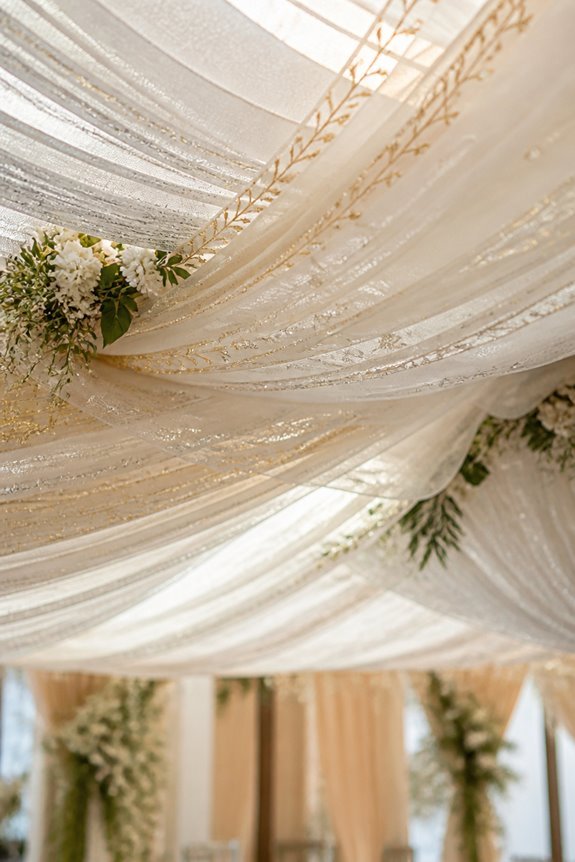
Metallic threads, sequins, and reflective fabrics transform canopy draping by introducing shimmer and depth to wedding spaces. Gold accents work well with warm lighting and ivory fabrics, creating an elegant atmosphere. Silver options pair effectively with cool-toned decorations and white draping, producing a contemporary look.
Specific applications include weaving metallic ribbon through sheer fabric layers, attaching sequined panels to canopy edges, using metallic paint on wooden support structures, and combining metallic thread with tulle for draped sections.
Lighting considerably affects metallic accents, with uplighting and spotlights enhancing reflective qualities. Gold tends toward traditional aesthetic choices, while silver suits modern venues. Both options require minimal maintenance during events and withstand typical weather exposure when properly secured.
Flower-Adorned Canopy Designs
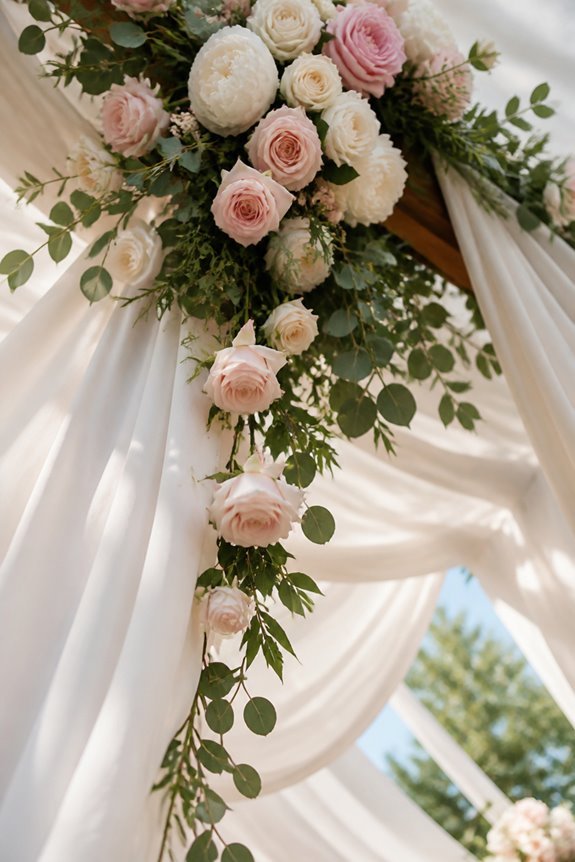
Fresh flowers transform canopy structures into botanical focal points through strategic arrangement and placement. Roses, peonies, and hydrangeas serve as popular choices for their durability and visual impact. Hanging installations suspend blooms from canopy frames using floral wire and foam bases, creating layered depth and dimension.
Draping fabric beneath flower arrangements provides contrast and definition. White or ivory linens complement most floral palettes, while blush tones offer subtle sophistication. Seasonal flowers reduce costs and guarantee availability.
Greenery including eucalyptus, ivy, and fern fronds fills gaps between blooms, creating fuller designs. Flower-adorned canopies work effectively as ceremony backdrops, cocktail hour focal points, or dance floor installations. Florists typically recommend consulting color schemes and venue dimensions before finalizing floral selections.
Ombré Draping: Color-Fading Drama
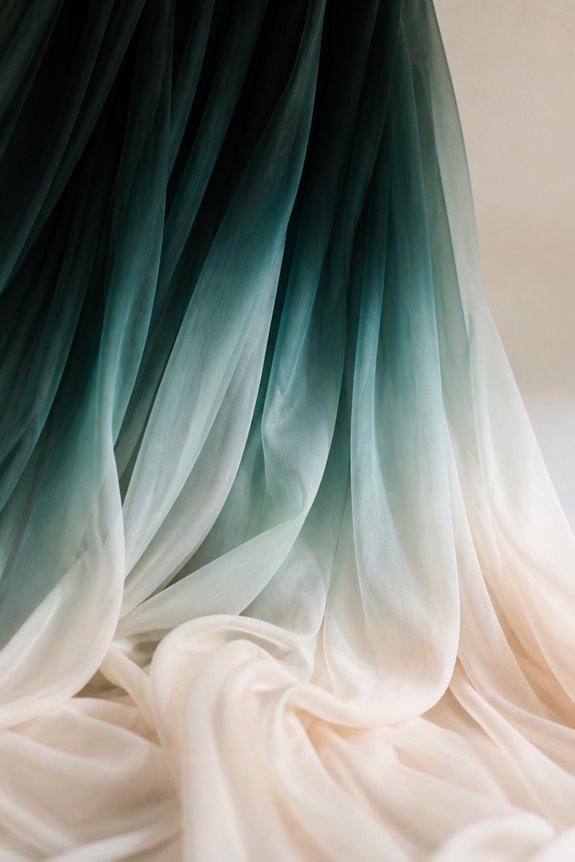
Ombré draping creates a gradual color shift across canopy fabric, shifting from one hue to another in a seamless fade. This technique produces visual depth, drawing attention upward along the draped material.
Wedding planners implement ombré effects using several methods. Fabric dyeing creates authentic gradients, though it requires professional expertise. Alternatively, layering fabrics of progressively lighter or darker shades produces similar results with less complexity.
Popular ombré combinations include blush to white, navy to silver, and gold to cream. The color change typically spans the full canopy length, starting darker at the top and fading lighter toward the bottom, or vice versa.
This draping style works effectively over garden venues, reception areas, and ceremony backdrops. The fading effect complements both modern and traditional wedding aesthetics without overwhelming surrounding décor elements.
Bohemian Macramé and Draped Combinations
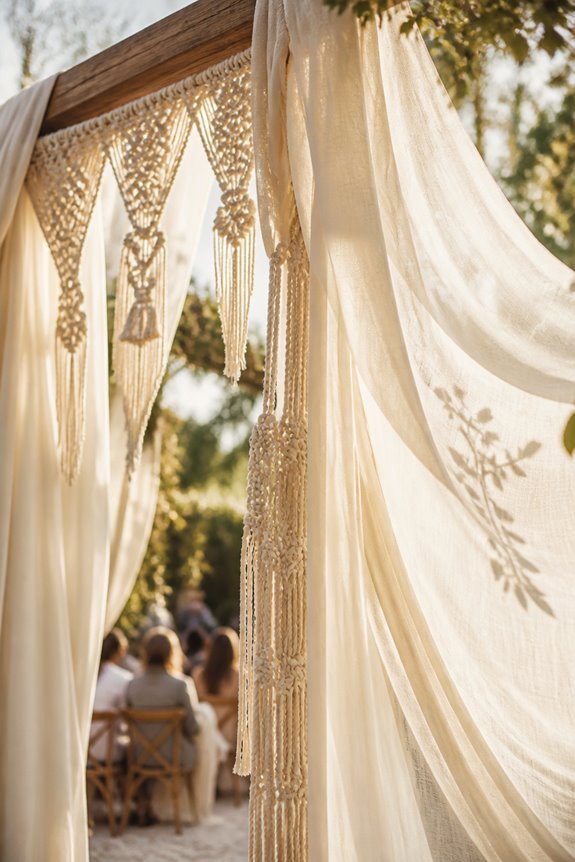
Bohemian style combines macramé elements with flowing fabric draping to create relaxed, textured canopy designs. This approach incorporates knotted rope patterns, layered textiles, and natural materials into wedding structures.
Here’s what makes up this look. Macramé panels hang from the canopy frame, tied into geometric or flowing knot patterns. Soft fabrics like cotton or linen drape next to the rope pieces. Cream, tan, and ivory colors keep the whole thing feeling calm and simple. Hanging plants or greenery get tucked in between the fabric and macramé for extra texture. Wooden poles or branches hold everything up.
The combination creates visual depth through texture variation. Macramé provides structured detail, while fabric softens the overall appearance.
This style works well for outdoor venues, garden settings, and casual celebrations. Installation requires securing macramé safely to withstand wind and movement.
Ceremony Backdrop Draping for Impact
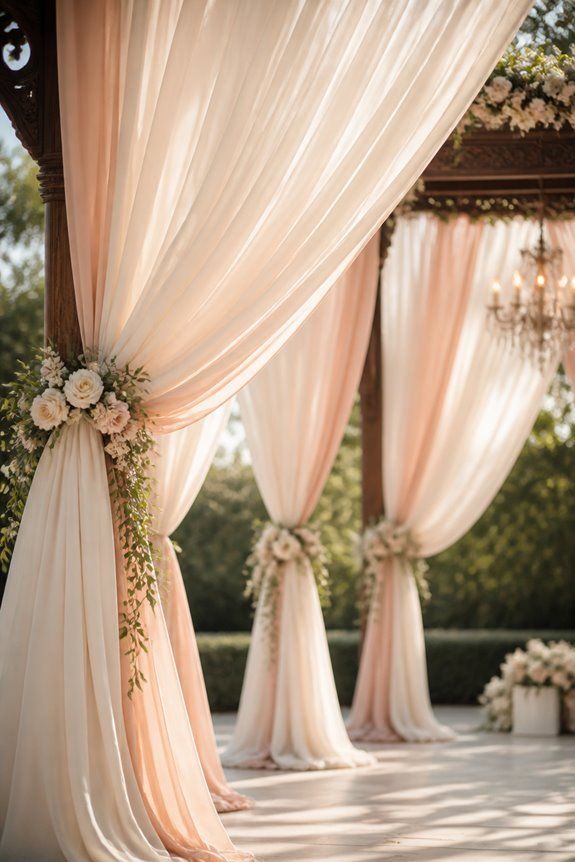
The ceremony backdrop serves as the primary focal point during wedding exchanges, requiring deliberate design choices to maximize visual impact. Layered fabric draping, using materials like chiffon or silk, creates depth and visual interest behind the altar area. Strategic lighting, including uplighting or spotlights, enhances texture and definition in the draped fabrics.
Color selection matters greatly: neutral tones like ivory, blush, or champagne complement most wedding aesthetics, while bold colors like deep burgundy or forest green make distinctive statements. Multiple fabric panels, arranged in varying heights and angles, prevent a flat appearance. Incorporating structural elements such as arches, columns, or frames provides support while defining the backdrop’s boundaries.
Adding floral installations or greenery to draping creates dimensional, sophisticated backdrops that photograph well and establish memorable ceremony settings.
Tulle and Lace Layering Techniques
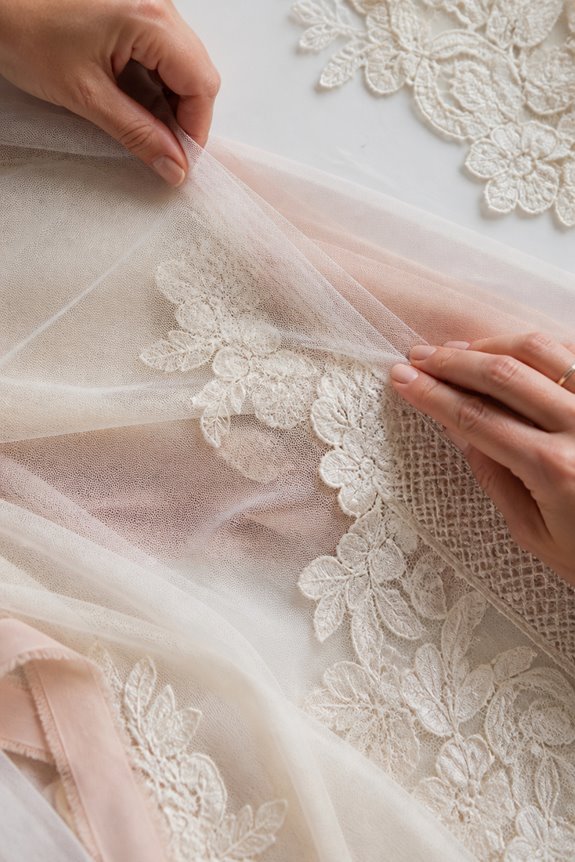
Layering tulle and lace creates texture, depth, and visual interest in wedding canopy designs. The technique involves combining sheer fabrics in strategic patterns to enhance the overall aesthetic. Tulle, a lightweight netting material, provides an airy foundation, while lace adds intricate detail and elegance.
Designers typically attach tulle first to the canopy frame, then layer lace panels over it for dimension. Color combinations matter greatly: ivory tulle with white lace creates classic contrast, whereas champagne tulle beneath blush lace produces softer tones.
The layering method accommodates various canopy shapes, including rectangular and circular structures. Draping angles and fabric tension determine how light filters through the layers, affecting the final appearance. Proper attachment using clips, pins, or sewing prevents sagging and maintains the intended visual effect throughout the ceremony.
Backlit Sheer Fabric: Glowing Effects
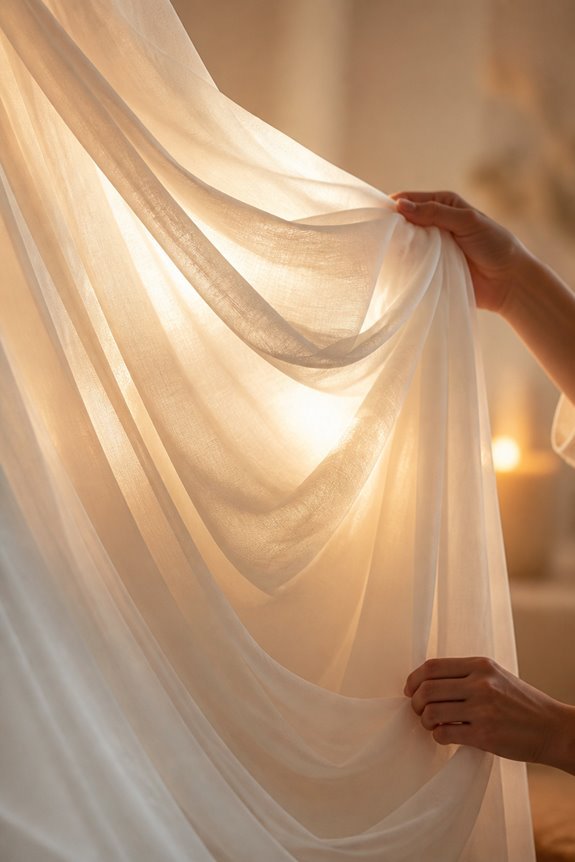
Backlighting sheer fabrics creates a glowing effect that transforms wedding canopies through strategic light placement behind the draped materials. Uplighting, string lights, and LED panels positioned behind tulle, chiffon, or organza produce an ethereal appearance. The light diffuses through the fabric layers, creating soft illumination that enhances the canopy structure and surrounding space.
Wedding planners typically use warm white or soft amber lighting for traditional aesthetics, while cool white light produces modern effects. Positioning lights at varying heights behind the fabric generates dimensional depth and visual interest. The fabric density determines light intensity: thinner materials allow brighter projection, while layered fabrics create softer glows.
This technique proves effective for evening ceremonies, indoor venues, and reception areas requiring atmospheric enhancement without harsh shadows or bright spotlighting.
Ballroom Ceiling Drapes: High-Impact Transformation
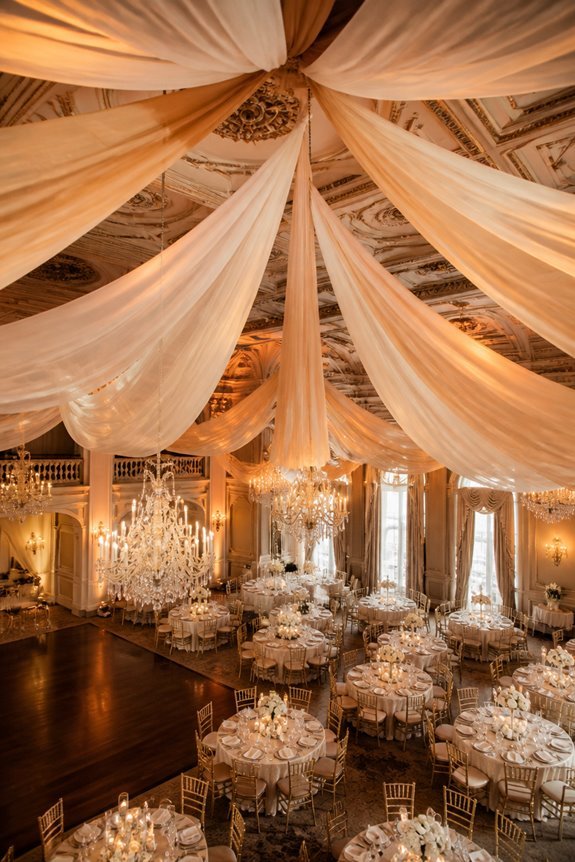
Draping entire ballroom ceilings with fabric creates a dramatic visual transformation that reshapes the perceived dimensions and atmosphere of a venue. Fabric choices include ivory silk, champagne chiffon, or deep jewel tones, each producing distinct effects.
Installing ceiling drapes requires strategic anchor points, typically at corners and center sections, using professional-grade hardware and rigging systems. White or cream drapes elongate spaces and enhance lighting effects, while darker fabrics create intimacy in larger ballrooms.
Layered draping adds depth and visual interest without overwhelming the room. Uplighting positioned behind draped fabric produces glowing effects. Swag patterns, gathered peaks, and flowing panels offer design variations.
This approach works particularly well for venues with exposed ceilings or industrial elements. Professional installation guarantees safety and proper tension across all draped sections.
Mixing Velvet, Linen, and Chiffon
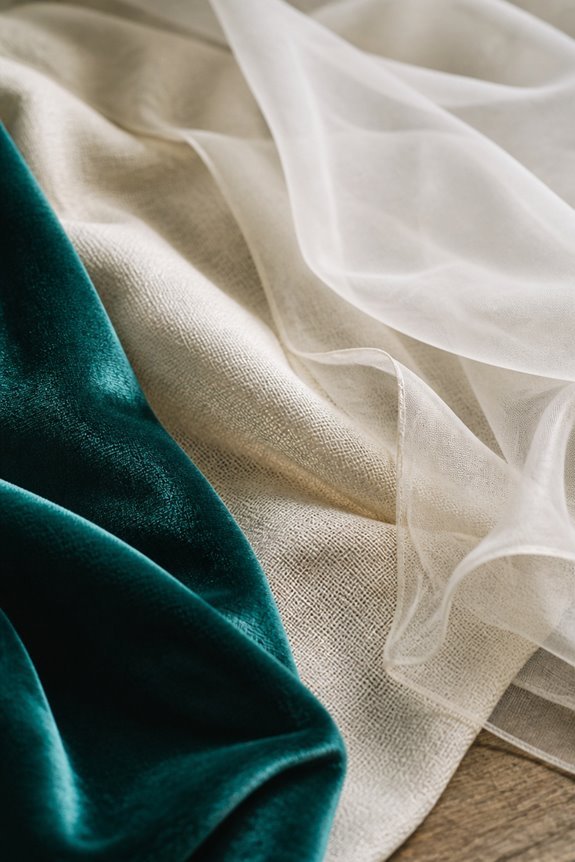
Texture combinations create visual and tactile depth that single-fabric installations cannot achieve. Velvet, linen, and chiffon each serve distinct purposes when layered together. Velvet provides richness and absorbs light, creating darker focal areas. Linen offers structure and a natural appearance, preventing the arrangement from appearing overly formal. Chiffon adds lightness and movement, allowing air to flow through the draping.
Practical applications include using velvet as the base layer, linen as the middle section, and chiffon as the outer, flowing element. This arrangement works particularly well for creating depth behind the ceremony altar or around reception dining areas. The combination maintains visual interest while accommodating different lighting conditions throughout the venue, from natural daylight to evening illumination.
Premium Effects on a Modest Budget
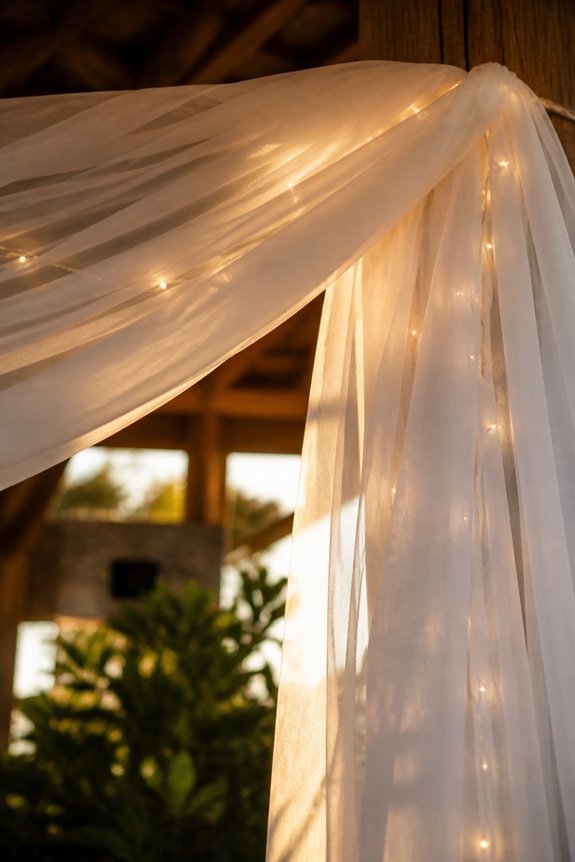
Achieving luxurious canopy effects without extensive spending requires strategic choices in fabric selection, layering, and lighting techniques. White or ivory polyester blends offer similar visual impact to silk at notably lower costs. Layering sheer fabrics with heavier materials creates depth and dimension without purchasing premium textiles.
LED string lights, uplighting, and spotlights produce dramatic effects that enhance modest fabrics greatly. Draping techniques such as swags, asymmetrical folds, and gathered corners add visual interest and perceived quality. Renting rather than purchasing canopy structures reduces expenses markedly.
Strategic fabric placement, concentrating costly materials in focal areas while using budget options elsewhere, maximizes visual returns. These approaches allow couples to achieve upscale aesthetics while maintaining reasonable expenditure levels.
Frequently Asked Questions
How Do I Safely Install Canopy Draping in Venues With Low or Vaulted Ceilings?
Adjustable poles, tension wires, and professional-grade hardware rated for fabric weight are the foundation of a safe installation, regardless of ceiling height.
Low ceilings generally call for horizontal installation methods, while vaulted spaces do better with cathedral-style draping anchored at key architectural points.
Checking the venue’s specifications before finalizing any design is always worth the extra step, since every space has its own quirks.
What Is the Average Cost of Professional Canopy Draping Installation for a Wedding?
Professional installation typically falls somewhere between $1,000 and $5,000, with venue size, fabric complexity, and labor requirements all factoring into the final number.
Larger venues and more intricate designs naturally push costs toward the higher end, while simpler installations in smaller spaces tend to stay closer to the lower end.
That investment often transforms a space dramatically, turning a blank room into something guests remember long after the event.
How Can I Protect Draped Fabrics From Weather During Outdoor Garden Ceremonies?
Water-resistant sprays applied ahead of time offer a first layer of protection against unexpected weather during an outdoor ceremony.
Weighted hems help prevent wind damage, and clear protective panels can be added for extra coverage without disrupting the overall look.
Choosing synthetic materials designed for outdoor conditions from the start, paired with regular monitoring throughout the event, keeps fabric looking its best from setup to send-off.
Which Fabrics Work Best for Canopy Draping in Humid or Tropical Climates?
Polyester, solution-dyed acrylic, and outdoor-grade linen hold up best when humidity and moisture are a real concern.
These materials resist mildew and maintain their appearance even after hours of exposure to tropical air, which matters most for all-day celebrations.
Choosing the right fabric here isn’t just about looks. It’s about making sure the canopy still looks fresh by the time the reception begins.
How Far in Advance Should I Book Canopy Draping Services for My Wedding?
Six to twelve months ahead is the general recommendation for popular venues and peak wedding seasons, when availability tends to disappear quickly.
Three to four months can be enough for less busy periods, though earlier is always safer if a specific designer or fabric style matters.
That lead time also allows for a proper design consultation, giving enough room to settle on fabric selection without feeling rushed.
Conclusion
A wedding canopy is one of the few design choices that can completely reshape how a venue feels the moment guests walk in.
White chiffon remains a dependable classic, but jewel-tone silk and mixed textures prove there’s no single right way to approach this kind of transformation.
Lighting deserves just as much attention as fabric selection. A beautifully draped canopy can fall flat without the right glow behind it, especially once evening sets in.
Budget shouldn’t be seen as a limitation either. Some of the most striking looks come from simple materials paired with smart layering and thoughtful lighting placement.
Greenery, metallic accents, and backlit effects all offer easy ways to add dimension without overcomplicating the overall design.
Which of these draping styles feels right for your own celebration? Share your thoughts in the comments below.