
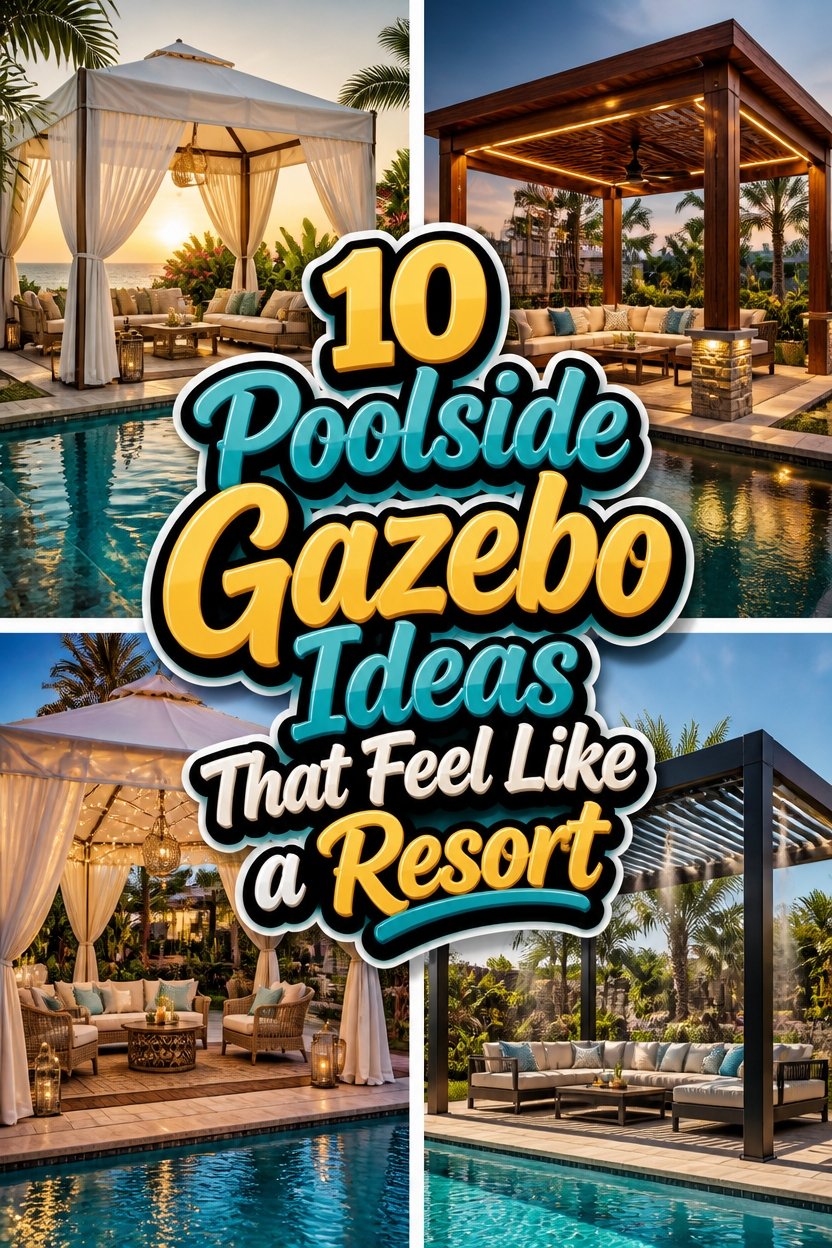
Nothing makes a backyard feel like vacation quite like a shaded spot right next to the pool.
I added one to my own patio a few summers back, and it changed how often we actually used the pool area instead of just walking past it.
You’ll want to think through how open or enclosed you want the space to feel early on. Size and flooring matter too, and both shape how the space functions for years to come.
Once the bones are set, the fun part starts, fabrics, lighting, and furnishings that bring in that relaxed resort mood.
The goal is a space that looks like a getaway but still holds up to real, everyday pool life.
Getting the Foundation Right
Before you fall for a particular style, nail down the practical stuff first. Open-air versus enclosed changes everything about how the space feels and how much upkeep you’re signing up for.
Your local climate should guide a lot of these early decisions. Humid regions call for different materials than dry ones, and bug pressure varies a lot depending on where you live.
Flooring is another decision worth getting right the first time, since it’s a lot harder to redo once the gazebo is built around it.
10 Poolside Gazebo Ideas That Feel Like a Resort
These ideas range from sleek and minimal to lush and tropical, so there’s a direction here no matter what style your backyard already leans toward.
Some focus on structure and layout, while others zero in on the finishing touches, like lighting or fabric, that make a space feel finished.
Take your time scrolling through and see what fits the vibe you’re going for.
Open-Air or Enclosed? Choosing Your Gazebo Structure
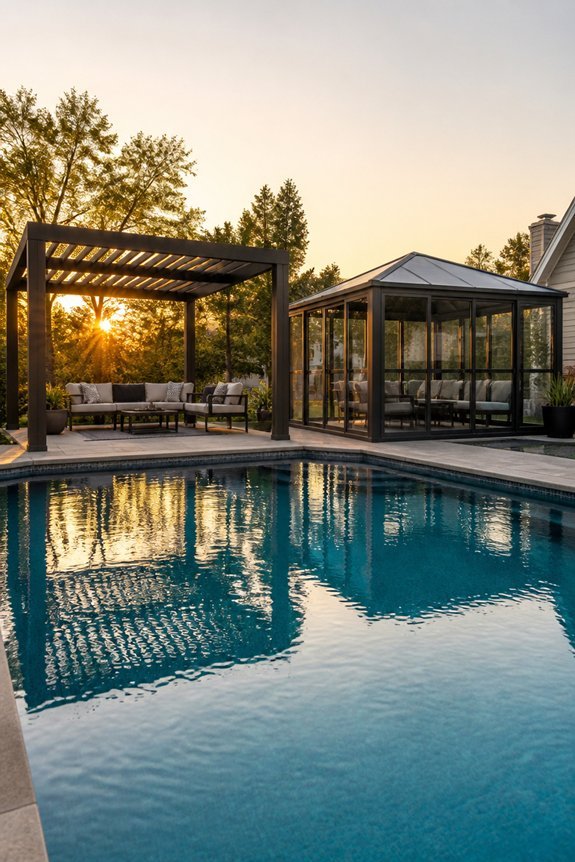
Open-air gazebos have a simple roof held up by posts. Air moves through freely, and you get shade from sun and light rain. These are ideal for mild climates with little rain.
Enclosed gazebos come with walls, screens, or panels. You stay safe from bugs, wind, and storms. They fit regions with frequent weather issues or lots of insects.
Cost and Care
Open-air designs cost less upfront. They also need very little upkeep over time.
Enclosed versions cost more. You will clean screens and panels regularly to keep them in good shape.
Making Your Choice
Think about your local weather first. Then consider your budget and how you use your poolside area. These factors point you toward the right structure for your space.
Also read: 11 Gazebo Dining Ideas for Outdoor Family Gatherings
Modern Minimalist Gazebos: Clean Lines and Open Views
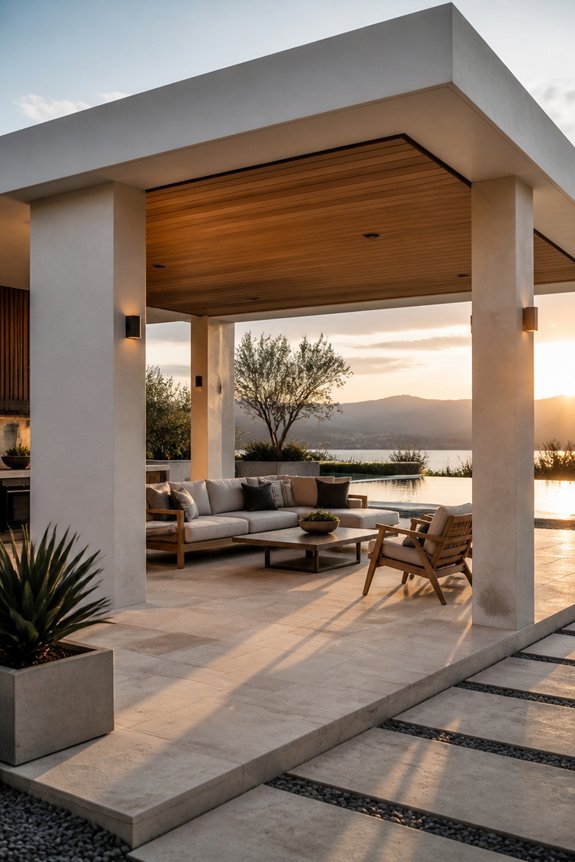
Modern minimalist gazebos strip away excess. They rely on clean lines and open sightlines instead of decorative details. Straight edges and geometric shapes create structures that feel right at home beside contemporary pools.
Steel, aluminum, and composite wood deliver sleek looks without sacrificing durability. These materials weather beautifully and need little attention. Flat or gently pitched roofs keep rain out while skipping ornamental trim entirely.
Design That Works
Open sides frame unobstructed views of your pool and landscape. Built-in seating saves space and adds comfort. Integrated lighting extends your evenings outdoors without cluttering the structure.
Color palettes stay simple. Whites, grays, blacks, and natural wood tones blend with modern homes. Less ornamentation means less maintenance and longer-lasting structures.
This approach suits streamlined homes perfectly. You get functional outdoor space without visual noise or elaborate details.
Tropical Poolside Gazebos: Thatched Roofs and Natural Materials
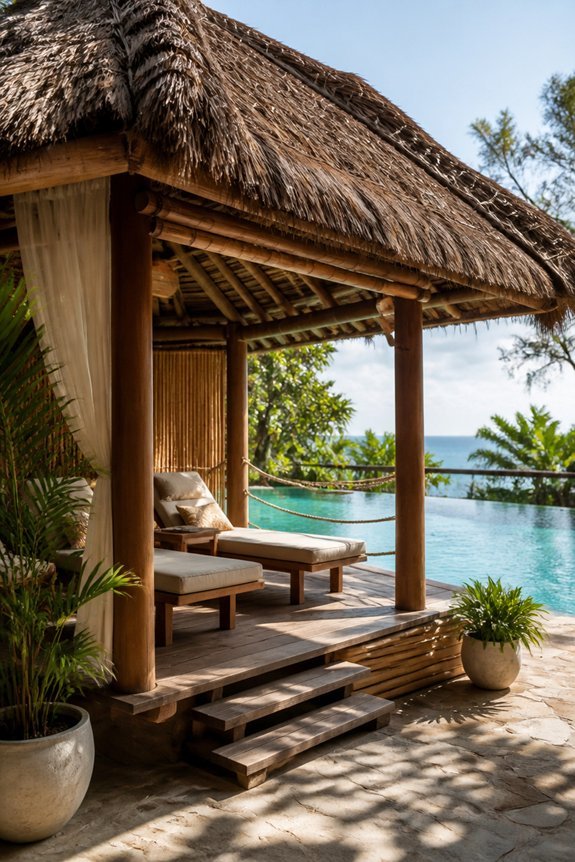
Tropical poolside gazebos celebrate natural beauty over stark minimalism. These structures draw inspiration from resort environments. They use organic forms and warm textures that feel inviting.
Thatched Roofs for Shade and Style
Thatched roofs made from palm fronds, bamboo, or dried grasses deliver authentic tropical charm. They also provide excellent protection from sun and rain. The natural materials blend seamlessly with outdoor surroundings.
Natural Materials That Age Beautifully
Cedar wood posts and rattan panels form sturdy yet graceful structures. Stone foundations add stability and organic texture. These materials develop character over time rather than looking worn.
Design Features for Hot Climates
Curved roof lines and open sides promote cooling air circulation. This matters greatly in warm, humid locations. Wooden lattice work adds visual interest while filtering sunlight. Natural fiber curtains can soften the space. Living plants complete the resort-like atmosphere.
Color and Decoration
Earth-tone palettes keep the focus on materials and textures. Minimal ornamentation lets natural elements shine. The overall effect feels relaxed and timeless.
Sizing Your Gazebo for Your Space and Guest List
Standard Sizes That Work
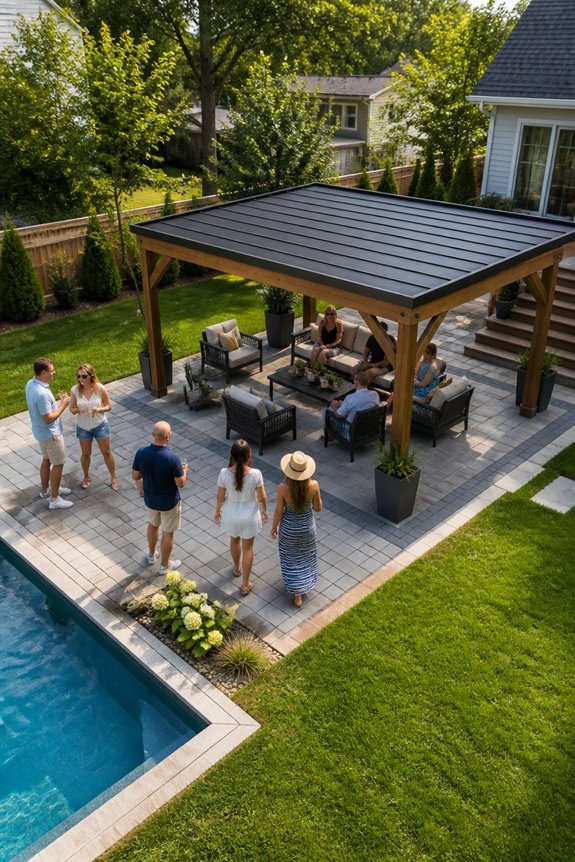
A 10-by-10-foot gazebo fits four to six people comfortably. This works nicely for intimate gatherings or quiet poolside moments. Step up to a 12-by-12-foot structure and you can host eight to ten guests with room to move. Larger yards accommodate 14-by-14-foot or even 16-by-16-foot designs. These sizes welcome fifteen to twenty people without feeling cramped.
Measuring Your Space Correctly
Leave enough room around your gazebo for furniture and walking paths. Pool access should feel open and safe. Remember that posts and roof overhangs add to your total footprint. Measure carefully before you buy. Placement near the pool edge affects how well you supervise swimmers and how easy it is to grab a drink.
Rectangular Options
A 10-by-16-foot rectangular gazebo offers flexible seating arrangements. You can zone the space for dining and lounging. This shape works well for families who entertain in different ways.
Making Your Choice
Think about how often you host and how many guests typically come. Sketch your yard layout with actual measurements. Match your gazebo size to real patterns, not wishful thinking. Your pool area will feel more inviting when the structure fits just right.
Hardscape Flooring: Defining Your Gazebo Foundation
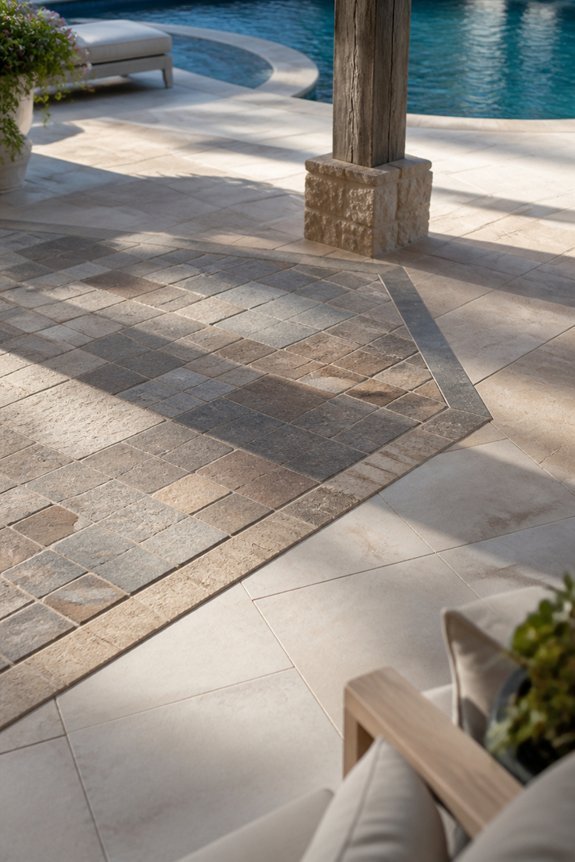
Your gazebo foundation matters. It keeps the structure stable and dry.
Hardscape flooring prevents settling, shifting, and water pooling. It creates a level surface you can count on.
Popular Options
Concrete pads cost less and install simply. Pavers give you design freedom plus easy repairs down the road. Natural stone looks stunning but needs more upkeep. Gravel saves the most money yet requires regular raking and occasional replacement.
Installation Basics
Slope the foundation slightly away from your gazebo. This channels water where it should go. A raised base of six inches stops puddles and keeps pests out.
Most projects need a compacted layer of sand or gravel underneath. A pro can check your soil and climate to set the right depth and drainage.
Climate Control: Fans, Misters, and Weather Protection
Staying Cool
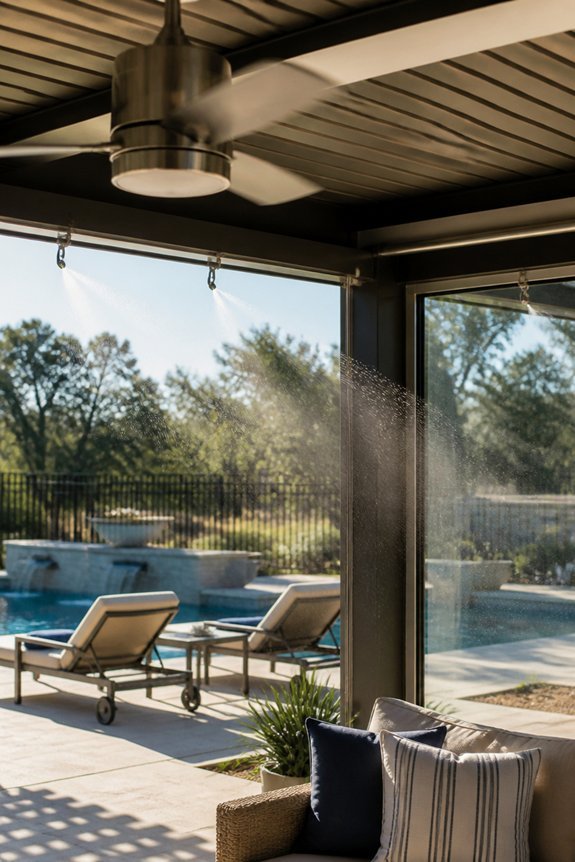
Ceiling fans move air effectively. They can lower how warm you feel by several degrees. Misting systems spray fine water droplets that cool the air through evaporation. These work best where humidity is low. Fans and misters together give you the best results.
Blocking the Elements
Retractable awnings let you adapt. Open them on pleasant days. Close them when rain hits or sun becomes intense. Fixed polycarbonate panels give constant coverage. They also soften and spread natural light. Add mosquito netting to keep bugs out without stopping airflow.
Bringing It Together
Mix cooling methods for a relaxed, resort feel. Layered solutions handle multiple comfort needs at once. Your outdoor space stays usable through shifting weather.
Fabric Draping and Sheer Curtains for Elegance
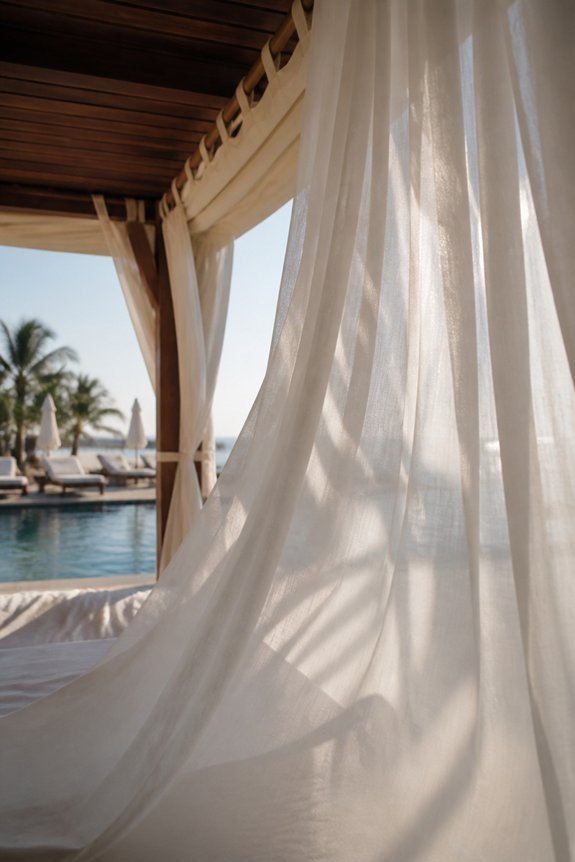
Climate control keeps you comfortable. Fabric details make the space beautiful. Sheer curtains in white, cream, or light gray bring instant elegance to your poolside gazebo. They let air flow through. Sunlight filters in softly. You get less glare without losing your view of the water.
Hang fabric from the gazebo frame. Tension rods work well too. You can also attach material right to existing posts. Choose outdoor-grade fabrics like solution-dyed polyester. They hold up against fading, moisture, and mildew much better than regular textiles.
Mix different fabric weights for depth and interest. Place heavier materials low for privacy. Keep lighter sheers up top for openness. Position layers on key sides to block wind and harsh sun. Your resort atmosphere stays intact.
Gazebo Lighting: Setting the Mood After Dark
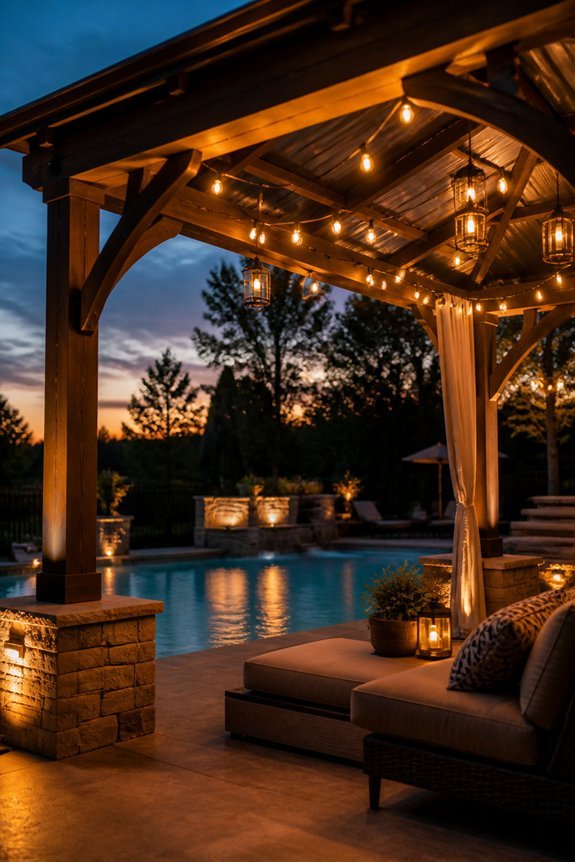
As the sun sets, strategic lighting transforms a poolside gazebo into a functional and inviting outdoor space.
Ambient Lighting
Overhead string lights create a warm, welcoming glow across the gazebo’s interior. Edison bulbs and café-style strands work beautifully for this purpose. Recessed ceiling lights provide even, shadowless brightness. These make reading and dining much easier after dark.
Safety and Pathways
Solar-powered ground lights around the gazebo’s perimeter mark pathways clearly. They also enhance safety for guests walking near the pool. Proper placement prevents glare on water surfaces. Seating areas still get the light they need.
Accent and Mood Lighting
Uplighting directed at plants or structural elements adds visual depth and interest. Dimmable LED fixtures let you adjust brightness for any activity. Warm color temperatures around 2700 Kelvin feel comfortable and relaxing.
Durability and Design
Waterproof designs protect against pool splash and humidity. These lighting layers combine practicality with aesthetic appeal. Your evening poolside space stays both beautiful and functional.
Built-In Seating and Lounge Areas
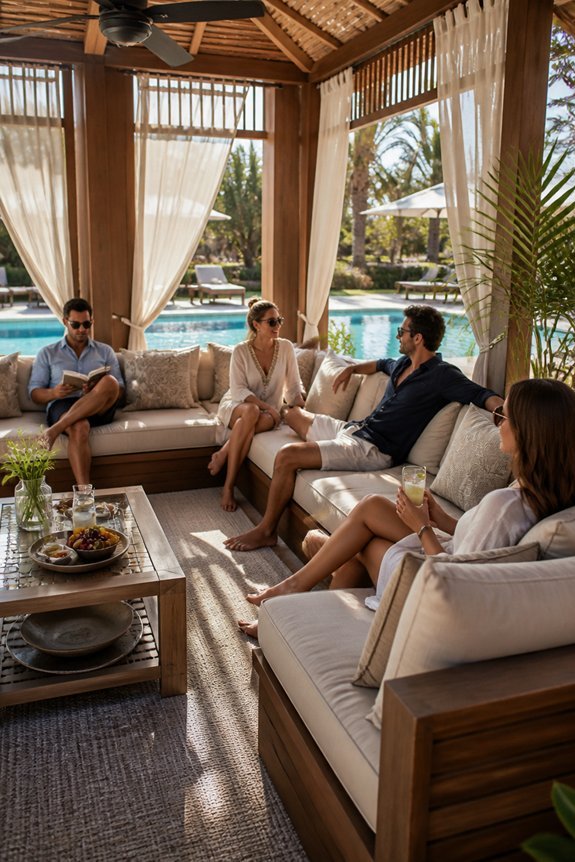
A poolside gazebo can welcome many guests without feeling crowded. Smart seating choices keep everyone comfortable from morning to evening.
Bench seating along the edges uses space wisely. L-shaped benches fit nicely into corners and create cozy spots for small groups. Look for cushioned seats with hidden storage below. They hold pool toys and towels while keeping the area tidy.
Lounge chairs invite guests to stretch out with a book or catch a nap. Adjustable chaise backs let people sit up or lie flat as they please. Adding armrests and small side tables keeps drinks and sunscreen within easy reach.
Floating dock seating brings people right to the water’s edge. Mixing chairs, benches, and lounges together lets guests choose what suits them best. Weather-resistant wicker and teak hold up well against humidity and chlorine.
Resort-Style Furnishings and Accessories
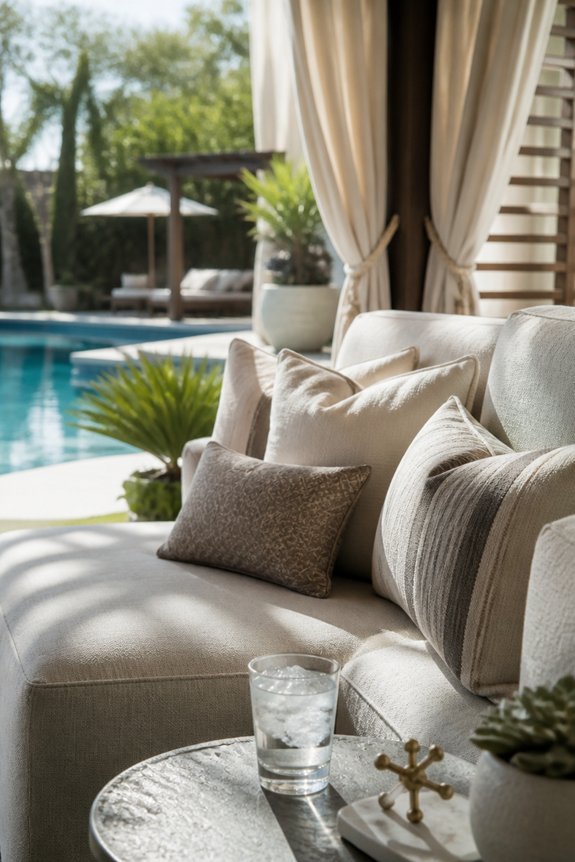
Poolside gazebos become luxurious retreats with the right furnishings. Wicker and rattan lounge chairs offer cushioned comfort for lazy afternoons. Weather-resistant sofas in neutral tones create welcoming conversation spaces.
Teak or aluminum side tables keep drinks and belongings within reach. Outdoor rugs add warmth and texture over concrete or tile floors.
Evening ambiance comes from string lights, lanterns, or recessed fixtures. Ceiling fans keep air moving and make hot days feel cooler.
Layered comfort matters too. Coordinated throw pillows and blankets invite guests to settle in. Storage ottomans pull double duty by hiding pool gear while offering extra seating.
Each piece blends practicality with resort-worthy style. The result feels like a high-end vacation spot, just steps from your back door.
Frequently Asked Questions
How Much Does It Cost to Build a Poolside Gazebo?
Costs typically land somewhere between $3,000 and $15,000, and where you fall in that range depends a lot on size and materials.
Prefab kits are the budget friendly route, while custom builds with premium finishes push the price up fast.
Don’t forget to factor in professional installation if you’re not doing it yourself, since labor adds a real chunk to the total.
Do I Need a Permit to Install a Gazebo Near My Pool?
In most places, yes. Permit rules vary quite a bit depending on where you live, so it’s worth checking before you start building.
Building codes, setback distances, and any electrical work near the pool all tend to factor into what’s required.
Your local building department can tell you exactly what applies to your project, so give them a call early rather than after construction starts.
What Is the Best Gazebo Material for Durability and Maintenance?
Aluminum and vinyl are your best bets if durability and low maintenance matter most to you. Aluminum resists corrosion and barely needs any upkeep over time.
Vinyl holds up well too and cleans easily, which matters a lot around a pool where splashes and chlorine are a given.
Both materials handle moisture and sun exposure better than most alternatives, so either one is a safe long-term choice.
How Long Does a Gazebo Typically Last Before Needing Replacement?
You can expect a well-built gazebo to last 15 to 20 years with regular care. That’s a solid lifespan for something that sits outside year round.
High-quality materials like aluminum or cedar can push that number closer to 25 years.
Routine cleaning and the occasional protective treatment make a real difference in how long your structure actually lasts.
Can I Install a Gazebo Myself or Do I Need Professionals?
Simpler models are pretty doable on your own if you’re comfortable with basic tools and don’t mind a weekend project.
More complex designs are a different story though. Getting the foundation and structural details right really benefits from professional experience.
Hiring a pro also usually means your warranty stays intact, which is worth considering if you’re investing in a higher end structure.
CONCLUSION
A good poolside gazebo does more than provide shade, it changes how you actually use your backyard.
Ours turned into the spot where we ended up spending most weekend afternoons, way more than the pool itself most of the time.
Getting the structure type, flooring, and sizing right upfront saves you from having to fix things later. Once those basics are handled, lighting and fabric details are what really bring the resort feeling to life.
Weather resistant materials keep everything looking good for years instead of fading after one summer.
Put it all together and you get a space that feels like a vacation spot without ever leaving home.
What would be the first thing you’d add to your own poolside gazebo? Let me know in the comments, I’d love to hear your ideas.