


A calming bedroom starts with intention. Soft tones like warm white, gentle gray, or sandy beige create a visual exhale. Natural materials such as oak, linen, or clay add depth without demanding attention.
Storage becomes part of the design rather than an afterthought. Under-bed drawers, built-in shelving, and bedside tables with hidden compartments keep essentials accessible yet invisible. Every item earns its place through function or genuine significance.
The difference between minimal and cold often comes down to texture. Woven blankets, a single ceramic vessel, or imperfect linen sheets introduce warmth that sterile spaces lack.
These touches remind us that simplicity serves living, not the other way around. Building this kind of retreat takes time.
Start with clearing surfaces, then edit ruthlessly as habits reveal what you actually use. The goal isn’t emptiness but breathing room.
Start With a Minimalist Color Palette
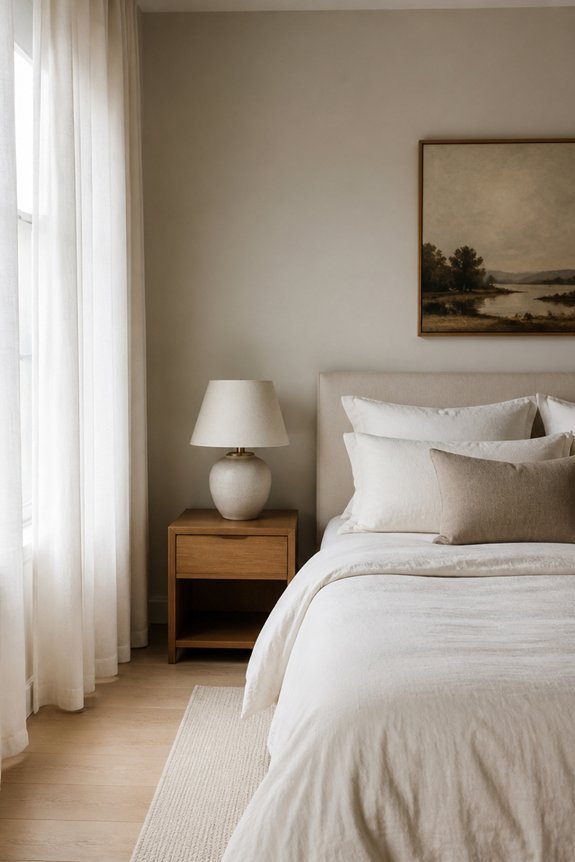
The foundation of any minimalist bedroom rests on selecting a limited, neutral color scheme. Whites, grays, beiges, and soft blacks create a calm backdrop that reduces visual clutter. These colors work together to establish visual rest and promote relaxation. Selecting two to three colors maximum prevents the space from feeling chaotic or overwhelming.
Walls typically feature the lightest shade, while bedding and furniture introduce slightly darker tones. This approach creates subtle contrast without jarring the senses. Neutral palettes also allow accent pieces, like a single plant or artwork, to stand out intentionally. The result is a cohesive, tranquil environment supporting better sleep and mental clarity.
Embrace White and Soft Gray Walls
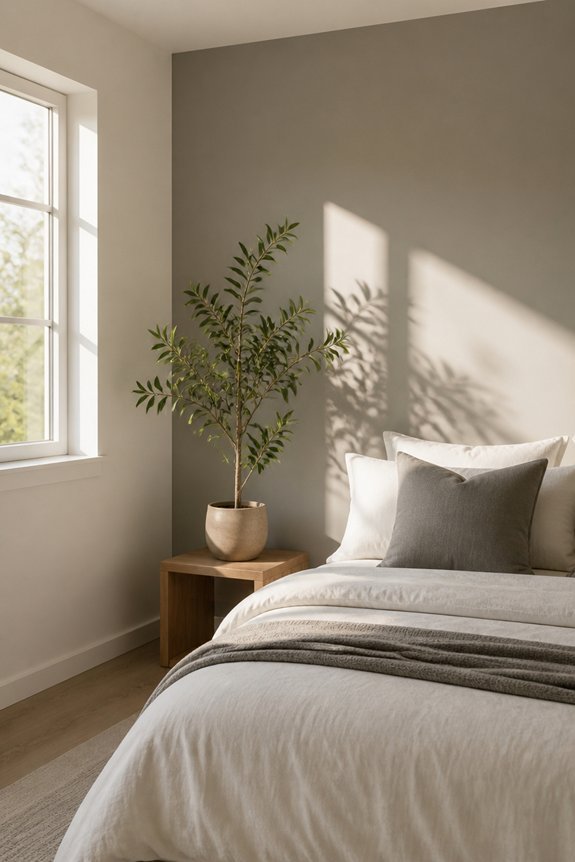
White and soft gray walls serve as the ideal foundation for a minimalist bedroom, providing a neutral backdrop that supports the overall aesthetic. These colors reflect light, making spaces feel larger and more open. White walls create simplicity, while soft gray adds subtle depth without visual clutter.
Both options pair well with natural wood furniture, metal accents, and minimal artwork. Soft gray tones like dove gray or greige offer warmth compared to stark white. These neutral shades reduce visual noise, promoting relaxation and focus. Painting walls in these colors eliminates the need for busy patterns or competing hues, establishing a calm environment conducive to rest and sleep.
Use Natural Wood for Warmth Without Clutter
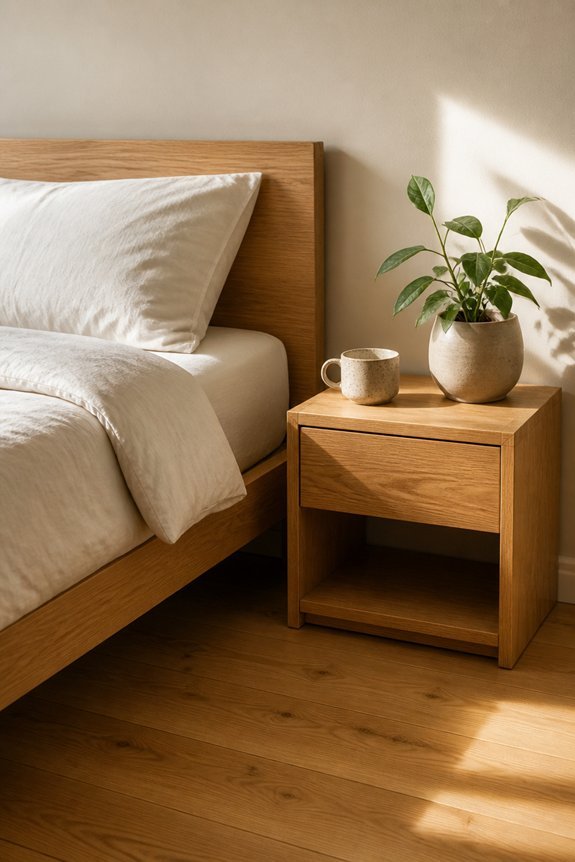
Natural wood furniture brings warmth and organic texture to minimalist bedrooms without introducing visual clutter. Wood bed frames, nightstands, and dressers in light oak, birch, or ash tones complement white and gray walls effectively.
The material’s natural grain patterns provide visual interest while maintaining a calm aesthetic. Selecting pieces with clean lines and minimal ornamentation preserves the minimalist approach. Wood storage solutions, such as simple shelving units or low-profile benches, offer functional alternatives to plastic or metal options.
Quality wood furniture develops character over time, reducing the need for frequent replacements. This approach balances warmth with restraint, creating serene sleeping environments.
Choose a Platform Bed to Reduce Visual Weight
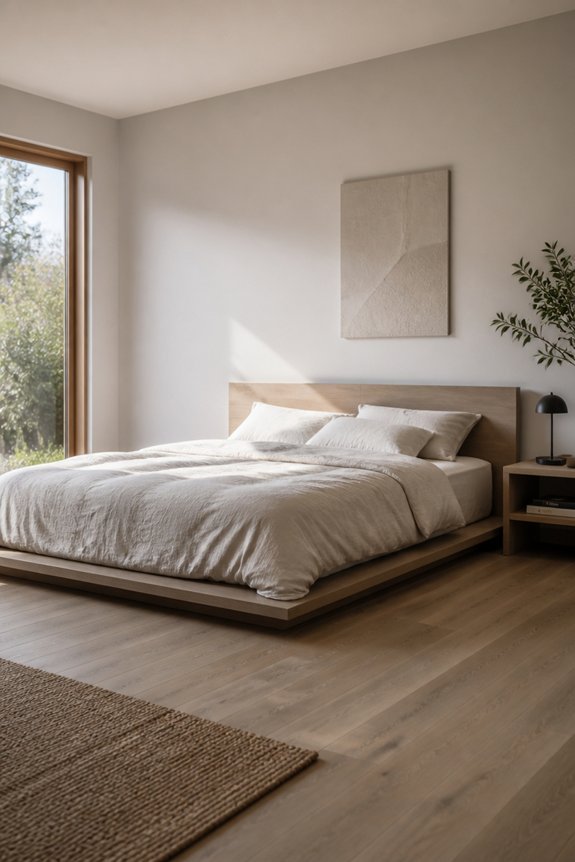
Platform beds accomplish the goal of minimalist design by eliminating the visual bulk of traditional bed frames with box springs and legs. These beds feature a solid, low-profile base that sits directly on the floor or uses minimal support structures underneath. The streamlined design reduces clutter and creates an open, spacious feeling in the bedroom.
Platform beds work well with natural wood finishes, concrete, or metal frames. They pair effectively with simple bedding in neutral colors like white, gray, or beige. This furniture choice supports the minimalist aesthetic while maintaining functional bedroom storage and comfort.
Invest in Quality Bedding Over Quantity
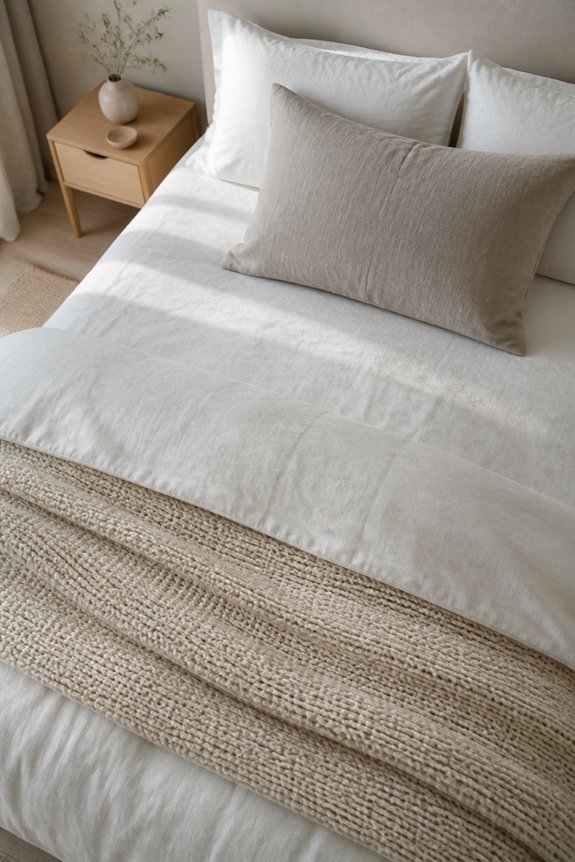
Minimalist bedrooms benefit from high-quality sheets, pillows, and blankets rather than excessive bedding options. Selecting durable, natural fabrics like Egyptian cotton, linen, or bamboo guarantees longevity and reduces replacement frequency. Investing in two to three complete sheet sets in neutral colors, white, gray, or beige, provides sufficient rotation without clutter.
Premium pillows with proper support improve sleep quality, eliminating the need for multiple decorative cushions. A single versatile comforter or duvet in a neutral tone serves as the primary covering. Quality bedding withstands frequent washing, maintains its appearance, and creates a calm foundation for the minimalist bedroom aesthetic.
Limit Your Nightstand to Essentials
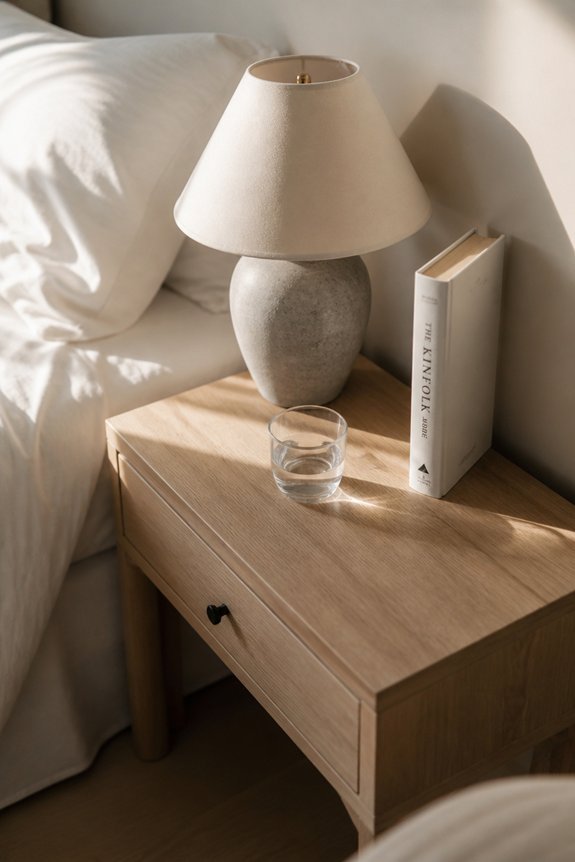
A nightstand serves one primary function: holding items needed during sleep and upon waking. Keeping this surface minimal reduces visual clutter and promotes relaxation in the bedroom environment.
Essential items typically include a lamp, alarm clock, and water glass. A small drawer or shelf can store medications, reading glasses, or a current book. Remove decorative objects, stacks of papers, and unnecessary electronics from the nightstand surface.
This restraint creates a calming atmosphere, making the bedroom feel more spacious and organized. Nightstands function best when they contain only items used regularly during nighttime hours or early morning routines.
Remove Furniture You Don’t Actually Use
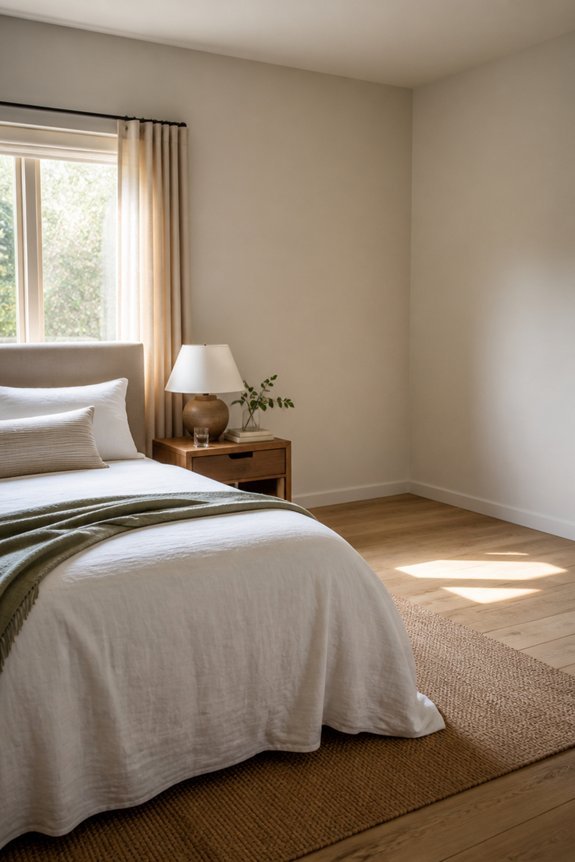
Excess furniture clutters bedrooms and reduces usable floor space, making rooms feel cramped and disorganized. Identifying unnecessary pieces is essential for a minimalist approach.
Common items to remove include decorative benches at the foot of the bed, extra dressers, unused chairs, and storage ottomans that serve no daily purpose. Before keeping any furniture, people should ask whether they use it regularly. If a piece sits unused for months, it occupies valuable space without providing function.
Removing these items creates an open, peaceful environment. The resulting floor space allows for easier cleaning and movement throughout the bedroom.
Follow the One-In-One-Out Rule to Stay Clutter-Free
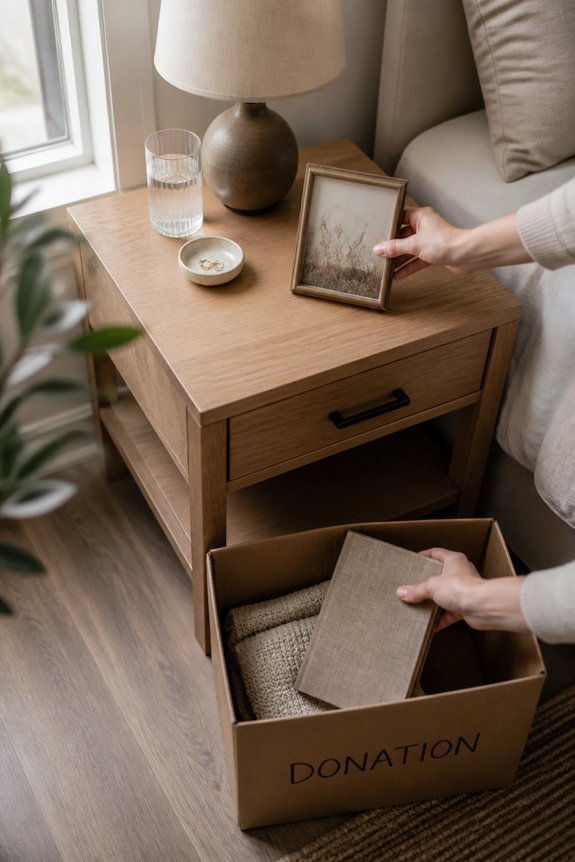
Once unnecessary items have been removed, maintaining that clutter-free state requires an ongoing strategy. The one-in-one-out rule establishes a simple framework: whenever a new item enters the bedroom, an existing item must leave. This approach prevents accumulation over time.
For example, buying new bedding means donating old sheets, or acquiring a new lamp requires removing another light source. Applying this rule consistently to clothing, decor, and accessories keeps the space balanced. The bedroom remains minimal and organized without requiring frequent purging sessions. This sustainable method guarantees the minimalist environment stays intact indefinitely.
Replace Bulky Dressers With Floating Shelves
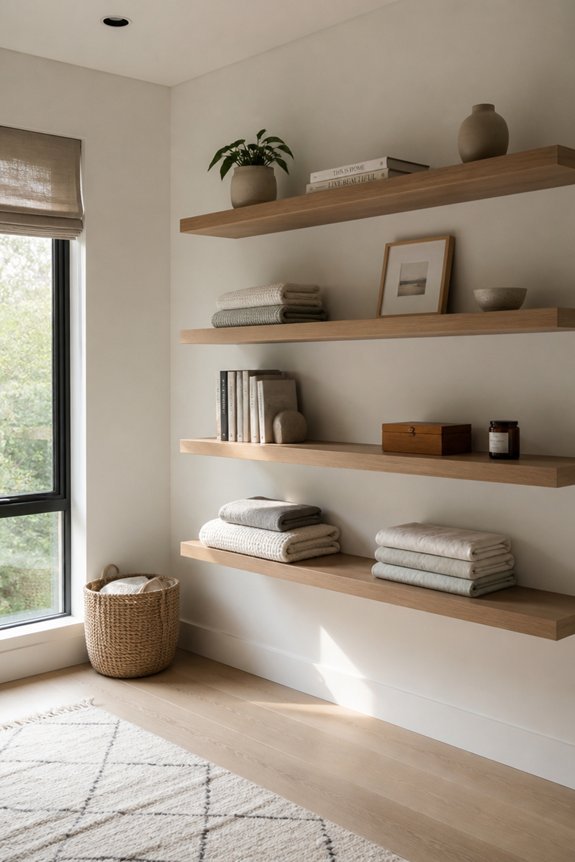
When bedroom space feels cramped, bulky dressers consume floor area and create visual heaviness that contradicts minimalist principles. Floating shelves offer a practical alternative, using wall space instead of floor space. These shelves accommodate folded clothing, accessories, and decorative items without the mass of traditional furniture.
Installing shelves at varying heights creates visual interest while maintaining an open feel. Materials like wood, metal, or composite options suit different design preferences. Floating shelves require wall anchors and proper installation, but the result is a bedroom that appears larger, more organized, and aligned with minimalist aesthetics.
Use Under-Bed Storage for Off-Season Items
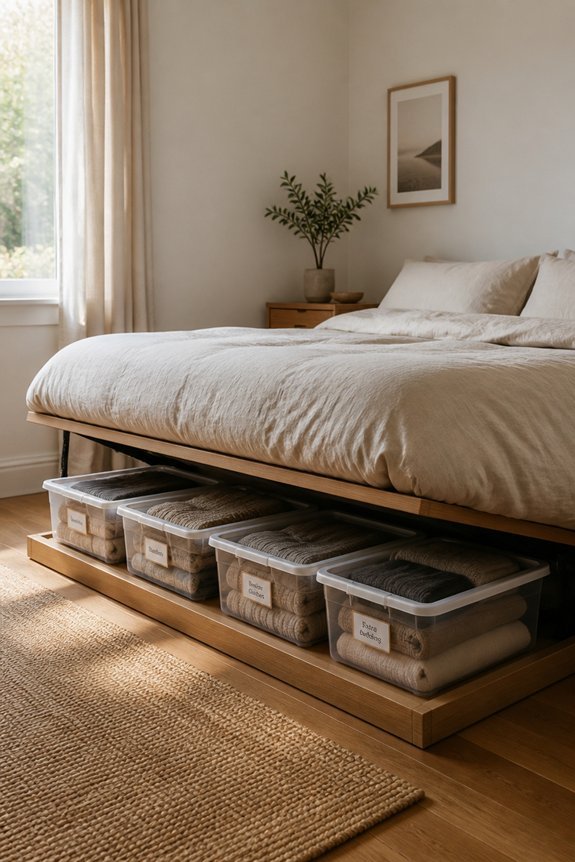
Under-bed storage serves as a practical solution for items that clutter closets and drawers throughout the year. Seasonal clothing, extra bedding, and holiday decorations fit neatly in flat containers beneath the bed frame. This approach maximizes vertical space while keeping frequently unused items accessible yet out of sight.
Rolling bins and shallow plastic boxes work well for under-bed organization. Labels on containers help identify contents without opening each one. Items like winter coats, summer clothes, and holiday decorations stay protected from dust.
This storage method reduces bedroom clutter considerably. The space remains calm and organized, supporting a minimalist aesthetic while maintaining practical functionality for necessary seasonal items.
Create a Capsule Wardrobe System
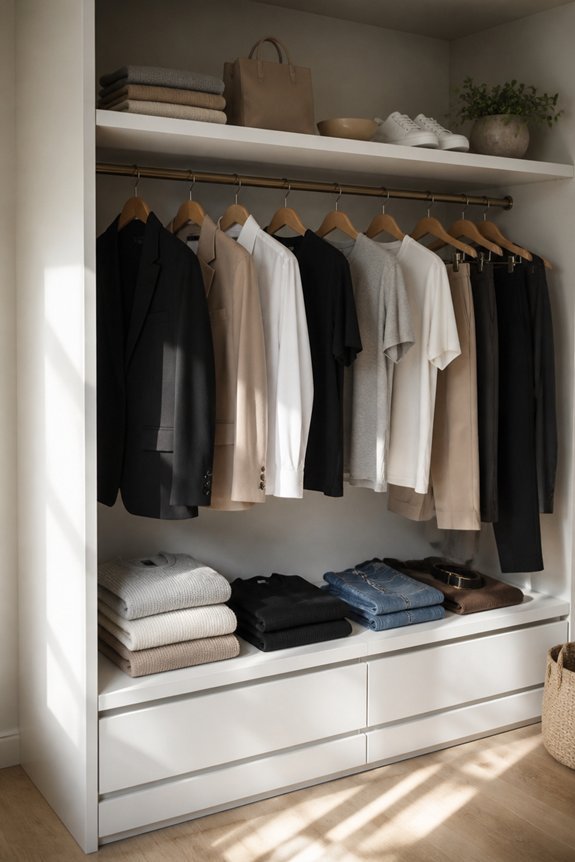
A capsule wardrobe system organizes clothing into a limited collection of versatile, coordinating pieces that work together in multiple combinations. Select a neutral color palette, such as black, white, gray, and beige, as a foundation. Add three to five accent colors that complement your lifestyle.
Include essential items like plain t-shirts, button-up shirts, jeans, and neutral sweaters. Choose pieces that fit well and serve multiple purposes. A capsule wardrobe reduces decision-making, saves bedroom space, and decreases clutter. This approach simplifies daily choices while maintaining a functional, organized closet within your minimalist bedroom environment.
Declutter Your Closet Methodically

Building a capsule wardrobe requires removing items that don’t fit the system, so a systematic decluttering process becomes the foundation for this work. Individuals should sort clothing into categories: tops, bottoms, dresses, and outerwear.
Next, they evaluate each piece for condition, fit, and versatility. Items with stains, broken zippers, or poor fit warrant removal. Those pieces that don’t coordinate with existing items create inefficiency.
Donating, selling, or discarding unwanted clothing opens closet space. This methodical approach eliminates decision fatigue, reduces visual clutter, and establishes a functional foundation. A streamlined closet supports the capsule wardrobe concept effectively.
Add Subtle Texture With Linen and Cotton

Natural fabrics like linen and cotton introduce tactile variety to minimalist bedrooms without adding visual clutter. These materials create subtle texture through their weave patterns, offering sensory interest while maintaining a calm aesthetic.
Linen bedding provides a slightly rumpled appearance that softens stark minimalist spaces, while cotton offers smooth comfort in neutral tones. Consider layering a linen duvet cover with cotton sheets, or adding a textured throw blanket across the bed.
Window treatments in natural linen filter light softly. Area rugs made from cotton or jute add ground-level texture. These fabric choices remain understated, supporting minimalist design principles while improving tactile comfort throughout the bedroom environment.
Layer Lighting for Different Moods
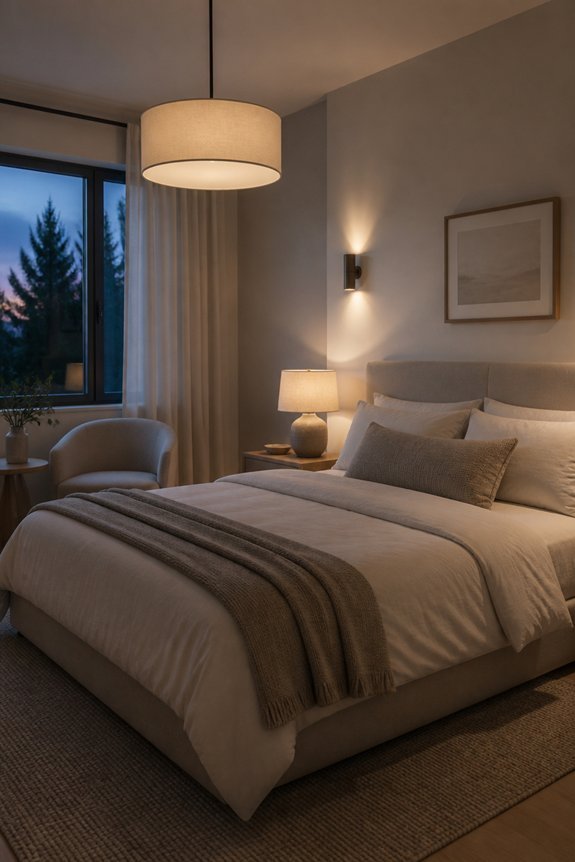
Lighting serves as a fundamental tool for creating adaptability in minimalist bedrooms, allowing occupants to shift the room’s atmosphere based on time of day and activity. Multiple light sources, including overhead fixtures, bedside lamps, and wall-mounted sconces, provide flexibility without cluttering surfaces.
Dimmers enable brightness adjustment for different purposes: bright lighting for morning routines, softer illumination for evening relaxation. Warm-toned bulbs promote calmness, while cooler tones support alertness. Natural light from windows supplements artificial sources during daylight hours.
Strategic placement of lights eliminates shadows and reduces eye strain. This layered approach maintains minimalist aesthetics while enhancing functionality and mood regulation throughout the bedroom space.
Position Bedside Lamps Strategically
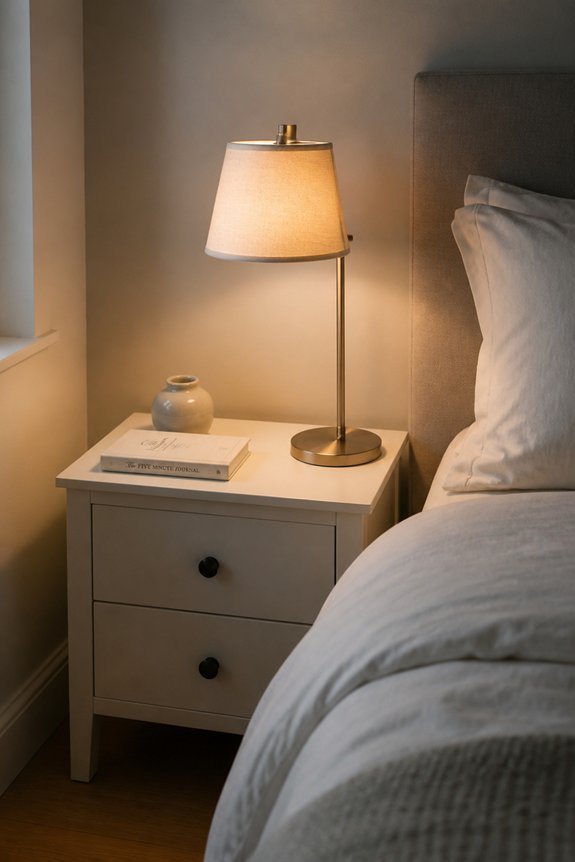
Since bedside lamps serve as both functional task lighting and ambient sources, their placement greatly impacts usability and visual balance in minimalist bedrooms. Position lamps on nightstands at arm’s reach from the bed, ensuring easy access without stretching. Choose slim, neutral-colored bases in white, black, or natural wood to maintain visual simplicity.
Mount wall-mounted sconces above headboards as space-saving alternatives to traditional table lamps. Install dimmers on bedside fixtures to adjust brightness for reading, relaxation, or sleep preparation. Align lamp placement symmetrically on both sides of the bed, or use a single fixture for smaller spaces. Proper positioning eliminates shadows on reading surfaces while maintaining the bedroom’s calm aesthetic.
Hide Cords and Electronics Out of Sight
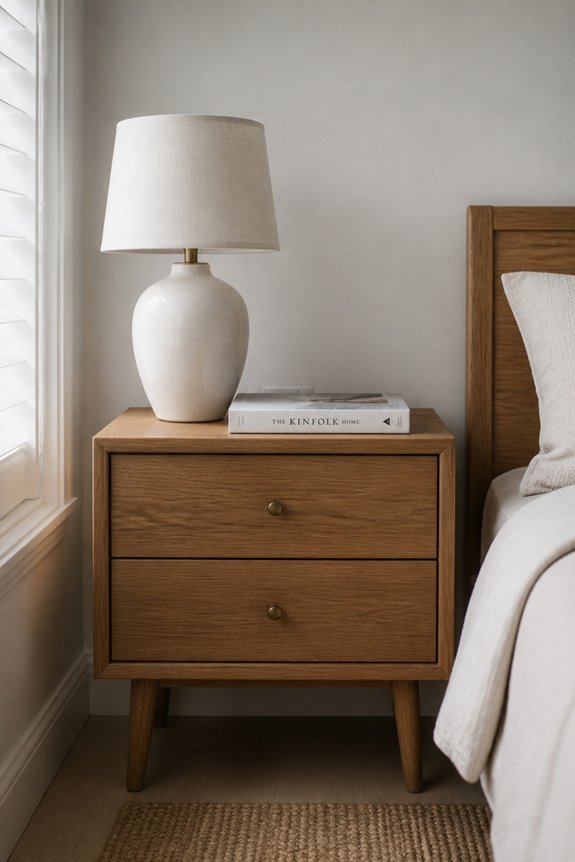
Visible cables and device chargers disrupt the clean, uncluttered aesthetic that defines minimalist bedroom design. Managing these visual distractions requires deliberate organization strategies.
Cable boxes, under-bed storage containers, and wall-mounted shelving units conceal wires effectively. Charging stations positioned behind nightstands or inside drawer organizers keep devices out of view. Wireless chargers reduce cord clutter near beds.
Outlet covers and cord clips direct cables along baseboards, minimizing their appearance. Selecting furniture with built-in cable management features, such as desks with routing holes, supports minimalist goals. Regular assessment of necessary electronics prevents accumulation of unused chargers and devices.
Display Only Artwork That Resonates With You
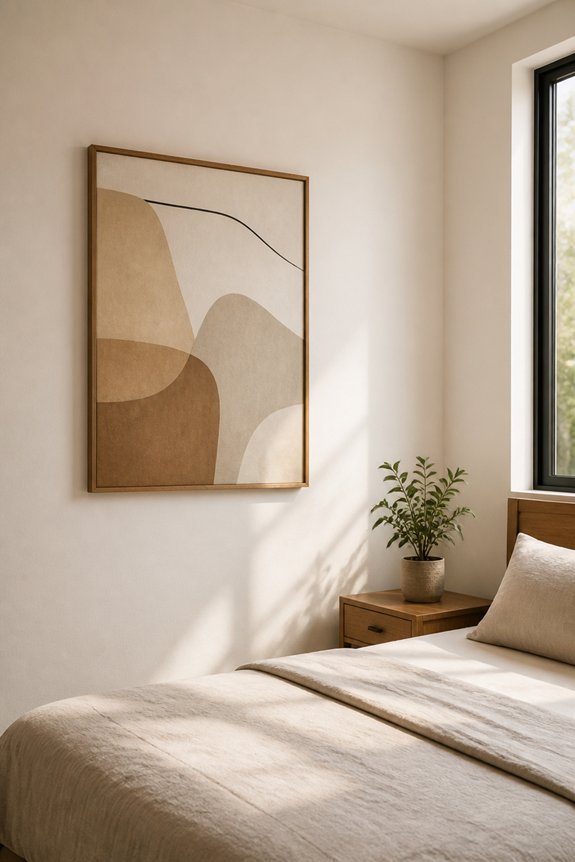
Artwork selection follows the same principle of intentional curation that guides cable management and device storage. Each piece should connect personally to the inhabitant, whether through subject matter, color palette, or aesthetic preference. Selecting one meaningful painting, photograph, or print over multiple generic options reduces visual clutter considerably.
Consider pieces that evoke calm emotions, such as landscape photography, abstract minimalist compositions, or botanical prints. Avoid displaying artwork out of obligation or trend. A single framed image on a neutral wall creates more impact than gallery-style arrangements. This approach maintains the bedroom’s peaceful atmosphere while preserving individual expression through deliberate selection.
Use Mirrors to Expand the Space Visually
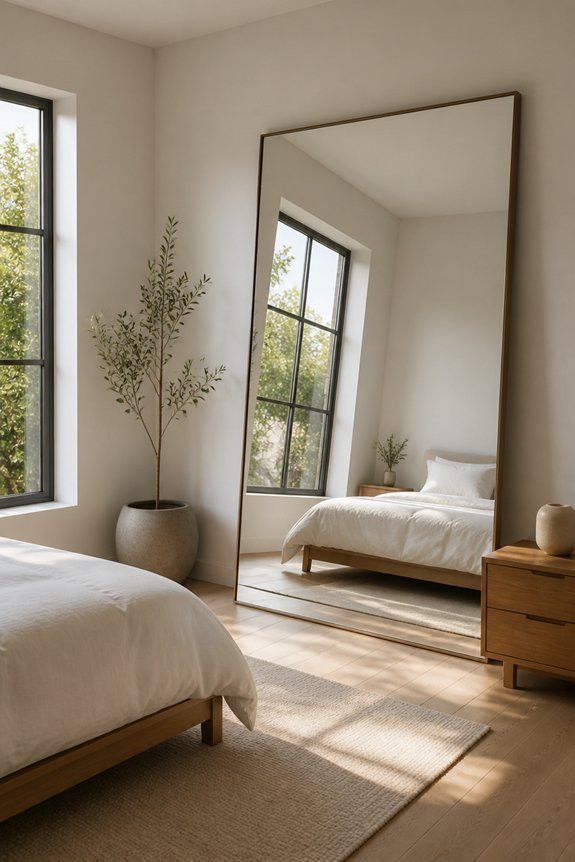
Strategic mirror placement functions as a practical tool for making bedrooms appear larger and brighter. Mirrors reflect natural and artificial light, creating the illusion of expanded square footage. Positioning a mirror opposite a window maximizes daylight distribution throughout the space.
Leaning a large mirror against a wall adds visual depth without permanent installation. Smaller mirrors placed on nightstands or dressers serve dual purposes: functional grooming surfaces and light reflectors.
Avoid excessive mirroring, which can create visual clutter. One or two well-placed mirrors typically suffices for minimalist bedrooms. This approach maintains simplicity while enhancing spatial perception and ambient lighting effectively.
Select Simple, Light-Filtering Window Coverings
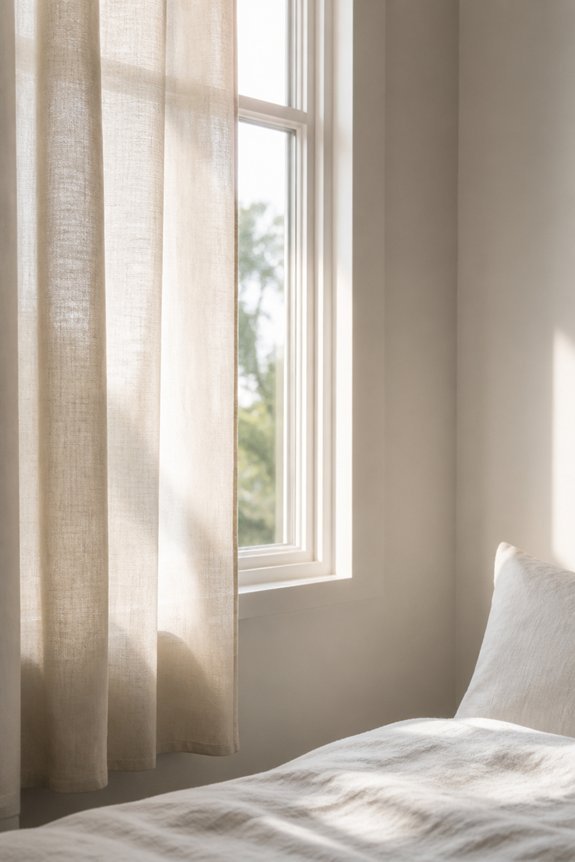
Window coverings play an essential role in minimalist bedroom design, controlling light while maintaining visual simplicity. Sheer curtains, roller shades, and linen panels diffuse sunlight effectively, reducing glare without blocking natural illumination.
These options feature clean lines, neutral colors like white, beige, or gray, and minimal ornamentation. Motorized cellular shades offer functionality with streamlined aesthetics. Avoid heavy drapes, patterned fabrics, and ornate hardware.
Quality lightweight materials create an airy atmosphere while filtering harsh rays. Choosing coverings that complement wall colors prevents visual clutter, supporting the bedroom’s calm environment and minimalist philosophy throughout the space.
Choose Only Meaningful Accessories
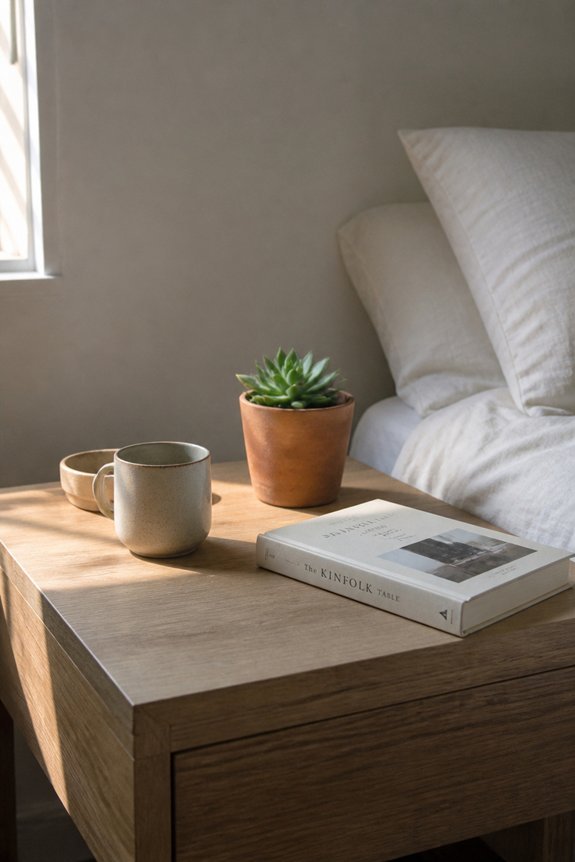
Accessories in a minimalist bedroom should serve a specific purpose or hold personal significance, rather than filling space for decorative effect. Each item deserves intentional placement and function. Consider including a bedside lamp for reading, a framed photograph of loved ones, or a plant that improves air quality.
A simple wooden shelf displays meaningful books or mementos. Avoid decorative objects without utility or emotional value. A single piece of artwork that resonates personally works better than multiple prints. Storage baskets contain necessary items while maintaining clean lines. This curated approach guarantees the bedroom remains calm and uncluttered.
Incorporate Plants for Life and Air Quality
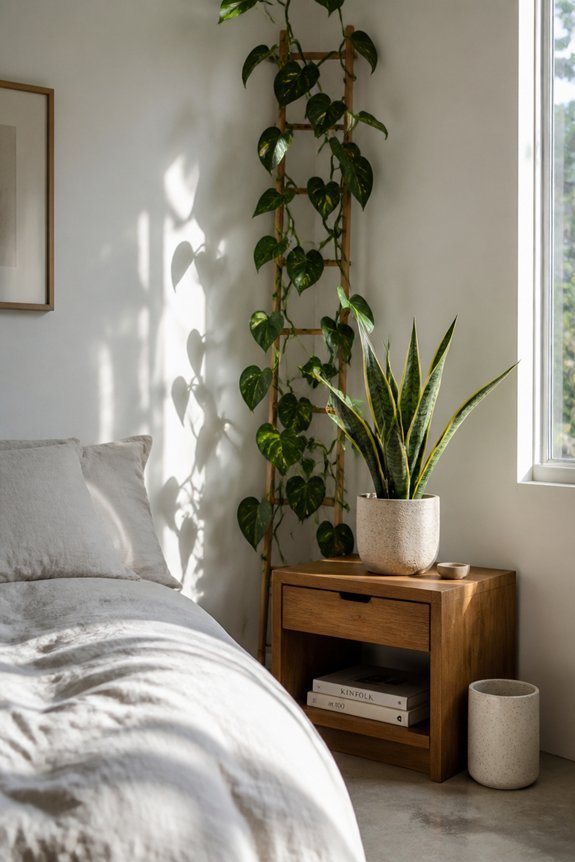
A few well-chosen plants transform a minimalist bedroom by adding life, improving air quality, and requiring minimal maintenance. Snake plants, pothos, and spider plants remove toxins while thriving in low light conditions. These species tolerate irregular watering and occasional neglect, fitting the minimalist lifestyle.
Placing plants on nightstands, shelves, or corners adds visual interest without cluttering surfaces. Small potted varieties work better than large specimens in compact spaces. Plants introduce natural color and texture while maintaining the bedroom’s calm aesthetic. Their presence promotes better sleep and reduces stress through improved air quality and connection to nature.
Select Greenery That Requires Low Maintenance
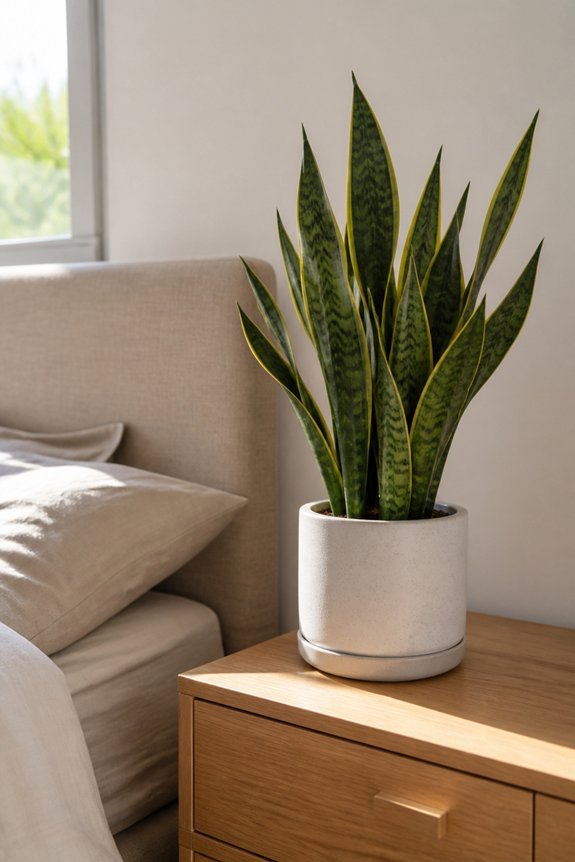
Because minimalist bedrooms prioritize simplicity and reduced maintenance demands, selecting low-maintenance greenery becomes essential for sustainable decor. Plants like snake plants, pothos, and ZZ plants thrive with infrequent watering and tolerate low light conditions. Succulents and aloe vera require minimal care, needing water only occasionally.
These species survive extended periods without attention, making them practical choices for busy individuals. Placing low-maintenance plants on nightstands, shelves, or corners adds visual interest without creating upkeep burden. Their presence improves air quality while maintaining the calm, uncluttered aesthetic central to minimalist design principles.
Use Negative Space as Your Most Important Design Element
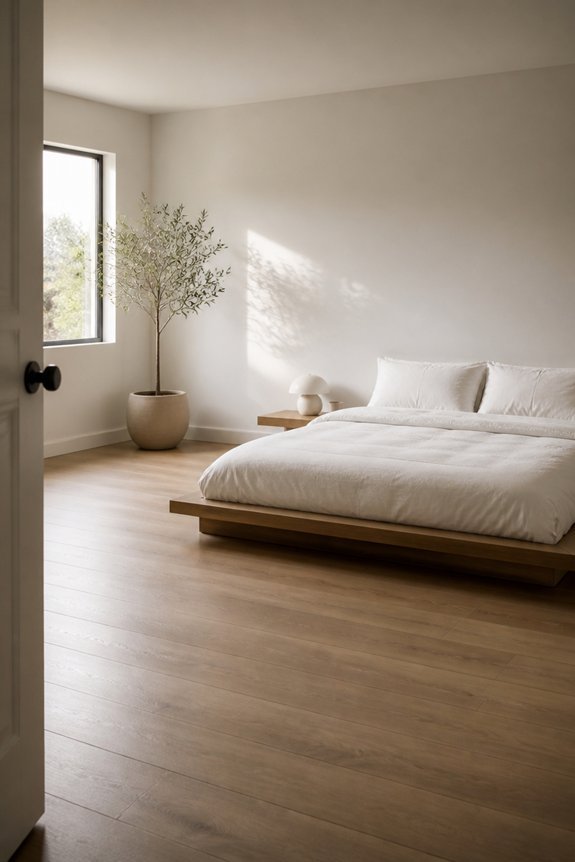
Negative space, the empty areas surrounding and between objects, forms the foundation of minimalist bedroom design, working alongside carefully chosen plants and furnishings. This approach prioritizes breathing room over decoration density, allowing the eye to rest comfortably.
Rather than filling every surface, leave nightstands partially bare, keep walls largely empty, and maintain open floor areas. Negative space reduces visual clutter and promotes relaxation. Strategic placement of a single artwork, one lamp, or a small potted plant becomes more impactful against substantial emptiness.
This design principle transforms bedrooms into calm environments where less becomes functionally and aesthetically superior to abundance.
Preserve Open Floor Space for Calm
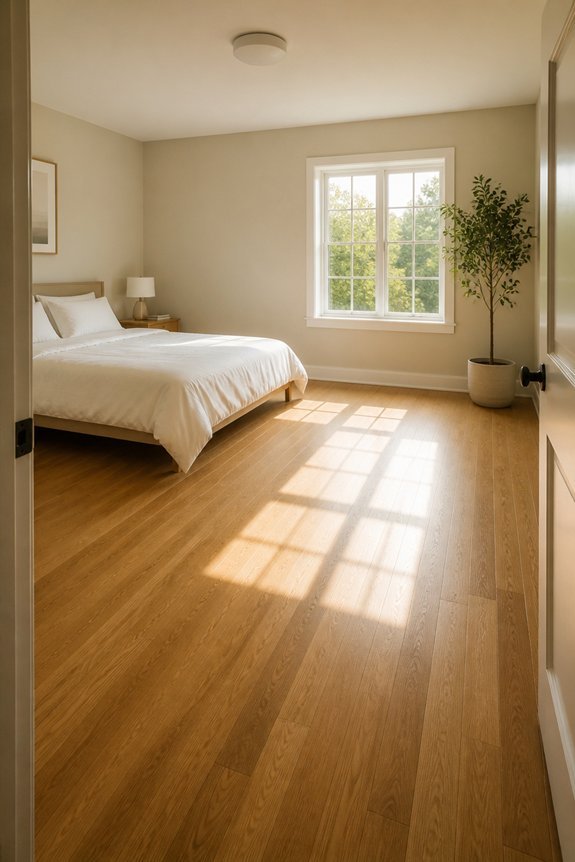
When furniture placement prioritizes circulation pathways over decoration density, bedrooms function more effectively and feel substantially larger. Open floor space reduces visual clutter and promotes relaxation through unobstructed movement.
Strategic furniture arrangement near walls, rather than room centers, maintains accessible pathways from the door to the bed and closet. Minimal rugs, small nightstands, and floating bed frames preserve floor visibility. Removing unnecessary seating, storage benches, and decorative pieces maximizes the sense of spaciousness.
This approach allows residents to move freely without encountering obstacles. Open floor areas create a psychological sense of calm, supporting better sleep quality and reducing daily stress levels.
Stick to Solid Fabrics or One Pattern
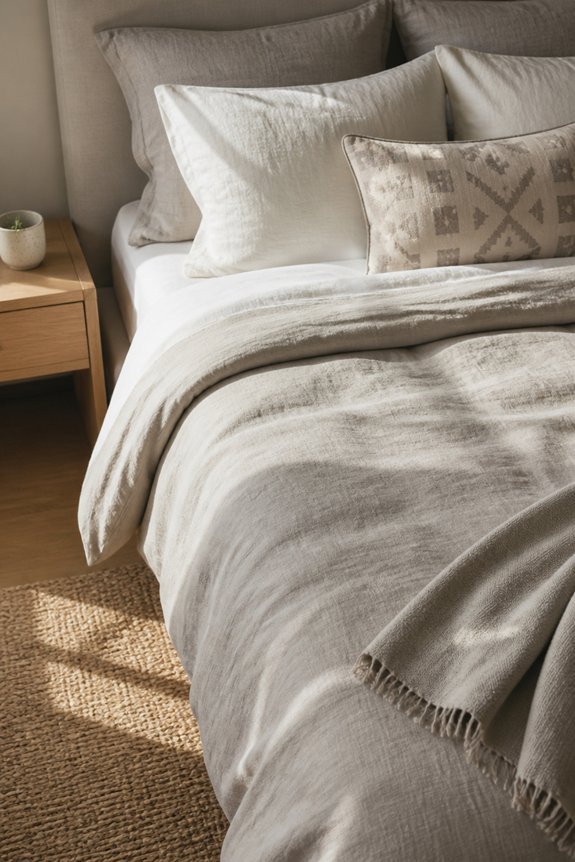
Fabric selection forms the foundation of a cohesive minimalist bedroom, directly influencing how restful and unified the space appears to occupants.
Choosing solid-colored textiles, such as white, gray, or beige bedding, creates visual calm and reduces mental clutter. If pattern use is necessary, limiting the space to one geometric or subtle design prevents visual competition. Curtains, pillows, and throws should coordinate with this restricted palette.
Cotton and linen fabrics work well for minimalist aesthetics due to their clean appearance and durability. Matching bedding colors with wall tones enhances spaciousness and continuity throughout the room.
Create a Designated Reading Nook
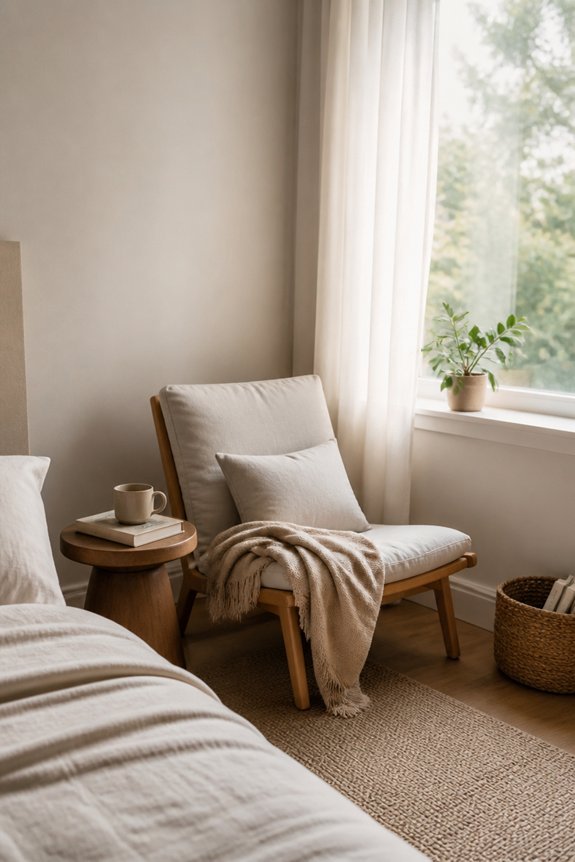
A quiet corner transforms into a functional retreat when outfitted with essential furniture and minimal visual distractions. A comfortable chair, preferably upholstered in neutral tones like gray or beige, serves as the primary element.
Adding a small side table holds books, a lamp, and a beverage without cluttering the space. Soft, diffused lighting from a floor lamp reduces eye strain during reading sessions. Storage solutions remain minimal: a single floating shelf or small bookcase displays only current reads.
The nook requires no decorative items, wall art, or additional furnishings. This purposeful arrangement creates an organized, distraction-free environment for focused reading and quiet relaxation.
Choose a Single Accent Color Sparingly
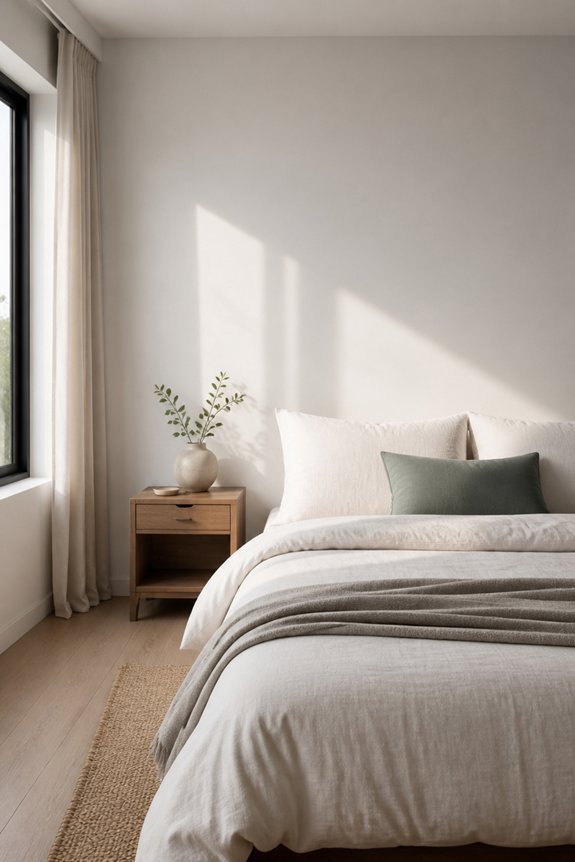
Minimalist bedrooms benefit from introducing one subtle accent color that breaks the neutral palette without overwhelming the space. Soft blues, muted greens, or warm grays work effectively, appearing in bedding, pillows, or wall art. The accent color should occupy roughly ten to fifteen percent of the room’s visual area.
Consider limiting it to one wall, a single piece of furniture, or textile elements. This approach maintains the calm aesthetic while adding visual interest and depth. Restraint prevents the space from becoming cluttered or chaotic, preserving the minimalist design’s core purpose.
Set Up Storage Solutions Before Adding Décor
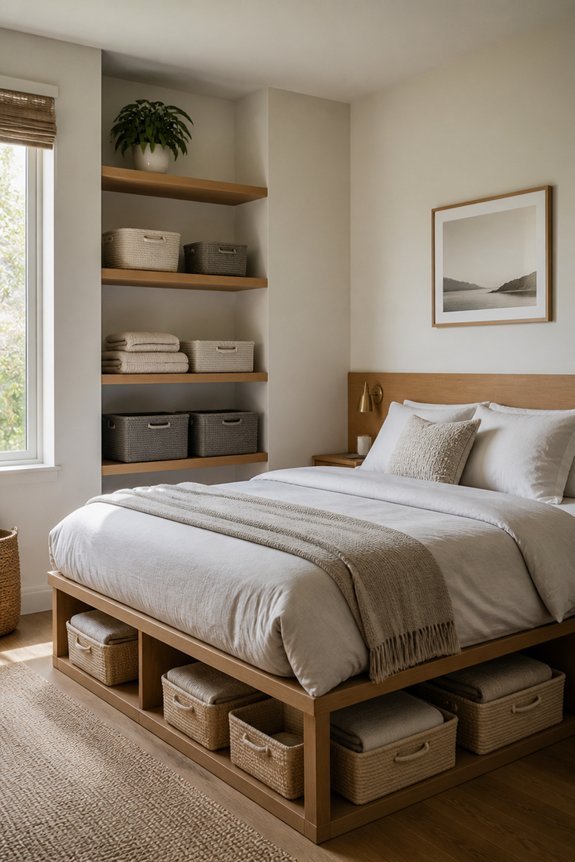
Establishing storage systems forms the foundation of an effective minimalist bedroom, preventing clutter from accumulating once decorative elements are in place.
Strategically positioned storage solutions organize belongings before adding furniture and accessories. Consider under-bed drawers, wall-mounted shelves, and closet organizers for efficient space management. These installations reduce visible items and maintain clean surfaces. Designate specific storage zones for clothing, bedding, and personal items before selecting décor pieces.
This approach guarantees every object has a designated location. When storage infrastructure exists first, decorative choices become intentional rather than compensatory, supporting the minimalist aesthetic throughout the room.
Use Clear Containers to Organize Drawers
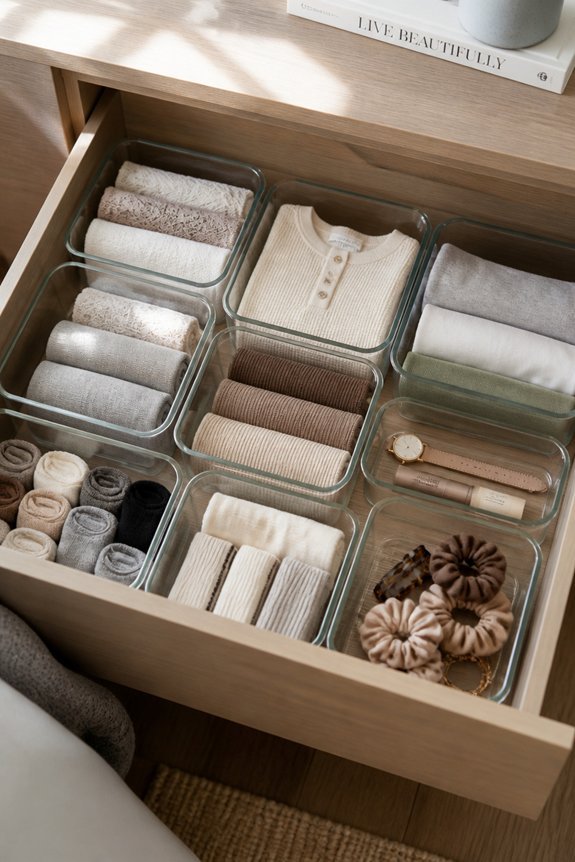
Clear containers transform drawer organization by making contents immediately visible, eliminating the need to search through layers of items. Acrylic boxes, dividers, and compartmentalized trays work well for separating socks, undergarments, accessories, and folded clothing. Transparent plastic organizers allow quick identification of stored items without opening each container.
Uniform sizing creates visual consistency while maximizing drawer space. Labels on containers prevent confusion and maintain order over time. This system reduces decision fatigue during daily routines and simplifies tidying efforts. Clear containers support minimalist principles by promoting intentional item selection and preventing accumulation of forgotten belongings within drawers.
Hang Clothes Vertically for Easy Access

Vertical hanging systems maximize closet space while displaying clothing in ways that promote accessibility and mindful selection. Velvet hangers, wooden hangers, and slim hangers reduce bulk compared to bulky plastic options. Hanging organizers with multiple compartments store folded items, scarves, and accessories vertically.
Pull-out pants racks and cascading hangers display multiple garments in compact areas. This method enables quick identification of available clothing, reducing decision fatigue during mornings. Vertical storage systems also facilitate regular clothing assessment, encouraging removal of unworn items.
Installing hooks on closet doors provides additional hanging space for frequently worn pieces, jackets, and belts without consuming valuable floor area.
Clear Your Walls of Unnecessary Décor
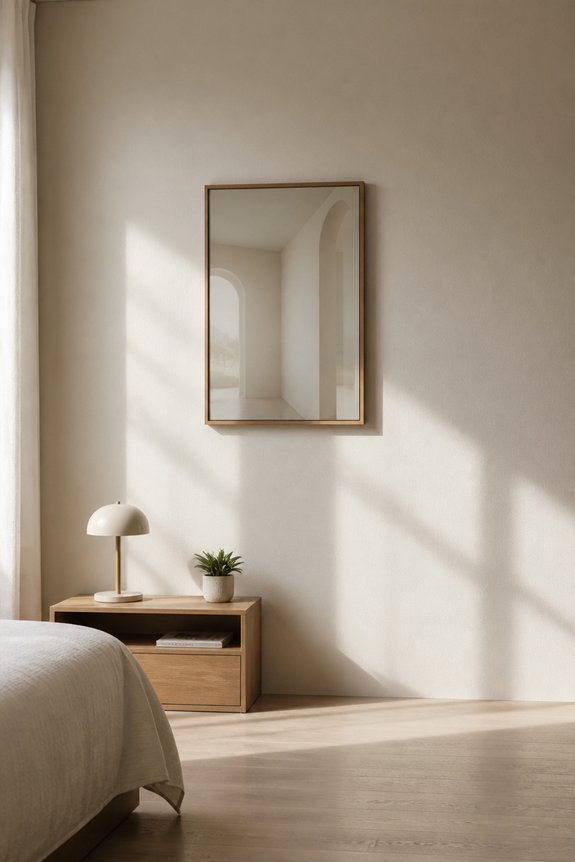
Since minimalist bedrooms prioritize calm and simplicity, wall décor requires careful evaluation to maintain a restful environment. Remove excessive artwork, posters, and decorative plates that create visual clutter and distract from relaxation.
Consider keeping only one or two meaningful pieces, such as a single framed photograph or abstract painting in neutral tones. Mirror placement should serve functional purposes rather than decorative ones.
Evaluate each wall item by asking whether it contributes to the room’s peaceful atmosphere or detracts from it. Empty walls actually enhance the sense of spaciousness and tranquility that defines minimalist design principles effectively.
Establish a Cleaning Routine to Maintain Calm
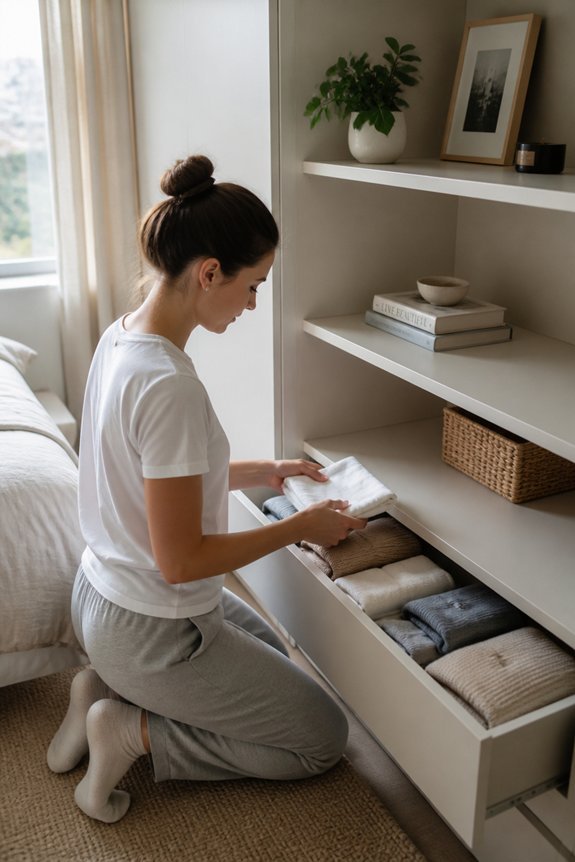
A minimalist bedroom requires regular maintenance to preserve its orderly, peaceful state. Establishing a consistent cleaning routine prevents clutter from accumulating and disrupts the calm environment.
Daily tasks, such as making the bed and tidying surfaces, take minimal time but yield significant results. Weekly activities should include dusting flat surfaces, vacuuming floors, and organizing closet items. Monthly deep cleaning involves washing bedding, wiping baseboards, and checking for overlooked items.
Setting specific days for these tasks guarantees nothing gets postponed. A simple schedule posted on the wall or stored in a phone reminder helps maintain consistency. Regular maintenance ultimately requires less effort than addressing accumulated clutter later.
Choose Quality Furniture That Will Last
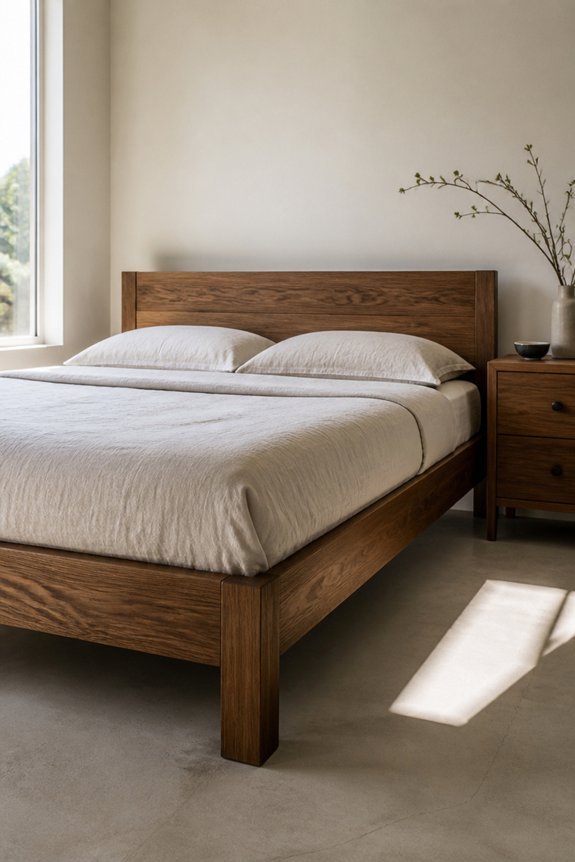
Maintaining a minimalist bedroom extends beyond cleaning routines to selecting furniture that withstands time and use. Quality pieces, such as solid wood bed frames, durable nightstands, and sturdy dressers, reduce the need for frequent replacements. Natural materials like oak, maple, and walnut offer longevity compared to particleboard alternatives.
Investing in well-constructed furniture means fewer items accumulate over time, supporting minimalist principles. Consider neutral colors, simple designs, and timeless styles that remain functional for years. Proper maintenance, including regular dusting and occasional refinishing, extends furniture lifespan. Selecting fewer, better-quality pieces creates a purposeful, organized bedroom environment.
Layer Textures Subtly for Visual Interest
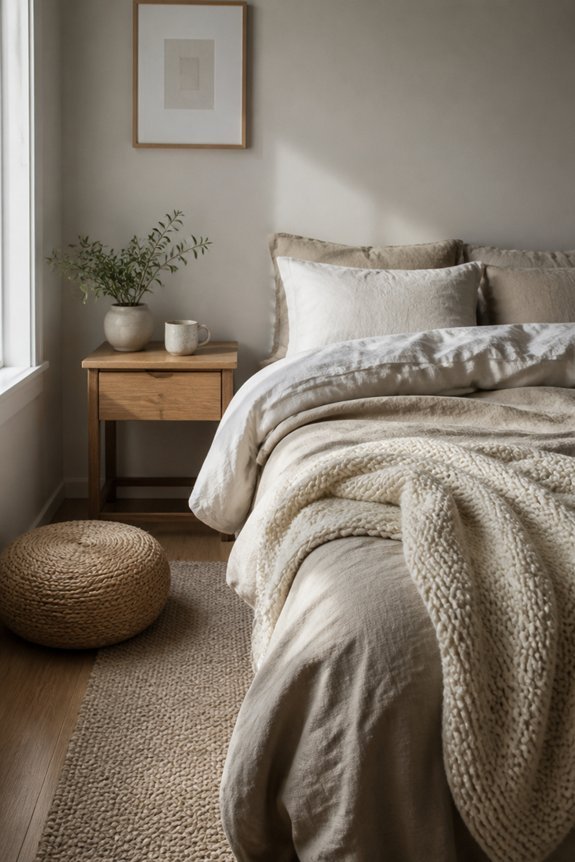
Texture creates depth in a minimalist bedroom without requiring additional furniture or decorative clutter. Layering different materials adds visual interest while maintaining simplicity.
Consider combining cotton bedding, linen pillows, a wool throw blanket, and a jute rug. These natural fibers vary in appearance and touch, creating subtle contrast. Wood nightstands, metal lamps, and stone accessories introduce additional texture variety.
The key involves selecting items already necessary for the room, then varying their material composition. This approach prevents overcrowding while establishing a sophisticated, tactile environment. Textures should complement the neutral color palette, enhancing depth through surface variation rather than color multiplication.
Add Personal Touches Through Restraint
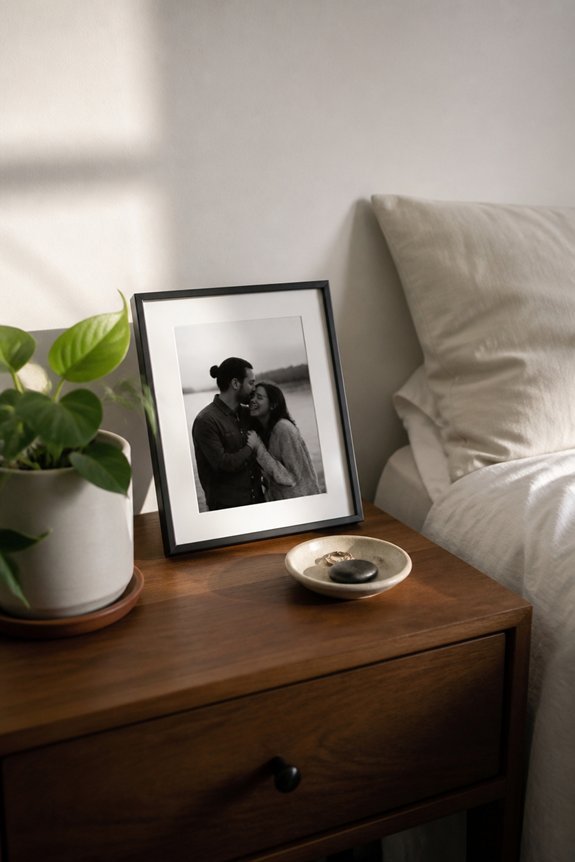
While textures establish a sophisticated foundation through material variety, personal touches complete the minimalist bedroom by reflecting the inhabitant’s individual style. Selecting one or two meaningful items, rather than many decorative pieces, maintains the calm aesthetic while expressing personality.
A single framed photograph, a favorite book on a nightstand, or a cherished artwork serves this purpose effectively. Plants like pothos or snake plant add life without clutter. A personal collection displayed on floating shelves, limited to five or fewer items, creates visual interest. These restrained choices prevent sensory overload while ensuring the space feels intentional and authentically representative of its occupant’s preferences.
Frequently Asked Questions
How Much Should I Budget for a Minimalist Bedroom Redesign?
A minimalist bedroom redesign budget varies based on individual needs. Basic projects range from $500 to $2,000, covering essential furniture and paint. Extensive renovations may cost $3,000 to $10,000, depending on quality materials and professional services required.
Can Minimalist Bedrooms Work in Small Apartments or Studio Spaces?
Yes, minimalist bedrooms work exceptionally well in compact living spaces. By eliminating excess, reducing clutter, and maximizing storage, small apartments and studios gain breathing room, improved functionality, and a serene atmosphere that makes tight quarters feel surprisingly spacious and peaceful.
How Do I Maintain a Minimalist Bedroom With Family or Roommates?
One maintains a minimalist bedroom by establishing clear storage boundaries, communicating organizational preferences to roommates or family members, designating specific zones for personal items, and implementing regular decluttering routines. Shared responsibility guarantees the space remains calm and uncluttered.
What’s the Best Way to Transition Gradually Into Minimalist Decor?
One needn’t dramatically purge everything overnight like some decluttering zealot. Instead, systematically remove one item weekly, replacing excess furnishings with intentional pieces. This measured approach allows one to adjust psychologically while discovering genuine spatial preferences organically.
How Often Should I Reassess and Adjust My Minimalist Bedroom Setup?
One should reassess their minimalist bedroom setup quarterly or seasonally. This allows time to evaluate what truly serves one’s needs, identify unnecessary items that have accumulated, and make meaningful adjustments that maintain the calm, intentional environment one desires.
Conclusion
Creating a minimalist bedroom requires consistent attention to color, furniture, and organization. Like a well-tuned instrument, each element must work in harmony to produce calm. Neutral walls, quality pieces, and thoughtful storage form the foundation. Personal touches, applied sparingly, prevent sterility. Maintaining this environment demands regular decluttering and intentional choices about what enters the space. The result is a functional, peaceful retreat supporting rest and mental clarity.