


A canopy collapsing mid-party is one of the more preventable disasters an outdoor gathering can face.
Frame selection matters from the start, since a structure that’s too small crowds guests together, while one that’s too flimsy risks failing under a strong gust.
Measuring the available space before adding room for tables and mingling prevents a cramped or awkward setup later.
Anchoring deserves particular attention, with sandbags suited to patios and stakes working better on grass.
Checking the weather forecast in advance, and having a backup plan ready, protects against conditions that shift over the course of a day.
Before You Start Shopping
Match the canopy size to the guest count and event type before purchasing anything. A 10×10 works well for smaller gatherings, while larger groups need a 10×20 or bigger for comfortable coverage.
Consider the material’s weather resistance based on the expected forecast. Polyester handles light rain reasonably well, while heavier fabrics like Oxford cloth stand up to more demanding conditions.
Think through anchoring options before the day of the event. Grass, concrete, and patios each require a different approach, and knowing this in advance prevents scrambling for the right supplies later.
Choose the Right Backyard Canopy for Your Party
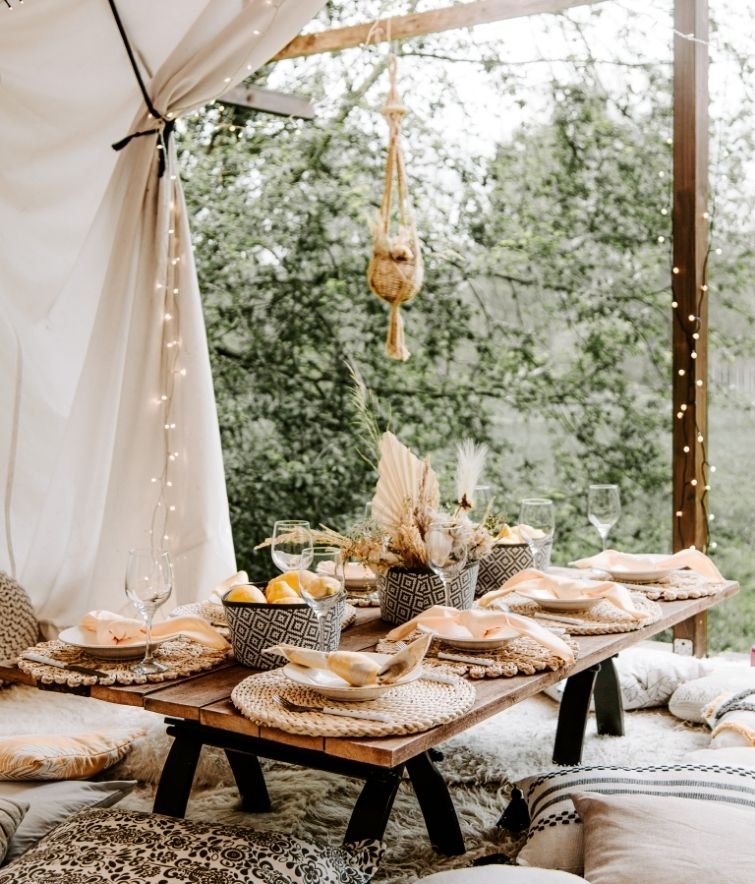
Choosing the right canopy starts with understanding a few key factors, including size, style, and intended use. A 10×10 canopy works well for small gatherings, while a 10×20 model suits larger groups. Pop-up canopies offer quick setup and portability, making them practical for most backyard parties. Frame canopies provide more stability and are better suited for longer events or windy conditions.
Material matters as well. Polyester canopies resist light rain, while heavier-duty fabrics like Oxford cloth handle tougher weather. Side walls are a useful optional feature, adding shade and wind protection.
Hosts should also consider the canopy’s weight capacity if lighting or decorations will be attached. Matching the canopy to the event’s size and weather conditions guarantees better coverage and comfort for guests.
Also read: How to Install a Front Door Awning Step by Step
Pick the Best Spot in Your Backyard for Your Canopy
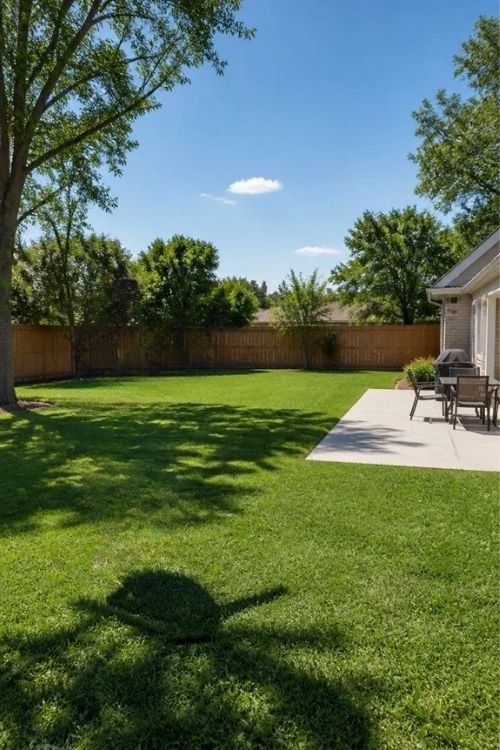
Once the right canopy has been selected, finding the best spot in the backyard becomes the next step. A flat, level surface works best, as uneven ground makes setup difficult and creates instability. Areas with firm soil or solid grass provide better anchor points for stakes and poles.
Avoid placing the canopy near large trees, as falling branches, sap, and bird droppings can cause problems. Keep the setup away from outdoor grills, fire pits, and propane tanks to reduce fire risk.
Consider foot traffic flow, leaving clear paths between the canopy, the house entrance, and seating areas. Shade from a fence or wall can reduce heat inside the canopy during afternoon hours, making guests more comfortable throughout the event.
Tools and Materials You’ll Need for Canopy Setup
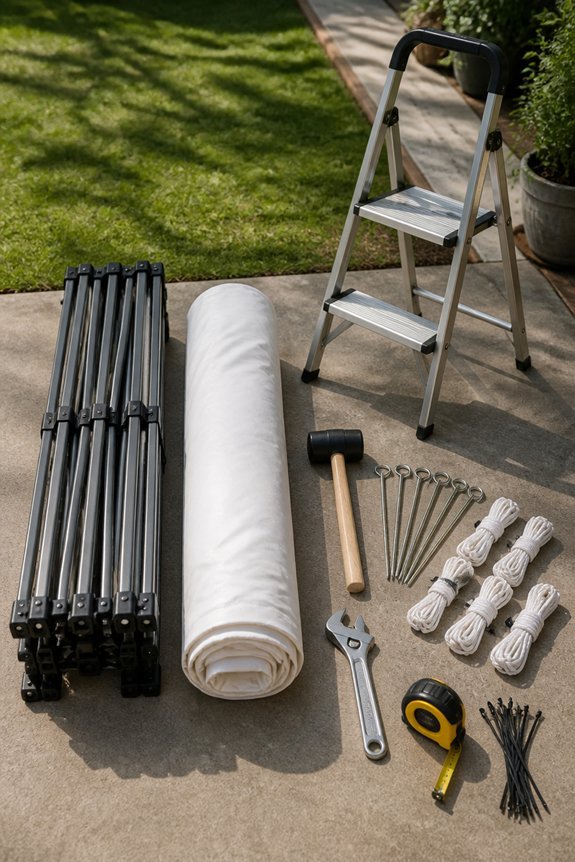
Before setup begins, gathering the right tools and materials saves time and prevents unnecessary delays. A standard canopy kit typically includes the frame, canopy top, and stakes, but additional supplies are often needed on site.
Recommended tools and materials include the following items. Rubber mallet, zip ties, and extra bungee cords help secure the frame and canopy fabric against wind and shifting. Sandbags or weighted anchor bags stabilize the canopy on grass, concrete, or uneven surfaces. A tape measure confirms proper spacing between legs and checks clearance from nearby structures. Work gloves protect hands during frame assembly, and a level guarantees the canopy sits evenly.
Having these items nearby before starting reduces interruptions during the actual setup process.
How to Set Up a Backyard Canopy
With tools and materials ready, the actual canopy setup can begin. First, clear the yard of debris, furniture, and obstacles, then mark the four corner positions using stakes or chalk. Lay the canopy frame flat on the ground, connecting the poles and joints before raising the structure upright.
Two or more people should lift each corner simultaneously, keeping the frame level during the process. Once upright, insert the leg poles and lock them at the desired height. Drape the canopy fabric over the frame, securing it with the attached Velcro straps, hooks, or clips.
Anchor each leg using ground stakes, sandbags, or weighted plates, depending on the surface. Finally, check all connections, tighten loose joints, and adjust the fabric to remove sagging or bunching.
How to Anchor Your Canopy So It Stays Put
Anchoring a canopy properly keeps it stable and prevents it from tipping or blowing away during a party. Most canopies include basic stakes, but adding extra weight or securing points improves stability notably.
On grass, metal ground stakes driven at 45-degree angles through the corner loops hold the frame firmly. Sandbags, water weights, or concrete anchor bags work well on hard surfaces like patios or driveways. Canopy weight bags, sold by most outdoor retailers, attach directly to the legs and provide consistent downward pressure.
Ratchet straps or bungee cords can connect the canopy frame to nearby fences, posts, or trees for additional support. Wind conditions should always influence the anchoring method chosen, as stronger gusts require multiple securing points and heavier ballast weights.
How to Arrange Seating and Tables Under Your Canopy
Once the canopy is anchored, most hosts begin arranging furniture by measuring the covered area and mapping out zones for dining, seating, and circulation. A standard 10×10 canopy fits one 6-foot folding table and six to eight chairs comfortably. Larger canopies allow for multiple table clusters, a buffet station, and a separate lounge area with camp chairs or benches.
Hosts should position dining tables toward the center, leaving at least three feet of clearance on all sides for guests to move freely. Buffet tables work best along the edges or corners, keeping foot traffic from cutting through seated areas. Chairs should face inward or toward a focal point, such as a grill station, speaker, or outdoor screen.
How to Decorate Your Canopy With Lights and Drapes
Lights and drapes turn a basic canopy into a more polished party space without requiring major effort or expense. String lights, such as globe or Edison-style bulbs, can be woven along the frame or draped across the ceiling in loose swags. Battery-powered options remove the need for extension cords, keeping the setup cleaner and safer.
Sheer fabric panels in white, ivory, or soft color tones can be tied to the corner poles or hung along the sides to add texture and soften the overall look. Clip rings or zip ties work well for securing fabric without damaging the canopy frame. Combining both lights and drapes creates visual depth, making the space feel intentional and complete rather than improvised or bare.
How to Handle Wind, Rain, and Heat During Your Party
Weather conditions can quickly affect how comfortable and safe an outdoor party feels, so preparation matters.
Wind can lift canopy walls, tip lightweight furniture, and knock over decorations, so hosts should secure canopy legs with sandbags or anchor stakes before guests arrive. If wind speeds exceed 25 mph, taking the canopy down entirely is the safest option.
Rain requires proper canopy positioning to allow runoff, avoiding pooling water on the roof. A slight angle adjustment directs water away from seating areas.
Heat builds quickly under enclosed canopies, making ventilation important. Removing side walls, adding a portable fan, or positioning the canopy in a shaded area reduces interior temperature noticeably. Keeping a weather app active during the event allows hosts to respond quickly to changing conditions.
How to Take Down and Store Your Canopy After the Party
After the last guests leave, taking down the canopy while conditions are dry makes the process easier and protects the materials. Wet fabric stored without drying first leads to mold, mildew, and fabric damage over time.
Removing the canopy follows a general order: fabric panels first, then frame disassembly. Folding panels loosely rather than forcing tight creases reduces stress on the material. Steel or aluminum frames should be wiped down before storage to prevent rust or corrosion.
Proper storage keeps equipment in usable condition for future events. Most canopies fit into manufacturer-supplied bags or hard cases, which protect frame joints and connectors. Storing the canopy in a cool, dry location, such as a garage shelf or storage closet, extends its overall lifespan considerably.
Frequently Asked Questions
Can I Use a Backyard Canopy for a Wedding Reception?
Yes, a backyard canopy works well for a wedding reception.
It provides shade, defines the event space clearly, and creates an elegant outdoor atmosphere without much additional effort. Confirming the canopy is large enough to comfortably fit all guests is the main consideration here.
Are Backyard Canopies Safe for Use Around Children and Pets?
Generally, yes, as long as the canopy is properly secured.
Checking stakes and anchor points regularly helps maintain that safety throughout the event. Covering sharp edges and supervising children near the structure reduces the risk of climbing-related accidents.
Do I Need a Permit to Set up a Canopy in My Backyard?
Permit requirements really depend on where you live.
Checking with the local municipality beforehand clarifies whether a temporary structure like this needs approval. Many areas skip this requirement for short-term party use, though it’s worth confirming rather than assuming.
How Much Does a Good Quality Backyard Party Canopy Typically Cost?
Quality canopies typically range from $100 to $500, depending on size and materials.
Premium models with heavy-duty frames and weather-resistant fabric can exceed $1,000 for those wanting extra durability. Budget-conscious options start around $50 for basic coverage needs.
Can I Rent a Backyard Canopy Instead of Buying One?
Yes, renting is a widely available and convenient option.
Party rental companies typically offer canopies at affordable daily rates. This approach saves the hassle of storage and long-term maintenance once the celebration wraps up.
Conclusion
Setting up a backyard canopy successfully comes down to a handful of decisions made early, from sizing to anchoring.
Choosing the right location and securing the frame properly protects against the two biggest risks: instability and weather damage.
Arranging seating and tables thoughtfully makes the space feel considered rather than thrown together at the last minute.
Proper takedown and storage after the event extend the canopy’s lifespan considerably for future use.
With the right preparation in place, a backyard canopy can reliably shelter any outdoor gathering through changing weather and conditions.
Share your thoughts in the comments below on how your own backyard canopy setup turned out.