

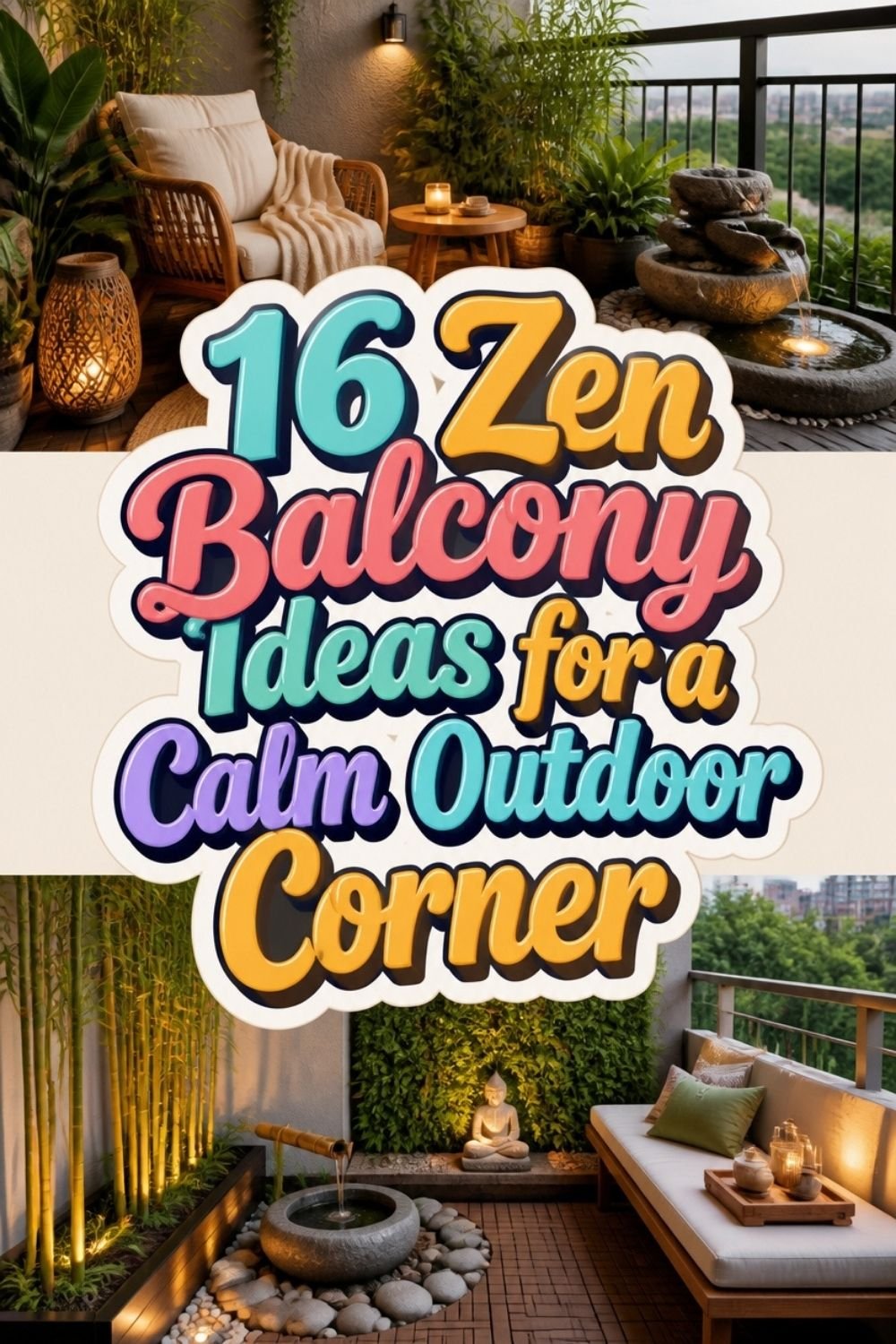
A zen balcony begins with restraint. Choose one low-slung chair. Add a single stone. Let emptiness breathe.
I found my calm in weathered wood and whispering bamboo. A tiny water bowl catches morning light. Scented herbs brush against ankles. These small gestures reward the senses without overwhelming them.
Evening transforms the space entirely. Soft lanterns replace harsh fixtures.
Plants need only seasonal attention. The result feels discovered, not decorated—a private corner that asks nothing and gives everything back.
Start With Calm, Not Clutter
Before adding decor, decide what you want your balcony to help you do. A quiet reading corner, meditation spot, or simple place for morning coffee will need far less than a space trying to serve every purpose at once.
Keep your furniture low, your palette soft, and your materials natural where possible. Wood, stone, bamboo, linen, and greenery can create warmth without making the balcony feel busy.
Leave some open space too. In a zen-inspired setting, what you choose not to add can be just as important as the pieces you bring in.
16 Zen Balcony Ideas
Good zen balcony ideas focus on creating a space that feels calm, balanced, and easy to spend time in. You do not need a large balcony or an elaborate garden to get that effect.
Small changes such as softer lighting, a few carefully chosen plants, natural textures, and a dedicated seating area can completely shift the mood.
Use these ideas to shape a balcony that feels peaceful without becoming overly decorated.
Choose a Minimalist Furniture Layout
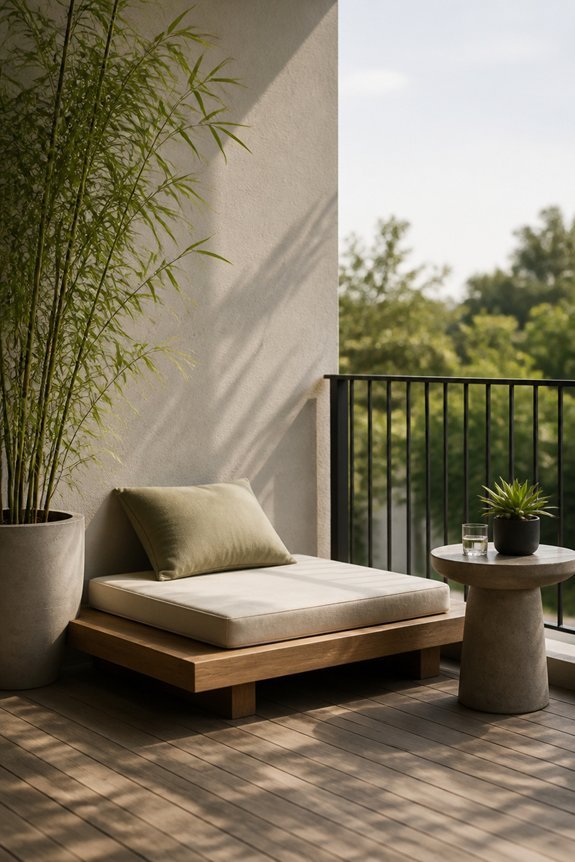
When designing a zen balcony, the furniture selection and arrangement form the foundation of a calm, uncluttered space. Select low-profile pieces, such as a simple wooden bench or meditation cushion, that occupy minimal visual weight. Arrange furniture to create open areas, allowing sight lines across the balcony.
Avoid matching sets or decorative pieces that serve no function. Consider natural materials like teak, bamboo, or stone for authenticity. Position seating to face a focal point, whether garden views or water features. Leave substantial empty space between items, preventing overcrowding. This approach maintains balance and supports the zen aesthetic effectively.
Create Defined Zones for Different Activities
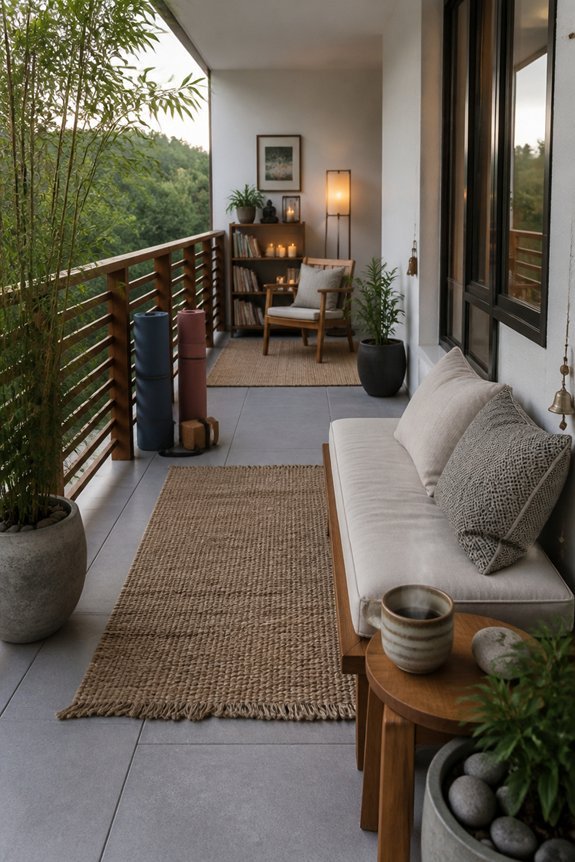
Dividing a balcony into separate zones allows multiple functions to coexist without visual or physical conflict. A seating area with a bench or chair occupies one corner, designated for relaxation and meditation. A small table nearby serves as a workspace or dining surface.
Plant containers can define a gardening zone, keeping greenery organized and contained. A yoga mat section requires minimal space but benefits from clear boundaries. Using area rugs, planters, or subtle furniture placement creates these divisions naturally.
Each zone maintains its own purpose without requiring permanent structures. This arrangement maximizes functionality while preserving the calm aesthetic essential to zen balcony design.
Select a Calming Color Palette
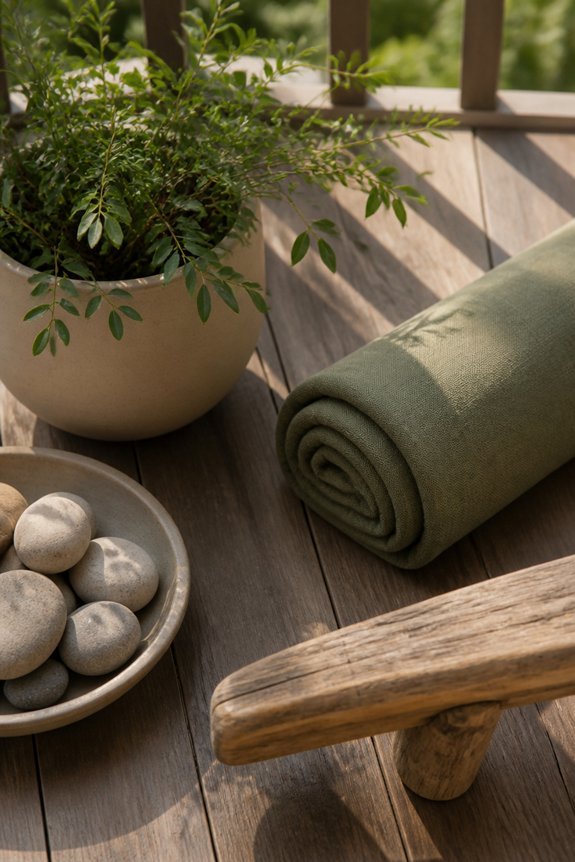
How does color influence the mood of a zen balcony? Color shapes emotional responses, affecting relaxation and mental clarity. Soft, neutral tones like beige, gray, and taupe create calm environments. Whites and creams promote simplicity and cleanliness. Pale greens and blues connect to nature and tranquility.
These colors work on balconies through furniture, cushions, planters, and wall paint. Accent colors should remain muted, such as dusty sage, soft terracotta, or light charcoal. Avoid bright reds, yellows, or oranges, which stimulate rather than soothe. Consistent color schemes unify spaces, reducing visual chaos. Testing paint samples and fabric swatches in natural light guarantees chosen colors deliver intended peaceful effects.
Choose Low-Maintenance Plants for Your Light

Plants anchor a zen balcony’s natural aesthetic, complementing the carefully chosen neutral colors established in the design. Selecting vegetation depends on available light conditions, whether full sun, partial shade, or low light.
Bamboo palms, snake plants, and pothos thrive in dim areas, requiring minimal watering and maintenance. For sunlit balconies, ornamental grasses, sedums, and lavender perform well.
Containerized plants offer flexibility and control, preventing root systems from overtaking limited space. Low-maintenance species reduce care demands, allowing residents to enjoy their balcony without constant attention. Grouping plants by water needs simplifies irrigation schedules and promotes balanced growth throughout the outdoor sanctuary.
Layer Warm Lighting for Evening Ambiance

As daylight fades, strategic lighting transforms a zen balcony into a functional and contemplative outdoor space. Layering different light sources creates depth and reduces harsh shadows. String lights, lanterns, and LED strips offer soft illumination without overwhelming the area.
Warm color temperatures, around 2700 Kelvin, promote relaxation and complement natural materials like wood and stone. Solar-powered options provide energy efficiency, while dimmable fixtures allow adjustable brightness. Positioning lights at varying heights: overhead, mid-level, and ground-level, establishes visual interest. Uplighting on plants creates silhouettes, while downlighting from pergolas casts gentle shadows. This approach balances visibility with tranquility, supporting evening meditation and quiet reflection on your zen balcony.
Use Stone or Gravel to Define Pathways

Defining pathways with stone or gravel creates visual structure and guides movement across a zen balcony. River stones, pea gravel, and decomposed granite offer practical options for pathway materials.
These materials establish clear routes between seating areas, plants, and focal points. Gravel produces subtle sounds underfoot, adding a sensory element to the space. Stone borders contain materials and prevent spreading.
Regular raking maintains neat appearance and refreshes the surface. Pathways should measure two to three feet wide for comfortable walking. Proper drainage prevents water pooling and material displacement during rain.
This design element balances aesthetics with functionality in compact balcony environments.
Build a Meditation Corner
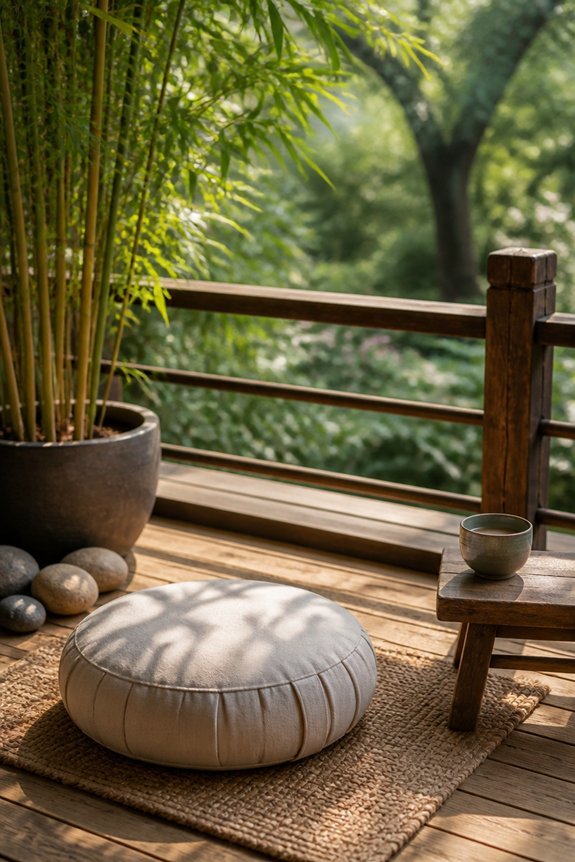
Creating a dedicated meditation space within a zen balcony requires selecting a quiet location, away from foot traffic and distractions. Position a low wooden bench, cushion, or meditation mat in this designated area. Include elements that support focus, such as a small water feature, bamboo plant, or stone lantern. Guarantee adequate shade through a pergola or umbrella.
Keep the space minimal and uncluttered, removing unnecessary furniture and objects. Add soft outdoor lighting for evening practice. Maintain comfortable temperature with appropriate clothing or blankets. This intentional arrangement establishes a functional retreat for daily meditation and contemplative activities.
Add Bamboo Screens for Privacy and Texture
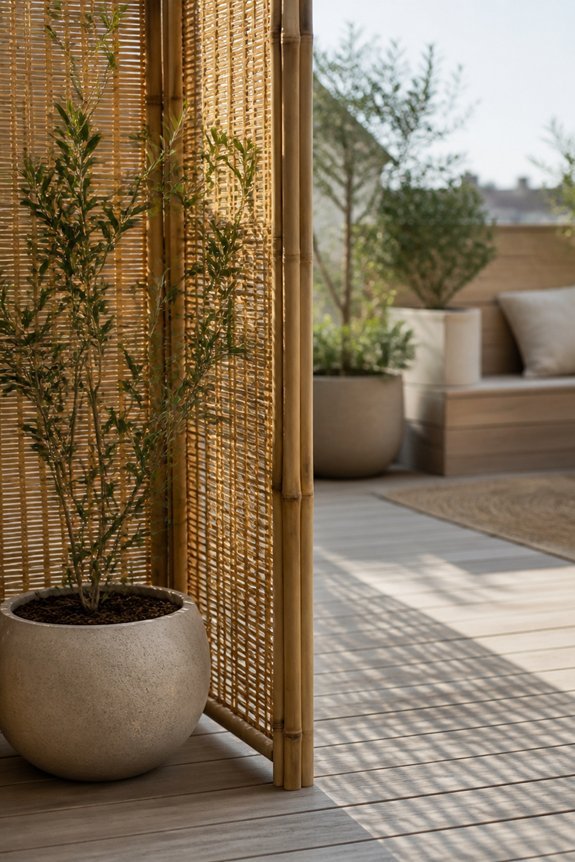
Bamboo screens serve multiple functions in a zen balcony design, creating visual barriers while adding natural texture to the space. These screens block unwanted views, reduce noise, and establish privacy without fully enclosing the area. Natural bamboo materials complement stone, wood, and water features common in zen aesthetics.
Installation options include freestanding panels, wall-mounted screens, or climbing bamboo trellises. Maintenance involves occasional cleaning and weatherproofing to prevent deterioration. Bamboo screens pair effectively with potted plants, creating layered greenery. They filter sunlight gradually, casting subtle shadows that enhance the meditative atmosphere. This simple addition greatly improves both functionality and visual appeal.
Hang Flowing Curtains for Soft Movement

Flowing curtains introduce gentle movement and softness to zen balcony spaces, complementing the stillness created by bamboo screens and stone elements. Sheer fabrics like linen and cotton allow light penetration while diffusing harsh rays, creating subtle shadows that shift throughout the day. Installing curtains on tension rods or simple frames enables easy adjustment for changing weather conditions.
Neutral colors, white, beige, cream, maintain visual calm and harmony. Curtains also provide practical wind barriers and occasional privacy screening. The gentle rippling of fabric in breezes adds sensory interest without disruption, balancing the static nature of permanent fixtures and enhancing the overall meditative quality of the outdoor retreat space.
Incorporate a Water Feature for Soothing Sounds

Water features serve as functional elements in zen balcony design, providing ambient sound that masks urban noise and supports meditative environments. Small fountains, bird baths, and tabletop water features work effectively in compact spaces. These installations require minimal maintenance and operate on standard electrical outlets or solar power.
The gentle sound of flowing water promotes relaxation and concentration. Options include recirculating fountains, which conserve water, or simple bowls with small pumps. Placement near seating areas maximizes the auditory benefits. Water features also attract birds, adding visual interest and natural sounds to the balcony environment.
Layer in Outdoor Rugs for Comfort and Warmth

Outdoor rugs define seating zones on balconies while providing underfoot comfort and thermal insulation during cooler months. Natural fiber options, including jute and sisal, offer durability and aesthetic appeal. Synthetic materials like polypropylene resist moisture and fading, making them practical for exposed spaces.
Layering multiple rugs creates visual interest and delineates different functional areas. Consider rug sizes between 5×7 and 8×10 feet for standard balconies. Securing rugs with non-slip pads prevents movement from wind and foot traffic. Regular maintenance involves vacuuming and occasional spot cleaning to preserve appearance and longevity.
Place Wind Chimes for Gentle Movement
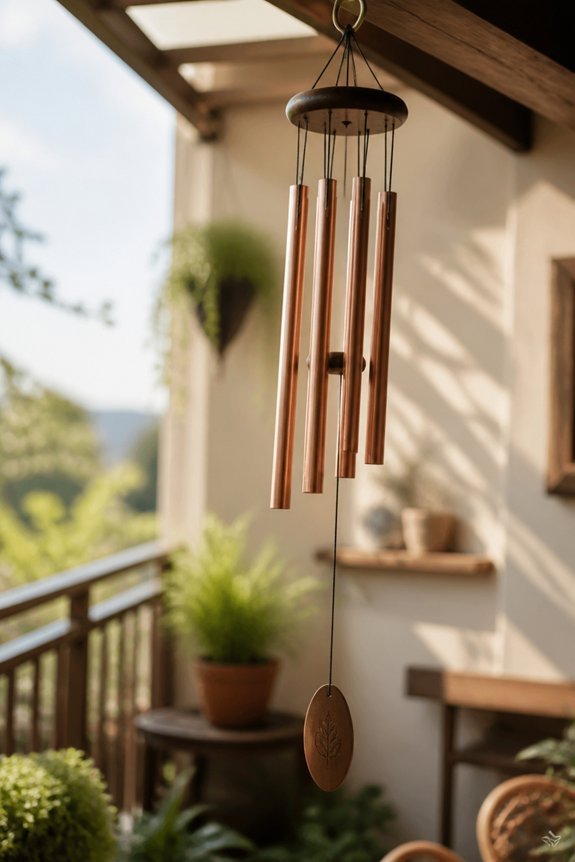
Wind chimes add gentle auditory and visual elements to a zen balcony, complementing the tactile comfort provided by layered rugs and defined seating areas. Bamboo, metal, and wooden chimes produce different tones when air moves through them.
Placement matters considerably; chimes positioned near natural wind paths create consistent, soothing sounds. Brass chimes offer deeper tones, while aluminum varieties produce lighter notes. Selecting chimes with fewer tubes reduces overwhelming noise levels.
Hanging chimes at varying heights creates visual interest and guarantees multiple sound frequencies. Consider the balcony’s orientation and prevailing wind direction when installing. Proper spacing prevents clinking against railings or structures.
Grow Fragrant Herbs for Sensory Calm

Because scent directly influences mood and relaxation, fragrant herbs serve as practical additions to zen balcony spaces. Lavender, chamomile, and mint are commonly grown options that require minimal maintenance. Small potted plants can be arranged in clusters along railings or corners, creating accessible aromatherapy zones.
Basil, rosemary, and lemon balm offer additional sensory benefits while remaining functional for culinary purposes. Herbs thrive in containers with proper drainage and sunlight exposure. Brushing foliage releases natural oils, intensifying fragrance. Regular harvesting encourages growth and sustains plant health. This approach combines aesthetic appeal with practical sensory engagement throughout the balcony environment.
Add Weathered Wood Accents for Natural Feel
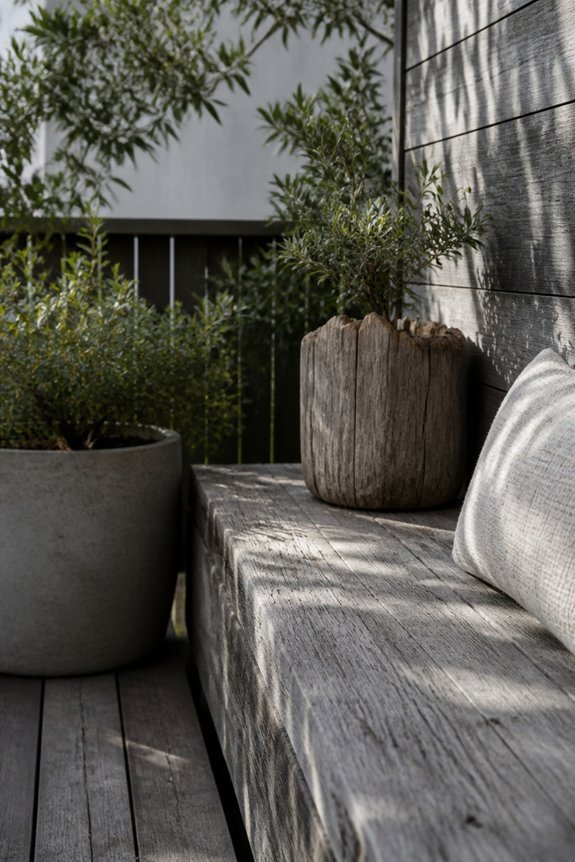
Weathered wood introduces natural texture and earthy tones to zen balcony spaces, grounding the environment in organic materials. Teak benches, reclaimed wood screens, and driftwood planters create visual interest while maintaining simplicity. These elements develop patina over time, deepening their aesthetic appeal.
Wood accents pair effectively with stone, bamboo, and ceramic pieces. Consider installing wooden railings, plant stands, or small tables for functional storage. Weathered finishes require occasional maintenance, including cleaning and protective oil application. The natural grain patterns and muted colors support the minimalist aesthetic central to zen design principles.
Design a Small Fountain or Bird Bath
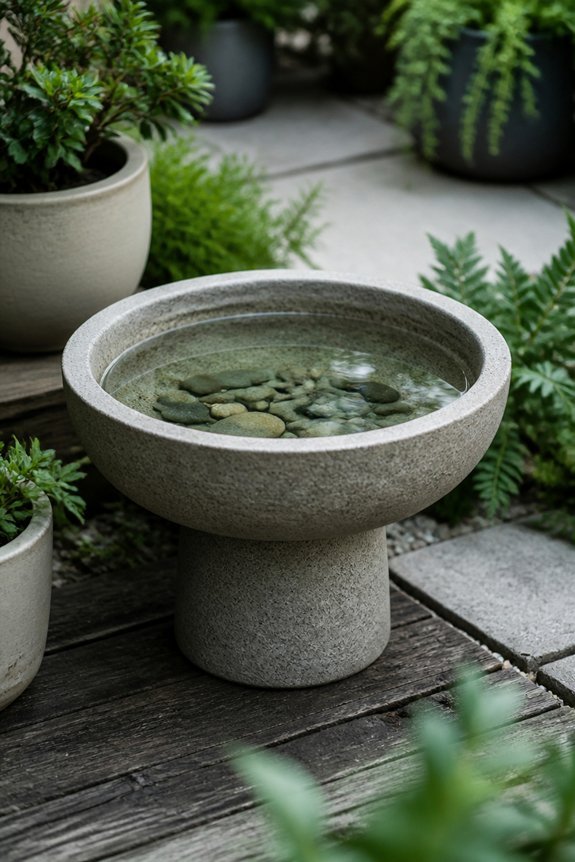
Water features complement zen balcony spaces, adding gentle sound and movement to otherwise static environments. Small fountains or bird baths serve practical purposes while enhancing aesthetic appeal.
Options include tabletop fountains, pedestal bird baths, and wall-mounted water features. Materials such as stone, ceramic, or concrete work well for outdoor settings. These elements attract birds and insects, creating natural activity.
Positioning near seating areas maximizes the calming effect of flowing water sounds. Maintenance requirements vary by type, though regular cleaning prevents algae buildup. Solar-powered models eliminate electrical needs, reducing installation complexity on balconies.
Seasonal Care to Keep Your Zen Space Fresh

How can a zen balcony maintain its peaceful quality throughout changing weather and seasons? Regular maintenance keeps the space functional and visually consistent.
Spring requires cleaning debris, checking wood furniture for damage, and rejuvenating plant soil. Summer involves watering plants more frequently, protecting cushions from sun damage, and cleaning fountains to prevent algae buildup. Fall means removing fallen leaves, draining water features in cold climates, and storing delicate items indoors.
Winter calls for covering furniture, reducing plant watering, and inspecting structures for weather damage. These seasonal tasks preserve the balcony’s calm atmosphere and extend the lifespan of decorative and functional elements throughout the year.
Frequently Asked Questions
How Much Budget Should I Allocate for Creating a Zen Balcony Space?
One should allocate between $500 and $3,000, depending on size and materials chosen. Basic setups with plants and seating require minimal investment, while elaborate designs incorporating water features, premium furniture, and professional landscaping demand higher budgets.
What Size Balcony Is Ideal for Implementing Zen Garden Design Principles?
A balcony measuring 6×8 feet or larger provides sufficient space for implementing zen garden principles. Smaller spaces can work with minimalist approaches, utilizing vertical elements and carefully selected focal points to create serene environments effectively.
Can I Create a Zen Balcony in a Small Apartment Space?
One need not possess sprawling grounds to cultivate serenity. Even the most intimate apartment balconies can transform into tranquil retreats through thoughtful minimalism, potted plants, and strategic placement of water features, creating a personal sanctuary within urban constraints.
How Do I Protect My Zen Balcony Setup During Extreme Weather Conditions?
One should invest in weatherproof covers for plants and furniture, secure lightweight items against wind, and consider portable elements that can be moved indoors. Installing a retractable awning provides additional protection during storms and heavy rain.
What Permits or HOA Approvals Might I Need for Balcony Modifications?
Like steering through a maze of regulations, one must first consult their local building department and HOA guidelines. Most modifications require permits for structural changes, while aesthetic additions may need approval. Always obtain written permission before proceeding.
Conclusion
Creating a zen balcony requires combining minimalist furniture, defined zones, and natural materials into one cohesive space. A calming palette of soft neutrals and greens, paired with low-maintenance plants and fragrant herbs, establishes sensory appeal. Water features, bamboo screens, and weathered wood accents provide functional privacy and authentic atmosphere. Seasonal maintenance guarantees the space remains tranquil year-round. These elements work together, layer upon layer, to transform any balcony into a dedicated sanctuary for relaxation and reflection.