

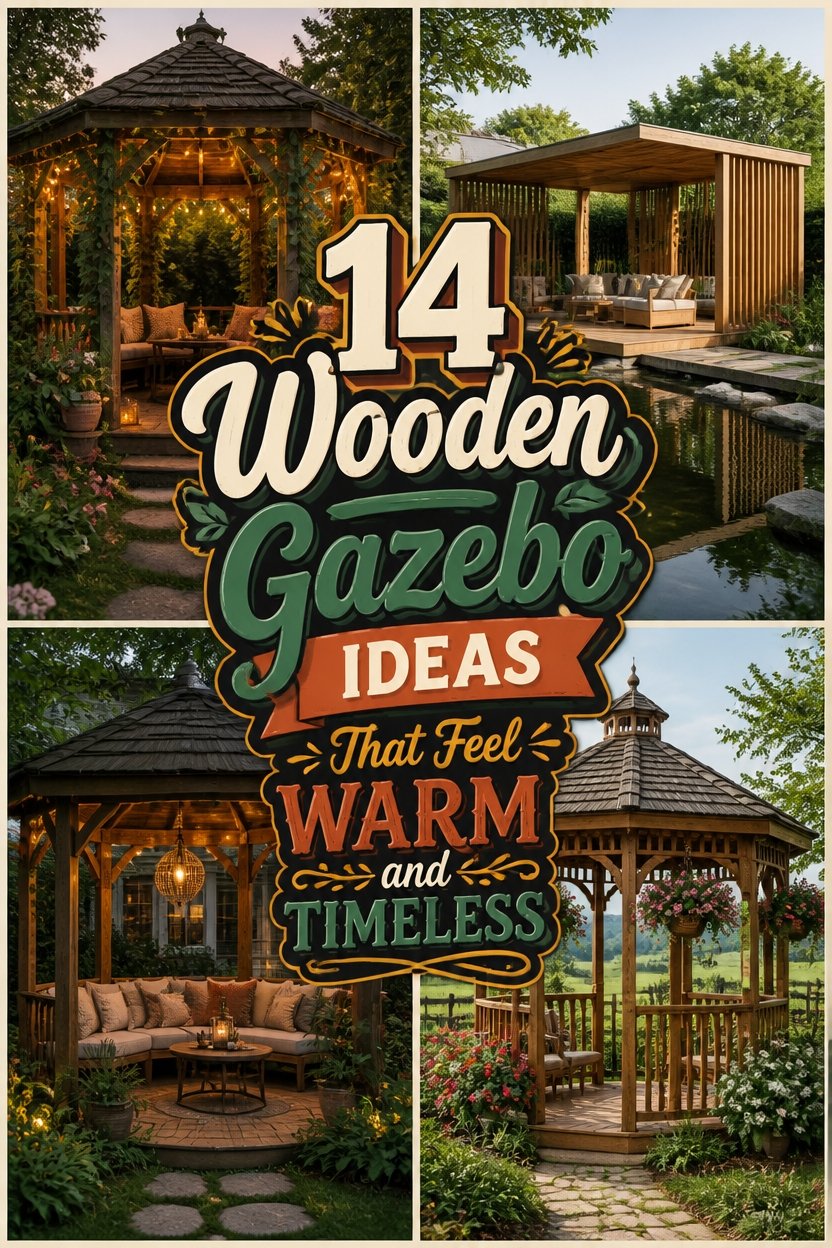
There’s something quietly grounding about a wooden gazebo. It invites you to slow down, to linger outside a little longer, to find shade without retreating indoors.
Styles range widely, which is part of the appeal. You might love a classic peaked roof for its simplicity, or find yourself drawn to Victorian details that feel a touch romantic. Cottage-style versions with lattice work offer that storybook quality, while Japanese-inspired designs bring soft curves and a sense of calm.
Smaller gardens benefit from compact models, and elevated deck gazebos with built-in seating make the most of a view.
For coastal homes, sturdy seaside builds hold up against salt air, and cedar weathers into a silvery gray that only gets better with time. The right choice depends on how you live outside, and what you want the space to give back to you.
Classic Peaked Roof Gazebo With Traditional Charm
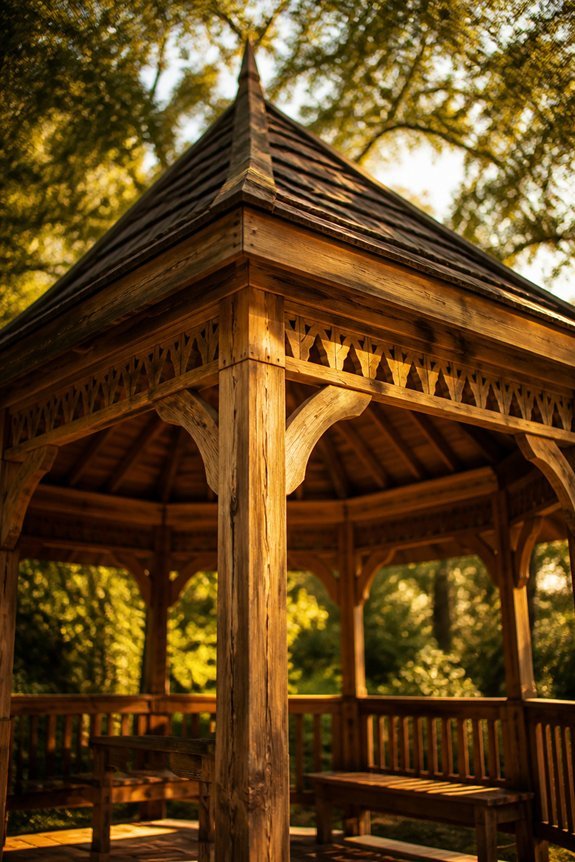
A classic peaked roof gazebo brings timeless appeal to outdoor spaces. Its triangular roof peak channels water away while providing solid overhead cover. Most designs span eight to twelve feet. This size works well for seating areas, dining spots, or small garden gatherings.
Builders often choose cedar, oak, or pressure-treated pine. These woods stand up to weather with proper care. Expect to stain or seal them every few years. The structure rests on four to eight support posts. Beams connect everything together. Decorative railings or lattice panels finish the sides.
Homeowners love placing these gazebos as yard focal points. They sit nicely near gardens or along patio edges. The style blends with colonial, farmhouse, and even contemporary homes.
Also read: 10 Poolside Gazebo Ideas That Feel Like a Resort
Victorian Wooden Gazebo With Ornamental Detailing
Victorian Wooden Gazebos With Ornamental Detailing
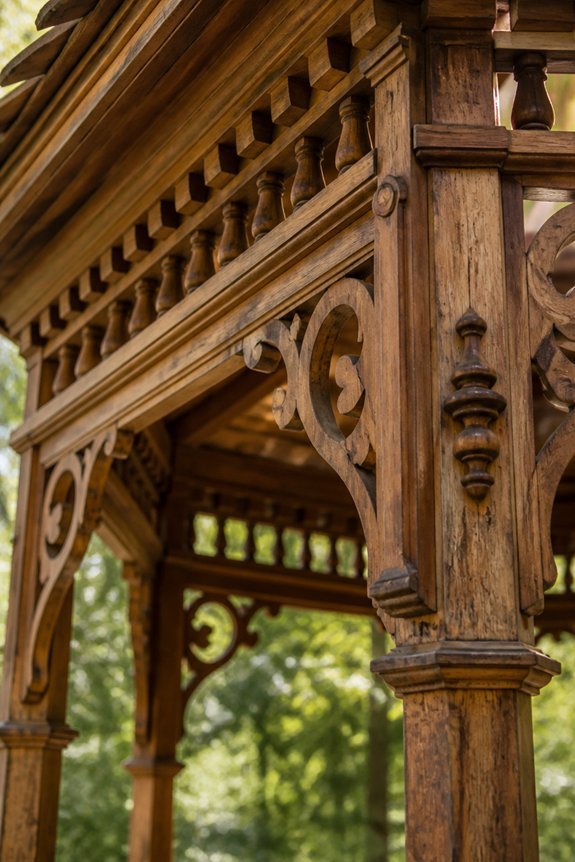
Victorian wooden gazebos bring elegance to any yard. They feature ornate railings, gable trim, and detailed brackets beneath the eaves. Spindle work and lattice patterns complete the look.
These structures typically measure eight to twelve feet across. They fit nicely into gardens and host intimate gatherings with ease.
Materials and Build Quality
Builders favor pressure-treated lumber or cedar. Both options resist weather and last for years. The peaked roof sheds water quickly and effectively.
Ornamental details do need upkeep. Plan for regular maintenance and occasional repainting to preserve their charm.
Choosing and Installing Your Gazebo
Homeowners love this style for period homes. It also creates stunning focal points in mature landscapes.
Start with level ground and concrete footings. This foundation keeps your gazebo stable and secure for seasons to come.
Cottage-Style Gazebo With Lattice And Charm
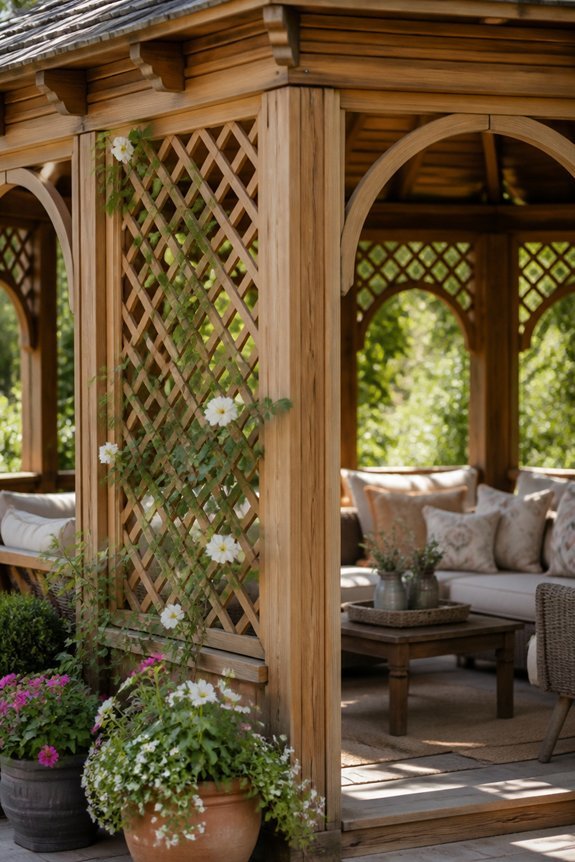
Cottage-style gazebos win over homeowners who crave a relaxed outdoor space. They skip heavy ornamentation in favor of simplicity and comfort.
Lattice panels serve double duty here. They look lovely on their own. They also give clematis, honeysuckle, and other climbers something to grab.
The wooden framework feels warm and lived-in. Natural finishes work well. So do soft paint colors like cream, pale green, or weathered gray.
Practical features make these gazebos genuinely usable. Built-in bench seating lines the interior walls. Open sides invite breezes through. Pitched roofs shed rain and sun.
Most designs span eight to twelve feet across. The lattice casts gentle, dappled shade without blocking your view. Air moves freely through the gaps.
Personal touches bring these structures to life. Try hanging planters, simple railings, or letting ivy take over. Each choice adds to the welcoming cottage character.
Japanese-Inspired Gazebo With Curved Eaves

Japanese gazebo design emphasizes clean lines. Natural materials and landscape-reflecting elements define this style. The curved eaves, or “noki,” serve as the signature feature.
These swooping rooflines extend outward. They provide shelter from rain and sun. They also create lasting visual interest.
Construction favors cedar or cypress. These woods age gracefully over decades. The open sides use minimal railings. Garden views remain unobstructed.
Posts and beams stay exposed. Joinery techniques become part of the visual appeal. Nothing hides the craftsmanship.
Decorative brackets add character. Geometric patterns appear throughout. Many designs include meditation spaces.
The gazebo serves as a bridge. It connects indoor comfort with outdoor beauty. Visitors pause here to observe seasons changing. Morning light differs from evening shadows. Each visit offers something new.
Rustic A-Frame Gazebo With Modern Simplicity
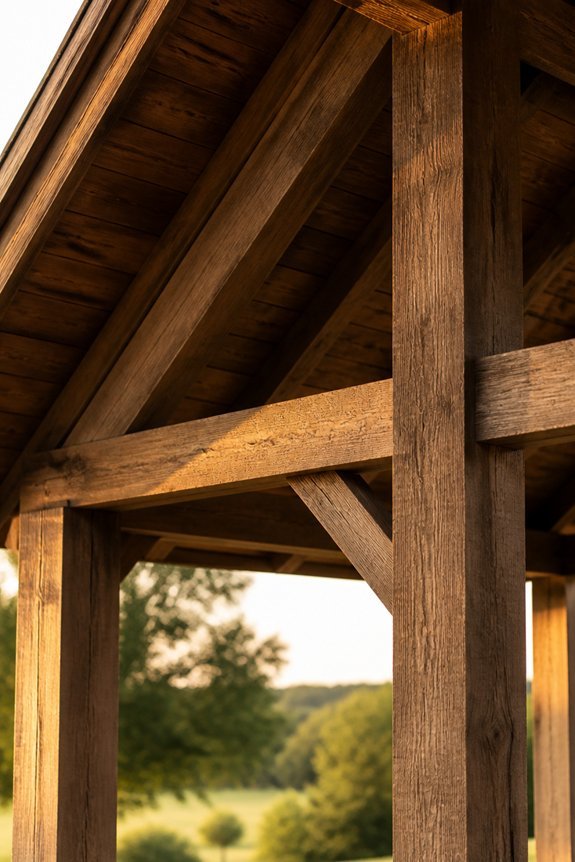
A Fresh Take on Outdoor Structure
Japanese gazebos lean heavily on ornamental curves and visible joinery. The A-frame design moves in another direction. It embraces straightforward geometry and keeps decoration to a minimum.
This style pairs rustic wood with clean lines. Construction stays simple and approachable.
Stable by Design
Two sloped sides meet at a peak. This creates natural stability without complex bracing. Cedar and pressure-treated lumber fit this build well. Both offer lasting durability and weather gracefully.
Open and Uncluttered
Interior space feels roomy and clear. Few posts interrupt the floor plan. Horizontal beam accents add character. Basic railings and uncovered wood grain bring rustic warmth. Yet everything stays restrained and modern.
Who This Suits
This gazebo works for homeowners who need functional outdoor space. It bridges traditional materials with contemporary simplicity. The result feels time-tested without being dated.
Modern Minimalist Gazebo In Cedar Or Teak
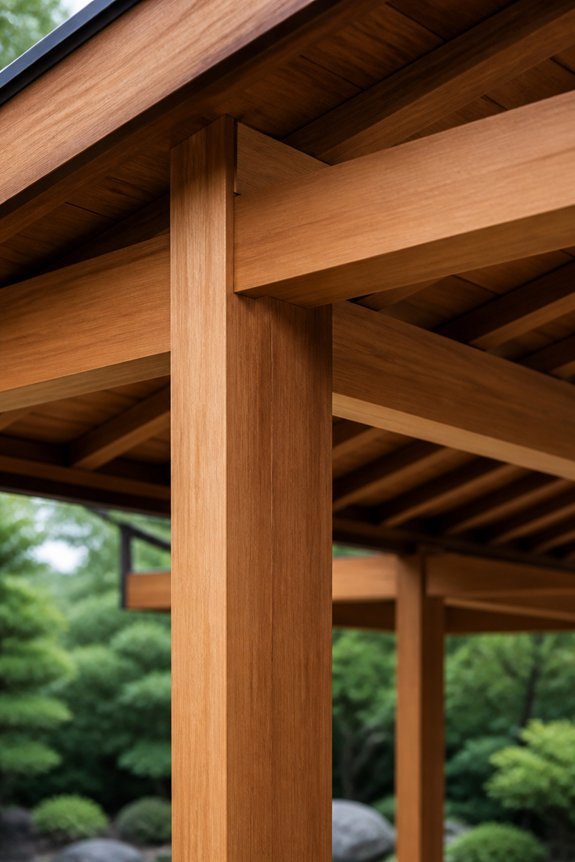
Why Cedar and Teak Work for Minimalist Gazebos
Homeowners love clean lines. Cedar and teak deliver exactly that.
Cedar brings natural rot resistance. It’s lightweight and simple. No extra ornamentation needed.
Teak offers top-tier durability. It weathers beautifully. No staining or sealing required.
Key Design Elements
Minimalist gazebos focus on openness. Use fewer railings and posts. Keep sightlines clear.
Roof shapes stay geometric. Think flat or gently pitched. Let the wood grain speak for itself. Skip heavy decoration.
Choosing Your Material
Cedar fits tighter budgets. Teak rewards long-term thinking. Both need occasional care.
Match proportions to your landscape. Size for actual use, not just looks. Plan drainage and foundation work early. These details protect your investment either way.
Wooden Pavilion For Large Entertaining Spaces
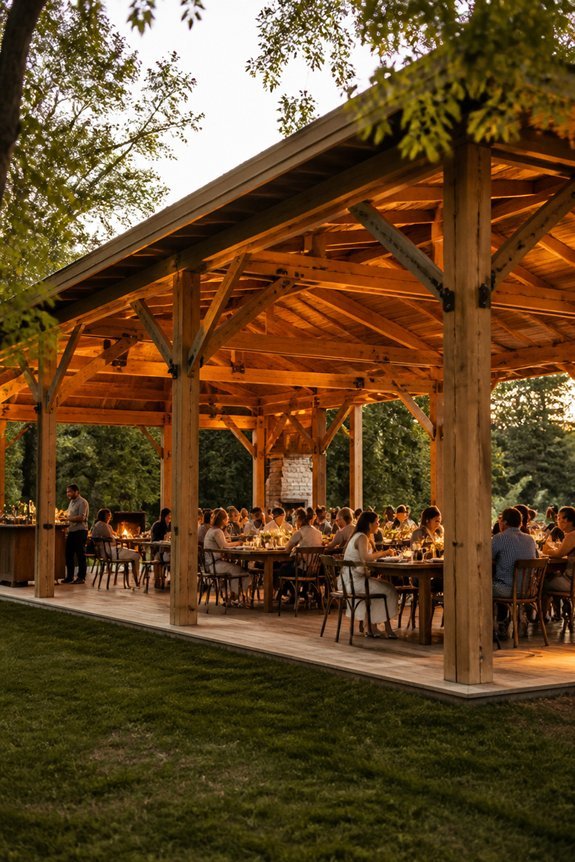
Entertainment pavilions need a different approach than cozy gazebos. These structures host bigger groups, so they require more space and stronger supports. Cedar and pressure-treated lumber hold up well against heavy foot traffic and weather.
Key considerations include:
Open-sided designs give shade without blocking airflow. Multiple support posts keep everything stable. Roof angles matter too. They direct water away from the space below. Leave enough room for people to move around and arrange furniture comfortably.
A 20-by-30-foot pavilion works well for medium gatherings. Scale up to 30-by-40 feet for larger events. Gable or hip roofs provide good coverage. Choose ground-level or raised platforms based on your site and how you plan to use the space. Add electrical outlets and lighting during construction. It makes entertaining much easier later on.
Hexagonal Gazebo For Intimate Garden Corners
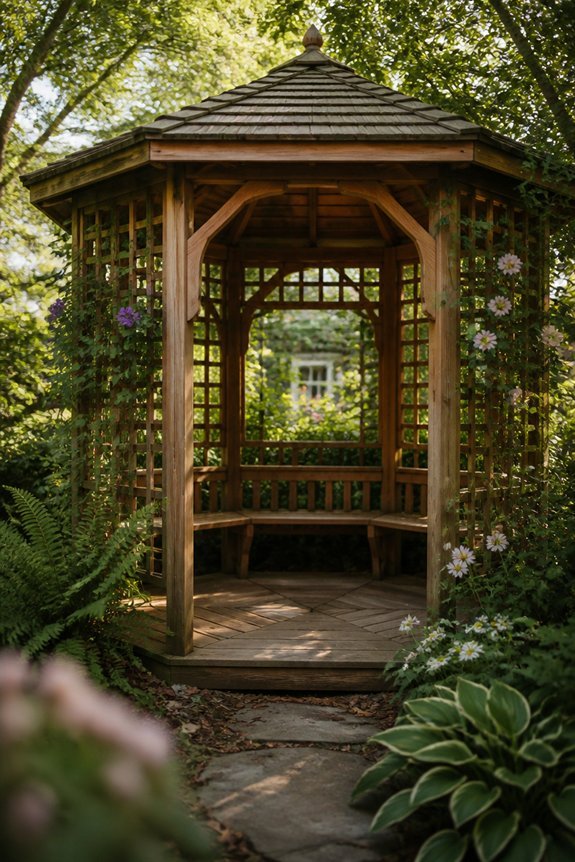
A hexagonal design fits nicely into corners and small gardens. It gives you six sides that tuck into tight spaces. You get more room inside without taking up too much yard.
This shape works well against fences or property lines. The angled walls add visual interest that round or square gazebos lack.
Wood Choices
Cedar and pressure-treated pine hold up well outdoors. Both resist rot and handle wet weather. Cedar ages to a soft gray. Pine takes stain easily if you prefer color.
Size and Space
Most hexagonal gazebos span eight to twelve feet inside. Four to eight people fit comfortably. The six-sided shape handles wind better than four-sided structures.
Interior Options
Built-in benches line the walls nicely. Or leave the center open for tables and chairs. You decide how to use the space.
Octagonal Gazebo With Decorative Railings
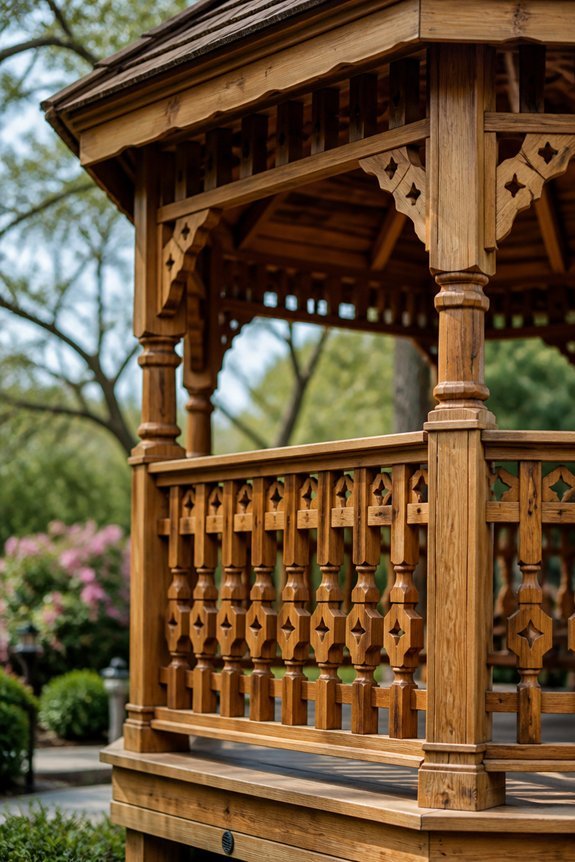
Octagonal structures provide eight sides that work well in larger yards. They offer more floor space than hexagonal designs while keeping visual balance.
Decorative railings serve two purposes. They prevent falls and add interest to the gazebo’s perimeter.
Common Railing Styles
Turned spindles bring a traditional cottage look. Cylindrical wooden pieces run vertically between horizontal rails. Lattice patterns feel open and airy. They allow visibility and support climbing vines. Solid panel railings work best for privacy and windy spots.
Materials and Measurements
Cedar and pressure-treated lumber stand up well to weather and rot. Railings usually measure 36 to 42 inches high for safety. Decorative caps on posts add durability and a polished finish.
Upkeep
Stain or seal the wood yearly to keep it in good shape.
Pergola Gazebo For Filtered Shade And Airflow
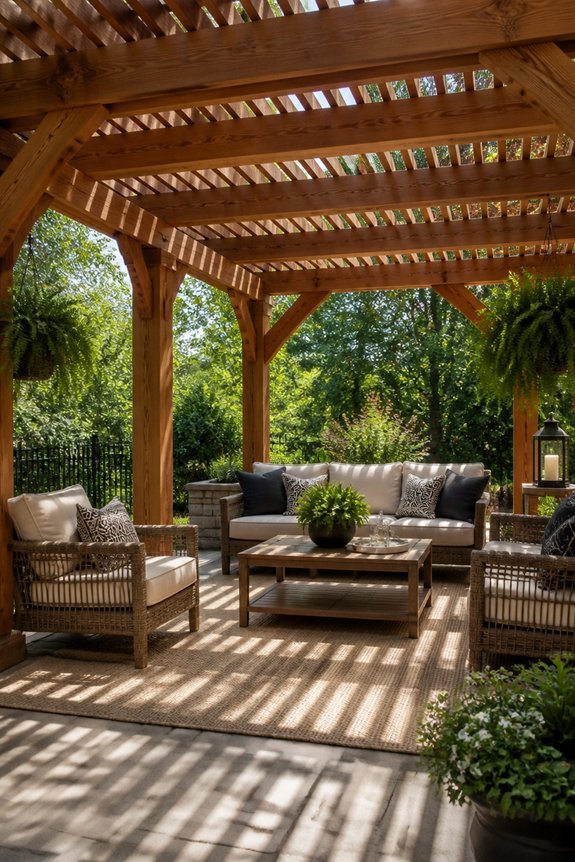
Pergola gazebos differ from solid-roof structures. Their open-slat design lets sunlight filter through. Air moves freely between the horizontal beams, typically spaced four to six inches apart. This creates dappled shade patterns below.
Perfect for Warm Weather
Hot climates benefit most from this design. Complete shade often feels stuffy. The open framework keeps things cooler and more comfortable.
Cedar and pressure-treated lumber remain popular choices. The structure handles wind better than enclosed gazebos. Installation becomes simpler on exposed properties.
Adjusting Your Shade
Homeowners control light levels easily. Retractable shade cloth adds coverage when needed. Climbing vines like clematis or wisteria offer a natural option.
Filtered light suits many daytime activities. Dining, reading, and relaxing all feel pleasant here. Visibility stays clear. Breezes flow through without obstruction.
Compact Wooden Gazebo For Small Spaces
Finding Room for a Gazebo
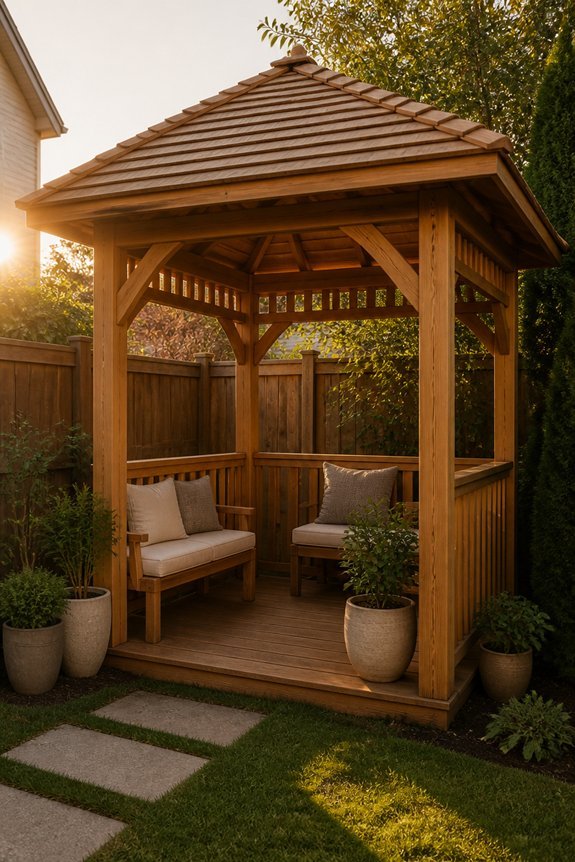
Small yards can still host a beautiful wooden gazebo. Compact models measuring 8 by 8 feet or 10 by 10 feet fit neatly into tight corners. They add charm without crowding your outdoor space.
Smart Design Choices
Compact gazebos focus on function and style. You can choose single doors, simple roofs, and slim railings. Tucking one into a corner along a fence line saves even more room.
Materials That Last
Cedar and pressure-treated pine stand up well to weather. Slatted roof designs let air flow through, keeping the space comfortable even on warm days.
Practical Benefits
These small structures work perfectly for quiet gatherings, morning meditation, or storing garden tools. They need less foundation prep than larger builds. That keeps costs down and construction straightforward.
Elevated Deck Gazebo With Built-In Seating
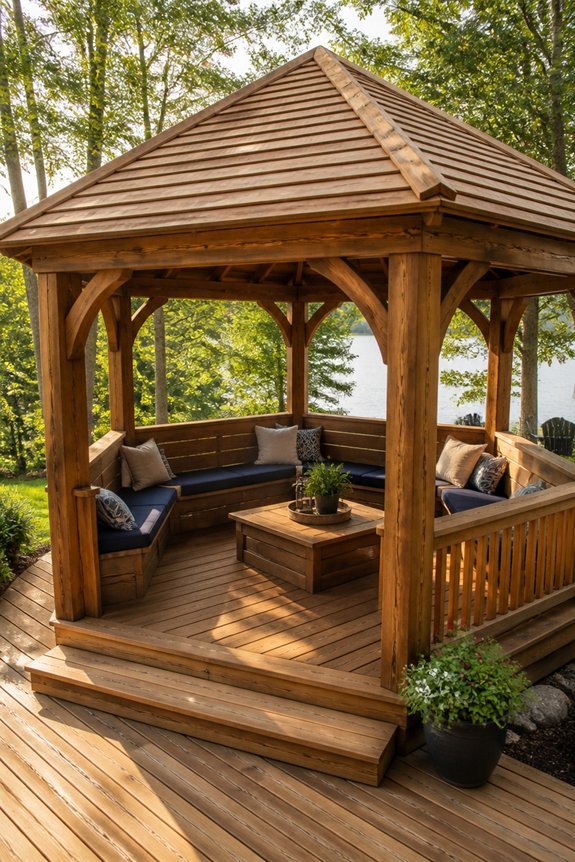
Elevated deck gazebos with built-in seating make the most of larger spaces. They combine benches, storage, and dining areas into one seamless structure. This approach cuts down on clutter and upkeep.
Built-in seating creates a unified look without extra furniture pieces. L-shaped benches work well along the edges. Corner boxes add hidden storage. Central platforms serve as convenient tables.
The raised foundation brings practical advantages. Water drains more easily below the deck. Pests have a harder time nesting there. Cleaning underneath becomes simpler too.
Cedar and pressure-treated lumber handle weather exposure gracefully. These materials keep the structure sound for years.
This setup suits many outdoor activities. Host friends for dinner. Enjoy casual meals outside. Settle in with a book. The integrated wooden design stays visually warm while meeting different needs.
Seaside Gazebo Built For Salt Air And Durability
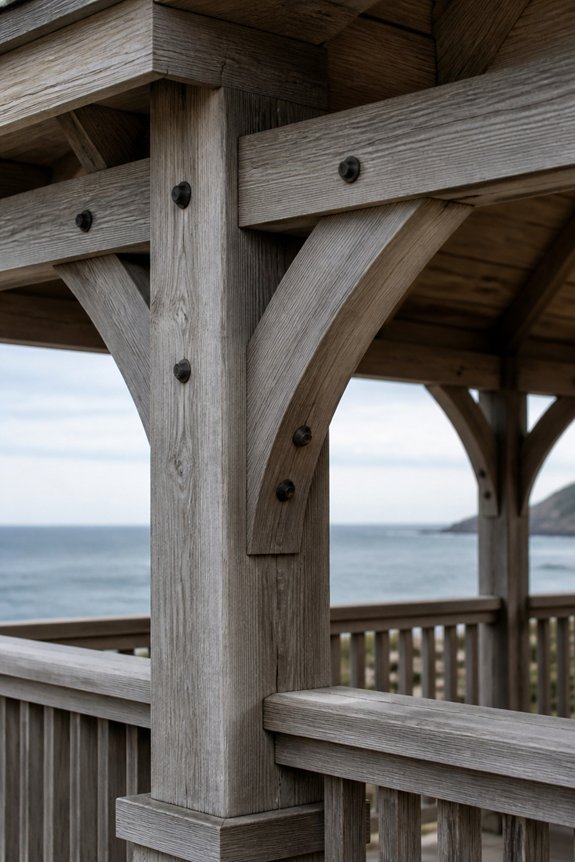
Coastal environments demand specialized materials. Salt spray, moisture, and corrosion attack ordinary construction relentlessly.
Pressure-treated lumber, composite materials, or naturally resistant woods like cedar and teak work best for seaside gazebos. Stainless steel or galvanized hardware prevents rust where it matters most. Proper ventilation keeps air moving through the structure. This simple step reduces moisture buildup and stops rot before it starts.
Protective finishes make a real difference. Marine-grade sealants and paints outlast standard products by years. Annual inspections catch problems early. Reapplying protective coatings extends your gazebo’s life considerably.
Smart drainage keeps water from pooling. Angled roofs send rain running off quickly. Elevated flooring lifts the structure above splashes and standing water. These details keep your seaside gazebo solid and welcoming for the long haul.
Cedar Gazebo That Weathers Beautifully Over Time
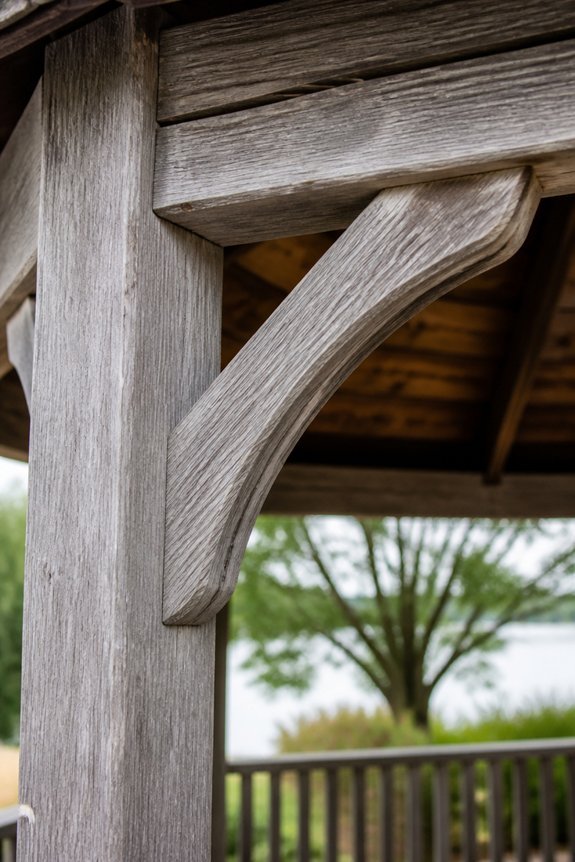
Cedar stands out as an excellent choice for gazebos. Coastal areas especially benefit from its durability. This wood naturally resists decay, insects, and weather damage. Built-in oils and density give it that protection.
Over time, cedar develops a silver-gray patina. Many property owners find this look authentic and pleasing. The weathering process happens gradually. Sun and moisture slowly transform the surface. The wood becomes harder and more damage-resistant. It does not deteriorate.
Cedar needs minimal maintenance compared to other options. Occasional cleaning keeps it looking fresh. Some owners add stain to preserve the original color. Others embrace the natural aging process instead.
Coastal environments pose unique challenges. Salt air and moisture fluctuations test most materials. Cedar handles these conditions well. It resists warping and splitting despite the stress. Seaside properties gain lasting value from this choice. Twenty to thirty years of service comes with basic care alone.
Frequently Asked Questions
What Is the Average Cost of Building a Wooden Gazebo?
The average cost of building a wooden gazebo ranges from $3,000 to $15,000, depending on size, wood quality, and complexity. A basic 10-by-12-foot structure typically costs $5,000 to $8,000, while larger or more elaborate designs may exceed $20,000.
How Long Does a Wooden Gazebo Typically Last Without Maintenance?
A wooden gazebo, like a medieval fortress, deteriorates without proper care. Typically lasting 5-10 years unmaintained, the structure succumbs to rot, weather damage, and pest infiltration. Regular maintenance extends its lifespan considerably beyond this timeframe.
Do I Need a Building Permit to Install a Gazebo?
Building permit requirements for gazebo installation vary by location and jurisdiction. Homeowners should contact their local building department to determine specific regulations, as permits typically depend on gazebo size, permanent foundation, and zoning laws.
What Wood Type Is Best for Humid or Wet Climates?
Cedar and redwood resist rot and decay naturally. Teak and mahogany withstand moisture excellently. Pressure-treated lumber offers affordability and durability. These woods endure humidity, rain, and coastal conditions without warping or deteriorating rapidly.
How Much Maintenance Does a Wooden Gazebo Require Annually?
Annual wooden gazebo maintenance typically includes staining or sealing every two to three years, regular cleaning, inspection for rot or insect damage, and addressing any loose fasteners or weathered components promptly.
Conclusion
Wooden gazebos offer practical outdoor solutions that gracefully age over time, accommodating various architectural preferences and landscape requirements. Whether selecting traditional peaked designs, ornate Victorian styles, or contemporary minimalist structures, homeowners can establish functional gathering spaces. Cedar construction and elevated deck options provide durable foundations. These structures, available in multiple configurations, serve as reliable investments for enhancing residential outdoor areas through measured aesthetic and functional improvements.