

When we first started talking about adding shade to our back patio, I assumed a pergola was basically the same thing as an arbor, just bigger. That mix up sent me down the wrong rabbit hole on a couple of shopping sites before someone finally set me straight.
A pergola gives you a lot more design freedom than people realize going in. The size, the material, the roof structure, even whether the sides stay open, all change how the finished space feels and functions.
I want to walk through the actual decisions that shape a pergola project, the kind of groundwork that matters before you ever pick a material or call a contractor. This is less of a build guide and more of a “here’s what to think through first” guide.
By the end you should have a clearer sense of what kind of pergola fits your yard, your budget, and your patience for upkeep.
What Is a Pergola, Really
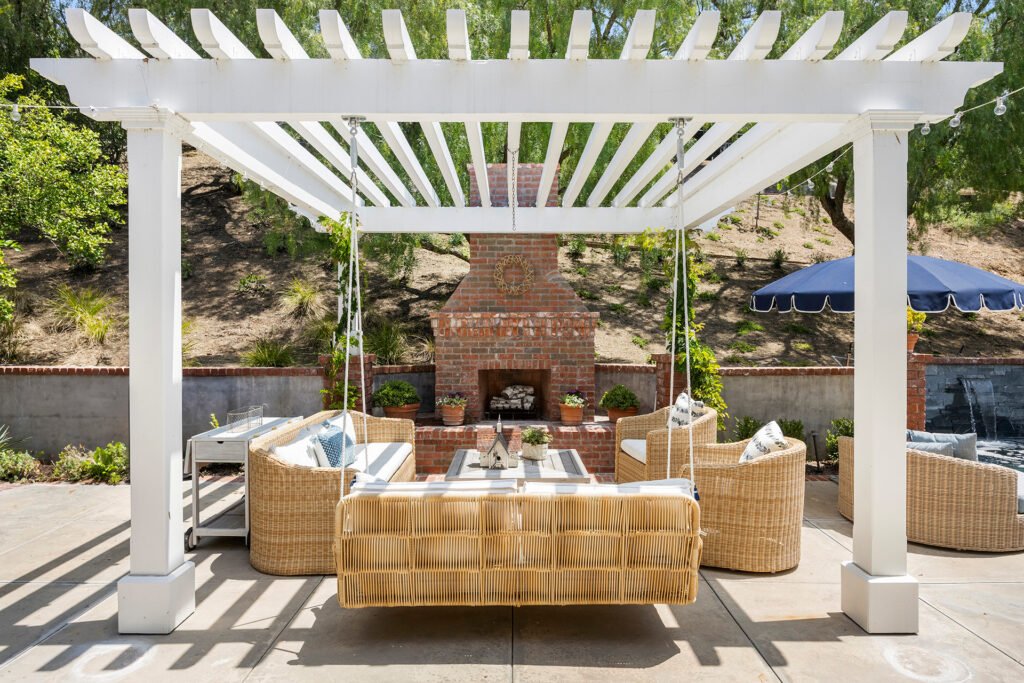
A pergola is an open structure with posts holding up crossbeams and rafters across the top, usually with some kind of slatted or lattice roof that filters light rather than blocking it completely. It is not the same as an arbor, which is typically smaller and meant for walking through rather than lingering under.
People also confuse pergolas with gazebos, but gazebos usually have a solid roof and often a more enclosed, freestanding shape. A pergola sits somewhere between an arbor and a gazebo, built for sitting and staying rather than just passing through.
Knowing this distinction matters once you start shopping for kits or talking to a contractor, since the terms get used loosely and you do not want to end up with a quote for the wrong type of structure.
Where to Put It in Your Yard
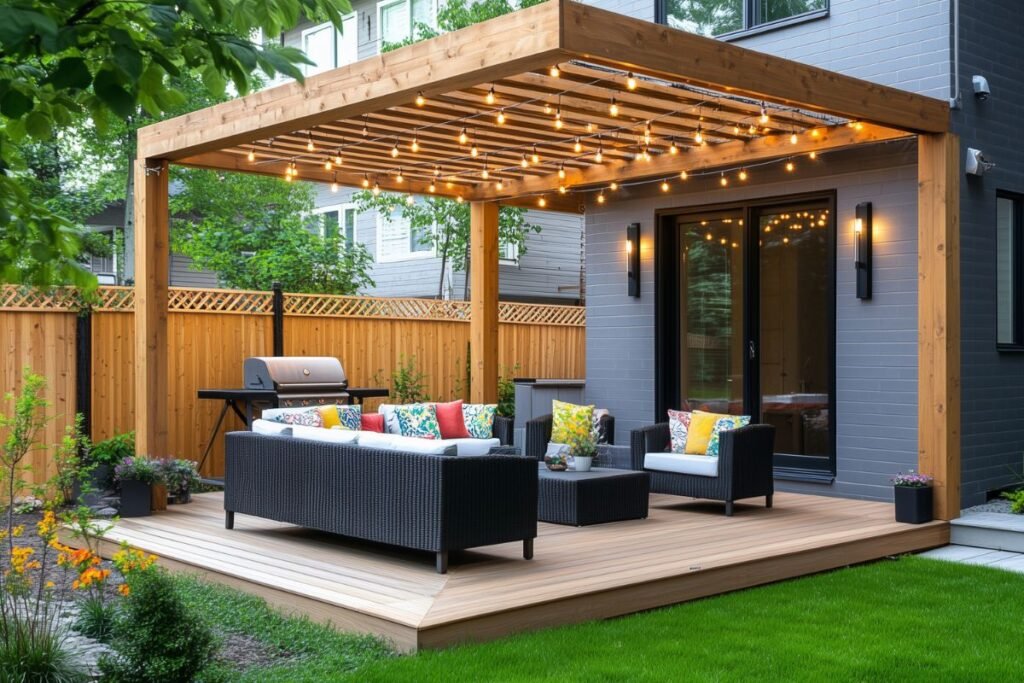
Think about how you actually want to use the space before you pick a spot. A pergola near the kitchen door works well for casual outdoor dining, while one tucked toward the back of the yard can feel more like a private retreat.
If you have a pool or hot tub, placing a pergola at one end gives you a shaded spot to cool off without losing the open feel of the rest of the space. The same logic applies if you are dealing with a section of yard that gets brutal afternoon sun and never gets used because of it.
You can also build a pergola as part of a larger deck or patio rather than as its own standalone structure. Doing this lets you define a dining area or a separate lounge zone without adding walls or fencing.
Also read: 13 Pergola Ideas With Curtains for a Soft Look
Sizing It to Fit Your Space
Start with what you want to put underneath it. A dining table for six needs more breathing room than a couple of lounge chairs and a side table, so measure your furniture and add space for people to walk around it comfortably.
If you are attaching the pergola to your house, leave enough clearance from the roofline so rain runoff does not pool against the structure. A foot or two of clearance is a reasonable starting point, though your specific roofline and gutter setup may call for more.
Going too small is the most common sizing mistake. A pergola that barely fits a small table ends up feeling cramped rather than like a real outdoor room.
Picking a Style That Matches Your House
Your pergola should feel like it belongs with the rest of your property, not like something dropped in from a catalog. Wood tends to suit a traditional or cottage style home, while slim metal posts read as more modern and clean.
The thickness of your posts and beams changes the whole feel too. Slender posts feel light and almost invisible against the landscape, while chunkier posts add a more rustic, grounded presence.
If you want your pergola to stand out rather than blend in, a contrasting color or an unexpected material pairing can do that without clashing, as long as you keep the rest of the yard’s palette in mind.
Open Top, Slatted, or Something Adjustable
The spacing and angle of your roof slats control how much light gets through. Tighter spacing blocks more sun, while wider spacing lets in more light and keeps the space feeling open.
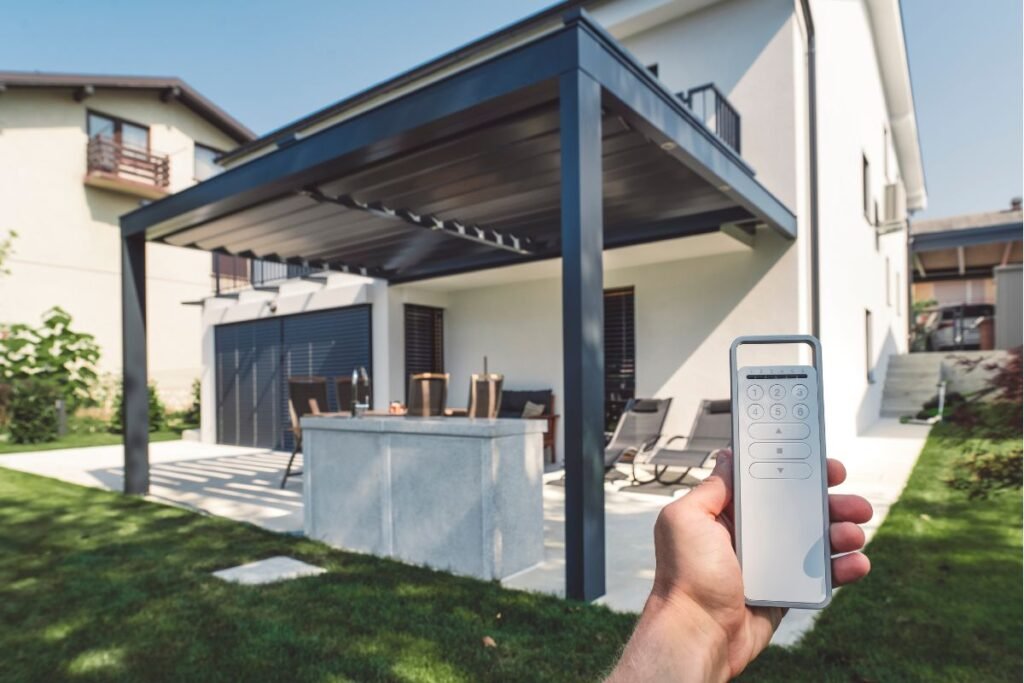
If you want flexibility, louvered or adjustable slats let you control sunlight depending on the time of day or the season, though they cost more than fixed slats. Retractable canopies are another option if you want the ability to close things off completely during rain.
Some people skip the roof structure altogether and use the pergola frame purely to support climbing plants or string lights. That is a perfectly reasonable choice if shade is not your main goal.
Should the Sides Stay Open
Most pergolas are left open on the sides, but you do not have to leave it that way. Lattice panels or a partial wall on one side can add privacy without closing the whole thing in.
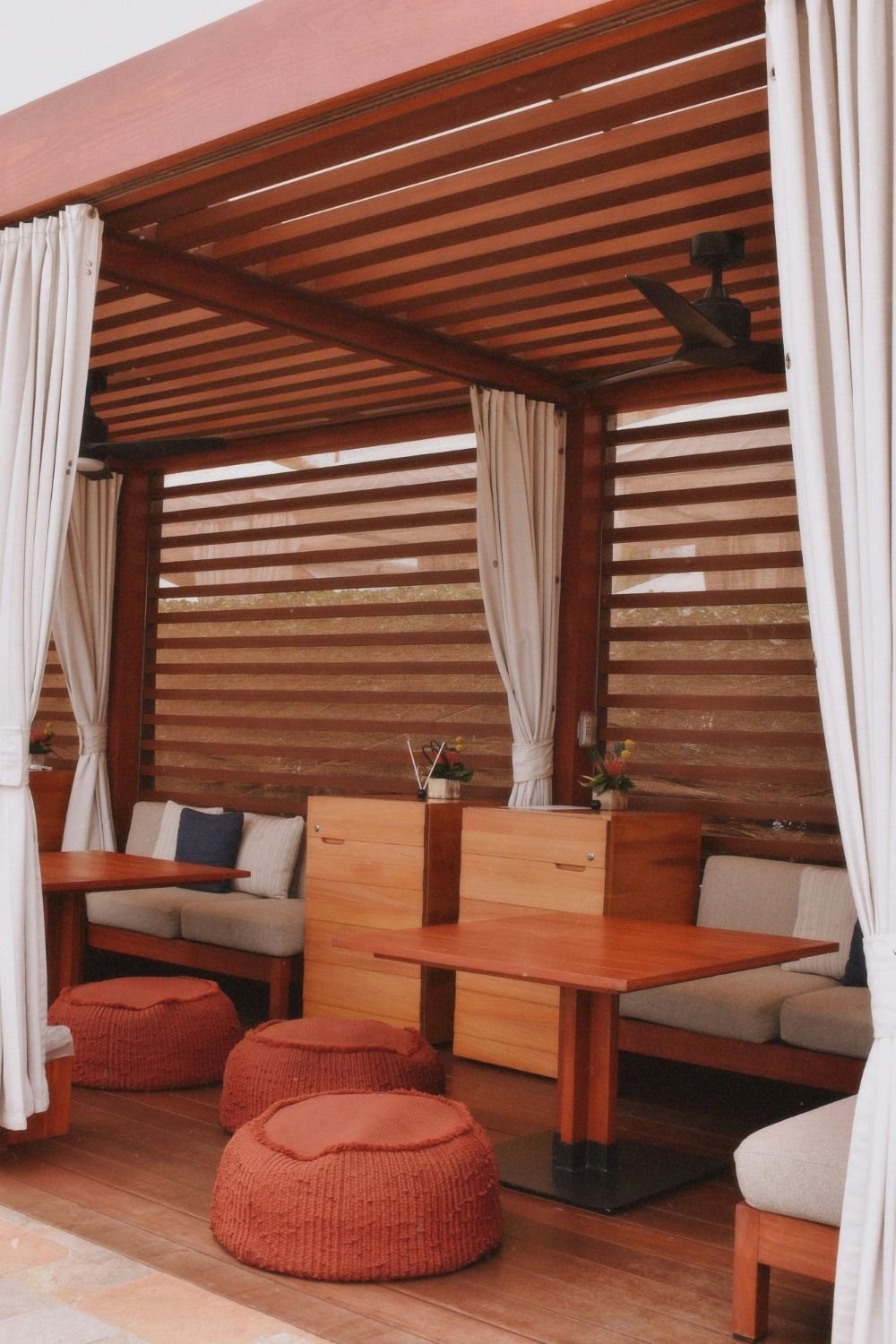
Curtains or outdoor shades are a lower commitment option, since you can pull them shut when you want privacy and leave them open the rest of the time. Tall plantings along the sides work too, and they soften the structure visually while adding privacy.
If you are using the pergola as a more enclosed garden room, layering a few of these options together usually works better than relying on just one.
Wood, Vinyl, or Metal: Picking Your Material
Wood is still the most popular choice because it looks warm and natural and sits in the midrange for cost. It does require sealing and staining when it goes in, and you will need to reseal every year or two to keep it from graying out.
Vinyl and fiberglass are low maintenance options that hold up well over time, though vinyl comes in a limited color range and can sag under heavy snow loads because of how light it is. Fiberglass costs more upfront but handles snow better and offers more color and style choices.
Aluminum and steel are the longest lasting options if you want something that basically takes care of itself. Aluminum works especially well in coastal areas because it resists rust, while steel is heavier and stronger but sits at the higher end of the price range.
Whatever material you choose, think about your climate first. A material that performs beautifully in a dry climate might not hold up the same way somewhere humid or somewhere with heavy snow.
Permits, HOA Rules, and What to Check First
Before you commit to a design, check with your local building department about permit requirements. Smaller structures sometimes fall under the threshold that requires a permit, but height restrictions and setback rules can still apply even to a small pergola.
If you belong to a homeowners association, look into their guidelines too, since some associations have specific rules about structure size, materials, or even color.
You will also need to find out where any gas, water, or power lines run before digging anything, which most areas let you schedule through a free utility locating service.
Anchoring It Properly
How you anchor a pergola depends on what it is sitting on. If you are building over an existing deck or concrete slab, specific fasteners can secure the posts directly to that surface.
For pergolas going into the ground, you are looking at either poured concrete footings or screw style ground anchors, and if you live somewhere with a real frost line, the footings need to sit below it so the structure does not shift as the ground freezes and thaws.
This is the part of the project where hiring a contractor genuinely pays off if you are unsure about your soil conditions or local frost depth. Getting it wrong here is expensive to fix later, since it means dealing with a structure that is already built on top of an unstable base.
Adding Lighting, Fans, or a Fire Feature
A lot of the appeal of a pergola comes from what you add to it afterward, whether that is string lights, a ceiling fan, or even a small fire feature nearby. These additions make the space more usable later into the evening or through cooler months.
Any electrical work for lighting or fans needs a licensed electrician, and the same goes for gas lines if you are adding a fire feature or planning to run a line for an outdoor kitchen nearby. This is not a spot to cut corners, since the safety stakes are real.
Keep in mind that these extras add both cost and time to the project, so it is worth deciding early whether you want them from the start or plan to add them later.
When to DIY and When to Hire It Out
If you are comfortable with basic tools and have a helper for the heavier lifting, a straightforward freestanding pergola is within reach for a lot of homeowners. Kits exist for exactly this reason, and they cut down significantly on the design decisions you have to make yourself.
Where it gets trickier is everything around the actual building, the permits, the utility checks, the footing depth for your specific climate. My neighbor across the street, who has been doing serious landscaping as a hobby for years, ended up hiring a contractor just for his footings even though he built the rest of his pergola himself, because his yard has a slope that made the digging more complicated than a flat lot would have been. It held up fine once it was anchored properly, and he was glad he did not try to guess on that part.
If your project involves electrical, gas, or anything close to a property line, bringing in a professional for at least that portion is worth the extra cost. The parts of this project that are hardest to fix after the fact are exactly the parts worth getting right the first time.
Frequently Asked Questions
How long does a pergola project typically take?
A basic pergola usually takes about a week once you have everything planned out, including time for footings to cure and finishes to dry. If you are adding extras like lighting or a fire feature, or if your design is more complex, expect the timeline to stretch out further.
Do you need a permit for a pergola?
It depends on your local building department and sometimes on the size of the structure. Smaller pergolas occasionally fall under a threshold that does not require a permit, but height limits and setback rules can still apply, so it is worth checking before you start.
Can you build a pergola yourself, or do you need a contractor?
A simple freestanding pergola, especially from a kit, is doable for a lot of homeowners with basic tools and a helper. The footings, permits, and anything involving gas or electrical lines are where hiring a professional makes the most sense, even if you handle the rest yourself.
What is the most expensive part of a pergola project?
Material choice makes the biggest difference, with steel and high quality fiberglass sitting at the top end and vinyl or pressure treated wood costing less. Add ons like lighting, fans, or a fire feature also add noticeably to the total cost.
How do you adapt a pergola for a smaller yard?
You can scale the footprint down to fit a smaller seating area instead of a full dining setup, and a freestanding design often works better than an attached one in a tight space. Lighter materials like vinyl or aluminum also make sense in a smaller footprint since you are not spanning long distances.
Final Thoughts
Once we got past the arbor versus pergola confusion, the rest of the planning process actually moved pretty smoothly. Most of the decisions came down to being honest with ourselves about how much upkeep we wanted to take on long term.
We ended up going with wood because we liked the warmth of it, even knowing we would need to reseal it every couple of years. That tradeoff has been worth it so far, though I will admit the maintenance reminder on my calendar is not always something I look forward to.
If you are still deciding between materials or trying to figure out placement, take the time to actually walk your yard at different times of day before committing to a spot. It makes a real difference once the structure is up and you cannot easily move it.
I would love to hear what direction you are leaning for your own pergola, or if you have questions about any of the material options, so leave a comment below.