
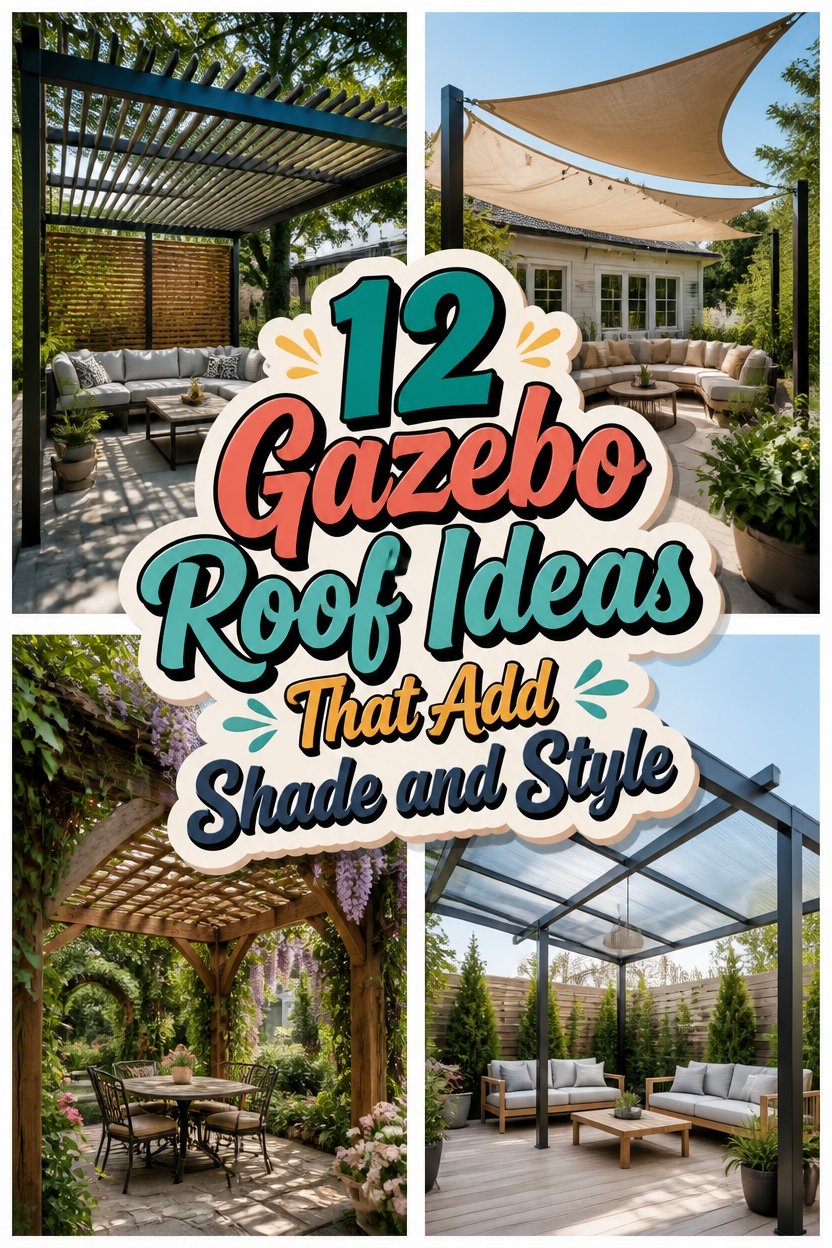
A gazebo without the right roof collects rain. The material decides whether you actually use the space.
I switched from a fabric canopy to polycarbonate panels last year, and how often we sit outside changed instantly.
Climate matters most, since metal handles snow and wind while polycarbonate lets light through without trapping heat.
Budget and upkeep matter too, from copper roofs that age beautifully to canopies offering quick, affordable shade. These twelve options span a range of styles and prices.
Before You Start Shopping
Your local weather should narrow this list down fast. A roof that thrives in a dry climate might not hold up at all somewhere wet and humid.
Think honestly about how much maintenance you’re willing to keep up with. Wood shingles look gorgeous, but they need real attention, while vinyl or metal basically take care of themselves.
Cost isn’t just the sticker price either. Some cheaper materials need replacing every few years, so it’s worth weighing that against something pricier that lasts decades.
12 Gazebo Roof Ideas
Picking a gazebo roof is really about matching material to how you actually use the space. A roof over a spot you use daily deserves different consideration than one covering an occasional weekend hangout.
I’ve laid out everything from budget fabric options to premium copper so you can weigh durability against cost without guessing.
Have a look through and find the material that fits your climate, your budget, and your patience for upkeep.
How to Choose the Right Gazebo Roof Material?
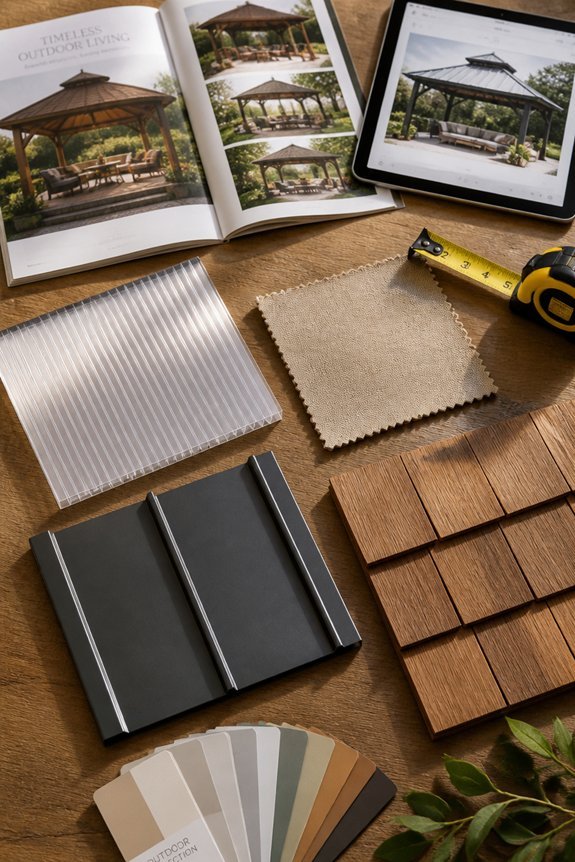
Durability, cost, and maintenance all matter when picking a gazebo roof. Your local climate plays a big role too. Some materials handle harsh weather better than others.
Aluminum and steel roofs last for decades. They stand up well to heavy rain, snow, and strong winds. The upfront cost runs higher, but you save on replacements over time.
Polycarbonate panels let sunlight through while blocking harmful UV rays. This makes them ideal for hot, sunny areas. They won’t yellow or become brittle quickly.
Wood shingles look beautiful and traditional. They do need regular sealing and occasional repairs. Skip this option if you prefer low-maintenance outdoor structures.
Fabric and canvas roofs cost less upfront. Plan to take them down seasonally and replace them every five to ten years. They work well for temporary or portable gazebos.
Asphalt shingles balance price and performance in mild climates. Vinyl resists moisture and fading with almost no upkeep required.
Start with your weather conditions and budget. Factor in how much time you can spend on maintenance. Match the material to your home’s style and your long-term plans for the space.
Also read: 10 Screened Gazebo Ideas for Bug-Free Summer Nights
Classic Pitched Roofs: Timeless Design That Works
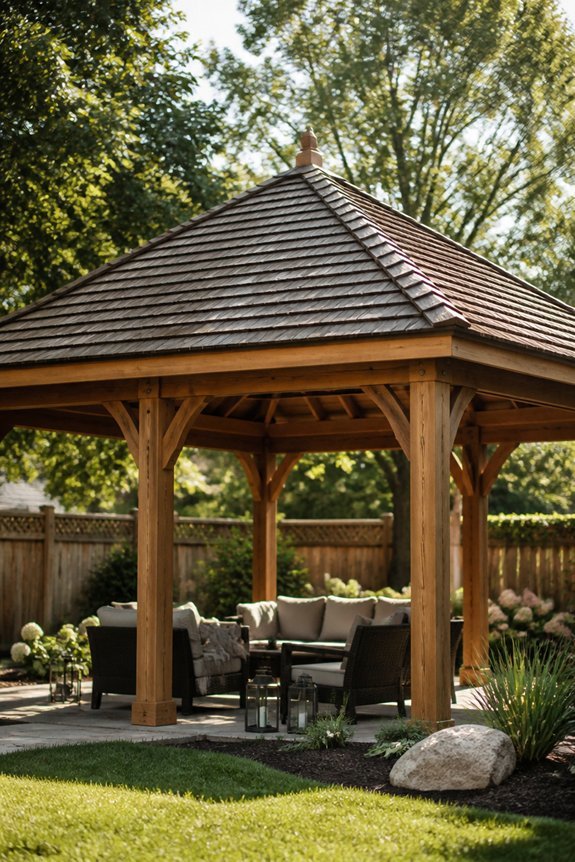
Choosing a roof style comes down to practical needs. Classic pitched roofs fit many gazebo styles nicely. They have two sloping sides that meet at a ridge. Water and debris drain off naturally.
This design pairs well with wood shingles, metal panels, or asphalt. The steep angle stops water from pooling. That means fewer leaks and a longer-lasting roof.
Pitched roofs look right at home on traditional gazebos, cottages, and garden structures. They add vertical interest while keeping weather out. Installation costs sit in the middle range. Flat and domed options often cost more or less.
A few upkeep tasks keep these roofs in shape. Check the ridge seams and gutter areas regularly. Catching small issues early prevents bigger headaches later.
Homeowners return to this style again and again. It blends proven durability with looks that never go out of style.
Metal Roofing: Maximum Durability and Low Maintenance
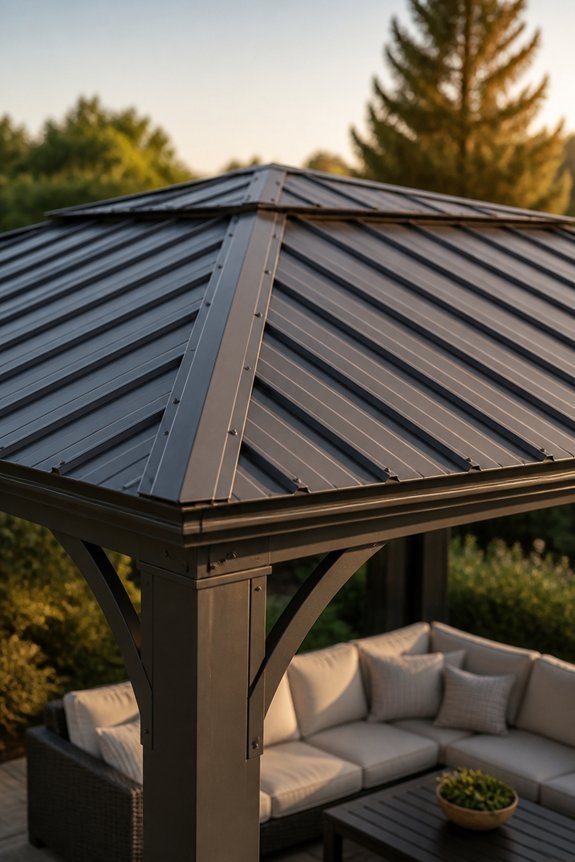
Metal roofing lasts decades longer than traditional materials. Steel and aluminum panels resist rust, rot, and insect damage. With proper installation, they serve you well for 40 to 70 years.
These materials handle heavy rain, snow, and wind without constant repairs. You avoid the frequent fixes wood or asphalt often need.
Maintenance stays simple and occasional. Clean and inspect your roof now and then. That’s it. No endless upkeep demands.
Metal roofs reflect sunlight naturally. This cuts heat absorption and cooling costs for your home. The panels stay lightweight too. Compared to tile or slate, they need less structural support.
Upfront costs run higher than traditional options. Long-term savings balance this out over time.
Metal roofing fits many gazebo styles. Choose from galvanized, painted, or standing-seam designs in various colors and finishes. You get solid protection plus visual appeal for homes and businesses alike.
Shingled Roofs: Traditional Character and Lasting Appeal
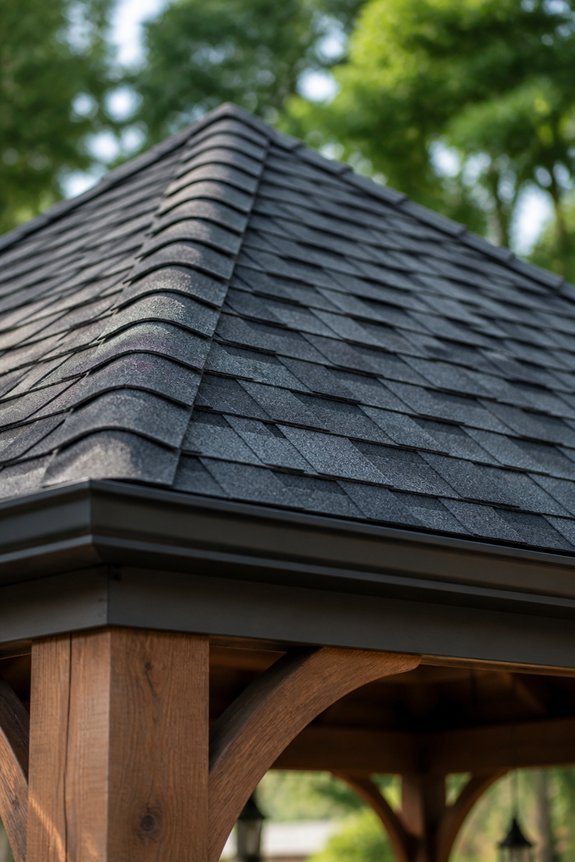
Shingled roofs bring a classic look to your gazebo. They blend naturally with homes that favor traditional styling.
You’ll find several material options available. Asphalt shingles offer affordability and color variety. Cedar shakes provide rustic texture and natural beauty. Composite materials mimic traditional looks with added resilience.
These roofs pair especially well with colonial and cottage-style homes. They extend your home’s character into the garden space.
Regular upkeep keeps shingled roofs performing well. Schedule inspections to catch damaged shingles early. Remove moss before it spreads. Replace worn sections promptly to prevent leaks.
Expect 15 to 20 years of service life. Climate and material quality affect this timeline significantly. Harsh weather accelerates wear.
Installation requires careful layering with proper overlap. Secure fastening prevents wind damage and water intrusion.
Costs stay reasonable upfront. Budget for ongoing maintenance to protect your investment over the years.
Choose shingled roofs when traditional appearance matters most. They reward attentive care with timeless appeal.
Polycarbonate Panels: Bright, Protected Shade
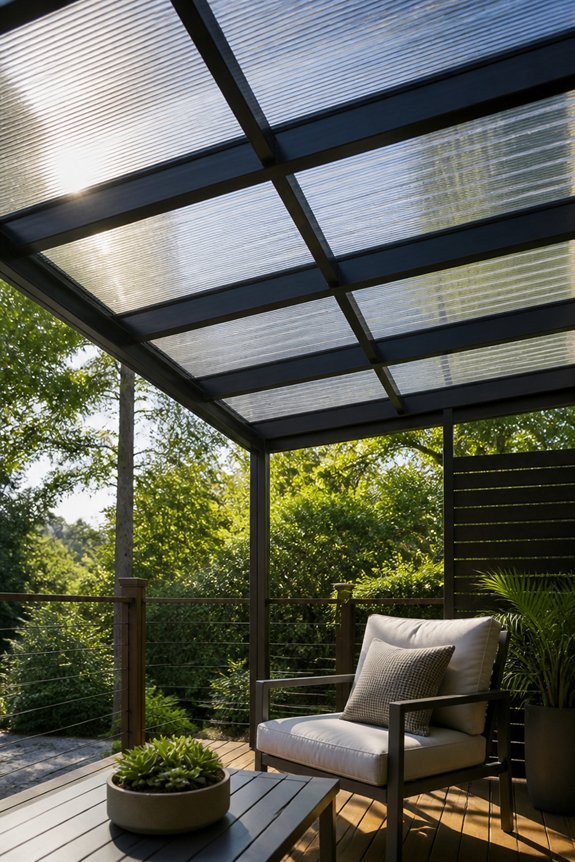
Polycarbonate panels offer a practical roofing solution. They blend transparency with solid weather protection. These lightweight plastic sheets let natural light filter through. Your space stays bright inside while harmful UV rays stay out.
Durable and Versatile
Polycarbonate resists impact better than glass. It holds up well in outdoor conditions. The material comes in clear, tinted, and frosted options. You can match different aesthetic preferences easily.
Simple Installation and Care
Installation uses standard framing and fastening hardware. The process feels similar to traditional roofing methods. Panels typically last 10 to 20 years. Quality and climate exposure affect their lifespan. Occasional cleaning keeps clarity and light transmission at their best.
The Best of Both Worlds
Unlike solid roofs, polycarbonate lets you see the sky. It still provides consistent shade underneath. This option works beautifully for gazebos. Natural illumination enhances your outdoor time without trapping excessive heat.
Composite Shingles: Durability Without Breaking the Bank
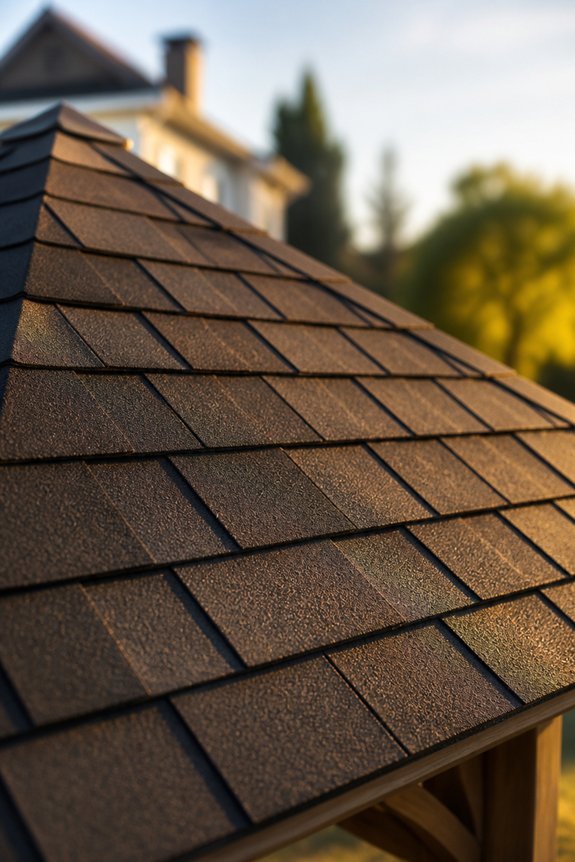
Composite shingles offer a smart balance of durability and value for gazebo roofing. They replicate the look of wood or slate while standing up to harsh weather. Made from asphalt and fiberglass, these shingles resist UV rays, wind, and moisture with ease.
Installation runs lower than cedar shakes or metal options. Most composite shingles last 20 to 30 years with little upkeep needed. You won’t face the constant staining and sealing that wood demands.
Style choices abound with various colors available. The material holds its color, stays strong through temperature swings, and adds fire protection to your structure. This roofing approach gives you lasting performance without overstretching your budget.
Fabric Canopy Roofs: Elegant Shade for Seasonal Use
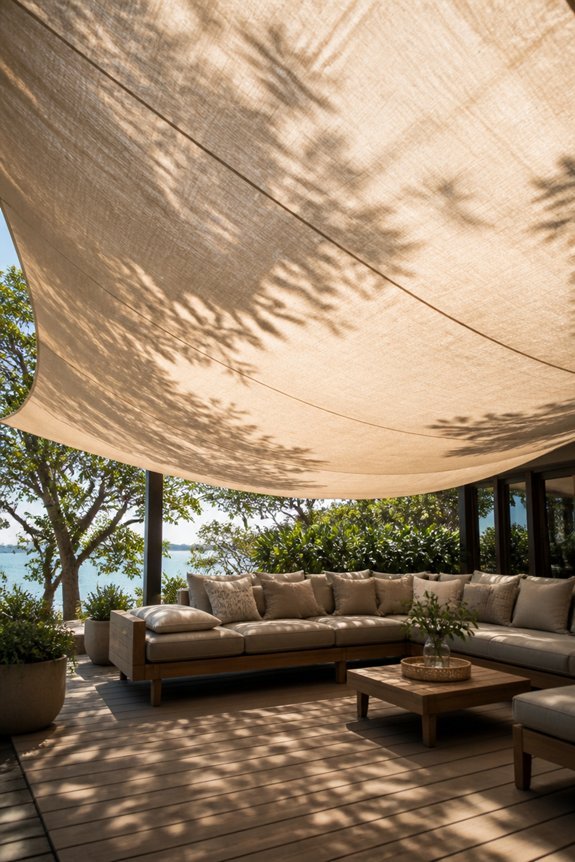
Fabric canopy roofs give you flexible shade without the weight of permanent structures. They stretch weather-resistant textiles across metal frames. Polyester and acrylic blends handle outdoor conditions nicely.
Smart Benefits to Consider
These canopies soften bright sunlight while keeping your view open. You get coverage without heavy construction. Retractable awnings let you adjust shade on demand. Freestanding tent designs pack away when seasons change.
Keeping It in Good Shape
Wash your canopy regularly to prevent mildew. Reapply UV-protective coating once yearly or so. Store it before storms hit. Most hold up fine in normal wind and rain.
Costs and Best Uses
Prices stay reasonable, especially compared to solid roofing. Fabric works well for temporary setups and seasonal entertaining. Pick this option when you value flexibility over something permanent.
Copper Roofing: Distinctive Elegance and Longevity
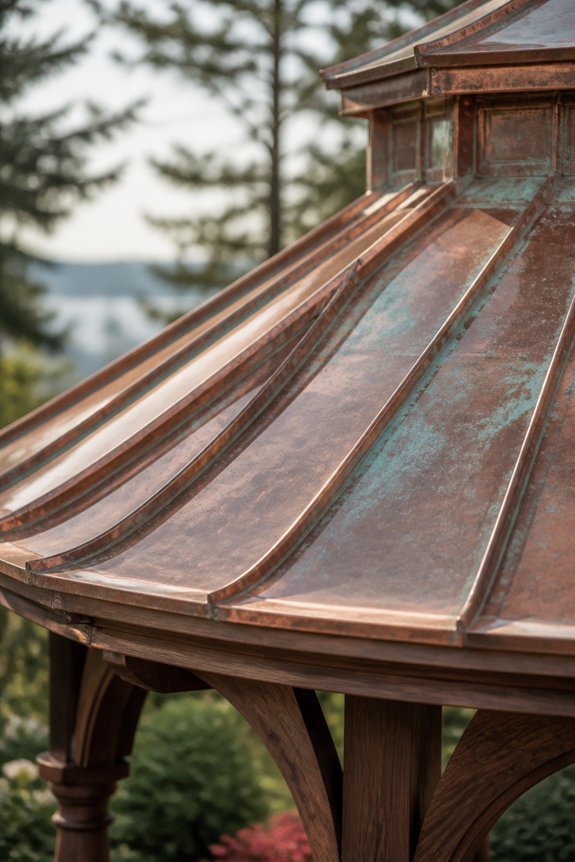
Copper roofing stands out as a premium option. It combines visual appeal with exceptional durability.
The material develops a natural patina over time. It shifts from shiny copper to green or brown tones. This creates distinctive character on every roof.
Copper resists corrosion, rust, and weathering. It lasts 50 years or longer with minimal maintenance.
Installation costs run higher than standard materials. Expect $15 to $30 per square foot.
The metal conducts heat efficiently. This can reduce cooling expenses in warm climates.
Copper’s malleability allows craftspeople to get creative. They can shape detailed designs, ornamental features, and custom shapes for gazebos.
Homeowners should note that copper needs occasional cleaning. This maintains appearance and prevents excessive patina buildup.
Professional installation makes all the difference. It guarantees proper flashing, prevents water damage, and maximizes the roof’s lifespan.
Retractable Awning Roofs: Flexible Coverage You Control
l
Permanent roofing materials like copper provide lasting protection. Retractable awning roofs offer something different: adjustable coverage that responds to weather and sunlight.
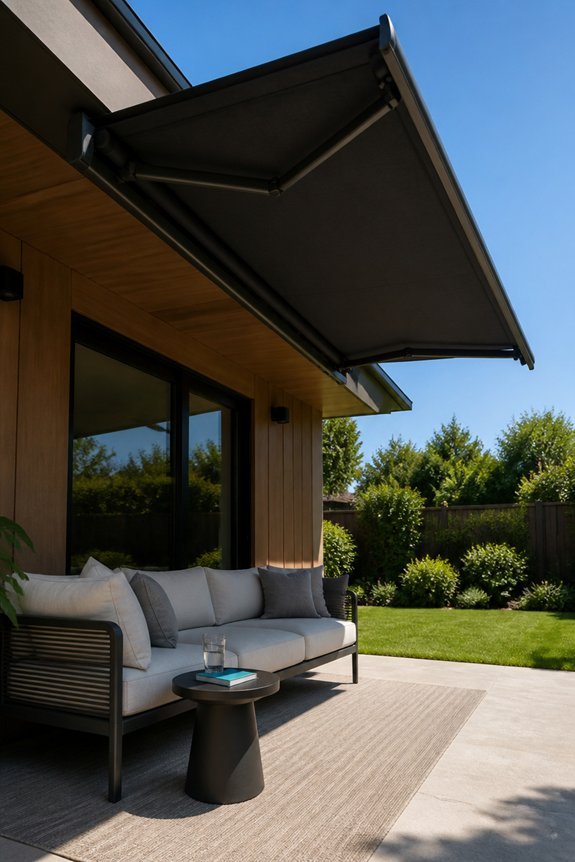
Motorized systems extend and retract on demand. You control shade exposure throughout the day. Popular models include cassette awnings that house fabric in a protective box when closed. Drop-arm awnings fold down when not in use.
These roofs suit gazebos in variable climates well. They protect furniture and guests from rain or intense sun. When the weather clears, they retract for stargazing or ventilation.
Materials typically include solution-dyed acrylic or vinyl-coated polyester fabric. Maintenance is simple: occasional cleaning and mechanical inspection. Installation does require professional setup and electrical wiring for motorized versions.
Lattice Roof Designs: Dappled Shade With Modern Flair
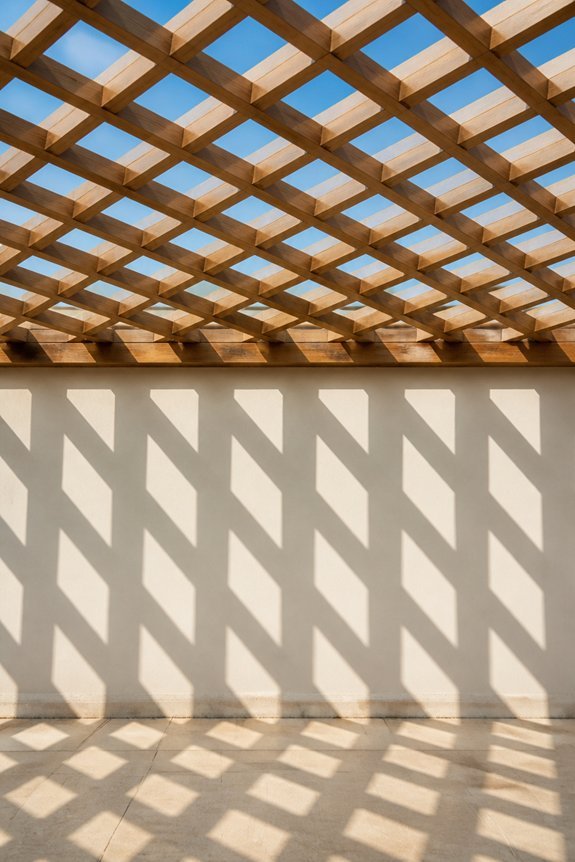
Gazebo owners love lattice roofs for their blend of beauty and practicality. These designs filter sunlight into gentle, shifting patterns below. Air moves freely through the open framework while harmful UV rays stay reduced.
Wood brings classic charm but needs regular staining and sealing. Vinyl stands up to weather with almost no maintenance. Aluminum stays light and strong, never rotting or warping
Diagonal grids create dynamic visual energy. Square layouts feel clean and orderly. Hexagonal designs add subtle geometric interest.
Lattice works best where full shade isn’t essential. Moderate climates let you enjoy sun protection without complete coverage.
Panels attach to your gazebo frame with brackets and fasteners. The process stays straightforward for most DIYers.
Climbing vines weave through the gaps over time. They boost shade density and soften the modern lines with living texture.
Living Roofs for Gazebos: Vine-Covered Shade and Insulation
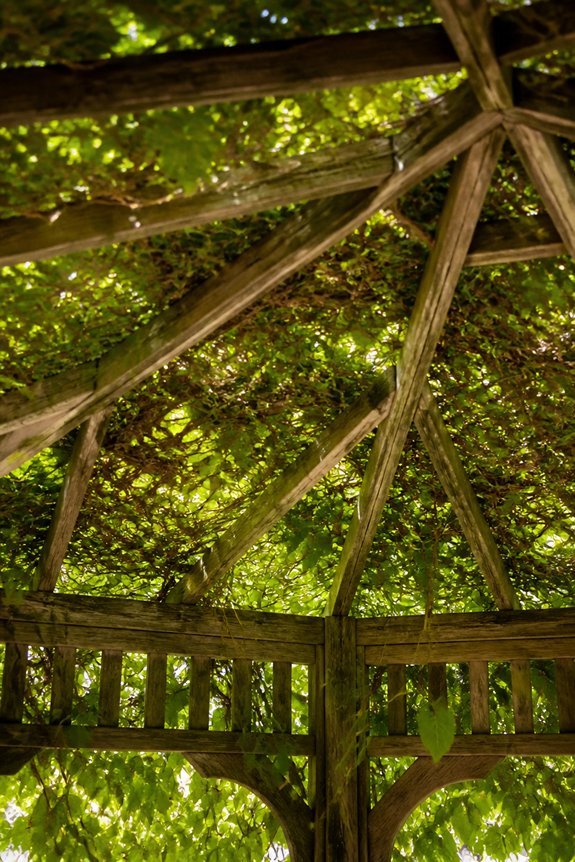
Living roofs expand on the lattice concept with full vine coverage.
How They Work
Climbing plants like clematis, ivy, and jasmine blanket the entire roof. This creates dense shade and natural insulation underneath. The vegetation blocks direct sunlight to reduce temperatures. It also moderates heat changes through the seasons.
Getting Started
Vines need sturdy support systems. Attach trellises or wire frameworks to your gazebo frame. Plan for regular upkeep too. You’ll prune dead growth, manage spread, and check that the structure handles the weight of mature plants.
The Benefits****
Living roofs draw birds and pollinators to your yard. Deciduous varieties cool you in summer. They drop leaves in winter to let sunlight through. Perennial vines need one to two growing seasons to establish. Full coverage and maximum shade come after that.
Thatch Roofing: Rustic Charm With Historic Appeal
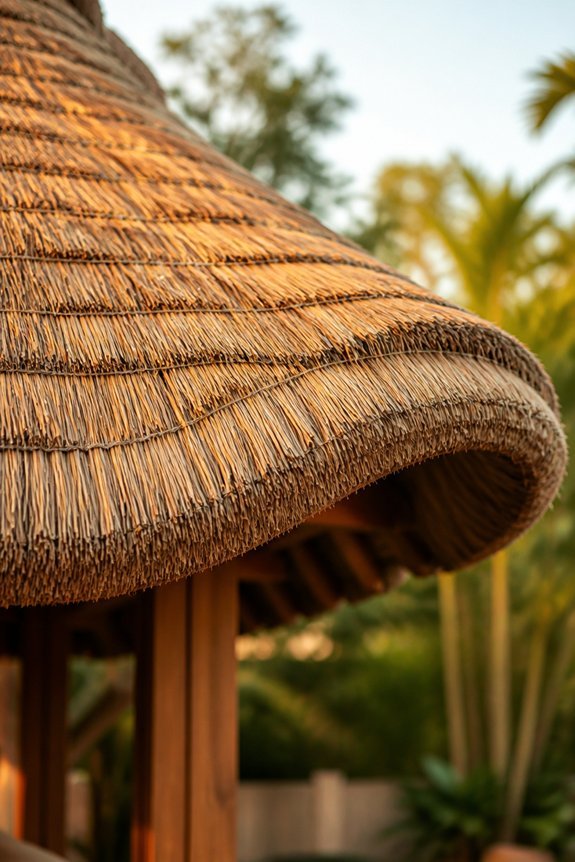
Thatch roofing brings unmistakable character to gazebos. Builders bundle straw, reed, or wheat and layer these materials across the frame. The result evokes traditional European and Asian architecture.
This approach also delivers practical benefits. Thatch insulates well and provides comfortable shade for outdoor spaces.
Maintenance and Longevity
Plan for yearly upkeep. Inspect the roof for wear, pests, or weather damage. With proper care, thatch lasts 20 to 60 years depending on your climate and material choice.
Wet regions favor reed thatch. Dryer areas suit wheat straw better.
Installation and Safety Considerations
Skilled craftspeople handle the installation. This expertise comes at a price, so labor costs run high. Fire resistance varies. Some thatch receives flame-retardant treatments; always verify what you’re getting.
Ideal Settings
Gazebos with thatch roofs fit beautifully in gardens, estates, and resorts. Choose this style when you want a natural, period-appropriate look.
Frequently Asked Questions
How Much Does It Cost to Install a Gazebo Roof on Average?
You’re generally looking at somewhere between $1,500 and $5,000 for a full installation. Where you land in that range depends heavily on size, material, and how complex the design is.
Fabric and polycarbonate roofs tend to sit on the lower end of that scale. If you’re after something more permanent with premium materials, expect the higher end of that range or beyond.
What Is the Average Lifespan of Different Gazebo Roof Materials?
Metal roofing is the clear long-term winner here, often lasting 40 to 70 years with basic care. That’s a huge stretch compared to most other options.
Asphalt shingles typically last 15 to 20 years, and polycarbonate panels run about 10 to 15 years depending on sun exposure. Fabric covers have the shortest lifespan, usually 5 to 10 years before you’re replacing them.
Your climate plays a big role in all of this too, so these numbers can shift depending on where you live.
Do I Need a Permit to Install a Gazebo Roof?
This really depends on where you live and how big your structure is. Permanent installations usually require a permit, while smaller or temporary setups often get a pass.
Your best move is calling your local building department directly. They’ll walk you through exactly what’s required before you start buying materials.
Can I Install a Gazebo Roof Myself or Hire a Professional?
If you’ve got some construction experience, tackling this yourself is completely doable for simpler roof types. Fabric canopies and lattice designs especially lend themselves to a DIY weekend project.
Hiring a professional makes more sense for anything complex, like copper or thatch roofing. You’ll also get proper structural support and often a warranty you wouldn’t have on your own.
Either way, it’s worth being honest with yourself about your skill level before committing to a big project.
How Do I Maintain and Clean My Gazebo Roof Annually?
A quarterly check for debris goes a long way toward preventing bigger problems down the road. Leaves and buildup trap moisture, and moisture is where most roof damage starts.
Clean your gutters twice a year if your gazebo has them, and give wood or metal surfaces a treatment annually to keep them protected. Pressure washing handles algae buildup nicely when it shows up.
Resealing wood or checking metal for rust spots once a year rounds out the basics. These small habits genuinely extend how long your roof lasts.
CONCLUSION
Choosing a gazebo roof always comes down to a tradeoff somewhere. You’re weighing cost against longevity, or looks against how much upkeep you’re willing to handle.
I’ve gone through three different roof styles on my own outdoor structures over the years, and every single time, climate ended up being the deciding factor more than anything else.
Metal will outlast almost everything else on this list if you’re willing to pay more upfront. Fabric and lattice options give you flexibility and a much smaller price tag if permanence isn’t your priority right now.
Living roofs and thatch bring something genuinely unique if you want your gazebo to feel like part of the landscape rather than a structure sitting on top of it. They take patience, but the payoff is real character.
Whatever you land on, make sure it actually fits how you plan to use your gazebo, not just how it looks in a photo. That’s the difference between a roof you love and one you regret within a year.
I’d love to hear which material you’re leaning toward, or what’s worked well on your own gazebo so far. Drop a comment below and share your experience.