

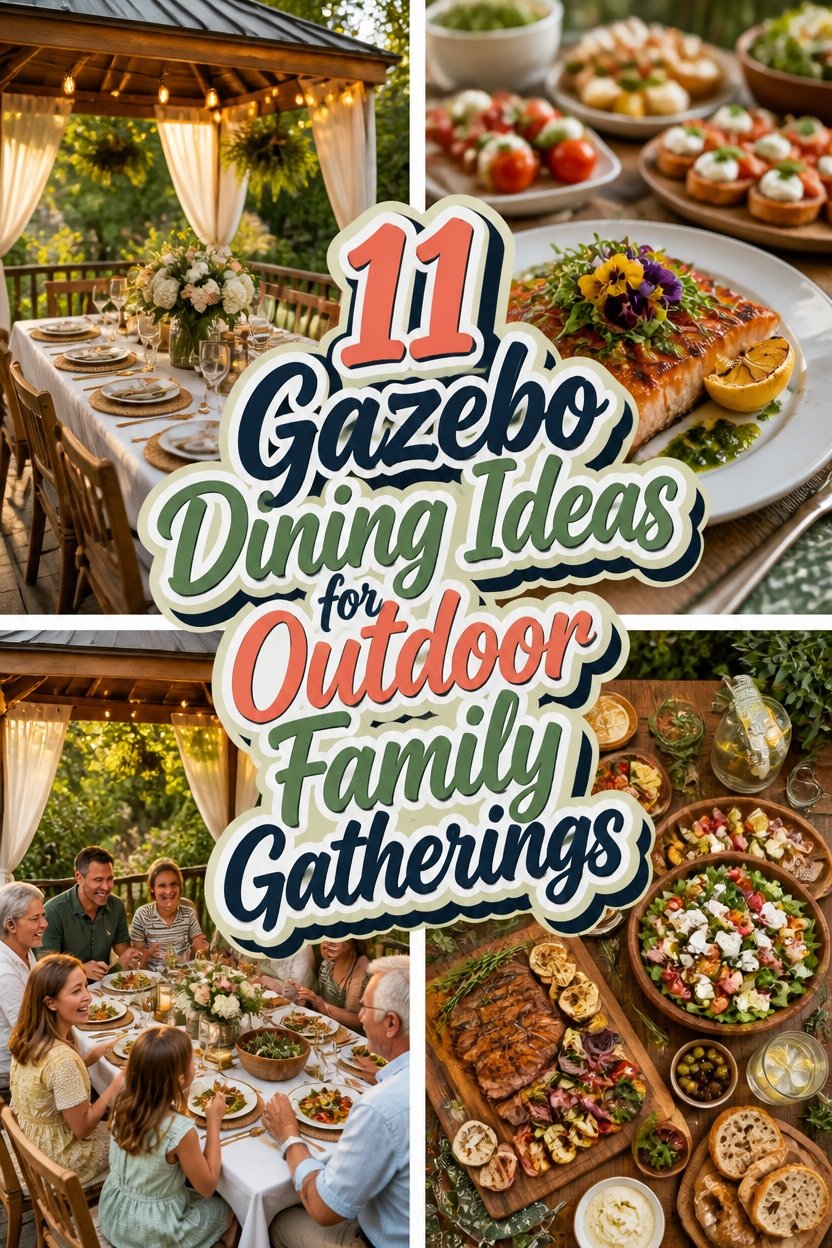
A meal shared under a gazebo has a way of feeling special without much effort at all. Something about the filtered light and gentle breeze makes even a Tuesday dinner feel like an occasion.
I hosted a small birthday dinner under my own gazebo last summer, and the string lights alone turned a simple backyard meal into something guests still mention.
Getting the space right comes down to a handful of thoughtful choices. Weather-resistant furniture keeps things looking good season after season, while layered lighting and a few natural touches like fresh greenery pull everything together.
Small details matter more than big gestures here. A dedicated beverage station or a simple dessert display goes a long way toward making guests feel like the evening was planned just for them.
Small Changes That Make the Biggest Difference
Furniture choice sets the tone before you even add a single decoration. Teak or powder-coated steel will hold up through seasons of use without constant babying.
Lighting deserves more thought than people usually give it. A single overhead source leaves harsh shadows, but layering string lights with table lanterns solves that instantly.
Don’t overlook seating arrangement either. Round tables and smaller groupings naturally encourage conversation in a way that long straight rows never quite manage.
13 Gazebo Dining Ideas
Dining under a gazebo is really about layering small details until the whole space feels intentional. A few plants here, some warm lighting there, and suddenly an ordinary dinner feels like an event worth dressing up for.
I’ve covered everything from furniture and shade to lighting and seating flow, so you can build out the parts of your space that need the most attention first.
Take a look through and start with whichever detail your current setup is missing most.
Choose Weather-Resistant Gazebo Dining Furniture
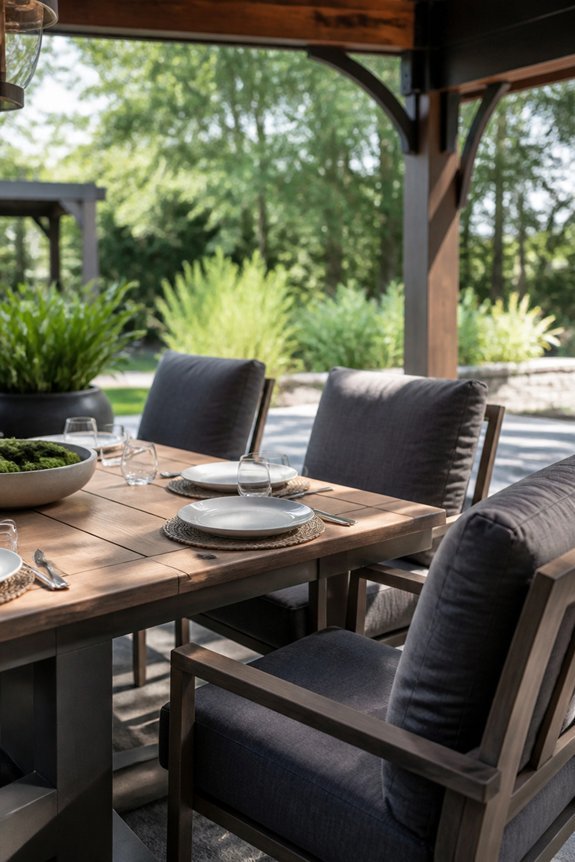
Your furniture needs to handle sun, rain, and humidity. Teak wood stands up well to moisture and resists rot naturally. Aluminum and powder-coated steel fight rust without heavy upkeep. For wicker, pick synthetic materials over natural rattan. Real rattan breaks down quickly outside.
Solution-dyed acrylic cushions keep their color and shrug off water. These small choices add years to your set.
Seal wooden pieces yearly to block moisture damage. UV-resistant coatings stop fading and keep colors fresh. Rinse frames regularly to wash away salt and dirt. These simple habits prevent corrosion.
Store cushions and smaller items indoors during winter. Stainless steel hardware won’t rust or seize up. A little attention now means your gazebo dining area stays inviting season after season.
Also read: 10 Screened Gazebo Ideas for Bug-Free Summer Nights
Extend Shade Beyond Your Gazebo Roof
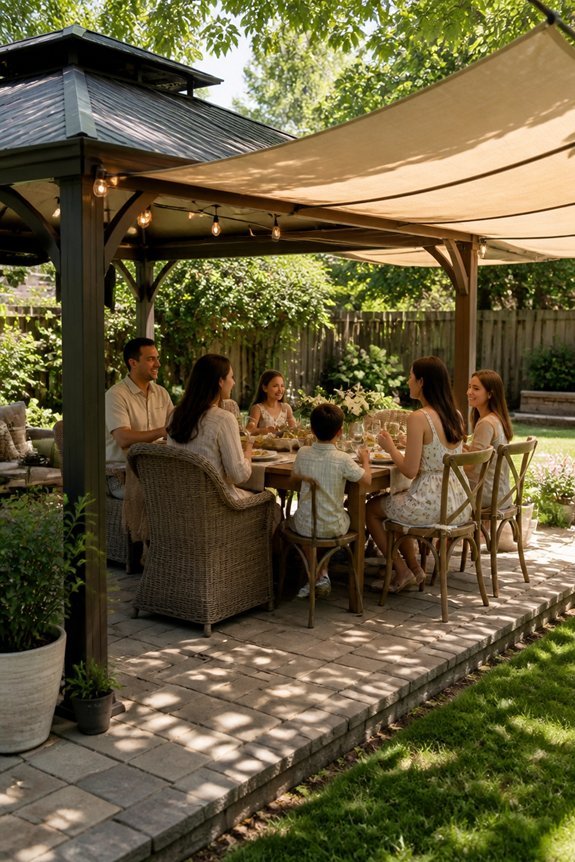
A gazebo roof gives you basic coverage. Extending shade outward creates comfortable dining zones for larger groups and longer gatherings.
Retractable Awnings
These attach directly to your gazebo frame. They offer flexible shade that moves with the sun throughout the day. Adjust them easily as light shifts.
Shade Sails
Made from durable fabric, these stretch between your gazebo and nearby posts or trees. They provide angled protection from overhead sun. Installation is straightforward and costs less than permanent structures.
Adjacent Pergolas
Position these next to your gazebo for intermediate shaded areas. They work perfectly for overflow seating. Guests naturally gather here during larger events.
Portable Umbrellas
Weighted bases let you move shade wherever needed. Place them beyond the main structure for tables that sit outside the gazebo. Rearrange quickly when layouts change.
Climbing Vines
Grow these on trellises near your gazebo perimeter. Natural shade develops gradually over seasons. This option adds greenery alongside cooling coverage.
Combining Options
Mix and match these solutions based on your space and budget. Each expands usable dining area while keeping visual appeal. Your outdoor meals stay comfortable for hours.
Create Layered Lighting for Ambiance and Functionality
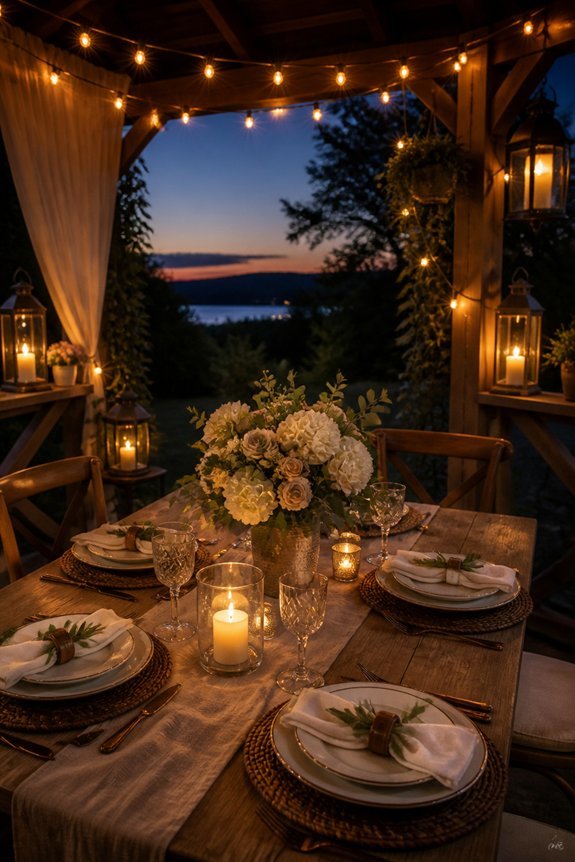
Once shade covers your dining area, lighting becomes essential for evening gatherings. Layered lighting uses multiple sources to serve different purposes at once.
String lights overhead provide general illumination across the space. Guests can see each other and the food clearly. Lanterns on tables create softer, localized light that reduces glare.
Wall-mounted fixtures or uplights along gazebo posts add depth to the structure. Dimmer switches let you adjust brightness based on the time and mood. Solar-powered options cut electricity costs and simplify installation. LED bulbs save energy and last longer than traditional incandescents.
This mix of overhead, table-level, and accent lighting balances function with warmth. Family dining feels both practical and inviting.
Set Your Gazebo Table With Natural Flowers and Greenery
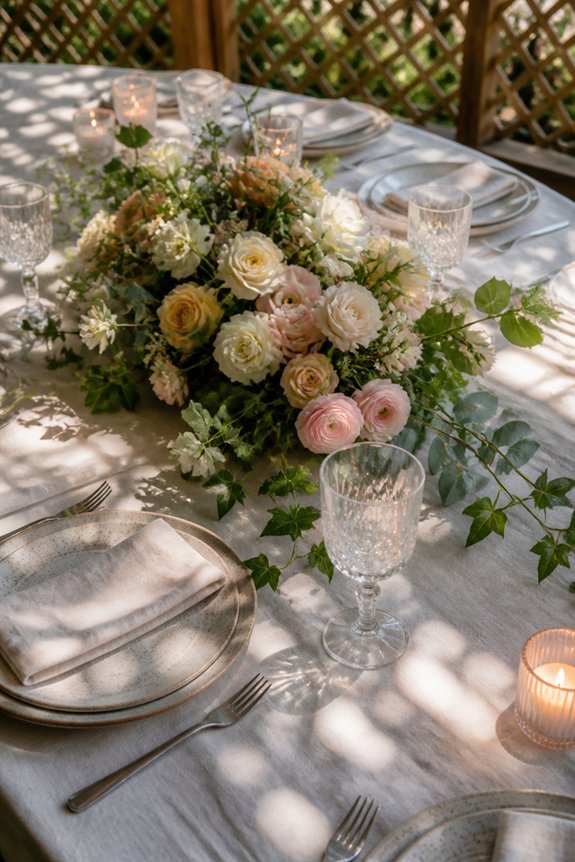
Natural flowers and greenery transform a gazebo table from plain to polished. They add color and texture that work beautifully with the surrounding light and shade.
Fresh arrangements make perfect focal points down the center of your table. They draw the eye downward and frame your dining space with ease.
Flower and Greenery Choices
Roses, hydrangeas, and sunflowers hold up well during outdoor gatherings. They keep their fresh look from start to finish.
Eucalyptus, ferns, and ivy fill gaps between blooms. These greens also stretch your arrangements visually without extra cost.
Arrangement Tips for Dining Tables
Keep centerpieces low so guests can chat across the table. Save any tall pieces for the ends only.
Mason jars, simple vases, or small containers anchor flowers against wind. Group several small arrangements together for bigger impact than one large display.
Bring Nature to Your Gazebo Dining Table
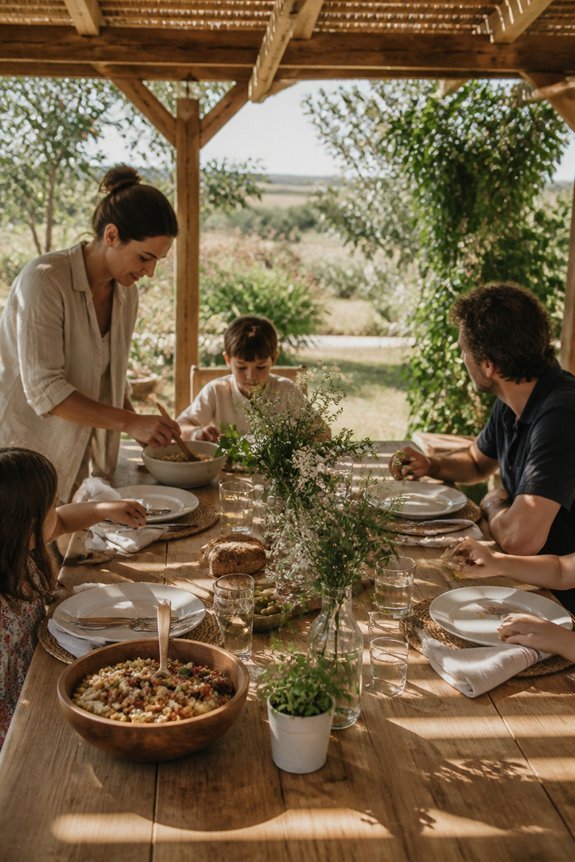
Floral centerpieces are just the start. Stone placemats, wooden serving boards, and woven textiles ground your table in earthy materials. Scatter branches, stones, or moss around the space. These touches stretch the natural theme past flowers alone.
Lighting That Feels Right
Lanterns with candles or solar lights around the gazebo edge give soft glow without looking out of place. String lights overhead brighten the table while keeping that outdoor feel.
Tableware Choices
Ceramic plates, wooden utensils, and glass drinkware fit the scene better than plastic ever could. Stone or slate coasters guard your surfaces and echo the natural look.
Tying It Together
Each layer works with the next. The result is a dining space that belongs where it sits. Your guests will feel connected to the landscape around them.
Use Outdoor Rugs and Fabrics to Anchor Your Dining Zone
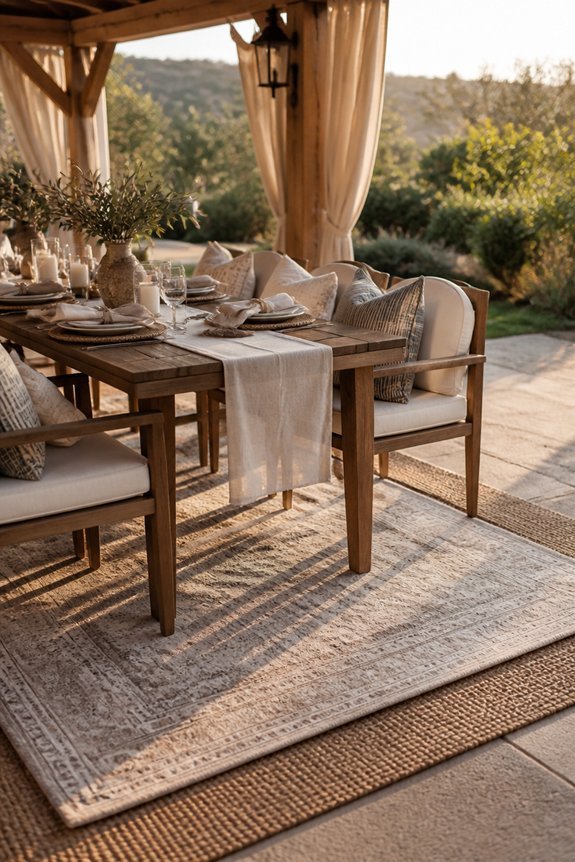
Think about the physical layout of your gazebo dining area. Outdoor rugs help define the space. They separate your dining zone from everything around it. They also keep your furniture in place.
Choose weather-resistant rugs in neutral tones or soft patterns. Place them under tables and chairs. They feel good underfoot and pull the look together.
Fabrics do more than look pretty. Outdoor-rated tablecloths protect surfaces from spills. Cushions add comfort to your seating. Napkins and runners in matching colors keep everything visually connected.
These pieces work as a team. Rugs keep dust off your flooring. Fabrics make the space feel softer and more inviting. Place them with purpose. You’ll create clear dining areas that work better for family meals and everyday outdoor eating.
Plan Gazebo Menus for Easy Outdoor Cooking
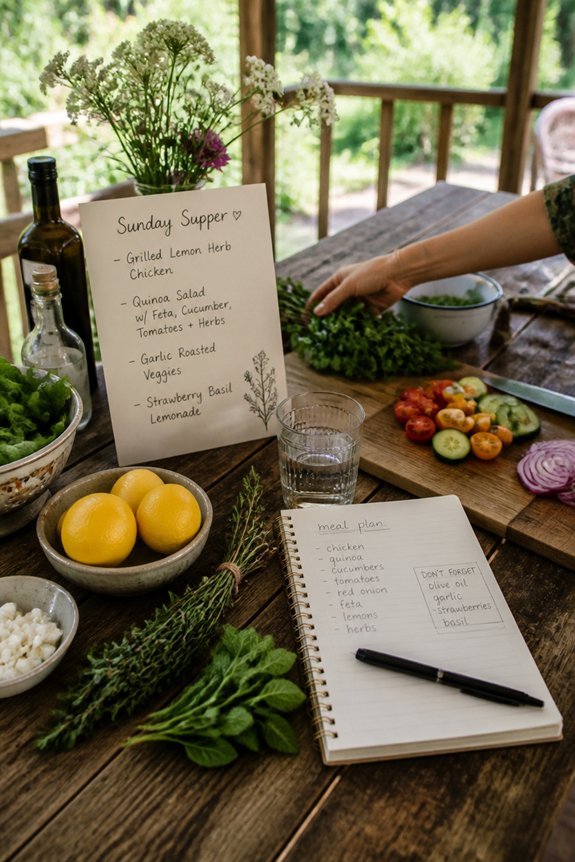
Cold dishes keep things simple. Pasta salads, sandwich platters, and fruit arrangements need no heat at all.
Fire up a portable grill for quick proteins. Chicken breasts, hamburgers, and hot dogs cook fast and feed a crowd.
One-pot meals work beautifully for gazebo dining. Prepare chili or soup ahead of time, then reheat when guests arrive.
Set out finger foods so people can graze. Vegetable trays, cheese boards, and crackers let everyone eat at their own pace.
Beverage stations cut down on hosting duties. Iced tea, lemonade, and water let guests help themselves.
Skip the oven for dessert. Cookies, brownies, and fresh berries finish the meal without extra work.
Smart menu planning keeps gazebo gatherings relaxed. Your family can focus on good company instead of kitchen tasks.
Design an Accessible Beverage Station
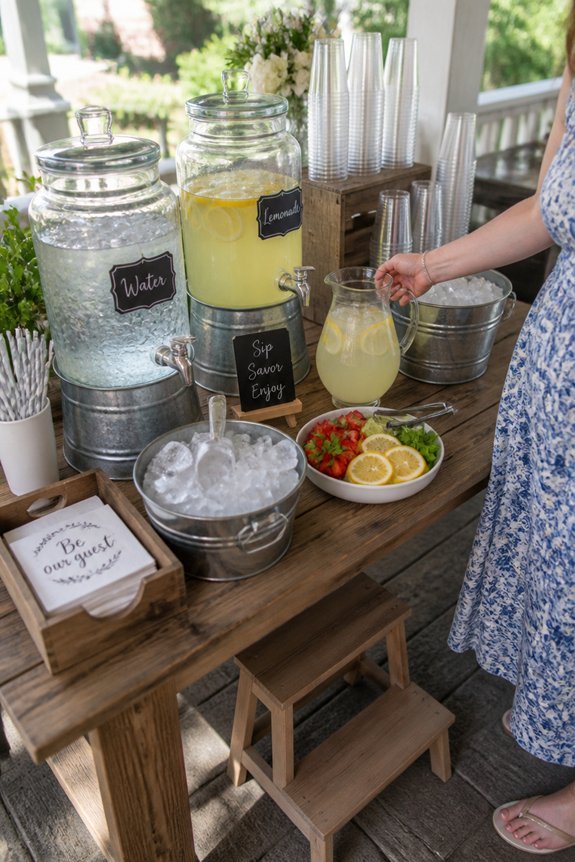
Position the beverage station near the gazebo in a central spot. Guests can serve themselves throughout the gathering. This placement reduces traffic in food preparation areas. Hosts can focus on meal service instead of constant drink requests.
Table and Equipment
Choose a table with plenty of surface space. Fill coolers with ice to keep drinks cold. Set up dispensers for water and lemonade. Arrange glasses, cups, and napkins within easy reach.
Drink Variety
Offer options for different tastes. Include iced tea, juice, and soft drinks alongside your main selections. This ensures everyone finds something they enjoy.
Comfort and Protection
Set up a shaded area over the station. This protects beverages from direct sunlight. Drinks stay cooler for longer periods.
Organization and Cleanup
Place trash and recycling containers beside the station. Guests dispose of items properly without extra effort. Clear signage helps everyone locate their preferred drinks quickly.
Maintenance
Check cooler levels throughout the event. Refill as needed so supplies never run low. Your guests stay refreshed from start to finish.
Position a Gazebo Dessert and Coffee Bar
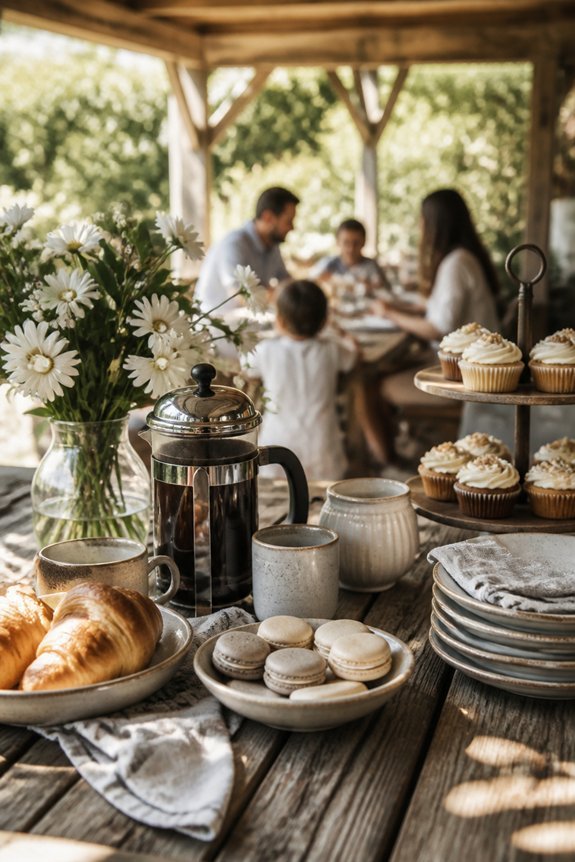
Setting up a dessert and coffee bar in the gazebo creates a dedicated space for sweet treats and hot beverages. Position this station at one end of the structure. This keeps foot traffic organized and separate from main dining areas.
A sturdy table works well for holding a coffee maker, cups, napkins, and stirring supplies. Arrange desserts on tiered stands or platters. Display items like brownies, cookies, and fruit tarts at varying heights.
Include condiments in small containers. Sugar, cream, honey, and chocolate sauce should be easy to grab. Ensure sufficient electrical access for coffee equipment. Consider shade cloth if the location receives direct sunlight.
This setup allows guests to serve themselves throughout the gathering. They can refill their cups without disrupting the main meal service.
Light Your Gazebo Dining Area With String Lights and Lanterns
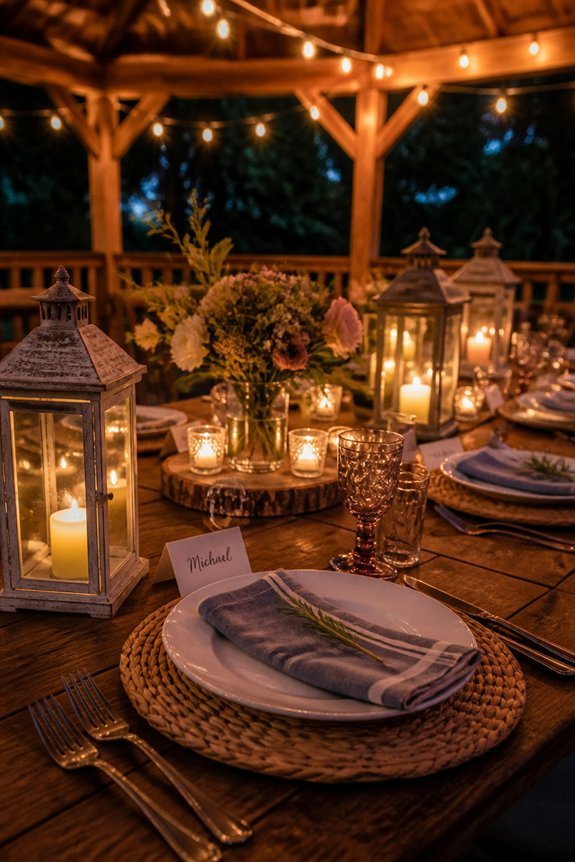
Once the dessert and coffee station is set up, it’s time to think about lighting. The right ambiance can transform your gazebo dining experience.
String lights work beautifully for this purpose. Warm white Edison bulbs add a classic glow. Fairy lights bring a touch of magic to the space. Both options light up the area while setting the mood.
Lanterns with battery-operated candles are a smart choice. They give you safe, steady light without any fire risk. Solar-powered versions cut down on electricity use. They’re also better for the environment.
Place your lights along the perimeter beams of the gazebo. Run them across overhead lines and along table edges. This ensures everyone can see their food clearly.
Mix different light sources for the best effect. Try pendant fixtures above the table. Add tabletop lanterns for intimacy. Use accent lighting to fill in darker corners. This layering prevents harsh shadows.
Install your lights before the sun goes down. You’ll have time to adjust brightness and placement. Pay special attention to food stations, seating areas, and walkways. Good lighting keeps guests safe and makes everything look inviting.
Arrange Seating to Help Guests Connect and Mingle
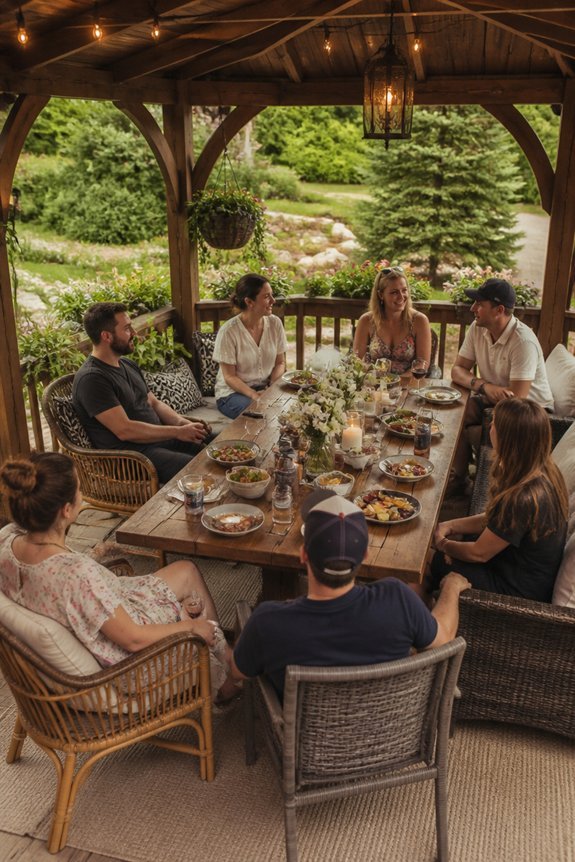
Start with table shapes. Circular or semi-circular setups invite face-to-face chat. Straight lines work against natural conversation.
Keep tables small. Four to six seats per table strikes the right balance. Guests feel cozy without losing touch with the wider party.
Seat thoughtfully. Place quieter guests near lively ones rather than at table ends. This pairing sparks unexpected friendships.
Mix your crowd. Blend different ages and social circles at each table. Fresh connections happen when people meet outside their usual groups.
Mind the view. Position guests to face the gazebo’s center. Inward focus keeps energy high and conversations flowing.
Allow breathing room. Space between tables lets servers pass easily. Privacy stays intact without cramping anyone’s style.
Set a host table. From this central spot, you can watch for empty glasses or lonely guests. Jump in with introductions when the moment calls for it.
Frequently Asked Questions
What Size Gazebo Do I Need to Comfortably Seat My Family and Guests?
A 10×10 foot gazebo works well for smaller groups, comfortably seating four to six people. If you’re regularly hosting more than that, size up.
For bigger gatherings, a 12×12 foot structure handles eight to ten guests without feeling cramped. Anything 14×14 or larger gives you room for twelve or more, plus space for dining tables and easy movement between them.
How Much Does It Cost to Build or Purchase a Quality Dining Gazebo?
Prefabricated models typically run between $1,500 and $5,000, which covers most standard backyard needs nicely.
If you’re after something custom-built, expect to spend anywhere from $5,000 to $15,000 or more. Size, materials, and design complexity all push that number up or down.
Do I Need a Permit to Install a Permanent Gazebo in My Backyard?
Most areas do require a permit for permanent gazebo installations, so it’s worth checking before you get too far into planning. Your local building department can walk you through exactly what’s needed.
Zoning regulations vary quite a bit depending on where you live, so don’t assume your neighbor’s experience will match yours. A quick call upfront saves a lot of hassle later.
What’s the Best Gazebo Material for Durability and Long-Term Maintenance Requirements?
Aluminum and vinyl are hard to beat if low maintenance is your priority. Both resist rust and rot without much effort on your part.
Wood brings undeniable charm, but you’ll need to commit to regular staining and sealing to keep it looking good. If that upkeep doesn’t appeal to you, polycarbonate panels offer a nice middle ground, being weather-resistant and generally more affordable too.
How Can I Protect My Gazebo From Strong Winds and Severe Weather Conditions?
Reinforced posts anchored well below ground level make a real difference during storms. This is one area where cutting corners tends to backfire.
Angled roof designs also help wind pass over rather than push against the structure directly. Quality fasteners throughout tie everything together securely.
Routine maintenance checks matter just as much as the initial build. Clear away debris regularly and secure any loose components before weather rolls in, especially heading into storm season.
CONCLUSION
A gazebo dinner doesn’t need to be complicated to feel memorable. Some of my favorite evenings out there involved nothing more than a simple pasta salad, a few lanterns, and good company.
That birthday dinner I mentioned earlier started as a last-minute idea on a Friday afternoon. A quick trip for string lights and some fresh flowers from the garden turned it into something everyone still brings up.
Weather-resistant furniture and layered lighting do a lot of heavy lifting, but don’t underestimate the smaller touches either. A well-placed beverage station or a thoughtful seating arrangement changes how the whole evening flows.
You don’t need every element on this list working together at once. Start with whatever part of your current setup feels most lacking, and build from there as you host more often.
Natural touches like greenery or a simple floral centerpiece cost very little but add a surprising amount of warmth to the table. It’s often the cheapest upgrade that makes the biggest visual difference.
I’d love to hear how you’ve set up dining in your own gazebo, or which of these ideas you’re planning to try first. Leave a comment and let me know.