

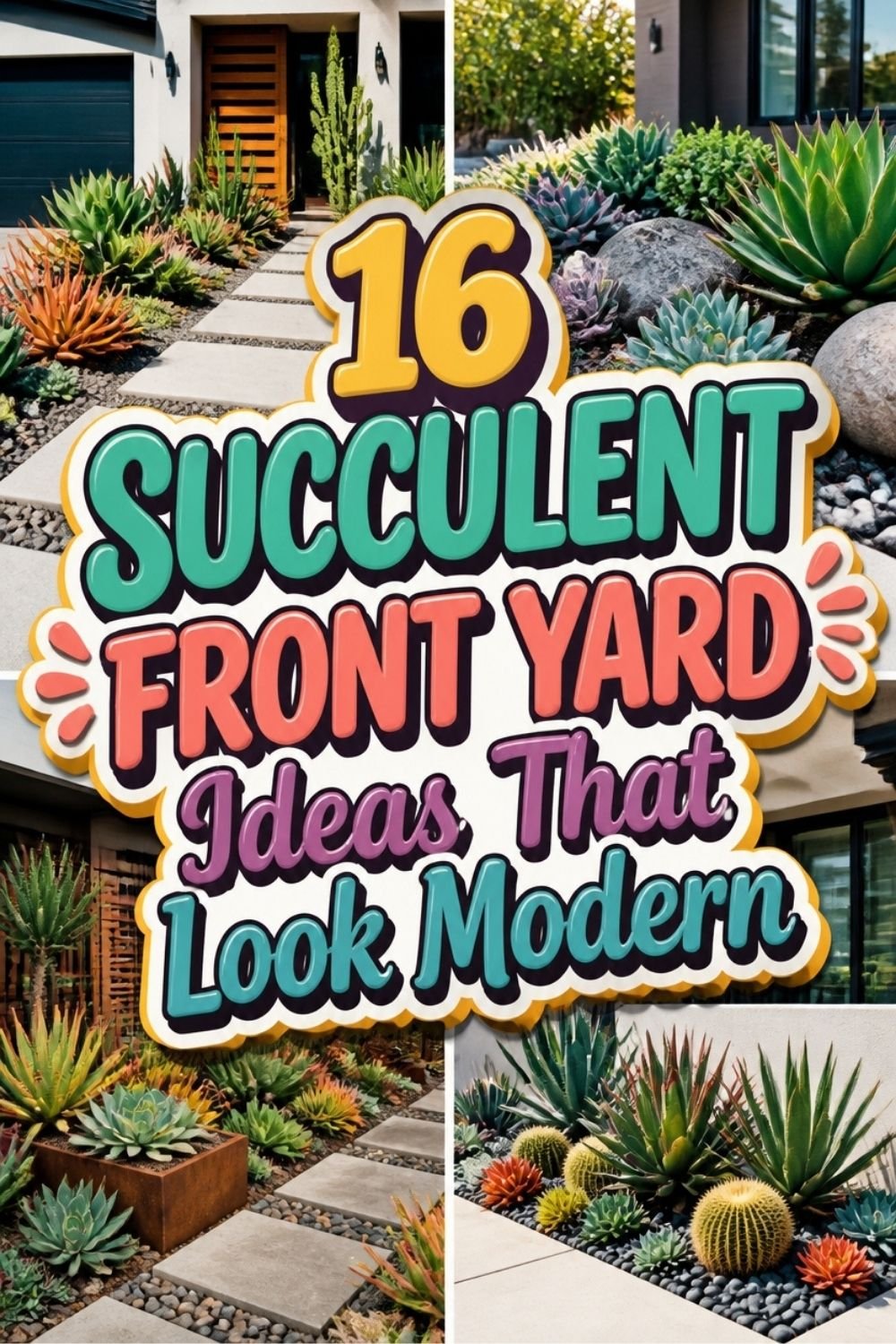
Front yards with patchy grass and forgotten mulch are more common than anyone wants to admit. I went through that exact phase before discovering how much succulents can transform a yard without asking for much in return.
These plants don’t need daily watering, they handle heat without sulking, and they look genuinely sculptural while doing almost nothing. Rock gardens paired with succulents create a cool, modern contrast, while tiered beds add elevation to flat ground.
The color range surprises most people too, burgundy aeoniums, blue gray echeverias, and trailing sedum all work beautifully together. You don’t need a landscape architect, just the right plants and a weekend.
Getting the Foundation Right
Before you start arranging plants, think about your soil and drainage situation honestly. Succulents actually prefer poor, rocky soil over rich garden soil, so don’t waste effort amending ground that’s already working in your favor.
Sun exposure matters more than people expect. Most succulents want full sun to thrive, though a surprising number adapt well to partial shade if that’s what your yard offers.
Start with a small section rather than overhauling your entire yard at once. A modest bed lets you learn what thrives in your specific conditions before you commit to anything larger.
16 Succulent Front Yard Ideas
This list spans everything from simple rock gardens and ground cover swaps to bolder statements like living succulent walls and large focal point plants. Some of these you could put together in an afternoon, others are worth planning out over a season as you source plants and materials.
I tried to include enough range that whether you’re working with a tiny strip near your front door or a full yard ready for a makeover, there’s something here that fits.
Pick whichever idea matches your space and your patience level, and start building your own low maintenance front yard.
Minimalist Modern Rock Gardens
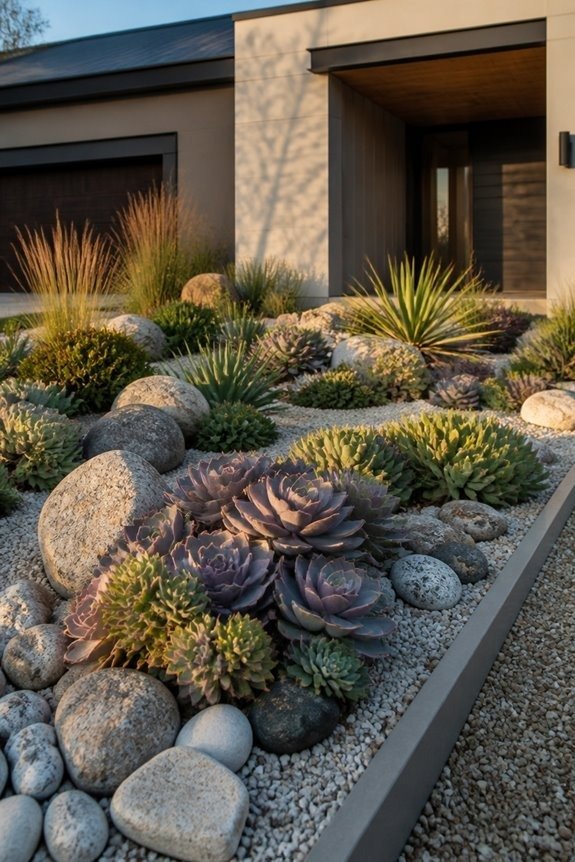
You probably think rock gardens sound dull. Most people do. But here’s the truth: they’re one of the smartest moves you can make for your yard.
Picture this. No mowing on hot weekends. No guilt about brown grass. Just smooth gray and tan stones arranged in clean, simple patterns. You tuck small succulents between them. You add a few larger rocks as focal points. That 4-by-6-foot corner you never knew what to do with? Perfect starter size.
Your neighbors will notice. They’ll think you hired someone. You didn’t. You just picked rocks that felt good in your hands and plants that basically take care of themselves. Rock gardens work in shady spots too. Your front yard finally gets to shine. You get to sit back and watch things thrive.
Also read: 28+ FRONT YARD PLANTS THAT LOOK RIDICULOUSLY GOOD
Tiered Beds With Architectural Succulents
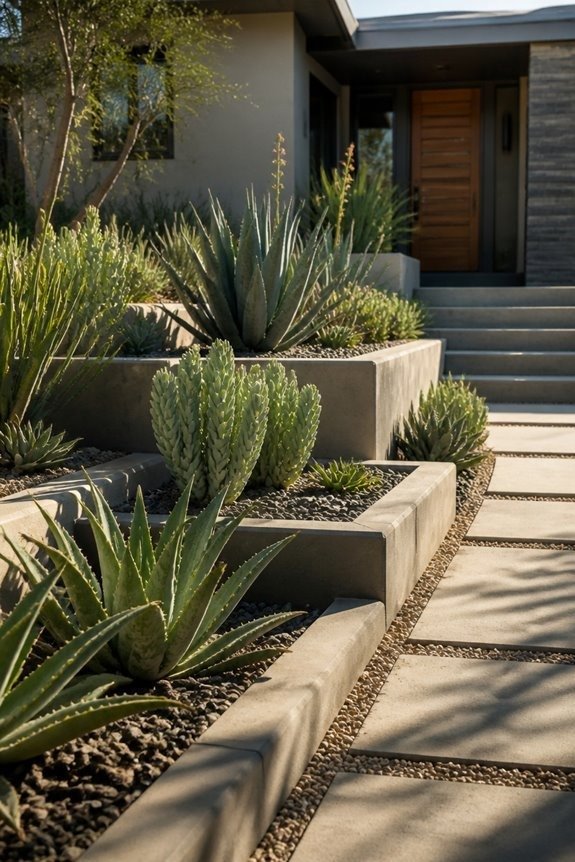
Rock gardens feeling a bit too flat for you? Tiered beds add instant dimension without any complicated construction. You simply stack 2 or 3 raised beds at staggered heights. Suddenly your yard has layers, depth, and serious visual appeal.
Architectural succulents thrive in these setups. Tall echeveria and spiky aloe are your MVPs here. They grab attention with bold shapes and need almost nothing from you. No daily watering. No constant fussing. You get the look without the workload.
Put your larger plants toward the back. Keep smaller ones up front. Everyone gets their fair share of sunlight. Nothing gets hidden in shadow. People can actually see and enjoy each plant. Think of it as stadium seating for your succulents.
Gray concrete or stone tiers give you that clean, modern edge. Add well-draining soil and top with decorative gravel. That finishing touch pulls everything together. Your space goes from ” forgot about this corner” to “designed on purpose.” Guests will wonder if you hired someone. Let them wonder.
Monochromatic Color Schemes For Sophistication
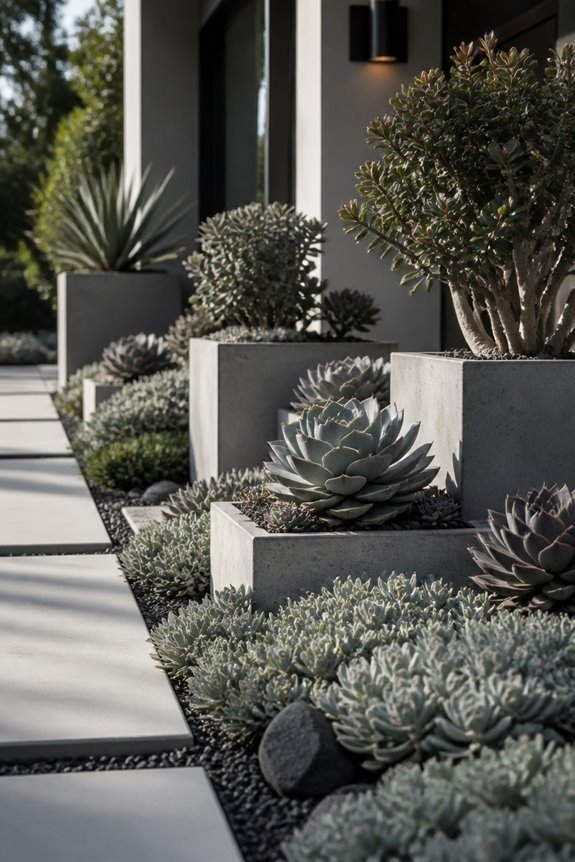
Want your front yard to look expensive without the expensive effort? Skip the rainbow explosions. A single color family does the heavy lifting for you.
Monochromatic schemes work like a perfect outfit. All black looks polished. Same idea here. Gray sedums paired with dusty miller give you that quiet confidence. Purple echeveria against lavender gravel? Suddenly you’re the neighbor who knows things.
Pick one color. Grab plants in light and dark shades. Mix smooth leaves with fuzzy ones. Your yard stops shouting and starts whispering. That’s the difference between trying too hard and looking like you’ve got this handled.
Desert Landscapes With Bold Focal Points
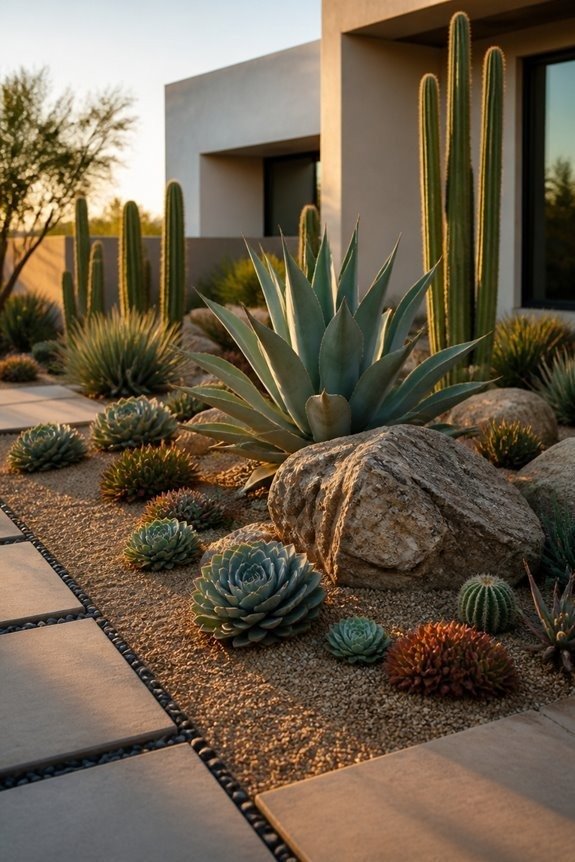
You want a focal point that actually gets noticed. Position it where afternoon light hits best, about 8-10 feet from your front door. A rust-colored rock or turquoise art installation pops hard against pale sand and green succulents. That contrast just works.
Keep it bold, not timid. Skip dinky decorations that disappear into your yard. Aim for 3-4 feet tall. Surround it with low agave and golden barrel cactus so it frames naturally. Your guests will slow down and stare.
Succulent Ground Covers For Lawn Replacement
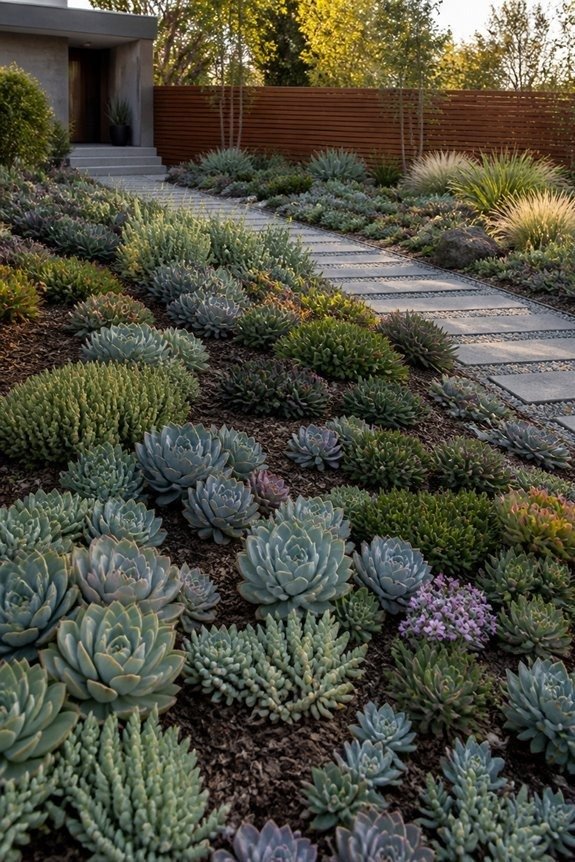
Tired of pouring money into a lawn that never seems happy? Traditional grass guzzles water, demands weekly mows, and still finds ways to disappoint you. Succulents flip that script entirely.
You get thick, water-storing leaves that shrug off drought and neglect. Try creeping sedum in sunny spots, or ice plant for a carpet of bright pink blooms. Most stay under six inches, so you can finally retire your mower. Mix purple, chartreuse, and pink varieties for living patterns that don’t need a single drop of extra water.
Your soil is poor and rocky? Perfect. These plants actually prefer it. Add gravel between groupings for that clean, modern look. Weekend mornings belong to you again, not your lawn.
Contemporary Raised Planters
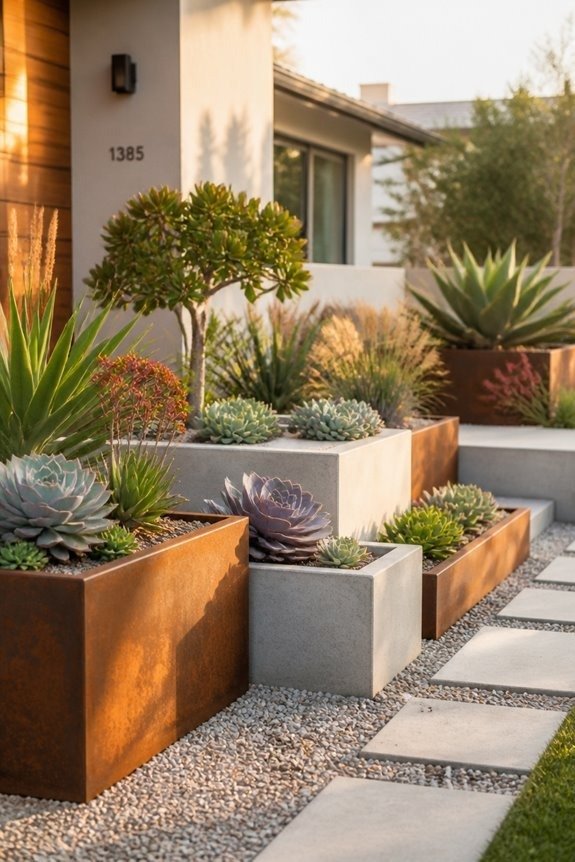
Tired of ending every gardening session with an aching back? Raised planters solve that problem completely. They lift your garden to eye level. You work standing up. Your spine thanks you.
These contemporary boxes stand about 2 to 3 feet tall. Most use sleek metal or composite materials. The clean lines instantly modernize any front yard. You can arrange them in clusters for geometric appeal.
Fill them with well-draining soil. Succulents love this setup. Jade plants, echeveria, and aloe varieties work beautifully together. Mix different heights and textures. The result looks sophisticated. Maintenance stays minimal. Weeds barely appear. You get more time to actually enjoy your space.
Geometric Succulent Arrangement Patterns
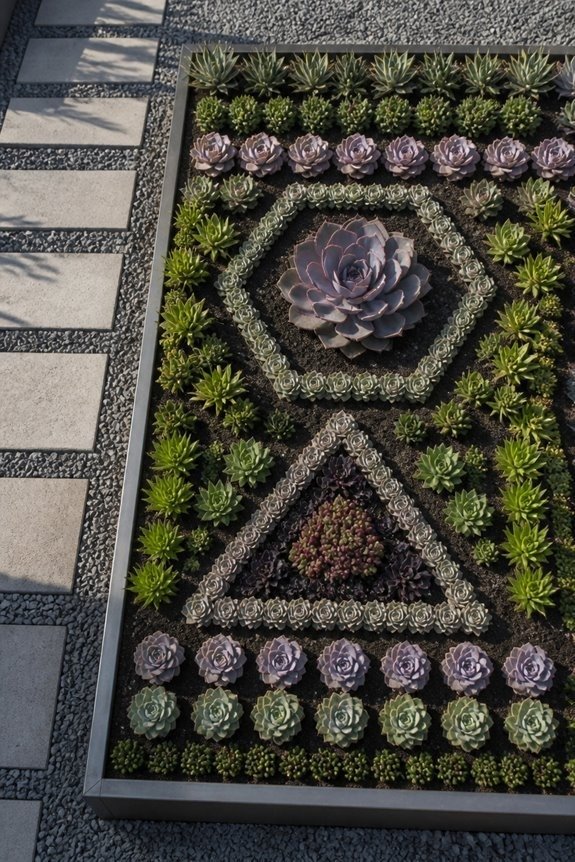
Ready to get your hands dirty? This is where your arrangement comes alive.
Start with simple shapes. Triangles, hexagons, spirals. Plant echeveria in tight circles about 3 inches apart. Watch that hypnotic bullseye form before your eyes. Try alternating jade with purple sedums in a checkerboard across a small bed. The contrast hits different.
Don’t chase perfection. Succulents forgive quickly. They fill gaps before you can blink. Mix heights with purpose. Tall plants anchor corners. Trailing varieties soften edges. Your yard becomes living art. Neighbors will notice. They always do.
Container Succulent Displays For Small Spaces
Limited space? No problem. You can still build a gorgeous succulent collection without a single square foot of yard.
Start small. Grab a few six to eight inch pots. Terracotta works beautifully here. It lets air reach the roots and stops them from rotting. Position your containers on a sunny windowsill, balcony ledge, or porch step. Mix heights and textures for eye-catching displays. Try grouping in threes or fives. Odd numbers just look better. Shallow bowls suit spreading echeveria. Tall pots cradle columnar types. Always check for drainage holes. Skip this step and you’ll mourn your plants.
Your mini garden travels with you. Rearrange when you crave something new. Stack containers vertically if floor space feels tight. Hang them from railings. Tuck them into unexpected corners. These portable gardens demand almost nothing from you. Yet they return so much green, living beauty. Small space, big personality. That’s the magic you create.
Drought-Proof Succulent Borders For Pathways
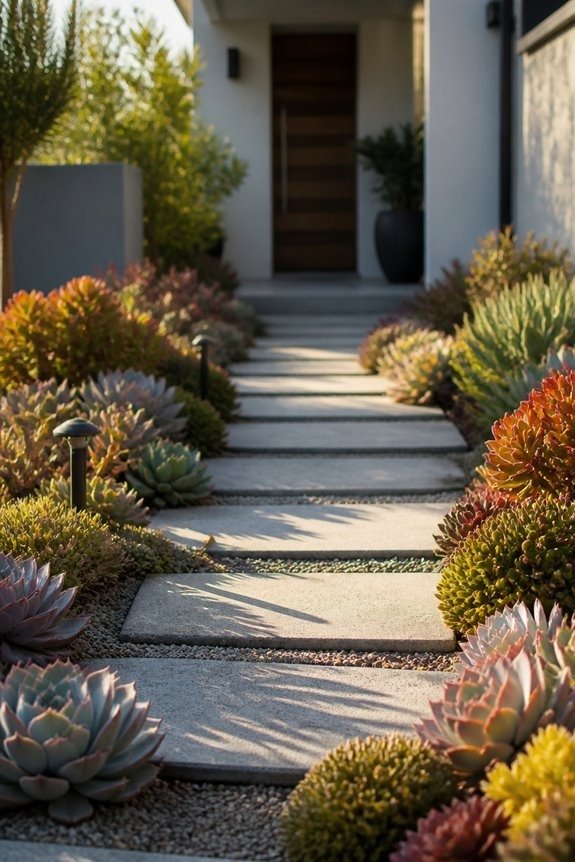
Tired of plants that sulk the moment you skip a watering? Succulent borders solve that headache for good.
Plant them 6 to 8 inches apart along your path. Mix dusty purple next to vibrant pink and pale green. You’ll get a living frame that quietly guides visitors toward your door. Forget to water? They’ll never nag you about it.
Sedums and echeverias forgive accidental footsteps. They spring back like nothing happened. Summer needs only occasional sips. Winter? They practically take care of themselves. Your neighbors will wonder how your yard looks so polished with so little effort.
Vibrant Color-Blocking With Contrasting Succulents
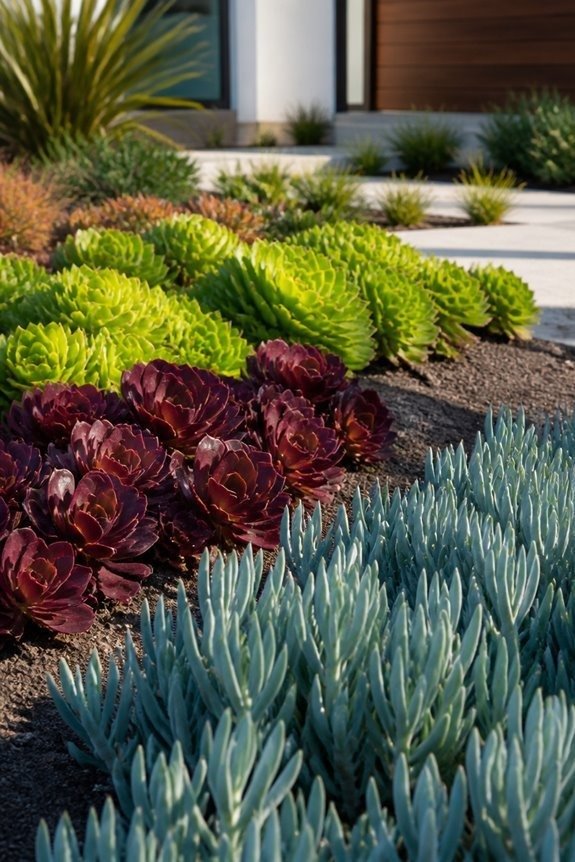
Ready to stop ignoring your succulents? These tough little plants actually love a bit of creative attention.
Color-blocking is your secret weapon here. Try planting deep purple echeveria right beside bright lime-green jade. Suddenly both shades come alive. Stick to chunky groups of three or five for real visual punch. Pair silvery dusty roses with burnt-orange aloe varieties. Space each cluster about 12 inches apart. This keeps your garden looking intentional, not messy. Taller plants go in back, shorter ones up front.
Want something bolder? Position red, yellow, and blue succulents strategically across your space. Your boring yard becomes a living color wheel. Modern landscapes especially crave these punchy, unexpected combos.
Living Succulent Walls
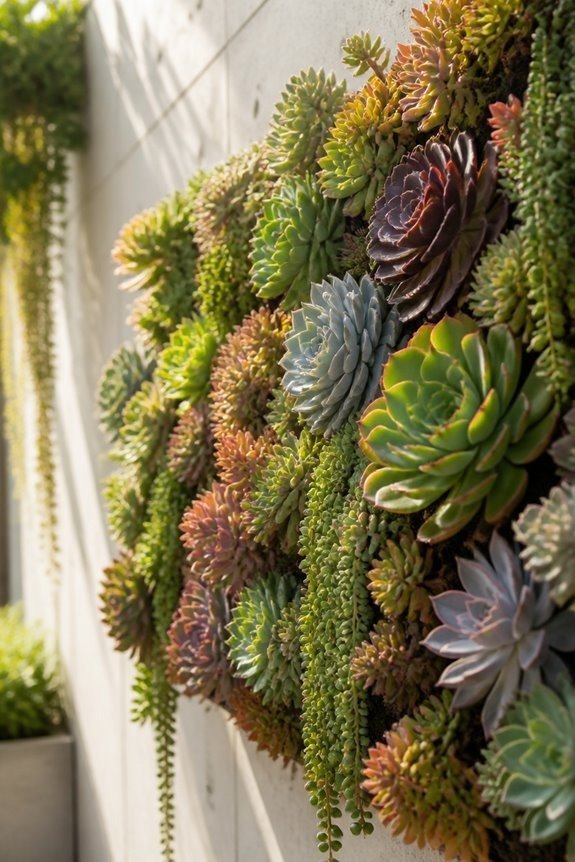
Your yard is tiny. Your plant dreams are anything but. Vertical gardens solve that tension in one clever move.
Stop spreading succulents across the ground like everyone else. Turn your fence into living artwork instead. Mount shallow planters or living wall frames directly onto the surface. Stack them three to four feet tall. Tuck in trailing sedums that cascade like green waterfalls. Nestle rosettes in coral, purple, and dusty rose for color that actually pops. Afternoon sunlight hits vertical walls beautifully. Neighbors will ask questions. Your garden will photobomb every outdoor shot you take.
Best of all? These walls need almost no maintenance compared to regular gardens. That is plant lover paradise.
Succulent Xeriscape Gardens
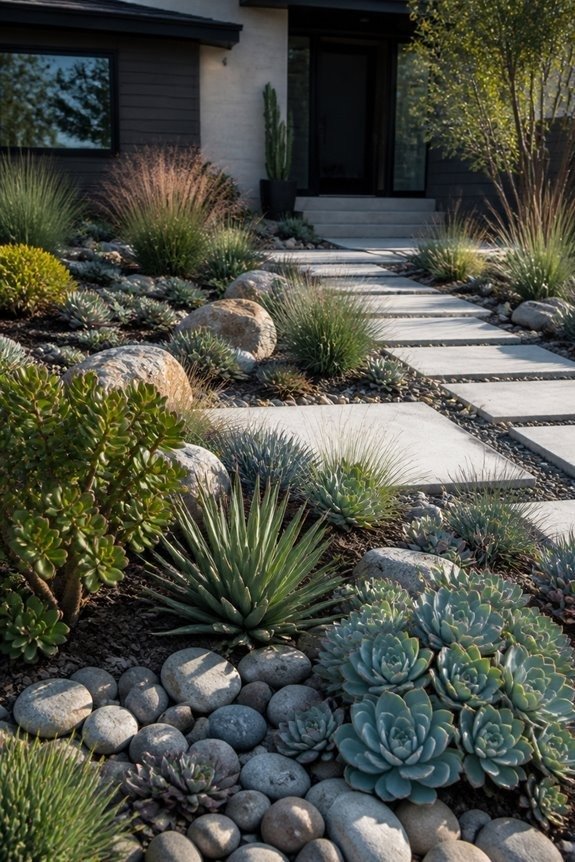
Tired of lugging hoses around every evening? You’re not alone. Most gardens demand more water than a summer pool party. Succulent xeriscapes flip that script entirely.
Think sedums, echeveria, and aloe living happily together. These plants actually prefer you forget about them. Sandy soil beds two to three inches deep work perfectly. Add gray stones, pea gravel, maybe some driftwood for character. Hot sun? Poor soil? They don’t even notice.
The color palette surprises you. Dusty greens blend with purple rosettes. Everything spreads slowly, filling space at its own lazy pace.
This is gardening without the guilt trip. Modern, elegant, and drama-free.
Large Statement Succulents As Design Focal Points
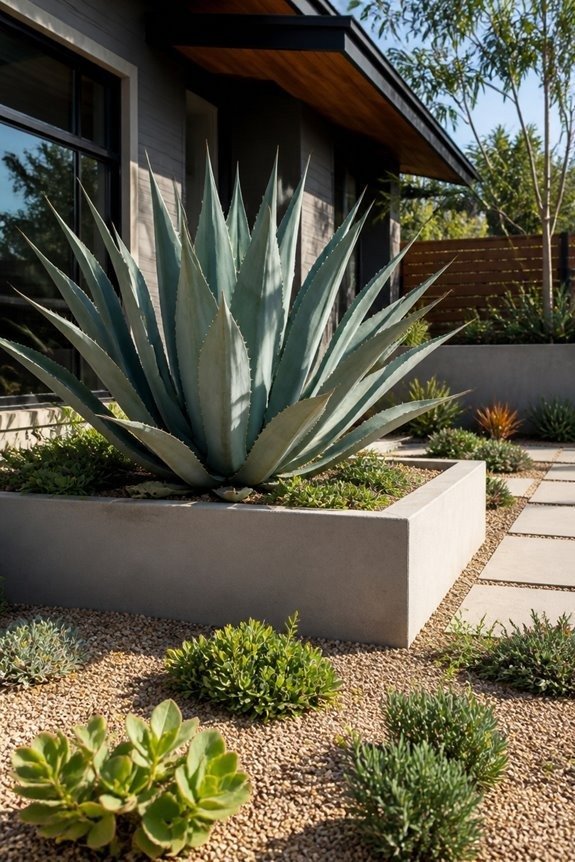
Ever feel overwhelmed trying to fill every corner of your yard with plants? Stop right there. One chunky succulent can do the heavy lifting for you. Picture a bold aloe or agave sitting pretty near your entrance. It grabs attention instantly. No crowds needed.
These living sculptures hit three to five feet easy. Their thick leaves catch sunlight and throw shadows across your path. Want that wow factor? Try pairing yours with gravel or smooth river rocks. The contrast pops without trying hard. Best part? Water it barely. Forget it mostly. You get major curb appeal for minimal work. One stunner beats a dozen fussy plants any day.
Clean-Edged Succulent Beds
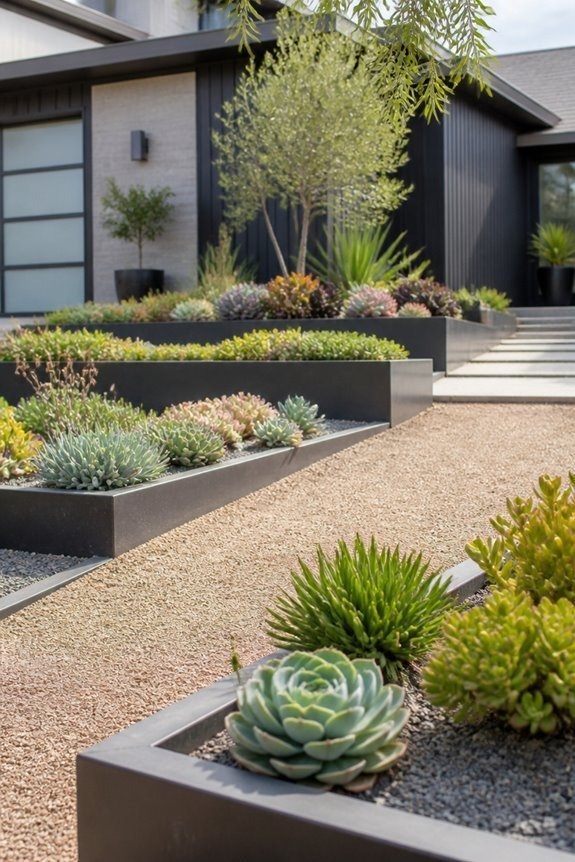
You know those eye-catching succulents everyone loves? They deserve better than messy borders. Clean edging pulls the whole look together. It separates your plants from the lawn like a clear line in the sand.
Metal or plastic edging works great. Go for 2-4 inches deep to keep soil where it belongs. Dark brown or gray looks sharp against sandy soil and green plants. Curved edges feel soft and modern. Straight lines show confidence. Either way, that crisp boundary tells visitors you planned this garden. It keeps everything looking curated instead of chaotic.
Seasonal Succulent Combinations
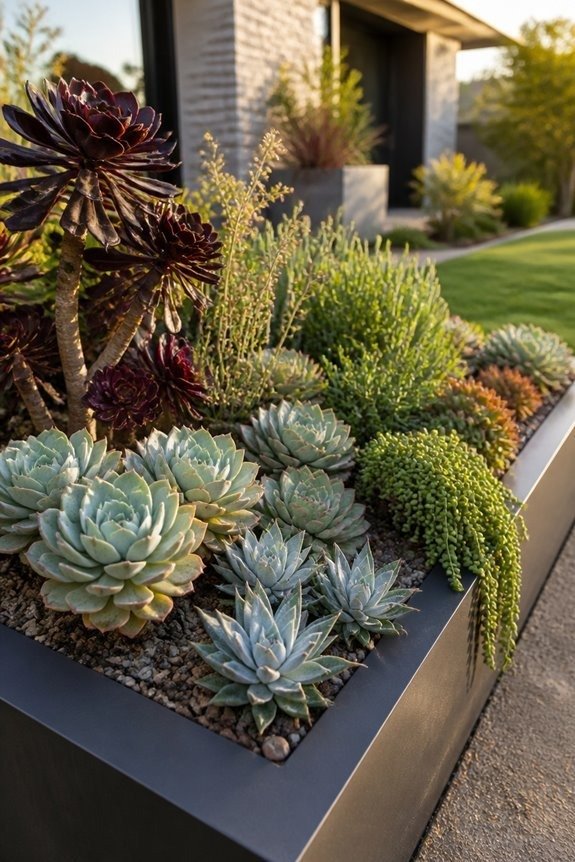
Succulents look tough, but they can be surprisingly picky about the seasons. You might think you’re doing everything right, yet your arrangement falls flat. That’s where seasonal planning saves you.
Spring invites soft pastels. Try pale pink echeveria with buttery yellow sedums. Summer needs bold energy. Pair deep burgundy aeoniums against bright jade greens. Fall brings warmth. Orange and bronze tones make your yard glow. Winter calls for cool contrast. Silvery-blue varieties catch light like frost without the cold damage.
You keep things fresh by rotating colors every few months. Group plants in threes or fives for natural, relaxed appeal. This simple trick prevents that sad “succulent cemetery” look. Your neighbors will notice the difference. They’ll ask how you do it. You can smile and keep your secrets.
Budget-Friendly Succulent Front Yard Makeover
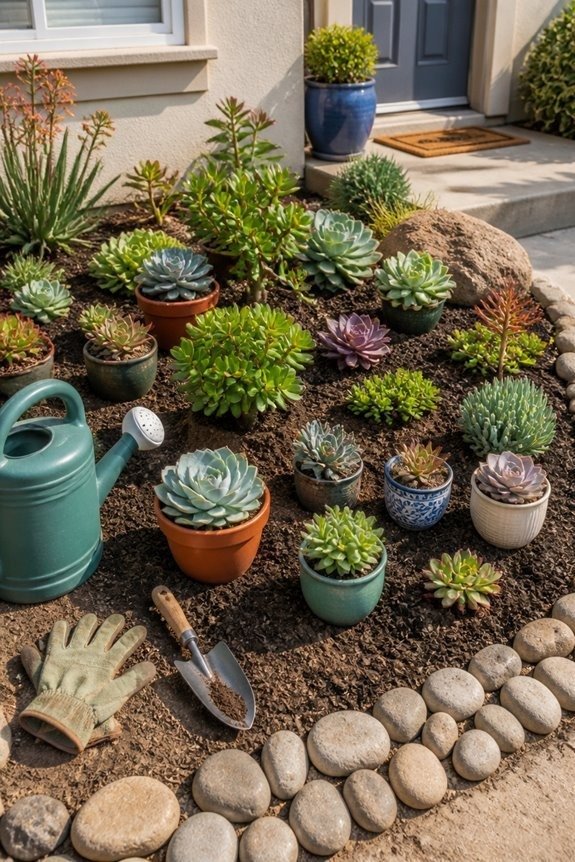
Want a gorgeous front yard without draining your savings? You can start with free plants from friends. Ask for cuttings or fallen leaves. Let them dry out. Watch tiny rosettes appear. It feels like magic, and your wallet stays full.
Ground cover doesn’t need to break the bank either. Grab gravel, sand, or recycled wood chips. A small 4×8 bed takes just 2 or 3 bags. You’ll spend under twenty bucks. Hit up dollar stores for tiny terra cotta pots. Cluster them together for instant charm.
Here’s the secret: placement beats quantity every time. Group three or five plants in odd numbers. Mix dusty purple with jade green. Toss in a weathered rock. Your yard will look straight out of a magazine. Beauty wins. Budget loses. You win both ways.
Frequently Asked Questions
How Often Should I Water My Succulents in a Modern Front Yard Landscape?
Most succulents only need watering every two to three weeks during the growing season, which is far less than people expect coming from traditional landscaping. Letting the soil dry out completely between waterings is actually the goal here, not a sign of neglect.
Winter calls for even less attention. Cutting back frequency significantly during the colder months protects your plants from the kind of soggy conditions they really can’t handle.
Overwatering is the most common mistake people make with succulents, and it leads to root rot far more often than underwatering ever does. When in doubt, wait a little longer before reaching for the hose.
What Soil Type and Drainage Requirements Do Succulents Need for Optimal Growth?
Well draining soil is non negotiable for succulents, and a sandy or gritty mixture works best. Adding perlite or coarse sand to your existing soil helps recreate the conditions these plants naturally prefer.
Proper drainage matters because it lets water pass through quickly instead of sitting around the roots. That excess moisture is exactly what leads to root rot, which is the most common way succulents end up struggling or dying.
If your yard already has rocky or sandy soil, you’re in luck. These plants tend to do better in conditions that would frustrate most other garden plants.
Which Succulents Are Most Cold-Hardy for Northern Climates and Winter Survival?
Sedums, sempervivums, and delospermas are your best bet if you’re gardening somewhere with real winters. These varieties handle temperatures well below freezing without much fuss.
Their natural hardiness comes from genetics rather than special care, which makes them a great choice for northern landscaping projects. You won’t need to baby them through the cold months the way you might with more tender succulent varieties.
Choosing the right cold hardy types from the start saves you the disappointment of watching a beautiful summer arrangement die off the first hard frost.
How Do I Prevent Pests and Diseases in Succulent Front Yard Gardens?
Proper drainage is your first line of defense here, since soggy soil invites far more problems than dry soil ever does. Pairing that with avoiding overwatering cuts down on most common issues before they start.
Good air circulation between plants helps prevent the kind of damp, stagnant conditions that pests and disease both love. Spacing your succulents with a little breathing room makes a real difference.
Inspecting regularly catches problems early, and removing any affected plants promptly keeps issues from spreading to healthy ones nearby. Neem oil or insecticidal soap work well if you do spot an infestation that needs addressing.
Can Succulents Thrive in Partial Shade or Do They Require Full Sunlight?
Most succulents genuinely prefer full sunlight and put on their best growth and color when they get it. That said, a good number adapt reasonably well to partial shade if that’s what your yard offers.
Growth tends to slow down somewhat in shadier spots, and you might notice less vibrant coloring on certain varieties. It’s a tradeoff worth knowing about before you commit to a shadier section of your yard.
Some specific varieties actually prefer filtered light over harsh direct sun, so it’s worth researching the particular types you’re drawn to before assuming they all need blazing sunshine to survive.
CONCLUSION
A succulent front yard genuinely solves a few real problems at once. Less water, less mowing, and a look that still feels intentional and modern.
Whether you go with a simple rock garden, a bold focal point planting, or a full xeriscape style yard, the maintenance stays low while the visual payoff stays high.
I started with a single rock garden bed in one corner of our front yard and ended up converting almost the whole space within a year, mostly because it was so much less work than I expected once I got the soil and drainage right the first time.
If you try any of these ideas, I would love to hear how your succulent front yard turns out. Drop a comment below and let me know which approach you went with!