

Landscape renovations have a funny way of ballooning past whatever number you started with in your head. You plan for new plants and maybe a patio, and suddenly you’re pricing out retaining walls, irrigation, and three yards of mulch you didn’t know you needed.
What trips people up most isn’t one big expense. It’s a string of smaller decisions that each seem reasonable on their own but add up fast when you’re not paying attention.
The good news is that a landscape renovation isn’t an all-or-nothing budget exercise. Some parts of the project are worth spending real money on, and other parts can be scaled back or done differently without anyone noticing the difference once everything fills in.
By the end of this guide, you’ll have a clearer sense of where your money actually matters in a renovation and where you have real room to cut costs without compromising the final result.
Knowing Where the Real Costs Hide
Most people assume plants are the biggest expense in a landscape renovation, but that’s rarely true. The bigger costs usually come from hardscaping, grading, and labor, especially anything involving heavy equipment or structural work like walls and drainage.
Plants are actually one of the more flexible line items in the whole budget. You can scale plant costs up or down dramatically depending on size, quantity, and where you source them, which makes them a good place to start looking for savings.
Understanding this upfront changes how you plan. Instead of trimming your plant list to save money, it often makes more sense to look hard at the structural and hardscape choices first.
Building a Renovation That Doesn’t Drain Your Budget
A landscape renovation can mean almost anything, from a simple refresh of existing beds to a full overhaul involving new hardscape, drainage, and plantings. The bigger the scope, the more places there are for costs to quietly creep upward.
The sections below break down where money tends to get spent unnecessarily, and where you can make smarter choices without sacrificing the outcome you’re after.
Buying Smaller Plants
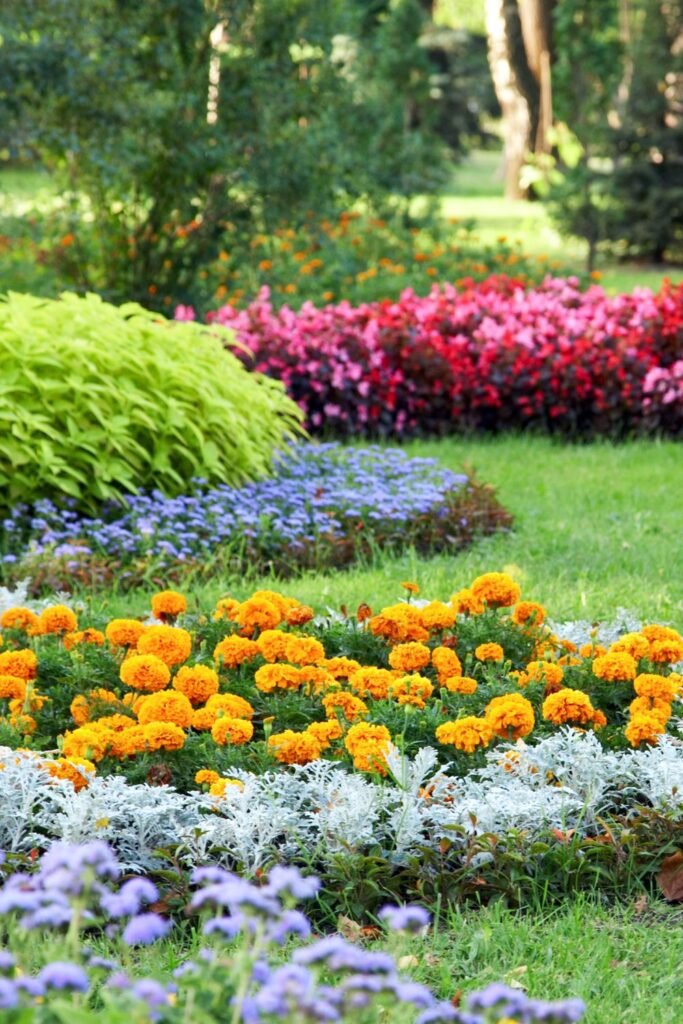
One of the easiest places to save is plant size. A five gallon shrub costs a fraction of a fifteen gallon version of the same plant, and within two or three growing seasons the size difference often disappears entirely. Trees are the exception worth splurging on, since a larger tree gives you years of head start on shade and structure that’s hard to replicate by waiting. For shrubs, perennials, and groundcovers, going smaller almost always pays off without anyone noticing later.
Phasing the Project Over Time
Not every part of a renovation needs to happen in one season. Breaking the project into phases, hardscape one year and plantings the next, for example, spreads the cost out and gives you breathing room to save for the more expensive pieces. It also lets you live with the bones of the design before committing to every detail. Phasing isn’t a compromise so much as a smarter way to pace a big project.
Reusing Existing Hardscape Where Possible
Tearing out an existing patio, walkway, or wall just because it doesn’t match your new vision can be one of the most expensive unnecessary decisions in a renovation. If the structure is sound, it’s often cheaper to work around it, resurface it, or incorporate it into the new design than to demolish and replace it. Demolition and disposal costs add up quickly, especially with concrete or stone. A good designer or contractor can usually find a way to make existing structures feel intentional rather than dated.
Choosing Gravel or Mulch Over Pavers for Secondary Areas
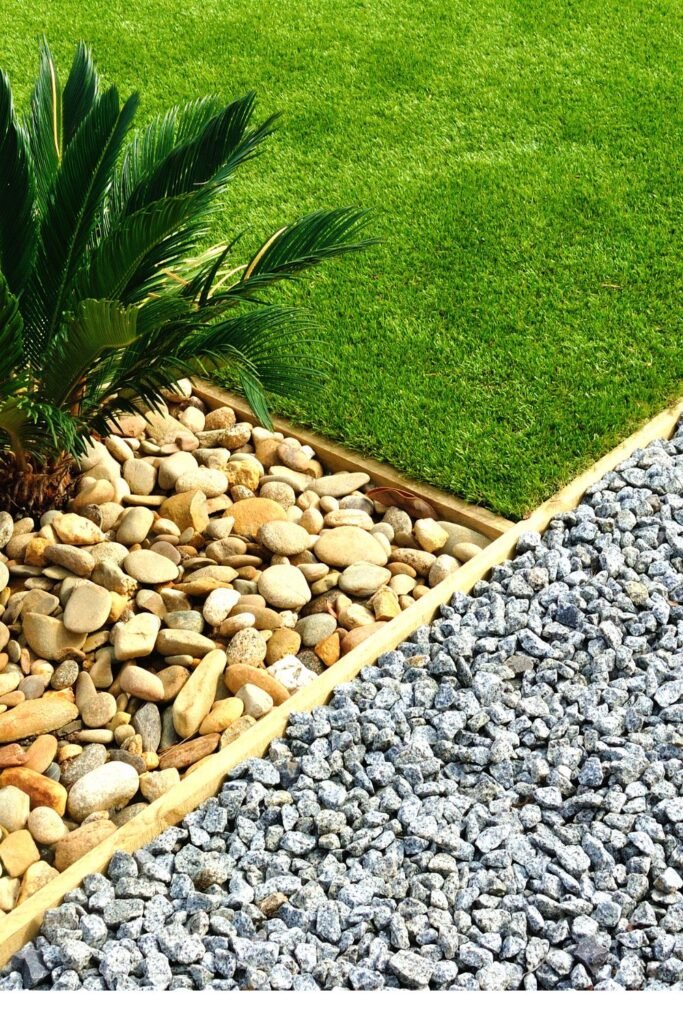
Pavers and natural stone look beautiful, but they’re expensive to install correctly, especially across large areas. Reserving them for high-use zones like a main patio or entry path, and using gravel, mulch, or simple stepping stones for secondary paths and side yards, keeps the budget in check without making those areas look cheap. This kind of mixed-material approach is common in professionally designed landscapes anyway, since it adds visual variety.
Doing Your Own Planting Labor
Labor for planting is one of the more negotiable costs in a renovation. If you’re physically able, planting the shrubs and perennials yourself after a contractor has handled grading, hardscape, and any larger tree installs can save a meaningful chunk of the total bill. It’s also one of the lower-risk tasks to take on yourself, since planting mistakes are usually fixable.
Sourcing Plants Locally and Seasonally
Buying plants in season from a local nursery, rather than ordering specialty varieties or buying out of season, tends to be noticeably cheaper. Local nurseries also stock plants that are already suited to your climate, which reduces the chance you’ll need to replace something that struggles or dies. Shopping end of season sales for perennials and shrubs is another easy way to stretch a plant budget further.
Being Strategic About Soil and Amendments
Good soil matters, but you don’t need to amend every square foot of a large yard to the same depth or with the same premium materials. Concentrating better soil and compost in planting beds and around new trees, while leaving turf areas with more basic soil prep, focuses the spending where it actually affects plant health. Bulk soil and mulch delivered by the yard is almost always cheaper than bagged versions for anything beyond a small bed.
Limiting the Footprint of Irrigation
A full irrigation system covering every bed and lawn area gets expensive quickly, both in materials and installation labor. Many renovations can get away with irrigation in higher water need zones, like new plantings or vegetable beds, while relying on drought tolerant choices or hand watering elsewhere. Drip irrigation in particular is far cheaper to install than a full sprinkler system and works well for most planting beds.
Choosing One Statement Hardscape Feature Instead of Several
It’s tempting to want a new patio, a fire feature, a water feature, and a pergola all in the same renovation, but each of these adds significant cost. Picking one feature to invest in well, and keeping the rest of the yard simpler, usually creates a more cohesive and higher quality result than spreading the budget thin across several smaller features. You can always add another feature in a future phase.
Getting Multiple Quotes and Understanding What’s Included
Landscaping quotes can vary widely between contractors for the same scope of work, partly because what’s included differs from bid to bid. Getting at least three quotes, and asking specifically what’s covered in terms of soil prep, plant warranties, and cleanup, helps you compare apples to apples rather than just looking at the bottom line number. The cheapest quote isn’t always the best value once you account for what’s left out.
Avoiding Trendy Materials That Cost More to Source
Certain materials go through popularity cycles, and when something is trending, suppliers often charge a premium simply because demand has spiked. Sticking with classic, widely available materials for pavers, stone, and edging tends to be both cheaper and more timeless looking once the trend fades. This applies to plants too, since a currently fashionable variety often costs more than a similar, less trendy option that looks nearly identical once established.
Frequently Asked Questions
Is it cheaper to do a landscape renovation all at once or in phases?
Phasing is usually easier on your budget in the short term, since you’re spreading costs across multiple seasons instead of paying everything upfront. It can sometimes cost slightly more in total if you end up paying separate trip charges or mobilization fees for a contractor each time.
For most homeowners, the cash flow benefit of phasing outweighs that small premium. It also gives you time to live with early decisions before locking in the rest of the design.
Where do people most often overspend without realizing it?
Buying plants too large is one of the most common overspends, especially for shrubs and perennials that grow quickly anyway. People also tend to overspend on hardscape materials by choosing premium stone or pavers for areas that don’t need that level of investment.
Irrigation systems are another spot where scope often creeps beyond what’s actually necessary. A full sprinkler system covering the entire yard is rarely needed when targeted drip irrigation would do the job for less.
Does DIY actually save significant money on a renovation?
It depends heavily on what part of the project you’re doing yourself. Planting, mulching, and general bed prep are areas where DIY labor can save a real amount of money with relatively low risk.
Grading, drainage work, and anything involving retaining walls or heavy equipment are much harder to DIY successfully, and mistakes in those areas can end up costing more to fix than hiring it out correctly the first time. It’s worth being honest with yourself about which tasks match your skill level.
How much does region affect landscape renovation costs?
Region affects costs quite a bit, both through labor rates and material availability. Areas with rocky or clay heavy soil, for example, often require more soil amendment or grading work than areas with naturally good soil, which adds to the bill.
Climate also plays a role, since plants suited to your specific region tend to be more available and less expensive locally than specialty plants shipped in from elsewhere. Sticking with regionally appropriate plant choices is both a cost saver and a smarter long term decision for plant health.
Is it worth hiring a designer even on a smaller budget renovation?
A lot of people assume a designer is only for large budget projects, but a good designer can actually help you avoid expensive mistakes even on a modest renovation. Sometimes a single consultation to get a solid plan, which you then execute yourself or with a contractor, is enough.
This kind of limited scope design help tends to cost far less than a full design build package, while still giving you a plan that makes sense for your site and avoids costly missteps. It’s worth asking designers in your area if they offer consultation only services.
Wrapping Up
Saving money on a landscape renovation isn’t really about cutting corners. It’s about understanding which parts of the project genuinely benefit from a bigger investment and which parts can be scaled back without affecting the final look.
Hardscape, grading, and labor tend to be where the real costs live, while plant choices and sourcing offer some of the easiest places to save. Phasing the project, reusing what already exists, and getting multiple detailed quotes all help keep the budget honest from the start.
When my husband’s brother and his wife took on their fixer-upper yard, they ended up phasing the renovation over two years simply because the budget demanded it, and the result looked just as intentional as if they’d done it all at once.
A thoughtful renovation, paced and prioritized well, almost always ends up looking like it cost more than it did. That’s a much better outcome than spending everything upfront and feeling stretched thin by the end.
If you’re working through your own renovation budget right now, I’d love to hear what part of the project is giving you the most trouble. Drop a comment below or ask away, and I’ll do my best to help you think it through.