

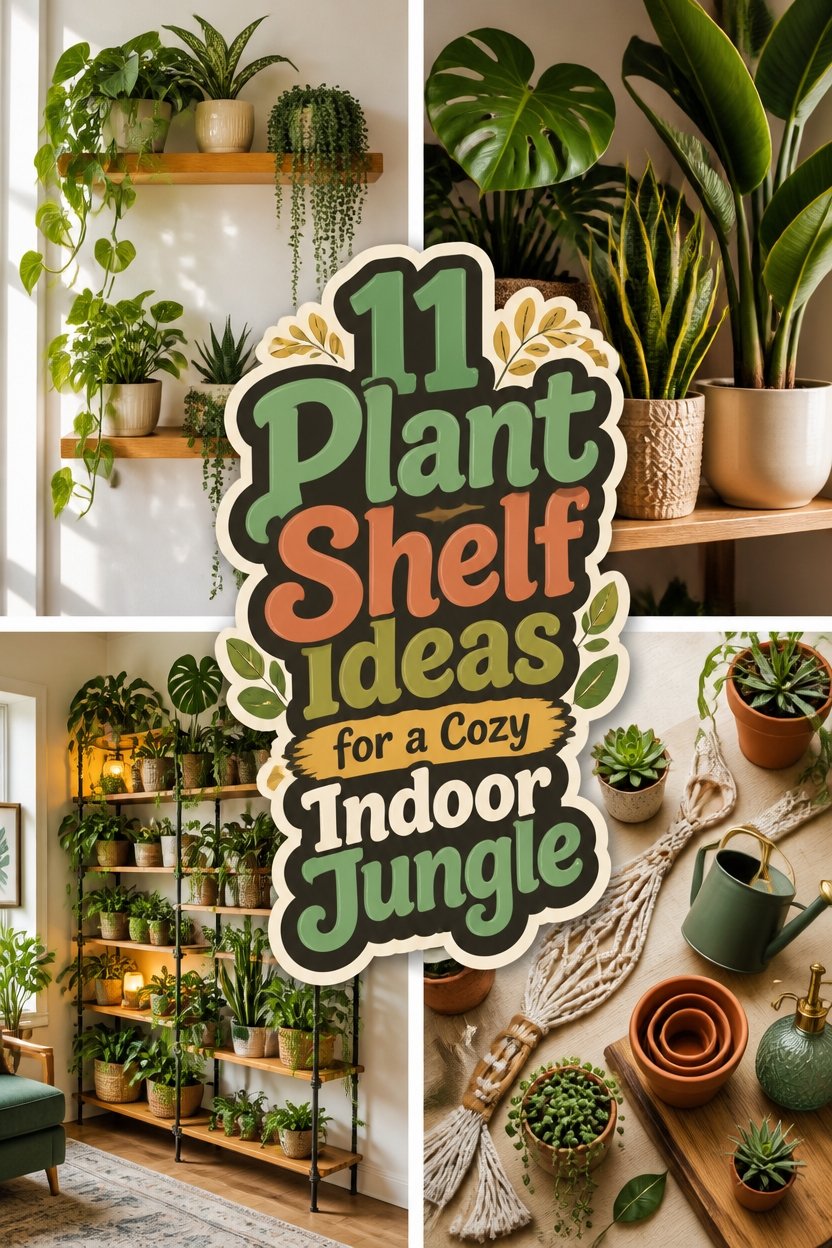
Transforming your home into a leafy retreat starts with the right shelves. The perfect display elevates your plants from simple décor to living art.
Corner shelves are a quiet win for trailing pothos and ivy. They tuck neatly into forgotten spaces and let greenery cascade without cluttering your floors.
Tiered ladder units work just as hard, drawing the eye upward and making the most of tight quarters.
Light lovers naturally gravitate toward windowsills, while sculptural wall mounts bring a clean, contemporary feel.
For a softer look, macramé hangers paired with simple ledges add warmth and texture without trying too hard.
Even the smallest corners can host something green.
Vertical installations and single floating shelves prove that limited square footage is never truly a limitation.
Choose pieces that support both your plants’ needs and your own sense of calm.
Floating Corner Shelves for Trailing Plants
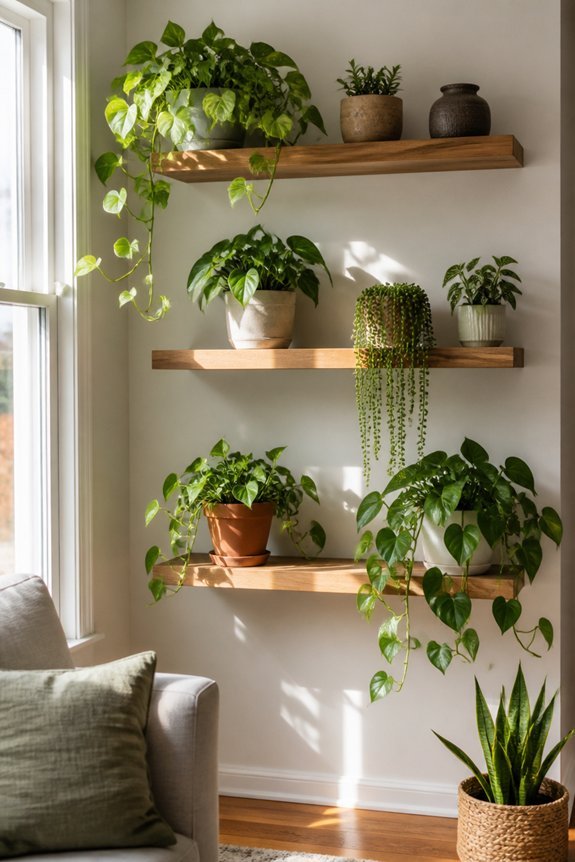
Corner shelves turn tight spaces into perfect homes for cascading plants. Pothos, string of pearls, and philodendrons drape beautifully from these spots. You get to maximize unused areas while vines hang naturally downward.
Installation matters for floating shelves. Mount them into wall studs or use anchors strong enough for your plant weight. Wood, metal, and composite materials each bring their own look and durability. Remember to fit drainage trays beneath pots. This simple step protects your walls and floors from water damage.
Light makes all the difference for trailing plants. Most varieties thrive with bright, indirect light. Corner shelves near windows usually work best. Space your shelves 12 to 18 inches apart. This gives plants room to grow and you space to tend them.
Tiered Ladder Shelving for Maximum Visual Impact
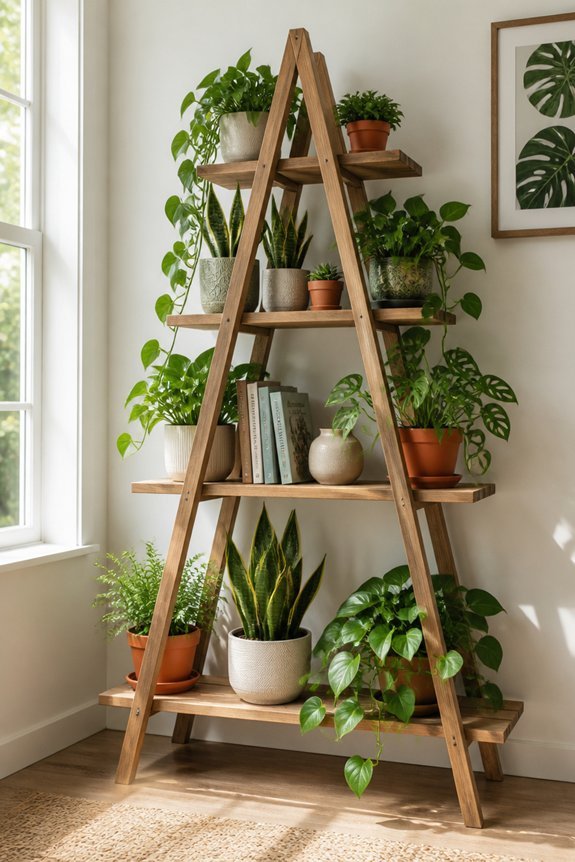
Tiered ladder shelves give you multiple levels to show off plants. Height variation creates instant visual interest. These structures fit neatly in corners, against walls, or near windows where light hits every tier.
Wood and metal designs work with various plant sizes. Small succulents look charming on narrow rungs. Larger potted plants anchor the lower steps. The stepped layout lets air move freely around leaves. This airflow cuts down on mold and mildew problems.
Style options range widely. Bamboo ladders suit relaxed, bohemian spaces. Industrial metal frames complement modern interiors. Pothos, string of pearls, and snake plants all display beautifully here.
Placement requires some thought. Check that heavier pots sit low for better balance. Upper tiers should hold lighter specimens. This simple rule keeps your setup stable.
Ladder shelves make smart use of vertical space. Apartments and small rooms benefit most from this efficient approach. You gain display area without sacrificing precious floor space.
Minimalist Single Shelf for Statement Plants
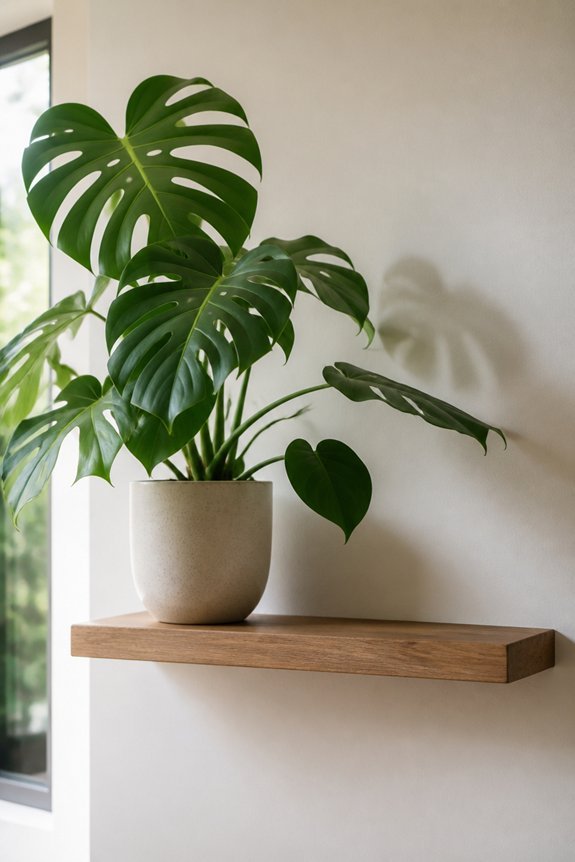
Simplicity lets one dramatic plant take center stage. A single shelf with clean lines draws the eye exactly where you want it.
Choose your plant with care. Fiddle leaf figs, monstera deliciosa, and bird of paradise all bring striking shapes and textures. Each has its own personality and needs.
The shelf matters too. Stick with neutral tones. White, black, or natural wood keeps things calm and uncluttered.
Light comes next. Place the shelf near a window or add grow lights. Give your plant room to breathe. Crowding ruins the effect.
Finish with one simple pot. Add a matching saucer or a tiny accent if you like. Just don’t overdo it.
This setup works beautifully in small spaces. It also suits anyone who prefers quiet, focused beauty over busy displays.
Windowsill Plant Shelves for Light-Loving Greenery
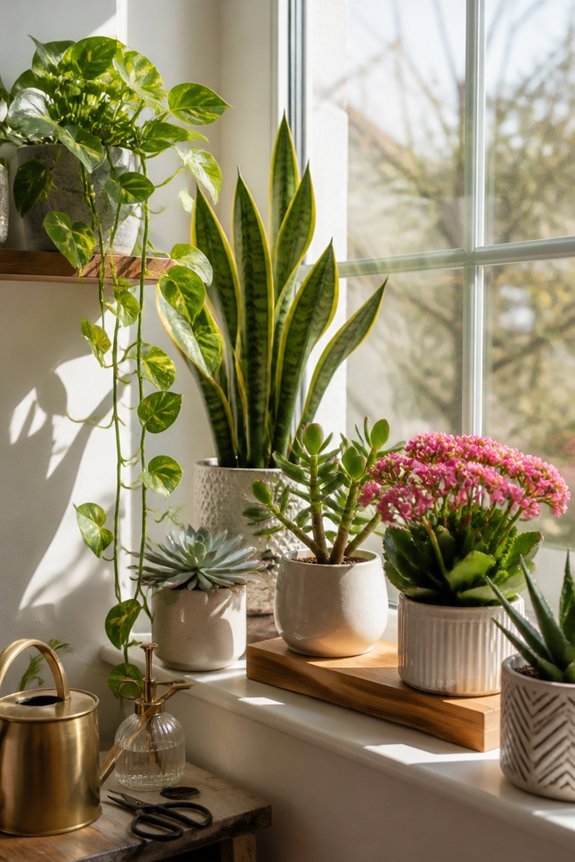
BENEFITS OF WINDOWSILL SHELVES
A single plant can look stunning, but shelves let you grow a whole collection. Windowsills get steady sunlight all day long. This makes them perfect for sun-loving plants like succulents, cacti, basil, and rosemary.
Tiered shelving uses your vertical space wisely. Plants get enough light without blocking the entire window. Your room stays bright while your greenery thrives.
CHOOSING YOUR SETUP
Metal or wood frames handle moisture and temperature changes well. Both materials last for years with little upkeep.
Place shallow trays under each pot. This simple step protects your surfaces from water damage. Rotating plants weekly keeps growth even on all sides.
MAKING IT WORK FOR YOU
This setup turns plain windows into living displays. Watering and care stay easy when everything sits within reach. You build a functional plant station without sacrificing your view.
Wall-Mounted Geometric Shelves for Modern Spaces
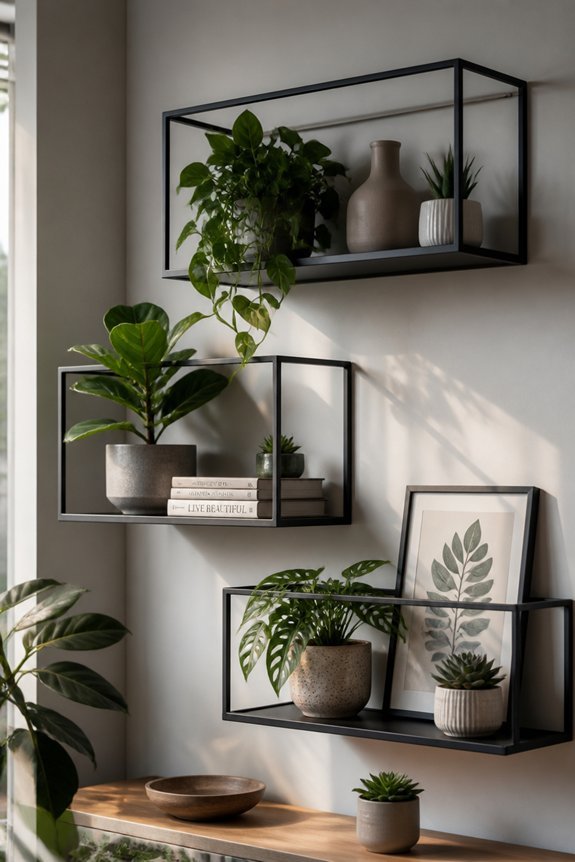
Geometric wall shelves add clean lines and style to any room. They offer display space while creating visual interest.
Angular shapes define these shelves. Hexagons, triangles, and asymmetrical designs pair well with minimalist décor.
Installation Basics
Sturdy wall anchors are essential. Proper spacing helps distribute weight evenly across your wall.
Material Options
Metal frames with wood platforms suit warm, natural looks. Floating concrete options fit industrial spaces. Choose what matches your aesthetic.
Arrangement Ideas
Cluster smaller shelves for grouped displays. Space larger ones across walls for balance. Mix sizes and orientations to keep things dynamic.
Plant Suggestions
Pothos, succulents, and trailing philodendrons thrive here. The structured shapes highlight plant silhouettes without cluttering your modern space.
Place shelves near indirect light. Your plants stay healthy, and your design stays intact.
Industrial Metal Plant Shelving for Bold Collections
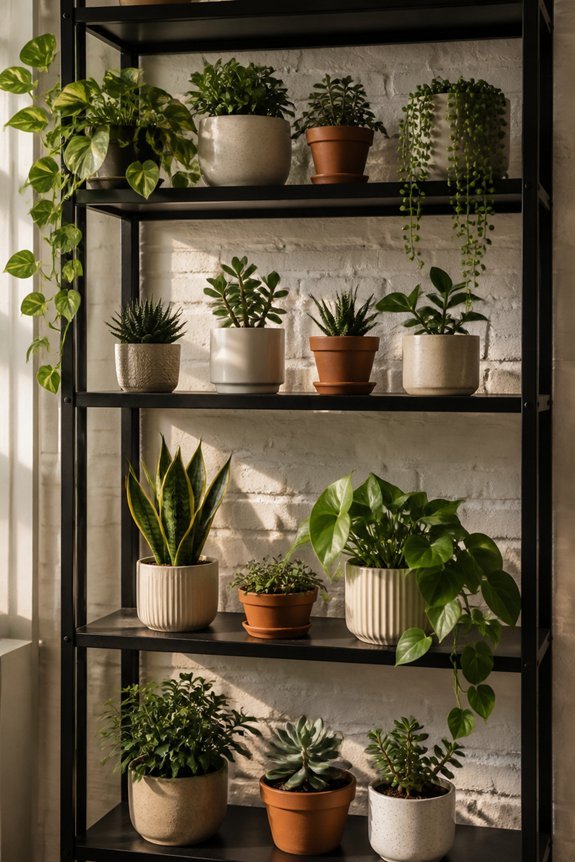
Why Industrial Metal Works
Bold plant collections need shelving that holds up. Industrial metal delivers strength and style together. Wrought iron, steel, and aluminum come in black, bronze, or raw finishes.
These materials handle real weight. Your shelves won’t sag under large specimens or trailing vines. Brackets run 12 to 24 inches deep, so heavy ceramic and terracotta sit securely. Open designs let air move freely around leaves and stems. This keeps plants healthier over time.
Metal pairs naturally with exposed brick and concrete. It fits minimalist spaces just as well. Adjustable models adapt as your collection grows. Always mount into studs or use heavy-duty anchors. Proper installation keeps everything stable and safe.
Stacked Corner Shelf Gardens for Compact Nooks
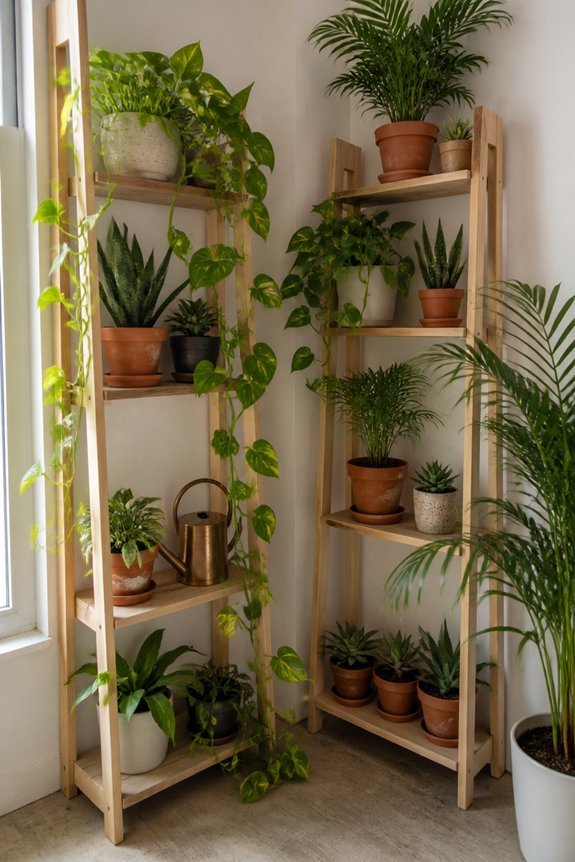
Corner spaces often go to waste in small homes. Stacked corner shelf gardens turn these awkward spots into thriving plant displays. They build upward instead of outward, saving precious floor space.
These shelves fit neatly into bedrooms, bathrooms, and living rooms. Ladder-style and triangular metal frames hold plants of different sizes. Trailing vines cascade from upper tiers. Medium plants fill the middle. Large potted friends anchor the bottom.
Spacing between shelves matters. Plants need light from above and the sides. Most corners get gentle, indirect sun. This makes them perfect for pothos, snake plants, and ferns. You can grow more greenery without the cluttered look.
Floating Box Shelves for Sculptural Plant Groupings
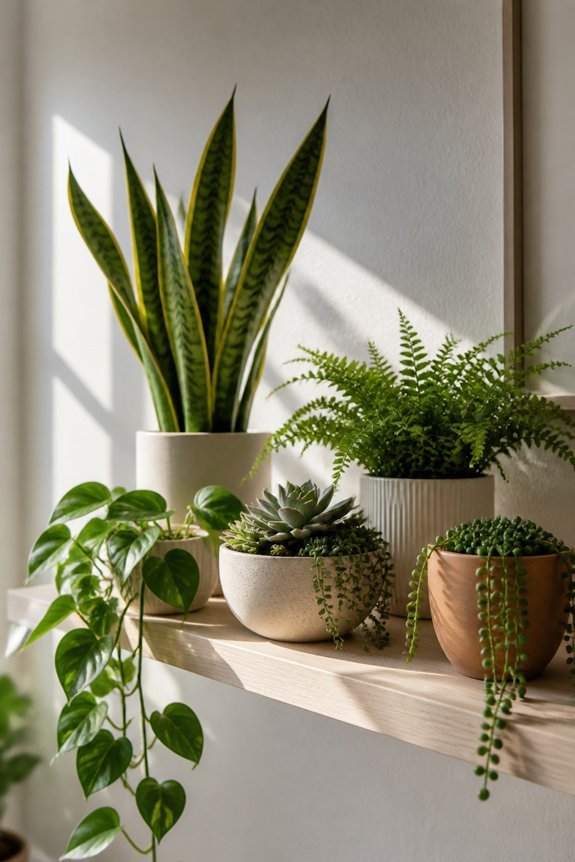
Floating box shelves turn your walls into living galleries. These display areas let you arrange plants as sculptural groupings. Individual specimens become unified compositions.
Most shelves span 12 to 24 inches wide. They attach directly to walls without visible brackets. This creates clean, minimal lines.
Building Your Composition
Start with height as your foundation. Tall plants like snake plants or dracaenas anchor the back. Medium specimens such as philodendrons fill middle spaces. Trailing varieties like pothos or string of pearls soften front edges.
Layer by texture and color to tie everything together. Each plant should play a distinct role. The result feels intentional rather than random.
Installation Basics
Wall studs provide the most secure support. Heavy-duty anchors work as an alternative. Factor in combined weight of shelves, soil, containers, and mature plants.
Stack shelves vertically for lush, layered effects. Leave enough clearance between levels for growth and easy watering. This approach stretches your wall space beautifully.
Vintage Bookcase Styling With Mixed Plant Heights
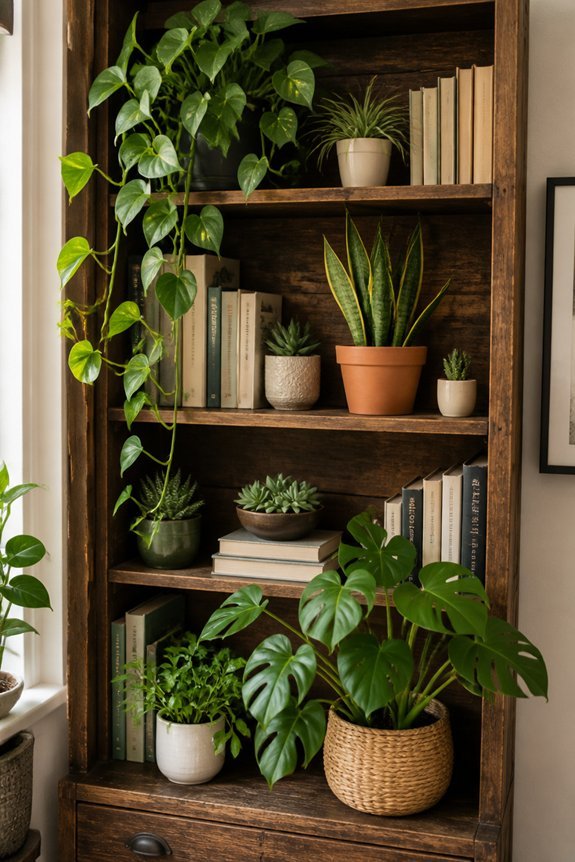
Layering Heights for Visual Impact
Vintage bookshelves bring structure to botanical displays. They let you mix plants at different heights for a layered, interesting look.
Tall plants like fiddle leaf figs work best on upper shelves. They draw the eye upward and anchor the display. Medium plants such as pothos sit comfortably on middle levels. Trailing varieties soften edges nicely. String of pearls works beautifully draped over shelf fronts.
Filling Spaces Naturally
Small succulents and air plants tuck neatly between books. This prevents empty gaps and keeps the arrangement full. Books themselves add contrast to all that green. Try stacking some horizontally to create mini platforms for tiny pots.
Varying textures and leaf shapes keeps things from looking flat. Mix smoother leaves with spiky or ruffled ones. Different green tones add depth without clashing.
A Practical Combination
Vintage shelving merges storage with living decor. You get functional furniture that also displays your plant collection. The result feels cohesive and intentional rather than cluttered.
Vertical Plant Shelf Walls for Small Spaces
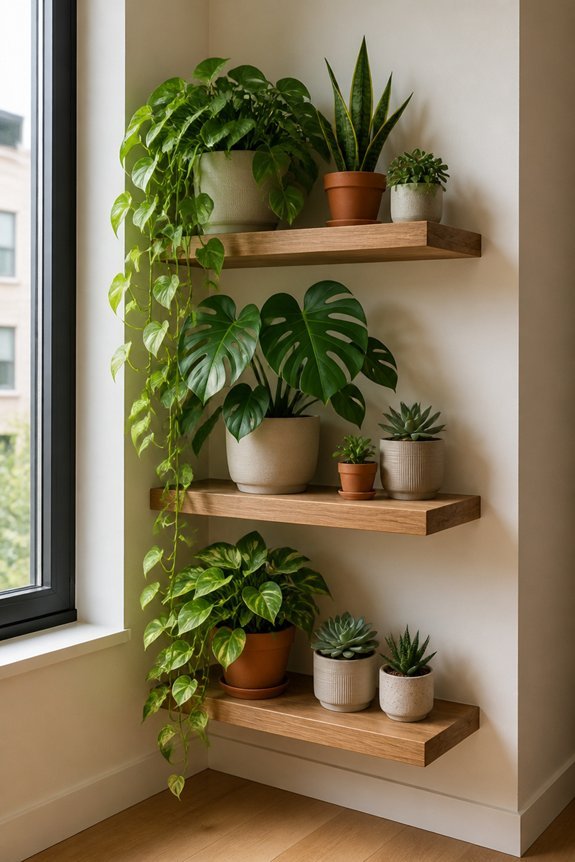
Vertical Plant Shelves for Small Spaces
When square footage runs short, vertical plant shelf walls solve the space problem. Mount shelves on walls to create growing space without consuming floor area. This makes them practical for apartments, small bedrooms, and tight corners.
Staggered shelving arrangements accommodate plants of varying sizes. Trailing pothos and compact succulents fit comfortably side by side. Wall-mounted options include floating shelves, ladder-style organizers, and tiered metal stands.
Plants benefit from vertical placement in two key ways. Air circulation improves, and light exposure increases throughout the arrangement.
Popular configurations feature three to five shelves. Space them eight to twelve inches apart for easy access. Corner installations maximize unused wall space effectively.
Snake plants, philodendrons, and string of pearls thrive in vertical arrangements. Choose lightweight containers to prevent structural strain on walls. Proper anchoring guarantees stability and safety for your growing collection.
Macramé and Shelf Combinations for Bohemian Vibes
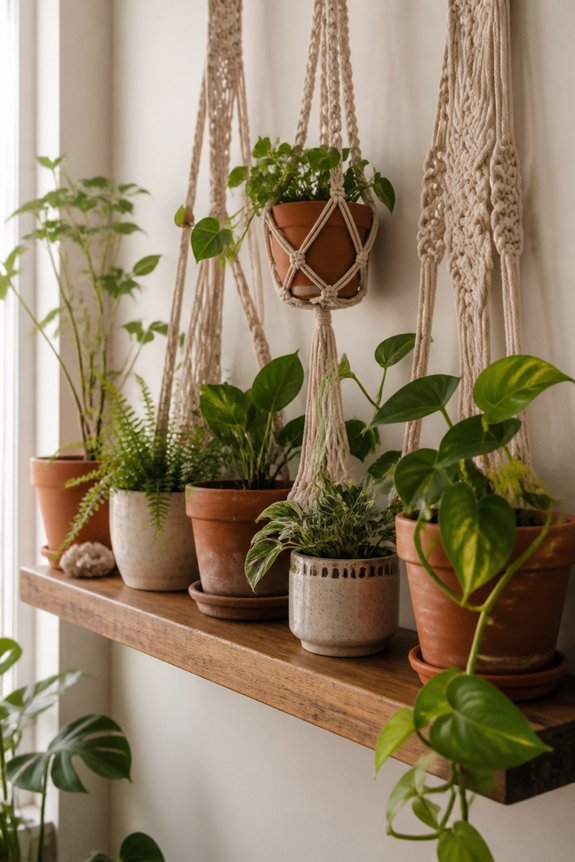
Macramé plant hangers paired with wall shelves create a layered, textured aesthetic. This combination blends vertical and horizontal elements to maximize space. It also keeps visual interest alive in any room.
Hang macramé pieces above shelves for added depth. This simple trick prevents surfaces from looking cluttered. Natural materials like jute, cotton, and hemp work best for that organic feel.
Style shelves with trailing plants such as pothos or string of pearls. Add terracotta pots and woven baskets for extra warmth. Wooden shelves in walnut or reclaimed finishes complete the look.
Vary shelf heights and hanger lengths for visual variety. This creates an effortless, collected feel rather than a rigid display. Small changes in placement make a big difference.
This setup suits bedrooms, living rooms, and reading nooks. It offers functional plant storage while covering walls with decorative charm. The result feels cozy, personal, and unmistakably bohemian.
Frequently Asked Questions
How Do I Prevent Plant Shelves From Damaging My Walls or Affecting My Security Deposit?
One should use damage-free adhesive strips rated for shelf weight or install shelves into wall studs. Renter-friendly options include tension rods, freestanding plant stands, or leaning shelves against walls to preserve deposits.
What’s the Maximum Weight Capacity I Should Consider for My Plant Shelves?
Like a bridge bearing its load, shelves must anchor securely. Most wall-mounted plant shelves safely hold 25-50 pounds, depending on stud placement and hardware quality. One should verify manufacturer specifications and never exceed rated capacity.
How Often Should I Rotate Plants on Shelves for Even Growth and Light Exposure?
Plants should be rotated every one to two weeks for balanced growth. This practice guarantees even light exposure on all sides, promoting uniform development and preventing one-sided growth patterns toward light sources.
Which Plants Are Toxic to Pets and Shouldn’t Be Placed on Accessible Shelves?
Toxic plants include lilies, sago palms, dieffenbachia, philodendrons, oleander, and azaleas. These should remain on high shelves away from curious pets. Symptoms of ingestion include vomiting, diarrhea, and lethargy.
How Can I Create Proper Drainage Systems for Potted Plants on Indoor Shelves?
Drainage holes in pot bottoms align perfectly with shelf placement. One positions waterproof trays beneath pots, ensuring excess water channels away. Elevated shelving allows air circulation underneath, preventing moisture accumulation and root rot effectively.
Conclusion
Creating an indoor plant display involves selecting appropriate shelf types, considering light conditions, and arranging greenery at varying heights. Floating corner shelves accommodate trailing specimens, while ladder units maximize vertical space. Geometric wall mounts offer contemporary aesthetics, and single shelves highlight focal plants. Windowsills suit sun-loving varieties. These arrangements transform living spaces into verdant environments, combining practicality with visual organization for plant enthusiasts managing multiple botanical specimens.