

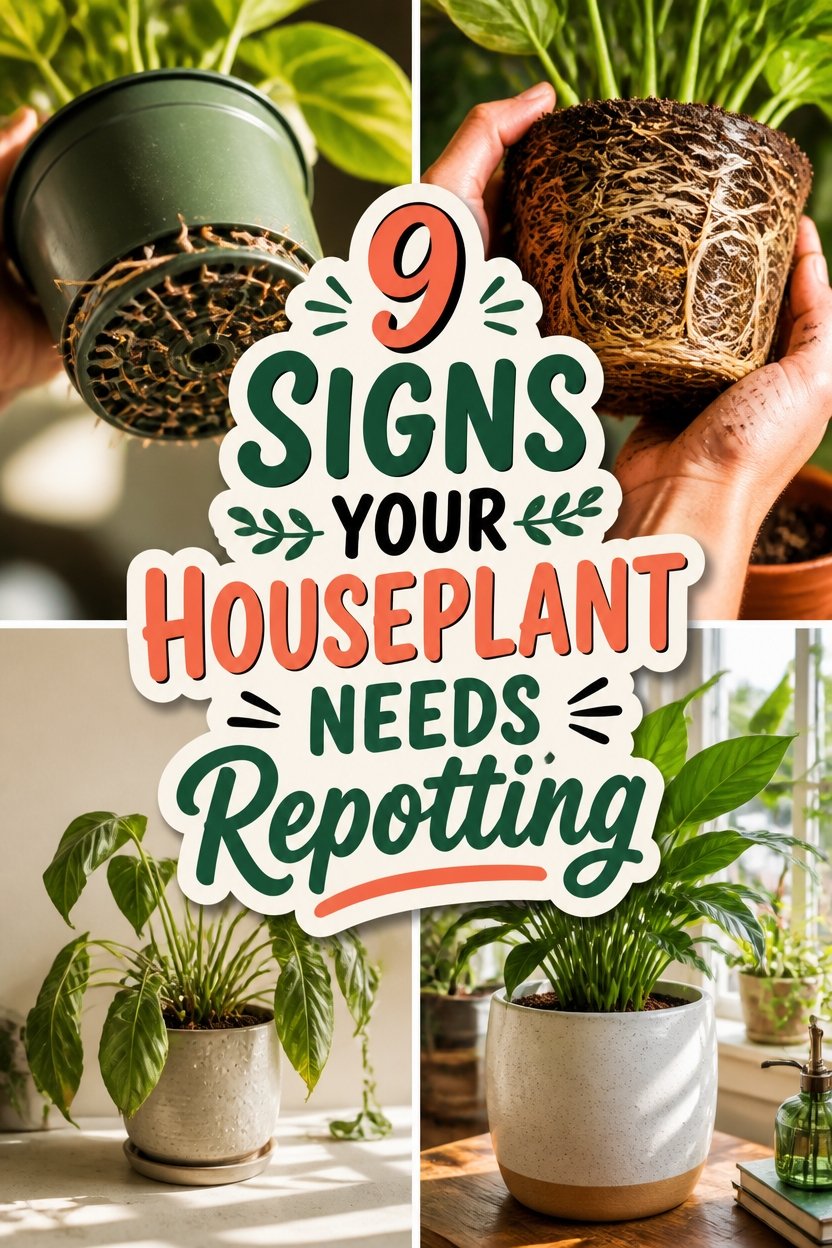
Your houseplant rarely announces it needs a new pot outright. The signs tend to be quiet instead, soil drying faster than usual, a leaf that stays small when everything else looks fine, roots just starting to peek through the bottom.
I nearly lost a pothos years ago because I completely missed the signs until it was tipping over on my shelf.
Crowding happens gradually, which is exactly why it’s easy to overlook. Roots circling the inside of the pot, soil that won’t hold moisture no matter how often you water, a plant that just stops putting out new growth.
These nine signals give you a clear way to catch the problem early, before your plant starts visibly struggling. Spotting them sooner makes the whole process feel a lot less like guesswork.
A Few Things I Wish I Had Known Earlier
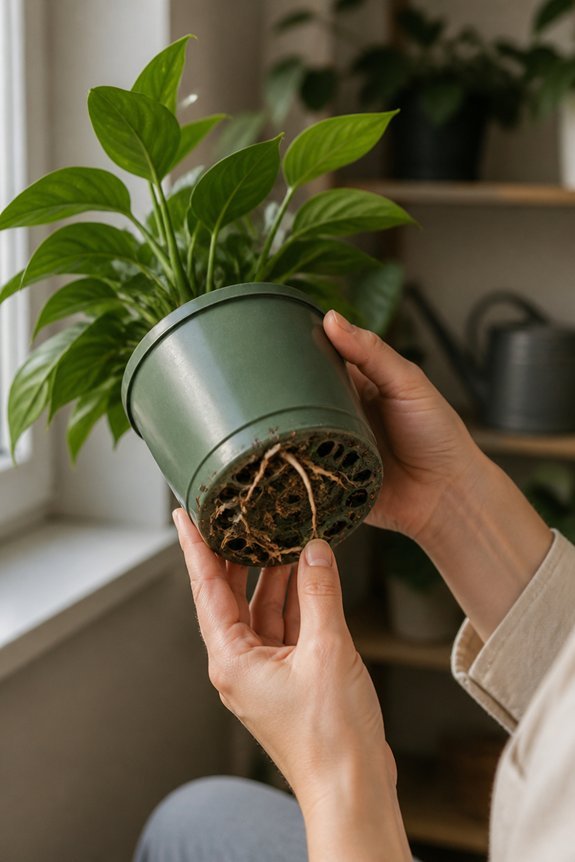
Checking under your pots regularly catches root crowding long before it becomes an emergency. It takes ten seconds and tells you a lot about what’s happening beneath the soil.
Not every plant needs repotting on the same timeline. Fast growers like pothos might need it twice a year, while something like a snake plant can comfortably wait 18 months or more.
Sizing up gradually matters more than people realize. Jumping to a pot that’s way too big can actually cause more problems than staying slightly cramped a little longer.
9 Signs Your Houseplant Needs Repotting
Most of these signals show up quietly before they turn into something more obvious, like wilting or a plant that tips over on its own. Catching them early means a quick, low-stress repotting instead of trying to rescue a struggling plant later.
I’ve broken these down by what you’ll actually notice day to day, from roots on the surface to a plant that’s simply stopped growing despite good care.
Take a look through and see which signs you might be noticing in your own plants right now.
Roots Growing Through Drainage Holes
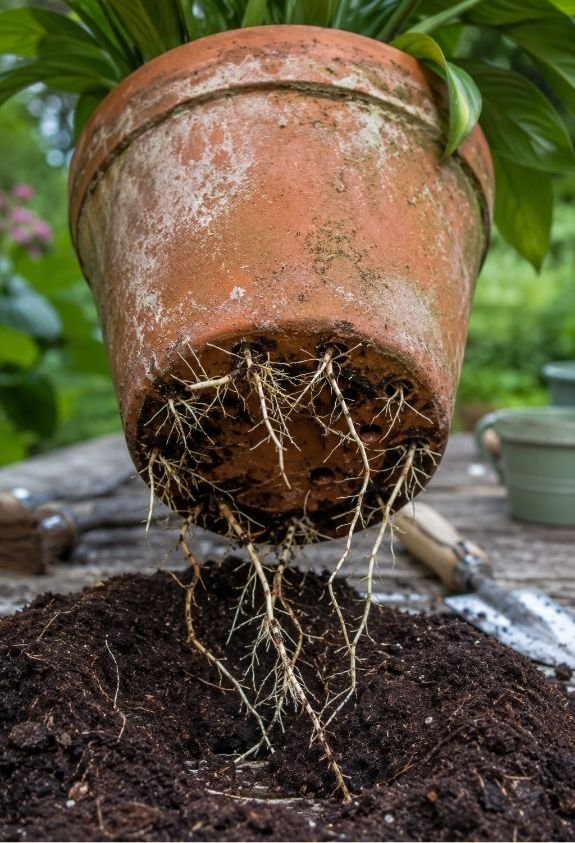
Roots poking through drainage holes are a clear sign your houseplant needs more space. This happens when the plant has filled its pot completely. It is time to move it to a larger container.
Pothos, philodendrons, and spider plants often show this behavior. Their roots naturally search for water and nutrients. Eventually they occupy every bit of soil available. After that, they circle around or push through the holes below.
Check under your pots regularly to spot this early. Seeing roots means you should repot within one to two weeks. A pot one to two inches wider usually gives your plant room to grow comfortably.
Also read: 10 Bathroom Houseplants That Love Humidity
Visible Roots on the Soil Surface
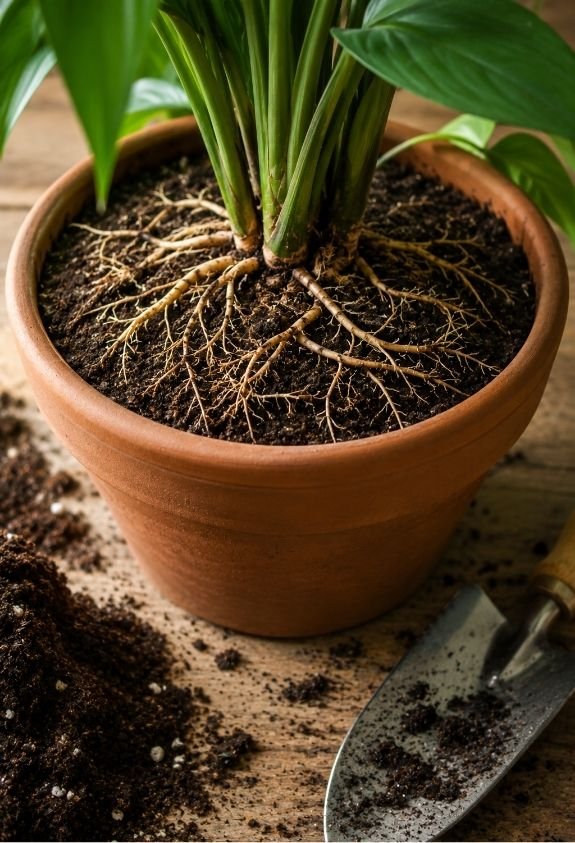
Surface roots mean your plant needs more room. This happens when the container becomes too small.
Fast growers like pothos and spider plants show this sign often. The roots creep upward searching for space and nutrients. They also dry out faster when exposed to air.
Check your plant after watering. Matted or circling roots call for repotting. A larger container with fresh soil restores healthy growth.
Circling or Matted Roots
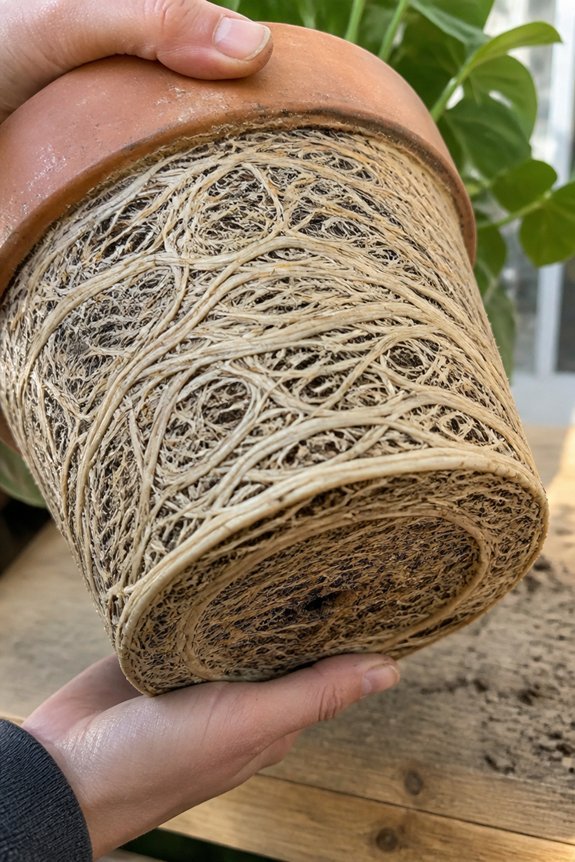
Root circling happens when roots keep wrapping around the inside of a pot. They cannot reach fresh soil to grow further. This is called root binding, and it occurs when a plant outgrows its container.
Soon the roots become matted and pressed together. They form a thick, dense mass. You might spot roots poking through drainage holes or showing along the pot sides. When you remove the plant, the root ball looks tightly packed.
Spider plants, pothos, and philodendrons often experience this problem. Matted roots block water and nutrient uptake. Growth slows down, and leaves may wilt even with regular watering.
The fix is simple. Repot into a larger container with fresh soil. This gives roots room to spread naturally. Your plant can then absorb water and nutrients again.
Soil Dries Out Faster Than Usual
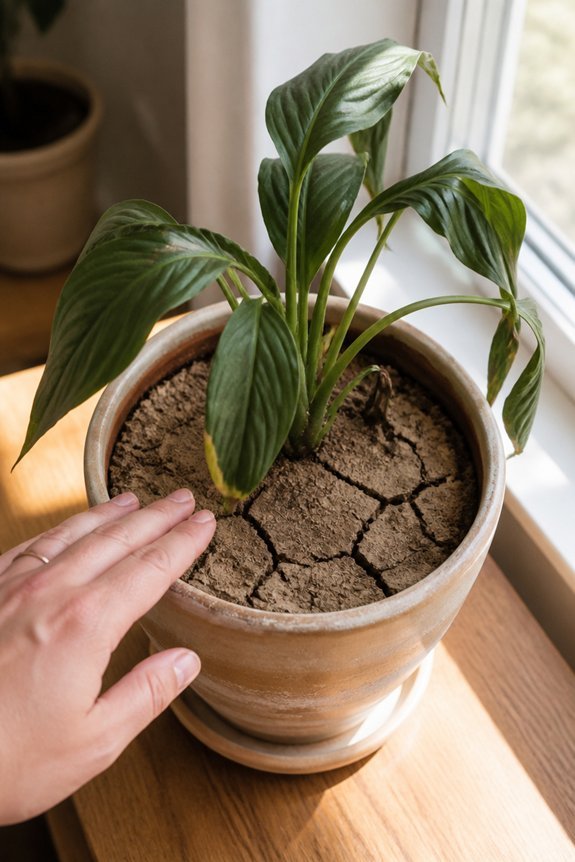
When soil in a pot dries out noticeably faster than before, the plant likely needs repotting. Roots have filled the entire container. This leaves minimal soil space to retain moisture.
A rootbound plant absorbs water quickly. The soil may dry within days rather than weeks.
Several factors indicate this problem. The plant needs watering more often than it used to. Water runs straight through the pot without absorbing. Leaves wilt even when you water regularly.
Common houseplants prone to this include pothos, snake plants, and spider plants. These species grow fast. They quickly exhaust their containers’ resources.
When drying speeds up considerably, repotting becomes necessary. Move the plant to a larger container with fresh soil. This restores proper moisture retention and supports healthy growth.
Your Plant Has Stopped Growing
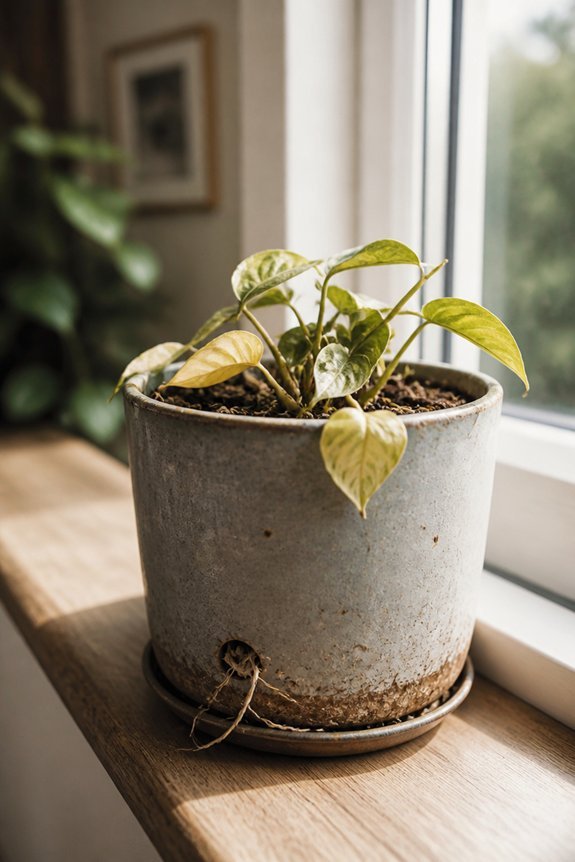
Stagnation signals that a plant’s container has become too restrictive. Roots need room to expand. Without it, they cannot absorb nutrients and water efficiently.
A plant stuck in the same pot for one or two years often shows minimal growth. This happens even with adequate light and water.
Watch for slower leaf development and smaller new leaves. Yellowing foliage is another warning sign. The plant may look pale or weak.
Fertilizing helps less when roots have no space. The system simply cannot utilize what you provide.
Repotting into a larger container solves this. Choose one one to two inches wider. Fresh soil supplies nutrients the old mass depleted.
Growth typically restores within weeks.
Stunted Growth Despite Regular Watering
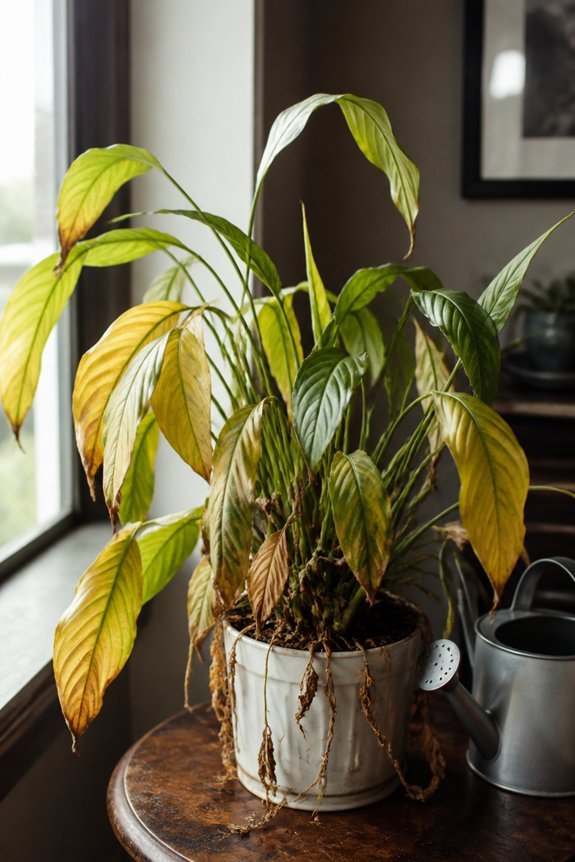
A plant may stop growing even with faithful watering. This usually points to compacted soil. The roots can no longer absorb nutrients or oxygen properly. Moisture alone cannot fix this problem.
Compacted soil traps the roots. They cannot expand or find fresh food. The plant sits in water but still starves.
Root-bound plants face a different challenge. Their roots circle the pot instead of stretching outward. Pothos, snake plants, and peace lilies often struggle with this. They burn through available nutrients quickly. Then they have nowhere left to grow.
Regular watering will not help here. The plant needs more room and fresh soil. Repotting into a larger container solves the issue. New soil restores what the roots need to thrive.
The Plant Becomes Top-Heavy or Unstable
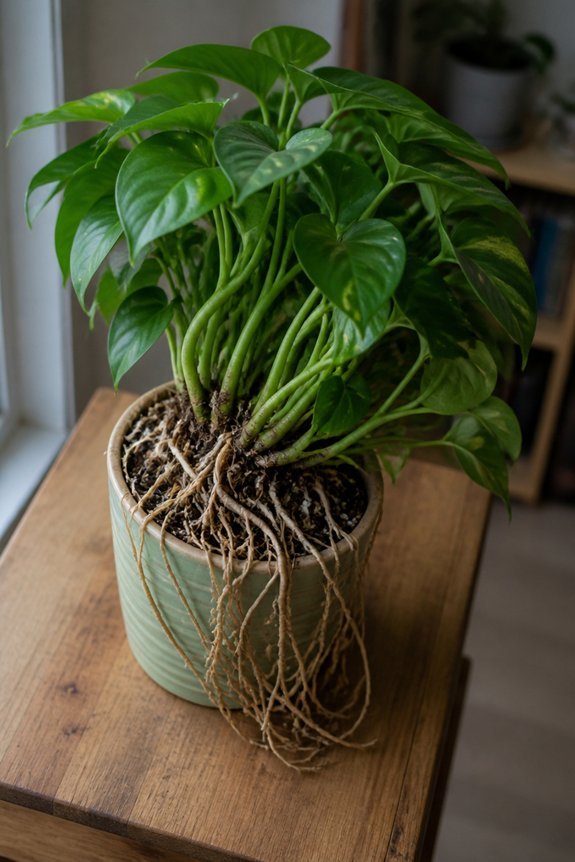
Why does a thriving plant sometimes tip over in its pot? As plants grow larger, their root systems expand and fill the soil completely. The increased foliage and stems create more weight above the soil line. This makes the plant top-heavy and unstable in a container that no longer fits properly.
Signs include frequent tipping, wobbling when touched, or the plant leaning noticeably to one side. A pot that feels too small relative to the plant’s size often causes this problem.
Monstera deliciosa, fiddle leaf figs, and tall snake plants commonly become top-heavy as they mature.
Repotting into a slightly larger container provides better stability and support. A container with appropriate width and depth distributes weight more evenly. This prevents the plant from becoming unbalanced during normal movement or growth.
Repotting Time: The One-Year Rule
Regular repotting keeps plants healthy, even when they look fine. Most houseplants do best with fresh soil about once a year. Spring and early summer work well, since that’s when plants grow actively.
Fast growers like pothos and philodendrons might need repotting twice a year. Slower plants such as snake plants and ZZ plants can wait around 18 months. Repotting on schedule stops roots from getting cramped. It also gives plants fresh nutrients to work with.
A yearly routine builds stronger roots and better nutrient uptake. You’ll avoid drainage issues and stunted growth down the road.
Frequently Asked Questions
What Is the Best Season or Time of Year to Repot My Houseplants?
Spring is really the ideal window for this. Plants enter their active growth phase around then, which helps them establish new roots quickly once they’re in fresh soil.
Early summer works as a solid backup if you miss the spring window. Repotting during dormant periods tends to stress plants more, so it’s worth waiting if you can.
How Do I Choose the Correct Pot Size When Repotting My Plant?
Go up just one to two inches in diameter from your current pot. That gives roots enough room to spread without leaving too much empty soil around them.
Excess soil that isn’t being used by roots tends to hold onto moisture longer than it should, which can lead to rot. Staying modest with your size increase actually protects your plant better than going big all at once.
What Type of Soil Should I Use When Repotting My Houseplant?
A potting mix formulated specifically for houseplants is your best bet. Look for one containing peat moss, coconut coir, or bark, since these all support proper drainage and aeration.
Adding a bit of perlite improves drainage even further. It’s a small addition that goes a long way toward preventing root rot down the line.
Can Repotting Shock Harm My Plant, and How Do I Prevent It?
It can, and some temporary wilting after repotting isn’t unusual at all. The key is minimizing how much you disturb the roots during the process itself.
Keeping your watering consistent afterward helps the plant settle in without added stress. Hold off on fertilizing right away too, and give your plant a few days in indirect light rather than moving it straight into bright, direct sun.
How Often Should I Repot My Houseplant After the Initial Repotting?
Most houseplants do well with repotting every 12 to 18 months during their active growing season. That timeline keeps roots from getting cramped again too quickly.
Slower growers can often stretch that out to every two or three years instead. Really, the best guide is watching for the same signs that told you it was time the first time around, like roots at the drainage holes or soil drying unusually fast.
CONCLUSION
Repotting really is just giving your plant a fresh start with more room to actually thrive. It’s a small task that makes a bigger difference than most people expect.
That pothos I nearly lost years ago taught me to actually check under my pots instead of assuming everything was fine just because the leaves still looked green. It’s a habit I’ve kept ever since.
Learning to recognize these nine signs takes the guesswork out of plant care in a way that regular watering schedules alone never quite manage. Once you know what to look for, repotting stops feeling like a mystery and starts feeling like routine maintenance.
Don’t wait until your plant is visibly struggling to check in on its roots. The earlier signs, like soil drying faster than usual, are honestly the easiest ones to catch if you’re paying attention.
A little consistency here goes a long way. Plants that get repotted on a reasonable schedule tend to reward you with steadier, more reliable growth over the years.
I’d love to hear which of these signs you’ve noticed in your own plants, or if you’ve got a repotting story of your own. Leave a comment and let me know.