

A gentle breeze carries something unexpected past the mailbox. Basil. Rosemary. Maybe a hint of thyme. It stops neighbors mid-step.
Your front yard could do this. Herb gardens transform ordinary lawns into spaces that work harder. They look polished. They smell incredible. And unlike most landscaping, you get to eat the results.
Some setups fail, though. Too much sun here. Poor drainage there. The trick lies in choosing the right approach for your space. Raised beds suit bright, open areas. Vertical gardens tuck neatly beside doorways. Containers line paths with scent and color.
Purpose matters more than perfection. A small cluster of mint near the steps beats an ambitious plot you abandon by July.
Start with what you’ll actually tend. Let the aroma do the rest.
Build Classic Raised Herb Beds for Year-Round Growing
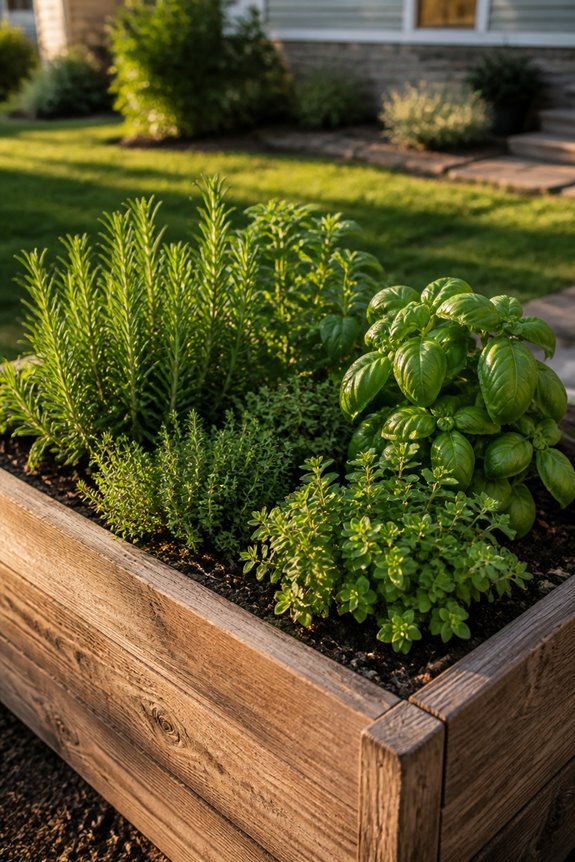
Want fresh herbs steps from your kitchen? A raised bed changes everything.
Your herbs grow stronger in a raised bed. Water drains fast. Soil warms early. Weeds lose their grip fast. Untreated lumber works best. Grab four boards, each about 2 feet by 4 feet, and screw them together. Fill with quality potting mix. Plant basil, rosemary, thyme, and mint. These plants keep producing even when frost hits. Your front yard becomes useful and beautiful. Neighbors notice. Guests lean in to sniff. You get to point to your own creation with pride.
Also read: 24+ FRONT YARD FLOWER GARDEN Plans That Stay Pretty!
Create Container Gardens That Adapt to Any Space
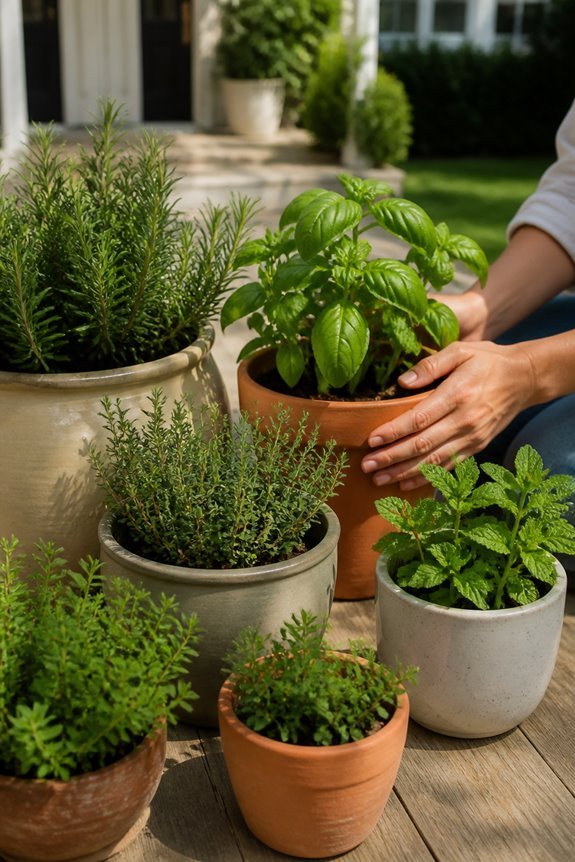
No yard? No problem. You can grow a thriving garden in whatever space you actually have.
Clay pots, wooden boxes, even old buckets will do the job. A 12-inch pot hosts basil perfectly. Mint needs 18 inches because it spreads like crazy. You control the layout. Arrange your containers on porches, patios, or that sunny patch of driveway you never use. Move them whenever you want. Think of it as rearranging furniture, except everything smells better.
Try grouping pots by color. Terra cotta next to purple petunias looks sharp. Space containers 6 inches apart so air flows freely. Your plants stay perky instead of drooping. Mix herbs together too. Basil, oregano, and thyme make friendly neighbors. You skip the digging. You pull fewer weeds. You call every shot. And when winter hits? Carry your herbs inside instead of letting them turn to ice.
Hang Planters and Wall-Mounted Herb Gardens for Vertical Growing
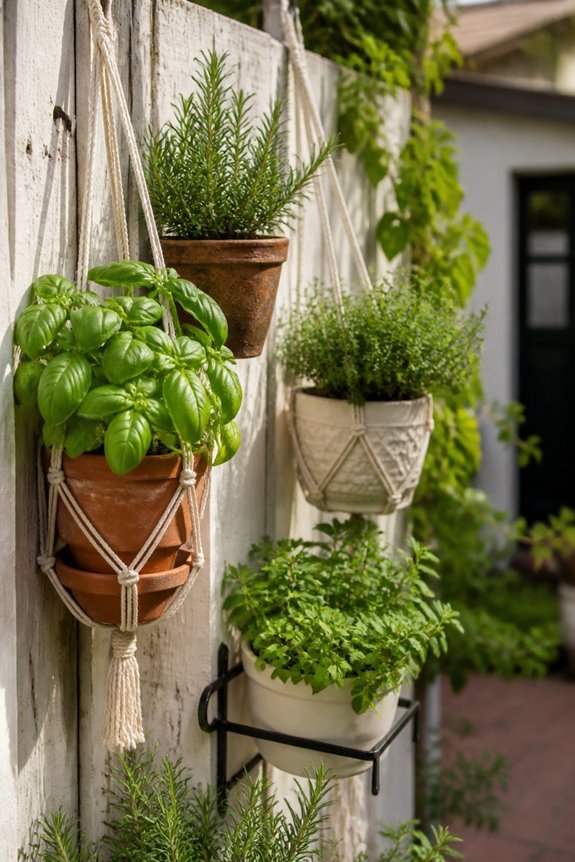
Running out of room for your herb garden? You’re not alone. Those tiny yards and apartment balconies leave little space for growing your own basil and thyme. That’s where hanging planters and wall-mounted gardens save the day.
You’ll love how simple this is. Grab sturdy brackets and mount shallow pockets or 6-inch planters right onto fences or exterior walls. Basil, oregano, and thyme actually prefer these snug conditions. No ground space required. Hanging baskets work beautifully too. Just suspend them from pergolas or shepherd’s hooks at eye level. Your back gets a break since you’ll harvest standing up, not bent over in the dirt. Arrange everything in staggered patterns. This looks prettier and helps sunlight reach each plant. Bonus points? Fewer slugs munching your crops, plus neighbors will definitely notice your gorgeous living wall.
Design Spiral Herb Gardens That Maximize Small Spaces
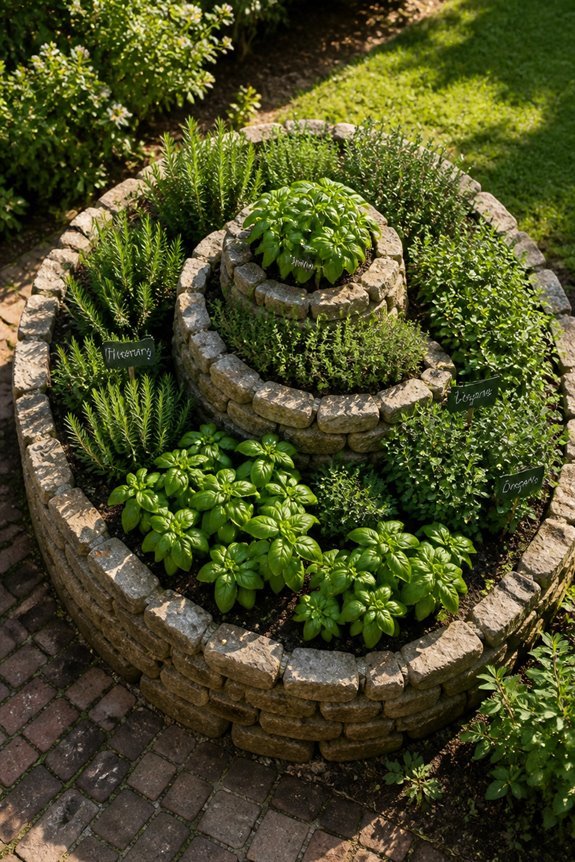
Running low on space but craving fresh herbs? A spiral garden might be your new best friend.
Picture a cone-shaped tower built from stacked stones or wooden rings, reaching about three feet high. That’s your spiral. You can pack way more plants here than in a flat bed of the same size. Basil settles near the bottom where the soil stays moist. Rosemary and thyme climb higher, enjoying the drier conditions up top. It’s like giving each herb its own perfect apartment.
Water drains naturally through the spiral, so your roots stay happy and healthy. Sun hits every level a bit differently too. This means you can match each plant to its ideal light zone. Got a tiny front yard that feels awkward with rectangular beds? A small spiral fits right in. And honestly? It looks incredible, like a tiny green whirlwind you planted on purpose. You don’t need expert skills here. Just some rocks, soil, and a free afternoon.
Plant Cottage Garden Borders With Mixed Herbs and Flowers
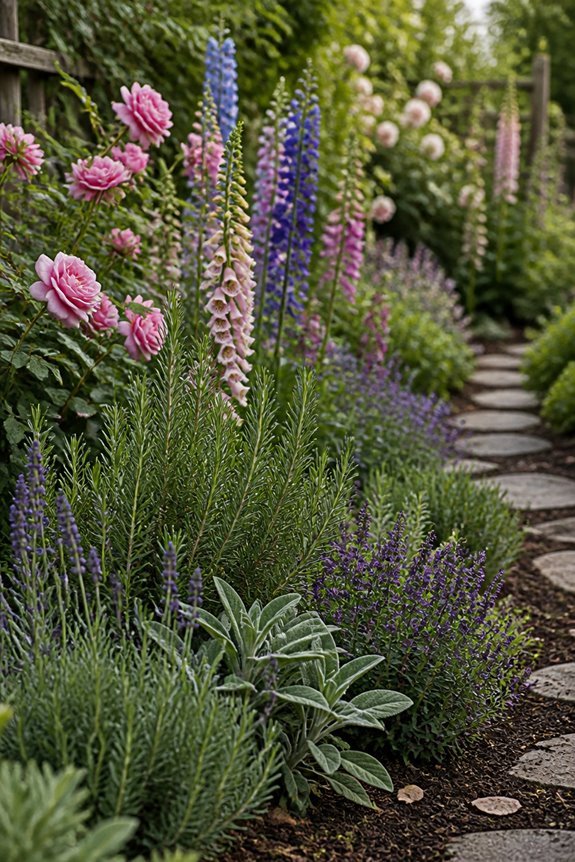
Cottage garden borders give you permission to relax. No rigid lines. No perfect symmetry. Just you, some herbs, and a whole lot of color.
Start with your walkway. Mix lavender and rosemary with zinnias and marigolds. Plant them in loose, wiggly rows about 12 inches apart. Let them look like they happened naturally. Purple lavender spilling into orange calendula is exactly the point. The bees will thank you. So will your nose.
You get an edible border that doubles as pollinator heaven. Neighbors will slow down to stare. Tell them it’s just organized chaos. They don’t need to know how easy it was.
Mediterranean-Style Herb Gardens With Stone and Gravel
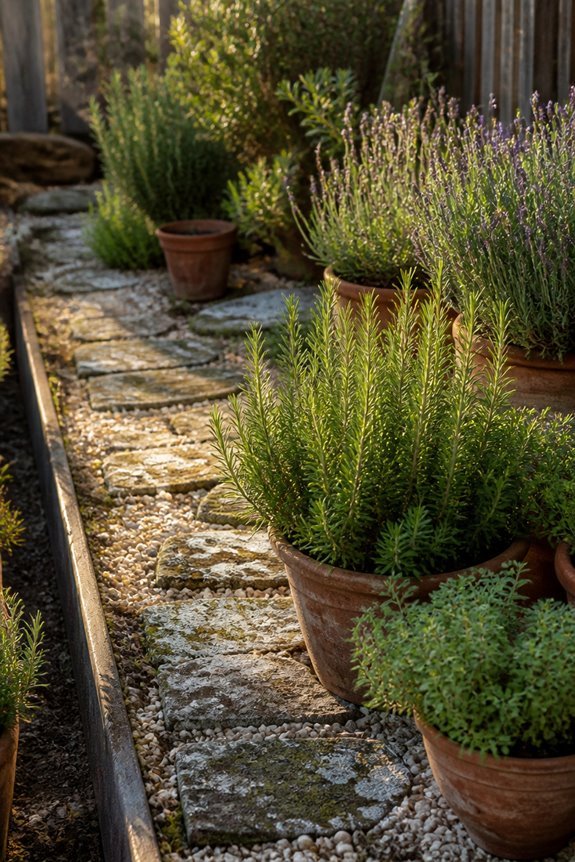
Want something neat but not boring? Mediterranean herb gardens hit that sweet spot. Think warm gravel paths and rough stone. It’s relaxed, but it still looks intentional.
Lay down tan or cream gravel first. Let your paths curve a bit, like they lead somewhere worth wandering. Drop in flat stones every few feet. That way you can pause and prune without sinking into the ground. Tuck rosemary, thyme, and oregano into rocky spots. These herbs actually thrive when you neglect them a little. Less water, less fuss, more flavor.
Dot a few terracotta pots around the edges. Add one small stone bench if you have the room. Now your front yard smells like a hillside in Provence. And you barely had to lift a finger.
Install Window Box Gardens for Easy Kitchen Access
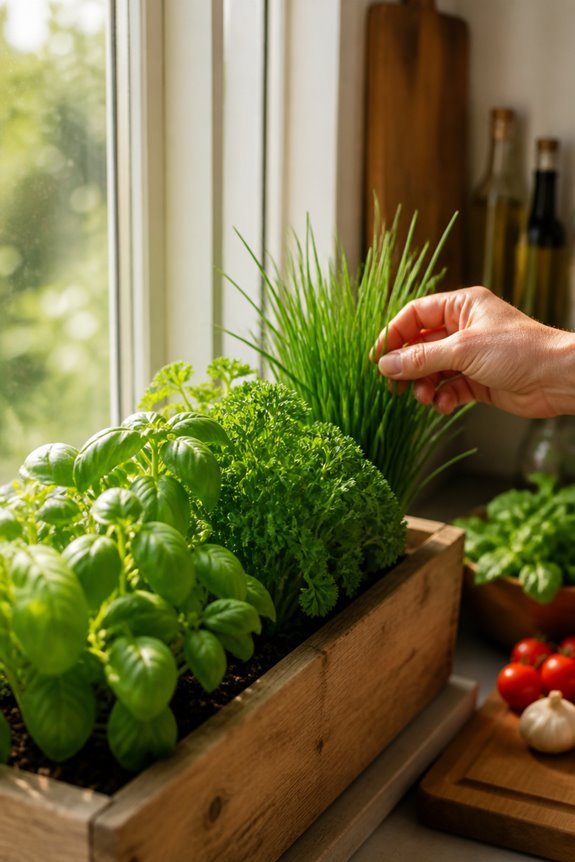
Want fresh herbs without the hassle? Window box gardens were made for you. These 24-inch wooden boxes sit right outside your kitchen, holding basil, parsley, and chives.
No bending required. No walking to the garden. Just open the window and snip what you need. Your herbs stay happy with 6 to 8 hours of daily sun.
Start with well-draining soil and small plants. Water when the top inch feels dry.
Watch out for mint, though. It spreads fast, so give it its own pot or it will take over everything else.
Your window box doubles as decor. Picture terra-cotta pots and trailing rosemary spilling over the sides. Fresh herbs stay within arm’s reach. Cooking smells amazing. And you barely lifted a finger.
Arrange Tiered Planters for Visual Depth
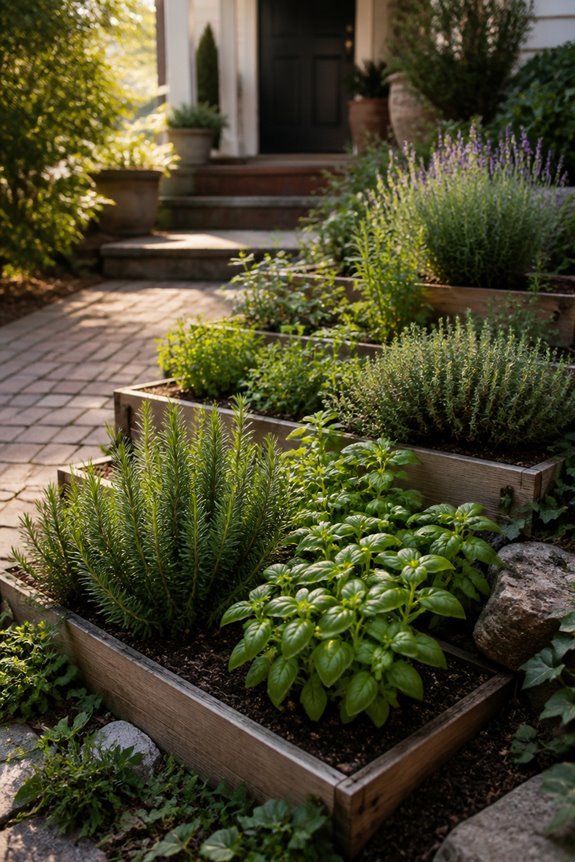
Want a front yard that stops foot traffic without stopping your wallet? Build up instead of out. A tiered planter stack turns three simple pots into a mini herb skyscraper.
Grab planters in graduated heights. Twelve, 18, and 24 inches work perfectly. Arrange them in a loose pyramid, tallest at the back. Tuck trailing basil into that top pot so it cascades over the edges like a green waterfall. Your middle tier loves upright herbs like rosemary and thyme. Save the base for chunkier growers such as oregano.
This setup does more than look impressive. Each level gets its own slice of sunlight, so your herbs aren’t fighting for rays. Air flows between the layers. Water drains properly instead of pooling. You pack more plants into less space, and visitors notice this living sculpture before they even reach your door. Best part? You built it without emptying your savings or throwing out your back.
Build Herb Spirals With Built-In Drainage Systems
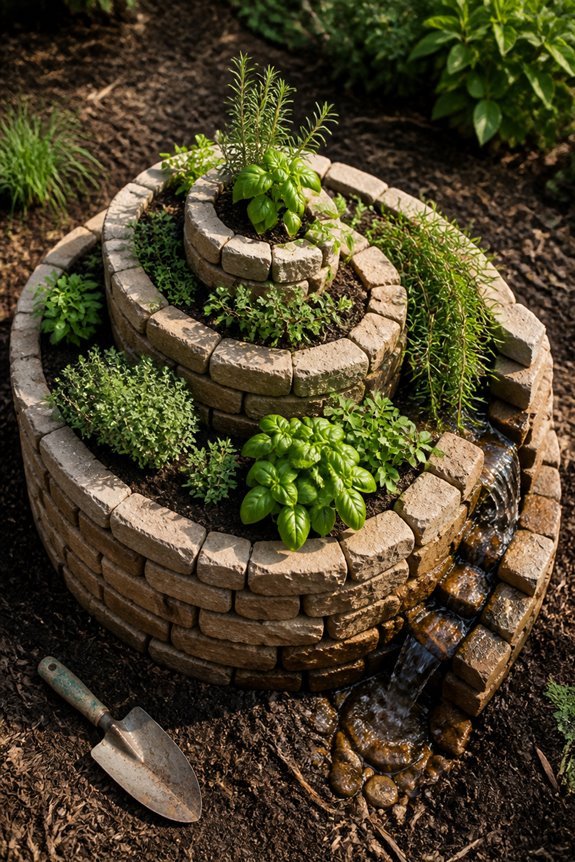
Ever feel like your yard is shrinking but your herb collection keeps growing? A spiral herb tower solves both problems in one go. Think of it as a green tornado that touched down right where you need it. You get tons of growing space without eating up your lawn.
Here’s how you build it. Start with a wide base using terracotta or stone blocks. Stack each new layer slightly inward so it naturally tapers upward. Drill drainage holes between levels, or stick with porous materials that let water escape on its own. Your spiral now channels water down the sides instead of drowning your plants. No swamp basil. No root rot. Just happy herbs.
Plant thyme and oregano along the outer edges. They’ll spill over like tiny green waterfalls. Tuck your taller herbs, rosemary or sage, toward the top where they catch the most sun. You now have a vertical garden that looks like magic but runs on smart design. Your neighbors might start asking questions. Let them wonder.
Use Galvanized Troughs in Modern Front Yards
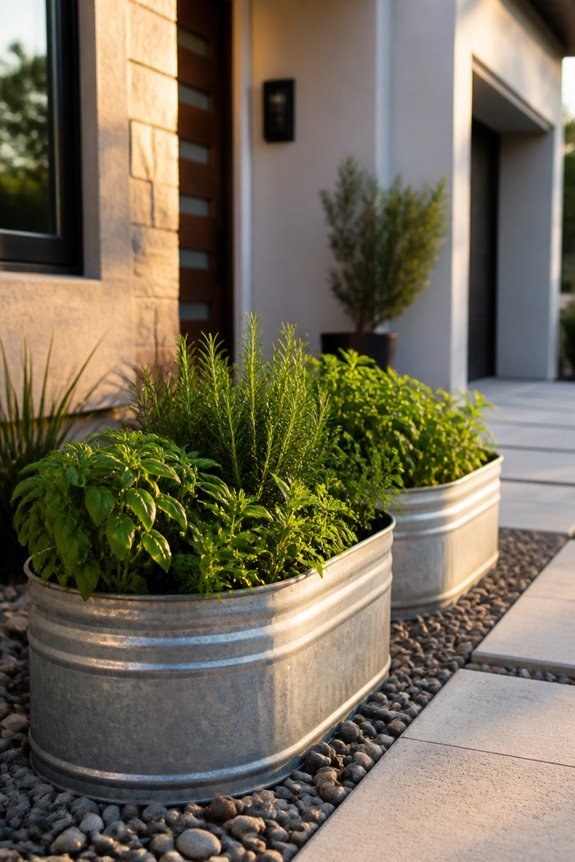
Want a front yard that turns heads without the usual hassle? Galvanized troughs are your answer. These metal planters look sharp against modern homes. They drain properly too, so your herbs stay happy, not soggy.
You can fit a surprising amount in a standard 3-foot trough. Think basil, rosemary, and thyme all thriving together. Line them along your walkway or group them by your front door. You’ll grab fresh herbs on your way to the kitchen without missing a step.
The silvery-gray finish works everywhere. It plays nice with sleek contemporary lines or cozy cottage charm. No need to overthink your style match.
Wood planters rot. These don’t. Rain, heat, frost, they handle it all. Your herbs get a sturdy home, and you get a front yard that actually looks intentional.
Create Keyhole Gardens: Circular Designs That Maximize Yield
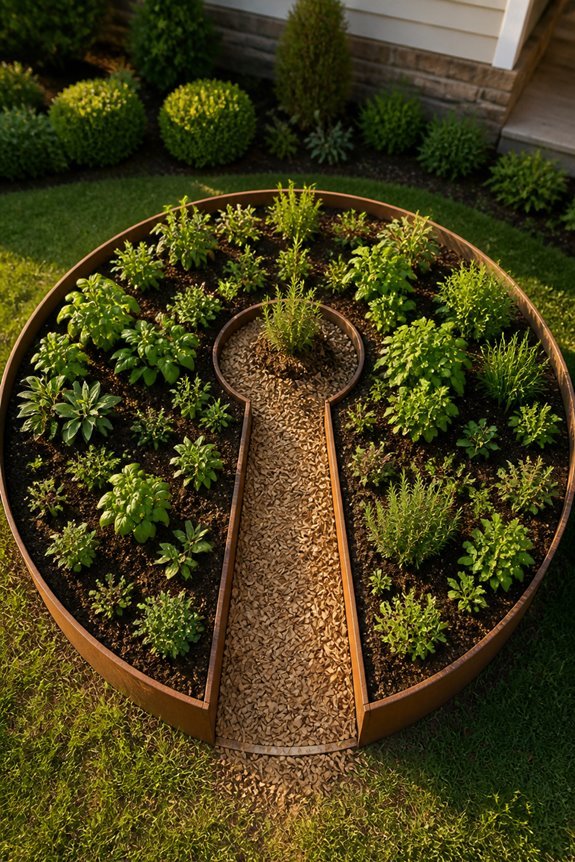
Tired of flat, boring garden beds? Keyhole gardens flip the script with a smart circular design. You get a round bed with a narrow path cut right through the middle. It looks like a keyhole from above. This shape lets you reach every plant without stepping on your soil. Your herbs stay happy and uncompacted.
Build yours about eight feet across with a two-foot path down the center. Layer compost and topsoil inside, then plant basil, thyme, and oregano in spiraling rows around the edges. The curved layout looks stunning in front yards. You will actually enjoy tending this space. Everything stays within arm’s reach, and your harvest thrives.
Group Container Clusters by Height and Growth Pattern
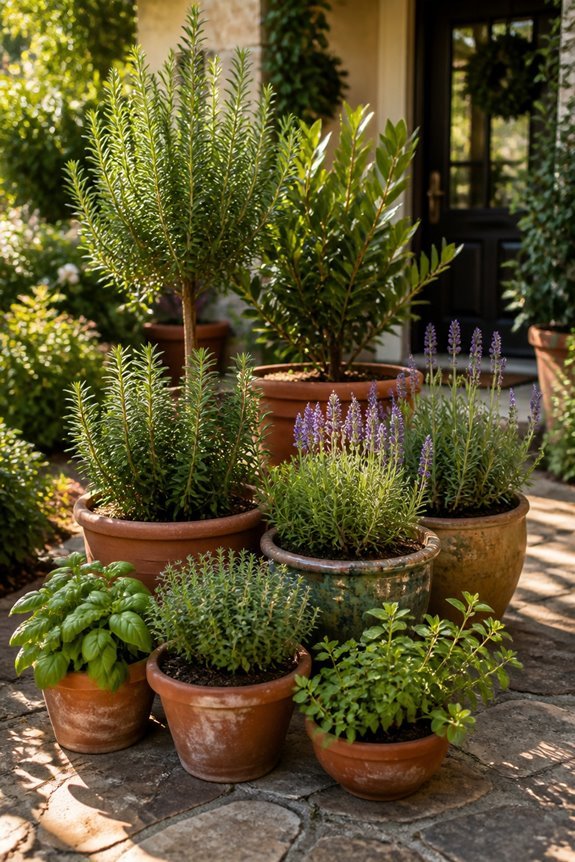
You know that frustrating moment when your tiny thyme disappears behind an overgrown basil bush? It happens to everyone. But you can fix this with one simple trick. Start treating your containers like they have assigned seating.
Put your tall growers in back. Basil and rosemary stand proud at 12 to 18 inches. Your shorter herbs, like thyme and creeping oregano, belong up front at 6 inches or less. Everyone gets sunlight. Everyone stays visible. No more sad, shadowed plants struggling to survive.
Now group by behavior, not just height. You already know which herbs chug water and which ones prefer to dry out. Cluster the thirsty ones together. Give the drought lovers their own space. This makes watering easier and keeps everyone happier. Your garden stops looking like a random pile of pots. It starts looking like you planned it. And you did.
Repurpose Pallet Gardens as Reclaimed Wood Herb Solutions
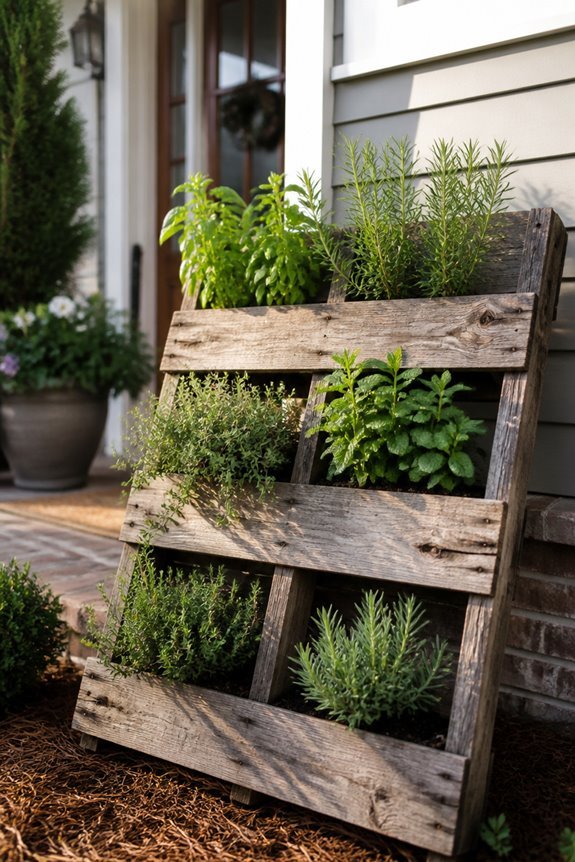
Want free wood that actually looks good? Pallets are everywhere. Check alleys, construction sites, or ask your local hardware store. Most folks toss them without a second thought.
Grab one and flip it upright. Those gaps between slats become perfect planting pockets. Stuff them with quality potting mix. Tuck in basil, oregano, or thyme. These herbs love the tight spaces and rustic vibe.
Paint yours sage green or weathered gray if you’re feeling fancy. Either way works. Mount it on your fence or lean it against the porch. Your call on the look.
Water drains naturally between the slats. No fancy drainage holes needed. Your roots stay happy and rot-free without extra effort.
Neighbors will ask where you bought such charm. Tell them the truth. Behind a warehouse is a perfectly good origin story.
Define In-Ground Herb Beds With Clear Borders
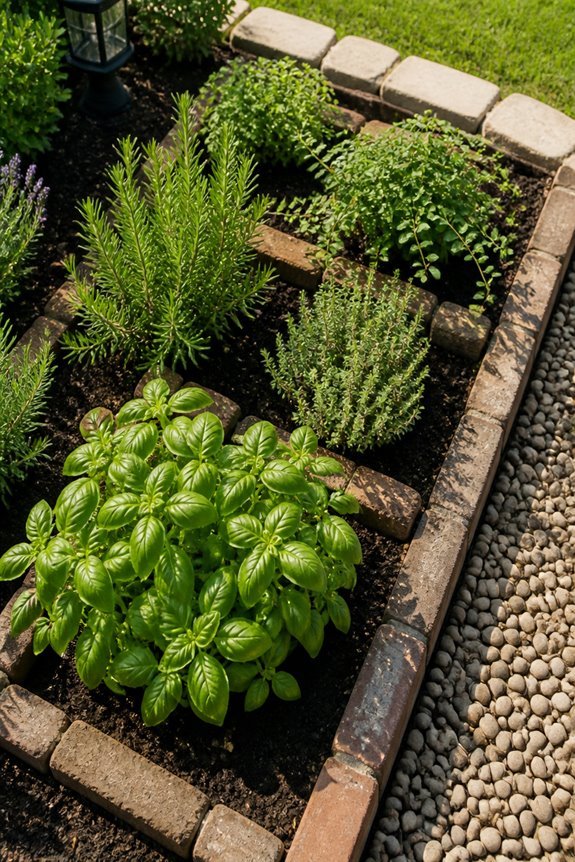
Ever looked at your herb patch and wondered why it looks more like a weed jungle? You’re not alone. Most herb gardens fail because they lack proper borders and clear structure.
Start with defined edges. You can use bricks, metal edging, or simple wooden frames. These create clean lines that stop herbs from invading your lawn. Stone borders add a touch of elegance without breaking your budget.
Keep your beds compact. A 4-by-8-foot space holds plenty of parsley, oregano, and thyme. You’ll thank yourself later when weeding takes minutes, not hours.
Finish with dark mulch inside the borders. It makes those green leaves stand out beautifully. Your herbs suddenly look intentional, organized, and genuinely worth showing off.
Install Vertical Living Walls for Herbs
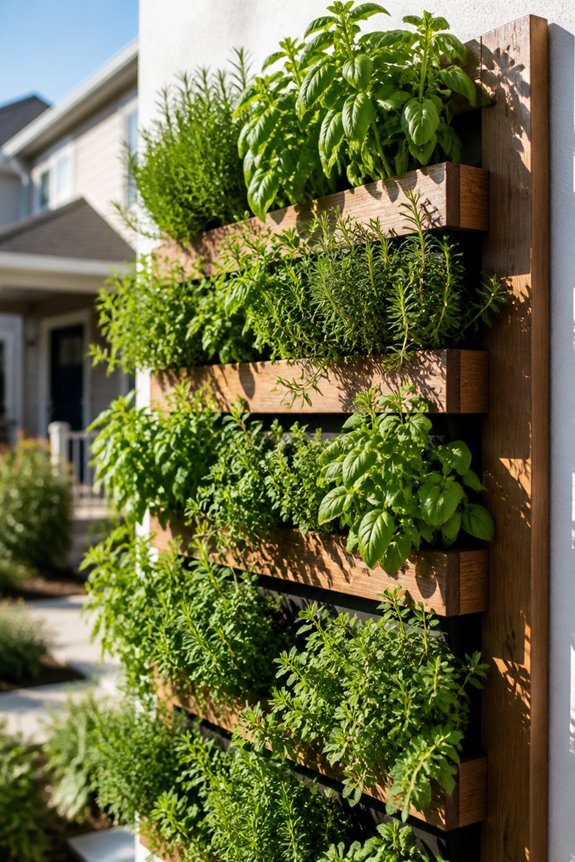
Dreaming of fresh herbs but short on space? You’re not alone. Most gardeners start with big plans and tiny yards.
Vertical living walls solve this beautifully. Picture pocket planters. Those fabric pouches mount right on your sunny exterior wall. Each one cradles a single herb. The result looks like a living checkerboard. It smells incredible too.
Space savings are real. A 4-by-6-foot wall holds dozens of plants. Ground beds? Maybe a dozen in that same footprint. Harvesting happens at eye level. Your back stays happy. No more bending until everything aches.
Watering practically handles itself. Moisture drips from top rows to bottom ones. Add a simple drip irrigation line. Flip it on. Walk away. That is genuinely lazy gardening done right.
Choose Your Herb Garden Theme: Culinary, Tea, or Medicinal
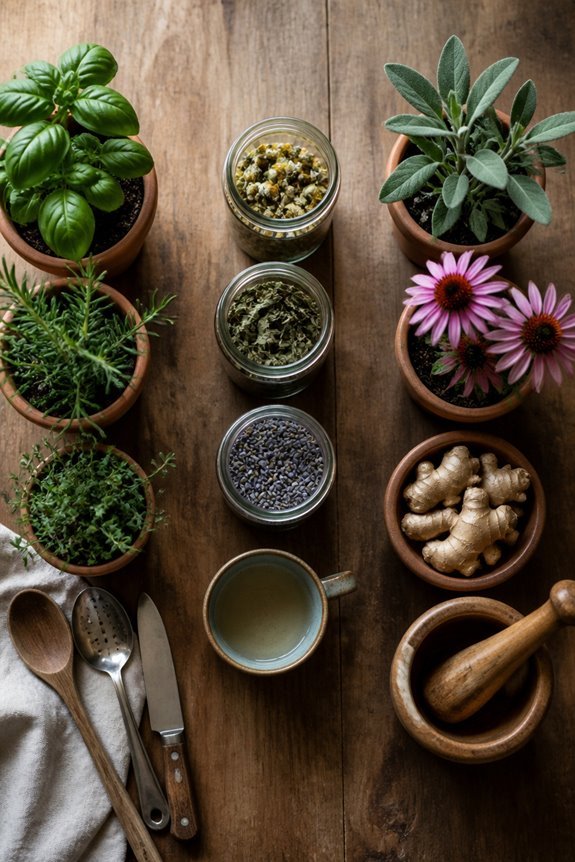
What do you actually want from your herbs? Sit with that for a second. Are you tired of buying wilted basil at the store? Or do you need something calming to sip before bed?
Culinary gardens keep you fed. Basil loves warm spots. Rosemary grows woody and tough. Thyme creeps along borders like it belongs there. You’ll step outside for dinner and snip exactly what you need.
Tea gardens hit different. Chamomile flowers look like tiny suns. Mint spreads fast, so give it a pot or a corner it can’t escape. Lavender dries beautifully on your counter. The whole space feels softer somehow.
Here’s the secret nobody tells you. Most gardeners mix all three anyway. That single mint plant becomes tea, salad garnish, and stomach remedy. No rules say you must choose.
Pick what pulls you in. An Italian kitchen garden fits tight by the back door. A dreamy tea spot works better somewhere you can sit and breathe. Either way, you stop wasting money on plastic clamshells of herbs. Your yard starts working for you. Plus it smells incredible every time you walk past.
Plant Creeping Herbs as Edible Ground Covers Along Walkways
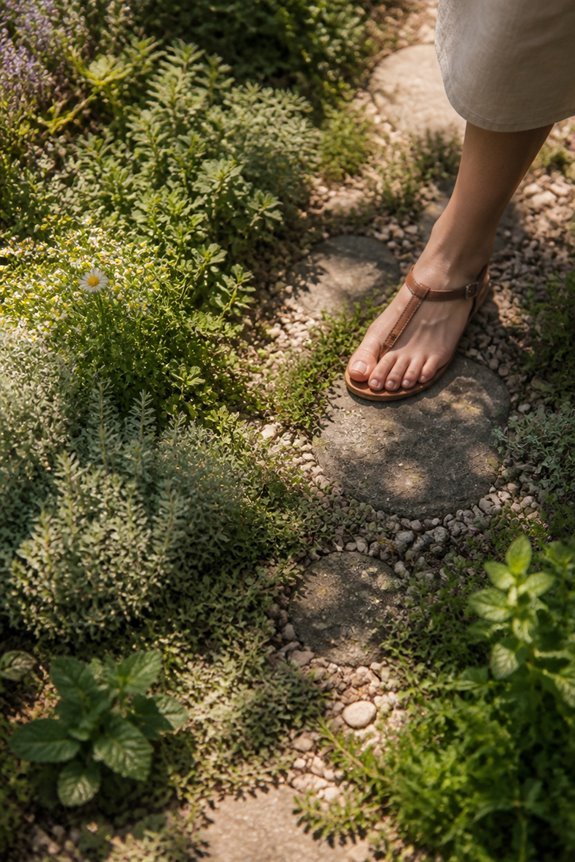
Want a walkway that smells amazing and feeds you too? Creeping herbs pull double duty as ground cover and snack stations. Thyme, oregano, and creeping rosemary spread low and wide. They create fragrant carpets that won’t trip you up.
Plant them 6 to 12 inches from the path’s edge. Watch them cascade over stone or mulch borders. These tough spreaders handle foot traffic like champs. They actually get bushier when brushed.
Walk past and you’ll release scents that beat any store-bought air freshener. Visitors will stop and ask what smells so incredible. They won’t realize they’re walking on edible gold.
Best of all? These varieties need almost zero fuss. Give them occasional water and decent sunlight. They’ll reward you with a gorgeous, fragrant welcome mat that also seasons your dinner.
Prepare Your Herb Garden for Seasonal Care and Transitions
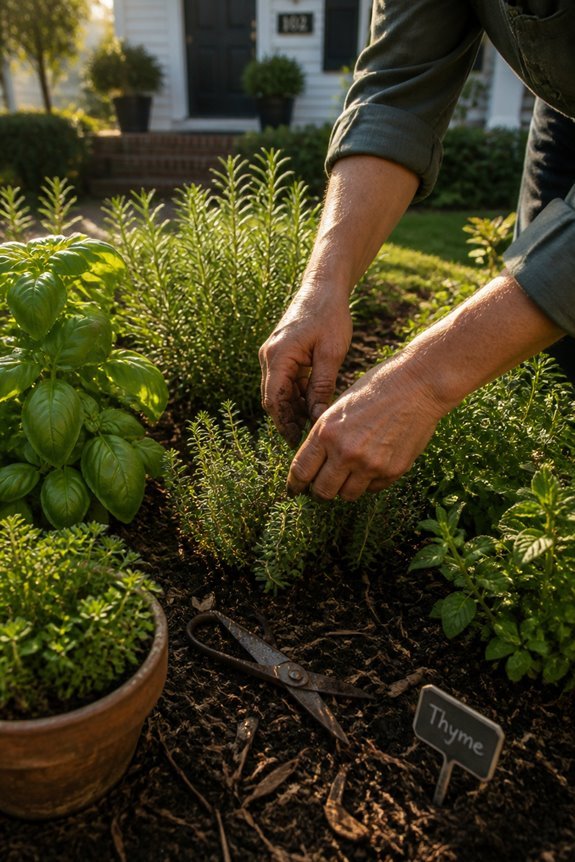
Your herbs don’t care about your calendar. They bolt when it gets hot, slow down when it cools, and expect you to notice. So how do you keep up?
Start in spring. Cut away the dead stems and tuck fresh mulch around your creeping thyme and oregano. This keeps roots cool and weeds at bay. When summer hits, check your soil twice daily if temps climb past 90. Basil wilts fast. Rosemary holds on longer. Harvest fall’s last growth before frost turns your efforts to mush. Cut woody herbs back by one-third before winter. Wrap tender plants in blankets or cloches. Move pots indoors while you still can. Even dormant herbs need a quick moisture check each week. Do this, and your garden greets you with scent and flavor when spring returns.
Frequently Asked Questions
How Much Sunlight Do Herbs Need Daily for Optimal Growth and Flavor?
Most herbs thrive with six to eight hours of direct sunlight daily for ideal growth and flavor development. Mediterranean varieties like rosemary and lavender prefer maximum sun exposure, while shade-tolerant herbs such as mint and parsley tolerate partial shade conditions.
What’s the Best Soil Composition and pH Level for Growing Culinary Herbs?
Culinary herbs thrive in well-draining soil enriched with organic matter. Most prefer slightly acidic to neutral pH levels between 6.0 and 7.0. Adding compost improves drainage and nutrient content, essential for ideal herb development.
How Often Should I Water My Front Yard Herb Garden in Summer?
Gardeners should water front yard herb gardens deeply 2-3 times weekly during summer, ensuring soil remains consistently moist but not waterlogged. Frequent watering becomes necessary due to increased evaporation and heat stress on plants during the hottest months.
Which Herbs Can Tolerate Partial Shade Versus Full Sun Conditions?
Rosemary, thyme, and sage thrive in full sun, requiring six to eight hours daily. Mint, parsley, and cilantro tolerate partial shade well, needing only three to four hours of direct sunlight. Oregano adapts to both conditions successfully.
When Is the Ideal Time to Harvest Herbs for Maximum Potency?
Herbs reach maximum potency when harvested in early morning after dew dries but before afternoon heat. Most varieties peak just before flowering. Pinching leaves regularly encourages bushier growth while maintaining ideal essential oil concentrations and flavor intensity.
Conclusion
Those herb gardens won’t plant themselves, but here’s the thrilling part: once you pick your favorite idea—raised beds, spirals, or wall gardens—your front yard transforms into something magical. Neighbors will stop and sniff. Your cooking gets better. And honestly? Watching basil grow beats scrolling on your phone. The real question isn’t whether you’ll start. It’s which garden style will you choose first?