

Indoor trees have become super trendy because they look amazing and actually improve spaces simultaneously. Large statement trees like bird of paradise and rubber plants become instant focal points commanding attention beautifully. Styled with coordinating pots and intentional placement, indoor trees become genuine design elements elevating bedroom aesthetics while bringing genuine nature indoors authentically.
Stylish indoor trees work best when paired with cool pots and thoughtful placement. Ceramic planters coordinating with your room’s colors, macramé plant hangers adding texture, and tall trees creating visual height make bedrooms feel intentionally designed. Trees become focal points drawing attention upward and creating impressive visual impact proving plants are legitimate design elements.
Your trendy bedroom looks amazing through statement indoor trees styled thoughtfully. Pick impressive tree varieties, invest in cool pots, and position strategically for maximum visual impact. This approach proves indoor trees become genuine design features rather than just background greenery when styled with intention.
Choose Your Indoor Tree by Light Level
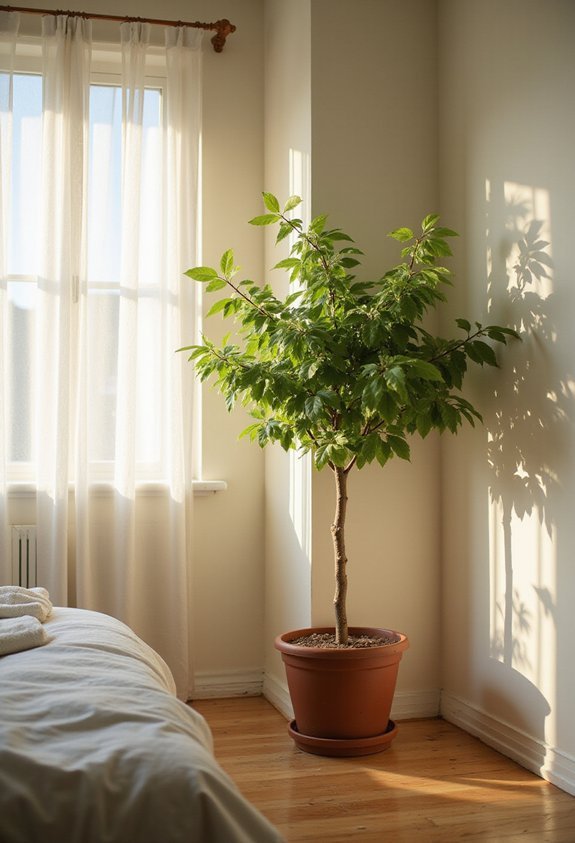
Because your indoor tree can’t exactly chase the sun around your house, you’ve gotta pick one that’ll actually survive in your space. Low-light lovers like pothos and snake plants laugh at dim corners and barely-lit bedrooms. They’re basically the ninjas of the plant world. If your room gets bright, indirect light—think a few feet from a window—you’re golden for ficus or rubber plants. These guys’ll grow like they’re showing off. Got a super sunny spot? Bring on the dracaena or bird of paradise. They’ll photosynthesize their little hearts out. The trick is honest assessment. Walk around your bedroom at different times. Notice where sunlight actually lands, not where you wish it would. Match that reality to your tree’s appetite for light, and you’ll nail it.
Also read: 36 Wall Decor Design Ideas That Completely Transform Your Bedroom
Best Low-Light Indoor Trees for Dark Bedrooms
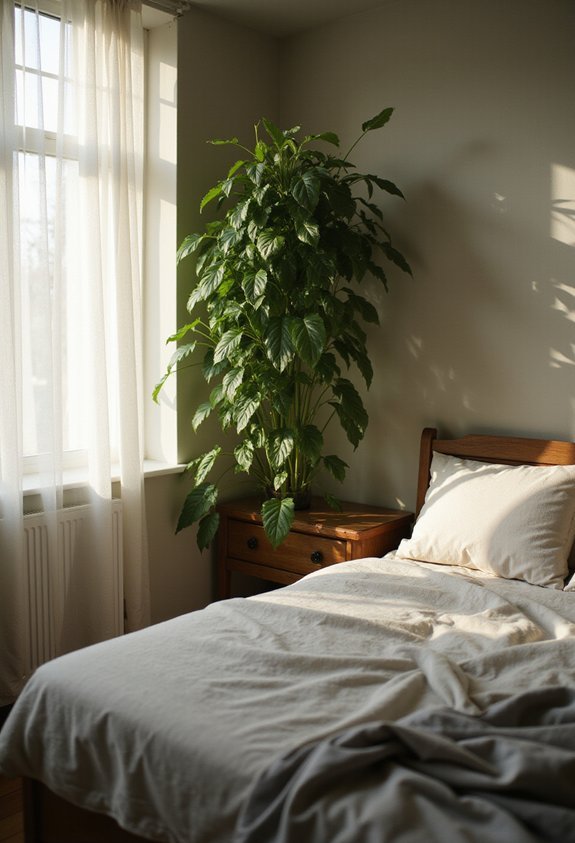
If your bedroom’s so dim you need a flashlight to find your socks, don’t worry—some trees actually *thrive* in those shadowy corners. Cast iron plants are basically indestructible and laugh at low light. They’ve got deep green leaves and grow 3-6 feet tall, making them perfect bedroom companions. Parlor palms also handle darkness like champions, bringing tropical vibes without demanding sunshine. Their feathery fronds create a calming forest feel that’ll help you sleep like you’re actually on vacation. ZZ plants are another solid choice—they’re so hardy they practically grow themselves. Dracaenas work too, offering tall, dramatic silhouettes in muted greens. These low-light champions won’t throw a tantrum about your cave-like bedroom. Pick one, plop it in a corner, and watch nature do its thing without needing mood lighting.
Fiddle Leaf Fig: The Dramatic Statement Tree
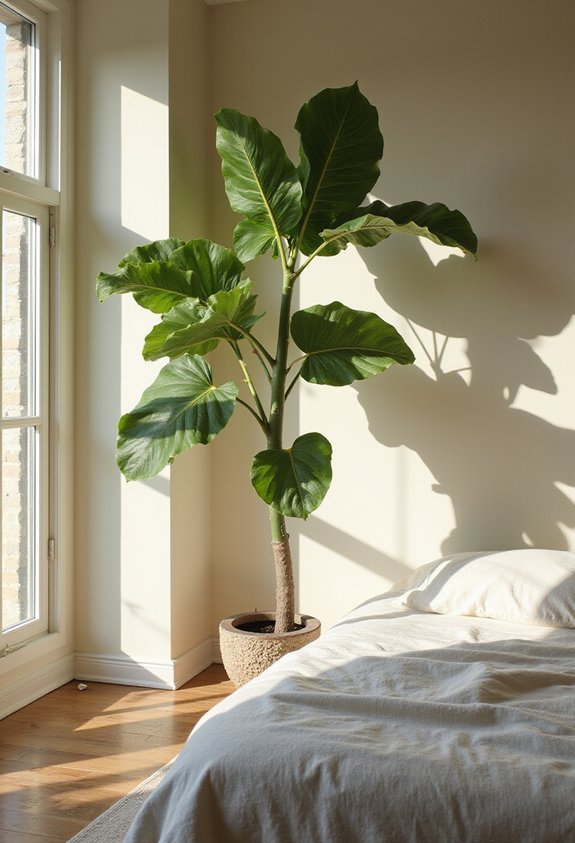
Now here’s where things get fancy—the fiddle leaf fig is basically the supermodel of houseplants, and it knows it. This beauty grows up to 10 feet tall with huge, violin-shaped green leaves that’ll make your bedroom look like a magazine spread. You’ll want to position it near a bright window because this diva demands good light. Water it when the soil feels dry, but don’t drown the poor thing—overwatering kills more fiddle leaf figs than anything else. The leaves collect dust, so wipe them down occasionally and watch them shine. Sure, it’s a bit temperamental and might drop leaves if you move it around too much, but that dramatic look? Totally worth the effort.
Rubber Plant: Bold Leaves, Easy Care
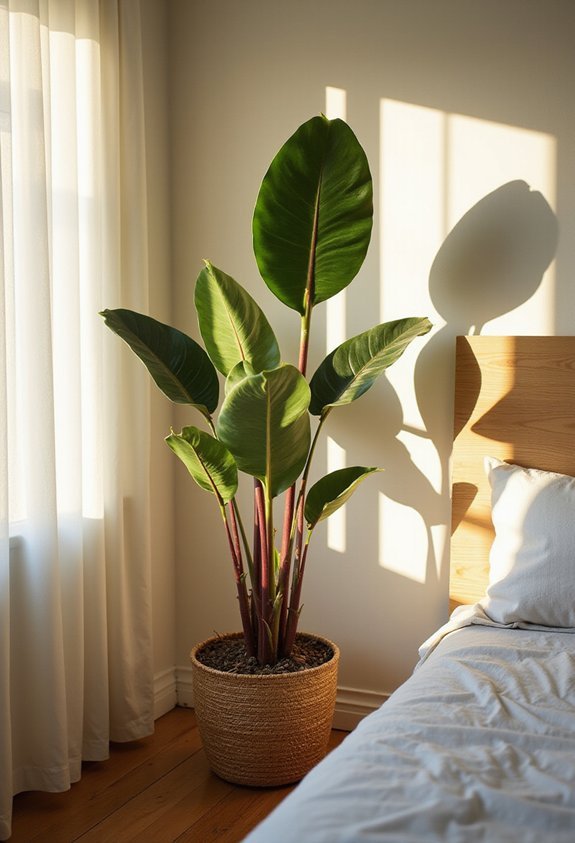
The rubber plant is basically the fiddle leaf fig’s chill cousin—it’s got those same gorgeous, bold leaves, but it won’t throw a fit if you forget to water it for a week. You’ll love its deep green, glossy foliage that practically glows in sunlight. This tree grows 4-8 feet tall indoors, making it a serious bedroom statement without the drama. Water it every 10 days or so, and it’s happy. Stick it near a window where bright light hits it, and watch those leaves shimmer like they’re freshly polished. The rubber plant basically laughs at neglect. Plus, it actually purifies your air while looking ridiculously cool. That’s a win-win that even your black thumb can handle.
Bird of Paradise: Tropical Elegance
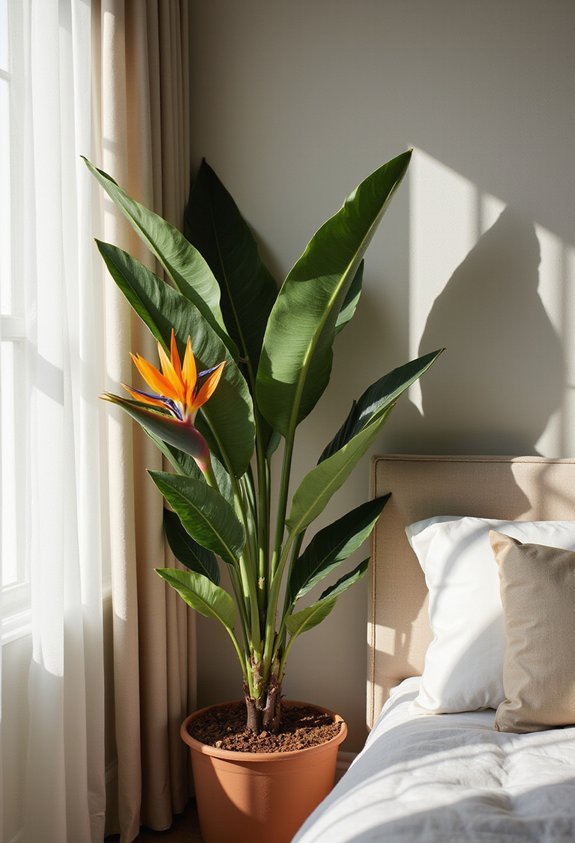
Want to bring straight-up tropical vibes into your home? The Bird of Paradise is your answer. This stunning plant grows tall and dramatic with orange and blue flowers that literally look like a tropical bird taking flight. Pretty wild, right?
You’ll need a bright spot because this plant’s a real sun worshipper. Give it indirect light near a window, and it’ll reward you with those show-stopping blooms. Water when the soil feels dry, and don’t overdo it—nobody likes soggy roots.
The Bird of Paradise can reach five to six feet tall, so it commands attention. Your guests will ask about it constantly. That’s the botanical equivalent of being the coolest person in the room. It’s like having a permanent vacation happening right in your corner.
Dracaena: Striking Foliage, Nearly Indestructible
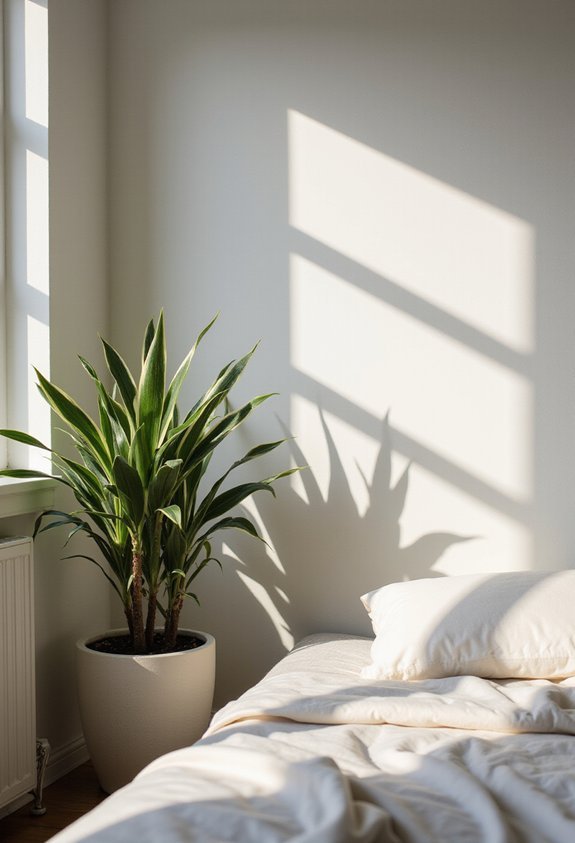
If you’re looking for a plant that’ll basically survive your neglect, Dracaena’s your new best friend. These tall, leafy beauties grow 3 to 6 feet indoors and sport dramatic stripes of green, yellow, or red. Your bedroom will look like a jungle without you lifting a finger.
Here’s the best part: Dracaenas laugh at forgetful waterers. They need water only every two weeks or so, and they tolerate low light like champions. Seriously, they’re basically the couch potatoes of the plant world—no judgment here.
Just stick one in a corner or beside your nightstand. The bold foliage catches everyone’s eye. And honestly, keeping something alive this hardy boosts your confidence more than it should. You’ve totally got this.
Money Tree: Compact Growth, Maximum Impact
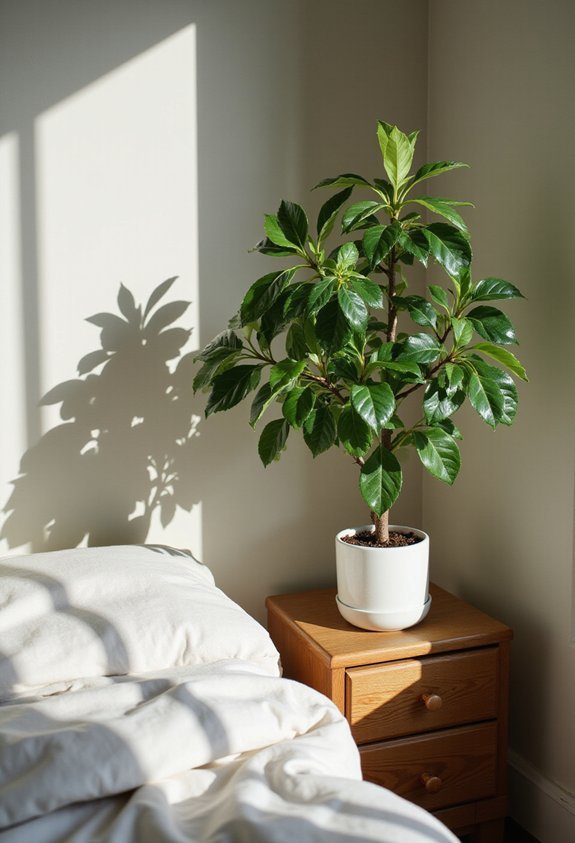
Money trees pack serious style into a space-saving package, and they’re basically the overachievers of compact indoor plants. You’ll love how they stay nice and manageable—usually reaching just 3 to 6 feet tall. Their braided trunks and glossy green leaves create instant drama without taking over your whole room. Seriously, this plant’s got personality for days.
The best part? Money trees don’t demand much attention. They’ll happily chill in bright, indirect light and actually prefer slightly dry soil. Water them occasionally, and they’ll reward you with stunning growth. Plus, legend says they bring good luck and fortune—though we’re not sure if that includes winning the lottery.
Your bedroom just got a stylish upgrade.
Parlor Palm: Soft Fronds Without the Fuss
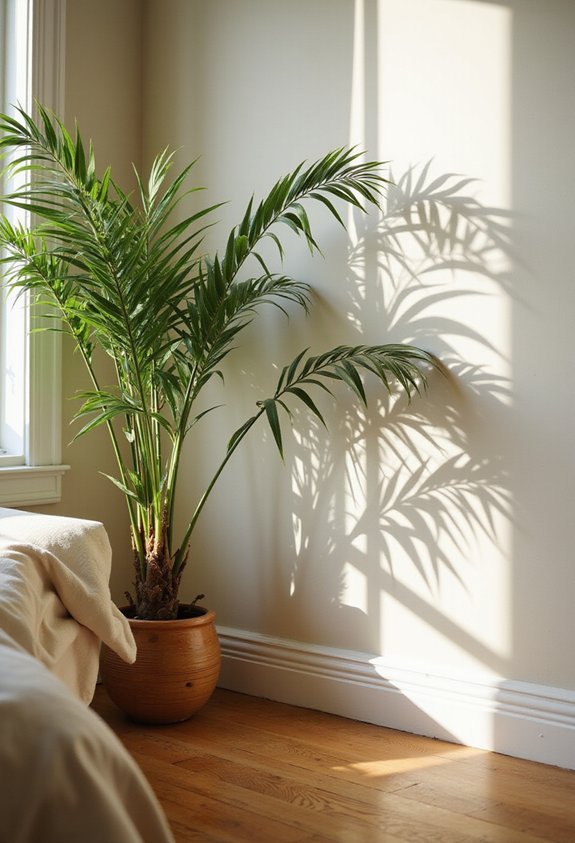
Looking for a tropical vibe that won’t stress you out? The Parlor Palm is your answer. This beauty grows slowly and stays compact—reaching only 4 to 6 feet tall indoors. You’ll love its delicate, feathery fronds that sway like they’re dancing to invisible music.
Here’s the best part: this plant barely demands anything from you. It tolerates low light, so your shadowy corner bedroom actually works perfectly. Water it every couple weeks, and you’re golden. No drama, no wilting fits, no mysterious brown leaves appearing overnight.
The soft green fronds create instant jungle energy without requiring a PhD in plant care. Position it beside your bed or in that awkward corner, and boom—instant tropical escape. Your bedroom transforms into a serene oasis while you sit around doing absolutely nothing.
Ficus Lyrata Bambino: Statement Piece in Small Spaces
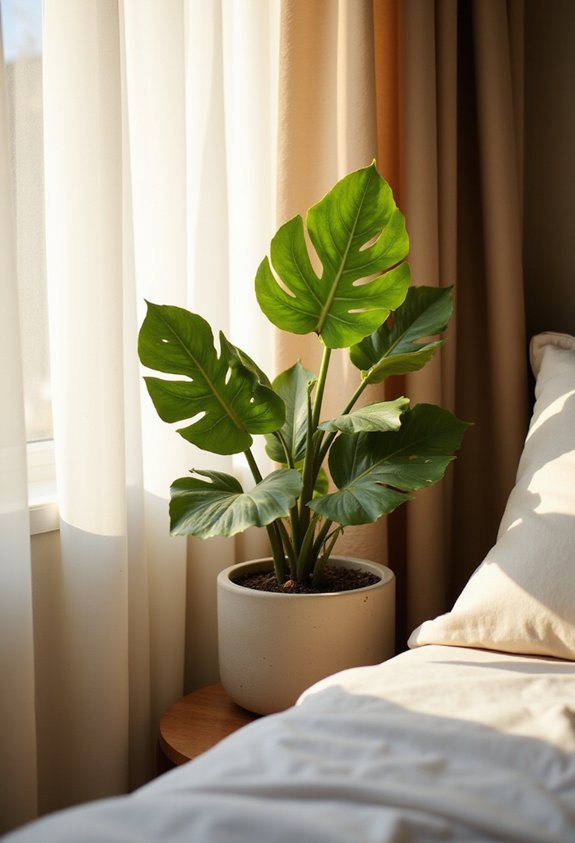
Want a plant that’ll make your tiny apartment feel like a fancy designer magazine just walked in? Meet the Ficus Lyrata Bambino. This fiddle leaf fig’s smaller cousin grows just two to three feet tall, perfect for cramped corners and cluttered shelves. Its dramatic dark green leaves are seriously stunning without demanding much floor space. You’ll love how it commands attention like a tiny celebrity in your bedroom. Just plop it near bright, indirect light and water when the soil feels dry. No green thumb required. This plant won’t gaslight you with mysterious wilting fits. It’s basically the chill friend who shows up, looks incredible, and doesn’t need constant attention. Your small space deserves this leafy upgrade.
Snake Plant Tree: Air-Purifying and Nearly Indestructible
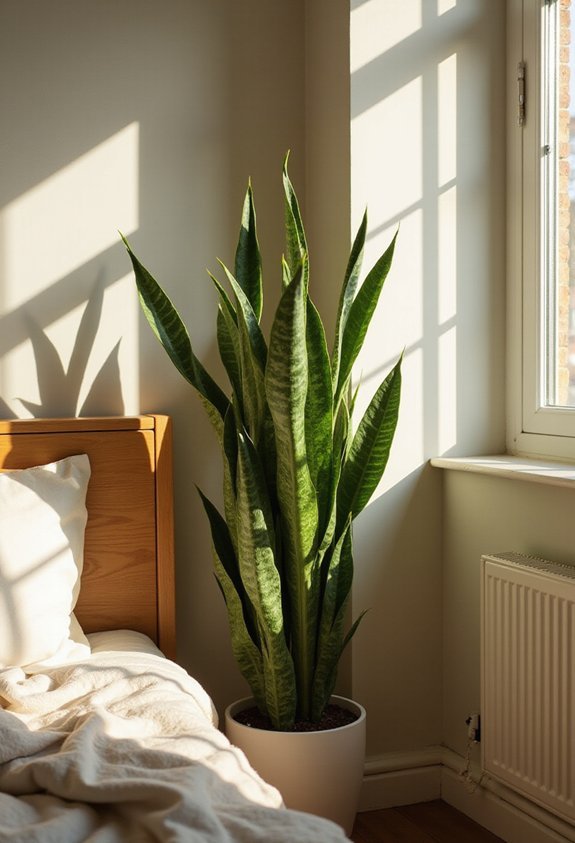
If you’ve ever killed every plant you’ve touched, the Snake Plant Tree is basically your soulmate. This tall beauty grows up to four feet and literally thrives on neglect. Seriously, you can forget about it for weeks, and it’ll still look fab.
The dark green, striped leaves are stunning and purify your air while you sleep—basically a free air filter that won’t judge your messiness. Plus, it’s nearly impossible to murder. Overwatering? It’ll survive. Low light? It’s cool with that. Your bedroom’s dry heat? Totally fine.
Snake Plants don’t need much fussing, which means more time for literally anything else. Position one in a corner for drama, or by your window for extra leaf gorgeousness. Your bedroom finally gets the effortless plant it deserves.
Corn Plant: Variegated Beauty That Tolerates Neglect
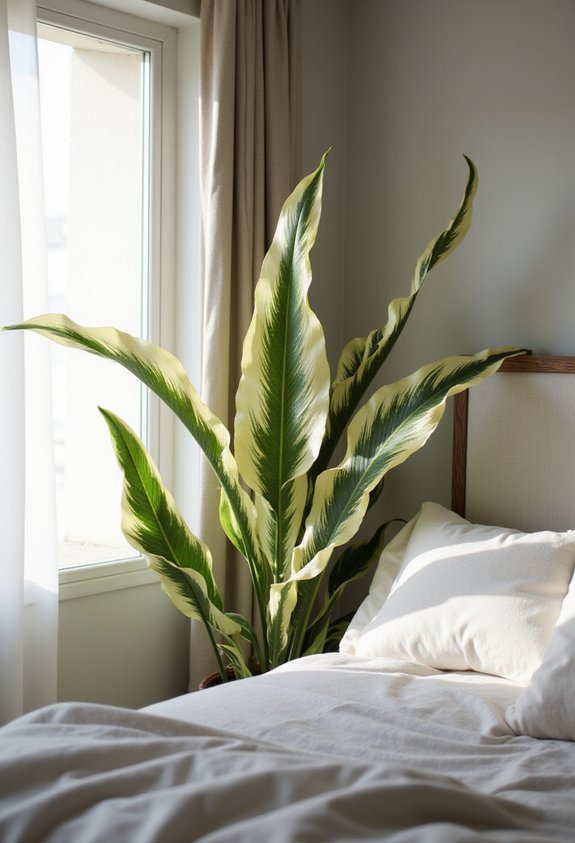
the Corn Plant is basically a forgiving friend who doesn’t judge you for forgetting their birthday. This tropical beauty grows 4-6 feet tall and features stunning yellow-striped green leaves that’ll make your bedroom pop. You can stick it in a corner and ignore it for weeks. Seriously, it thrives on neglect. It tolerates low light and irregular watering like a champ, though it prefers bright, indirect sunlight. Just don’t overwater it or you’ll turn its roots into a swamp. Position it near a window where it catches filtered rays. The variegated foliage adds serious style without demanding your constant attention. If you can’t keep a plant alive, the Corn Plant won’t hold it against you. It’s that dependable.
Weeping Fig: Graceful Cascading Branches
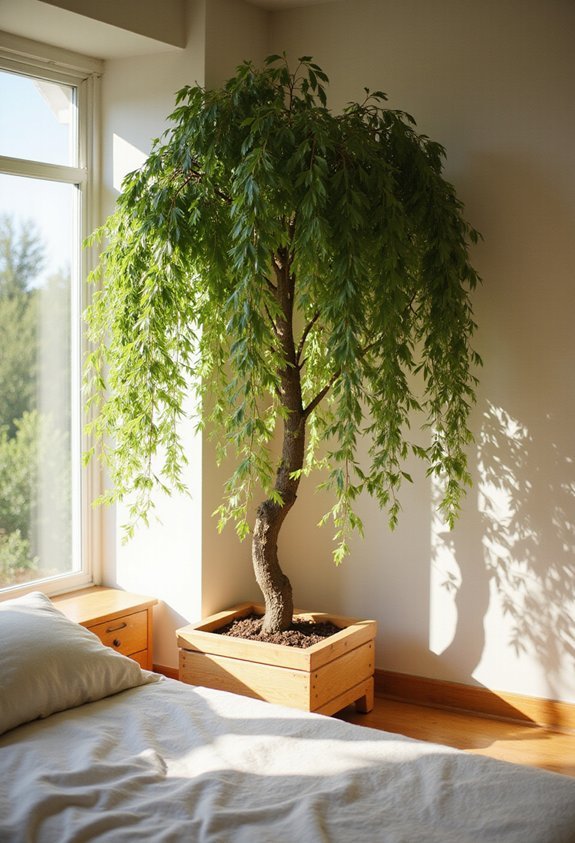
While you’re admiring your forgiving Corn Plant, let me introduce you to a tree that’s basically nature’s version of a fancy hairdo—the Weeping Fig. This beauty grows up to six feet tall with cascading branches that literally weep downward. The leaves are small, glossy, and deep green, creating a waterfall effect you’ll actually want to stare at. Position yours near bright, indirect light and watch it thrive. It’s seriously elegant. The catch? These figs get moody about moving. Keep it in one spot or it’ll drop leaves faster than you can say “I’m sorry.” But stick with it, and you’ve got yourself an indoor masterpiece that makes every room feel like a botanical paradise.
Areca Palm: Tropical Vibe in a Modest Footprint
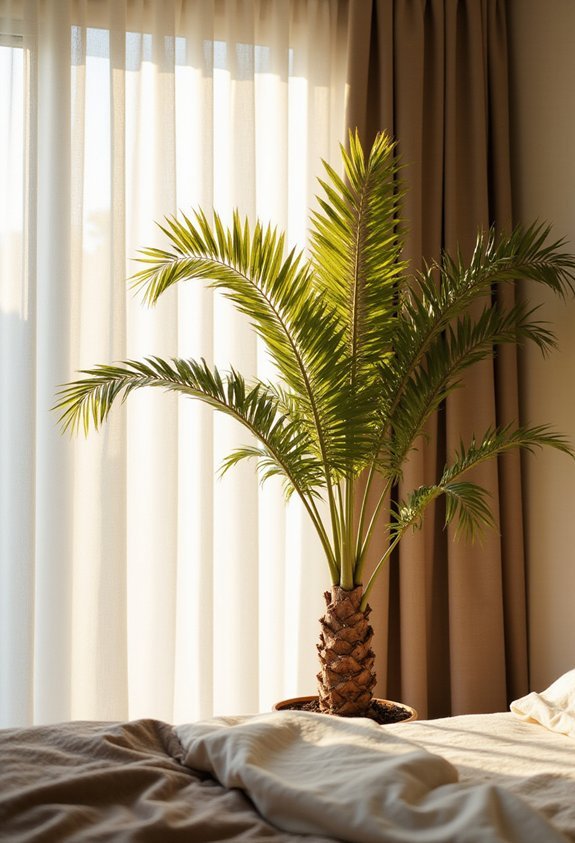
Looking for a tree that screams “tropical vacation” without eating up your entire living room? The Areca Palm‘s your answer! This skinny green beauty grows 4-6 feet tall but barely needs elbow room. You’ll dig its feathery, yellow-green fronds that dance like they’re perpetually at the beach. Place it near a bright window—it’s basically a sun-worshipper. Water it when the soil feels dry, and you’re golden. The best part? It actually purifies your air while looking fancy. Sure, it drops leaves occasionally (they’re basically tiny palm tantrums), but nothing you can’t handle. Your bedroom transforms into a tropical oasis without requiring actual passport. Plus, your friends’ll think you’ve got serious plant cred. That’s basically winning at indoor gardening.
Schefflera: Umbrella-Like Canopy for Visual Interest
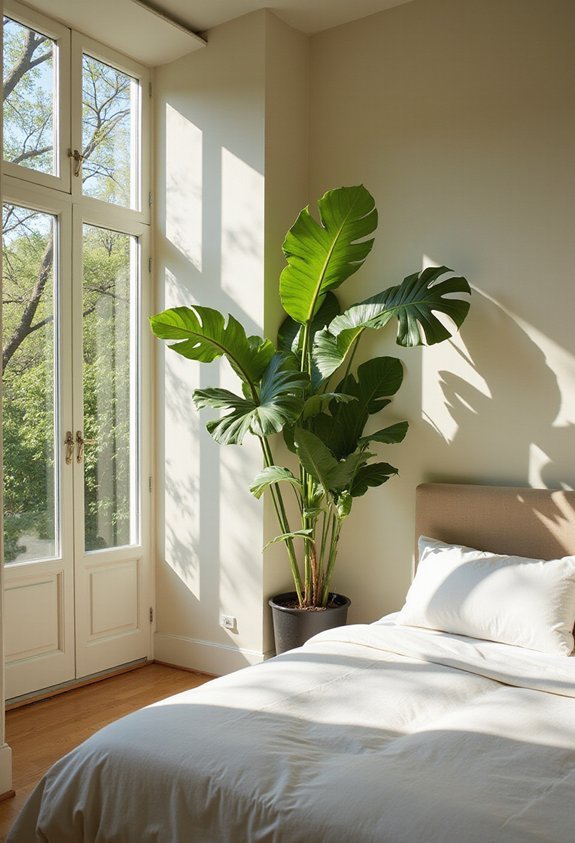
You’ve probably seen a Schefflera hanging out in a doctor’s office or fancy restaurant—that’s the umbrella tree doing its thing! These tropical beauties grow 3 to 6 feet tall indoors, creating leafy canopies that seriously jazz up your bedroom corner. The glossy, deep-green leaves fan out like actual umbrellas, which is where they got their clever name. You’ll love how they handle bright, indirect light without throwing a fit about humidity. Water them when the soil feels dry, and they’re happy campers. Scheffleras grow fast, so you’ll watch your investment fill out nicely. Plus, they’re great air-purifiers, basically working double duty as both decor and your bedroom’s personal health coach. Talk about a win-win situation!
Calamondin Orange: Scented Blooms and Edible Fruit
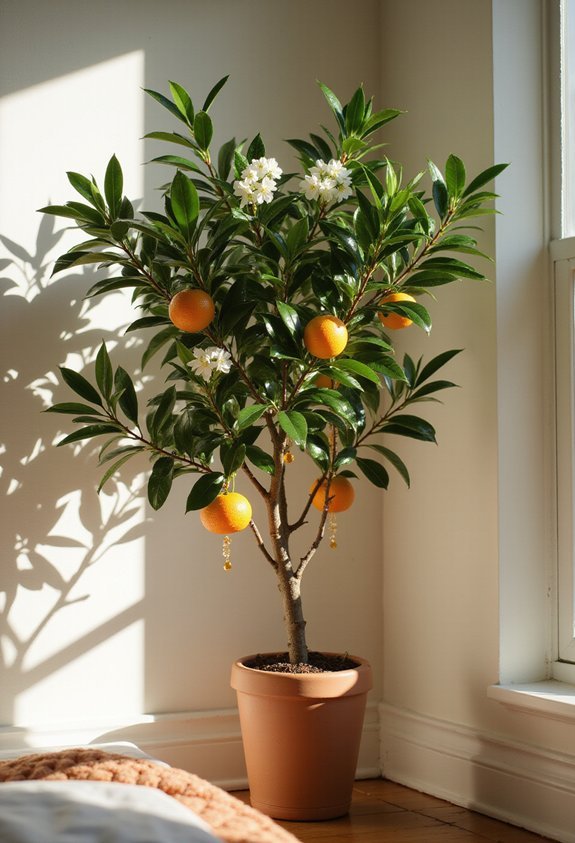
If you’re craving a tree that doesn’t just look pretty but actually feeds you, the calamondin orange is your new best friend. These tiny citrus trees grow 3 to 4 feet tall and produce hundreds of marble-sized oranges. Seriously, your indoor jungle will go into overdrive with production mode activated.
The best part? Those fragrant white blooms smell absolutely divine, and you’ll actually harvest real fruit. Your guests will think you’ve got magical powers when you pluck fresh oranges from your bedroom corner. The tart-sweet flavor works perfectly in marmalades or drinks, though eating them straight is basically like biting into sunshine.
These trees love bright indirect light and consistent watering. Give yours a sunny window, and it’ll reward you with blooms, fruit, and serious bragging rights.
ZZ Plant Tree: Glossy Leaves, Zero Maintenance
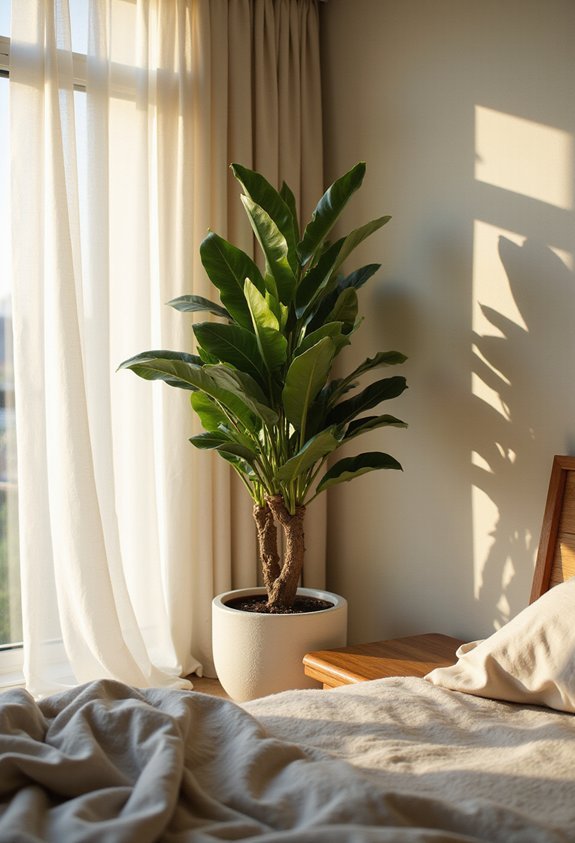
Sometimes you want all the perks of a plant without actually having to, you know, care for it like it’s your newborn baby. Enter the ZZ plant tree. This glossy-leafed beauty laughs in the face of neglect. You could forget to water it for weeks, and it’d honestly be fine. Your bedroom gets low light? No problem. You’re basically a plant murderer? This thing doesn’t care. The ZZ grows thick, waxy leaves that shimmer like they’ve been polished. It reaches three to four feet tall, making it a proper statement piece. Plus, it purifies your air while you sleep. Talk about a plant that works harder than you do. Finally, something as low-maintenance as your Netflix habit.
Dragon Tree: Striking Red and Green Foliage
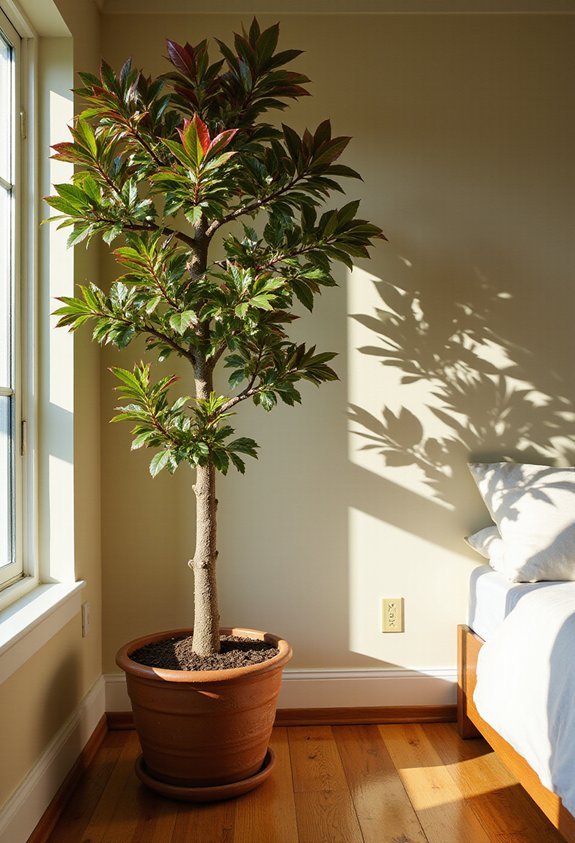
Ready to add some serious drama to your space? The Dragon Tree’s your answer. This stunning plant rocks red and green leaves that’ll make your bedroom pop like a superhero cape. You’re looking at a tree that grows three to six feet tall—basically a living piece of art.
Here’s the best part: it’s tough as nails. Dragon Trees don’t demand constant attention or watering. They’re cool with moderate light and won’t throw a tantrum if you forget them for a week. Just stick it in a corner where it catches indirect sunlight, and you’re golden.
The striking foliage creates instant personality. Your room transforms from boring to bold. Plus, watching those vibrant leaves grow? Pure joy. This tree doesn’t just survive indoors—it absolutely thrives.
Lemon Tree: Sunlit Windowsill Upgrade
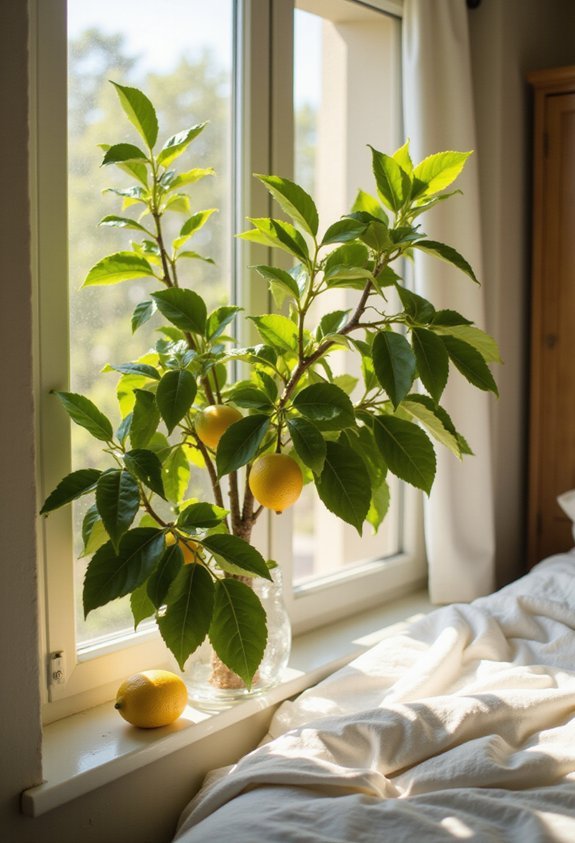
Bring actual fruit indoors, and you’re basically a plant wizard. Lemon trees transform your windowsill into a sunny, fragrant paradise. You’ll need bright light—at least six hours daily—so position yours near a south-facing window. These little trees grow three to four feet tall, perfect for bedroom corners. The glossy green leaves smell amazing when you brush past them. Tiny white flowers appear, then actual yellow lemons develop over months. Watching fruit grow indoors feels like magic, honestly. Water when soil feels dry, and don’t overdo it or you’ll kill your citrus dreams. Your room’ll smell like a fancy spa. Plus, fresh lemons for tea? That’s the real luxury upgrade right there.
Watering, Light, and Humidity: Care Essentials
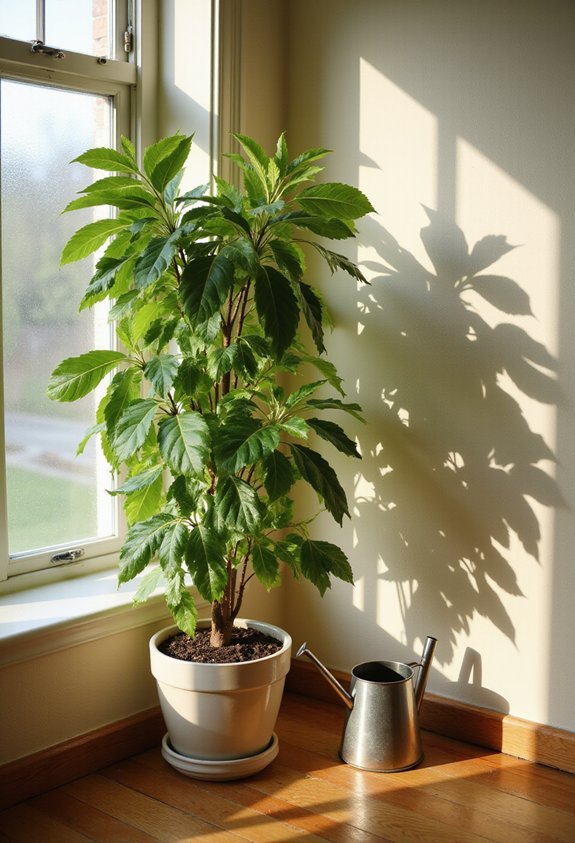
How’s your indoor tree actually supposed to survive without you accidentally turning it into a plant mummy or a swamp monster?
Here’s the deal: your lemon tree needs bright, indirect light for six to eight hours daily. A sunny south-facing window works like a dream. Water when the top inch of soil feels dry—stick your finger in there like you’re checking a baby’s diaper. Seriously though, overwatering kills more trees than neglect does.
Humidity’s your secret weapon. Lemon trees dig moisture in the air, so mist the leaves weekly or set the pot on a pebble tray with water beneath it. Not touching the pot though—we’re creating a spa, not a swamp.
Your tree will thank you with green leaves and eventually, actual lemons. How cool is that?
Common Problems: Pests, Yellowing, and Quick Fixes
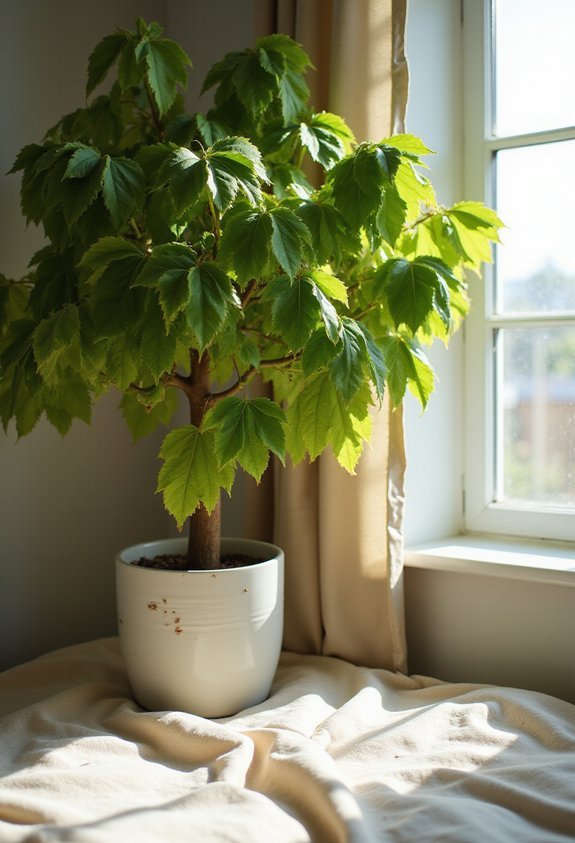
Even though you’ve nailed the watering and light situation, your indoor tree can still run into trouble—and we’re talking pests, weird yellowing leaves, and all kinds of drama. Spider mites love indoor trees like you love pizza, so check the undersides of leaves for tiny webbing. Yellow leaves? Your tree might be throwing a tantrum about overwatering or needing more nutrients. Brown leaf tips scream “humidity emergency!” Mist those branches weekly. Pests like mealybugs look like tiny cotton balls—gross, right? Spray them off with water or use neem oil. Yellowing lower leaves are usually normal aging, but if it spreads fast, investigate immediately. Isolate sick trees away from healthy ones. Quick fixes work best when you catch problems early. Your tree’s counting on you!
Arranging Multiple Trees for Space and Aesthetics
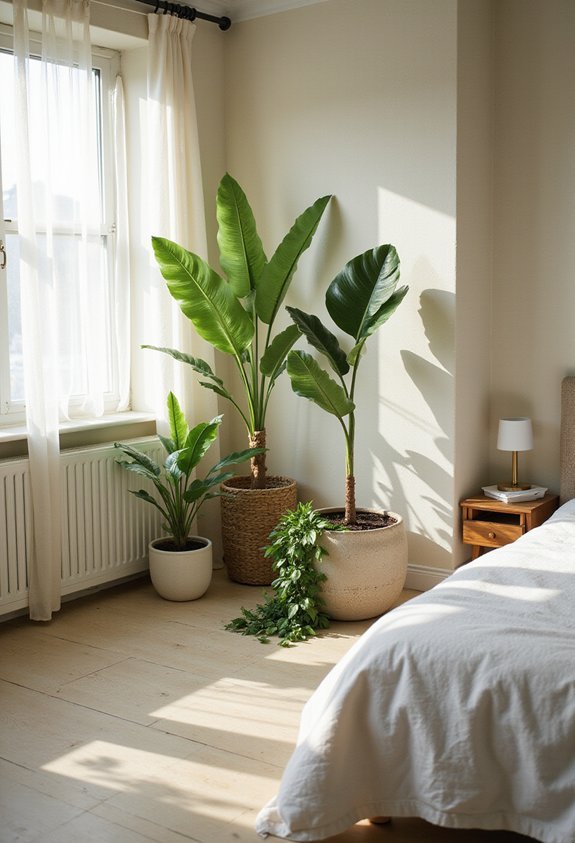
Once you’ve got your pest problems squashed and your yellowing leaves under control, it’s time to think bigger—literally. Multiple trees transform your bedroom into a jungle—the good kind, not the messy-floor kind. Start by grouping different heights together. A tall fiddle leaf fig next to a shorter pothos creates visual interest and fills corners nicely. Space them about 2-3 feet apart so they don’t suffocate each other (trees need personal space too). Mix textures and leaf colors. Dark green leaves pop against lighter walls, and variegated plants add pizzazz. Arrange odd numbers—three or five trees look better than two or four. Trust me, it’s a botanical law. Position them near windows but slightly back, preventing leaf burn. Your bedroom’s about to become seriously impressive.
Frequently Asked Questions
How Often Should I Repot My Indoor Bedroom Tree to Promote Healthy Growth?
You should repot your indoor bedroom tree every 12-18 months during its growing season. You’ll know it’s time when roots emerge from drainage holes or soil dries too quickly. You can repot in spring for best results and healthiest growth.
Can Indoor Trees Help Improve Air Quality and Reduce Allergens in Bedrooms?
Yes, you’ll benefit from indoor trees that actively filter toxins and reduce allergens in your bedroom. They’re particularly effective at removing carbon dioxide while releasing oxygen, creating fresher air you’ll breathe more easily throughout your nights.
What’s the Best Way to Prevent Indoor Trees From Becoming Too Tall or Leggy?
You’ll prevent legginess by pinching off new growth tips regularly, rotating your tree weekly for even light exposure, and pruning lower branches strategically. You can also use grow lights to encourage bushier, fuller development throughout your plant’s canopy.
Are Indoor Trees Safe for Pets and Children in Shared Bedroom Spaces?
You’ll want to choose pet-safe varieties like parlor palms or spider plants. Avoid toxic options such as sago palms or oleander. Secure tall trees firmly so children can’t topple them over, and keep sharp pruning tools out of reach.
How Do I Successfully Propagate or Multiply My Favorite Indoor Bedroom Trees?
You can propagate bedroom trees through stem cuttings, air layering, or seeds. Place cuttings in moist soil or water, guarantee bright indirect light, and maintain humidity. You’ll see new roots develop within weeks, allowing you to multiply your favorites successfully.
Conclusion
You’ve got this! Pick trees that’ll actually survive your bedroom’s light situation—don’t pretend you’ve got a sunny spot if you don’t. Water ’em when the soil feels dry, and they’ll thank you by not dying on you. Your bedroom’s about to become a jungle, and honestly? That’s awesome. You’ll sleep better, breathe easier, and impress literally everyone who walks in. Nature’s your new bedroom buddy!