

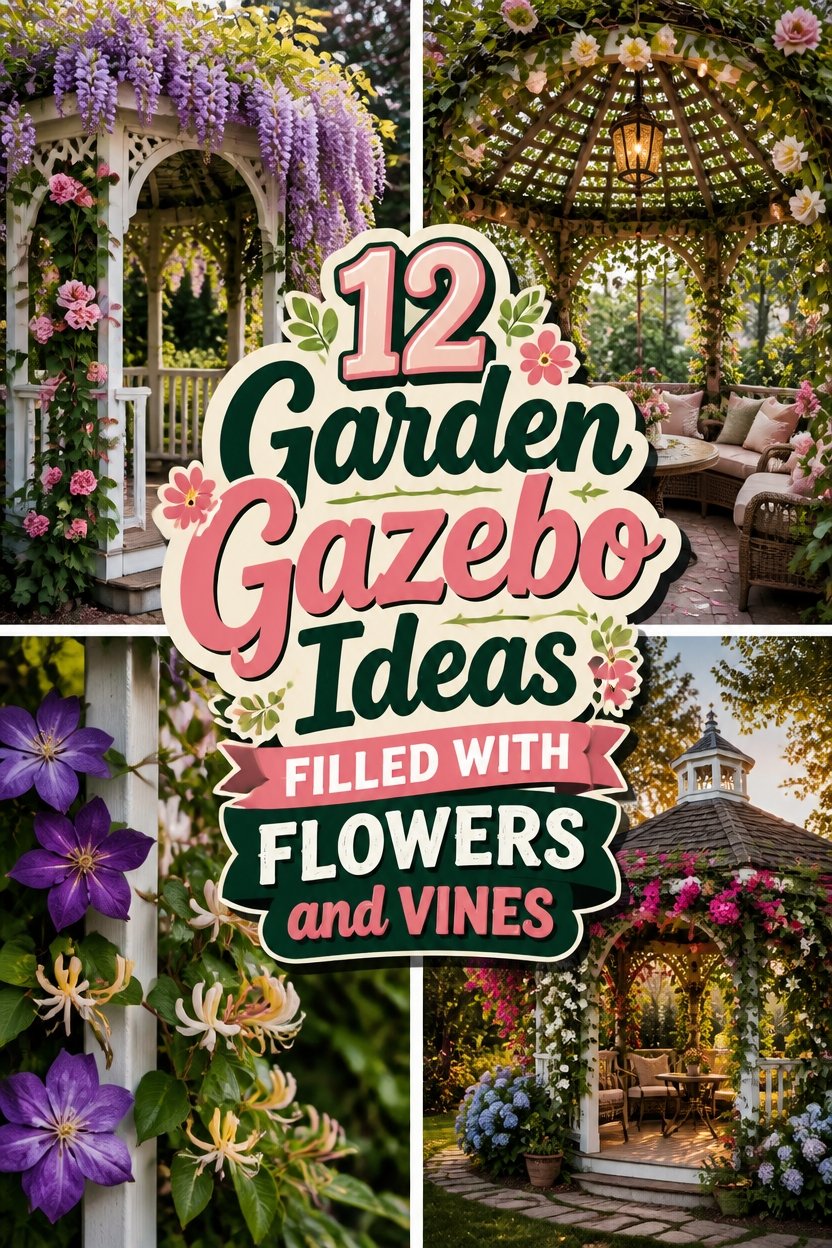
Plants are what turn a plain gazebo into something people wander toward without even realizing why. Climbing roses, clematis, and wisteria trained around the posts do all the softening work a bare frame simply can’t manage on its own.
I planted clematis at the base of my own gazebo posts three years ago, and watching it finally reach the roofline last summer felt like a small personal victory.
Some vines demand real attention through the season, while others practically take care of themselves once established. Matching your energy level to the right plant saves you a lot of frustration down the road.
Climate matters just as much as effort level. What flourishes in one region can struggle badly in another, so a bit of regional knowledge keeps your gazebo thriving instead of looking neglected by midsummer.
A Few Things I Wish I Had Known Earlier
Be honest with yourself about maintenance before falling for a plant based on looks alone. Roses and wisteria ask for real seasonal attention, while clematis and honeysuckle mostly just need occasional trimming.
Your USDA hardiness zone should guide your plant list before you buy anything. A gorgeous vine that thrives somewhere warm can struggle badly through a harsh winter it wasn’t built for.
Support structure matters more than people expect. Vines grow surprisingly heavy over time, so sturdy trellising installed early prevents damage to your gazebo down the line.
15 Gazebo Flower and Vine Ideas
Choosing the right plants for a gazebo really comes down to balancing color, fragrance, and how much upkeep you’re genuinely willing to commit to. Some combinations bloom in staggered waves for color that lasts spring through fall, while others focus on one standout showpiece plant.
I’ve included fast, low-maintenance options alongside more dramatic choices like wisteria, so you can weigh beauty against the effort each one asks of you.
Have a look through and pick the plants that fit both your climate and your gardening style.
Start With Your Gazebo’s Effort Level
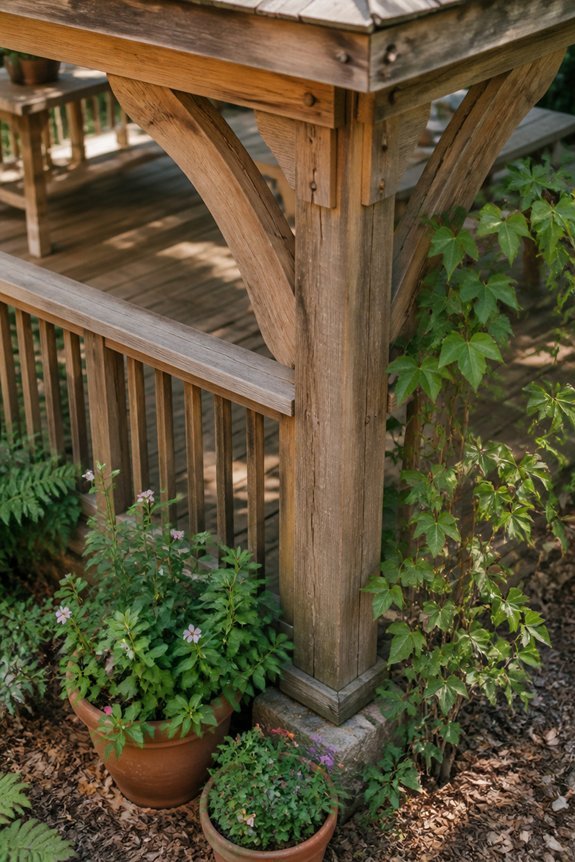
Most homeowners pick between low-maintenance and high-maintenance gazebos. Low-maintenance options need little care. Hardy plants like clematis, ivy, or climbing roses can handle some neglect. These setups only need occasional pruning. You might water them during dry spells.
High-maintenance gazebos ask for more of your time. Expect frequent deadheading, fertilizing, and pest management. Check your schedule before choosing vines and flowers.
Some plants fall in the middle. Climbing hydrangeas and honeysuckle need moderate attention. They work well if you want balance.
Your budget matters too. High-maintenance plants often need special fertilizers or treatments. These costs add up over time.
Be honest about your commitment level. This choice prevents future headaches. Overgrown or struggling vegetation disappoints gardeners who underestimated the work involved.
Also read: 10 Screened Gazebo Ideas for Bug-Free Summer Nights
Match Plants to Your Climate Zone

Where does the gardener live? This question matters when selecting gazebo plants. Different regions support different species. Check the USDA Hardiness Zone Map to find suitable options for your location.
Cold Zones
Gardeners in zones 3 and 4 need hardy perennials. Clematis, hostas, and climbing hydrangeas tolerate freezing temperatures and snow.
Warm Zones
Tropical and tender varieties thrive in zones 9 and 10. Passion vines, bougainvillea, and morning glories love heat and humidity.
Moderate Zones
These areas offer real flexibility. You can grow climbing roses, jasmine, and honeysuckle across many temperate regions.
Before You Buy
Verify your zone number first. Then cross-reference it with plant tags and nursery details. This step ensures your choices match local conditions.
Rose-Covered Gazebo Elegance
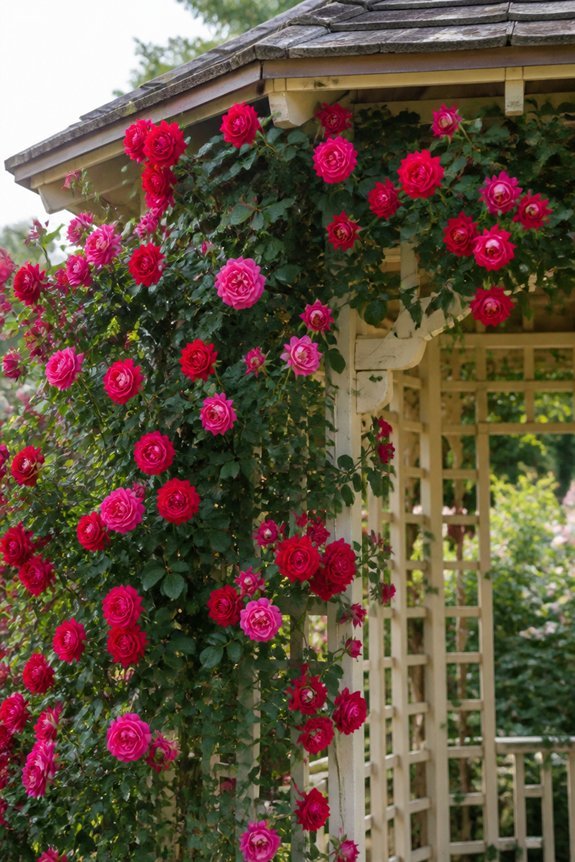
Climbing roses turn any gazebo into a living display of color and scent. Varieties like ‘New Dawn’, ‘Zephirine Drouhin’, and ‘Cecile Brunner’ thrive on vertical structures. They need full sun, room to breathe, and steady water through the growing season.
Training roses along posts and beams keeps growth neat and manageable. Install strong trellising or wire before you plant. Mature vines grow surprisingly heavy. Pruning clears out dead wood, sparks new blooms, and stops overcrowding. Late winter and spring work best for this task.
A rose-covered gazebo draws pollinators and casts cooling shade below. Check plants regularly for pests and disease to keep them healthy. With good placement and care, climbing roses reward you with reliable color and structure for years to come.
Layer Clematis for Year-Round Color
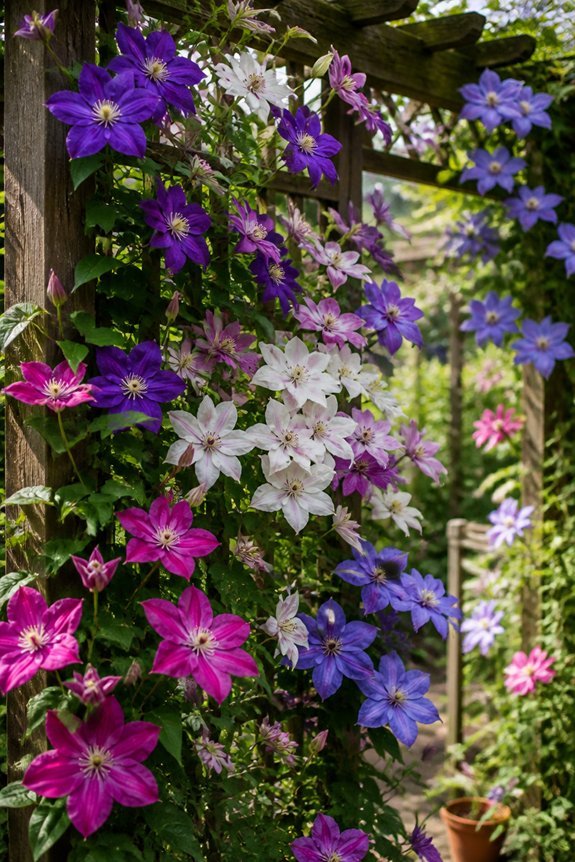
Staggered blooming times let you enjoy clematis from spring through fall. Early bloomers like Clematis montana open in spring. Jackmanii varieties follow in mid-summer. Sweet autumn clematis finishes the season with late flowers.
Choose varieties by color and timing. Purple, pink, white, and red options span all types. Space plants well apart to avoid crowding and disease.
Clematis vines need support within your gazebo frame. They climb using leaf tendrils, so add trellising or netting to guide them. Prune regularly to shape plants and boost flowering. Good drainage and proper sunlight keep them healthy all season long.
Fragrant Jasmine for Evening Ambiance
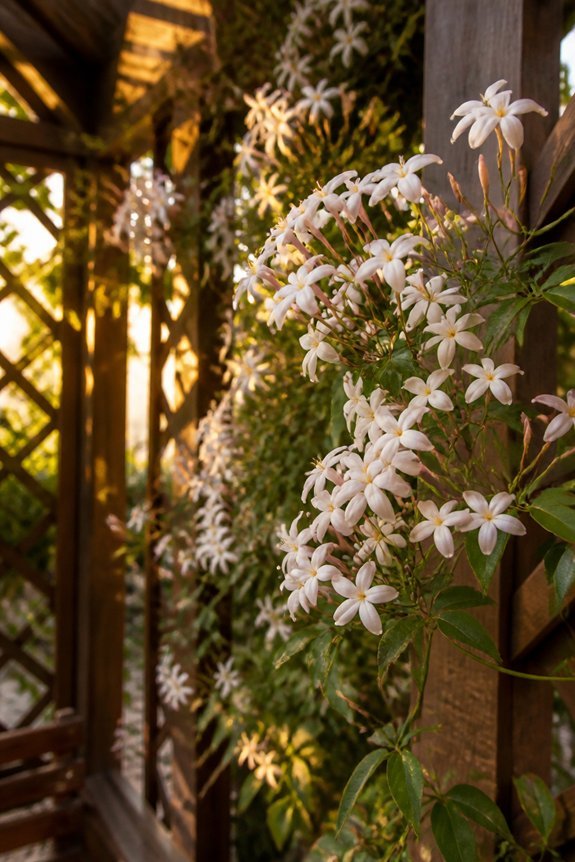
Evening fragrance turns a gazebo into a welcoming retreat. Jasmine varieties deliver this reliably through warm months.
Star jasmine produces small white flowers with strong evening scent. It climbs readily on gazebo structures. Carolina jasmine offers yellow blooms and moderate fragrance. It tolerates various light conditions. Common jasmine, also called poet’s jasmine, displays delicate white flowers. Its nighttime aroma is especially intense.
Jasmine needs well-draining soil and regular watering during establishment. Moderate sunlight produces the most flowers. The vines grow quickly and need sturdy support. Occasional pruning keeps their shape in check. Most varieties bloom from late spring through fall. This creates consistent evening fragrance throughout the growing season. Position jasmine near seating areas. You’ll catch the most scent during twilight hours.
Climbing Hydrangea Gazebos for Shade
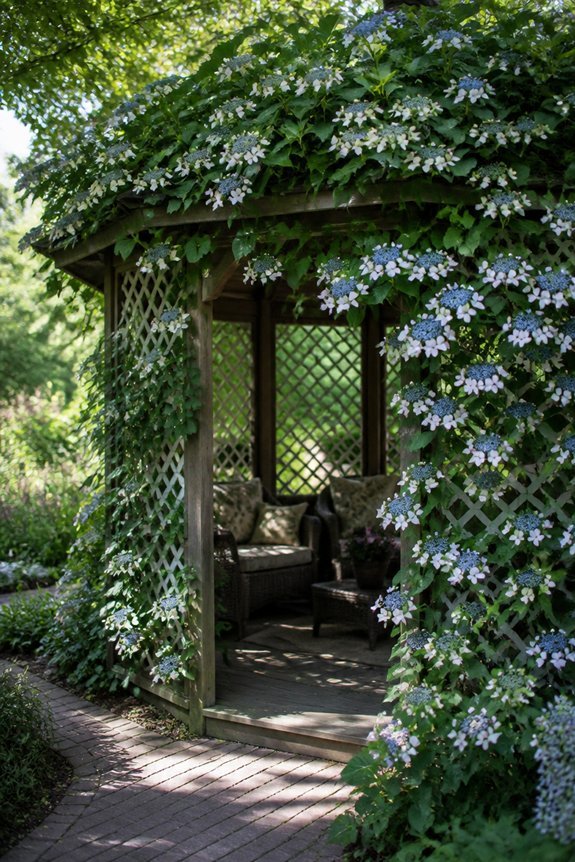
Two main hydrangea varieties climb effectively on gazebo structures. Oakleaf hydrangea and climbing hydrangea both adapt well to vertical growing.
Oakleaf hydrangea reaches 6 to 8 feet tall. It produces white flower clusters and textured leaves. Climbing hydrangea grows taller, sometimes exceeding 60 feet. It features smaller white blooms in early summer.
Both varieties need sturdy support systems. Trellises or wooden frames work well attached to gazebo posts. They prefer partial shade to full sun depending on your climate. Soil should stay consistently moist but drain well.
Pruning encourages fuller growth and helps maintain shape. These plants establish slowly at first. Expect 2 to 3 years before seeing significant coverage.
Once established, they need little care. Occasional trimming and watering during dry periods will suffice.
Wisteria Gazebos: Purple and Blue Drama
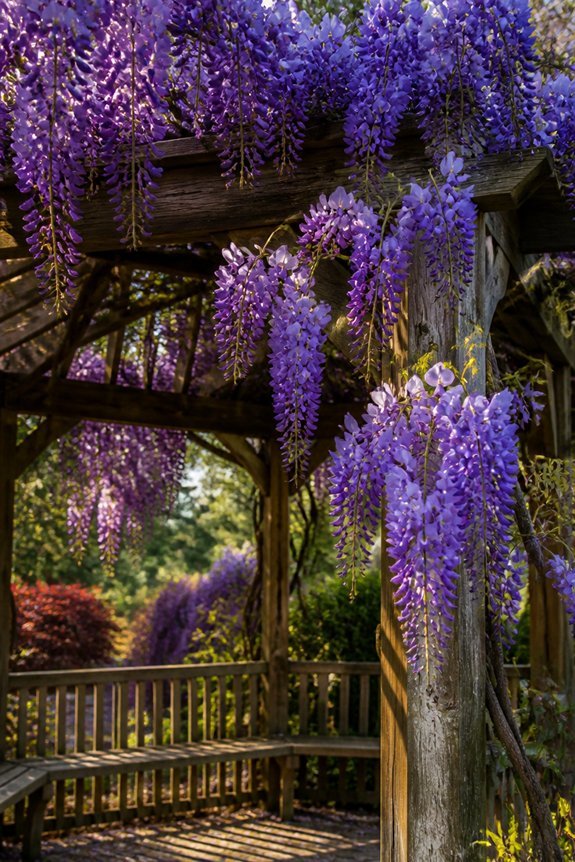
Wisteria vines bring cascading color to gazebos. Clusters of purple, blue, and white flowers drape elegantly across wooden structures. These plants grow fast and strong. They need sturdy support systems to hold their weight.
Regular pruning keeps wisteria looking tidy and full. Train the vines carefully along your gazebo framework. Remove dead wood whenever you spot it. Control overgrowth before it takes over.
Sunlight helps wisteria thrive. Full sun is best, though partial shade works too. Blooms appear in spring and last four to six weeks. Timing depends on your climate and the plant variety.
Japanese and Chinese Varieties
Japanese cultivars produce shorter, compact flower clusters. Chinese types grow longer, more dramatic hanging blooms. Both kinds need well-draining soil. Water moderately during active growing seasons.
Long-Term Care
Prune right after flowering finishes. This prevents tangled masses and encourages better blooming next year. Established plants live fifty years or more. A well-maintained wisteria becomes a legacy feature in any garden.
Extend Blooms Spring to Fall With Vine Pairs
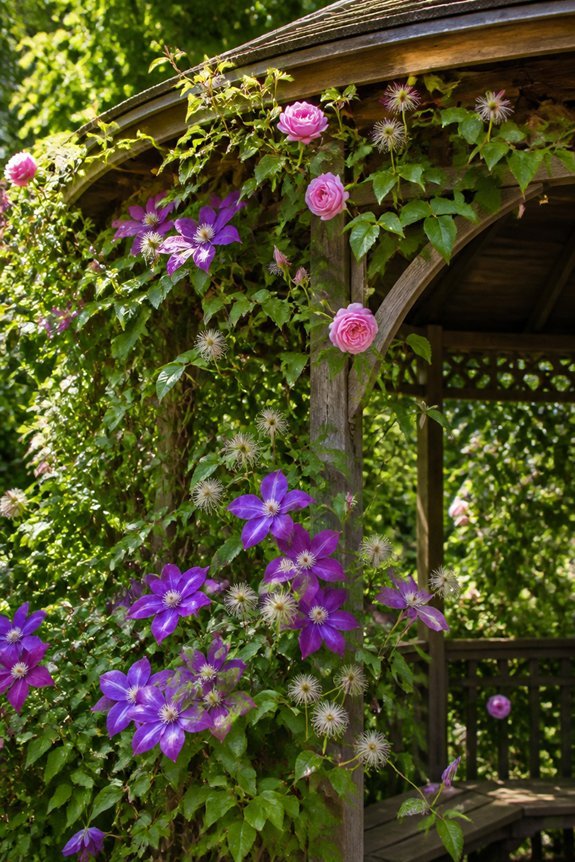
Pairing vines with staggered bloom times keeps your gazebo colorful for months. Choose plants that flower at different points in the season. This simple strategy creates nonstop visual interest without extra work.
Clematis varieties open in spring and early summer. Climbing roses take over in mid to late summer. Add late-blooming honeysuckle or trumpet vine for autumn color. Together, these three stages cover the entire growing season.
Match your vine pairs by their basic needs. Sunlight, water, and soil conditions should align. This keeps maintenance simple and both plants thriving. You will not need separate care routines for each vine.
One effective combination pairs early clematis with fall-blooming asters. This gives you three distinct flowering periods. Your structure stays full and vibrant from first thaw to final frost.
Plant-and-Forget Gazebo Vines
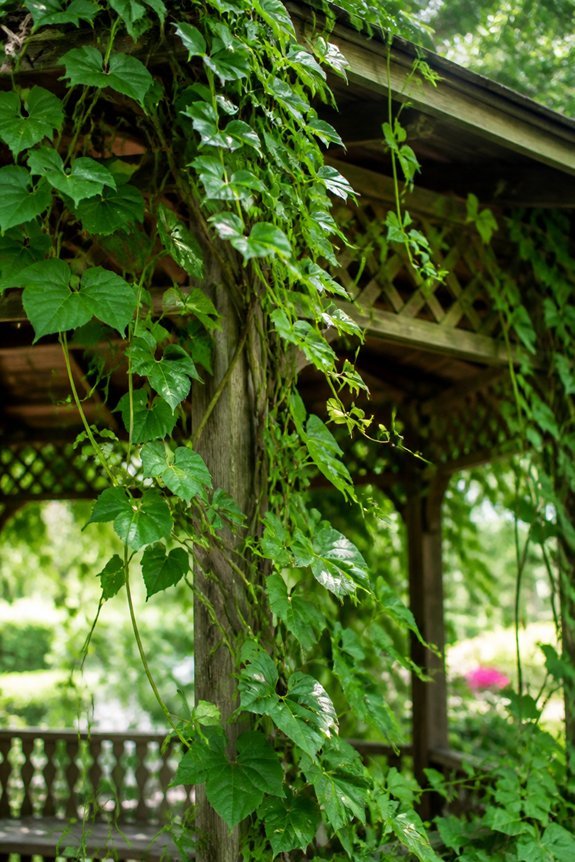
Some vines ask for constant care. Others settle in and take care of themselves.
Clematis, honeysuckle, and climbing hydrangea fall into that second category. They need regular watering at first. After that, natural rainfall and soil nutrients handle the rest. Strong root systems develop underground. This eliminates the need for frequent fertilizer or scheduled pruning.
Clematis handles shade and poor soil without complaint. Honeysuckle spreads quickly across large gazebo frames. Climbing hydrangea starts slow. Give it three or four years. It rewards your patience with complete self-sufficiency and broad coverage.
These varieties keep their leaves year after year. Blooms come reliably each season. You might trim away spent flowers now and then. Structural pruning keeps everything tidy around your gazebo posts. That is about all they demand.
Design Private Retreats With Dense Vines
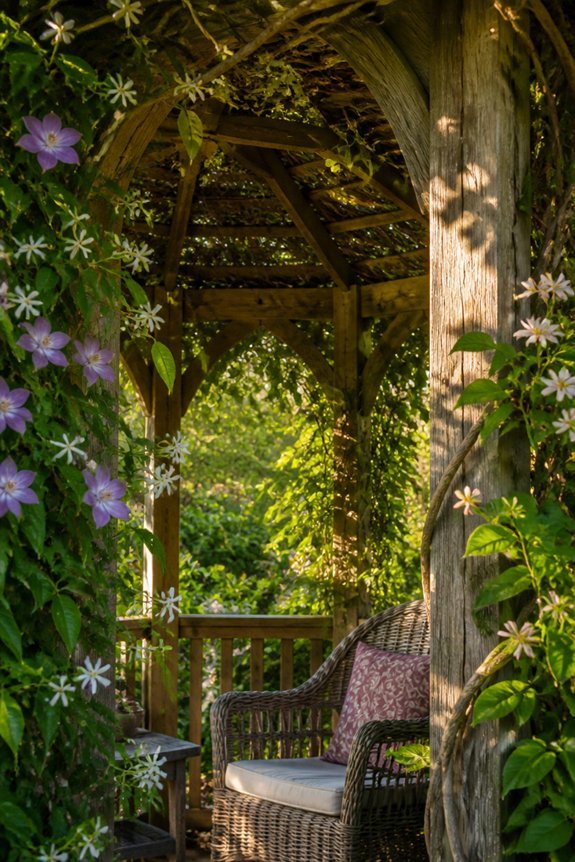
Dense vines turn open gazebos into private retreats. They block sightlines and form natural walls. Climbing plants like clematis, jasmine, and honeysuckle grow fast. You will have privacy within weeks.
These vines weave through lattice panels and overhead beams. Dense coverage shields you from neighbors and passersby.
Strategic Placement
Plant vines on the gazebo’s outer sides. This creates privacy while keeping airflow and light inside. Fast-growing cultivars speed up enclosure. Ivy, climbing hydrangea, and Virginia creeper fill in quickly once settled.
Added Benefits
Thick vine coverage cuts noise levels. It also filters dust and steadies temperature shifts. The layered foliage absorbs sound waves well. It shades you from harsh afternoon sun.
Go Bold: Single-Color Gazebo Schemes
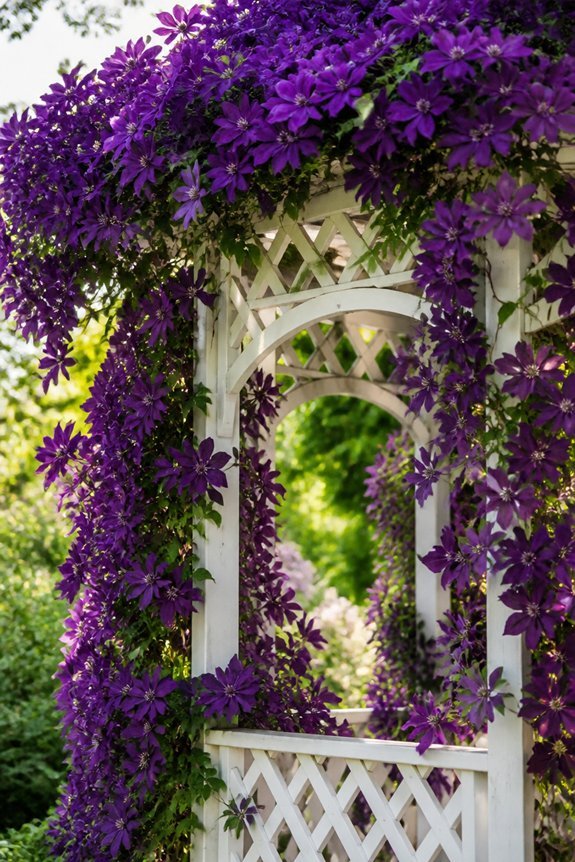
Single-color gazebo schemes create visual impact through unified color choices. The framework, roof, and decorative elements all share one cohesive hue.
White gazebos offer clean, classic aesthetics. They pair beautifully with climbing roses, clematis, and jasmine vines.
Black or dark brown structures provide striking contrast. Flowering plants like bougainvillea and honeysuckle stand out prominently against these deeper tones.
Soft gray creates a neutral backdrop for mixed plantings. It supports your garden without overwhelming the space.
One dominant color simplifies your design decisions. It also establishes visual cohesion throughout your outdoor area.
Your selected color should coordinate with surrounding features. Consider fence lines, deck materials, and nearby structures.
Single-color schemes reduce visual clutter. Plant growth and seasonal blooms become the primary focal points. No competing elements steal the show.
Maintain Your Gazebo Through All Seasons
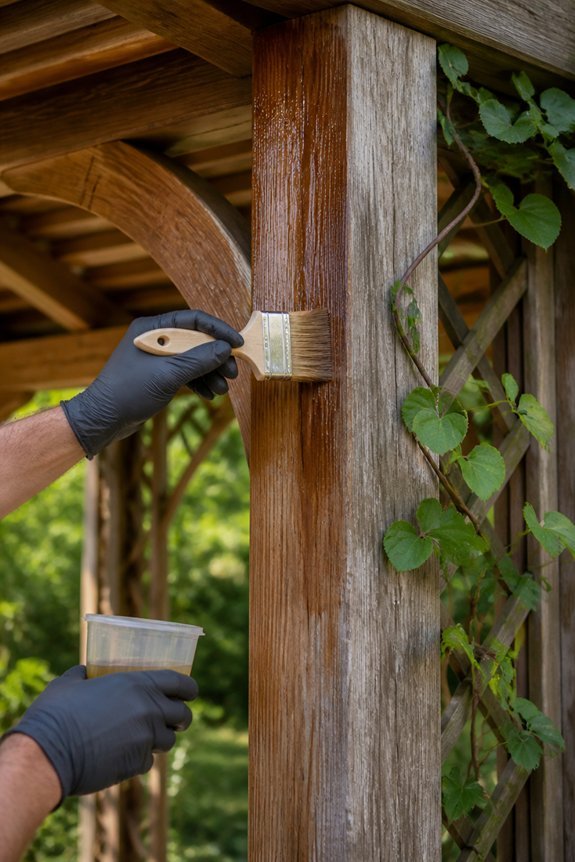
Regular maintenance keeps gazebos functional and visually appealing all year long.
Spring Care
Inspect wooden frames, railings, and flooring for winter damage or rot. Address any issues promptly to prevent further deterioration.
Summer Upkeep
Clean debris from roof gutters and check paint condition. Apply protective sealant to wood surfaces when needed.
Fall Tasks
Remove leaves and branches from all surfaces and around the structure. This prevents moisture buildup and staining.
Winter Preparation
Check for loose bolts and reinforce connections. Clear ice and snow promptly to reduce structural strain.
Monthly Maintenance
Sweep floors and wipe down surfaces regularly. Trim climbing vines before they overgrow.
Annual Protection
Treat wood with stain or paint to guard against weathering and UV damage. Remove dead plant material to prevent pests and disease spread among your flowers and vines.
Consistent care extends your gazebo’s lifespan considerably.
Frequently Asked Questions
How Long Does It Take for Vines to Fully Cover a Gazebo Structure?
This really depends on which vine you choose. Fast growers like clematis and ivy typically cover a gazebo within two to three years, which feels quick once you’re in the middle of watching it happen.
Slower varieties can take five to seven years to reach full coverage. If patience isn’t your strong suit, it’s worth factoring growth speed into your choice from the start.
What Is the Cost of Installing a Flower and Vine-Covered Gazebo?
You’re generally looking at somewhere between $1,500 and $5,000 for the full setup. Structure size, material quality, and your plant selection all shift that number around.
Going the DIY route brings costs down considerably, especially if you’re comfortable sourcing your own plants and doing the planting yourself rather than hiring it out.
Can I Grow Flowering Vines in Containers on My Gazebo?
Absolutely, container growing works well as long as you’re prepared to give the plants a bit more consistent attention than you would in the ground. Good drainage and rich soil make a real difference here.
Clematis, honeysuckle, and jasmine all perform particularly well in containers. Regular watering and adequate sunlight matter even more in this setup since containers dry out faster than garden soil.
How Do I Prevent Vines From Damaging My Gazebo’s Wooden Structure?
Using a trellis or mesh structure instead of letting vines climb directly on the wood makes a huge difference. It gives the plant something else to grip onto besides your actual gazebo frame.
Regular pruning also prevents excessive weight from building up over time, which is often what causes real damage. A protective sealant on the wood itself adds another layer of defense against moisture that vines can trap against the surface.
Which Flowering Vines Attract Pollinators and Beneficial Insects to Gardens?
Clematis, honeysuckle, and trumpet vine are all reliable choices if you want to draw in bees and butterflies. They tend to bloom generously and keep pollinators coming back throughout the season.
Morning glories and passionflower vines are worth adding too if hummingbirds are part of what you’re hoping to attract. Jasmine rounds things out nicely, supporting a good range of pollinators across the growing season.
CONCLUSION
A gazebo covered in the right plants stops feeling like a structure and starts feeling like part of the garden itself. That transformation happens slowly, which is honestly part of the charm.
Watching my own clematis finally reach the roofline last summer reminded me that some of the best garden projects reward patience more than effort. It wasn’t a quick fix, but it was worth the wait.
Whether you go bold with a single-color scheme or layer several bloom times for color that lasts all season, the right combination really comes down to your climate and how much time you want to spend maintaining it. Neither approach is more correct than the other.
Fast growers like honeysuckle earn their keep if privacy is your main goal, while something like wisteria rewards you with drama that can genuinely last a lifetime once established. Both have their place depending on what you’re after.
Seasonal maintenance isn’t glamorous, but a little consistent care through the year keeps your gazebo and its plants looking their best for decades rather than just a season or two.
I’d love to hear which plants you’re considering, or how your own gazebo garden is coming along this year. Leave a comment and let me know.